Health Benefits
    Facebook Twitter Instagram
    Friday, December 5
    Facebook Twitter Pinterest
    Health Benefits
    • Home
    • Dental Health
    • Mental Health
    • Weight Loss
    • Health Wiki
    • Nutrition
    • Healthy Recipe
    • BMI Calculator
    Health Benefits
    Home»Herbs and Spices»Facts about Garden Balsam
    Herbs and Spices

    Facts about Garden Balsam

    By s mMarch 11, 2018Updated:March 11, 2018No Comments3 Mins Read
    Facebook Twitter Pinterest LinkedIn Tumblr Email

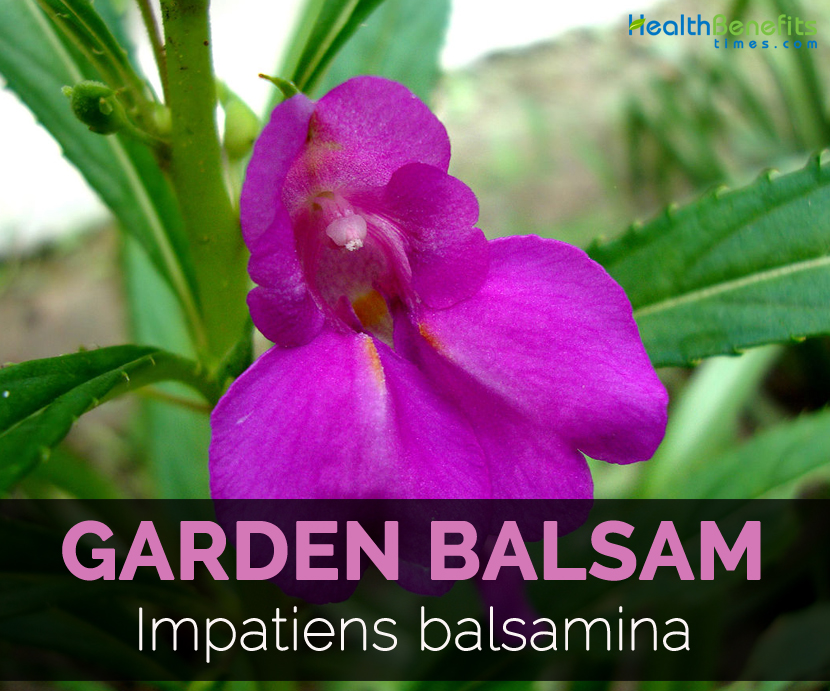
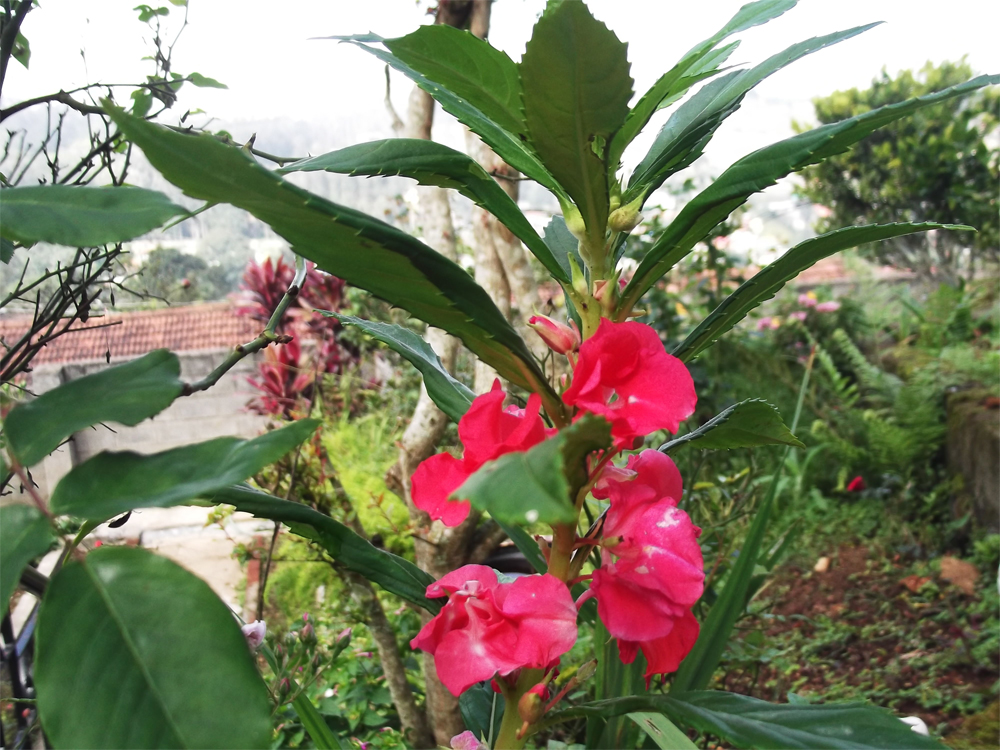
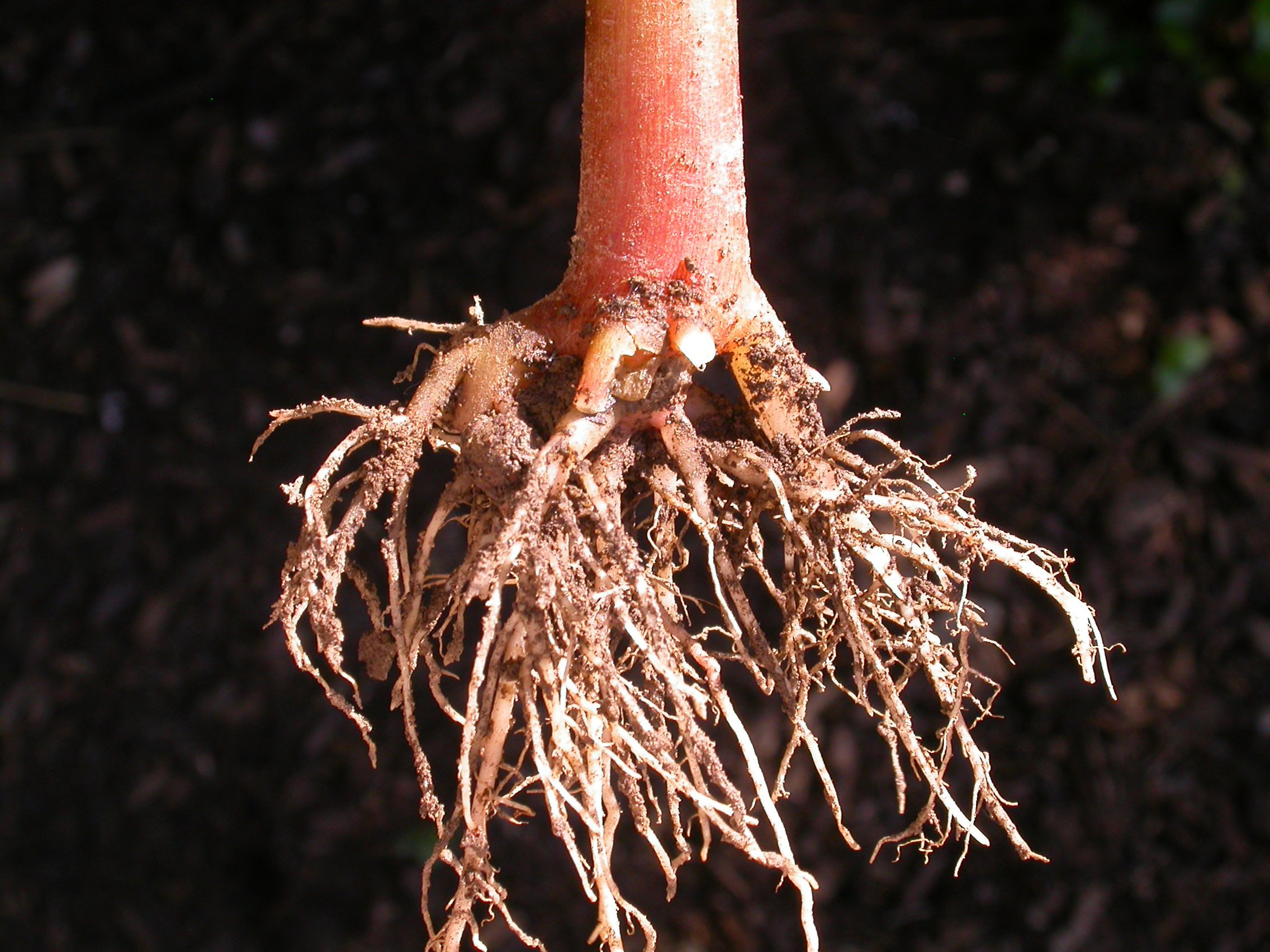
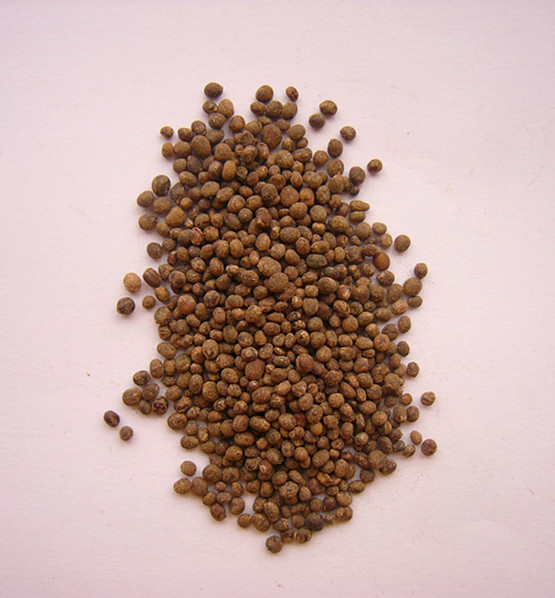
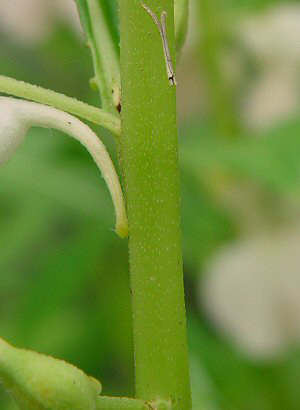
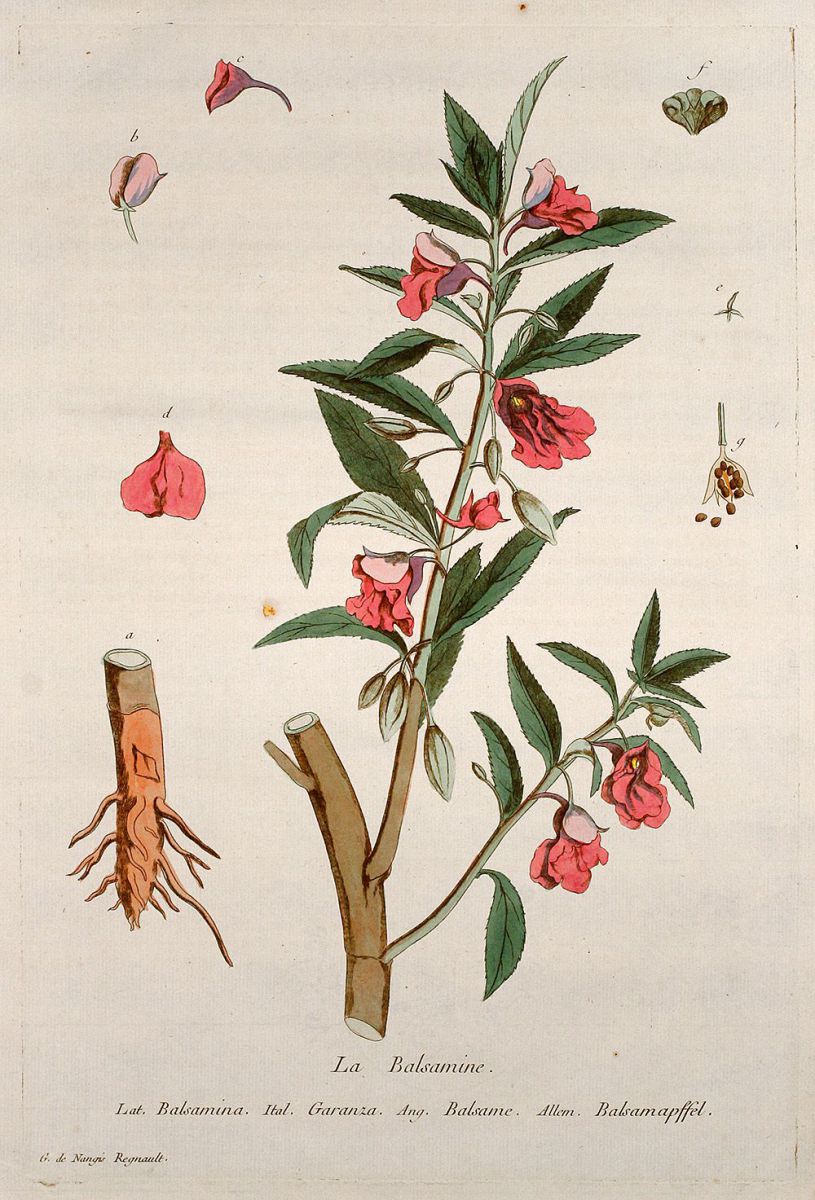
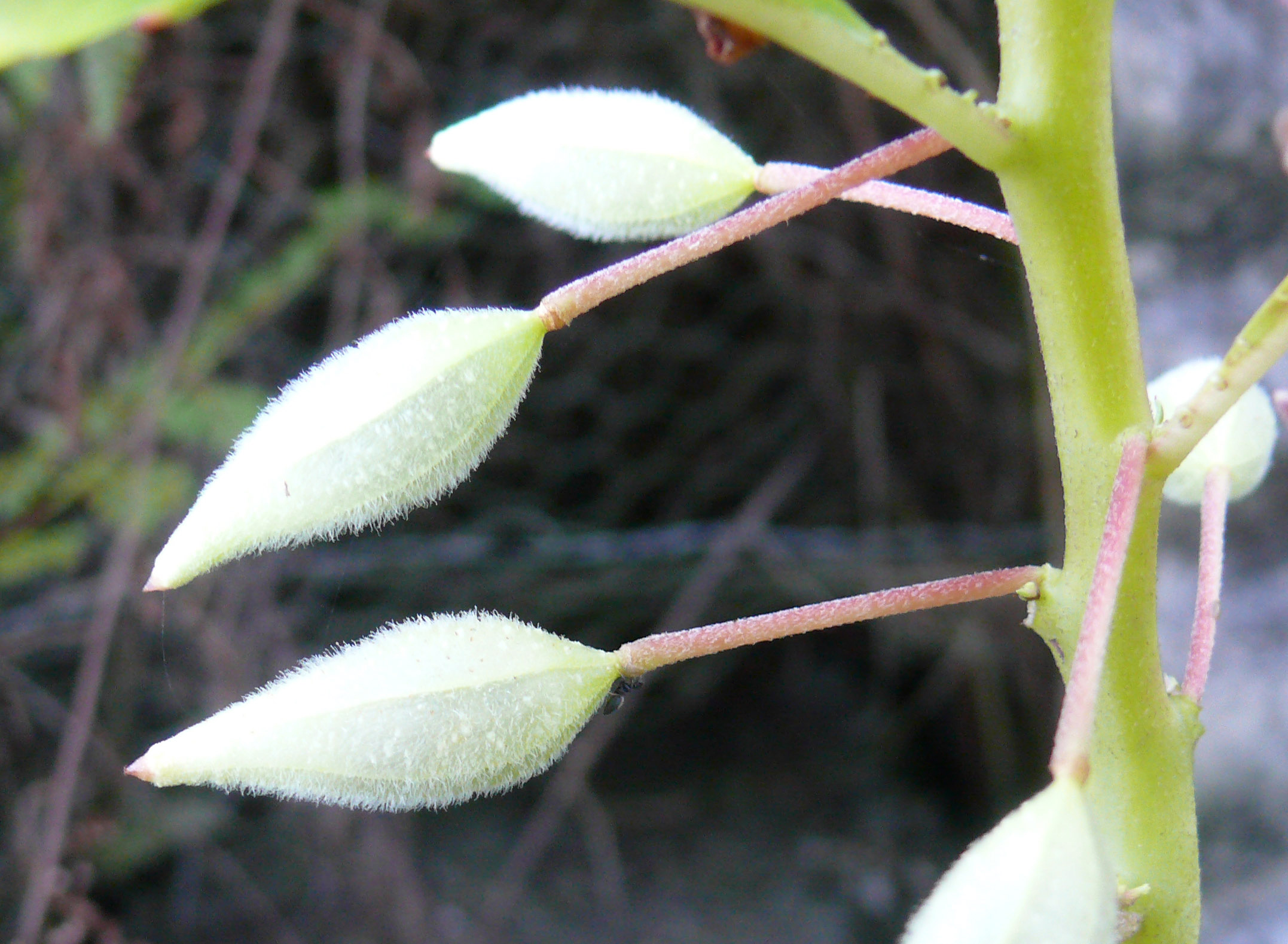
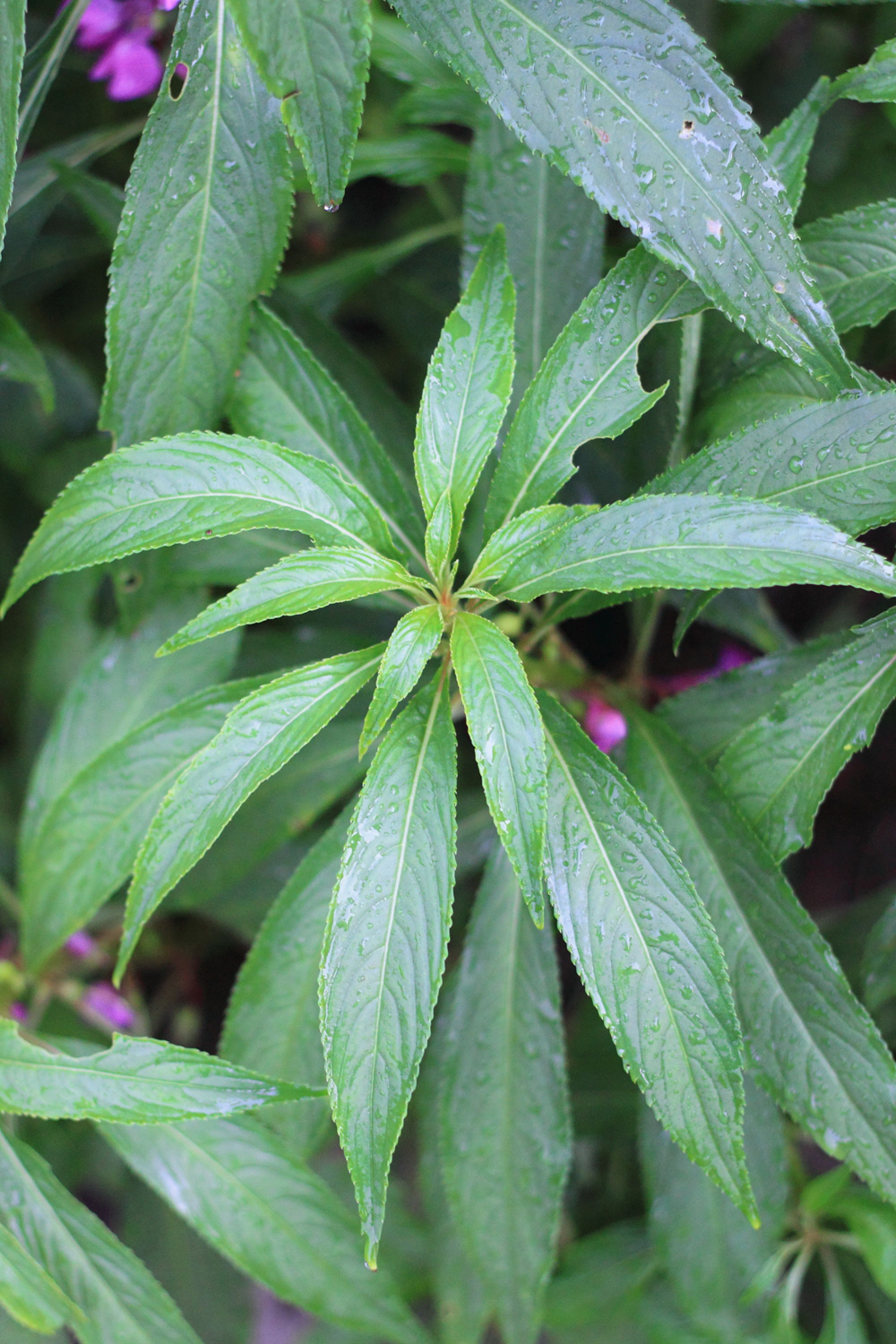
    Impatiens balsamina is also known as Balsam weed, Garden Balsam, Garden Touch-me-not, Jewel Weed, Rose balsam, Spotted snapweed, Touch-me-not, Touch Me Not Balsam, Garden Balsam, Impatiens, Garden Balsamine and Jewelweed. Garden Balsam is an annual plant which grows from 60 to 100 cm high. Stem are robust, erect with base measuring 8 mm in diameter. Stems are simple or branched, succulent, glabrous or laxly pubescent when young with fibrous roots and swollen lower nodes. Leaves are alternate, petiole 1-3 cm, leaf blade lanceolate, oblanceolate or narrowly elliptic measuring 4-12 × 1.5-3 cm. Pedicles are 2-2.5 cm, bracteates at base, densely pubescent and linear bracts. Flowers are pink, white or purple and simple or double petalous. Sepals are lateral, ovate to lanceolate about 2 to 3 mm. An upper petal is orbicular, apex retuse and nucronulate. An ovary is fusiform and densely pubescent. Capsule is 1 to 2 cm, broadly fusiform, densely tomentose and is narrowed at both ends. Seeds are globose, tuberculate, black to brown and 1.5 to 3 mm in diameter.

    Garden Balsam Image Gallery
    Garden-Balsam-flower Garden-Balsam-flower
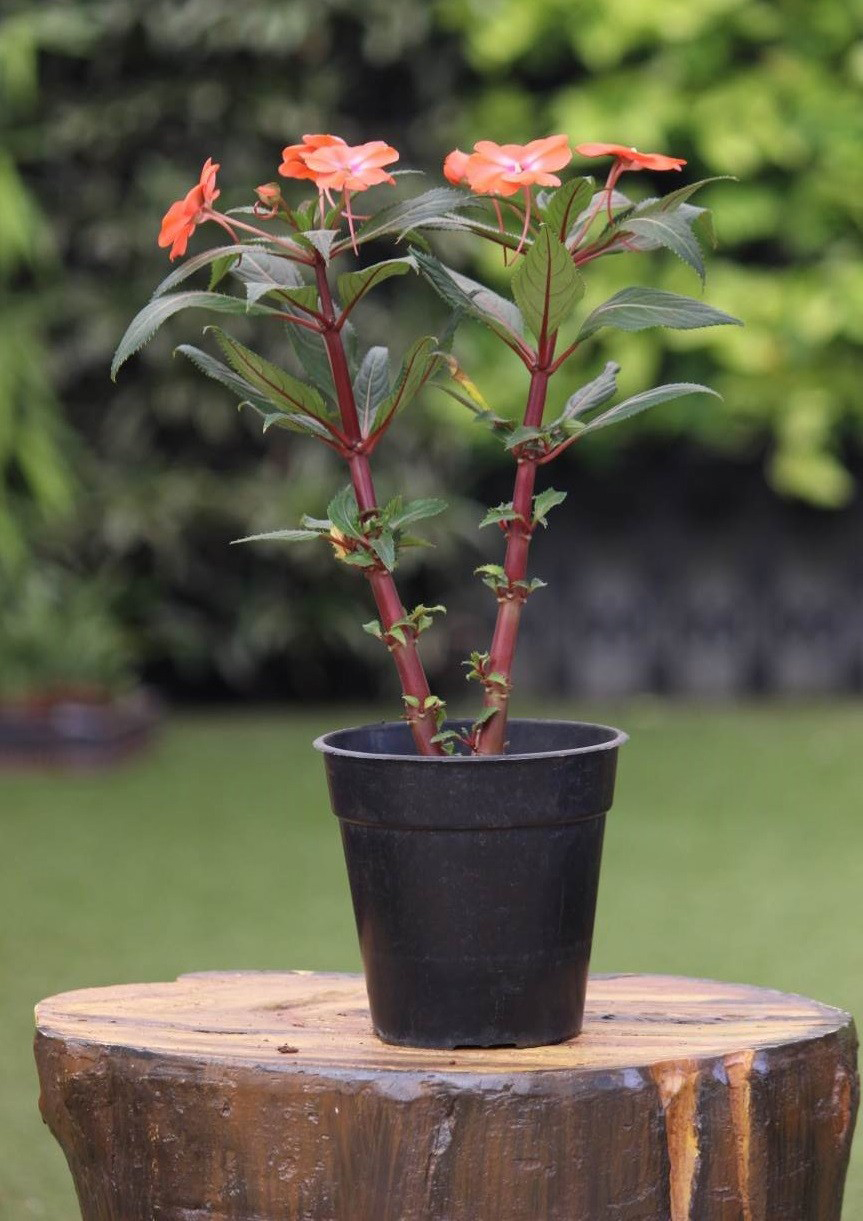
    Garden-Balsam-plant Garden-Balsam-plant
    Garden-Balsam-root Garden-Balsam-root

    Garden-Balsam-seeds Garden-Balsam-seeds
    Garden-Balsam-stem Garden-Balsam-stem
    Illustration-of-Garden-Balsam Illustration-of-Garden-Balsam

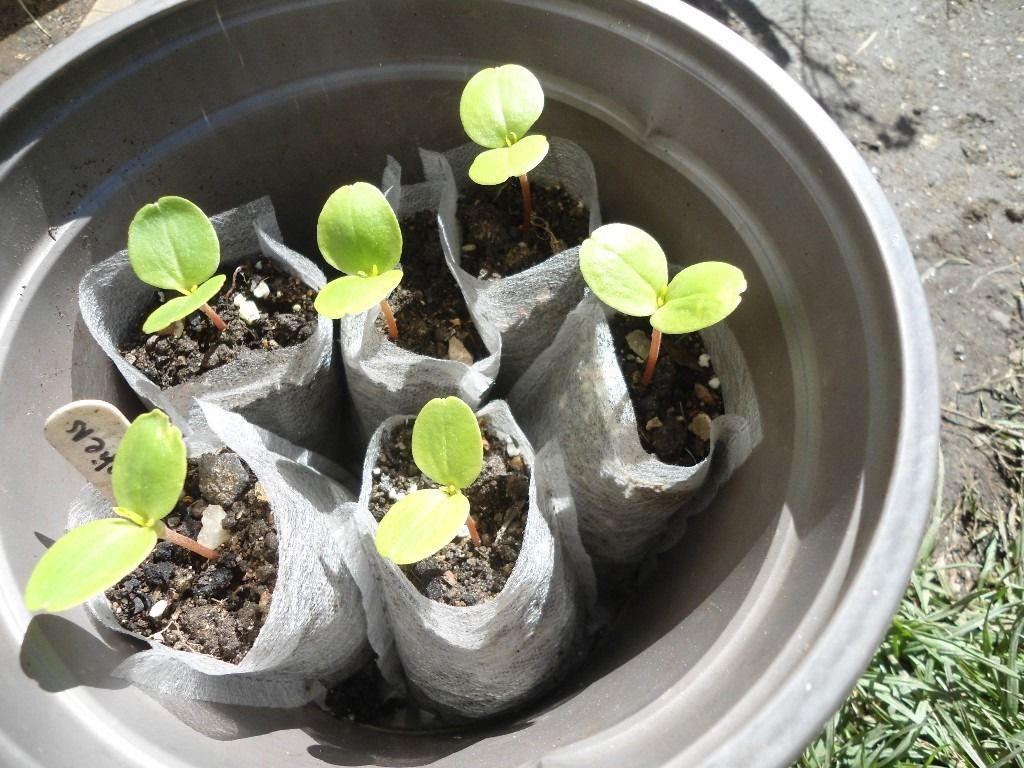
    Seedlings-of-Garden-Balsam Seedlings-of-Garden-Balsam
    Seed-pod-of-Garden-Balsam Seed-pod-of-Garden-Balsam
    Garden-Balsam-leaves Garden-Balsam-leaves

    Traditional uses

    • The plant is used for treating diseases and skin problems.
    • Juice extracted from leaves is useful for treating snake bite and warts.
    • Apply the flower to burns.
    • In Asia, it is used for fractures, rheumatism and other health problems
    • It is used in Korean folk medicine for treating gastritis and constipation.
    • In China, the plant is used for treating bites of snakes and who ingested poisonous fish.
    • The pulverized dried stalks, juice from stalk and paste made from flowers are used for treating various health ailments.
    • The plant extract is used by Vietnamese to wash their hair in order to stimulate hair growth.
    • Medicinally, seeds and stem are used to promote blood circulation and to provide relief from sore throats.
    • In Asia, Garden balsam is used for treating fractures, rheumatism and fingernails.
    • In Bangladesh, flowers are used for treating neuralgia, lumbago, scalds and burns.
    • Apply the white petals juice topically for urticarial and dermatitis.
    • In Philippines, leaves are used in poultice for dissolve felons.
    • Leaves are used in Malaysia as a poultice for broken and torn nails.
    • Root decoction is used in Brunei for irregular menstruation.
    • Leaf juice is used to treat warts.
    • Seed powder is provided to women during labor for providing strength.
    • Flowers are used in Korea to produce an orange nail varnish.

    Precautions                                                                                                 

    • Allergic people should avoid it.
    • Use it in moderate amounts.
    • Consult the health practitioner before treating health ailments.

    How to Eat         

    • Petals are made into balls, dipped in a batter, shallow fried and cooked in a curry with sliced potatoes.
    • Seeds powder is added to tea.
    • Seeds are cooked or consumed raw.
    • In China, shoots and leaves are cooked and consumed.

    References:

    https://www.itis.gov/servlet/SingleRpt/SingleRpt?search_topic=TSN&search_value=29185#null

    http://www.hear.org/pier/species/impatiens_balsamina.htm

    https://en.wikipedia.org/wiki/Impatiens_balsamina

    https://www.cabi.org/isc/datasheet/28765

    http://www.healthtipscentral.com/surprising-health-benefits-of-garden-balsam-kamantigue-healthtipscentral-4/

    63%
    63%
    Awesome

    Comments

    comments

    G Herbs and Spices
    Share. Facebook Twitter Pinterest LinkedIn Tumblr Email
    Previous ArticleFacts about Mexican marigold
    Next Article Facts about African Tuliptree

    Related Posts

    Uses of Monkey Pitcher plant

    April 16, 2024

    Traditional uses and benefits of Wild Marigold

    March 21, 2024

    Traditional uses and benefits of Drooping fig

    March 12, 2024

    Comments are closed.


    Facts of Garden Balsam

    Garden Balsam Quick Facts
    Name: Garden Balsam
    Scientific Name: Impatiens balsamina
    Origin This species is indigenous to southern Asia in India and mainland Southeast Asia. It is has been introduced into South China, southern Europe and Turkey.
    Shapes Elliptic to fusiform, 1.2-1.4 mm long
    Name Garden Balsam
    Scientific Name Impatiens balsamina
    Native This species is indigenous to southern Asia in India and mainland Southeast Asia. It is has been introduced into South China, southern Europe and Turkey.
    Common/English Name Balsam weed, Garden Balsam, Garden Touch-me-not, Jewel Weed, Rose balsam, Spotted snapweed, Touch-me-not, Touch Me Not Balsam, Garden Balsam, Impatiens, Garden Balsamine, Jewelweed
    Name in Other Languages Bengali: Dopati (দোপাটি);
    Chinese: Fèng xiān huā ( 凤仙花), Fèng xiān tòu gǔ cǎo (凤仙透骨草), Jíxìngzi (急性子), Zhǐjiǎ huā (指甲花);
    Finnish: Mummonpalsami;
    Gujarati: Gulmendi (ગુલમેંદી);
    Kashmiri: Tatur (ततूर्), Ban-til (बन्-तिल्);
    Malayalam: Mechingam, Thottachinungi, Thilam Oonappuu (തിലം ഓണപ്പു);
    Marathi: Gulmendi (गुलमेंधी), Terada (तेरडा);
    Oriya: Haragaura;
    Russian: nedotroga bal’zaminovaja, недотрога бальзаминовая;
    Telugu: Gulivinda (గులివింద), Mudda Gorinta (ముద్ద గోరింత);
    Vietnamese: cây bông móng tay;
    Bangladesh: Dopati;
    Burmese: Dau Dalet;
    Chamorro: Kamantigi
    Chuukese: Pee-Cha, Pee Cca;
    Dutch: Juliaantje;
    French: Balsamine Des Jardins, Impatience;
    German: Balsamine, Gartenspringkraut;
    India:-
    Hindi: gulmendhi, Gulmehendi (गुलमेहंधी), गुलमेहद;
    Kannada: Karnamamdala (ಕರ್ಣಮಮ್ಡಲ);
    Sanskrit: dushpatrijati, Dushparijati (दुष्परिजती);
    Siddha: Kasittumbai,
    Tamil: Kaci-t-tumpai (காசித்தும்பை);
    Urdu: Gul Mehendi (مينہدي گل);
    Indonesian:-
    Javanese: Pacar Banyu,
    Minangkaba u: Paru Inai, Pacar Air
    Japanese: Tsurifune-Sō;
    Korean: Bongseonhwa;
    Malaysia:-
    Sarawak: Bunga Embung, Bunga Tabo, Hinai Ayam, Hinai Pacak, Inai Air, Lak Kecil, Dandalet;
    Palauan: Hosengka;
    Philippines:-
    Bikol: Suranga,
    Bisaya: Solonga, Suranga,
    Iloko: Kamantigi,
    Pampangan: Kamantig,
    Sulu: Saungga,
    Tagalog: Kamantigi;
    Russian: Nedotroga Bal’zaminovaja;
    Samoan: Patiale;
    Spanish: Balsamina, Chico, Chachupina, Madama;
    Swedish: Balsamin;
    Thai: Thian Baan, Thian Suan, Thian Dok;
    Tongan: Polosomo;
    Vietnamese: Bóng Nước, Móc Tai, Cây Bông Móng Tay, Móng Tay;
    Chamorro: kamantigi;
    Chuukese: pee cca, pee-cha;
    Palauan: hosengka;
    Cuba: madama;
    Netherlands: Balsemien;
    Saint Lucia: busy-lizzie
    Plant Size 60 to 100 cm tall
    Stem Erect, robust
    Leaves Spirally-arranged, 2.5-9 cm long and 1-2.5 cm broad
    Flowering Season July to October
    Flower White, orange, pink-red or purple, 25-30 mm long
    Fruit shape & size Elliptic to fusiform, 1.2-1.4 mm long
    Seed Black-brown, sub-globose, 1.5-3 mm in diameter, tuberculate

    Garden Balsam Scientific Classification

    Scientific Name: Impatiens balsamina

    Rank Scientific Name & (Common Name)
    Kingdom Plantae (Plants)
    Subkingdom Viridiplantae
    Infrakingdom Streptophyta  (Land plants)
    Superdivision Embryophyta
    Division Tracheophyta  (Vascular plants, tracheophytes)
    Class Magnoliopsida
    Order Ericales
    Family Balsaminaceae  (Touch-me-nots)
    Genus Impatiens L. ( T ouch-me-not)
    Species Impatiens L. ( T ouch-me-not)
    Synonyms
    • Balsamina angustifolia Bl.
    • Balsamina angustifolia Blume
    • Balsamina balsamina (L.) Huth (inval.)
    • Balsamina balsamina Huth
    • Balsamina coccinea (Sims) DC.
    • Balsamina coccinea DC.
    • Balsamina cornuta (L.) DC.
    • Balsamina cornuta DC.
    • Balsamina foemina Gaertn.
    • Balsamina foeminea Gaertn.
    • Balsamina hortensis Desp.
    • Balsamina lacca Medik.
    • Balsamina minutiflora Span.
    • Balsamina mollis G.Don
    • Balsamina odorata Buch.-Ham.
    • Balsamina odorata Buch.-Ham. ex D.Don
    • Balsamina racemosa Buch.-Ham.
    • Balsamina racemosa Buch.-Ham. ex D.Don
    • Impatiens angustifolia (Bl.) Steud.
    • Impatiens arcuata Benth.
    • Impatiens balsamina var. brevicalcarata T.Cooke
    • Impatiens balsamina var. coccinea (Wall.) Hook.f.
    • Impatiens balsamina var. corymbosa Santapau
    • Impatiens balsamina var. dahlii (Warb.) Schltr.
    • Impatiens balsamina var. rosea (Lindl.) Hook.f.
    • Impatiens coccinea Sims
    • Impatiens coccinea Wall.
    • Impatiens cornuta L.
    • Impatiens dahlii Warb.
    • Impatiens eriocarpa Launert
    • Impatiens giorgii De Wild.
    • Impatiens lobbiana Turcz.
    • Impatiens lobbiana Turcz.
    • Impatiens longifolia Wight
    • Impatiens malayensis Griff.
    • Impatiens rosea Lindl.
    • Impatiens salicifolia Turcz.
    • Impatiens sinensis Buch.-Ham.
    • Impatiens sinensis Buch.-Ham. ex Benth.
    • Impatiens stapfiana Gilg
    • Impatiens tamsiana Exell
    Categories
    • Beverages (78)
    • Dairy (28)
    • Dental Health (15)
    • Equipment (5)
    • Essential OIls (196)
    • Facts (2,939)
    • Foods (255)
    • Fruits (516)
    • Giveaway (1)
    • Grains and Cereals (36)
    • Health & Beauty (763)
    • Herbs and Spices (1,249)
    • Medicines (9)
    • Mental Health (19)
    • Nutritional value (27)
    • Nuts and seeds (73)
    • Oils (81)
    • Pets (4)
    • Poultry & Seafoods (67)
    • Pulses and Beans (16)
    • Reviews (25)
    • supplement (2)
    • Vegetables (304)
    • Weight Loss (22)

    What is Lupin Bean Flour?

    Science Backed Health Benefits of Durian (Durio zibethinus)

    Science Backed Health Benefits of Feijoa (Pineapple Guava) (Acca sellowiana)

    Science Backed Health Benefits of Gac Fruit (Momordica cochinchinensis)

    Science Backed Health Benefits of Amaranth Leaves (Amaranthus spp)

    Science Backed Health Benefits of Arrowhead (Sagittaria sagittifolia)

    ABOUT
    Home
    About us
    Contact us
    Privacy Policy
    Terms & conditions
    Disclaimer
    Direct Communication
    e-mail: [email protected]
    Gmail: [email protected]
    Whatsapp: +977-9841146511
    Viber: +977-9841146511
    Useful
    Health Wiki
    Nutrition
    Facebook Twitter Pinterest
    © 2025 www.healthbenefitstimes.com All rights reserved.

    Type above and press Enter to search. Press Esc to cancel.

    ×

    Log In

    Forgot Password?

    Not registered yet? Create an Account