Health Benefits
    Facebook Twitter Instagram
    Friday, December 5
    Facebook Twitter Pinterest
    Health Benefits
    • Home
    • Dental Health
    • Mental Health
    • Weight Loss
    • Health Wiki
    • Nutrition
    • Healthy Recipe
    • BMI Calculator
    Health Benefits
    Home»Fruits»Hackberry-Celtis occidentalis
    Fruits

    Hackberry-Celtis occidentalis

    By s mSeptember 15, 2016Updated:July 7, 2017No Comments2 Mins Read
    Facebook Twitter Pinterest LinkedIn Tumblr Email

    hackberry-celtis-occidentalis

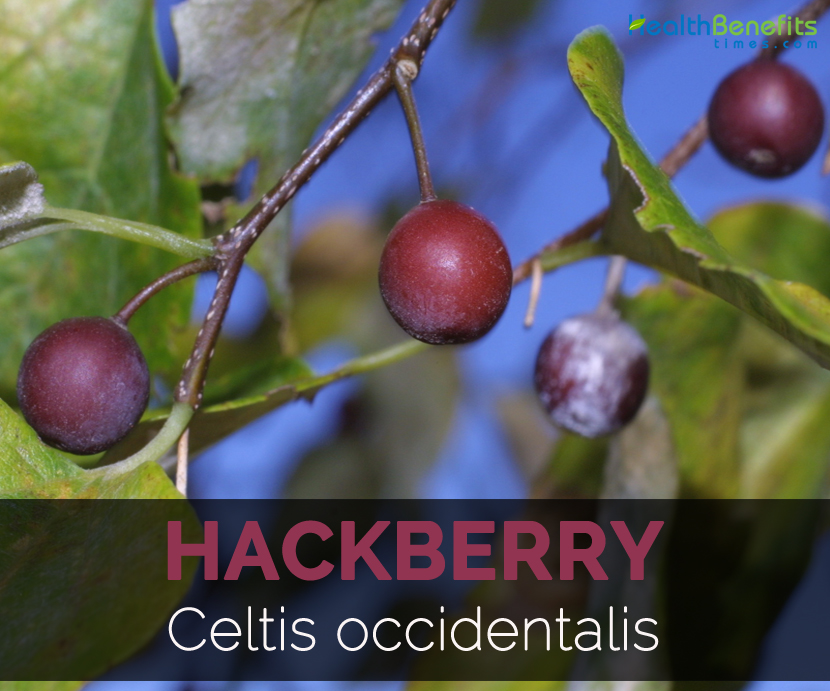
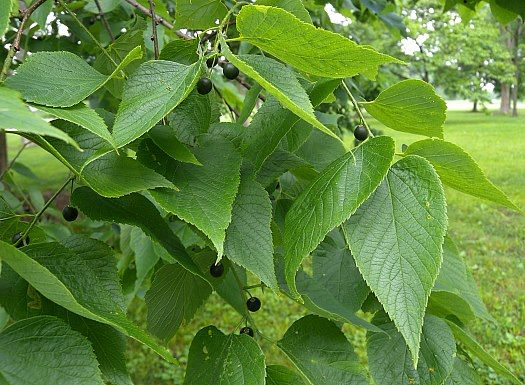
    Celtis occidentalis, generally known as Hackberry or less commonly as American hackberry, Mississippi hackberry, Nettletree, Northern hackberry, Sugarberry and beaverwood, is a species native to North America. Hackberry is deciduous and perennial tree comprising the flowering plant genus Celtis in the plant family Ulmaceae. Some common varieties of Hackberry are: Green Cascade, Prairie Sentinel, Prairie Pride and Magnifica.

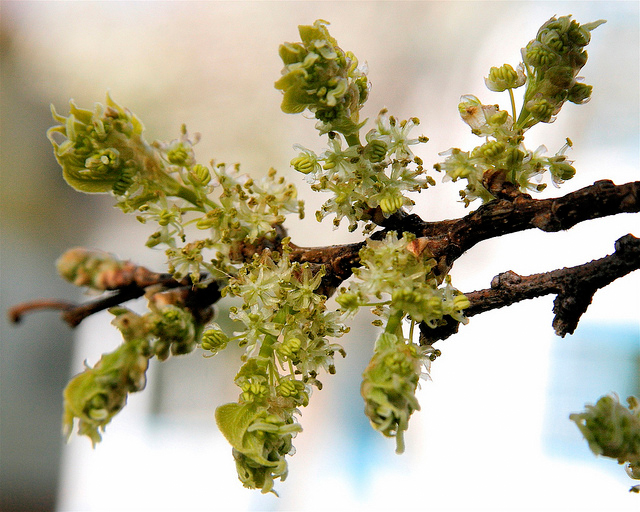
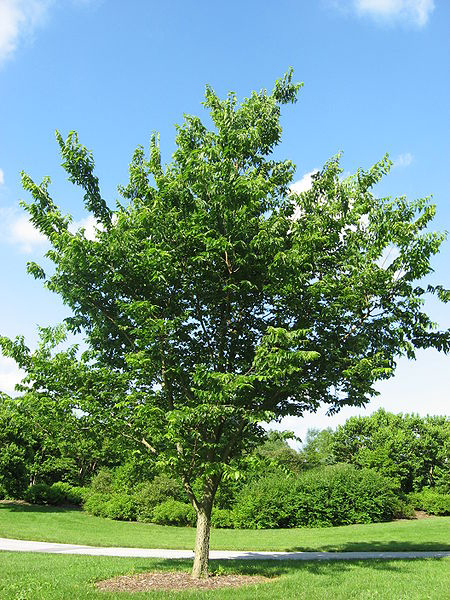
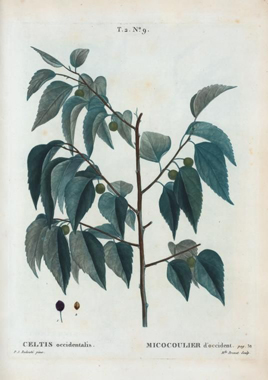
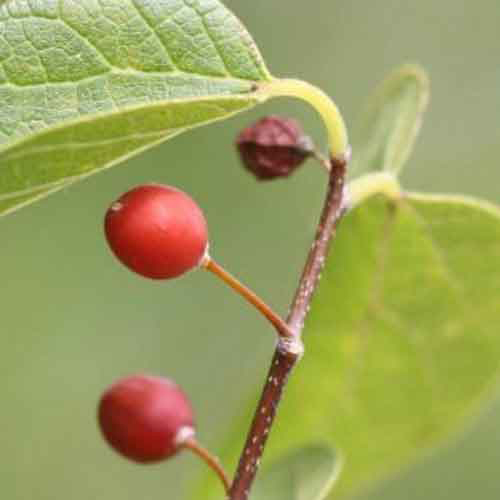
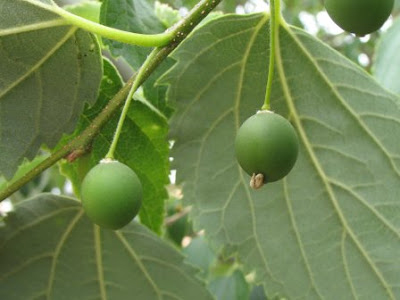
    Celtis occidentalis grows as a tree from 40-80 feet tall and may live for up to 150-200 years. The bark is grayish brown, corky warts and has ridges. The leaves are 2 ½-4 inches long; 1 ½ inches wide, alternately arranged, oval to lanceshaped, pinnate and green. The fruit is an oblong drupe, oval of 1/4-1/3 inch as a diameter. Flowers are small and greenish to yellow. This plant attracts butterflies, bees and birds.

    Hackberry-flower Hackberry-tree Illustration-of-Hackberry-plant Leaves-of-Hackberry Ripened-Hackberry Unripened-Hackberry
    [Show thumbnails]

    Health Benefits of Hackberry

    The Native Americans used Hackberry as the medicines or food. Free radicals are related with the health ailments such as ageing and cancer. Hackberry is the plant which is used in folk medicine due to its cytotoxic and antioxidant properties. The investigation shows that the leaf extracts and the isolation of bioactive compounds. The n-butanol fractions, aqueous and ethanolic extracts and isolated compounds were tested for the presence of antioxidant activities with the use of xanthine oxidase induced generation of superoxide radical, DPPH radical scavenging assay. With the use of standard MTT assay, the cytotoxic activities were studied. The variable cytotoxic activities were showed by all extracts. The study shows that the leaf extracts possess the cytotoxic and antioxidant activities.

    Other Facts

    • Flowers are nectar source for bees which are considered as the main pollinators.
    • Each fruit possess one seed.
    • The tree has soft wood which is used for firewood and manufacture of cheap furniture, fence posts, boxes and plywood.
    • The tree is planted on the banks of river to prevent soil erosion and flooding.
    • Native Americans used the tree as fuel source for fire during ceremonies.
    • Various mammals and birds feed on the berries of the tree after they ripen.

    References:

    http://www.oplin.org/tree/fact%20pages/hackberry/hackberry.html

    http://www.cabi.org/isc/datasheet/12414

    http://davesgarden.com/guides/pf/go/37946

    http://www.extension.umn.edu/garden/yard-garden/trees-shrubs/common-hackberry/index.html

    https://npgsweb.ars-grin.gov/gringlobal/taxonomydetail.aspx?id=9774

    http://www.ncbi.nlm.nih.gov/pubmed/22145118

    60%
    60%
    Awesome

    Comments

    comments

    Fruits H
    Share. Facebook Twitter Pinterest LinkedIn Tumblr Email
    Previous ArticleTop 10 benefits of Giant Taro and Nutritional Value
    Next Article Chinese chestnut – Castanea mollissima

    Related Posts

    Facts about Saffron Plum

    February 11, 2024

    Health benefits of Assyrian plum

    February 8, 2024

    Facts about Red Chokeberry

    February 4, 2024

    Comments are closed.


    Hackberry Scientific Classification

    Scientific Name: Celtis occidentalis

    Hackberry Quick Facts
    Name: Hackberry
    Scientific Name: Celtis occidentalis
    Origin North America
    Colors Black, purple or red (Fruit)
    Shapes Oblong drupe, oval; Diameter: 1/4-1/3 inch (Fruit)
    Taste Sweet
    More facts about Hackberry
    Rank Scientific Name & (Common Name)
    Kingdom Plantae (Plants)
    Subkingdom Tracheobionta (Vascular plants)
    Superdivision Spermatophyta (Seed plants)
    Division Magnoliophyta (Flowering plants)
    Class Magnoliopsida (Dicotyledons)
    Subclass Hamamelididae
    Order Urticales
    Family Ulmaceae (Elm family)
    Genus Celtis L. (Hackberry)
    Species Celtis occidentalis L. (Common hackberry)
    Synonyms
    • Celtis audibertiana Spach
    • Celtis audibertiana var. oblongata Spach
    • Celtis audibertiana var. ovata Spach
    • Celtis cordata Pers.
    • Celtis cordifolia L’Hér. ex Duham.
    • Celtis crassifolia Lam.
    • Celtis crassifolia var. eucalyptifolia Spach
    • Celtis crassifolia var. morifolia Spach
    • Celtis crassifolia var. tiliifolia Spach
    • Celtis floridana Raf.
    • Celtis heterophyla Raf.
    • Celtis longifolia Nutt.
    • Celtis morifolia Raf.
    • Celtis obliqua Moench
    • Celtis occidentalis f. neglecta F.Seym.
    • Celtis occidentalis var. aspera Dippel
    • Celtis occidentalis var. audibertiana (Spach) Dippel             
    • Celtis occidentalis var. cordata (Pers.) Willd.
    • Celtis occidentalis var. crassifolia (Lam.) A.Gray
    • Celtis occidentalis var. occidentalis
    • Celtis occidentalis var. serrulata Spach
    • Celtis occidentalis var. submembranacea Fernald
    • Celtis parvifolia Raf.
    • Celtis procera Salisb.
    • Celtis scabra Dippel
    • Celtis tenuifolia Raf.
    • Celtis urticifolia Raf.
    • Sponia occidentalis G.Don
    • Sponia pumila G.Don
    Categories
    • Beverages (78)
    • Dairy (28)
    • Dental Health (15)
    • Equipment (5)
    • Essential OIls (196)
    • Facts (2,939)
    • Foods (255)
    • Fruits (516)
    • Giveaway (1)
    • Grains and Cereals (36)
    • Health & Beauty (763)
    • Herbs and Spices (1,249)
    • Medicines (9)
    • Mental Health (19)
    • Nutritional value (27)
    • Nuts and seeds (73)
    • Oils (81)
    • Pets (4)
    • Poultry & Seafoods (67)
    • Pulses and Beans (16)
    • Reviews (25)
    • supplement (2)
    • Vegetables (304)
    • Weight Loss (22)

    What is Lupin Bean Flour?

    Science Backed Health Benefits of Durian (Durio zibethinus)

    Science Backed Health Benefits of Feijoa (Pineapple Guava) (Acca sellowiana)

    Science Backed Health Benefits of Gac Fruit (Momordica cochinchinensis)

    Science Backed Health Benefits of Amaranth Leaves (Amaranthus spp)

    Science Backed Health Benefits of Arrowhead (Sagittaria sagittifolia)

    ABOUT
    Home
    About us
    Contact us
    Privacy Policy
    Terms & conditions
    Disclaimer
    Direct Communication
    e-mail: [email protected]
    Gmail: [email protected]
    Whatsapp: +977-9841146511
    Viber: +977-9841146511
    Useful
    Health Wiki
    Nutrition
    Facebook Twitter Pinterest
    © 2025 www.healthbenefitstimes.com All rights reserved.

    Type above and press Enter to search. Press Esc to cancel.

    ×

    Log In

    Forgot Password?

    Not registered yet? Create an Account