

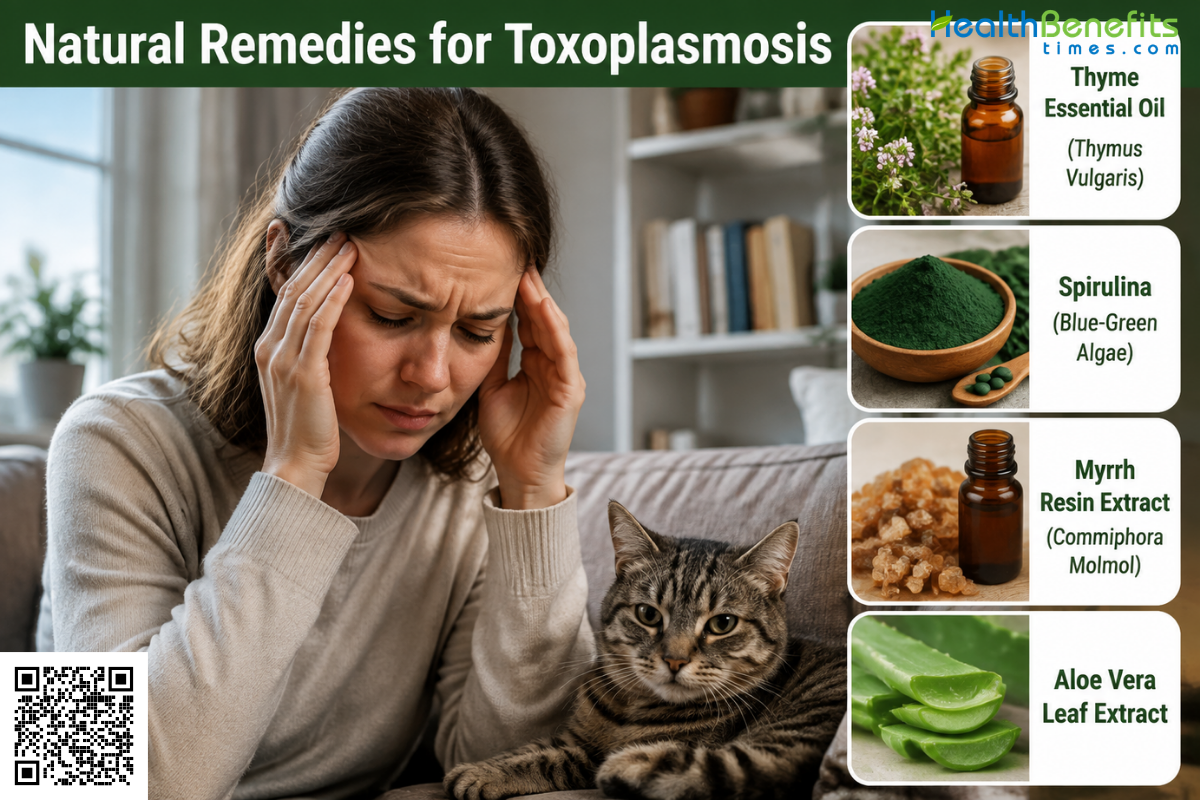
Toxoplasmosis is a widely prevalent infectious disease caused by the single-celled parasite Toxoplasma gondii. It is a common condition, affecting over 40 million people in the United States and occurring frequently worldwide 1. Humans typically contract the parasite by eating undercooked, contaminated meat, consuming unwashed produce, or accidentally ingesting microscopic amounts after contact with infected cat feces 2. In most cases, individuals with healthy immune systems never experience symptoms because their bodies naturally keep the parasite from causing illness 1. However, the infection poses a severe health risk to highly vulnerable groups. When contracted by people with weakened immune systems, or when passed from a mother to her unborn child during pregnancy, toxoplasmosis can cause serious, life-threatening damage to the brain, eyes, and other vital organs 1.
Causes of Toxoplasmosis
1. Foodborne and Waterborne Transmission
People frequently contract the infection by eating raw or severely undercooked meats—especially pork, lamb, and venison—that contain microscopic parasite cysts 2. The infection can also be acquired by consuming unwashed fruits and vegetables grown in contaminated soil, drinking untreated water, or drinking unpasteurized milk from infected animals 2. Furthermore, individuals can accidentally ingest the parasite if they use the same unwashed cutting boards, knives, or utensils to prepare fresh produce after handling raw, contaminated meat 2.
2. Exposure to Infected Cat Feces
Felines are the only known primary hosts for the parasite, meaning the parasite only completes its reproductive cycle and produces eggs inside the intestines of domestic and wild cats 2. People become infected by accidentally ingesting these microscopic eggs after cleaning an infected cat’s litter box, touching contaminated soil while gardening, or coming into contact with uncovered sandboxes where cats have defecated 2.
3. Mother-to-Child (Congenital) Transmission
If a woman becomes newly infected with the parasite just before or during her pregnancy, she can pass the infection through the placenta to her unborn baby 2. Even if the mother does not experience any illness or symptoms herself, this congenital transmission can lead to miscarriage, stillbirth, or severe and permanent damage to the baby’s developing brain and eyes 3.
4. Organ Transplants and Blood Transfusions
In extremely rare medical situations, a healthy person can contract the parasite by receiving a transplanted organ or a blood transfusion from a donor who carries the infection 2. Patients receiving organ transplants are typically given immunosuppressive medications, which makes them highly vulnerable to developing severe illness if the donated organ contains the parasite cysts 4.
Symptoms of Toxoplasmosis
Symptoms in Healthy Adults and Children
- Swollen lymph glands, particularly around the neck region, which may persist for weeks 5.
- Prolonged muscle aches and general body pains lasting for a month or more 6.
- Mild fever and general fatigue resembling a typical flu 5.
- Occasional skin rashes 6.
Symptoms in People with Weakened Immune Systems
- Severe headaches, deep confusion, and sudden changes in mental alertness 5.
- Seizures and poor physical coordination caused by parasite activity in the brain 7.
- Breathing difficulties, chest pain, and persistent coughing, indicating a lung infection 8.
- Fever combined with severe nausea and vomiting 5.
Symptoms in Infants (Congenital Toxoplasmosis)
- Abnormal accumulation of fluid in the brain, leading to an unusually large head size 5.
- Severe inflammation of the inner eye structures, which can cause permanent vision loss 9.
- Noticeable yellowing of the skin and the whites of the eyes, clinically known as jaundice 10.
- Unusual and dangerous enlargement of both the liver and the spleen 10.
- Delayed development of mental and motor skills, along with severe hearing loss 5.
Symptoms of Eye Infection (Ocular Toxoplasmosis)
- Significant eye pain that frequently worsens when exposed to bright light 5.
- Noticeably decreased vision or persistently blurred eyesight 9.
- The appearance of dark spots or “floaters” drifting across the visual field 9.
- Excessive eye watering combined with unexplained redness 9.
Natural Remedies for Toxoplasmosis
1. Sweet Wormwood Extract (Artemisinin)
How it may help
Sweet wormwood extract contains artemisinin, a compound known for its powerful ability to fight parasites. It works by creating unstable molecules that damage the cell structure of the Toxoplasma gondii parasite, stopping it from growing and spreading within the body 11.
What research says
Studies show that artemisinin and its related compounds can effectively reduce the number of Toxoplasma parasites and improve survival rates during active infections. Researchers conclude that it is a promising alternative treatment, especially for drug-resistant parasite strains, though more human clinical trials are necessary 12.
How to use it safely
You should never use artemisinin extracts to treat toxoplasmosis without strict medical supervision. Because herbal supplements are not tightly regulated, consult your doctor to determine the correct dosage, ensure product purity, and avoid harmful interactions with your prescribed medications 13.
Potential precautions or side effects
Artemisinin can cause dizziness, nausea, ringing in the ears, and liver damage if taken improperly 14. It is strictly unsafe for use during the first trimester of pregnancy.
2. Turmeric Active Compound (Curcumin)
How it may help
Curcumin, the primary active compound in turmeric, possesses strong anti-inflammatory and antiparasitic properties. It helps control the infection by directly disrupting the cellular structure of the Toxoplasma gondii parasite and preventing it from multiplying. It also reduces severe inflammation caused by the parasite in the body’s tissues 15.
What research says
Scientific studies conclude that curcumin significantly reduces the survival and multiplication of Toxoplasma parasites. Researchers emphasize that while curcumin demonstrates strong antiparasitic effects and reduces tissue damage, its low natural absorption rate in the body limits its current use to a supplementary treatment alongside traditional medications 16.
How to use it safely
You should consult your healthcare provider before taking curcumin supplements, as they cannot replace prescription treatments. If approved, ask your doctor about formulations combined with black pepper extract, which significantly increases the body’s ability to absorb the compound into your bloodstream 17.
Potential precautions or side effects
High doses can cause stomach upset, nausea, and diarrhea. It may increase bleeding risks, so avoid it if you take blood-thinning medications or have gallbladder disease 17.
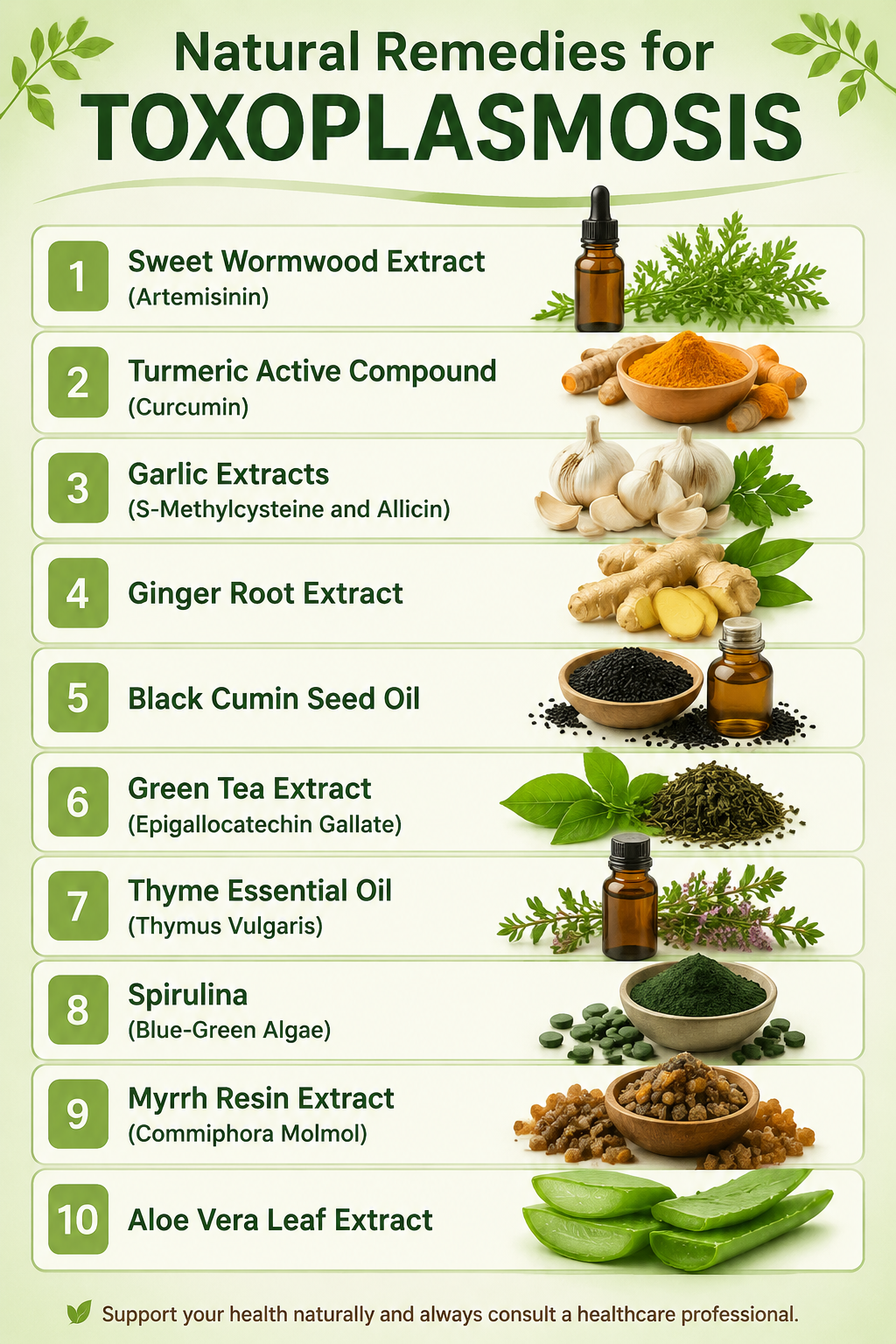
3. Garlic Extracts (S-Methylcysteine and Allicin)
How it may help
Garlic extracts contain active sulfur-based compounds, particularly allicin and S-methylcysteine, which possess significant antiparasitic properties. These compounds help combat infection by interfering with the parasite’s metabolism, blocking essential enzyme functions, and causing severe structural damage to the cellular wall of the Toxoplasma gondii parasite, preventing it from multiplying 18.
What research says
Research demonstrates that garlic extract treatments significantly decrease the number of parasitic cysts in brain tissue and improve overall survival rates during chronic infections 19. Experts conclude that these bioactive compounds offer a promising complementary therapy to conventional antiparasitic medications, effectively minimizing tissue damage and reducing internal inflammation 18.
How to use it safely
Garlic supplements should strictly serve as an addition to conventional medical treatments, not a replacement. You must consult your physician to establish a safe, standardized dosage and ensure the extract will not negatively interact with your current prescription medications or alter their intended effects 20.
Potential precautions or side effects
High doses can cause stomach upset, nausea, and heartburn 20. It thins the blood, increasing bleeding risks if you take anticoagulant medications or require surgery 20.
4. Ginger Root Extract
How it may help
Ginger root extract contains active compounds like gingerol that provide strong anti-inflammatory and antiparasitic benefits. It helps control the infection by directly combating the Toxoplasma gondii parasite, reducing dangerous tissue swelling, and protecting vital organs like the brain, lungs, and liver from cellular damage caused by the infection 21.
What research says
Scientific studies demonstrate that ginger extract significantly reduces the number of Toxoplasma parasitic cysts hidden within brain tissue. Researchers conclude that ginger exhibits marked therapeutic effects, effectively minimizing severe internal inflammation and reversing cellular injury associated with chronic toxoplasmosis, making it a promising complementary treatment 21.
How to use it safely
You should use ginger extract strictly as a supportive therapy alongside your conventional medical treatments. Consult your healthcare provider to determine a safe, standardized dosage and to ensure the concentrated supplement will not negatively interact with any of your current prescription medications 22.
Potential precautions or side effects
High doses may cause mild heartburn, diarrhea, and general stomach discomfort. You should avoid it if you take blood-thinning medications, as ginger can mildly increase your risk of bleeding 22.
5. Black Cumin Seed Oil
How it may help
Black cumin seed oil provides strong antioxidant and immune-boosting properties. While it does not directly kill the Toxoplasma gondii parasite on its own, it significantly enhances the effectiveness of standard antiparasitic drugs. It helps protect vital organs like the liver and spleen from cellular damage and strengthens the immune response 23.
What research says
Studies reveal that using black cumin seed oil alone fails to reduce parasite counts. However, researchers discovered that combining the oil with conventional prescription medications creates a powerful synergistic effect. This combination significantly increases survival rates, dramatically reduces parasite density, and minimizes tissue damage during an active infection 23.
How to use it safely
Because black cumin seed oil only works against toxoplasmosis when combined with specific prescription drugs, you must never use it as a standalone treatment. Always consult your doctor to determine if supplementing is a safe and beneficial addition to your primary medical therapy 23.
Potential precautions or side effects
It may cause stomach upset or allergic rashes. You must strictly avoid it during pregnancy and use caution if taking prescription medications for blood pressure or diabetes 24.
6. Green Tea Extract (Epigallocatechin Gallate)
How it may help
Epigallocatechin gallate (EGCG), the main active compound found in green tea, acts as a powerful antioxidant. It may help manage a Toxoplasma gondii infection by directly interfering with the parasite’s ability to grow, multiply, and survive inside human cells, which slows down its spread throughout the body.
What research says
Laboratory studies conclude that EGCG significantly reduces the number of Toxoplasma parasites and limits their ability to invade healthy tissues 25. While researchers note it holds strong promise as a supportive treatment, they emphasize that human clinical trials are still required to confirm its full effectiveness in patients.
How to use it safely
You should always consult your doctor before using green tea extract, especially if you are taking prescription anti-parasitic drugs. Take standardized EGCG capsules with a meal to prevent stomach irritation. Strictly follow the suggested daily dose on the product label and never use it as a standalone cure.
Potential precautions or side effects
Taking high doses of EGCG can cause nausea, upset stomach, and severe liver damage 26. It may also interact negatively with blood thinners and other prescribed medications.
7. Thyme Essential Oil (Thymus Vulgaris)
How it may help
Thyme essential oil contains high levels of active compounds like thymol and carvacrol, which have strong natural defense properties against parasites. These compounds help combat the infection by directly disrupting the Toxoplasma gondii parasite’s life cycle and reducing the inflammatory damage the parasite causes within the body’s tissues 15.
What research says
Studies demonstrate that thyme extracts, particularly those high in carvacrol, can significantly reduce the severity of chronic Toxoplasma gondii infections. Animal research indicates that thyme essential oil and its extracts can lower the number of parasitic cysts hidden in the brain and help heal inflammatory brain lesions caused by the disease 15.
How to use it safely
Never ingest pure, undiluted thyme essential oil, as it is highly toxic. You should only consider using standardized, food-grade thyme extract capsules under the strict guidance of a healthcare professional. It must serve as a supportive addition to conventional anti-parasitic medications, never as a replacement therapy.
Potential precautions or side effects
Using thyme supplements can cause severe stomach upset, heartburn, and allergic skin reactions. You must avoid it completely if you are pregnant, as it can stimulate uterine contractions 27.
8. Spirulina (Blue-Green Algae)
How it may help:
Spirulina is a nutrient-rich blue-green algae that may support the immune system against infections. It contains active compounds, such as phycocyanin, which act as powerful antioxidants. These natural compounds help boost infection-fighting immune cells, potentially making it harder for the Toxoplasma parasite to survive and multiply within the host.
What research says:
Laboratory studies suggest that spirulina extracts can enhance the immune response and reduce the overall number of Toxoplasma parasites in the body 28. While it shows promise in improving survival rates in animal models by limiting tissue damage, human clinical trials are still needed to confirm its effectiveness.
How to use it safely:
You can consume spirulina as a daily powder or tablet supplement. Choose high-quality brands that test for heavy metals, as algae absorb contaminants from their environment. Always consult your doctor before adding it to your daily routine, especially if you are pregnant or have a weakened immune system.
Potential precautions or side effects:
Spirulina may occasionally cause stomach upset or allergic reactions. People with autoimmune diseases or phenylketonuria (PKU) must avoid it completely 29.
9. Myrrh Resin Extract (Commiphora Molmol)
How it may help
Myrrh resin extract contains active compounds that provide strong anti-parasitic and anti-inflammatory properties. It helps control the infection by directly disrupting the cellular membranes of the Toxoplasma gondii parasite, which prevents it from multiplying, while also reducing harmful inflammation in the body’s tissues 30.
What research says
Studies conclude that Commiphora molmol extract significantly decreases the number of Toxoplasma parasites and reduces the size of parasitic cysts in infected tissues. Researchers consider it a highly effective natural agent that improves overall survival rates and protects the liver and brain from severe infection-related damage 30.
How to use it safely
You should only use myrrh extract as a supportive therapy alongside prescription anti-parasitic medications. Consult your doctor before starting this supplement to ensure you take the correct, standardized dosage and to prevent negative interactions with your current prescription drugs 13.
Potential precautions or side effects
High doses cause severe diarrhea, rashes, and heart rhythm changes. You must strictly avoid myrrh during pregnancy because it stimulates the uterus and can trigger a miscarriage 31.
10. Aloe Vera Leaf Extract
How it may help
Aloe vera leaf extract contains natural bioactive compounds that may help combat parasitic infections. It acts directly against the Toxoplasma gondii parasite, inhibiting its ability to multiply within host cells. Additionally, it offers antioxidant benefits that protect vital organs, like the liver and spleen, from cellular damage caused by the infection 32.
What research says
Studies demonstrate that Aloe vera extract shows significant anti-parasitic activity against Toxoplasma gondii. Researchers conclude that the extract effectively reduces the parasite’s survival and minimizes the dangerous enlargement of the liver and spleen during an active infection, suggesting it could be a promising complementary therapy alongside conventional medical treatments 32.
How to use it safely
You should only use oral Aloe vera extract as a supportive therapy, never as a replacement for prescription medications. Always consult your doctor before starting this supplement to determine a safe dosage, ensure product purity, and prevent potential negative interactions with your current anti-parasitic or other prescribed drugs 33.
Potential precautions or side effects
Oral Aloe vera can cause stomach cramps, severe diarrhea, and kidney problems at high doses. You must strictly avoid it during pregnancy, as it may trigger contractions and miscarriage 33.
Foods to Avoid When You suffer from Toxoplasmosis
Dietary management during an active toxoplasmosis infection focuses on eliminating foods that harbor live parasites, preventing repeated exposure, and reducing the burden on the immune system.
1. Undercooked or Raw Meat
Consuming raw or undercooked pork, lamb, or venison can introduce new parasite cysts into the body, worsening the infection and compromising recovery 34.
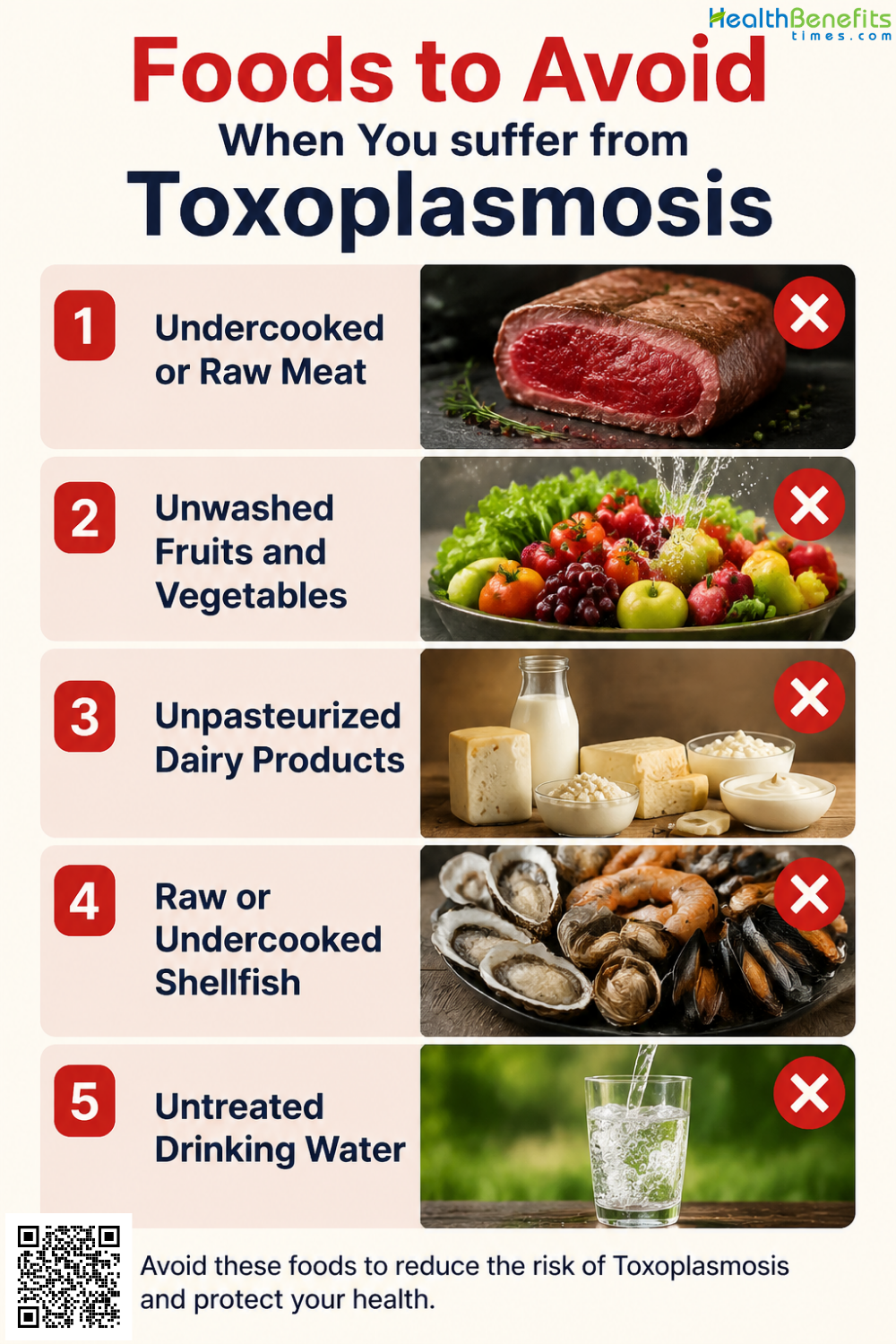
2. Unwashed Fruits and Vegetables
Unwashed produce often harbors soil contaminated with infectious parasite eggs. Always wash or peel fruits and vegetables to prevent introducing additional parasites into your system 34.
3. Unpasteurized Dairy Products
Raw, unpasteurized milk, particularly goat’s milk, frequently carries the live parasite. Avoid these products entirely, as they bypass the heat treatment necessary to kill infectious agents 35.
4. Raw or Undercooked Shellfish
Oysters, clams, and mussels filter and trap infectious parasite eggs from contaminated seawater. Eating them raw introduces dangerous concentrations of the active parasite into the digestive tract 34.
5. Untreated Drinking Water
Drinking untreated water from environmental sources exposes you to parasite eggs shed by wildlife, which can compound an active infection with new, potentially aggressive strains 34.
When to see Doctor when you struggle from Toxoplasmosis
While most healthy individuals recover from a toxoplasmosis infection without medical intervention, certain high-risk groups and severe symptom presentations require immediate clinical evaluation. You should seek prompt medical care if you suspect the parasite is compromising vital organs, affecting your vision, or threatening a developing pregnancy.
1. Known or Suspected Pregnancy
If you become infected just before or during pregnancy, immediate treatment is vital to prevent transmitting the parasite to the fetus, which causes severe congenital disabilities 5.
2. Weakened Immune System
Individuals with HIV, those undergoing chemotherapy, or taking immunosuppressive drugs must seek immediate care, as the infection can rapidly become a life-threatening illness affecting the brain 8.
3. Neurological Changes
Seek emergency medical attention if you experience severe headaches, sudden confusion, loss of physical coordination, or seizures, as these strongly indicate life-threatening brain inflammation 7.
4. Vision Problems
Consult an ophthalmologist immediately if you develop blurred vision, eye pain, redness, or dark floaters, as untreated ocular infections can lead to permanent structural damage and blindness 9.
5. Severe Respiratory Symptoms
Unexplained shortness of breath or a persistent cough requires urgent clinical evaluation, especially in vulnerable individuals, because the parasite can trigger severe and rapid lung infections 8.