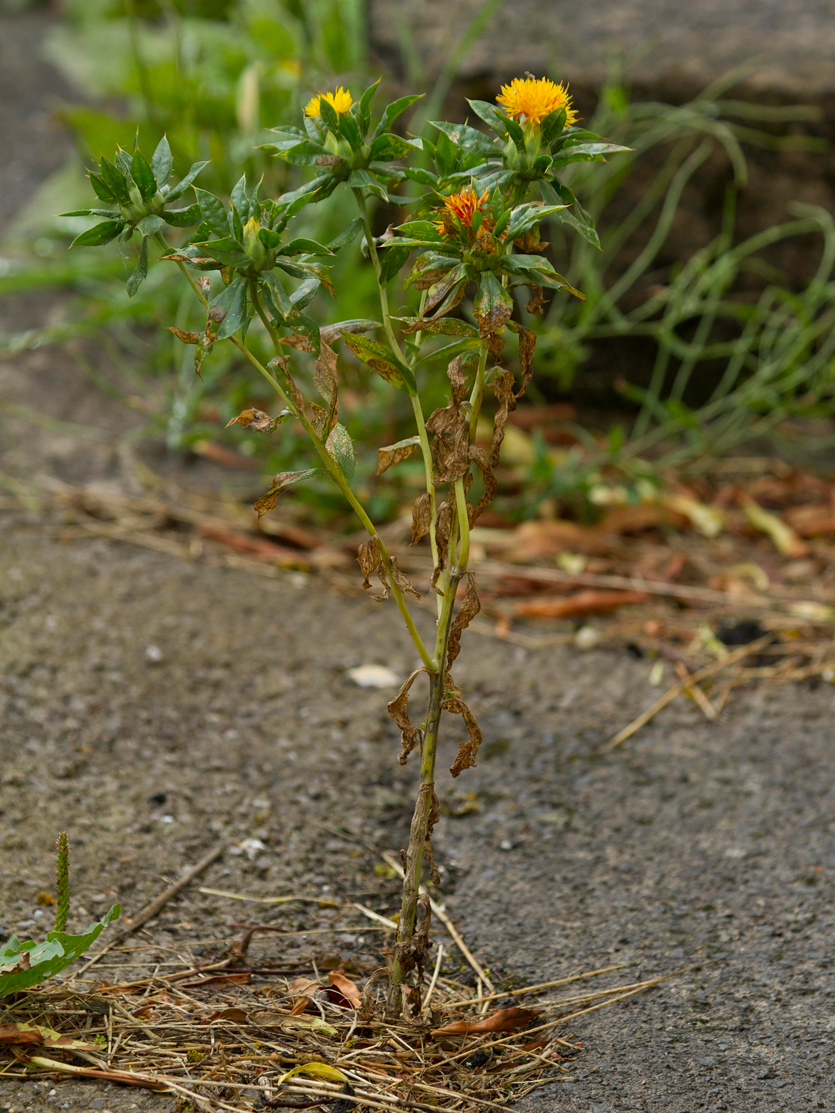
| Safflower Quick Facts |
| Name: |
Safflower |
| Scientific Name: |
Carthamus tinctorius |
| Origin |
It is considered to be originated in Southern Asia and also cultivated in China, Persia, India and Egypt from primitive times. |
| Colors |
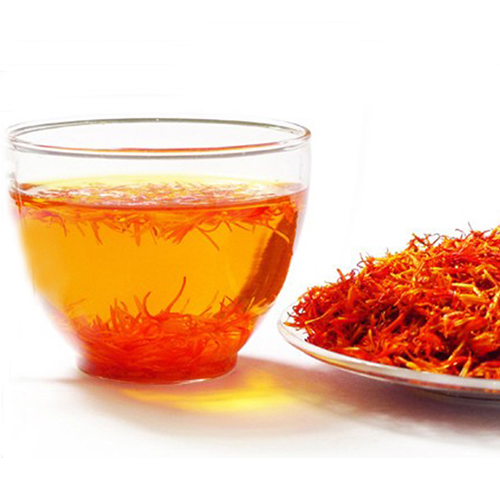
Yellow, orange, red (Flower) |
| Shapes |
Globular heads (Flower) |
| Calories |
147 Kcal./cup |
| Major nutrients |
Copper (55.00%)
Tryptophan (37.73%)
Total Fat (31.14%)
Vitamin B1 (27.50%)
Phosphorus (26.14%)
|
| Health benefits |
Heart health, Treat diabetes, Obesity, Healthy hair, Skin health |
| More facts about Safflower |
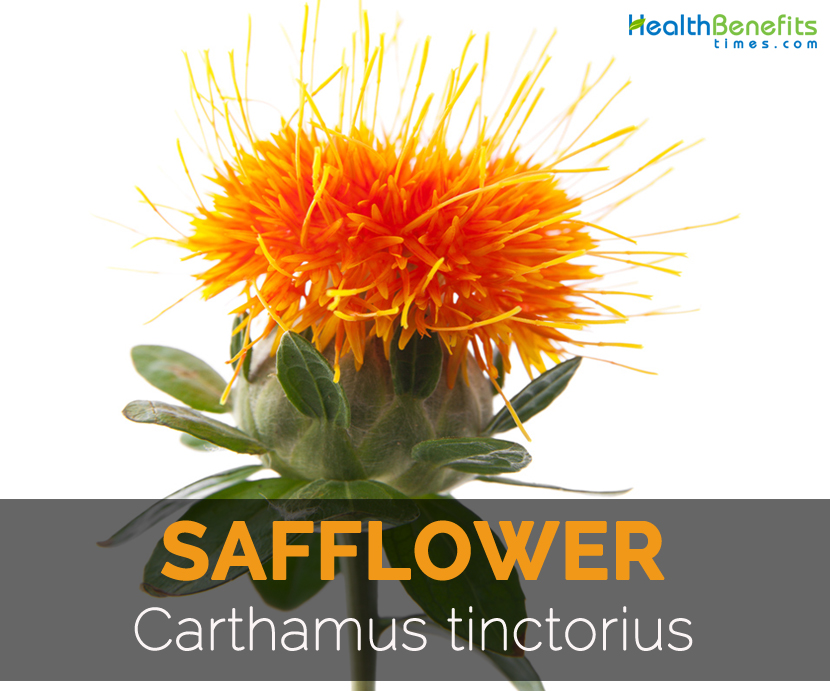
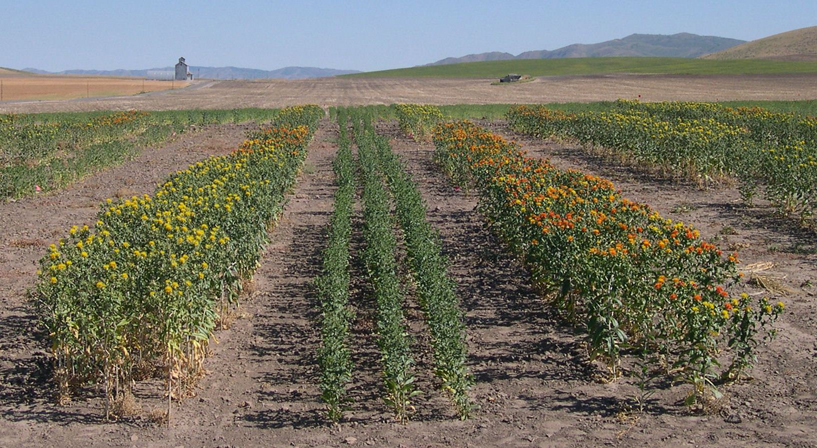
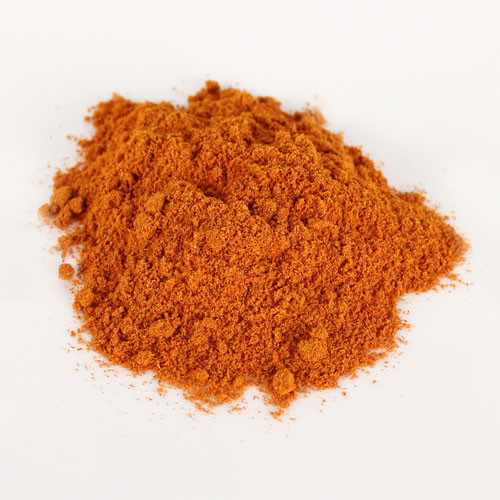
Safflower (also known as Safflower, American Saffron, False Saffron, Dyer’s Saffron ‘Magestic Orange’, Bastard saffron, Zaffer, Mexican saffron), Carthamus tinctorius, is a member of the genus Carthamus L. in the family Asteraceae/Compositae. This family possess above 1620 species and 22750 genera. It is an annual, thistle, spiny, muchbranched herb which is originated in Southern Asia. It is also cultivated in China, Persia, India and Egypt from primitive times. Carthamus tinctorius grows to 30-150 cm (12-59 inches) tall with alternate, 2-6″ long; ½-2″ across; lanceolate to oblong or ovate-oblong. The flowers are yellow, orange or red which is pollinated by honeybees, bumblebees and long tongued bees. It thrives in hot, dry climates and prefers deep, fertile and well-drained soils.
History
It is considered to be originated in Southern Asia and also cultivated in China, Persia, India and Egypt from primitive times. The specific origin of Safflower is uncertain. It is considered to be domesticated over 4000 years before in Fertile Crescent. In Middle Ages, it was cultivated in Italy, Spain and France. It was brought by to Mexico by Spanish and then reached to Colombia and Venezuela. It was mostly cultivated for the flowers which are used to produce yellow and red dyes for the food and clothes. Today it is cultivated in Westerns and Central North America. Nowadays, it is used to extract meal, oil and foods.
Plant
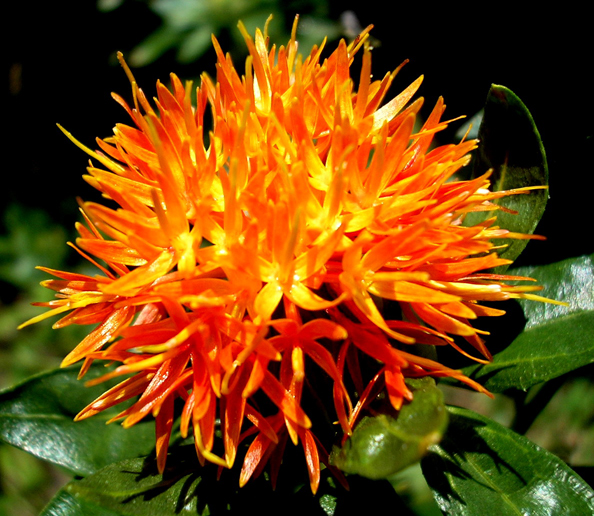
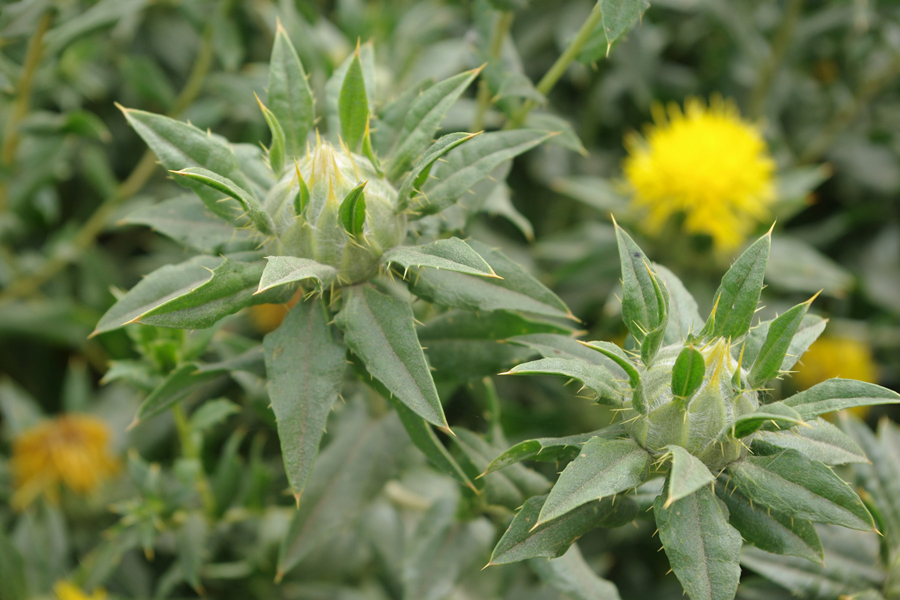
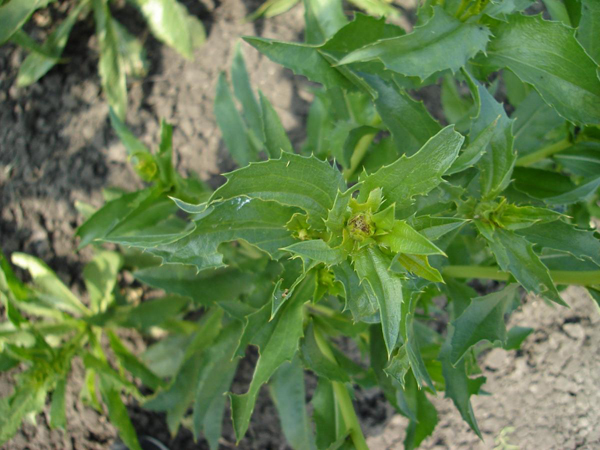
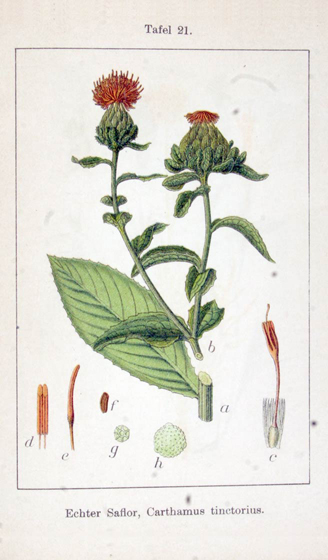
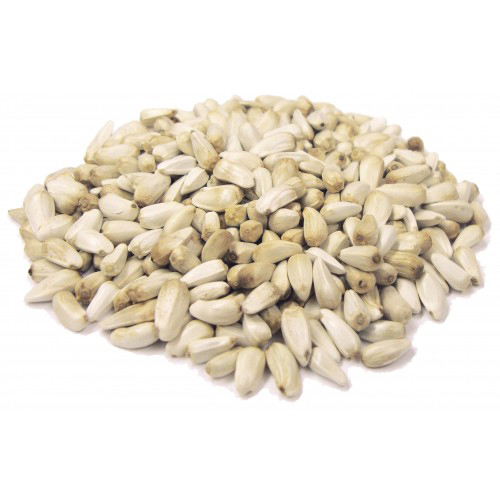
Carthamus tinctorius is an annual plant which is short lived and grows to a height of 30-150 cm (12-59 inches). The leaves are long, spiny, alternate, 2-6″ long; ½-2″ across; lanceolate to oblong or ovate-oblong. The flowers are yellow, orange, red and has globular heads. The seeds are white, shiny and smooth. Each head contains 15 to 20 seeds. It has stiff, upright, terete, glabrous stem of light green to light yellowish tan in color. The plant bear flowers from June to July.
Nutritional value
The serving size of 1 oz. has 1.59 g of water, 147 calories, 4.59 g of protein, 10.9 g of total fat, 1.55 g of ash and 9.72 g of carbohydrate. It also provides 55% of copper, 37.73% of tryptophan, 31.14% of total fat, 27.50% of Vitamin B1, 26.14% of phosphorus, 25.54% of vitamin B6, 24.83% of manganese, 23.81% of magnesium, 23.48% of valine, 22.86% of vitamin B5, 19.56% of isoleucine, 17.78% of histidine, 17.38% of iron, 13% of zinc, 11.53% of threonine and 11.25% of folate.
Health Benefits of Safflower
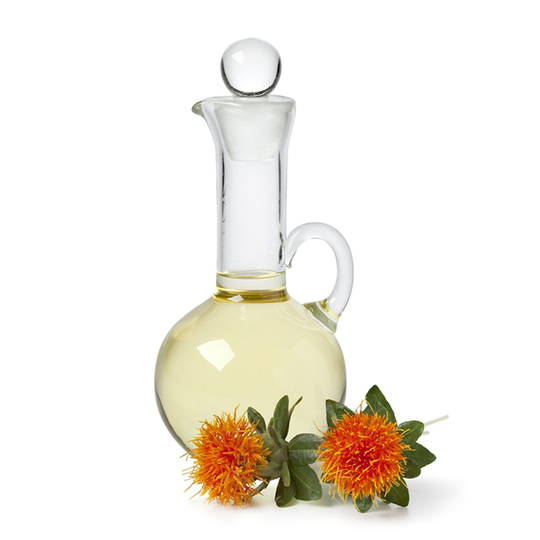
The plant of Safflower resembles a thistle plant besides flowers. It has deep taproots which thrive well in deep and fertile soils. The oil extracted from Safflower is considered as a good substitute for other vegetable oils. The oils have no taste and smell. The oil of Safflower is used as the health supplements. The studies shows that this oil helps to lower bad cholesterol, inflammation, body fat and enhance muscle growth. It enhances the hair and nail health. It is used in the lotions and massage oils. Mostly it is used in cooking oil, cosmetics and salad dressing. It has high content of omega-6 and omega-3 which is helpful for the proper functioning of heart and brain.
- Heart health
The oil of Safflower helps to lower the abdominal fat and raise the muscle tissue if used for regular 16 weeks. The oil of Safflower is related with metabolic syndrome which raises the chances of diabetes and cardiovascular disease. The oil of Safflower helps to lower the chances of cardiovascular ailments. The oil possesses linoleic acid. The polyunsaturated oils help to prevent the cardiovascular disease. (1)
- Treat diabetes
Omega-6 fatty acid helps to manage the level of blood sugar which is helpful for the diabetic patients to maintain the level of blood sugar. It prevents the chances of diabetes. (2)
- Obesity
It is helpful for those people who want to lose weight. Safflower oil is rich in omega-6 fatty acids that help to burn fat in the body. It is also used by the obesity patients to lose the weight without changing the diet. (3)
- Healthy hair
The oil of safflower has high content of oleic acid that is helpful for the hair and scalp. It raises the scalp circulation, enhances hair growth and maintains the follicles health. It helps to maintain the vibrant and shiny hair. It is mostly used in the cosmetics and often consumed as food. (4)
- Skin health
Safflower oil contains high amount of linoleic acid that helps to enhance the skin appearance and its quality. Linoleic acid mix with sebum which helps to unclog pores and lower the acne and blackheads caused due to the buildup of sebum under skin. In addition lineolic acid promotes the skin cells regeneration which helps to clear scars as well as blemishes from the skin. (5)
- PMS symptoms
Menstruation might become uncomfortable and painful for women. Linoleic acid helps to regulate prostaglandins that lead to hormonal fluctuations during mensuration. The safflower oil reduces the PMS severity and regulates the menstrual cycles without any harmful side effects. (6)
- Enhance immunity
Safflower oil regulates the prostaglandins function as it possesses omega-6 fatty acids. It is a hormone that assists the body to have normal function involving the immune system process and protect the body. (7)
- Arthritis
Copper possess an anti-inflammatory properties that helps to lower the arthritis symptoms. Arthritis patients use the copper bracelets to cure this ailment. The water in which copper is stored overnight should be consumed in the morning which helps to promote the muscular system. It also boost the metabolism to perform the daily functions. (8)
- Weakness
Phosphorus helps to eliminate the health ailments such as numbness, muscle weakness and fatigue. The adequate amount of phosphorus should be present in the body for remaining active and fitness. For adults 1200 mg is enough which is recommended by experts. The adequate intake of phosphorus helps to cure the sexual weakness, frigidity, loss of libido, sperm motility and impotence. (9)
- Level of blood sugar
Manganese helps to control the sugar level in the human blood. It also prevents the chances of diabetes. It helps to normalize the insulin secretion and synthesis, controls the blood sugar level and unexpected drops in the blood sugar which helps to provide normal life to the diabetic patients. (10)
Traditional uses
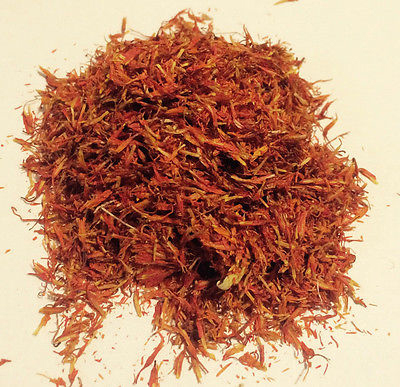
- Flowers help to lower the chances of coronary heart disease and reduce cholesterol levels.
- It is considered as alterative, antibacterial, analgesic, antiphlogistic and haemopoietic.
- It is used as a treatment for stomatitis and tumors.
- The flowers are considered as anticholesterolemic, emmenagogue, diaphoretic, laxative, sedative, purgative and stimulant.
- It cures menstrual pains and also promotes the smooth menstrual flow.
- Flowers help to treat infant complaints such as measles, eruptive skin and fever.
- It is used externally for skin inflammations, bruising, wounds, and skin inflammation.
- The seeds are used to treat rheumatism and inflammatory tumors of liver.
- In Iran, oil helps to cure rheumatism and sprains.
- Safflower firms uterus after childbirth, soothe joint stiffness and treats trauma of abdomen.
- It is used to clean the wounds.
- The oil of Safflower reduces the level of serum cholesterol which helps to prevent the heart ailments.
- Petals cure the chronic diseases such as coronary heart ailments, hypertension, rheumatism and fertility problems.
- The decoction is used to soak foot twice in a day to alleviate varicose veins, blood stasis patterns, leg and feet numbness, poor blood circulation and bruising.
- The blossoms are used in tea that helps to treat phlegm, fevers, panic attacks and hysteria.
- It provides relief from skin rashes, arthritis and enhances the function of liver.
- Flowers are used in Ayurvedic medicine as an aid for arthritis, scabies and chest pains.
- Infusions helps to treat bronchial ailments and coughs.
Precautions
- Pregnant women should avoid it because Safflower leads to menstruation.
- The patients of hemorrhagic illness and peptic ulcers should not use Safflower.
- Its misuse results to the toxic reactions such as abdominal pain, discomfort, gastrointestinal bleeding, diarrhea, menorrhagia and cramps.
- Safflower could slow the clotting of blood.
- Those who are sensitive might get allergic reactions.
- The oil of Safflower raises the blood sugar which is harmful for the diabetic patients.
- Safflower slows down the blood clotting which could raise the chances of bleeding after and during surgery.
- The people who have scheduled surgery should stop using Safflower before two weeks.
How to Eat
- The seeds are used to extract oil.
- The oil is used to dress salad, margarines and cooking oils.
- Seed are cooked, fried or roasted and added to chutneys.
- The young shoots and leaves are consumed raw or cooked.
- Safflower is used to enhance the flavor of soft drinks.
- The young leaves are consumed as vegetables.
Other Facts
- India is considered as the highest producer of Safflower in the world which is followed by California and Mexico.
- North and South Dakota, Montana, Colorado, Idaho, Nebraska and Arizona, and also produce significant amount of Safflower.
How to Use Safflower Oil
In your diet
- Cooking oil could be substituted with safflower oil.
- It could be drizzled to salads.
- Safflower oil could be used in bread and cake recipes.
- It could be used in dips like a hummus.
For your hair
- Use safflower oil with olive oil and coconut oil which helps to maintain hair health.
- The oil could be heated to lukewarm.
- Massage the oil to the ends and then to the scalp gently.
- If the oil is left for overnight it is better but an hour is also enough.
- While going outdoors along with oiled hair, it should be covered in order to ward off pollution and dirt.
For your skin
- Rub few drops of Safflower oil in the palms and apply it to the arms, face and legs.
- While purchasing the skincare products, the ingredients such as safflower oil should be searched for.
References:
http://davesgarden.com/guides/pf/go/70143/
https://npgsweb.ars-grin.gov/gringlobal/taxonomydetail.aspx?id=9243
http://www.pfaf.org/user/Plant.aspx?LatinName=Carthamus+tinctorius
http://www.encyclopedia.com/medicine/encyclopedias-almanacs-transcripts-and-maps/safflower-flower
http://www.chineseherbshealing.com/carthamus-tinctorius/
https://www.mdidea.com/products/new/new01505.html
http://www.cloverleaffarmherbs.com/safflower/
http://www.webmd.com/vitamins-supplements/ingredientmono-96-safflower.aspx?activeingredientid=96&
Comments
comments