

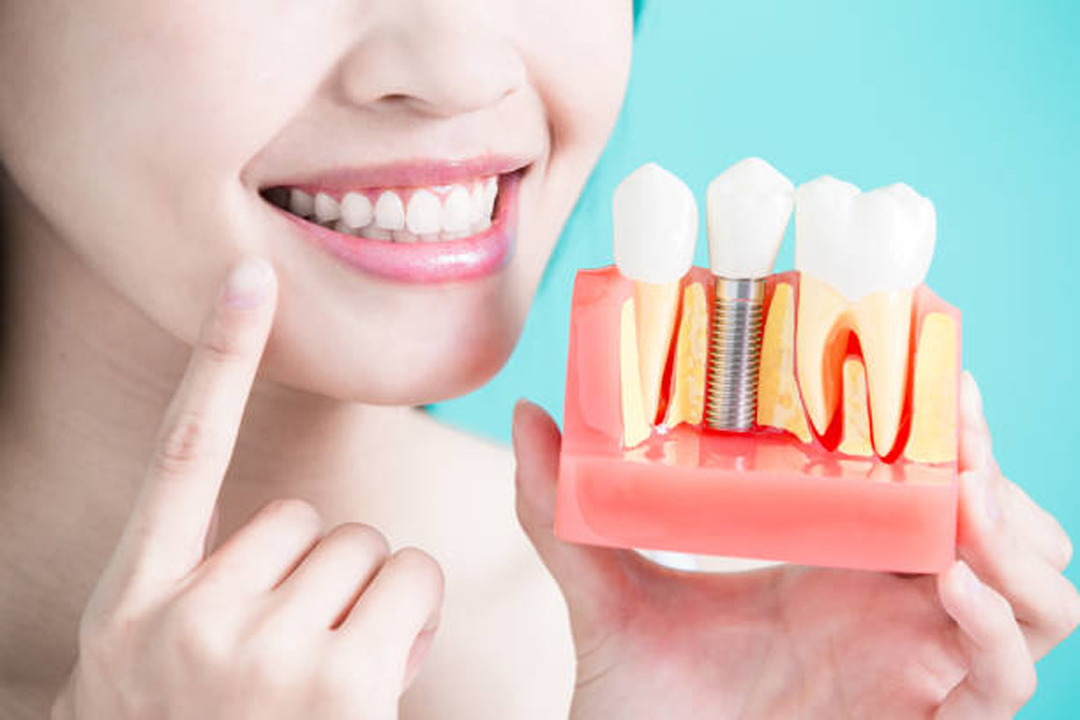
The installation of crowns not only saves the tooth from further destruction, but also makes a person’s smile much more attractive. Modern prosthetic technology is such that the artificial covering of the tooth can be more perfect than the original tooth. Especially if the patient decides to install porcelain crowns. However, considerations of aesthetic appeal are not the only indicator that is important to consider when choosing a material. An equally essential factor is the lifespan of crowns. When investing in dental prosthetics, the patient must be sure that he will not have to repeat this entire procedure every several years.
How to Determine if You Need Crowns
There are different ways of restoring teeth: from ordinary dental fillings to extensions. How to determine that it is time to resort to crowns instead of the usual methods of restoration?
- If the tooth is significantly destroyed and more than 50% of its primary volume is lost
- If there is a pigmentation of the tooth or its strong discoloration, which negatively affects the beauty of the smile
- If the tooth has cracks that contribute to its accelerated crashing
The crown protects the tooth from many negative factors, such as aggressive components contained in food and drinks, and microorganisms. It allows the patient to save the rest of the tooth and its root and avoid many secondary consequences that appear in the event of complete destruction and extraction of a tooth, such as:
- atrophy of the maxillofacial muscles
- reduction in the volume of the jawbone
- lowering of the upper teeth in the absence of support in the form of lower ones
- the need to make a bridge, implants, or removable prosthesis
Service Life of Popular Types of Crowns
The choice of crowns in modern dentistry is extremely wide. It is necessary to approach it having studied all the characteristics of the materials offered. They differ in weight and strength, hypoallergenic and aesthetic characteristics. The patient may prefer both the latest materials such as zirconia or stay true to the traditional metal base.
Metal-plastic
This type of crown is considered one of the cheapest due to the fact that traditional metal is used as a base, and plastic is applied as a coating imitating a tooth. Such crowns are relatively short-lived due to the fact that the plastic wears off. They serve an average of 5 years. During this time, the patient will be able to decide whether to change them for similar ones with the same service life, or choose a more expensive, but more durable material.
Among the disadvantages of metal-plastic crowns are:
- their ability to absorb food dyes, which can affect the color of the crown
- lower strength than alternative options have
Cermet
This alternative uses a medical alloy as the base of the crown, but instead of plastic, several layers of ceramic are applied on top. Medical alloy is made from various precious and non-precious metals such as nickel, chromium, cobalt. This crown is more durable. Besides, ceramic reproduces the natural color of the tooth with great believability, making it a more attractive material than plastic. This option is more aesthetically attractive. It also eliminates other disadvantages inherent in metal-plastic, such as short service life. Because of this, the durability of metal-ceramic crowns is twice as long – from 10 years.
Porcelain crowns
The metal is not necessarily employed as the base of the crown. By choosing a fully ceramic or porcelain crown, the patient gets rid of the metallic taste in the mouth and the possible allergic reaction of the body. Moreover, while porcelain-fused-to-metal crowns are not translucent, ceramic crowns transmit light, making them more similar to tooth enamel and looking very natural.
The disadvantages of the material include lower strength in comparison with cermet crowns. Therefore, they are not suitable as prosthetics for chewing teeth. They usually cover the front incisors, for which appearance is important, and which experience less chewing load. The service life of ceramic crowns is also relatively short, from 5 to 7 years, which is compensated by their magnificent appearance.
Zirconium dioxide
If you prefer the latest technology, try zirconia crowns. They combine many advantages from those materials that have traditionally been used in prosthetics:
- strength and ease
- hypoallergenic qualities
- the ability to transmit light, like ceramic crowns
- aesthetic appearance as close as possible to natural teeth
- no deformation under a solid chewing load
- color retention even under the influence of aggressive dyes
- the durable service life that is even longer than that of cermet – 15 years
Metal
If the appearance of the crown is absolutely not significant for the patient, he can choose the cheapest, but at the same time the most durable metal option. For example, such a crown can be installed on the extreme chewing teeth. In this case, it is guaranteed that at least 20 years of trouble-free operation can be expected.
Which Crowns to Choose for Prosthetics
If you want to have a perfect smile and at the same time stay with light and hypoallergenic prosthetic materials, try an integrated approach:
- On the front and canine teeth, which are most visible to others, it is better to install porcelain crowns. With such an ideal material, you will want to smile much more often, since artificial teeth will not differ at all from natural ones.
- Use zirconium crowns for the chewing and lateral teeth. Their appearance is as excellent as that of porcelain crowns, but at the same time they can withstand a much greater load.
With this combination, you will preserve the maximum naturalness of your teeth and, at the same time, the absence of an unpleasant metallic taste or an allergic reaction of the body. And if you take care of porcelain crowns in accordance with all the recommendations of the dentist, they will last much longer – from 10 to 15 years. In this case, visits to the doctor will no longer be a necessity. It is much more pleasant to call a doctor’s office for a preventive examination, and not because of a cracked crown. By choosing high-quality and durable materials, you not only save your financial resources, but also keep a great mood.