Sri Lanka, India, southern Nepal, Burma, Thailand, Indochina, the Philippines, Malaysia and Sumatra
Colors
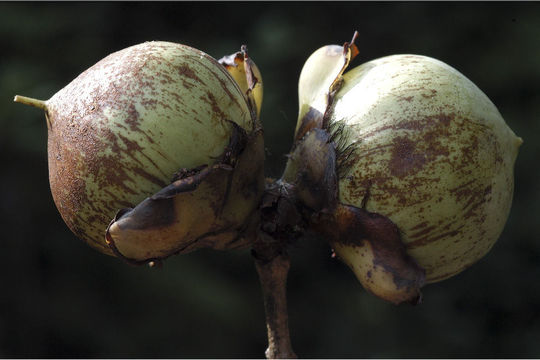
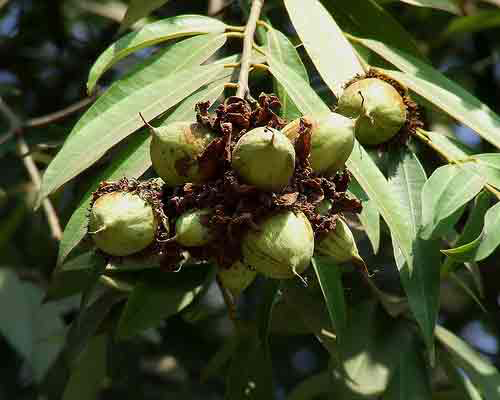
Green turning to brown as they mature
Shapes
Ovoid to sub globose, dehiscent capsule, with woody sepals and numerous persistent basal filaments
Taste
Pungent, bitter
Health benefits
Beneficial for Gouty joints, Fevers, Skin disorders, Excessive menstrual bleeding, Dysuria, Leucorrhoea, Bleeding piles and dysentery, Gynecological and Sexually related diseases, Respiratory Diseases, Gastrointestinal Diseases
Mesua ferrea commonly known as Ironwood Tree is an ornamental and hardwood timber tree native to Sri Lanka, India, southern Nepal, Burma, Thailand, Indochina, the Philippines, Malaysia and Sumatra. It grows well in river valleys of the evergreen forests of The Himalayas and Western Ghat Hills of Konkan and Malabar area. It also grows well in some parts of Tamil Nadu, Assam, Travancore, Andaman Islands. The plant is a species in the family Calophyllaceae and other common names of the plant are Ceylon Ironwood, Cobra’s Saffron, Indian Rose Chestnut, Ironwood, Ironwood Of Assam, Mesua, Poached Egg Tree, Sembawang Tree, Na Tree, Diya Na, Nagchampa, Nagacuram, Penaga Lilin, Penaga and Lenggapus. The generic name is after J. Mesue (777-857) and the specific epithet is from Latin meaning ‘belonging to iron’, in reference to its famed and very hard, durable timber.
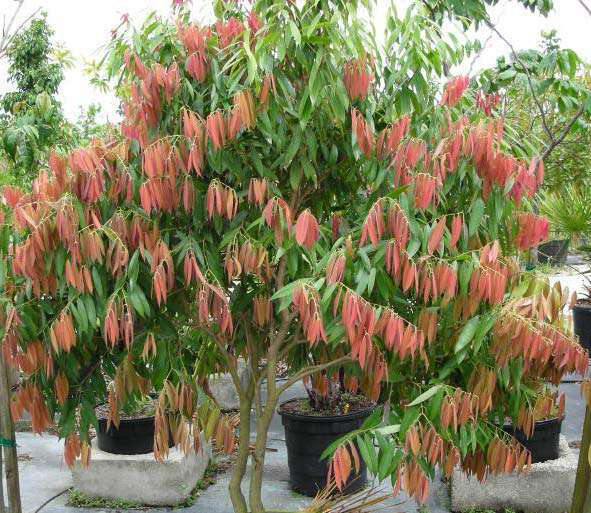
Mesua is a beautiful evergreen large medicinal tree that is used in Ayurveda, Siddha and Unani system of medicine for treatment of variety of diseases. It is grown as ornamental tree in parks and on roadsides. This slow-growing tree is named after the heaviness and hardness of its timber. It is widely grown as an ornamental due to its graceful shape, grayish-green foliage with a beautiful pink to red flush of drooping young leaves, and large, fragrant white flowers. It is the state tree of Tripura and the national tree of Sri Lanka. This plant acts as sink for dust pollution.
Plant Description
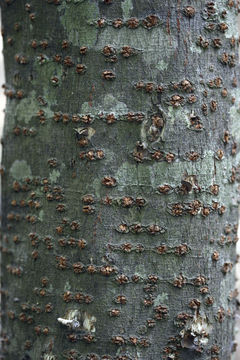
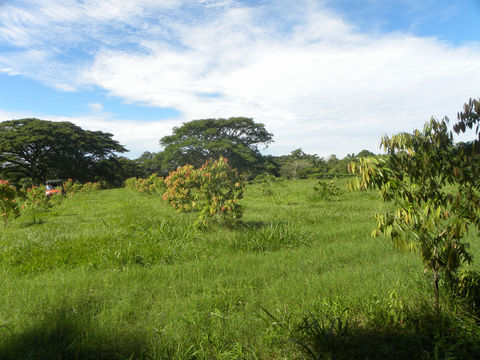
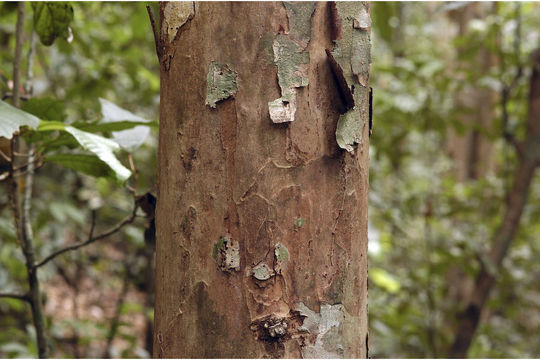
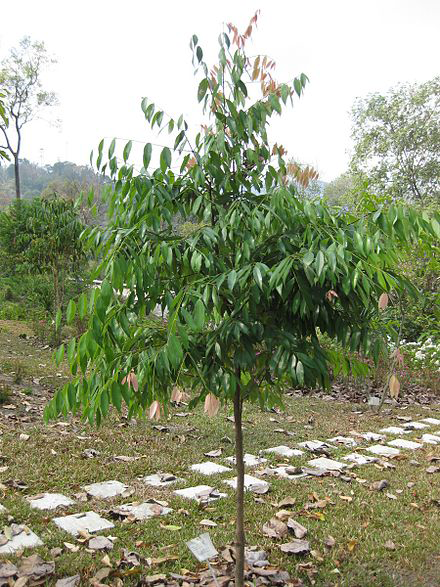
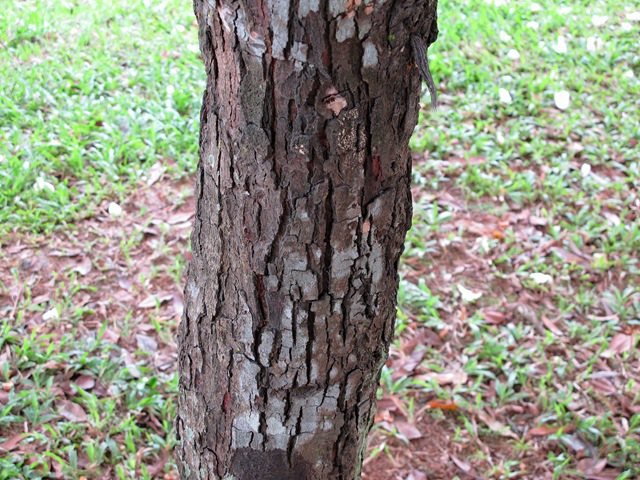
Ironwood Tree is a medium to tall, evergreen, perennial tree that normally grows about 20 m to over 30 m high. The plant is found occasionally near streams and rivers of evergreen forests. It is commonly grown along roadsides and in parks. The plant thrives best in a well-drained, moist, fairly fertile soil. The tree is often buttressed at the base with a trunk up to 2 meters in diameter. The bark of younger trees has an ash grey color with flaky peelings, while of old trees the bark is dark ash-grey with a red-brown blaze. The sapwood is creamy white or pinkish-brown, rather broad in structure. The heartwood is dark red or deep reddish-brown in color, with a smooth straight or interlocked grain. Branchlets are slender, terete and glabrous.
Leaves
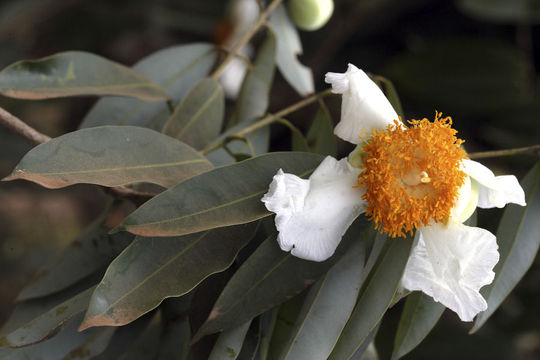
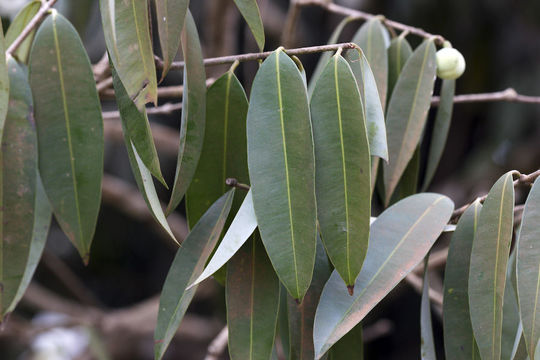
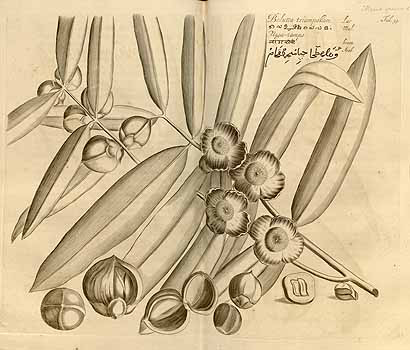
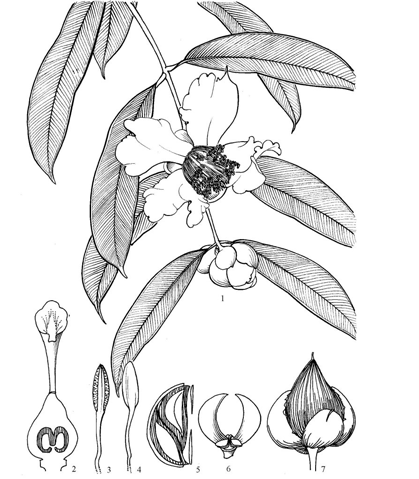
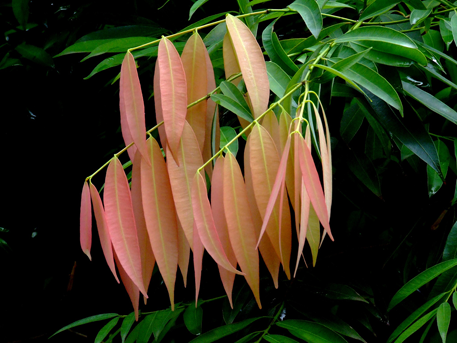
Leaves are simple, opposite, narrow, oblong to lanceolate, blue-grey to dark green leaves that are 7–15 cm long and 1.5–3.5 cm wide, with a whitish underside. The emerging young leaves are red to yellowish pink and drooping. They are usually elliptical to narrowly elliptical, glabrous or occasionally glaucous. Leaves are shiny with numerous secondary veins, looping, running parallel nearly to the margin, frequently with equally prominent reticulating tertiary veins. Sometimes with more or less persistent stipule-like interpetiolar modified leaves.
Flower
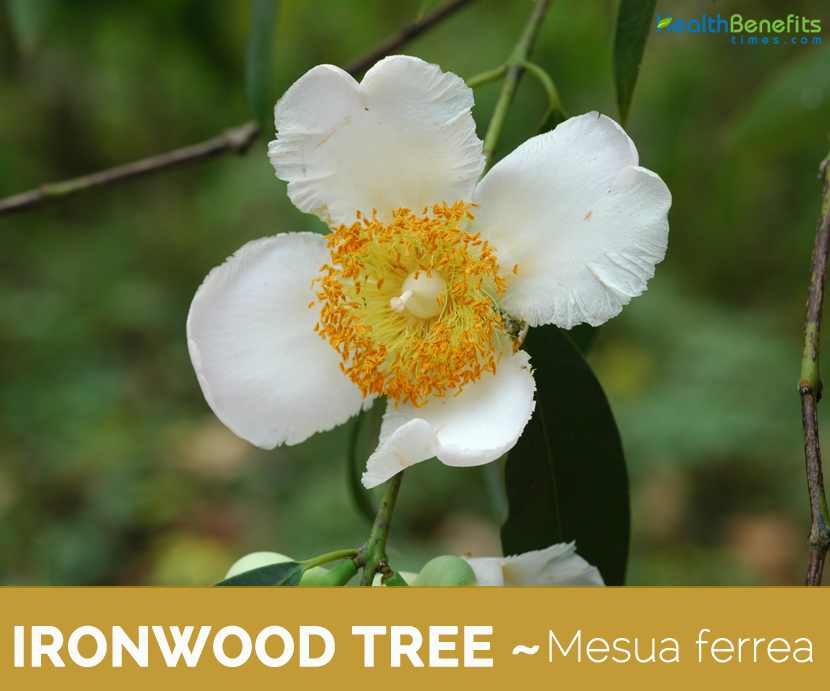
Flower is terminal or axillary, fragrant, usually solitary, 4–7.5 cm (1.6–3.0 in) in diameter and borne on pedicels with small paired bracts. Flowers are bisexual with four white petals and a center of numerous yellow stamens, free or connate only at the base. The ovary is superior with 1–2 axillary ovules, with a slender style and peltate to 4-lobed stigma. Flowering normally takes place from March to July.
Fruit
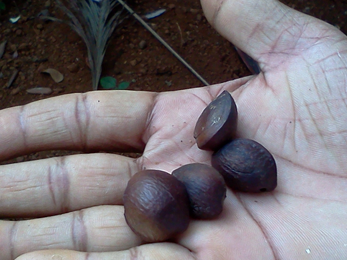
Fruit is a dehiscent capsule, usually ovoid to sub globose, often beaked, thinly woody, usually dehiscing with 2(-4) valves before falling, often exuding resinous droplets. Fruit are normally green in color changing to brown as they mature. One fruit contains 1-4 seeds. Seeds are angular, smooth, chestnut brown in color and ovoid in shape. They measure up to 2.5 cm in diameter.
Health benefits and uses of Ironwood Tree (Nagakesar)
Ironwood Tree is an outstanding ornamental tree with its neat, shapely form, brilliant red foliage and large fragrant flowers. It is often planted as a street or avenue tree in its native range. In Malaysia and India, a mixture of pounded kernels and seed oil is used for poultice wounds. The seed-oil is used for treating itch and other skin eruptions, dandruff and against rheumatism. Some other health benefits of using the plant are listed below
1. Gastrointestinal Diseases
Flowers are useful in the treatment of acidity in the stomach, vomiting, loss of appetite, heartburns, hematemesis, gastritis, peptic ulcer and pain in the intestine. It is also good for diarrhea and dysentery, liver disorders and bleeding piles. For chronic dysentery and bleeding diarrhea Sushruta specifically used the stamens. Paste of the flower with butter and sugar seems to be the universal treatment for bleeding hemorrhoids.
2. Respiratory Diseases
The flowers of M. ferrea are used to treat cough, bronchitis and asthma. Stamens are taken orally for cases of hemoptysis.
3. Inflammatory Conditions
Hardwood of M. ferrea is known to have anti-inflammatory activities. Traditionally it is used to treat rheumatism and gout. Gout is also treated by using the stamens and flowers. Another remedy for gout is the oil from the seeds which helps to ease the pain.
4. Gynecological and Sexually related diseases
M. ferrea had been recommended for heavy menstrual flows. Flowers have been supported for this especially the stamen which is known to be of use in arresting bleeding. Teaspoon of the powdered flower mixed with buttermilk is another wonderful cure for Metrorrhagia. To cure leucorrhoea, the flower is recommended with buttermilk. For the promotion of conception Sushruta prescribe the powder of the flower together with that of Areca catechu nut or the powdered flower with Cow’s Ghee.
5. Bleeding piles and dysentery
It is well known for its hemostatic property. Have the powder of it with butter and sugar twice a day until the bleeding stops. It is considered wonderful for curing such problems.
6. Leucorrhoea
To deal with leucorrhoea, make a paste from Nagakesar and curd and have two teaspoon twice a day until the white discharge stops.
7. Dysuria
Decoction prepared from Nagakesar and sweetened with sugar is extremely advantageous in the conditions of painful urination, difficult urination, or blood in urination.
8. Excessive menstrual bleeding
Teaspoon of the powder mixed in buttermilk is a good remedy to arrest excessive bleeding per vagina or bleeding of any sort.
9. Skin disorders
In itching, oozing and black of reddish discoloration of the skin, the seed oil of mesua serves as a good external application and normalizes skin. It is, thus, a chief component of many a cosmetic preparation.
10. Fevers
Mesua promotes perspiration and thus brings down the temperature. For this purpose, the bark powder is generally used to prepare a decoction.
11. Gouty joints
Seed oil makes an excellent soothing external application and also soothes associated pain and burning sensation.
12. Other Uses
Flowers and leaves of M. ferrea is an antidote to snake poison. Oil expressed from the seed kernel is a good remedy for itching, scabies, ulcers and eczema. The essential oil from the stamens is antibacterial and antifungal. The plant is also used in the treatment of headache, sore throat, hiccups, heart diseases, and excessive menstrual bleeding. For burning sensation of the feet the powdered dried flowers are mixed with old clarified butter and applied locally.
Traditional uses and benefits of Ironwood Tree
M. ferrea is traditionally being used for its antiseptic, anti-inflammatory, blood purifier, anthelmintic, cardio tonic, diuretic, expectorant, antipyretic, purgative, anti-asthmatic, anti-allergic and several other effects.
It is an ingredient of Ayurvedic formulations like Brahma Rasayana and Chyawanprash which are being used to improve immunity.
Ironwood Tree (M. ferrea) is a hot, dry digestive and good for fever, foul breath, sweats, scabies, skin eruptions, itching, small tumors, headache, blood and heart problems, sore throat, cough, hiccough, vomiting, excessive thirst, dysentery and bleeding piles.
Dried flower bud is anti-dysenteric and used for dysentery with mucus.
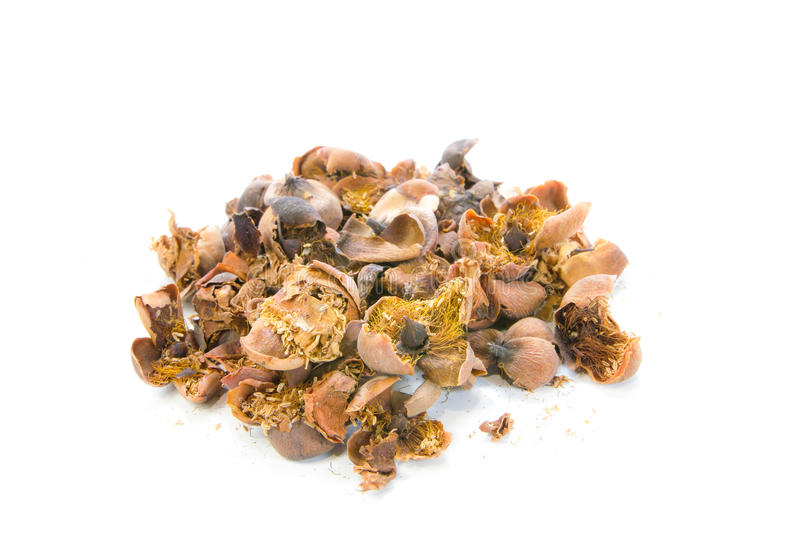
Dried flowers are astringent, haemostatic, anti-inflammatory and stomachic and used in cough, bleeding hemorrhoids and Metrorrhagia.
Fresh flowers are recommended for excessive thirst, excessive perspiration, cough and indigestion.
Leaves are applied to the head in the form of a poultice for severe colds.
Oil from the seeds is used for sores, scabies, wounds and rheumatism.
Root of this herb is often used as an antidote for snake poison.
Ironwood Tree in Indian system of medicine is used as deodorant, diaphoretic and stimulant.
It is a brain tonic appetizer, antiemetic, anthelmintic, aphrodisiac, diuretic and antidote.
Dried fruits of Dillenia pentagyna and dried fruiting inflorescence of Cinnamomum wightii are also used as Ironwood Tree in different regions of India.
Pounded kernels or seed oil have been used for poulticing wounds in Peninsular Malaysia.
Flowers were used in a draught taken after childbirth and so is a root decoction.
Ashes of leaves were used as a lotion for sore eyes in Singapore.
Seed is used as a cardio tonic and expectorant, for wounds and for its aroma in Thailand.
Seed-oil is used for treating itch and other skin eruptions, dandruff and against rheumatism.
Decoction of the flowers is drunk by women after childbirth in Java.
Flowering buds are used in the treatment of diarrhea and dysentery.
It is beneficial for treating bleeding piles and menstrual bleeding.
Poultice of the leaves are applied on head and chest to treat cold and cough.
Herb is aphrodisiac and used in the treatment of menorrhagia.
Paste of flowers is used externally to cure excessive sweating and it is also used as deodorant for bad odors.
Ripe and unripe fruits are best used for gastric troubles.
Flowers are used to treat asthma and impotency.
Powder of the flower with butter and sugar is used in bleeding piles and burning of the feet.
Ayurvedic Health benefits of Ironwood Tree
Scabies: Apply the seed oil on the affected area.
Skin Diseases: Topically apply the oil of Indian Rose chestnut on the affected skin.
Excessive sweating: Take 25 g agar wood powder, 25 g sandalwood powder, 25 g Indian rose chestnut powder and 300 ml plum juice. Boil the plum juice. Add all powdered ingredients in boiling juice. Heat till the mixture becomes thick. Apply lukewarm mixture over the affected part once a day.
Bronchitis and gastritis: For bronchitis and gastritis, grind or mash 1 teaspoon each of the bark and the root and boil in one tumbler of water.
Scabies, sores and wounds: For scabies, sores and wounds, crush 2 cups of the plant seeds and extract the oil. Apply this oil on affected areas.
Bleeding piles: In case of bleeding piles, grind the dried flowers into a very fine powder. Mix 1 teaspoon of this powder with 1 cup of warm water and drink it. It is also advisable to grind the dried flowers into a very fine powder, mix with some clarified butter or ghee and apply externally as an ointment.
Common colds: To take care of common colds, take a piece of muslin cloth and put it into it some leaves from the Ironwood tree. Tie the four ends to make a pad. Heat over a flame and apply on head, chest and neck.
Indigestion, Fever and Asthma: Take ¼ to ½ teaspoon of Ironwood tree powder. Mix it with honey or lukewarm water. Take it once or twice a day after taking light meals to manage indigestion.
Culinary Uses
Ripe fruit (surli nuts) is edible, reddish and wrinkled when ripe and resembles chestnut in size, shape, rind, substance and taste.
Oily seeds are edible when well-cooked but unpleasant and not suitable as cooking oil.
Young, tender leaves have a sour astringent taste and can be eaten raw.
Flowers are edible and eaten in Thailand.
How to use Ironwood Tree
Take 5 gm. Ironwood Tree Powder with water 1-2 hrs. after meals 2 times a day. Take first dose after breakfast. If you are mixing it with other herbs, consult your healthcare provider first.
Pregnant or Lactating women, children or any with Known pre-existing condition should take under the advice of health care provider. Keep away from the reach of children.
Ironwood Tree medicinal uses and health benefits are countless. Use as per your requirement.
Recommended Dosage
It is recommended to consume 1 to 3 gm of Nagkesar twice a day with water.
Tablet: 2 capsules with water after meals twice a day
Powder: ½ to 1 teaspoonful along with water after meals twice a day
Oil: 2 to 5 drops mixed with coconut oil
Other Facts
Mesua ferrea is an important forest tree for timber production.
Deep dark red wood is hard, heavy and suitably strong for all forms of heavy construction, railway sleepers, transmission posts, heavy-duty furniture, parquet flooring, posts and tool handles.
Tree is also popularly planted as landscape, avenue trees or hedgerows.
Incense sticks made from the flowers of this plant are popular worldwide for their intense fragrance.
Fragrant stamens are used for stuffing pillows and cushions in the bridal beds.
ferrea seed oil can be used in the manufacture of polyurethane paints, epoxy resins and nano composites.
In Sri Lanka the pillars of the 14th century Embekke Shrine near Kandy are made of iron tree wood.
In eastern state of Assam, India, its seeds were also used for lighting purpose in evening for day to day purpose (while mustard oil for religious and health and culinary purposes) before the introduction of kerosene by the British.
In India the tree is considered sacred.
Flowers are used for their fragrance in perfumery (Nagchampa perfume), incense, cosmetics and soaps.
Trunk and branches of the tree are smooth and hairless.
It is used as in powder form along with other spices and put into many herbal jams including Chyawanprash.
It is the state tree of Tripura and the national tree of Sri Lanka.
Flower lasts only for a day. The flower may blossoms as early as 3 a.m. and closes just before sunset.
This plant acts as sink for dust pollution.
Tree exudes an aromatic white resin when it is wounded.