

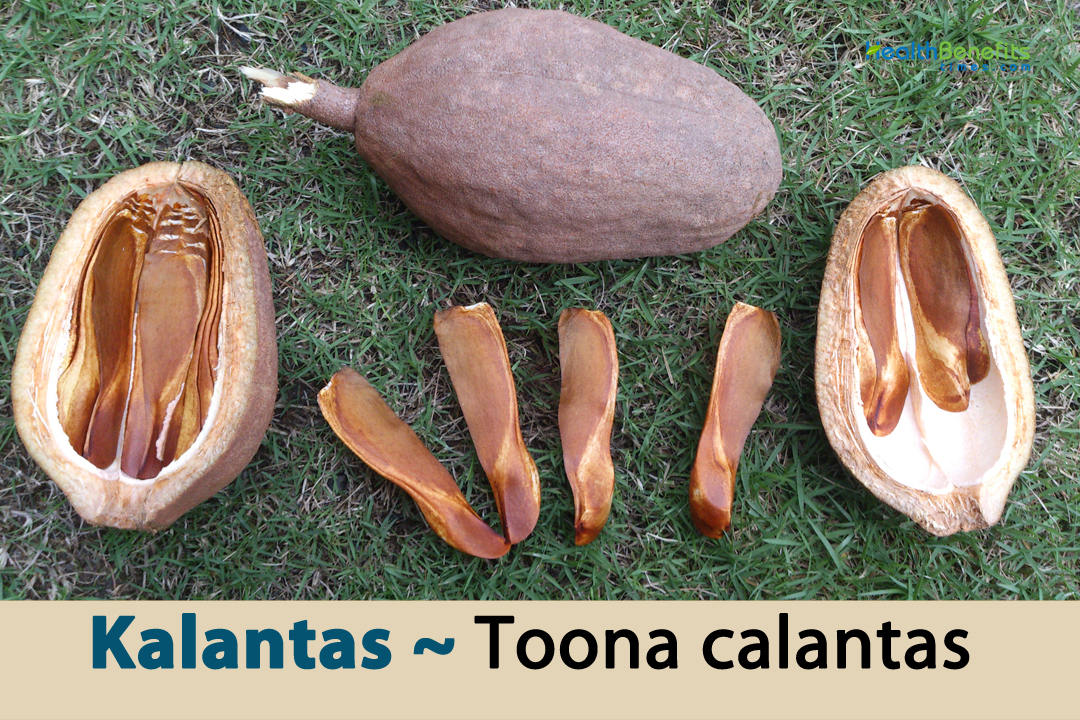
| Kalantas Quick Facts | |
|---|---|
| Name: | Kalantas |
| Scientific Name: | Toona calantas |
| Origin | Southeast Asia, including the Philippines, Malaysia, Indonesia, and Thailand |
| Colors | Green when immature and turn brown when ripe |
| Shapes | Small capsule that can be ellipsoid or oblongoid that measures 3–4 centimeters (1.2–1.6 in) long |
| Taste | Nutty flavor |
| Health benefits | Reduce Fever, Eases Headaches and Migraines, Improves Skin Health, Promotes Relaxation and Reduces Anxiety, Fights Bacterial Infections, Manage Diabetes, Enhances Immune Function, Improving digestion, Enhancing wound healing |
| Name | Kalantas |
|---|---|
| Scientific Name | Toona calantas |
| Native | Southeast Asia, including the Philippines, Malaysia, Indonesia, and Thailand |
| Common Names | Philippine mahogany, Red cedar, Kalantas (also spelled calantas), Toog, Philippine-cedar |
| Name in Other Languages | Batanes: Ample Cantonese: Dung fong sai muk (東方紫木) Cagayan: Bantinan Chinese: Hong chun , Dōng fāng xī mù, Dōngfāng shānmù (东方杉木) English: Philippine mahogany, Red cedar, Kalantas, Toog, Philippine-cedar French: Cèdre d’Indonésie Hindi: Toon Indonesia: Balangeran Japanese: Firipin-kuromatsu (フィリピンクロマツ) Java: Soeren Kapampangan: Kalantas Korean: Phillipin-heuk-mok (필리핀흑목) Malay: Ramin Malaysia: Ramin Philippines: Kalantas Portuguese: Mogno-das-Filipinas Tagalog: Kalantas Thailand: Makhaam Daeng Vietnam: Lim Non Visayan: Lanipga Zambales: Danupra |
| Plant Growth Habit | Large, deciduous, evergreen tree |
| Growing Climates | Thrives in a warm, tropical climate, mostly in lowland and montane forests |
| Soil | Grow best in well-draining soils that are rich in organic matter |
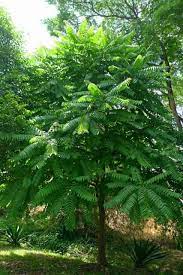
| Plant Size | Up to 40 meters tall and has a straight and cylindrical trunk with a diameter of up to 1 meter |
| Root | Root system is made up of two types of roots: taproots and lateral roots. The taproot is the main root that grows straight down from the seed, while lateral roots branch out horizontally from the taproot. |
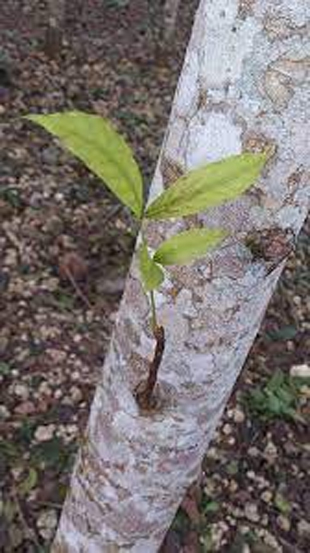
| Stem | Composed of several layers, including the bark, cambium layer, and wood. The bark is the outer layer of the stem and serves to protect the tree from external damage |
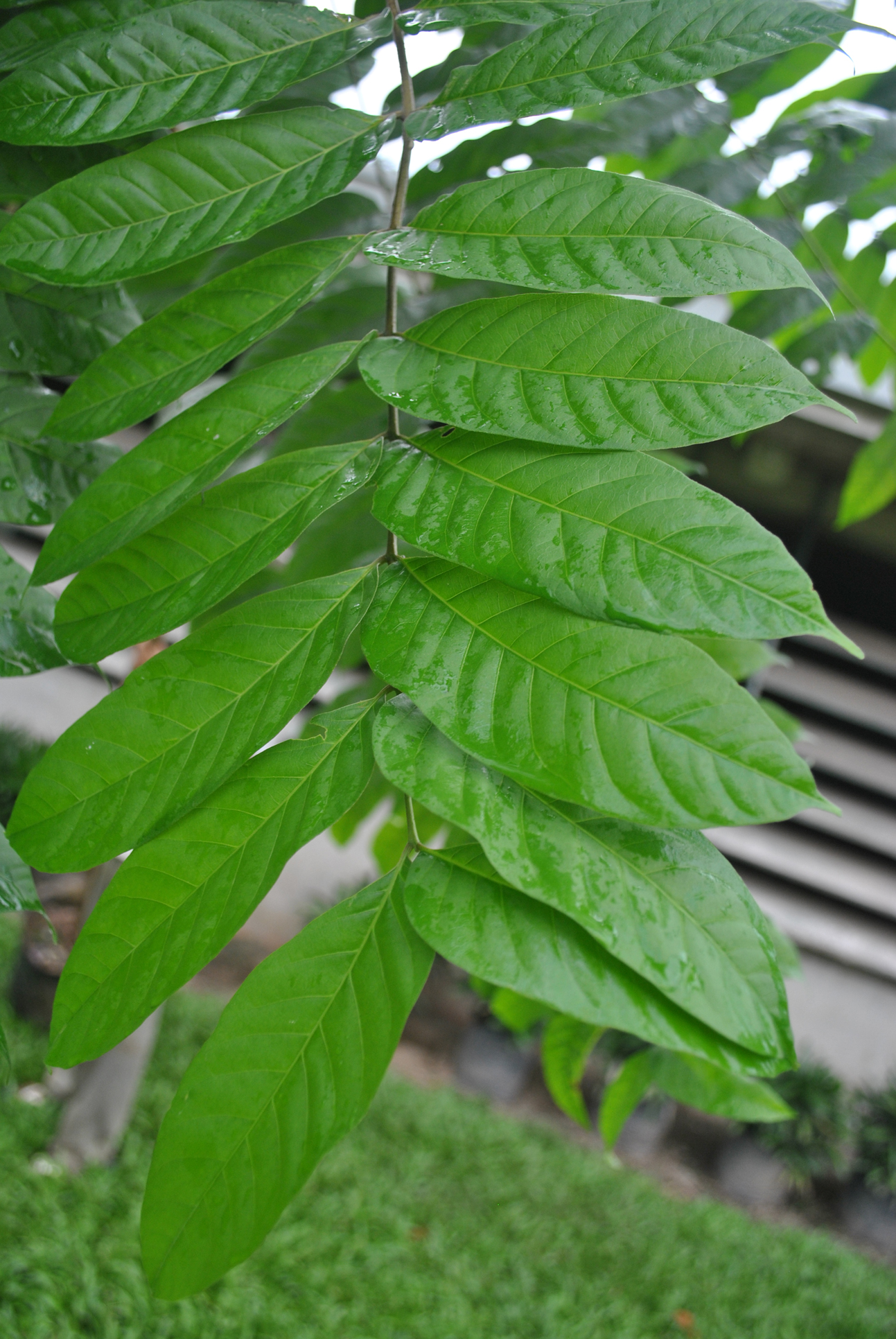
| Leaf | Compound, meaning they are made up of several leaflets. Each leaflet is oval-shaped and has a pointed tip and is arranged in pairs along the stem of the leaf with a single leaflet at the end. |
| Flowering season | June to August |
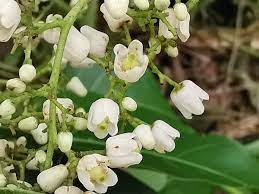
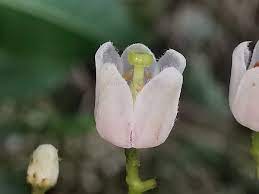
| Flower | Small, fragrant flowers that are white or pink in color, and grow in large clusters called panicles. The individual flowers have five petals and are typically less than 1 cm in diameter |
| Fruit Shape & Size | Small capsule that can be ellipsoid or oblongoid that measures 3–4 centimeters (1.2–1.6 in) long |
| Fruit Color | Green when immature and turn brown when ripe |
| Seed | Small, brown, and ovoid in shape, with a hard, woody outer shell. Each seed measures about 1-2 cm in length |
| Flavor/Aroma | Pleasant and distinct aroma often described as spicy or fragrant |
| Taste | Nutty flavor |
| Plant Parts Used | Bark, flowers, leaves, and fruit |
| Propagation | By seeds, cuttings or grafting |
| Season | September to November |
| Available Forms | Decoction, infusion, poultice, or capsule |
| Health benefits |
|
Plant Description
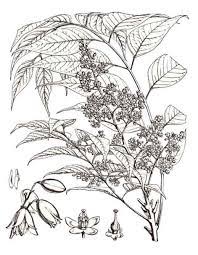
Kalantas is a large, deciduous, evergreen tree that normally grows up to 40 meters tall and has a straight and cylindrical trunk with a diameter of up to 1 meter. The plant thrives in a warm, tropical climate, mostly in lowland and montane forests. The tree can also tolerate occasional frosts but cannot withstand extended periods of cold weather. Kalantas plants grow best in well-draining soils that are rich in organic matter. The ideal soil pH range for Kalantas plant growth is between 5.5 to 6.5. It is recommended to use a loamy soil or sandy loam soil mixed with compost or well-rotted manure to improve soil fertility and texture.
Roots
The root system of Kalantas is made up of two types of roots: taproots and lateral roots. The taproot is the main root that grows straight down from the seed, while lateral roots branch out horizontally from the taproot. Kalantas roots can grow up to 10 meters deep in the soil, allowing the tree to access water and nutrients from deep within the earth. The lateral roots can spread out up to 6 meters from the base of the tree, allowing it to anchor firmly in the soil and absorb nutrients from a wide area. The roots serve several important functions, including anchoring the tree in the soil, absorbing water and nutrients, and storing energy reserves for future growth.
Stem
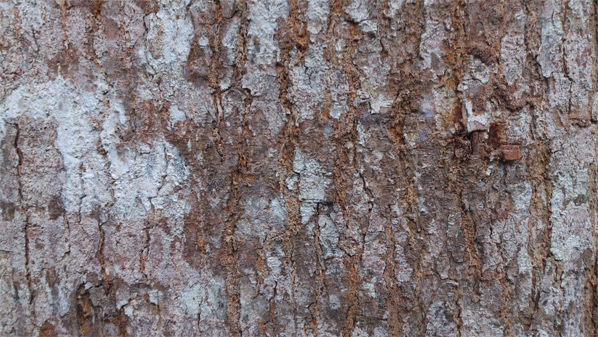
Stem is composed of several layers, including the bark, cambium layer, and wood. The bark is the outer layer of the stem and serves to protect the tree from external damage. The cambium layer is responsible for producing new wood and bark, while the wood provides structural support for the tree. The bark is thick and corky, and is normally gray or brown in color. It is often used in traditional medicine to treat skin conditions and wounds. The stem grows rapidly, with new growth occurring each year. The tree can grow up to 30 meters in height in just a few years. The wood is typically reddish-brown in color, with a straight grain and fine texture. The wood is highly valued in the international timber trade, and is known for its durability and resistance to rot. It is often used in construction, furniture, and musical instruments. Due to the high demand for its wood, it is often harvested unsustainably, leading to deforestation and loss of habitat. Efforts are being made to promote sustainable forestry practices and protect the species.
Leaves
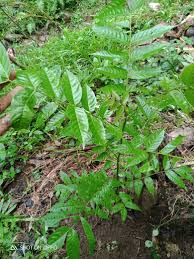
Leaves are compound, meaning they are made up of several leaflets. Each leaflet is oval-shaped and has a pointed tip and is arranged in pairs along the stem of the leaf with a single leaflet at the end. The leaflets are connected to a central axis, known as the rachis. Leaves are bright green in color, with a smooth texture and a glossy surface. They can grow up to 40 cm long, with individual leaflets measuring up to 12 cm in length. The leaves grow rapidly, with new growth occurring each year. They are an important source of food for a variety of insects and animals, including caterpillars and birds. The leaves play an important role in the ecosystem, providing food and habitat for a variety of animals. They also contribute to the carbon sequestration and oxygen production of the tree. Overall, the leaves are an important part of the tree’s anatomy, providing valuable resources for medicine and cuisine. Their appearance and growth patterns make them an important source of food for a variety of animals, contributing to the biodiversity of the ecosystem.
Flowers
Kalantas produces small, fragrant flowers that are white or pink in color, and grow in large clusters called panicles. The individual flowers have five petals and are typically less than 1 cm in diameter. The flowers bloom in the spring, typically in April or May. The exact timing of blooming can vary depending on local climate and weather conditions. Flowers are bisexual, meaning they contain both male and female reproductive structures. The male structures produce pollen, which is transported by insects or wind to the female structures, where fertilization occurs. The flowers are important for the reproductive success of the tree, as they produce the seeds that will eventually grow into new trees. They also provide important resources for a variety of pollinators, including bees and butterflies, and contribute to the biodiversity of the ecosystem by supporting the growth of new trees. In addition to their reproductive function, the flowers of Toona calantas have been used in traditional medicine to treat a variety of ailments, including fever and digestive issues.
Fruit
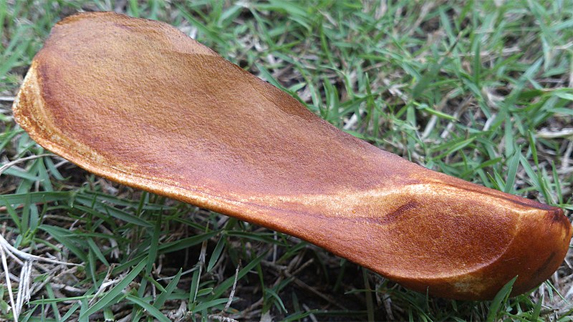
Fruits are small and round, typically measuring less than 1 cm in diameter. They are green when immature and turn brown when ripe. Each fruit contains a single seed. Fruits are a good source of vitamin C, and also contain small amounts of other vitamins and minerals. Fruits typically ripen in the fall, although the exact timing can vary depending on local climate and weather conditions. The fruits are edible, although they are not widely consumed due to their small size and relatively low flavor. They have a slightly sweet and sour taste and can be eaten raw or cooked. The fruits are an important food source for a variety of animals, including birds and squirrels. They also contribute to the dispersal of the tree’s seeds, helping to ensure the growth of new trees. In some parts of Southeast Asia, the fruits are considered a symbol of good luck and are sometimes included in offerings during religious ceremonies. The fruits are not widely available for consumption or commercial use, and are mostly consumed locally or by foraging animals.
Seeds
Seeds are small, brown, and ovoid in shape, with a hard, woody outer shell. Each seed measures about 1-2 cm in length. Kalantas seeds have a hard outer shell that can make them difficult to germinate. The seeds require a period of cold stratification before they will sprout, and should be planted in a well-draining soil mix.
History
Toona calantas, also known as Philippine mahogany or Red cedar, has a long history of use in Southeast Asia. The tree is believed to be indigenous to the Philippines, where it has been used for various purposes for centuries. Historically, it was highly valued for its durable and high-quality wood, which was used for building houses, furniture, and boats. In fact, it was considered one of the most important timber species in the Philippines during the 19th century. In recent years, the demand for Kalantas wood has increased, leading to overexploitation and deforestation. As a result, the tree is now listed as a vulnerable species by the International Union for Conservation of Nature (IUCN). To address this issue, various conservation efforts have been undertaken to protect and promote the sustainable use of Kalantas.
Health benefits of Kalantas
Toona calantas, also known as Kalantas, is an evergreen tree native to Southeast Asia that has been traditionally used for medicinal purposes. Here are some of the potential health benefits of Toona calantas
1. Reduce Fever
One of the most popular uses of Kalantas is in reducing fever. Bark of the tree consists of alkaloids that can help lower body temperature and relieve symptoms associated with fever, such as headache and body pain.
2. Eases Headaches and Migraines
Kalantas has been traditionally used as a natural remedy for headaches and migraines. Its bark contains salicin, a natural pain reliever that’s also found in aspirin.
3. Improves Skin Health
Leaves consist of antioxidants and anti-inflammatory compounds that can help improve skin health. Applying a poultice made from Kalantas leaves can help reduce inflammation, soothe irritation, and promote skin healing.
4. Promotes Relaxation and Reduces Anxiety
Bark of Kalantas consists of compounds that can help promote relaxation and reduce anxiety. It has a mild sedative effect that can help calm the nerves and promote restful sleep.
5. Fights Bacterial Infections
Bark and leaves of Kalantas have been shown to exhibit antimicrobial properties, making it effective in fighting bacterial infections. Its compounds can help inhibit the growth of bacteria, such as Staphylococcus aureus and Escherichia coli.
6. Manage Diabetes
Kalantas has been found to have anti-diabetic properties, which can help manage blood sugar levels in people with diabetes. Its bark consists of compounds that can help improve insulin sensitivity and regulate glucose metabolism.
7. Enhances Immune Function
Bark and leaves of Kalantas consists of compounds that can help enhance immune function. Its antioxidant and anti-inflammatory properties can help strengthen the immune system and protect the body against diseases.
8. Improving digestion
Kalantas has been traditionally used as a digestive aid, with its bark and leaves used to treat diarrhea, constipation, and other digestive issues.
9. Enhancing wound healing
Leaves have been used to promote wound healing due to their anti-inflammatory and antioxidant properties.
Traditional uses and benefits of Kalantas
- It is used in Southeast Asian medicine to treat fever, headaches, digestive issues, and wound healing.
- Flowers have been used in traditional medicine to treat fever and digestive issues.
- Decoction of bark is astringent and used for cleaning wounds.
- Powder of the bark is considered antiseptic and is dusted over gangrenous ulcers.
- Decoction of flowers used as an antispasmodic.
- Decoction is used as a wash for cleansing wounds.
- Bark and flowers are used in traditional medicine, due to their astringent, antiseptic and antispasmodic properties.
Culinary Uses
Toona calantas, also known as Kalantas, has a variety of culinary uses in Southeast Asian cuisine. Here are some ways it is used in cooking:
- Leaves: Young leaves are used in salads, stir-fries, soups, and curries. They have a citrusy flavor that pairs well with seafood and meat dishes.
- Shoots: Tender shoots are used in salads, stir-fries, and soups. They have a slightly bitter taste that complements the flavors of spicy dishes.
- Flowers: Flowers can be used as a garnish for salads and other dishes. They have a sweet, delicate flavor and add a pop of color to the plate.
- Bark: Bark can be used to flavor dishes like stews and soups. It has a slightly sweet and spicy taste and is often used in meat-based dishes.
- Seeds: Seeds can be roasted and used as a substitute for coffee beans. They have a slightly bitter taste and are often used as a caffeine-free alternative to coffee.
Other Culinary Uses
- Kalantas has a unique, citrusy flavor that can add depth and complexity to dishes like salads, soups, and curries.
- Kalantas pairs well with seafood and meat dishes and its bitter taste can help balance the flavors of spicy dishes.
- Leaves have a slightly bitter taste and are often used in soups, stews, and curries.
- Flowers have a slightly sweet and floral flavor and are often used to flavor drinks and desserts.
- Fruits can also be pickled or used to make a sweet and sour sauce.
- In some cultures, the seeds are roasted and ground to make a coffee-like beverage, or are used as a substitute for black pepper.
- The fruits are also used for making jams and jellies.
- Seeds can be eaten raw, roasted, or boiled, and are often used as a snack or added to soups and stews.
Other Facts
Toona calantas, also known as Kalantas, is a versatile tree that offers a wide range of uses, including medicinal, culinary, and even ornamental. Here are some of the different uses of Toona calantas:
- Ornamental uses: Colorful flowers and foliage of Toona calantas make it a popular choice for ornamental gardens and landscaping.
- Timber: Wood of Toona calantas is durable and rot-resistant, making it a popular choice for construction, furniture, and musical instruments.
- Shade tree: The large, dense canopy of Toona calantas makes it an ideal shade tree for parks, gardens, and public spaces.
- Biofuel: Toona calantas can be used as a biofuel source due to its fast growth rate and high oil content.
Additional Uses
- Due to deforestation and habitat loss, Kalantas is considered an endangered species in some areas.
- Kalantas is considered a sacred tree in some parts of the Philippines, where it is believed to possess healing and protective powers.
- In some parts of Southeast Asia, the fruits of Toona calantas are considered a symbol of good luck and are sometimes included in offerings during religious ceremonies.
- Fruits are not extensively available for consumption or commercial use, and are mostly consumed locally or by foraging animals.
- Seeds of Kalantas are not widely consumed, but are sometimes used in traditional medicine and cooking.
- It is an ornamental tree that can enhance the aesthetic appeal of gardens and parks.
- Wood is used in the manufacture of cigar boxes.
- It is also used for decorative applications such as timber veneers, paneling, joinery and furniture.
- It is also used for building boats, piano cases and carving.
- Wood is suitable for shiitake mushroom culture, and may be applied as an aromatic wood for its pleasant cedar smell.
References:
http://www.stuartxchange.com/Kalantas.html
https://gd.eppo.int/taxon/TOOCA
https://en.wikipedia.org/wiki/Toona_calantas
https://tropical.theferns.info/viewtropical.php?id=Toona+calantas
http://www.theplantlist.org/tpl1.1/record/kew-2515119
https://uses.plantnet-project.org/en/Toona_calantas_(PROSEA)