| Medlar Quick Facts |
| Name: |
Medlar |
| Scientific Name: |
Mespilus germanica |
| Origin |
Native to southwest Asia and Southeastern Europe from Northern Turkey, Caucasus, Transcaucasus and North eastern Iran. |
| Colors |
Reddish to brown (Fruit) |
| Shapes |
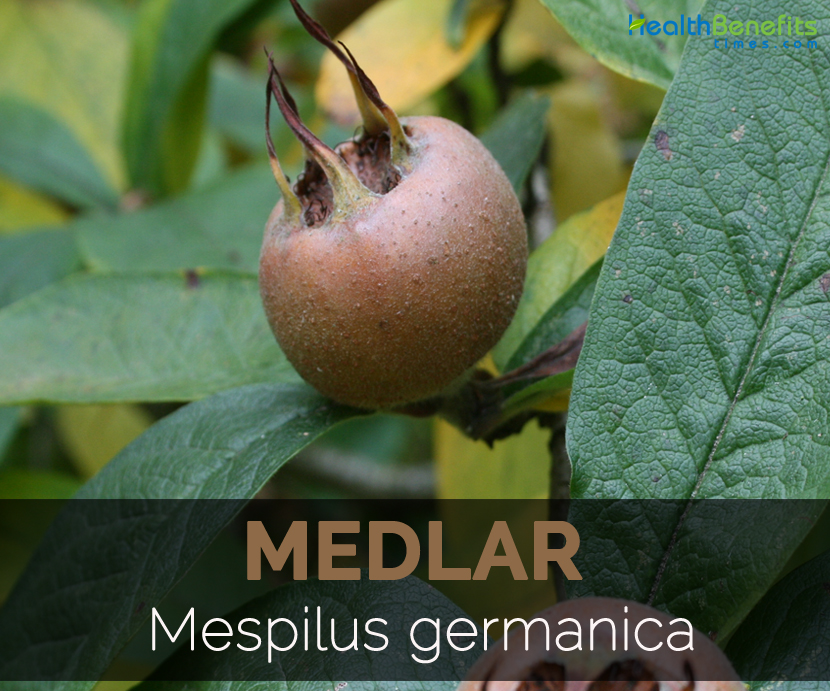
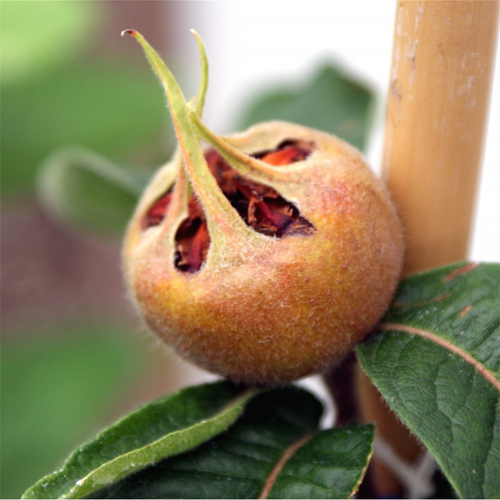
Pome, reddish to brown, globose to sub globose; Across: 3-4 cm (-6 cm); Diameter: 2-3 cm (0.79-1.18 inches) (Fruit) |
| Flesh colors |
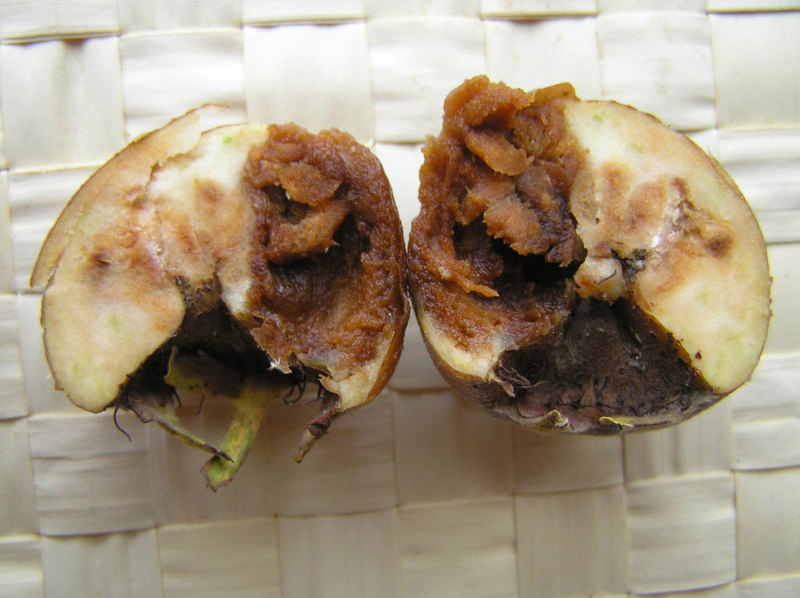
Creamy colored |
| Calories |
88 Kcal./cup |
| Major nutrients |
Carbohydrate (18.46%)
Iron (15.00%)
Vitamin B1 (5.00%)
Calcium (4.10%)
Total dietary Fiber (3.42%)
|
| Health benefits |
Forms hemoglobin, Function of muscles, Brain health, Prevent Restless leg syndrome, Regulates body temperature |
| More facts about Medlar |
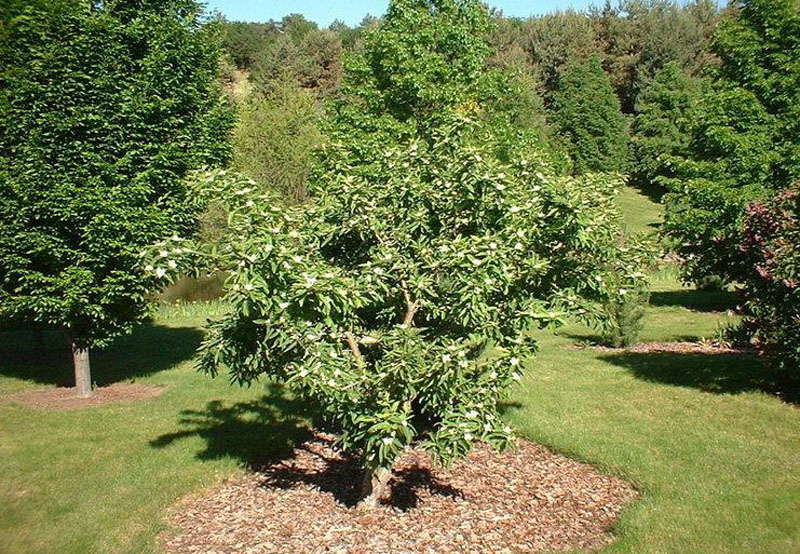
Medlar (Mespilus germanica) is a species of flowering plant in the family Rosaceae, the fruit which is cultivated the region of Caspian Sea of Northern Iran for 3000 years ago native to southwest Asia and Southeastern Europe from Northern Turkey, Caucasus, Transcaucasus and North eastern Iran. It is a large shrub or small deciduous tree, which is cultivated for its reddish brown fruit and also cultivated as an ornamental plant. It is also known as Medlar, Common medlar, Medlar Tree, néflier, deutsche, Mispelbaum, Mispel, níspero común, nespereira, níspero europeo and mispel. Medlar requires temperate climates and prefers well drained and slightly acidic soil. The Medlar tree has short life span which lives for 30 to 50 years. The fruit of Medlar is consumed after bletting.
History
Mespilus germanica was sophisticated for 3000 years ago in the region of Caspian Sea of Northern Iran. Around 700 BC, it got introduced to Greece and around 200 BC it was introduced to Rome. It was considered as a vital fruit plant during Medieval and Roman times. By 17th and 18th century, it was antiquated by other fruits which are hardly cultivated in the present day. There are various cultivars such as Royal, Nottingham and Dutch. It was introduced to North America in 1800’s by Jesuit priests and in 17th century to South Africa.
Plant
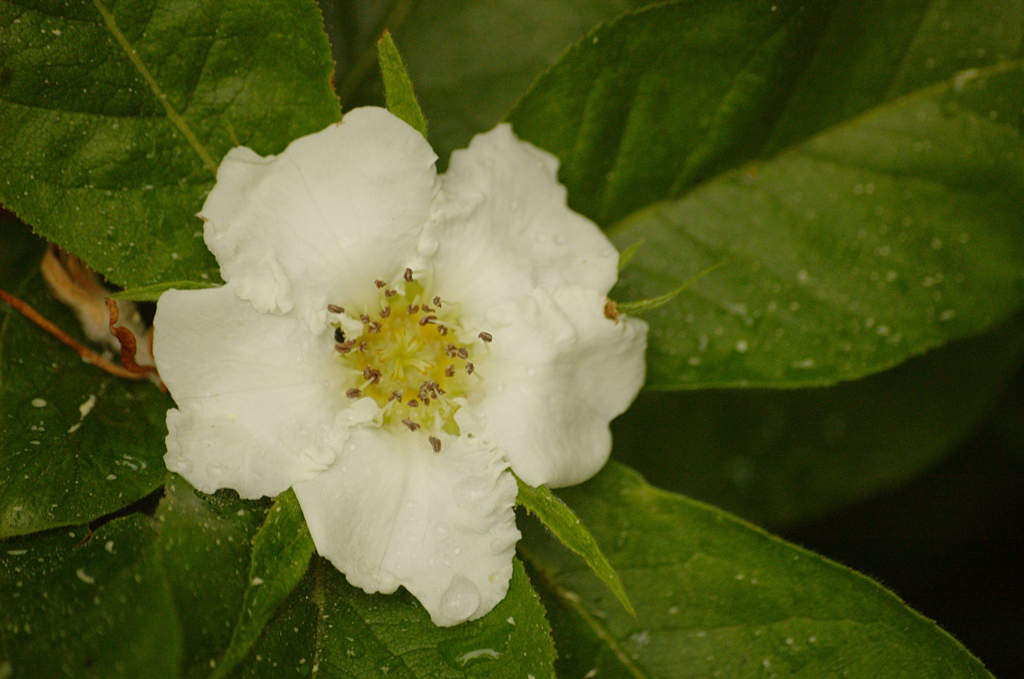
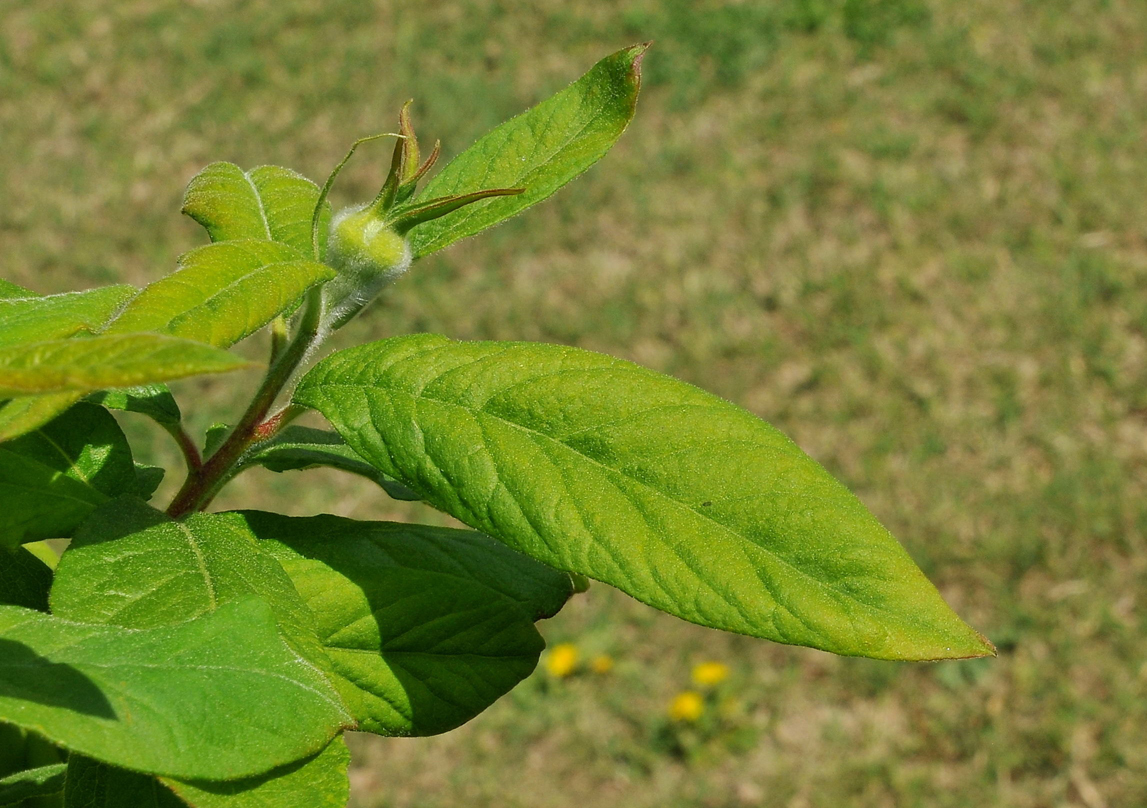
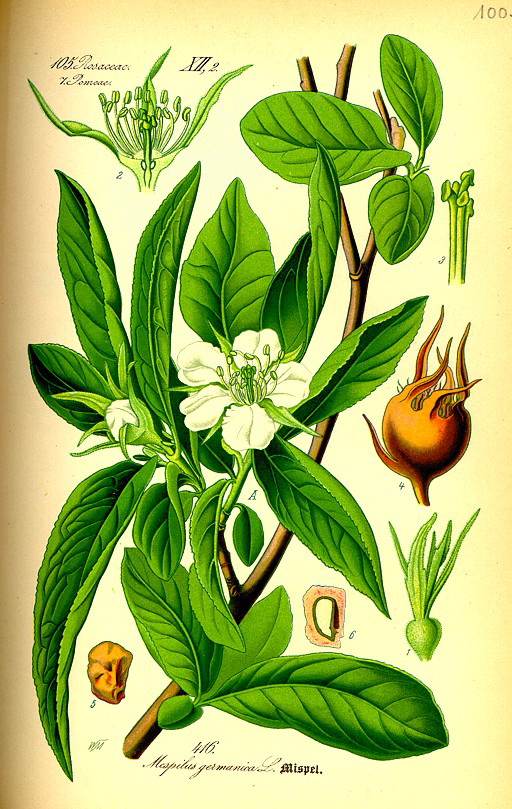
It is a large shrub or small deciduous tree which can grow to 8 m high. The leaves are dark green, large, simple, elliptic to oblong; 8-15 cm long; 3-4 cm wide having base cuneate, margin entire and pubescent. The bark is greyish brown. The tree bears flowers during Late Spring or Early Summer. The flowers are solitary, white; 3-5 cm across with five wide sepals and five petals which is 6 cm (2.4 inches) wide. The fruits are globose to sub globose pome which are reddish to brown; 3-4 cm (-6 cm) across and 2-3 cm (0.79-1.18 inches) in diameter. The branches are gnarled and brittle. The fruit weighs about 15 grams. The inside pulp or flesh of the fruit is creamy having the rough skin texture.
Nutritional value
The serving size of 100 grams provides 0.5 g of protein, 74 g of moisture, 0.1 g of fat, 88 calories, 0.6 g of ash, 1.3 g of dietary fiber and 24 g of carbohydrate. It covers 15% of iron, 5% of vitamin B1, 4.10% of calcium, 2.31% of riboflavin, 1.25% of niacin, 1% of protein and 0.29% of lipid fat.
Health Benefits of Medlar
The fruits of Medlar possess the nutrients which is beneficial for the health. It possess high amount of Vitamin B2, B1, C and A. Medlar is also used for its medicinal properties. It contains tannin, protein, natural organic acids and pectin with low amount of carbohydrates. The minerals such as calcium, potassium, iron and magnesium is also found in the fruit which helps to promote the immune health. The daily intake of this fruit is helpful for the people with kidney and liver ailments. It enhances the health by detoxifying and hydrating organs and the body.
- Forms hemoglobin
Iron helps in forming hemoglobin. Iron is a vital part of hemoglobin which provides the shade of dark red to the blood and helps to transport oxygen to the cells of body. Extra hemoglobin is essential for the human beings as we lose blood through both internal and external injuries. During menstruation, women lose blood each month due to which they are high chances of suffering from anemia. (1) (2)
- Function of muscles
Iron is essential for the maintenance of muscle health. Iron is found in the tissues of muscles and supply oxygen that is essential for the muscle contraction. Without iron, muscle loses the elasticity and tone. Muscle weakness is the symptoms of anemia. (3)
- Brain health
Iron helps in the brain development. Iron assist in the oxygen supply and about 20% of the blood oxygen is used by the brain. Iron is associated with the brain function and its health. The adequate amount of blood in the brain can enhance the activity of cognition and formation of new neural pathways that helps to prevent the cognitive ailments such as Alzheimer’s disease and dementia. The ample amounts of iron and the brain oxygenation are vital. (4)
- Prevent Restless leg syndrome
The deficiency of iron is the main cause for restless leg syndrome. The research shows that it is related with iron. The low presence of iron in the blood leads to this condition. The adequate intake of supplements of iron in adequate amounts could treat this condition. It is associated with muscle spasms which is the symptoms of iron deficiency. (5)
- Regulates body temperature
Iron helps to regulate the temperature of the body. It regulates according to the body’s absorption capacity. It stabilizes the body temperature which means that functions of metabolism and enzymatic functions occur in the efficient and optimal temperatures and environments. (6)
- Carries oxygen
The benefit of iron is that it carries oxygen and transfers to the body cells. It is an essential function of iron. Oxygen is essential for each organ in order to perform the daily functions. (7)
- Treats anemia
Iron helps to treat anemia which is caused due to the deficiency of iron in the body. Iron helps to prevent these diseases which have affected the number of people in the world. It has become the common problem in this planet. (8)
- Chronic ailments
Iron helps to cure the chronic ailments such as renal failure anemia and chronic ailments of excretory and intestinal system. It is not required by the blood. Iron is essential for the functioning of various processes of the systems in the body. (9)
- Anemia
Iron helps to cure anemia in women during menstruation and pregnancy. The lost blood cells must be replaced which is possible with the adequate consumption of iron. (10)
- Neurotransmitters
Iron has a vital role in the synthesis of neurotransmitters such as norepinephrine, dopamine and serotonin. It has essential role in the functioning of various activities of human brain and neurons. (11)
- Predialysis Anemia
Iron has the ability to treat anemia such as predialysis anemia. One should consult a physician before treating this problem as it is harmful and complicated. (12)
- Reduce fatigue
Iron helps to eliminate chronic fatigue which is occurred in women and men. The deficiency could cause fatigue which is vital for the hemoglobin. The daily intake of foods rich in iron helps to make one healthy, fit, energetic both externally and internally. (13)
- Immunity
Iron helps to enhance the immunity of the body. It helps the body to counteract the various infections and diseases. Red blood cells are vital to provide oxygen to damaged organs, tissues and cells. Without iron there won’t be hemoglobin and oxygen. Iron assists in the healing process.
- Metabolize energy
Iron plays a vital role in the metabolizing energy in the body. It helps to extract energy from the food which is shared to various parts of the body. (14)
- Enzymatic systems
Iron is vital for the enzymatic systems and constituents such as cytochromes, myoglobin and catalase. These should function properly for the proper functioning of organ systems. (15)
- Cures insomnia
Iron helps to treat insomnia and enhance the sleep quality and habits with the regulation of circadian rhythms. The proper count of red blood cells could lead to the low fluctuation of blood pressure those results in sleeping problems. (16)
- Mental performance
The adequate intake of iron targets on the energy and concentration which helps to enhance the mental and cognitive performance. It helps to raise the blood flow to the brain due to the activity of iron’s red blood cells. (17)
Traditional uses
- The pulp is used in traditional medicine as laxative.
- The leaves and seeds are believed to possess an astringent and lithontripic properties respectively.
- In Iran, Medlar is used to treat diseases such as high blood pressure, heart rate and heart tonic.
- The extract of leaves is used to treat throat and mouth infection.
- Fruit possess a relaxant and purgative properties which is helpful for diarrhea.
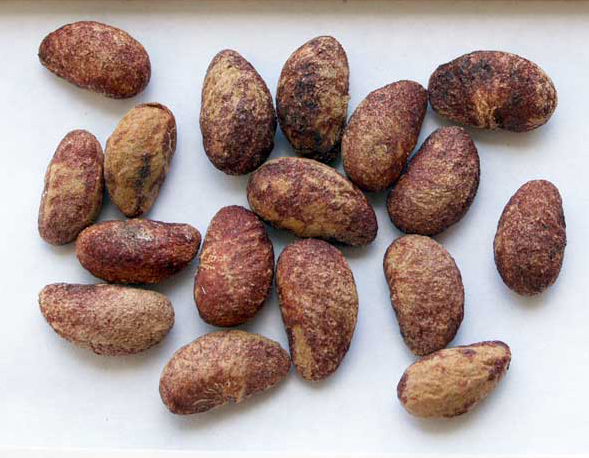
- The seed helps to expel bladder stone.
- Medlar fruit helps to treat constipation and eliminates bladder and kidney of stones.
- This plant helps to eliminate oral abscess, stomach bloating, throat abscess, fever disposal, fattening, internal hemorrhage, strengthen skin, nerves and treats intestinal inflammation.
- The tea made from leaves of Medlar is used to treat kidney stones.
- In Iran, the bark, fruit, flowers and leaves are used to treat diarrhea, throat abscesses and fever.
- The bark of a Medlar tree possesses anti-inflammatory properties.
How to Eat
- Fruits are consumed after it is blet for a week.
- The fruits are used to make Medlar jelly, candied fruit, mixed jam, marmalade and syrup.
- As a dessert, Medlar is eaten with cheese.
- Medlar cheese is made with eggs, fruit pulp and butter.
- Medlar is used as a flavoring agent to make fruit wine.
- The unripe fruits are pickled with sugar and vinegar.
- The fruits are cooked and made jelly as it has high content of pectin.
- Medlar could be mixed with sugar and make jellies, creams and jams.
- Green fruits are used to make of tea.
Other Facts
- Medlar has abundant contorted branches which forms a dense crown.
- Medlar of wild varieties has branches with thorns.
- During autumn, leaves turns to orange or red.
- The flowers are produced at the end of branches.
- The flowers have both reproductive organs and diffuse a pleasant aroma.
- The flower of Medlar blossoms from April to June.
- Self-pollination takes place.
- After planting, it produces fruit in 3 years.
- Till the fruit is half-rotten, it is inedible.
http://www.softschools.com/facts/plants/medlar_facts/1763/
Precautions
- Those who are allergic to Medlar fruit should stay away from the fruit.
- It should be consumed in limited amounts.
References:
http://davesgarden.com/guides/pf/go/53309/
https://npgsweb.ars-grin.gov/gringlobal/taxonomydetail.aspx?id=24182
http://www.pfaf.org/user/plant.aspx?LatinName=Mespilus+germanica
http://www.missouribotanicalgarden.org/PlantFinder/PlantFinderDetails.aspx?taxonid=286587&isprofile=0&
http://www.academicjournals.org/article/article1380734557_Bibalani%20and%20Mosazadeh-Sayadmahaleh%20%206.pdf
http://www.healthyandnaturallife.com/amazing-health-benefits-of-medlar-fruit-youve-never-known-improves-vision-and-blood-count-fights-infections-vertigo-impotence-and-much-more/
http://www.daleysfruit.com.au/fruit%20pages/medlar.htm
http://www.naturalmedicinalherbs.net/herbs/m/mespilus-germanica=medlar.php
Comments
comments