

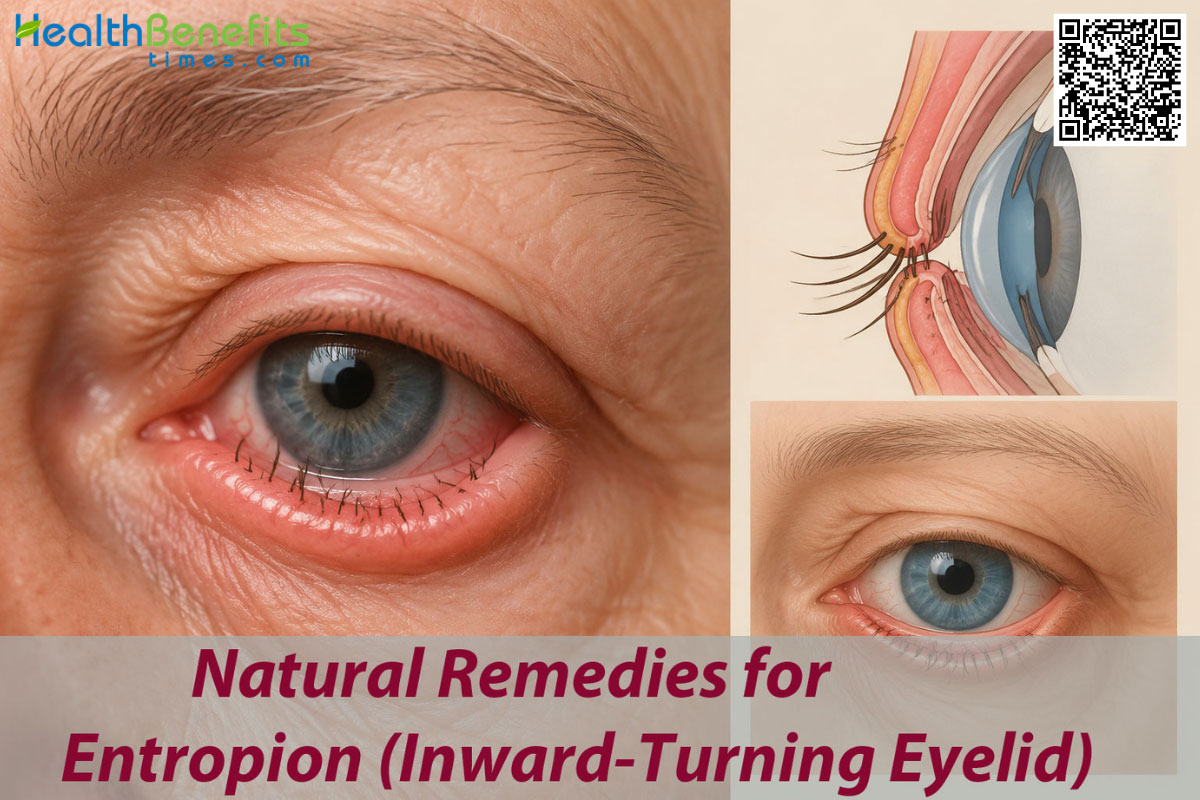
 Medical Definition of Entropion (Inward-Turning Eyelid)
Understanding what happens when the delicate mechanics of the eye fail begins with a close look at the eyelids. Entropion is an anatomical eyelid malposition characterized by the abnormal inversion or inward rotation of the eyelid margin toward the globe of the eye 1. This structural deviation causes the eyelashes and the outer, keratinized skin of the eyelid to continuously rub against the delicate conjunctiva and the sensitive corneal surface. Such a physical misalignment creates a secondary mechanical complication known in the medical field as trichiasis, which is the direct contact of eyelashes with the eye. Left unmanaged, the relentless friction severely compromises the protective ocular surface, potentially leading to persistent epithelial defects, severe corneal abrasions, progressive tissue scarring, and vision-threatening corneal neovascularization 2. While the condition can manifest in either the upper or lower eyelids and may be unilateral or bilateral, the lower eyelid is overwhelmingly the most common site for this inward rotation. The resulting mechanical irritation establishes a chronic cycle of ocular surface inflammation, reflex tearing, and severe discomfort that disrupts daily life.
Causes of Entropion (Inward-Turning Eyelid)
Investigating the underlying structural failures that lead to an inverted eyelid requires examining various physiological and environmental triggers that compromise eyelid stability.
1. Age-Related Structural Weakness (Involutional Degeneration)
The most prevalent cause of the condition stems from natural, age-related structural changes within the complex eyelid architecture 3. As human tissues grow older, the rigid tarsal plates undergo a distinct shift, losing their firm collagenous fibers and becoming overly elastic. This horizontal eyelid laxity, combined with the gradual detachment of the lower eyelid retractors, allows the surrounding muscles to override the supportive tissue, ultimately forcing the eyelid margin to roll inward against the cornea.
2. Scarring and Tissue Contracture (Cicatricial Pathogens)
Any pathological mechanism that significantly increases scar tissue formation on the inner surface of the eyelid places an individual at high risk for vertical tissue contracture 4. Chronic autoimmune disorders, severe chemical or thermal burns, and persistent infections physically pull the eyelid margin inward as the scar tissue shrinks. Trachoma, caused by repeated bacterial infections, is a particularly aggressive driver of these cicatricial changes in many endemic regions across the globe 5.
3. Muscle Spasms from Irritation (Acute Spastic Mechanisms):
Severe ocular irritation, localized inflammation, or recent intraocular surgical trauma can trigger sustained, involuntary contractions of the orbicularis oculi muscle 6. This spastic muscle activity easily overwhelms the oppositional pull of the weakened lower eyelid retractors. It initiates a self-perpetuating cycle where the resulting lash-rub causes further pain, which in turn provokes even stronger and more frequent muscle spasms.
4. Congenital Birth Defects (Anatomical Dysgenesis)
In extremely rare instances, infants are born with distinct anatomical abnormalities, specifically the improper development of the lower eyelid retractor muscles 7. This structural birth defect creates an inherent instability in the eyelid tissue from day one, leading to sequential folding and eventual inward inversion of the eyelid margin shortly after birth.
Symptoms of Entropion (Inward-Turning Eyelid)
Recognizing the clinical manifestations early is critical, as the physical damage to the eye accumulates over time.
- Persistent foreign body sensation, often described as feeling like sand or grit is permanently trapped underneath the eyelid 8.
- Epiphora, which is the excessive reflex tearing and watering of the eye triggered by continuous corneal irritation 9.
- Noticeable conjunctival hyperemia, presenting as deep redness and inflammation of the white portion of the eye.
- Photophobia, or a heightened, painful sensitivity to bright lights, particularly when microscopic corneal abrasions are actively present.
- Mucoid or mucopurulent ocular discharge accumulating at the corners of the eye, indicating a secondary surface infection or chronic inflammatory response.
- Visible sagging, overriding, or unnatural folding of the skin immediately surrounding the affected eyelid margin.
- Progressive decrease in visual acuity or blurred vision resulting from accumulated corneal scarring or excessive tear film disruption.
Entropion (Inward-Turning Eyelid) Facts
| Category | Details |
| Symptoms |
|
| Causes |
|
| Types of Entropion (Inward-Turning Eyelid) |
|
| How does spread |
|
| Age Group |
|
| You might be at a higher risk for exposure of this disease if you: |
|
| How doctors diagnose |
|
| Other facts |
|
Natural Remedies for Entropion (Inward-Turning Eyelid)
When you are struggling with the relentless discomfort of an inward-turning eyelid, finding safe and natural relief becomes a daily priority. Conservative management strategies serve a vital role in alleviating the mechanical damage and immense pain associated with this condition. While these natural remedies do not permanently repair the underlying anatomical tissue failure, they act as essential shields to protect your eye from severe injury until long-term solutions can be explored.
1. Eyelid Taping (Skin Tape Eversion)
Securing a piece of specialized medical tape to your facial skin is one of the most immediate and mechanically logical methods to counteract an inverted eyelid. By carefully placing a strip of adhesive tape parallel to your lower eyelid margin and applying gentle downward tension, you temporarily neutralize the horizontal laxity of the eyelid 10. This gentle pull physically everts the lid margin, rolling it away from your sensitive cornea 11. This technique cleverly uses your cheekbone as an anchor point to hold the weakened eyelid muscles in a safer, more natural alignment.
Note: This remedy is commonly applied using hypoallergenic medical tape cut to a length of roughly three centimeters, gently pulling the skin downward to create a horizontal fold that mechanically stops your eyelashes from rubbing against the eye.
2. Ocular Surface Lubrication (Artificial Tears)
Maintaining a robust barrier of moisture is absolutely essential when your eye’s surface is under constant mechanical threat from misdirected eyelashes. The generous application of artificial tears, highly viscous ocular lubricants, and soothing overnight ointments drastically reduces the intense friction between the rough eyelid skin and your delicate cornea 12. By artificially supplementing your natural tears, these lubricants flush out irritating inflammatory markers and prevent the dry, abrasive scraping that often triggers the painful spasms associated with entropion.
Note: This remedy is commonly applied as a highly viscous gel or preservative-free tear drop directly into your conjunctival sac multiple times throughout the day to continuously coat and protect the cornea from physical trauma.
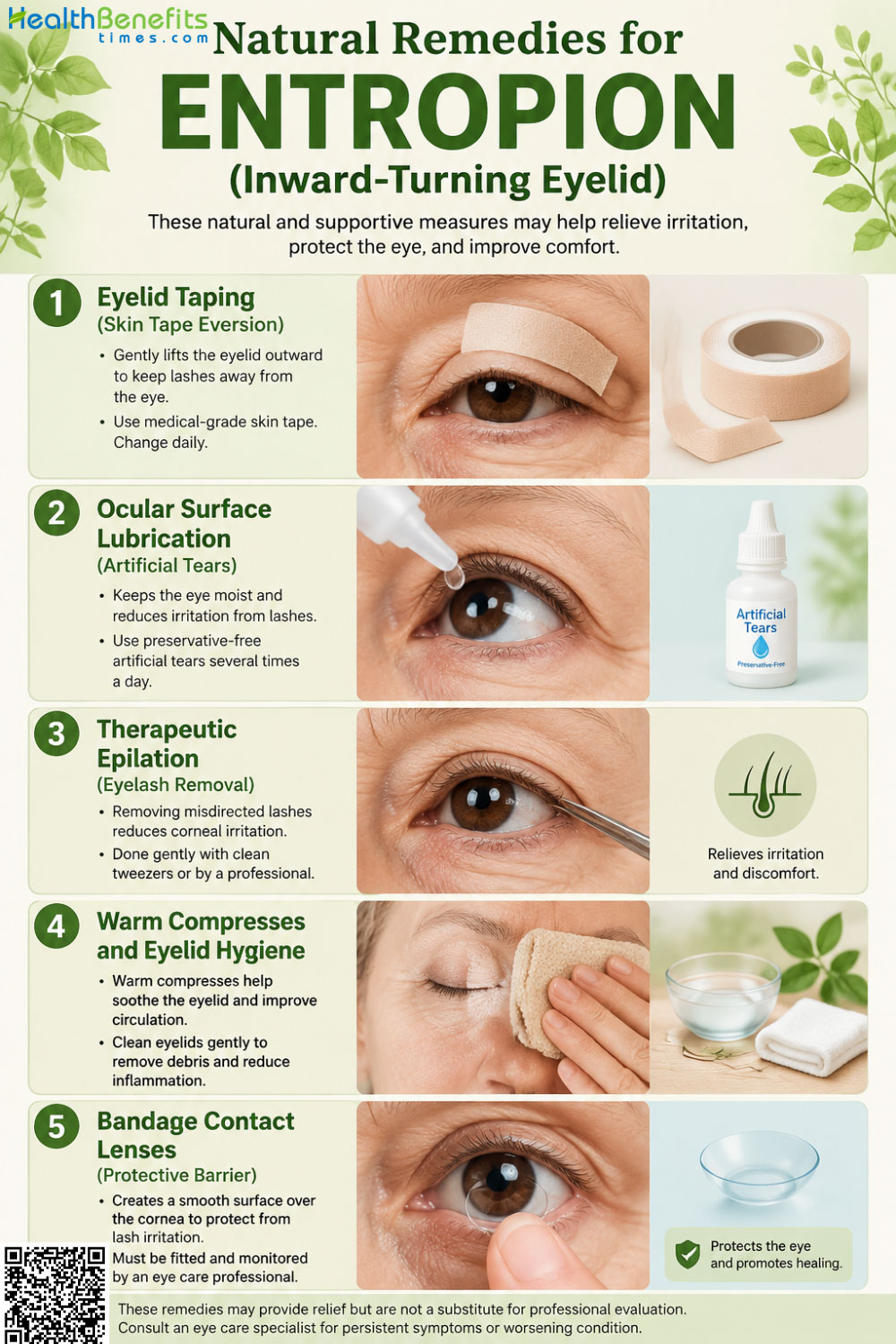
3. Therapeutic Epilation (Eyelash Removal)
Removing the specific clusters of eyelashes that are responsible for the majority of your localized corneal damage can offer incredibly rapid symptomatic relief. Therapeutic epilation physically eliminates the rigid hair shafts that are actively lacerating your superficial corneal cells 13. Although your eyelashes will inevitably regrow over a period of four to six weeks, routine removal is frequently practiced as an ongoing maintenance remedy for minor or focal lash rubbing resulting from mild eyelid rotation 14.
Note: This remedy is commonly applied by grasping the misdirected eyelashes at their very base with sterile, flat-tipped forceps and pulling them cleanly out of the hair follicle to immediately halt corneal abrasion.
4. Warm Compresses and Eyelid Hygiene
Applying targeted thermal heat is highly beneficial when your inward-turning eyelid is exacerbated by localized inflammation, such as chronic blepharitis or acute muscle spasms. Heat therapy serves a soothing dual purpose: it helps to relax the sustained, uncomfortable contractions of your eyelid muscles, and it simultaneously melts the stagnant, thickened oil secretions trapped within your meibomian glands 15. Restoring the natural flow of these healthy oils improves the stability of your tear film, thereby significantly reducing the extreme ocular irritation that drives the inward-rolling cycle.
Note: This remedy is commonly applied using a clean cloth soaked in safely heated water, held gently over your closed eyelids for five to ten minutes to soothe muscle spasms and loosen glandular debris.
5. Bandage Contact Lenses (Protective Barrier)
Deploying a physical barrier directly onto the surface of your eye provides unparalleled protection against the continuous, scraping friction of inverted eyelashes. Therapeutic soft contact lenses, specifically those manufactured from high-oxygen-permeability materials like silicone hydrogel, cover your entire cornea and safely absorb the brunt of the mechanical trauma 16. These advanced lenses allow your injured corneal tissue an opportunity to heal beneath a safe, perfectly hydrated canopy while effectively preventing any new lacerations from occurring.
Note: This remedy is commonly applied directly to the surface of the eye by an eye care professional and is worn continuously over several days to serve as an impermeable mechanical shield against in-turned eyelashes.
Is there any exercise or physical activities for Entropion (Inward-Turning Eyelid)
Targeted physical activities and muscular exercises can temporarily influence the tone of your periocular muscles and vastly improve the quality of your protective tear film. While it is important to remember that physical exercises cannot magically repair a torn retractor muscle or replace degraded collagen, they can help you manage the severity of the symptoms and reduce the inflammatory triggers that make entropion worse.
1. Deliberate Blinking Exercises
Struggling with chronic eye irritation frequently causes you to develop abnormal, incomplete blinking patterns, which severely degrades the stability of your tear film and significantly worsens the symptoms of an inward-turning eyelid 17. Structured blinking exercises involve consciously overriding your automatic reflexes to perform full, forceful closures of the eyelids. This deliberate action effectively engages your eyelid muscles, pumps your tiny eyelid glands to release essential protective oils, and spreads a thick, even layer of soothing tears across your traumatized eye 18.
Note: To do this, simply execute a deliberate cycle of closing your eyes completely, squeezing the lids shut gently for two full seconds, and then opening them wide, repeating this specific cycle fifteen times, three times per day.
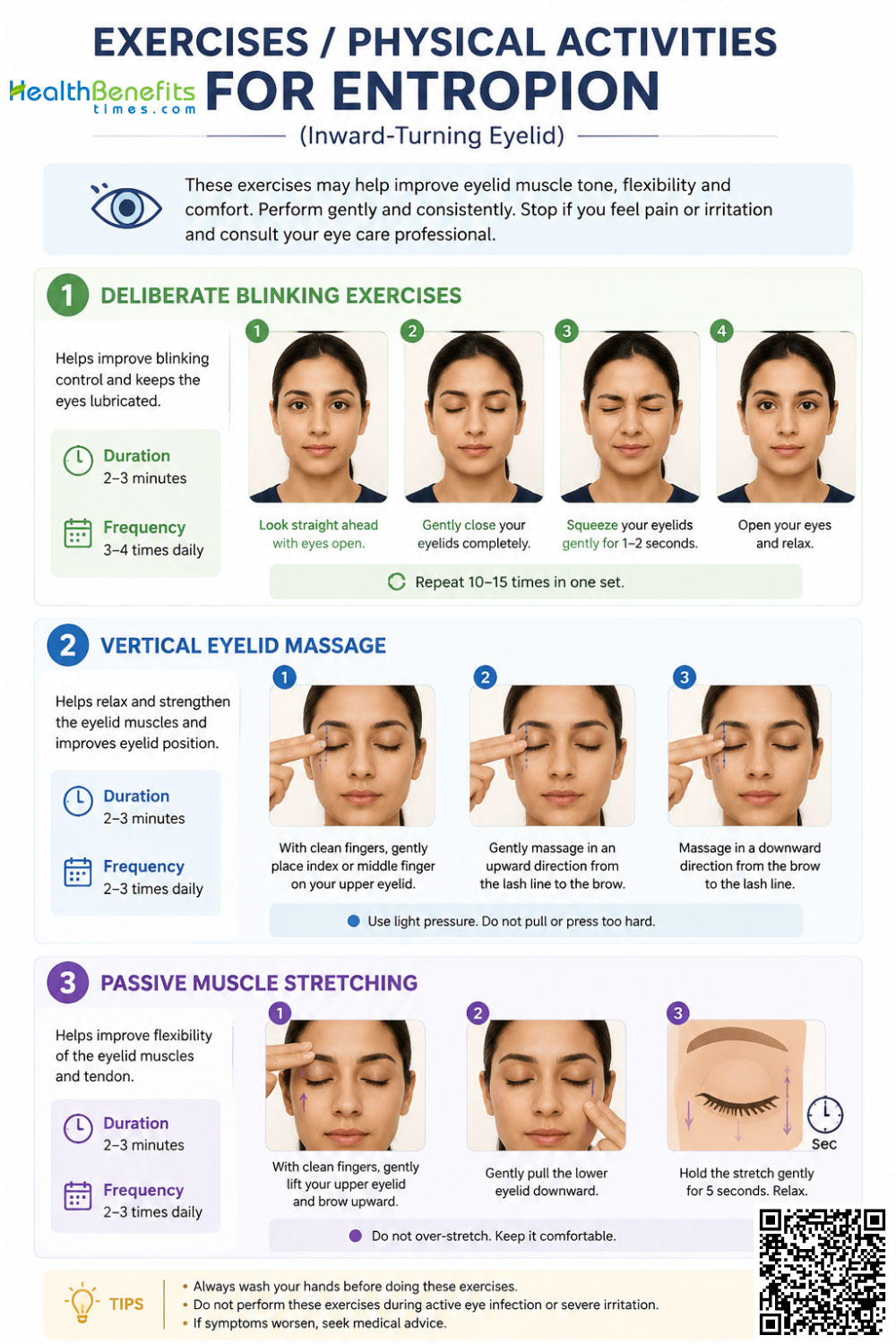
2. Vertical Eyelid Massage
Clearing the inflammatory components of eyelid disease often requires your direct physical manipulation of the tiny structures lining the eyelids. Mechanical massage of the eyelids works perfectly in tandem with warm compresses to physically push out obstructed oil from your meibomian gland ducts 19. By applying steady, rolling pressure, stagnant inflammatory oils are forced out of the glands, subsequently allowing healthy, fluid lipids to coat your eye and reduce the intense friction that exacerbates your spastic entropion triggers 20.
Note: To do this, use the soft pad of a clean index finger to apply gentle, rolling pressure starting from the bony edge of your eye socket and pushing vertically downward (or upward for the lower lid) directly toward your lash line.
3. Passive Muscle Stretching
Interrupting the hyperactive contraction of your eyelid muscles can provide you with temporary anatomical relief, because acute spastic entropion is heavily driven by these sustained muscle spasms. Passive facial stretching and range-of-motion techniques aim to mechanically elongate the tight, contracted muscle fibers that are aggressively forcing your eyelid margin to roll inward 21. Gently stretching these specific areas temporarily restores a more neutral, relaxed posture to the tissues surrounding your eye.
Note: To do this, place your clean fingertips gently just below your affected lower eyelid and apply a slow, sustained downward and outward pressure to physically stretch the spasming muscle fibers for ten to fifteen seconds at a time.
Foods and Activities to Avoid When You Suffer from Entropion (Inward-Turning Eyelid)
Protecting your eyes requires looking beyond the eyelids themselves and recognizing how your daily habits and dietary intake influence your body’s overall inflammatory responses.
Foods to Avoid When You suffer from Entropion (Inward-Turning Eyelid) and you are prone to Entropion (Inward-Turning Eyelid)
1. Excessive Omega-6 Fatty Acids
Cooking oils rich in Omega-6, such as standard soybean oil, corn oil, and heavily processed safflower oil, act as powerful precursors to pro-inflammatory pathways in your body 22. Consuming these in large quantities without a balancing intake of healthy Omega-3s promotes chronic tissue inflammation, which directly worsens the irritation, swelling, and redness associated with lash friction on your eye 23.
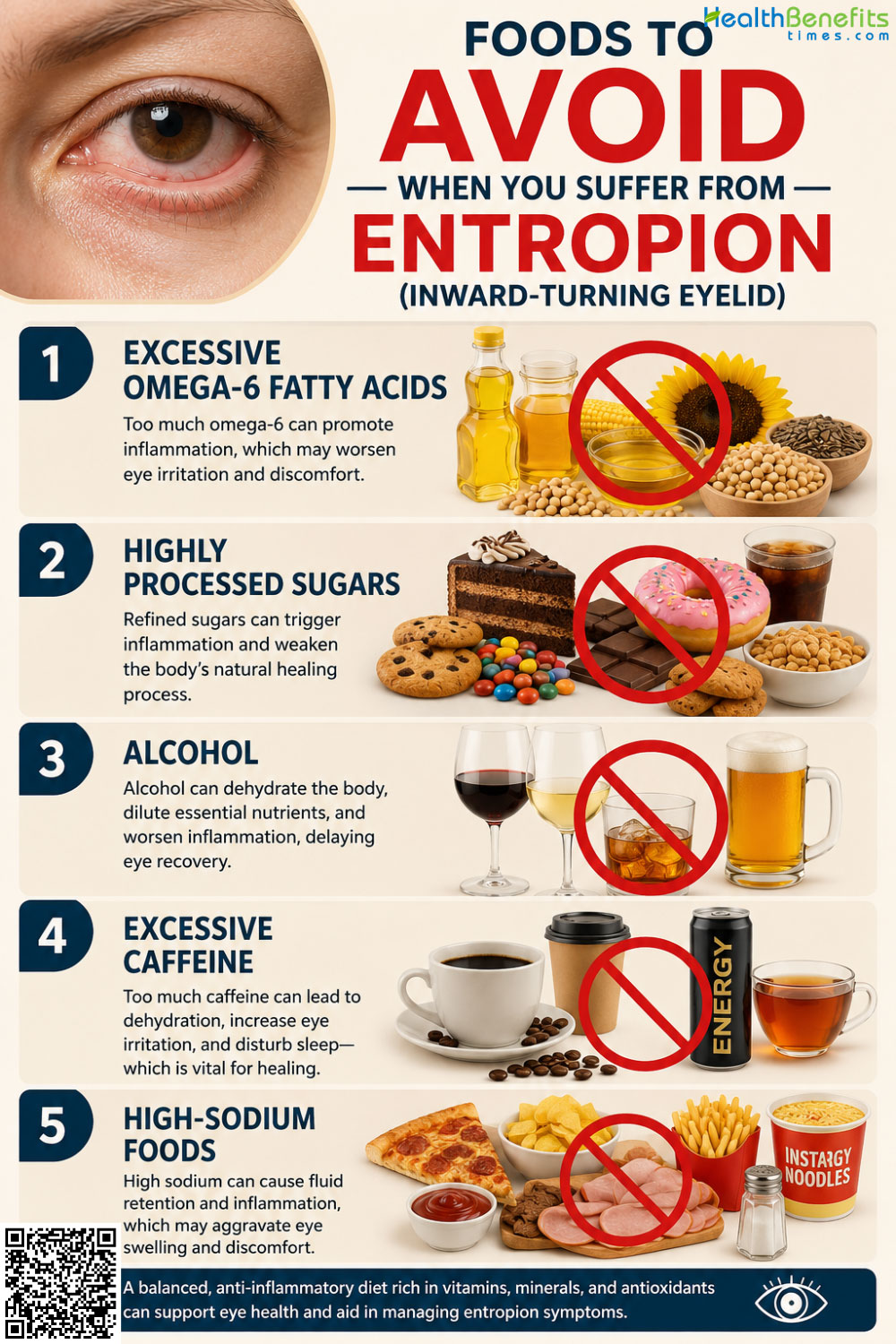
2. Highly Processed Sugars
Loading your diet with refined carbohydrates and artificial sugars heavily spikes your glycemic levels and triggers systemic inflammatory cascades. This background inflammation can disrupt the delicate microvasculature of your eyelid margins and fundamentally alter the healthy production of your natural tears, leaving your eyes drier and more vulnerable.
3. Alcohol
Pouring an evening drink might seem harmless, but the consumption of alcohol induces systemic dehydration and acts as a powerful diuretic, which severely diminishes the aqueous volume of your tear film. A dry eye presents a much higher friction surface, significantly increasing the physical damage caused by an inward-turning eyelid rubbing against your cornea.
4. Excessive Caffeine
Reaching for multiple cups of coffee functions similarly to alcohol, as large quantities of caffeine can heavily compromise your systemic hydration levels. Reduced overall tear production completely eliminates your eye’s natural defense mechanism against the abrasive, sandpaper-like action of misdirected eyelashes.
5. High-Sodium Foods
Snacking on excessively salty foods can lead to generalized fluid retention and localized preseptal swelling (edema) directly within your lower eyelids. Increased tissue bulk and heavy swelling around your eyes can physically force a slightly lax eyelid to invert even further against the globe, exacerbating the physical rubbing.
Activities to Avoid When You suffer from Entropion (Inward-Turning Eyelid)
1. Vigorous Eye Rubbing
Giving in to the urge to aggressively rub your itchy eyes is incredibly dangerous. The mechanical force of rubbing heavily stretches your already weakened canthal tendons and permanently damages the delicate tissues that support your eyelid, rapidly accelerating the horizontal laxity that causes the eyelid to roll inward in the first place.
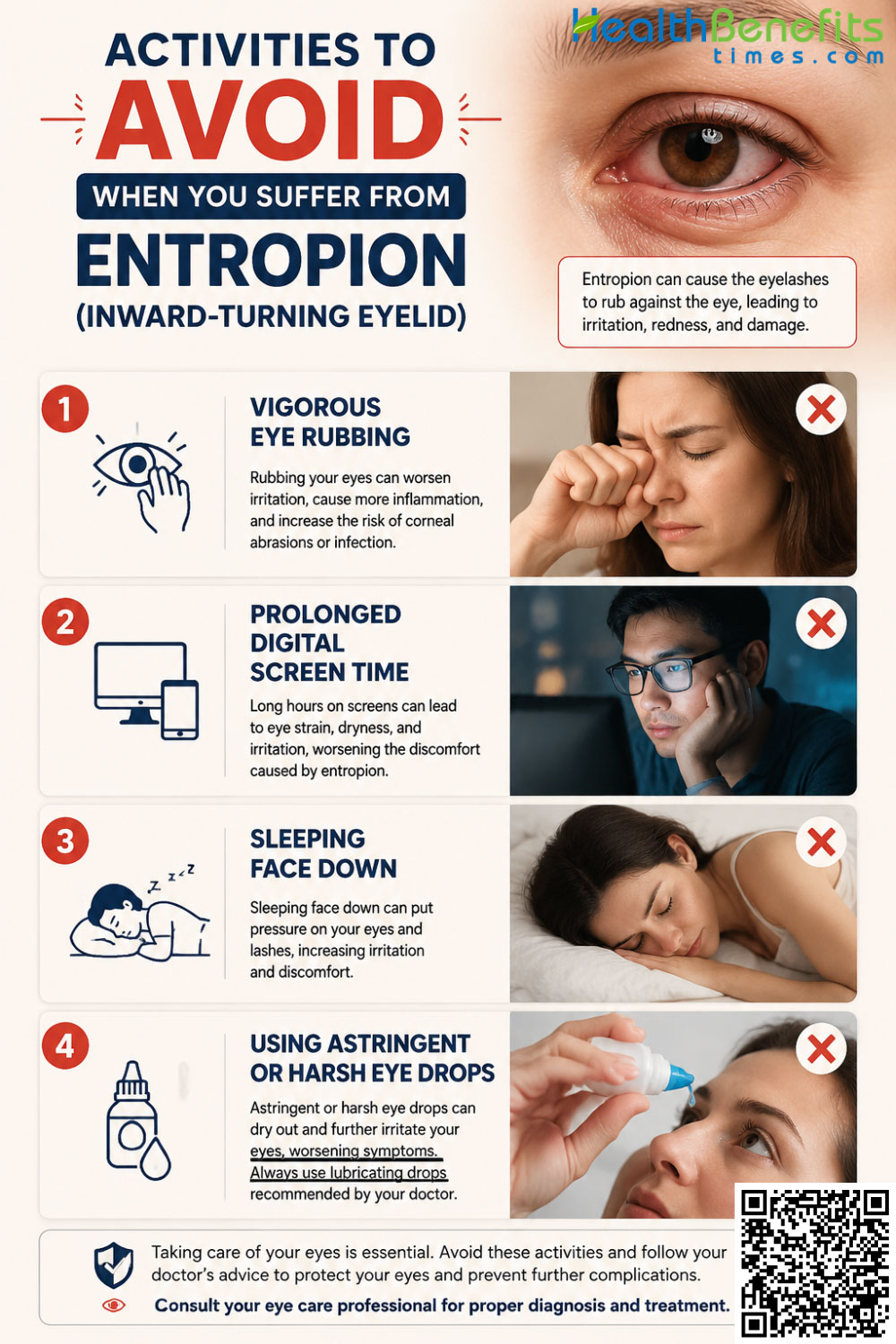
2. Prolonged Digital Screen Time
Staring uninterrupted at smartphones, tablets, or computer monitors drastically reduces your natural human blink rate by up to sixty percent 24. Infrequent blinking allows your tear film to evaporate rapidly into the air, leaving your cornea completely dry and highly vulnerable to the deep scraping of your inverted eyelashes.
3. Sleeping Face Down
Pressing your face and delicate eyelids firmly against a pillow throughout the entire night places immense mechanical stress on your tarsal plates. This specific sleeping position is strongly linked to overall eyelid laxity and rapidly degrades the crucial structural integrity of your eyelid retractors over time.
4. Using Astringent or Harsh Eye Drops
Purchasing over-the-counter eye drops marketed simply to “remove redness” often exposes your eyes to harsh chemical vasoconstrictors. Chronic daily use of these chemical preservatives creates rebound redness, toxicity to your superficial corneal cells, and severe dryness, stripping away your eye’s minimal remaining protection against lash friction.
Myths and Misconceptions
| Myth | Reality |
| The condition will eventually resolve completely on its own over time. | Involutional entropion involves the physical, permanent degradation of collagen and the stretching of facial tendons. Tissues do not spontaneously regain their youthful tensile strength; surgical intervention is ultimately required for a definitive, long-term anatomical correction. |
| Plucking the eyelashes is a permanent cure. | Therapeutic epilation is strictly a temporary, maintenance measure. Eyelashes naturally regrow within four to six weeks, and the newly emerging hair shafts are often much shorter, stiffer, and vastly more abrasive to the cornea than the original natural lashes were. |
| It is solely caused by poor ocular hygiene. | While severe infections like trachoma (which is strongly related to hygiene) can cause cicatricial entropion, the vast majority of cases in developed nations are involutional, resulting entirely from natural aging, gravity, and unavoidable genetic tissue laxity. |
| Eye exercises can tighten the eyelid skin and cure the disease. | Blinking exercises can beautifully improve your tear film stability and natural lipid production, but absolutely no amount of voluntary muscle exercise can reattach a completely disinserted muscle fascia or shrink a permanently stretched canthal tendon back to its original size. |
| Only the elderly can suffer from an inward-turning eyelid. | While primarily an age-related degenerative disease, rare congenital forms affect newborn infants, and cicatricial forms caused by autoimmune diseases, chemical burns, or chronic bacterial infections can strike individuals of any age or background. |
Special Considerations
1. Children
When an inward-turning eyelid presents in pediatric populations, it is almost exclusively congenital in origin rather than degenerative. Dysgenesis of the lower eyelid retractors or unique structural deformities, such as a “tarsal kink,” require highly specialized pediatric ophthalmology evaluation to prevent long-term damage. Unlike mature adults, infants simply cannot articulate the sensation of corneal pain or a foreign body in their eye, making objective clinical observation paramount. Parents and pediatricians must look for excessive, unexplained tearing, frequent eye rubbing, and extreme light sensitivity as vital clues for early diagnosis. If left untreated in a rapidly developing child, the chronic visual disruption and constant irritation can easily lead to amblyopia (lazy eye) alongside permanent, vision-altering corneal scarring.
2. Pregnancy
Hormonal fluctuations during pregnancy profoundly influence the biomechanics of the body’s connective tissues and drastically alter the hydration status of various mucous membranes. Pregnant individuals frequently experience a noticeable reduction in their baseline tear production, leading to temporary but severe dry eye syndrome. For a pregnant patient who already possesses a mild or intermittent entropion, this sudden loss of aqueous tear volume entirely removes the eye’s protective lubrication barrier. Consequently, the mechanical friction of the eyelashes causes rapidly accelerated damage to the cornea during gestation, requiring aggressive management with safe, preservative-free lubricants to protect the eye without introducing harmful pharmaceuticals to the developing fetus.
3. Chronic conditions
Systemic illnesses and chronic localized diseases deeply complicate the management and prognosis of eyelid malpositions. Patients suffering from aggressive autoimmune mucous membrane disorders, such as ocular cicatricial pemphigoid or Stevens-Johnson syndrome, face progressive, unstoppable scarring of their conjunctival tissues. In these specific patients, the entropion is driven entirely by the relentless shrinkage of the inner eyelid tissues rather than simple gravity or age. Standard surgical tightening procedures used for aging patients often fail completely or even exacerbate the condition in cicatricial patients. Furthermore, individuals in developing regions suffering from chronic bacterial infections require massive systemic antibiotic intervention alongside complex surgical eyelid rotation to prevent permanent, infectious blindness.
4. Elderly
The geriatric population inevitably bears the absolute heaviest burden of involutional entropion due to the unavoidable, age-related loss of structural collagen and elastin in the face. Elderly patients frequently present with a highly complex web of compounding variables: senile enophthalmos (the sinking of the eye deeper into the orbital socket due to natural fat atrophy), extremely thinning skin, and a dangerous reduction in corneal nerve sensitivity. This reduced sensitivity is particularly insidious, as an elderly patient may simply not feel the severe, warning pain of a corneal ulcer caused by their inverted eyelashes until the infection has progressed to a massive, vision-threatening stage that requires emergency intervention.
Precaution before use of natural remedies when you have Entropion (Inward-Turning Eyelid)
While utilizing natural, conservative remedies provides you with vital symptom relief, improperly executed techniques can inadvertently worsen your clinical picture and introduce new dangers to your eye.
1. Sterilize Epilation Instruments
Always take the time to thoroughly sterilize your tweezers or forceps with medical-grade isopropyl alcohol before attempting to remove any eyelashes. Introducing foreign bacteria from a dirty household tool directly into an open, empty hair follicle can easily trigger severe hordeolums (styes) or incredibly dangerous preseptal cellulitis infections.
2. Monitor Tape Adhesives Closely
Continual, daily application of medical tape to the delicate, thin skin of your lower cheek and eyelid can quickly induce severe contact dermatitis or painful allergic reactions 25. You must remember to rotate the exact anchoring position of the tape daily and discontinue its use immediately if skin blistering, extreme erythema, or weeping sores develop.
3. Avoid Over-Taping (Lagophthalmos)
Applying excessive downward tension with your eyelid tape can forcefully pull the eyelid too far open, completely preventing your eye from closing fully during a normal blink. This medically induced state, known as lagophthalmos, leads to devastating exposure keratopathy and rapid, painful corneal drying while you sleep.
4. Beware of Regrowing Lashes
You must understand that the tip of a naturally shed eyelash is tapered, soft, and somewhat forgiving, whereas a plucked lash will eventually regrow with a blunt, rigid, and highly abrasive tip. If you do not monitor the regrowth carefully, the newly emerging, stubble-like lashes can cause faster and much deeper corneal lacerations than your original lashes did.
5. Test Compress Temperatures Carefully
The skin covering your eyelid is among the thinnest and most fragile on the entire human body. Heating a warm compress excessively in a microwave before application can easily cause first-degree thermal burns to your epidermis, compounding your existing pain and potentially triggering further, stress-induced spastic muscle contractions.
When to see Doctor
Self-management of an inward-turning eyelid should strictly serve as a temporary, protective bridge to professional clinical evaluation, and immediate medical intervention is absolutely mandated when specific warning signs emerge.
- Sudden Vision Loss:
Experiencing any rapid, unexplained, or progressive decline in your visual acuity strongly suggests that your corneal epithelium has been deeply breached, and severe scarring or fluid swelling (edema) has dangerously spread into your direct visual axis. - Intense, Unmanageable Pain:
While a mild, scratchy foreign body sensation is generally expected with this condition, a sharp, unyielding, or throbbing ocular pain indicates the potential development of a deep corneal ulcer that requires your doctor’s immediate prescription of prophylactic antibiotic therapy. - Purulent Ocular Discharge:
Noticing the presence of thick, yellow, or greenish opaque discharge, especially when it is accompanied by a heavy crusting that completely glues your eyelids shut upon waking in the morning, is a hallmark, undeniable sign of a secondary bacterial infection that needs urgent medical treatment. - White Spot on the Cornea:
Looking in the mirror and seeing a visible white or gray opacity appearing over the colored part of your eye (the iris) is a critical clinical indicator of a corneal infiltrate or a highly infectious ulcer that poses an immediate, catastrophic threat of globe perforation if ignored. - Failure of Temporizing Measures:
Reaching a point where heavy lubrication, careful taping, and protective contact lenses no longer alleviate your constant sensation of friction means the structural integrity of your eyelid has collapsed entirely. When this occurs, definitive surgical repair by an oculoplastic specialist is the only remaining option to save your sight and restore your comfort.