

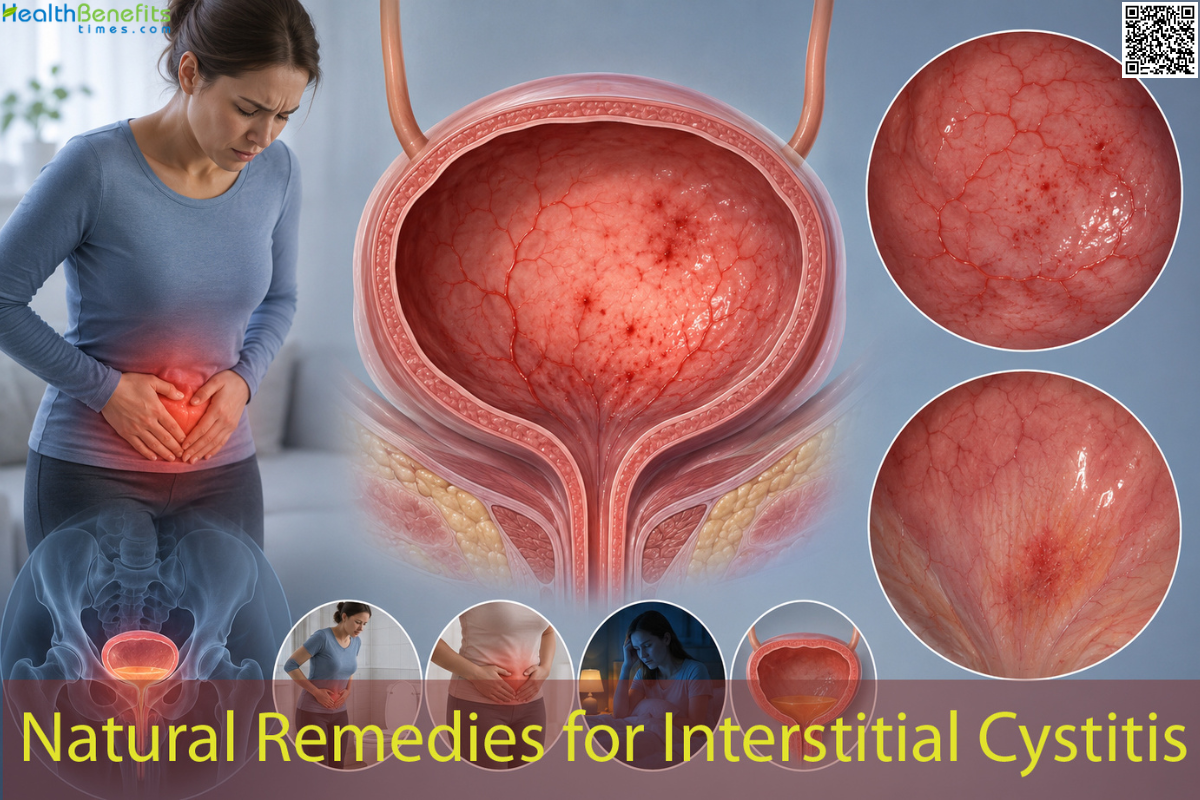
Interstitial cystitis, frequently referred to as bladder pain syndrome, is a chronic medical condition that primarily affects the urinary bladder. It is characterized by persistent lower abdominal or pelvic pain, alongside a frequent and urgent need to urinate, which often disrupts sleep. Unlike standard urinary tract infections, this condition is not caused by bacteria, and its exact underlying cause remains unclear. Experts believe it may involve chronic inflammation, nerve sensitivity, or a breakdown in the bladder’s protective lining. Because its presentation closely mimics other common urinary disorders, interstitial cystitis is often misdiagnosed, resulting in delayed treatment. Although it can be challenging to manage, recognizing these core symptoms is the first step toward finding therapies that reduce discomfort and improve daily quality of life.
Causes of Interstitial Cystitis
1. Epithelial Dysfunction (Leaky Urothelium)
A defect or loss of the protective mucosal layer of the bladder lining (the glycosaminoglycans or GAG layer) that allows irritants and urinary metabolites to pass through the urothelium, depolarizing nerves and triggering inflammation.
2. Mast Cell Activation
Hyperactivation of mast cells within the bladder, which release inflammatory mediators like histamine, leukotrienes, and prostaglandins, contributing to chronic tissue damage and inflammation.
3. Neurogenic Inflammation
An upregulation and proliferation of sensory nerve fibers in the bladder wall (neuro-urothelial interactions), which heighten pain sensitivity and release substances that trigger an inflammatory cascade.
4. Autoimmune Processes
An abnormal immune response where the body’s immune system attacks its own bladder tissues, evidenced by the presence of autoantibodies and an increased number of T lymphocytes in some patients.
5. Occult or Prior Infection
While acute bacterial infections are typically ruled out during diagnosis, some theories suggest that unrecognized, fastidious, or prior subclinical bacterial infections may initiate a lasting inflammatory response.
6. Genetic Susceptibility
A hereditary or genetic predisposition, supported by evidence showing higher concordance of the condition among identical twins and a significantly increased risk among first-degree female relatives.
7. Pelvic Floor Dysfunction
Hypertonicity, tension, or dysfunction of the pelvic floor muscles which can exacerbate or mimic the pain and urgency symptoms.
8. Fibrosis
Chronic inflammation that leads to the upregulation of extracellular matrix proteins, causing bladder tissue stiffening, reduced bladder capacity, and further stimulation of pain receptors.
9. Vascular Malformations
Microvascular changes or abnormalities in the blood vessels within the submucosa of the bladder wall. 1, 2, 3, 4
Symptoms of Interstitial Cystitis
1. Chronic Pelvic and Suprapubic Pain
Persistent discomfort, pressure, burning, or throbbing pain in the lower abdomen or pelvic region that typically worsens as the bladder fills and temporarily decreases after emptying.
2. Urinary Frequency
A frequent need to urinate during the daytime, often in small volumes, which can occur every 5 to 10 minutes in severe cases.
3. Urinary Urgency
An intense, continuous, and unpostponable desire to pass urine, even when the bladder is nearly empty.
4. Nocturia
Waking up multiple times during the night to urinate.
5. Dysuria
Pain or a burning sensation experienced while urinating.
6. Radiating Pain
Pain that extends from the bladder to the perineum, urethra, vagina, genital, or rectal areas.
7. Sexual Discomfort
Pain experienced during sexual intercourse (dyspareunia) in women, and ejaculatory pain in men.
8. Sensation of Incomplete Evacuation
A persistent feeling that the bladder is full or obstructed, leading to the perception of incomplete emptying. 5
Natural Remedies for Interstitial Cystitis
1. Omega-3 Fatty Acids: Combating Systemic Inflammation
How it may help
Omega-3 fatty acids possess potent anti-inflammatory properties that help reduce systemic inflammation throughout the body, including the urinary tract. 6 By decreasing the production of inflammatory chemicals, these nutrients calm irritated bladder tissues, soothe nerve hypersensitivity, and alleviate the chronic pain associated with interstitial cystitis. 7
What research says
Research demonstrates that dietary supplementation with omega-3 fatty acids significantly reduces pelvic and visceral pain linked to bladder conditions. 8 Additional clinical evidence indicates that omega-3 intake lowers oxidative stress and inhibits pathways responsible for chronic tissue damage, offering a protective effect against ongoing lower urinary tract symptoms. 9
How to use it safely
To achieve benefits safely, incorporate omega-3 supplements containing both EPA and DHA into your daily routine. The Food and Drug Administration considers doses up to 3,000 milligrams per day safe for general consumption. 10 Take the capsules alongside meals to improve overall nutrient absorption. 11
Potential precautions or side effects
Common side effects include fishy aftertaste, nausea, and mild stomach upset. 12 Because high doses may increase bleeding risk, consult your doctor before use if taking blood-thinning medications. 13
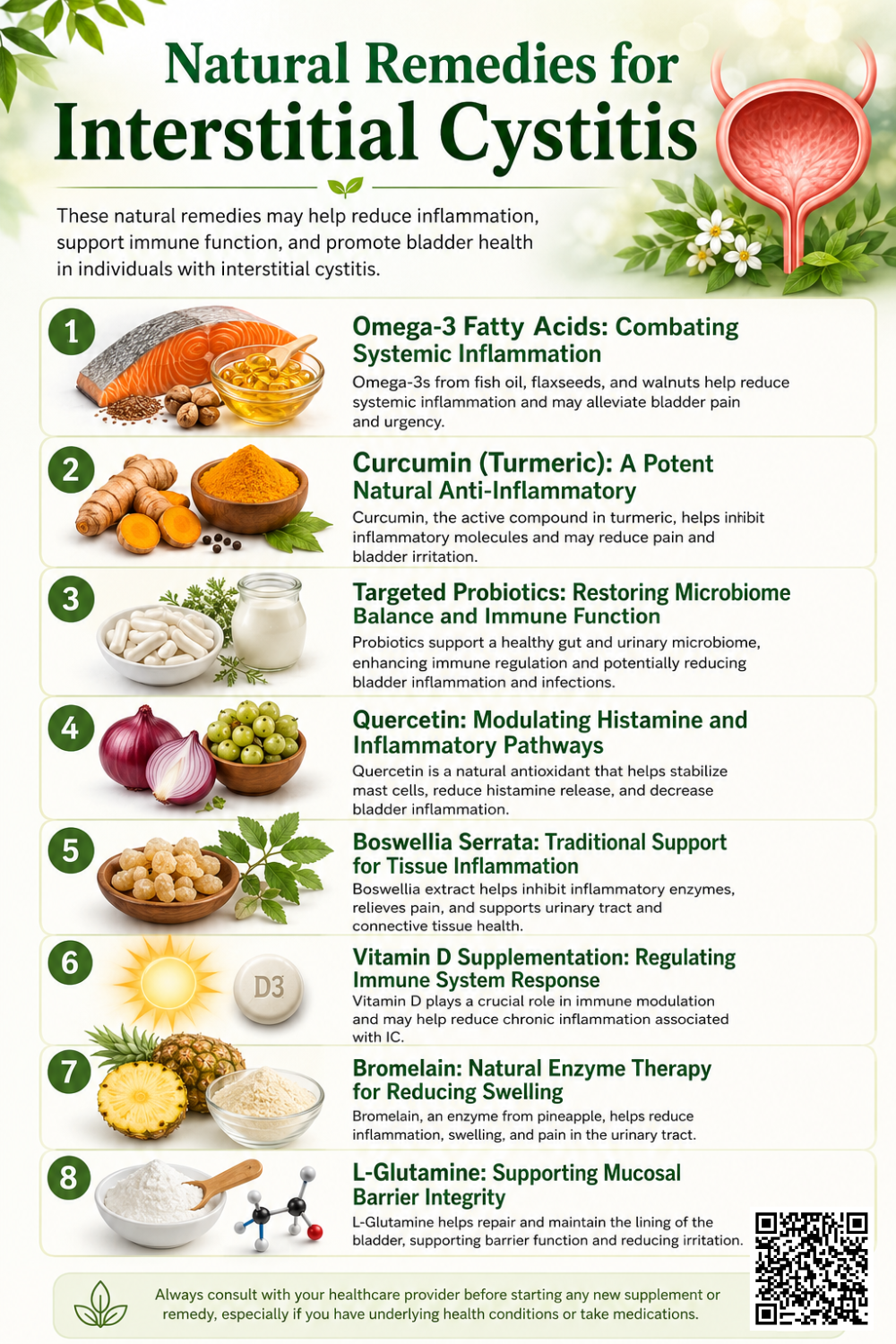 2. Curcumin (Turmeric): A Potent Natural Anti-Inflammatory
How it may help
Curcumin possesses strong antioxidant and anti-inflammatory properties that help reduce bladder wall inflammation and combat oxidative stress associated with interstitial cystitis 14. By suppressing specific inflammatory pathways and calming hyperactive nerve signals, this compound effectively decreases pelvic pain and minimizes severe urinary urgency 15.
What research says
Clinical evidence demonstrates that curcumin administration consistently improves urination patterns, relieves pelvic pain sensitivity, and reduces the concentration of inflammatory proteins within the bladder 16. Furthermore, findings indicate that targeted curcumin therapy provides significant, persistent symptom relief for chronic inflammatory bladder conditions over extended periods 17.
How to use it safely
Because raw curcumin exhibits poor natural absorption, you should combine it with piperine—a black pepper extract—to increase its bioavailability in the bloodstream 18. For optimal results, take these supplements alongside healthy fats or select formulated nano-curcumin complexes to ensure proper cellular uptake 19.
Potential precautions or side effects
High doses can trigger mild gastrointestinal discomfort or increase bleeding risks 20. You must consult a doctor before starting supplementation, particularly if taking blood-thinning medications 21.
3. Targeted Probiotics: Restoring Microbiome Balance and Immune Function
How it may help
Targeted probiotics help regulate the gut-bladder axis by restoring beneficial bacteria and enhancing immune responses. 22 By reintroducing protective bacterial strains, these supplements acidify the mucosal surface to prevent harmful pathogens from adhering to the urinary tract. 23 This restored balance reduces chronic inflammation and alleviates pelvic pain. 24
What research says
Clinical evidence indicates that individuals with interstitial cystitis often lack beneficial bacterial diversity in their urinary microbiome. 25 Supplying specific restorative strains has successfully decreased the severity and frequency of ongoing urinary symptoms. 26 Furthermore, targeted therapy effectively moderates systemic immune activity and limits overall tissue inflammation. 27
How to use it safely
You should select high-quality supplements containing bacterial strains capable of surviving stomach digestion to successfully reach the target tissues. 28 Always start with a minimal dose and consult your healthcare provider to ensure the chosen product matches your specific condition.
Potential precautions or side effects
While generally safe, probiotics can occasionally cause severe infections in people with weakened immune systems. 29 Individuals with structural heart defects must exercise extreme caution before using these supplements.
4. Quercetin: Modulating Histamine and Inflammatory Pathways
How it may help
Quercetin is a plant-based antioxidant that provides strong anti-inflammatory benefits 30. In interstitial cystitis, immune cells called mast cells release histamine and cause bladder pain 31. Quercetin stabilizes these mast cells, blocking histamine release and lowering inflammation, which helps protect the bladder lining and reduces painful symptoms 32.
What research says
Animal studies show that quercetin significantly lowers harmful inflammatory markers, such as interleukin-6 and tumor necrosis factor, in bladder tissue 33. Findings indicate that it successfully reduces bladder swelling, prevents immune cell damage, and restores the protective barrier of the bladder wall 34.
How to use it safely
You can find quercetin in capsules or tablets, often combined with bromelain to improve absorption. Typical daily supplement doses range from 500 to 1,000 milligrams 35. Always take it with food and consult your doctor before using it daily for more than twelve weeks.
Potential precautions or side effects
Quercetin is safe but might cause mild headaches 36. Avoid high doses if you have kidney conditions or take medications, as it can alter drug absorption.
5. Boswellia Serrata: Traditional Support for Tissue Inflammation
How it may help
Boswellia serrata, commonly known as frankincense, acts as a natural anti-inflammatory agent that targets tissue swelling. Its active compounds, called boswellic acids, specifically block 5-lipoxygenase, an enzyme that triggers internal inflammation 37. This mechanism helps soothe irritated tissues and may ease the severe pelvic pressure and bladder pain associated with interstitial cystitis.
What research says
Scientific studies demonstrate that boswellic acids alter blood metabolites and effectively lower inflammation in chronic mucosal conditions 38. Although direct human trials on interstitial cystitis remain limited, evidence confirms the botanical extract reliably prevents inflammatory responses and tissue degeneration 39. It stops leukotriene production, minimizing ongoing tissue irritation.
How to use it safely
To manage pelvic discomfort, you can take standardized Boswellia extract in oral capsule form. Pharmacological evaluations confirm that the active resin remains highly safe and non-toxic even at elevated therapeutic doses 40. Take the supplement with food to boost absorption, and consult your doctor beforehand.
Potential precautions or side effects
While exceptionally well-tolerated and generally free from severe systemic toxicity, it may occasionally provoke mild nausea, acid reflux, or diarrhea. Avoid this natural supplement if taking pharmaceutical blood thinners.
6. Vitamin D Supplementation: Regulating Immune System Response
How it may help
Vitamin D functions as a critical regulator of immune homeostasis, naturally suppressing excessive immune responses within tissues 41. By modifying how immune cells react, it shifts the local environment away from aggressive inflammation, which may alleviate the severe mucosal congestion and bladder wall edema characteristic of interstitial cystitis 42.
What research says
Clinical evidence demonstrates that activating Vitamin D receptors effectively represses the specific inflammatory cytokines responsible for chronic tissue damage 43. Furthermore, research indicates that targeted receptor pathways in the bladder mucosal lining play an essential role in controlling nerve sensitivity and painful voiding symptoms associated with hypersensitivity disorders 44.
How to use it safely
To support overall health and prevent deficiency, aim for a daily maintenance dose of 2,000 international units (IU) 45. You should undergo routine blood testing to ensure your serum concentrations remain consistently above the target baseline of 30 ng/mL for optimal disease prevention 46.
Potential precautions or side effects
Unsupervised intake of extreme doses causes dangerous vitamin D toxicity 47. This triggers severe hypercalcemia, leading to vomiting, dehydration, muscle weakness, and potentially fatal arrhythmias 48.
7. Bromelain: Natural Enzyme Therapy for Reducing Swelling
How It May Help
Bromelain, an enzyme naturally found in pineapples, acts as a potent anti-inflammatory agent that may soothe the bladder. It works by decreasing the production of pro-inflammatory molecules, such as prostaglandins, which directly reduces tissue swelling and pelvic pain associated with interstitial cystitis 49. By lowering fluid accumulation, it minimizes bladder wall irritation 50.
What Research Says
Studies indicate that bromelain successfully downregulates critical inflammatory pathways, significantly lowering inflammatory cytokines and pain-inducing mediators 51. In models of cystitis and pelvic pain, bromelain extracts effectively reduced bladder edema and inflammatory cell infiltration. Evidence confirms it provides substantial relief from tissue swelling and helps maintain a balanced immune response 52.
How to Use It Safely
To maximize anti-inflammatory benefits, you should take bromelain supplements on an empty stomach, between meals, preventing the body from using it merely for food digestion 53. Always start with a low dose and consult your healthcare provider to establish a safe daily regimen tailored to your needs.
Potential Precautions or Side Effects
Bromelain can increase bleeding risks and may interact with blood thinners or specific antibiotics like amoxicillin 54. Stop usage if you experience severe nausea, diarrhea, or allergic reactions 55.
8. L-Glutamine: Supporting Mucosal Barrier Integrity
How it may help
L-glutamine serves as an essential fuel for epithelial cells, actively maintaining and repairing mucosal linings 56. It strengthens the protective barrier by regulating tight junction proteins, suppressing inflammation, and shielding cells from stress 57. This reinforced integrity prevents irritating substances in urine from penetrating the bladder wall.
What research says
Scientific findings indicate that targeted glutamine supplementation significantly decreases mucosal permeability and prevents harmful toxins from leaking across cellular barriers 58. Evidence confirms it helps restore damaged tight junctions and promotes the healthy growth of protective cells, successfully limiting structural breakdown from chronic irritation 59.
How to use it safely
You can take L-glutamine orally as a powder or capsule, utilizing safe short-term doses ranging between 0.1 and 0.3 grams per kilogram of your body weight 60. Mixing the supplement with cool liquids prevents the heat-induced breakdown of its amino acid structure.
Potential precautions or side effects
Chronic, excessive intake might alter natural amino acid distribution, impair organ function, and negatively impact ammonia metabolism 61. Exercise caution and consult a doctor regarding underlying medical conditions.
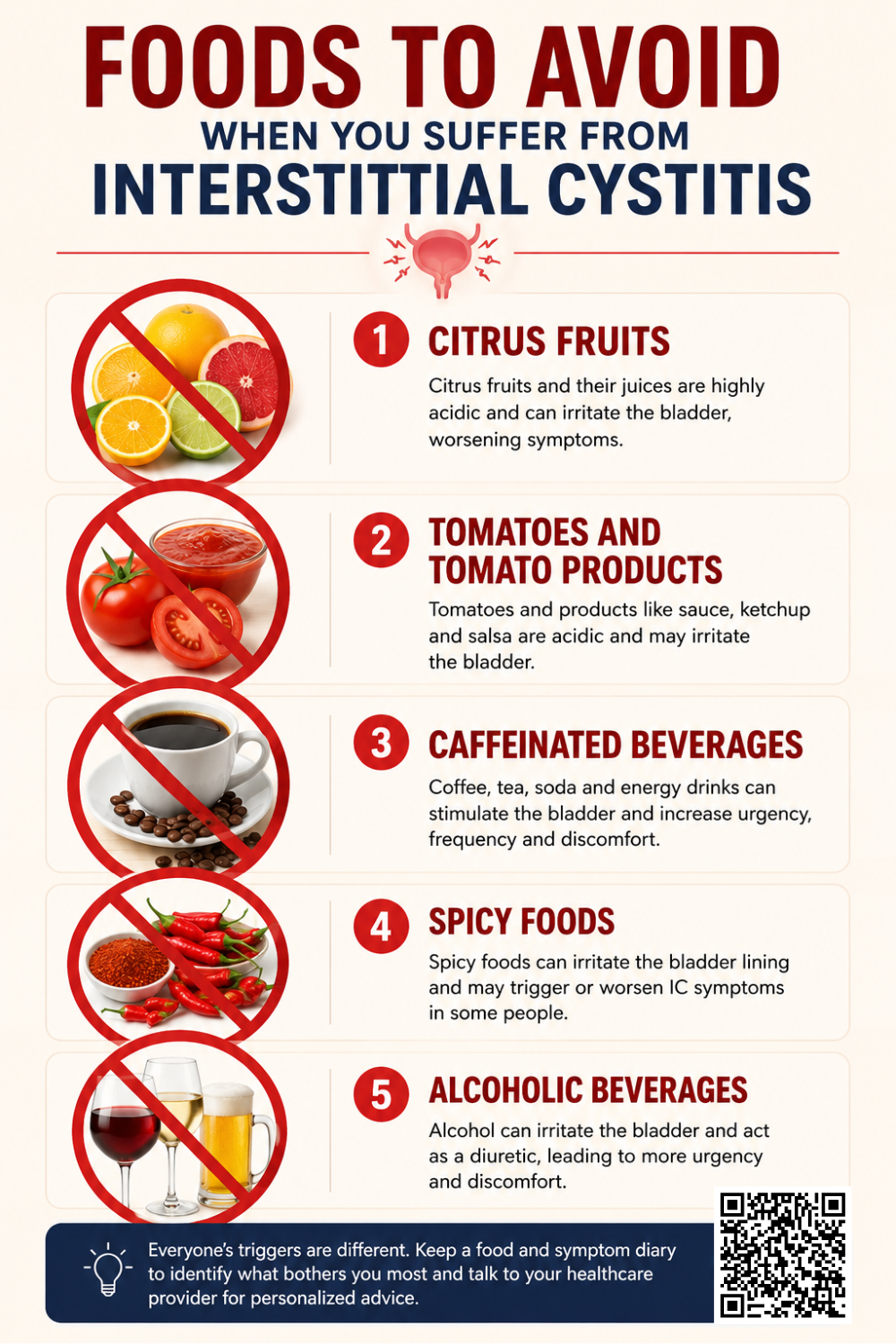 Foods to Avoid When You suffer from Interstitial Cystitis
1. Citrus Fruits
Oranges, lemons, limes, and grapefruits are highly acidic and commonly irritate the bladder lining, triggering pain and urinary urgency. Eliminating them often reduces daily flare-ups. 62, 63
2. Tomatoes and Tomato Products
Fresh tomatoes, pasta sauces, and ketchup are naturally acidic and high in potassium, a combination that frequently exacerbates bladder pain syndrome and overall pelvic discomfort. 64, 65
3. Caffeinated Beverages
Coffee, tea, and energy drinks act as both diuretics and strong bladder irritants, sharply increasing urinary frequency and spasms. Switching to water or non-acidic alternatives helps. 66, 67
4. Spicy Foods
Dishes containing hot peppers, cayenne, or heavy spices contain compounds like capsaicin that can severely inflame the urothelium, leading to intense pain shortly after consumption. 68, 69
5. Alcoholic Beverages
Beer, wine, and liquor can dehydrate the body and increase the acidity of your urine. Alcohol is a well-documented trigger known to cause rapid, painful symptom exacerbations. 70, 71
When To see Doctor when you have Interstitial Cystitis
1. Persistent or Worsening Pelvic Pain
See a doctor if you experience continuous, severe pelvic or suprapubic pain that disrupts daily activities or significantly worsens as your bladder fills. 72, 73
2. Visible Blood in Your Urine
Seek immediate medical evaluation if you notice blood in your urine (hematuria), as it is crucial to rule out serious conditions like bladder cancer or stones. 74, 75
3. Signs of a Urinary Tract Infection
Consult a healthcare provider if you develop a fever, chills, or sudden burning during urination, which may indicate an acute bacterial urinary tract infection rather than IC.
4. Extreme Urinary Frequency and Urgency
Visit your doctor if your need to urinate becomes overwhelmingly frequent, keeping you awake all night or severely impacting your basic quality of life.
5. Severe Pain During Sexual Intercourse
Speak with a physician if you experience painful intercourse (dyspareunia) or ejaculatory pain, as targeted medical therapies and pelvic floor evaluations can significantly improve sexual pain. 76, 77