

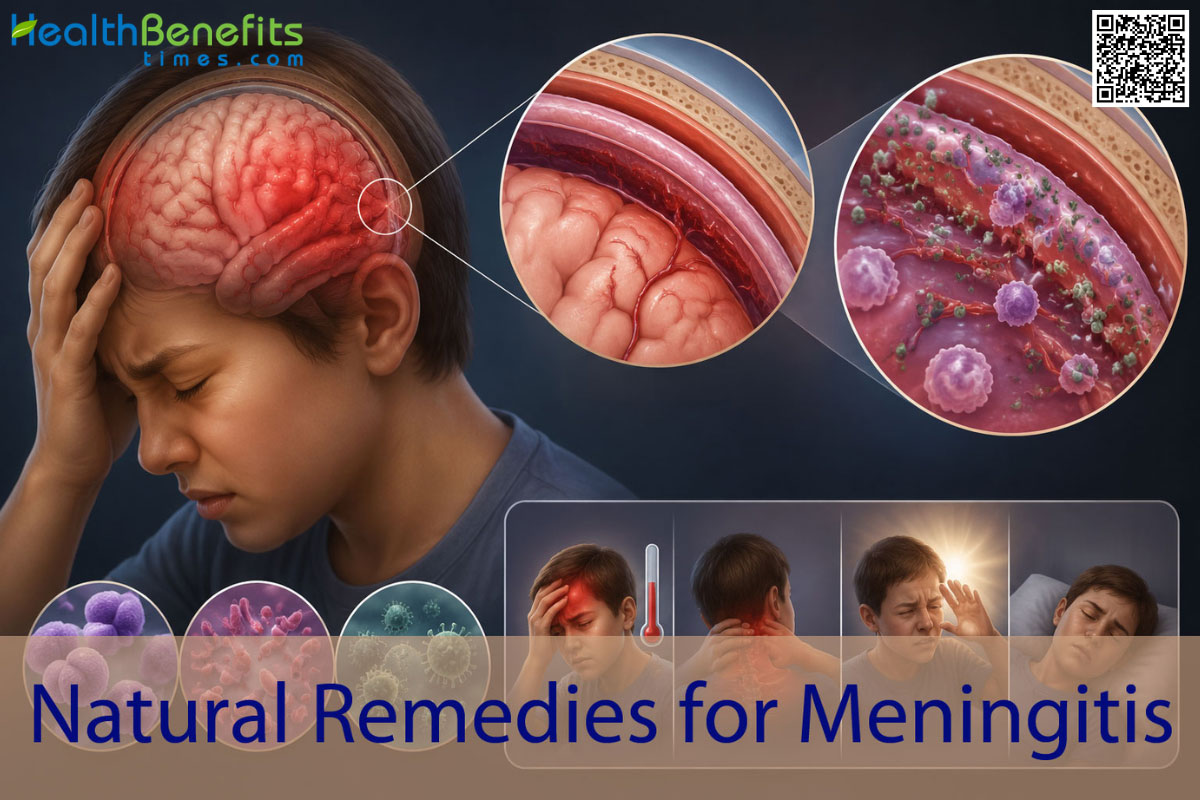
Meningitis can feel scary, especially when you first learn what it is, but understanding the basics including the natural, supportive steps you can take alongside medical care makes a real difference. This guide walks through what meningitis is, what causes it, the symptoms to watch for, and a variety of natural remedies that may gently support recovery. Remember, natural remedies are meant to complement never replace proper medical treatment.
What Is Meningitis
Meningitis isn’t a minor illness, it attacks the membranes wrapped around the brain and spinal cord, and it can turn life-threatening within hours. 1 That’s what makes it a medical emergency, regardless of how it starts. It can be triggered by bacteria, viruses, fungi, or parasites or, less commonly, by certain drugs, cancers, or autoimmune conditions. 2 The viral form tends to be milder. The bacterial form is where things get serious.
The scale of the problem is hard to ignore. In 2019 alone, meningitis caused an estimated 236,000 deaths and around 2.51 million new cases worldwide with children under five bearing the heaviest burden. 3 Bacterial meningitis drives much of that toll. Roughly 1 in 6 people who develop it will die. About 1 in 5 survivors are left with lasting, severe complications. 4
Causes of Meningitis
Many different things can inflame the meninges. Below are the main culprits:
1. Bacterial causes
The most serious form. Common bacteria include Streptococcus pneumoniae, Neisseria meningitidis, Haemophilus influenzae, Group B Streptococcus, Listeria monocytogenes, and Escherichia coli. 5
2. Viral causes
The most common type overall. Non-polio enteroviruses (such as coxsackievirus and echovirus) lead the list, followed by herpes simplex virus, mumps virus, varicella-zoster, and HIV. 2
3. Fungal causes
Less common but can be severe, especially in people with weakened immunity. Examples include Cryptococcus neoformans, Coccidioides immitis, and Candida. 6
4. Parasitic causes
Rare; sometimes called eosinophilic meningitis. Caused by parasites such as rat lungworm and Baylisascaris procyonis. Amebic meningitis (from Naegleria fowleri) is extremely rare and usually deadly even with treatment.
5. Non-infectious causes
Certain cancers, head injuries, brain surgeries, lupus, sarcoidosis, and drug-induced aseptic meningitis (often linked to NSAIDs or some antibiotics) can all inflame the meninges. 7
Symptoms of Meningitis
Catching meningitis early matters enormously, so it pays to know the warning signs:
- Sudden high fever
- Severe, persistent headache
- Stiff neck that hurts when you try to bend it forward
- Nausea and vomiting
- Sensitivity to bright light (photophobia) and to loud sounds (phonophobia)
- Confusion, difficulty concentrating, or altered mental state
- Drowsiness, sluggishness, or trouble waking up
- Seizures or loss of consciousness
- A non-blanching rash (small red or purple spots that don’t fade when pressed with a glass) a hallmark of meningococcal disease
- In babies: high fever, constant high-pitched crying, poor feeding, a bulging soft spot (fontanelle), unusual sleepiness, irritability, and stiffness in the body
Meningitis Facts
| Symptoms |
|
| Causes |
|
| Types of Meningitis |
|
| How It Spreads |
|
| Age Group |
|
| Higher Risk If You |
|
| How Doctors Diagnose |
|
| Other Facts |
|
Natural Remedies for Meningitis
1. Garlic (Allium sativum)
Long used as a food and folk medicine, garlic contains sulfur compounds especially allicin that show broad antibacterial, antiviral, antifungal, and antiprotozoal activity in laboratory studies. 16 Garlic may also support the immune system by activating macrophages, lymphocytes, natural killer cells, and dendritic cells. 17
Note: You can crush one or two fresh raw cloves into food (let them sit 10 minutes to activate allicin), add minced garlic to soups and broths, or take aged garlic extract capsules with meals.
2. Turmeric (Curcuma longa)
Turmeric’s bright yellow pigment, curcumin, has well-documented antioxidant and anti-inflammatory properties and has been studied for safety at doses up to several grams per day in short clinical trials. 18 Because curcumin can dampen inflammatory cytokines, it may gently support the body’s response to inflammation. 19
Note: Stir half a teaspoon into warm milk (“golden milk”), add it to curries and rice, or use a standardized curcumin supplement paired with black pepper or fat for better absorption.
3. Ginger (Zingiber officinale)
Ginger contains gingerols and shogaols that show antioxidant and anti-inflammatory effects and may calm nausea a common meningitis symptom. 20 It also appears to influence immune cells such as macrophages and T cells through NF-κB and antioxidant pathways. 21
Note: You can brew fresh ginger slices in hot water for tea, sip ginger broth, chew small candied pieces, or take it in capsule form.
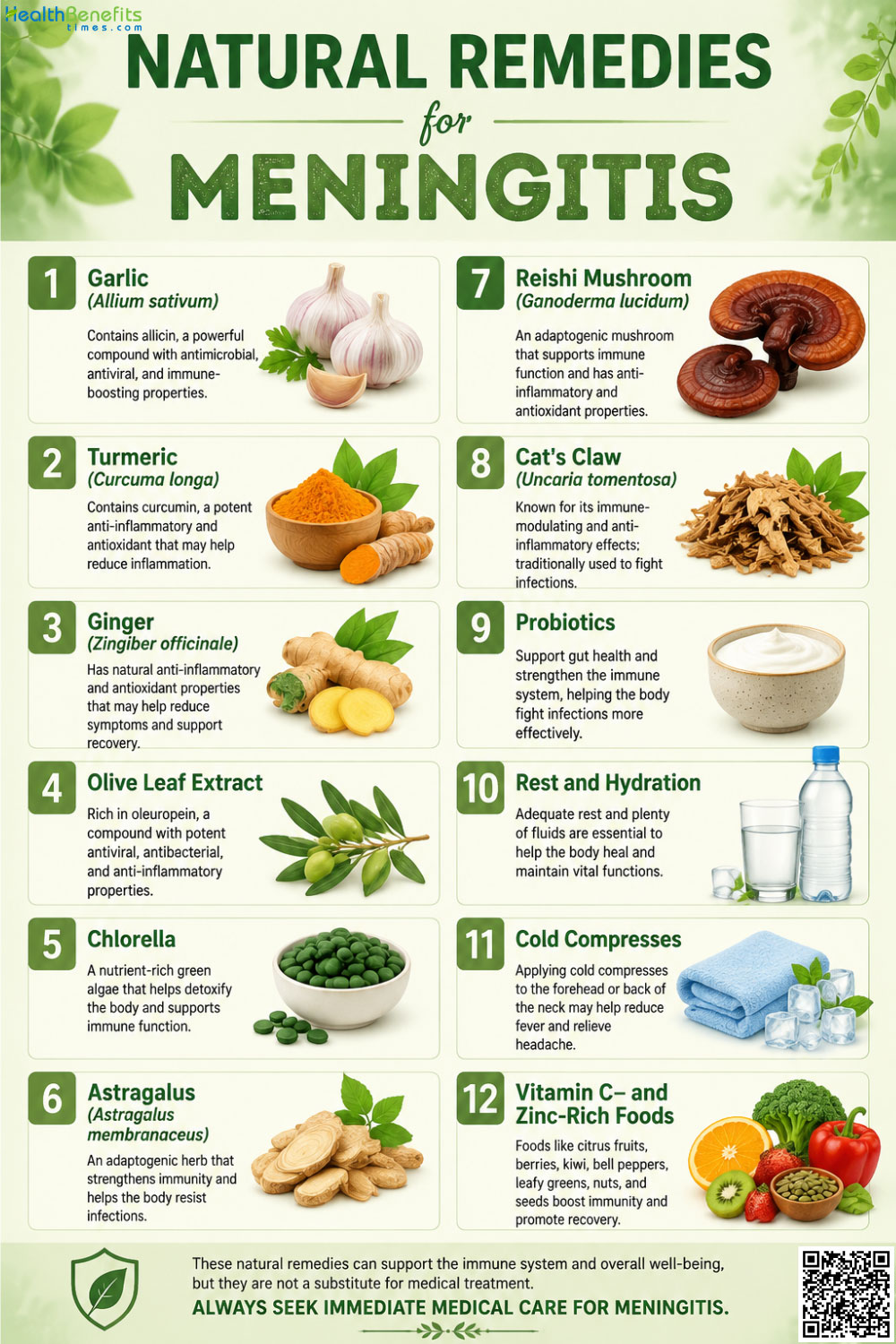
4. Olive Leaf Extract
Olive leaves contain oleuropein, a polyphenol with antimicrobial, antiviral, and anti-inflammatory activity in laboratory studies against a broad range of bacteria and some fungi. 22 Oleuropein has also been shown to help moderate inflammatory signaling such as TNF-α release. 23
Note: Olive leaf is usually taken as a standardized capsule or as a tea brewed from dried leaves; follow the product label for dosage.
5. Chlorella
This freshwater green algae is rich in chlorophyll, beta-carotene, B-complex vitamins, and protein, and is being studied for its antioxidant, antibacterial, and immune-supporting properties. 24
Note: Chlorella is commonly taken as tablets, powder mixed into smoothies, or stirred into juices; start with a small dose and increase gradually to avoid stomach upset.
6. Astragalus (Astragalus membranaceus)
A staple of traditional Chinese medicine, astragalus contains polysaccharides that have been studied for their immune-modulating and anti-inflammatory effects, including possible benefits as a complement to other therapies. 25
Note: It is most often used as a simmered root decoction (tea), in soup broths, or as capsules or tinctures; many traditions pause astragalus during an active fever and resume during the recovery phase.
7. Reishi Mushroom (Ganoderma lucidum)
Reishi is rich in beta-glucans and triterpenes that appear to modulate immune cell activity, including macrophages and natural killer cells, in laboratory and animal studies. 26
Note: Reishi is usually consumed as a slow-simmered tea (decoction), a powdered extract added to drinks, or in capsules; rare cases of liver injury have been reported with certain products, so choose reputable brands.
8. Cat’s Claw (Uncaria tomentosa)
Used traditionally in the Amazon for inflammatory and immune-related conditions, cat’s claw extracts have shown reductions in inflammatory markers such as IL-6 and NF-κB in preclinical research. 27 It is generally considered to have a relatively favorable safety record, though caution is warranted in certain groups. 28
Note: Cat’s claw is typically taken as bark tea, tincture, or capsule; it should be avoided during pregnancy and by people on immunosuppressant or blood-thinning medications.
9. Probiotics
Antibiotics save lives during bacterial meningitis, but they can also disturb the gut microbiome. Probiotic strains such as Lactobacillus and Bifidobacterium may help maintain healthy gut bacteria and support the immune system through cytokine regulation. 29 They are also being studied as adjuncts during infectious illness. 30
Note: You can get probiotics from plain yogurt, kefir, sauerkraut, kimchi, miso, or a quality multi-strain capsule taken a few hours apart from any antibiotic dose.
10. Rest and Hydration
Few things matter more during recovery than deep rest and steady fluid intake. Adequate sleep gives the immune system time to do its work, and fluids like water, broths, herbal teas, oral rehydration solutions help manage fever, reduce headache, and replace what’s lost through sweating and vomiting. 31
Note: Aim for small, frequent sips throughout the day, and keep the room dark and quiet if light or sound sensitivity is bothering you.
11. Cold Compresses
A cool, damp cloth on the forehead, neck, or wrists can ease headache, soothe fever, and provide gentle relief from light sensitivity. Try a cold compress for 15–20 minutes at a time.
Note: Use a soft cloth over the skin (never ice directly), and avoid making the compress so cold it causes shivering, which can actually raise body temperature.
12. Vitamin C– and Zinc-Rich Foods
Citrus fruits, kiwi, bell peppers, berries, pumpkin seeds, and lean poultry supply vitamin C and zinc, two nutrients essential for normal immune function. A nutrient-dense diet during recovery gives your body the building blocks it needs to rebuild.
Note: Aim for several colorful fruit and vegetable servings each day, and consider a basic multivitamin if your appetite is poor.
Foods and Activities to Avoid When You Suffer from Meningitis
While you recover, try to steer clear of anything that puts extra strain on your body:
1. Alcohol
It dehydrates you, can interact with antibiotics and antivirals, and suppresses immune function.
2. Caffeine in excess
Coffee, energy drinks, and strong tea can worsen headaches and disturb the sleep your body desperately needs.
3. Sugary processed foods
High-sugar snacks promote inflammation and provide little nutrition for recovery.
4. Unpasteurized dairy, deli meats, and raw seafood
These can carry Listeria, a known cause of bacterial meningitis, especially in pregnancy and older adults. 14
5. Spicy, fried, or very greasy foods
They can aggravate nausea and slow digestion.
6. Smoking and secondhand smoke
Smoking damages respiratory tract linings and increases susceptibility to bacterial infections like meningococcus and pneumococcus.
7. Strenuous exercise
Heavy workouts during active illness divert energy from healing.
8. Bright lights, loud noise, and screens
These intensify headache and light sensitivity; quiet, dim environments help.
9. Crowded indoor spaces
Limit visitors and avoid public gatherings until your doctor clears you, both to protect you and to prevent spreading infection.
Myths and Misconceptions
Misinformation about meningitis spreads quickly, so let’s clear up a few common ones:
| Myth | Reality |
| ” Vaccines cause meningitis.” | The vaccines used to prevent meningococcal, pneumococcal, and Hib disease in the U.S. are made from outer bacterial capsules or proteins and cannot cause infection. |
| ” Only children get meningitis “ | People of any age can develop meningitis; teens, young adults, and older adults are also at meaningful risk. |
| “Meningitis is always deadly.” | Viral meningitis is usually mild and self-limiting; bacterial meningitis is serious but often survivable with prompt antibiotics. |
| “Natural remedies alone can cure meningitis.” | They cannot. Bacterial meningitis requires immediate IV antibiotics; delays can be fatal. |
| “If you’ve had one meningococcal vaccine, you’re fully protected.” | There are actually multiple meningococcal vaccines (MenACWY and MenB) that cover different serogroups, so talk with your provider about both. |
| “Meningitis spreads as easily as the common cold.” | Many meningitis bacteria are far less contagious than cold or flu viruses; they typically require close, prolonged contact such as living in the same household. |
Special Considerations
1. Children
Kids especially those under 5 carry the highest global burden of meningitis. 3 Babies may not show classic symptoms; instead they may be unusually sleepy, irritable, feed poorly, or have a bulging soft spot. 34 Never give herbal supplements to a child with meningitis without pediatric medical advice; many adult-dose herbs are unsafe for children. Routine vaccines (Hib, pneumococcal, MMR, varicella, and meningococcal at age-appropriate times) provide the best protection.
2. Pregnancy
Pregnant women are at increased risk of Listeria infection, which can cross the placenta and cause meningitis in newborns. 14 If you’re pregnant, avoid unpasteurized cheeses, deli meats, and raw seafood, and discuss Group B Streptococcus screening with your obstetrician around weeks 36–37 of pregnancy. 34 Many herbal remedies including cat’s claw, high-dose turmeric, astragalus during active fever, and large amounts of garlic are not recommended during pregnancy or breastfeeding.
3. Chronic Conditions
If you live with diabetes, kidney disease, liver disease, HIV, cancer, or take immunosuppressant drugs, your risk of severe meningitis (including fungal forms) is higher. 1 Some herbs can interact with chronic medications for example, garlic and ginger may increase bleeding risk on blood thinners, and turmeric may interact with diabetes medications. Always consult your specialist before adding supplements.
4. Elderly
Older adults are particularly vulnerable to pneumococcal meningitis and Listeria meningitis, and they may show subtler symptoms (confusion, drowsiness, or a milder fever) than younger people. Make sure recommended pneumococcal vaccinations are up to date. Because older adults often take multiple medications, even mild herbs can interact unpredictably a quick chat with the pharmacist is wise.
Precautions before Use of Natural Remedies When You Have Meningitis
Before you reach for any natural remedy, keep these points in mind:
- Always get medical treatment first. Antibiotics, antivirals, or antifungals are not optional in bacterial, severe viral, or fungal meningitis. 15
- Tell every provider what you’re taking. Doctors, nurses, and pharmacists need to know about herbs and supplements to avoid dangerous interactions.
- Check for drug interactions. Garlic, ginger, and turmeric can thin the blood; astragalus may interact with immune- suppressants; cat’s claw can interact with blood pressure and chemotherapy drugs. 28
- Avoid herbal remedies during pregnancy or breastfeeding unless cleared by your obstetrician.
- Don’t give adult-dose herbs to children — kids’ bodies process compounds differently.
- Start with one remedy at a time. That way you can spot side effects or allergic reactions.
- Buy from reputable sources. Look for products tested by USP, NSF, or ConsumerLab to ensure purity and potency.
- Watch for allergies. Discontinue any remedy that triggers rash, swelling, breathing trouble, or stomach upset.
- Skip “miracle cures.” No herb or supplement has been proven to cure meningitis.
- Stay current on vaccinations. The most powerful “natural” protection against meningitis remains immunization. 13
When to See a Doctor
Meningitis can worsen within hours, so don’t wait. Seek emergency medical care right away if you or a loved one has:
- A sudden, severe headache unlike any you’ve had before
- High fever paired with a stiff neck 11
- Confusion, disorientation, or trouble waking up
- Repeated vomiting and inability to keep fluids down
- A new rash that does not fade when pressed under a glass 10
- Seizures
- Sensitivity to light or sound that feels overwhelming
- In babies: high-pitched crying, a bulging soft spot, poor feeding, floppy or stiff body, or unusual drowsiness 9
- Recent close contact with someone diagnosed with meningococcal disease, even without symptoms (preventive antibiotics may be needed) 33
If you suspect meningitis, call emergency services or go straight to the nearest emergency department. Early treatment dramatically improves outcomes.