

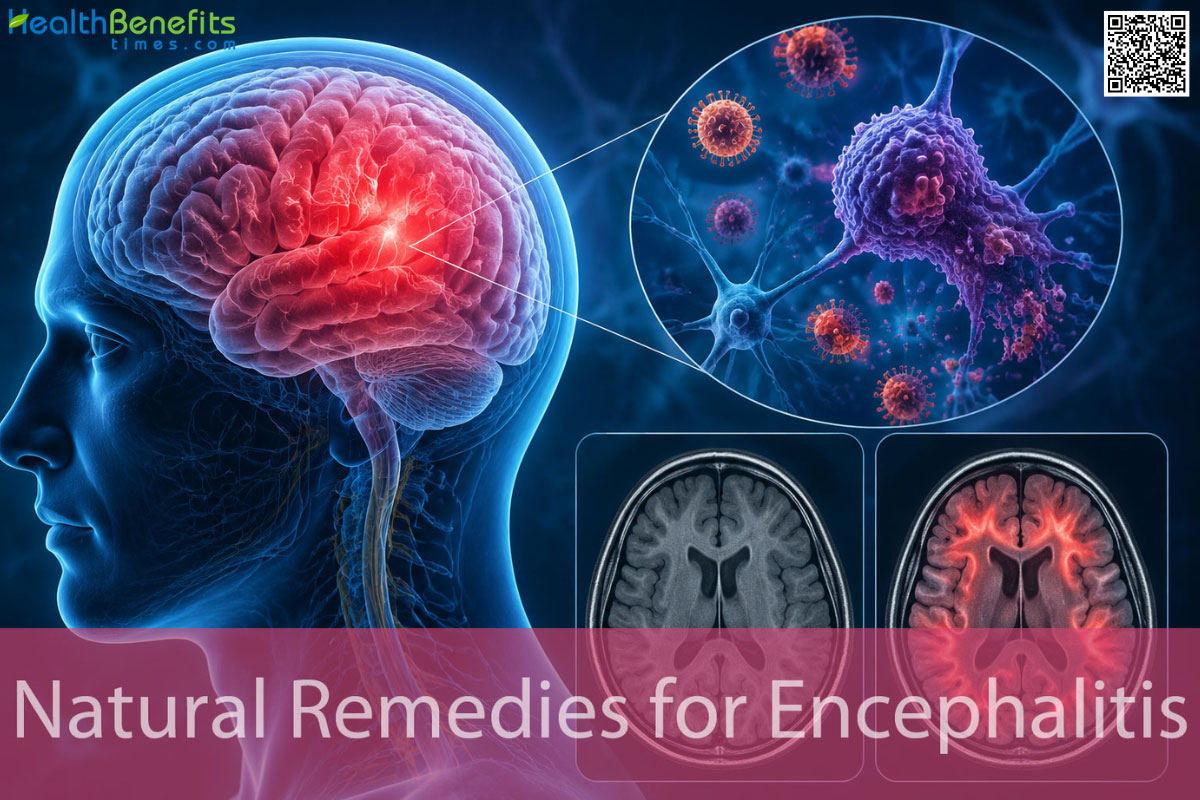
Japanese encephalitis alone causes around 68,000 cases worldwide every year. 1 That figure only scratches the surface of how far encephalitis reaches globally. Encephalitis is inflammation of the brain. 2 It is uncommon, but it is serious. When the brain swells, pressure builds inside the skull and that pressure can become life-threatening fast. This is why encephalitis is treated as a medical emergency. Hospital care is almost always needed, and quickly. Anyone can develop it, regardless of age or background. That said, very young infants and older adults tend to face the greatest risk of severe or long-lasting complications. Understanding what encephalitis actually is matters. Recognizing the warning signs early, knowing when to seek care, and understanding how recovery works are all part of navigating this condition and that starts with the basics.
Causes of Encephalitis
1. Common Viral Infections
A viral invasion is the most frequent instigator of brain inflammation. The herpes simplex virus, which commonly causes cold sores, is a leading culprit that can travel to the central nervous system and cause rapid damage 3.
2. Autoimmune System Malfunctions
Sometimes the body simply gets confused. Autoimmune encephalitis happens when immune cells mistakenly create antibodies that attack healthy proteins and receptors within the brain, rather than fighting off outside germs 4.
3. Mosquito and Tick Bites
Tiny insects carry immense risks in certain parts of the world. Mosquitoes infected with the West Nile or Japanese encephalitis viruses can easily pass the pathogen directly to humans through a single bite 5.
4. Animal Bites
Encountering an infected animal can be incredibly dangerous. The rabies virus, transmitted through the bite of an infected mammal, progresses rapidly to cause severe brain inflammation once the infection reaches the nervous system 6.
5. Bacterial and Fungal Invasions
While exceedingly rare compared to their viral counterparts, certain tough bacteria, persistent fungi, or parasites can bypass the brain’s protective barriers to cause widespread swelling and infection.
Symptoms of Encephalitis
Spotting the early warning signs can be tricky because the illness often disguises itself as a normal seasonal bug before escalating.
- Fever and sudden, intense headaches that do not respond to normal pain relief.
- Severe aches in the muscles or joints accompanied by overwhelming physical fatigue.
- Sudden confusion, deep disorientation, or an inability to organize simple thoughts.
- Noticeable changes in personality, unusual agitation, or highly unpredictable behavior.
- Visual or auditory hallucinations, leading the person to see or hear things that are not actually there.
- Seizures, violent fits, or sudden uncontrolled bodily movements.
- Difficulty speaking clearly, struggling to find words, or a complete loss of language abilities.
- Muscle weakness, numbness, or a sudden loss of feeling in parts of the face or body.
- A dangerously stiff neck that makes it difficult or painful to look down.
- In infants, a noticeable bulging of the soft spots on the skull, inconsolable crying, and poor feeding.
Encephalitis Facts
| Feature | Details |
| Symptoms |
|
| Causes |
|
| Types of Encephalitis |
|
| How does spread |
|
| Age Group |
|
| You might be at a higher risk for exposure of this disease if you: |
|
| How doctors diagnose |
|
| Other facts |
|
Natural Remedies of Encephalitis
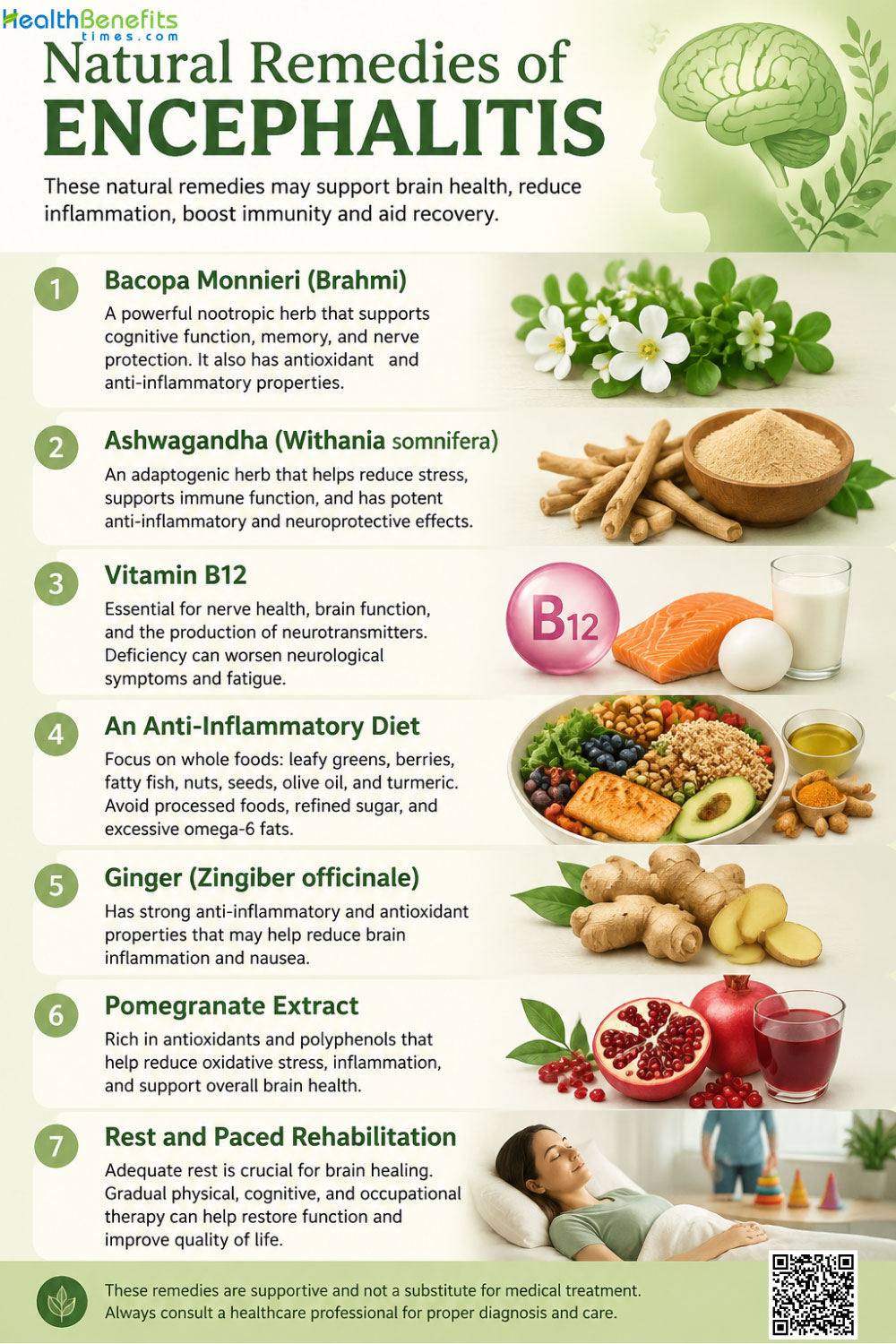
1. Bacopa Monnieri (Brahmi)
Rebuilding your memory and cognitive sharpness is often the biggest hurdle after a severe brain injury. Bacopa monnieri, widely known in traditional Ayurvedic medicine as Brahmi, has been extensively studied for its powerful ability to protect brain cells. Research highlights that this specific herb works by reducing oxidative stress in the brain and helping to rebalance chemicals that regulate your mood and learning 8. Furthermore, Bacopa has been shown to safely increase cerebral blood flow without dangerously altering blood pressure, ensuring that healing oxygen and nutrients are delivered right to the damaged brain tissues 9.
Note: Bacopa monnieri is commonly swallowed as a daily oral capsule or powder, and because it absorbs best with fats, you should take it alongside a meal containing healthy oils or clarified butter.
2. Ashwagandha (Withania somnifera)
Your nervous system has been through a massive trauma, leaving you feeling entirely drained, highly anxious, or unable to sleep properly. Ashwagandha is a renowned adaptogenic herb that specifically targets this terrible cycle of fatigue and stress. Scientific evidence validates that extracts of Ashwagandha leaves possess deep anti-inflammatory potential, successfully preventing the activation of the brain’s immune cells and reducing the secretion of chemicals that cause long-term cognitive damage 10. It is exceptionally helpful in managing the feeling of being “tired and wired” by supporting pathways in the brain that promote a deep, restorative calm 11.
Note: Ashwagandha is traditionally used by mixing the ground root powder into a warm cup of milk or water before bedtime, though it is also widely available and easily swallowed as a daily supplement capsule.
3. Vitamin B12
Repairing the physical structure of your nerve cells is critical for restoring your mobility, speech, and physical coordination. Vitamin B12 acts as a fundamental building block for your brain, primarily because it is required to produce and maintain myelin sheaths—the protective layer of protein and fat that insulates your delicate nerves 12. When your brain suffers from severe inflammation, these sheaths can break down, slowing the messages traveling between your brain and body. By actively reducing the inflammatory markers in the central nervous system, Vitamin B12 helps jumpstart the nerve repair process so you can heal faster 13.
Note: Vitamin B12 is easily eaten through a diet rich in lean animal products like fish and poultry, or it can be taken as an over-the-counter daily pill or a liquid drop dissolved under your tongue.
4. An Anti-Inflammatory Diet
Feeding your brain the right fuel can actively extinguish the low-grade fires of inflammation that linger long after the initial virus is gone. You should focus heavily on incorporating dark leafy green vegetables like spinach, kale, and broccoli, which are incredibly rich in vitamin K and choline—essential nutrients that directly impact nervous system health and reduce brain swelling 14. By filling your plate with omega-3 fatty acids from sources like salmon, flaxseeds, and walnuts, you give your body the exact healthy fats it needs to heal cellular damage. Additionally, adding fresh berries to your routine introduces powerful antioxidants that protect your central nervous system from further harm 15.
Note: This remedy is applied simply by replacing highly processed daily meals with whole, fresh foods, such as blending fresh spinach into a morning smoothie or eating baked salmon for dinner.
5. Ginger (Zingiber officinale)
Turning to common kitchen spices can surprisingly offer potent medicinal benefits for an injured brain. Ginger contains active compounds, most notably 6-gingerol, which possess profound anti-inflammatory and neuroprotective qualities 16. Incorporating ginger into your recovery routine helps combat oxidative stress and lowers the widespread inflammation that contributes to post-encephalitis brain fog and extreme lethargy. Its natural warming properties also aid in soothing your digestive system, which is vital because a healthy gut is deeply connected to a healthy, recovering brain.
Note: Ginger is easily applied to your daily routine by steeping freshly sliced ginger root in hot water to make a soothing tea, or by grating the raw root directly into healing soups.
6. Pomegranate Extract
Harnessing the power of superfruits is a delicious and highly effective way to support your cognitive rehabilitation. Pomegranates are exceptionally rich in plant compounds, specifically ellagic acid, which have been shown to defend the brain against toxic damage 17. Regular consumption of pomegranate helps suppress the activation of inflammatory pathways in the brain that slow down your recovery. The vibrant red seeds act as a protective shield, promoting the survival of delicate brain cells that are fighting to heal after the immense swelling of encephalitis.
Note: Pomegranate is commonly consumed by drinking a small glass of its fresh, unsweetened juice in the morning, or by sprinkling the raw, crunchy seeds over your daily oatmeal or salads.
7. Rest and Paced Rehabilitation
You cannot force an injured brain to heal on a fast-tracked schedule; prioritizing radical rest is perhaps the most crucial natural remedy of all. After surviving encephalitis, your brain’s energy reserves are highly depleted, meaning even simple tasks like reading or holding a conversation can cause intense mental fatigue. A structured strategy known as “pacing” is highly recommended. Initially, you must take long rest periods followed by very short bursts of physical or mental activity, slowly increasing your active time over months as your stamina returns 18.
Note: Pacing is applied practically by maintaining a daily diary to carefully track your energy levels, ensuring you strictly alternate between gentle activities and scheduled, quiet rest breaks in a dark room.
Foods and Activities to Avoid When You suffer from Encephalitis
Your daily choices can either support your healing brain or unintentionally place it under dangerous stress. When you are suffering from the after-effects of encephalitis, your central nervous system is incredibly vulnerable, meaning you must be highly vigilant about what you consume.
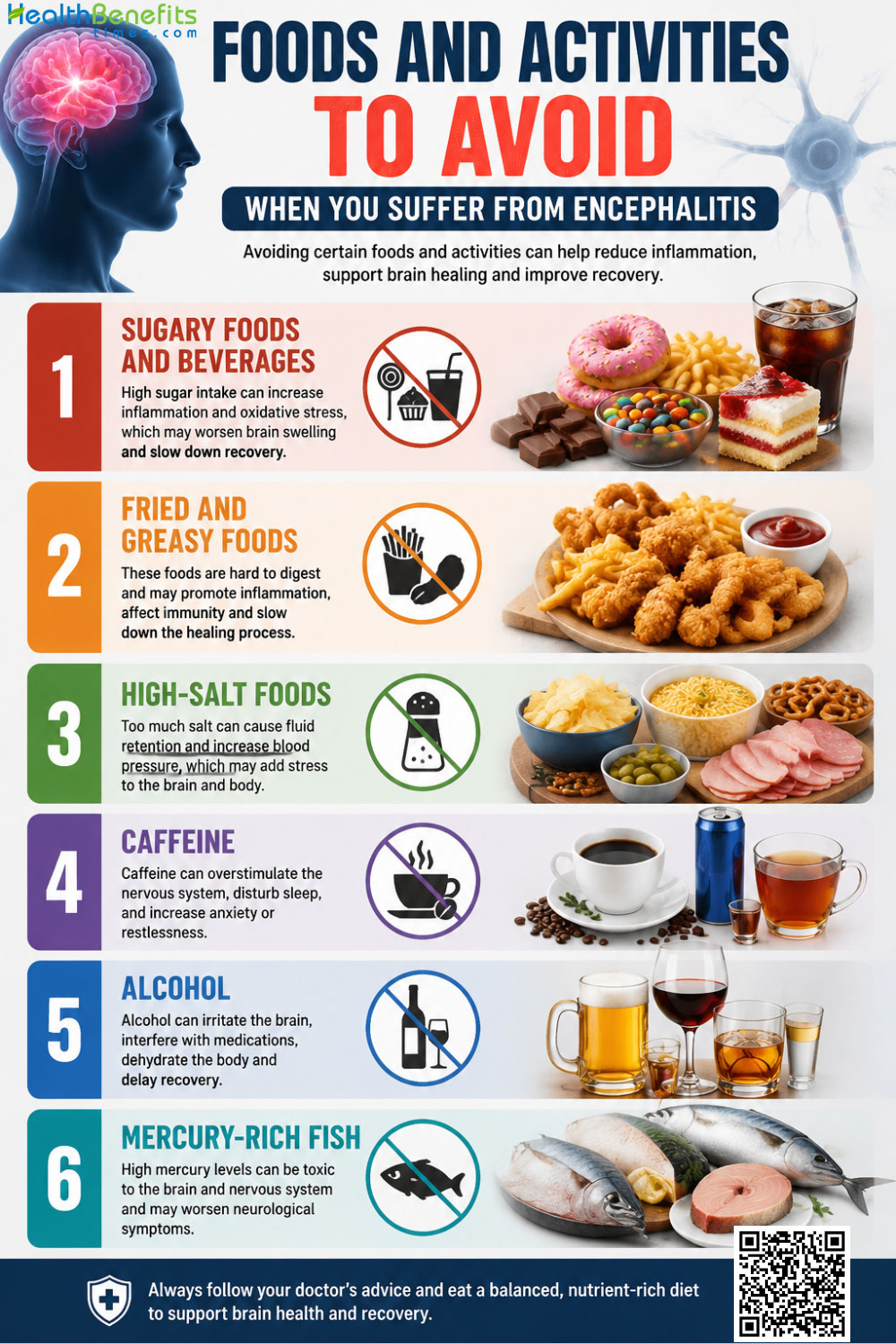
1. Sugary Foods and Beverages
Flooding your system with added sugars contributes to intense metabolic stress and triggers systemic inflammation throughout your body. To protect your brain, you must avoid sweets, standard sodas, sugary sports drinks, and highly processed packaged fruit juices 19.
2. Fried and Greasy Foods
Meals that are dripping with industrial trans fats put your recovering body at immense risk. Deep-fried items and packaged baked goods significantly increase cellular inflammation, slow down your digestion, and make your fatigue much worse.
3. High-Salt Foods
Consuming excessive amounts of sodium creates an unnecessary strain on your overall health by sharply increasing your blood pressure. You should actively avoid relying on canned soups, fast food, heavy pickles, and highly processed deli meats.
4. Caffeine
A massive amount of deep, uninterrupted rest is the cornerstone of recovery from this disease. You need to drastically reduce your coffee intake or avoid caffeine entirely, as it can trigger anxiety, restlessness, and severe sleep disturbances that prevent your brain from healing.
5. Alcohol
Encephalitis directly damages the brain, and alcohol is a known toxin that disrupts the vital chemicals your brain uses to communicate with the rest of your body. Drinking alcohol during recovery severely impairs your memory, causes dehydration, and halts cognitive repair.
6. Mercury-Rich Fish
While healthy fats are beneficial, you must be careful about the source. High levels of mercury are extremely toxic to nerves and can further impair your central nervous system; therefore, avoid eating shark, swordfish, king mackerel, and large amounts of tuna.
Myths and Misconceptions
Society often misunderstands invisible illnesses, and encephalitis is heavily clouded by confusing myths that can delay proper care and isolate those who are suffering.
One of the most dangerous misconceptions is that encephalitis is nothing more than a “bad flu” that simply requires a few days of bed rest. In reality, it is a catastrophic medical emergency that causes physical damage to the brain’s architecture, carrying a high risk of permanent cognitive disability or death if not treated immediately in a hospital setting 20.
Another widespread myth assumes that this condition is always a contagious infection passed from person to person. While some viral triggers can be spread, autoimmune encephalitis is not contagious at all. It occurs strictly within an individual when their own immune system misfires, meaning it is impossible to “catch” autoimmune encephalitis by sitting next to someone who has it.
Perhaps the most heartbreaking misconception revolves around misdiagnosis and mental health. Because early symptoms of autoimmune encephalitis frequently involve extreme mood swings, hallucinations, and strange behaviors, patients are routinely misdiagnosed as having a sudden psychiatric breakdown 21. People are often incorrectly told they have bipolar disorder or schizophrenia, delaying the life-saving physical treatments they actually need to stop the brain swelling.
Finally, people often believe that once the patient leaves the hospital, they are fully cured. Friends and family may assume the person is back to normal, but the survivor is often secretly battling hidden, long-term complications like severe memory loss, persistent fatigue, and dramatic personality changes that require years of patient rehabilitation.
Special Considerations
1. Children
Watching a child battle brain inflammation is terrifying, and their tiny bodies require incredibly specialized care. Infants cannot tell their parents that their head hurts, so caregivers must rely on physical signs. A critical warning sign in babies is the sudden bulging of the soft spots on the top of their skull, which indicates dangerous pressure building inside the head. When recovering, children may struggle to return to school due to new behavioral issues or a drastically shortened attention span. It is vital to work closely with pediatric specialists to create a gentle, modified learning environment that accommodates their healing brain.
2. Pregnancy
Expectant mothers face a deeply complex situation when dealing with viruses that cause brain inflammation. The most devastating concern is the risk of transmitting the herpes simplex virus to a newborn during vaginal delivery, which is a common and frequently fatal cause of severe encephalitis in infants 22. If a mother has a known history of this virus, her medical team will likely advise a cesarean section delivery to protect the baby’s brain. Any natural botanical supplements considered during pregnancy must be strictly avoided unless explicitly cleared by an obstetrician, as many herbs lack safety data for developing babies.
3. Chronic conditions
Individuals already living with a long-term health condition like high blood pressure or type 2 diabetes must walk a very careful line when introducing natural herbs into their recovery plan. Many botanical remedies possess strong properties that alter blood sugar or blood pressure. For instance, countless plant-based therapies have profound effects that lower blood sugar 23. If a patient takes conventional antidiabetic medications like insulin, adding certain herbs could dangerously overlap, causing blood sugar to crash unexpectedly.
4. Elderly
As people age, their immune systems naturally weaken, making older adults highly susceptible to the most severe, life-threatening forms of infectious encephalitis. For the elderly, the road to recovery is frequently steeper and fraught with more complications. Existing conditions make it harder for the older body to process powerful antiviral medications or steroids. In this population, supportive care must heavily emphasize fall prevention, hydration, and gentle physical therapy 24. Recovery timetables should be greatly extended, as the elderly are highly prone to long-term issues like persistent tiredness and lasting confusion.
Precaution before use of natural remedies when you have Encephalitis
Natural does not automatically mean harmless. Before you open a bottle of herbal supplements or drastically change your diet, you must take these serious precautions to protect your fragile nervous system.
1. Check for Herb-Drug Interactions
Many herbs interact violently with prescription medications. For example, Ashwagandha is known for its relaxing properties, but if you take it alongside prescribed sedatives or sleep medications, it can cause excessive, dangerous drowsiness 25.
2. Monitor Heart and Stomach Conditions
Herbs can irritate existing bodily weaknesses. Some cognitive herbs have been noted to potentially slow down the heart rate, which could be highly dangerous if you already have heart disease. Additionally, they can irritate existing stomach ulcers.
3. Beware of Autoimmune Overstimulation
If your encephalitis was caused by an overactive autoimmune response, you must be extremely careful with supplements marketed to “boost” the immune system. Immunostimulants like Echinacea can actively counteract the immunosuppressant drugs your doctor prescribed to stop your body from attacking your brain 26.
4. Consult Your Healthcare Provider First
Many common herbal supplements strongly interact with common heart medicines and blood thinners, raising your risk for dangerous internal bleeding 27. Always have your pharmacist check for dangerous overlaps.
5. Never Use Herbs as a Substitute for Hospital Care
There is absolutely no natural herb, tea, or diet that can cure active brain inflammation or stop a viral invasion on its own. Natural remedies are strictly for the aftercare phase. Attempting to treat a high fever and seizures at home with herbs instead of rushing to the emergency room is a fatal mistake.
When to see Doctor
Time is brain tissue. You must never wait to see if things improve on their own; immediate medical intervention is the only way to prevent permanent disability or death. Head straight to the nearest emergency room if you or a loved one experience any of the following critical red flags:
- The sudden onset of a splitting, severe headache that is worse than any you have felt before, accompanied by a rapid high fever.
- Any sudden changes in consciousness, ranging from extreme, uncharacteristic confusion to slipping into a deeply unresponsive state 28.
- The appearance of new, frequent seizures, convulsions, or violent, uncontrolled bodily movements that you cannot stop.
- A dangerously stiff neck that makes it physically painful or entirely impossible to tuck your chin to your chest.
- Sudden muscle weakness, creeping paralysis, or a complete loss of feeling in specific parts of your face, arms, or legs.
- Severe hallucinations, deep paranoia, or a sudden, terrifying shift in personality where the person does not recognize their own family members.
- In infants, immediately seek emergency care if you notice the soft spots on their head are physically bulging outward, or if their tiny body goes entirely stiff and rigid.