

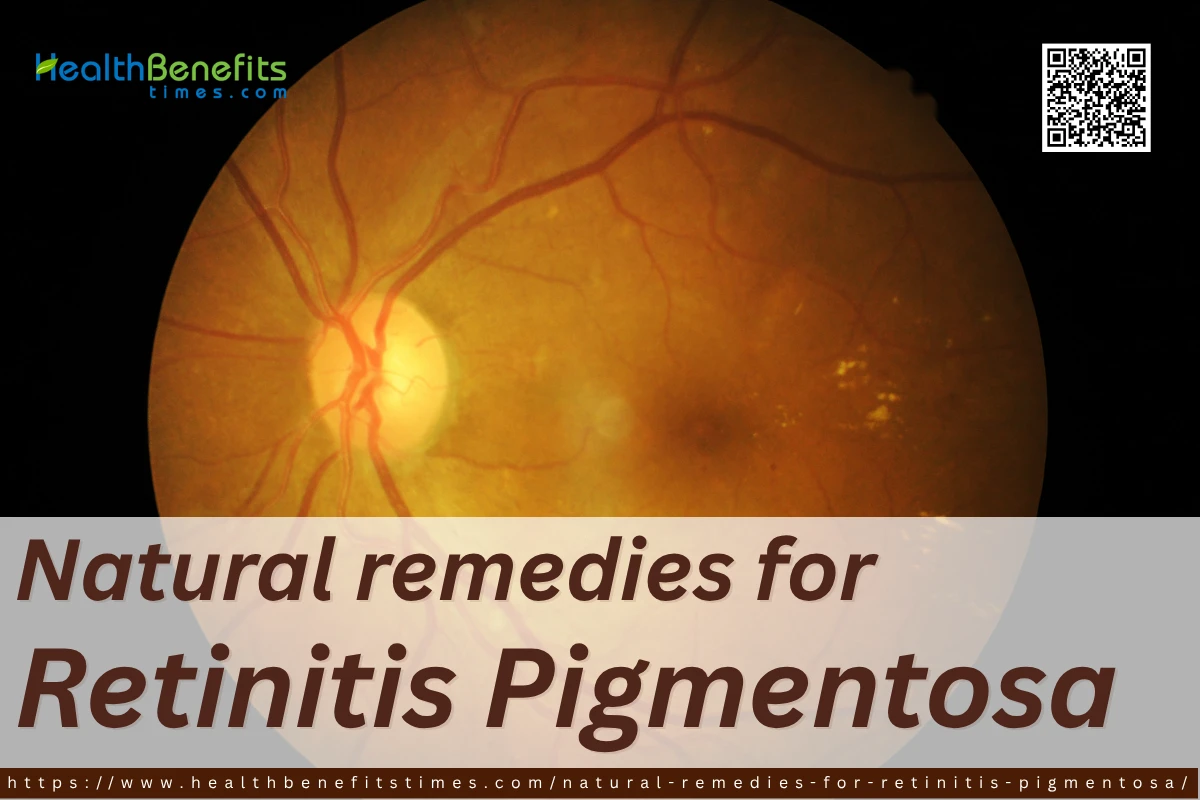
The human eye relies on a highly sensitive layer of tissue located at the very back of the inner globe called the retina, which functions much like photographic film to capture light. Retinitis pigmentosa represents a specific group of rare, inherited eye disorders that fundamentally alter how this crucial tissue operates, causing the specialized light-sensing cells to slowly break down and die over an extended period 1. People are born with this genetic condition, meaning the instructions for this cellular decay are deeply written into their DNA. The progressive loss of retinal cells leads directly to a gradual and devastating reduction in sight. At this time, modern medicine has not yet discovered a permanent cure to reverse the cellular damage. Nevertheless, specialized vision aids, customized rehabilitation training programs, and precise nutritional therapies can assist individuals in making the absolute most of their remaining vision and preserving their overall quality of life 2.
Causes of Retinitis Pigmentosa
Understanding the origins of this progressive visual condition requires looking closely at human biology and heredity. The underlying catalysts are fundamentally tied to genetics, though the specific inheritance patterns vary.
- Autosomal Dominant Inheritance: Inheriting just a single copy of an altered gene from one affected parent is entirely sufficient to cause the disorder to manifest in a child.
- Autosomal Recessive Inheritance: An individual must inherit two copies of the mutated gene one from each parent to develop the disease, meaning the parents are typically unaffected carriers who show no visual symptoms.
- X-Linked Inheritance: The genetic flaw is located on the X chromosome, causing males (who possess only one X chromosome) to experience severe symptoms, whereas females often remain asymptomatic carriers or experience much milder visual changes.
- Associated Genetic Syndromes: The disease frequently manifests as a central feature of other overarching genetic conditions, most notably Usher syndrome, which pairs progressive retinal vision loss with permanent hearing impairment 1.
- Rare Environmental and Medical Triggers: Although overwhelmingly genetic in nature, similar pigmentary changes in the retina can occasionally be triggered by severe ocular infections, blunt-force traumatic eye injuries, or toxic reactions to specific prescription medications.
Symptoms of Retinitis Pigmentosa
Living with a progressive retinal dystrophy involves adapting to a slow, continuous shift in visual perception. The signs typically emerge during childhood or adolescence and evolve uniquely for each person.
- Loss of night vision (nyctalopia), making it difficult to navigate in dark rooms or adjust to dim lighting.
- Progressive loss of peripheral (side) vision, causing frequent tripping or bumping into unseen objects.
- Development of severe tunnel vision as the visual field narrows to a small central circle.
- Heightened sensitivity to bright lights and intense glare (photophobia).
- Fading and eventual loss of color vision perception.
- Gradual degradation of central vision, ultimately leading to severe visual impairment or blindness.
Retinitis Pigmentosa Facts Table
A broad statistical and factual overview provides critical context for how this disease impacts populations and how it is managed within the clinical landscape.
| Category | Details |
| Symptoms |
|
| Causes |
|
| Types of Retinitis Pigmentosa |
|
| How does it spread |
|
| Age Group |
|
| You might be at a higher risk for exposure of this disease if you: |
|
| How doctors diagnose |
|
| Other facts |
Natural Remedies for Retinitis Pigmentosa
Exploring the realm of nutritional support is a vital step for individuals seeking to proactively manage their retinal health. While organic compounds cannot rewrite human genetics, specific natural remedies possess the remarkable ability to alter the biological environment of the eye, providing remaining photoreceptors with the precise tools required for prolonged survival.
1. Vitamin A (Palmitate Form)
Decades of clinical evaluation have positioned a specific iteration of vitamin A as a foundational element in managing retinal dystrophies. Scientifically, vitamin A serves as a fundamental building block for rhodopsin, the primary light-detecting pigment housed directly within the rod cells of the retina. By supplying the body with abundant stores of this nutrient, delicate photoreceptors are better equipped to maintain their structural integrity. Taking a daily 15,000 IU vitamin A supplement slows the annual decline of remaining retinal function by approximately 20 percent in adults with blinding retinitis pigmentosa 5. This measurable slowing of the disease provides individuals with several additional years of useful, functional vision.
Note: You must exclusively take the palmitate form of Vitamin A under the direct supervision of your ophthalmologist, and you should schedule routine blood tests to ensure your liver remains completely healthy while processing these high doses.
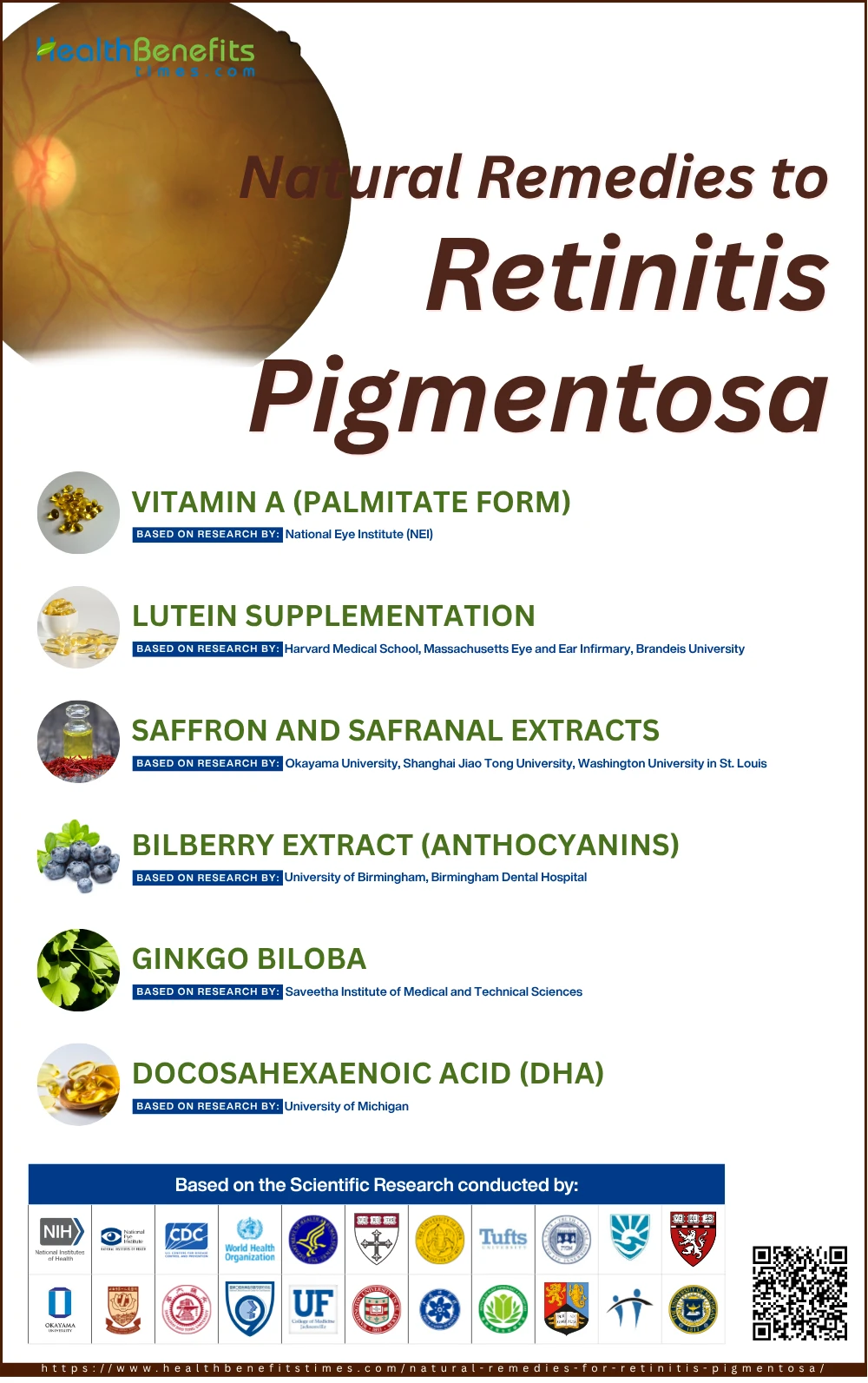 2. Lutein Supplementation
Found abundantly within dark, leafy green vegetables, lutein is a potent dietary antioxidant that specifically targets and accumulates in the human macula the highly sensitive central region of the retina. The biological mechanism of lutein acts as an internal filter, neutralizing toxic free radicals that constantly threaten to destroy fragile retinal cell walls. Oral lutein supplementation at 12 mg per day effectively slows the loss of mid-peripheral visual fields in non-smoking adults who are concurrently taking vitamin A 6. By reducing the total burden of oxidative stress, lutein safely preserves the anatomical structure of the eye’s center for a longer duration.
Note: You can easily incorporate this compound by eating generous daily servings of spinach and kale, or you may choose to take a standardized 12 mg lutein capsule alongside a meal containing healthy fats to maximize physical absorption.
3. Saffron and Safranal Extracts
Traditionally celebrated as a luxurious culinary spice, the vivid threads of the saffron flower harbor profound medicinal qualities concerning ocular resilience. The primary active biochemicals found within saffron, most notably safranal, possess fierce anti-inflammatory capabilities and act as potent agents that instruct stressed cells to stay alive. Advanced dietary supplementation of safranal dramatically prolongs photoreceptor survival, ameliorates the functional loss of the retina, and physically improves the delicate vascular network that supplies blood to the eye 7. It serves as a biological shield against the cascade of cellular stress that defines retinal degeneration.
Note: You can steep high-quality, pure saffron threads in warm water to create a soothing daily tea, or you may take precise, commercially prepared saffron extract capsules to ensure a consistent therapeutic dosage.
4. Bilberry Extract (Anthocyanins)
Rooted deeply in historical herbal medicine, dark, wild-harvested bilberries offer exceptional benefits for visual longevity due to their incredibly dense concentration of anthocyanins. These highly reactive antioxidant compounds specialize in seeking out and dismantling reactive oxygen species within the ocular fluid. Taking bilberry extract effectively suppresses photo-induced apoptosis the specific death of photoreceptor cells triggered by overwhelming light exposure while simultaneously attenuating deep endoplasmic reticulum stress within the retina 8. By reinforcing the microscopic tight junctions of the retinal pigment epithelium, bilberry ensures that the protective barrier of the eye remains secure.
Note: You may snack on fresh or dried bilberries when they are in season, but for a truly reliable medicinal effect, you should consume a standardized bilberry extract supplement daily.
5. Ginkgo Biloba
Derived from the leaves of one of the oldest surviving tree species, Ginkgo biloba is globally renowned for its unique ability to dilate micro-vessels and dramatically enhance blood flow to the farthest extremities of the body, including the optic nerve. Beyond pure circulation, highly refined formulations of this botanical extract act directly on a genetic level inside the eye. Treatment with Ginkgo biloba significantly increases the biological expression of vital anti-apoptotic proteins while decreasing the expression of destructive genes that normally force dying photoreceptor cells to self-destruct during severe light exposure 9. It effectively teaches the stressed retinal cells how to survive in a hostile physiological environment.
Note: You can take Ginkgo biloba as a daily oral tablet, but you must discuss it with your primary physician beforehand, particularly if you are actively taking any blood-thinning medications.
6. Docosahexaenoic Acid (DHA) / Omega-3 Fatty Acids
The physical outer membranes of healthy, functioning photoreceptors naturally contain an incredibly dense concentration of Docosahexaenoic acid (DHA), an essential long-chain omega-3 fatty acid. Because the human body cannot easily manufacture enough DHA on its own, it must be consistently sourced from the diet. Maintaining robust systemic levels of omega-3s fundamentally supports the overarching structural integrity of the retina, providing the necessary lipid environment for other fat-soluble vitamins to function seamlessly 10.
Note: You should aim to consume cold-water fatty fish such as wild salmon or mackerel at least twice a week, or you may add a highly purified, molecularly distilled fish oil supplement to your daily nutritional regimen.
Is there any exercise or physical activities for Retinitis Pigmentosa
Physical movement does much more than strengthen skeletal muscles; it fundamentally alters the chemical landscape of the central nervous system. The eye is a direct extension of the brain, and the microscopic blood vessels nourishing the retina are highly responsive to cardiovascular health.
Moderate Aerobic Exercise
Engaging the heart and lungs in a rhythmic, sustained manner actively forces fresh, highly oxygenated blood through the tiny capillaries of the optic nerve. This mechanical flushing effectively clears away toxic cellular debris that naturally accumulates around dying photoreceptors. Voluntary aerobic exercise physically enhances photoreceptor survival by significantly increasing the serum levels of adiponectin, a powerful hormone that contributes directly to deep neuroprotection 11. Increased physical activity is strongly associated with greater self-reported visual function, superior color vision, and better peripheral awareness 12.
Note: You should engage in moderate, sustained aerobic exertion such as brisk walking or light jogging for approximately 30 to 45 minutes, three to five times per week.
Low-Impact Indoor Cardiovascular Workouts
Individuals managing progressive peripheral vision loss face completely unique challenges regarding spatial awareness and independent navigation, making unpredictable outdoor environments a distinct risk for accidental injury. Indoor cardiovascular routines offer the exact same neuroprotective circulatory benefits without the inherent dangers of uneven sidewalks, sudden obstacles, or rapidly changing lighting conditions. Voluntary wheel running and indoor cardiovascular exertion partially protect against retinal degeneration and severe cellular inflammation 13.
Note: You can safely join a local community pool for structured water aerobics, or you may opt to use an indoor elliptical machine in a familiar, well-lit room.
Yoga, Tai Chi, and Balance Training
Stress management remains an often-overlooked pillar of ocular health. Chronic psychological stress elevates systemic cortisol levels, which in turn ramps up full-body inflammation and exacerbates cellular oxidative damage. Mind-body exercises prioritize deep, controlled diaphragmatic breathing and mental calm, directly counteracting the biochemical markers of stress. Additionally, these deliberate, slow-motion activities drastically improve an individual’s physical proprioception, which becomes absolutely vital as the visual field continues to shrink.
Note: You should practice these gentle, flowing movements on a textured, non-slip mat, and you must feel completely free to use a sturdy wall for physical support if your narrowing vision makes balancing difficult.
Foods and Activities to Avoid
(i) Foods to Avoid When You Suffer from Retinitis Pigmentosa and You Are Prone to Retinitis Pigmentosa
- High-Dose Vitamin E Supplements: While trace amounts of vitamin E found naturally in food are perfectly safe, concentrated clinical supplementation is highly dangerous for this specific condition. The disease progresses measurably faster, on average, in patients taking a daily 400 IU vitamin E supplement compared to those who completely avoid it 14. High doses of vitamin E actively interfere with the body’s critical absorption and utilization of protective vitamin A.
- Highly Processed, Pro-Inflammatory Diets: Consuming excessive amounts of refined sugars, artificial trans fats, and heavily processed meats triggers systemic, low-grade inflammation throughout the human body. This generalized inflammatory state puts unnecessary, continuous pressure on the delicate microscopic blood vessels trying to keep the dying retina alive.
(ii) Activities to Avoid When You Suffer from Retinitis Pigmentosa
- Smoking and Tobacco Use: The myriad of toxic, combustible chemicals inhaled through cigarette smoke immediately enter the bloodstream and cause catastrophic oxidative damage to fragile nerve tissues. The total pack-years index of smoking is strongly associated with significantly worse visual acuity and a physically thinner central retina in affected patients 15. Smoking effectively accelerates the very disease process required to be slowed down.
- Prolonged Exposure to Harsh UV Light: The visual cycle inside the retina requires darkness to physically reset visual proteins. Chronic, unprotected exposure to incredibly intense sunlight induces extreme photo-stress, speeding up the programmed cellular death of already highly vulnerable rod and cone cells.
- A Completely Sedentary Lifestyle: Failing to engage in regular physical movement robs the central nervous system of beneficial, neuroprotective blood flow and severely limits the natural release of protective systemic hormones.
Myths and Misconceptions
| Myth | Reality |
| Eating massive amounts of carrots will cure the disease. | While carrots are naturally rich in beta-carotene, standard dietary consumption simply cannot override or cure a foundational genetic mutation. Only highly specific, clinically monitored mega-doses of vitamin A palmitate have shown an ability to mildly slow the functional decline. |
| Only elderly adults experience severe vision loss from this condition. | This is a congenital, genetic disorder that individuals are born with. The functional symptoms almost always begin to aggressively manifest during early childhood, adolescence, or young adulthood, long before old age sets in. |
| A diagnosis guarantees that you will immediately go pitch-black blind. | The speed and severity of visual degradation vary wildly depending on the specific genetic mutation inherited. Many individuals retain a highly functional window of central vision well into their 60s or 70s. |
| Vitamin E is universally good for all eye conditions. | While beneficial for some age-related eye diseases, concentrated high doses of vitamin E actively accelerate the death of photoreceptors in this specific genetic condition and must be strictly avoided. |
| Taking over-the-counter fish oil is a proven, guaranteed cure. | Although DHA is biologically essential for the structural health of photoreceptor membranes, clinical evidence shows no definitive proof that omega-3 supplementation stops or cures the disease course. |
Special Considerations
Children
The pediatric management of progressive retinal diseases requires a highly delicate, multidisciplinary approach. Because night blindness and peripheral field loss frequently begin during the crucial years of early schooling, children must be provided with specialized low-vision classroom aids, orientation training, and profound psychological support. Furthermore, nutritional interventions in this demographic require extreme caution. Because high-dose vitamin A can cause severe increased intracranial pressure and liver toxicity in smaller bodies, no formal recommendations can be made for vitamin A supplementation in patients under the age of 18 5.
Pregnancy
This represents perhaps the most critical medical caveat in the entire landscape of natural remedies for retinal conditions. Women who suffer from this disease who are either currently pregnant or actively planning to conceive absolutely must not take 15,000 IU vitamin A supplements, as high doses of vitamin A are definitively linked to severe birth defects 16. Alternative, completely pregnancy-safe management strategies must be formulated by both an obstetrician and an eye care professional long before conception occurs.
Chronic Conditions
The human body operates as an interconnected machine, and natural remedies processed in one organ can easily harm another if pre-existing conditions are ignored. Because massive doses of vitamin A palmitate are metabolized by and stored directly within the liver, patients suffering from pre-existing liver diseases cannot safely utilize this remedy. The liver simply cannot clear the excess vitamins, leading to rapid, dangerous toxicity.
Elderly
Older individuals facing this genetic disorder often deal with a compounding, cruel intersection of age-related ocular pathologies. On top of their inherited retinal degeneration, they may simultaneously develop standard age-related cataracts, standard glaucoma, or macular degeneration. This requires a highly complex, carefully layered medical approach where natural remedies for one disease do not biochemically interfere with the treatments for another.
Precaution Before Use of Natural Remedies
The world of natural supplementation is not inherently devoid of physical risks. Treating a severe medical condition requires a clinical, highly measured approach to organic compounds.
- Consulting an eye care professional before initiating any high-dose vitamin A supplementation regimen.
- Measuring baseline blood levels of vitamin A and assessing liver function prior to starting treatment.
- Ensuring the specific use of the palmitate form of vitamin A, as other forms are not clinically proven for this condition.
- Eating a balanced diet without intentionally selecting foods that are excessively high in dietary vitamin A to prevent accidental overdose.
- Avoiding the simultaneous intake of high-dose vitamin E supplements.
When to See a Doctor
While the overall nature of this disease is famously slow and creeping, the human eye remains highly susceptible to sudden, completely unrelated, and highly dangerous acute medical emergencies.
- Noticing that a child is having persistent, unusual trouble moving around in the dark or adjusting to dim lighting.
- Planning to begin any new regimen involving highly concentrated natural extracts or specialized vitamins.
- Discovering a pregnancy while actively taking massive daily doses of vitamin A palmitate.
- Experiencing a sudden, overnight change in central reading vision, which may indicate a completely separate retinal emergency.
- Seeing a sudden storm of new dark floaters or bright flashes of light in the peripheral vision.
Comments
This article is based on Scientific Research Conducted by following Research Organization:
- Retinitis Pigmentosa–National Eye Institute (NEI), United States, National Institutes of Health (NIH), United States
- About Common Eye Disorders and Diseases–Centers for Disease Control and Prevention (CDC), United States
- Blindness and vision impairment–World Health Organization (WHO), Switzerland
- VEHSS Modeled Estimates: Vision Loss and Blindness–Centers for Disease Control and Prevention (CDC), United States, U.S. Department of Health and Human Services (HHS), United States.
- Treatment for Retinitis Pigmentosa Reported–National Eye Institute (NEI), United States
- Clinical trial of lutein in patients with retinitis pigmentosa receiving vitamin A–Harvard Medical School, United States, Massachusetts Eye and Ear Infirmary, United States, Berman-Gund Laboratory for the Study of Retinal Degenerations, United States, Brandeis University, United States, Tufts University, United States, University of Iowa, United States, Harvard School of Public Health, United States
- Perspectives of traditional herbal medicines in treating retinitis pigmentosa–Okayama University, Japan, Okayama University Hospital, Japan, Shanghai General Hospital (Shanghai First People's Hospital), China, Shanghai Jiao Tong University, China, National Clinical Research Center for Eye Diseases, China, University of Florida College of Medicine, United States, Washington University in St. Louis, United States, Chinese Academy of Sciences, China, Shanghai Institute of Plant Physiology and Ecology, China, Shanghai Chenshan Botanical Garden, China.
- Neuroprotective effect of bilberry extract in a murine model of photo-stressed retina–University of Birmingham, United Kingdom, Birmingham Dental Hospital, United Kingdom, School of Dentistry, University of Birmingham, United Kingdom
- Ginkgo biloba delays light-induced photoreceptor degeneration through antioxidant and antiapoptotic properties–Saveetha Institute of Medical and Technical Sciences, India
- Vitamin A and fish oils for retinitis pigmentosa–University of Michigan, United States
- Voluntary running partially prevents photoreceptor cell death in retinitis pigmentosa–Centre for Eye and Vision Research Limited, Hong Kong, The Hong Kong Polytechnic University, Hong Kong, University of Waterloo School of Optometry and Vision Science, Canada
- Physical Activity and Quality of Life in Retinitis Pigmentosa–United Nations Children's Fund (UNICEF), United States, University of Sheffield, United Kingdom, Manmohan Memorial Institute of Health Sciences, Nepal, Patan Academy of Health Sciences, Nepal, Bournemouth University, United Kingdom, University of Huddersfield, United Kingdom, University of Greenwich, United Kingdom, Liverpool School of Tropical Medicine, United Kingdom, University of Essex, United Kingdom
- Wheel running exercise protects against retinal degeneration in the I307N rhodopsin mouse model of inducible autosomal dominant retinitis pigmentosa–University of California, San Francisco (UCSF), United States, Kaiser Permanente Division of Research, United States, Stanford University School of Medicine, United States, National Institutes of Health (NIH), United States
- A randomized trial of vitamin A and vitamin E supplementation for retinitis pigmentosa–University of Pennsylvania, United States
- Effect of smoking on macular function and retinal structure in retinitis pigmentosa–University of California, San Francisco (UCSF), United States, Kaiser Permanente Division of Research, United States, Stanford University School of Medicine, United States, National Institutes of Health (NIH), United States.
- The Role of Vitamin A in Retinal Diseases–National Institutes of Health (NIH), United States., Stanford University School of Medicine, United States, Kaiser Permanente Division of Research, United States, University of California, San Francisco (UCSF), United States