


Ulcerative colitis is a long-term condition that causes persistent inflammation and ulcers in the digestive tract. It is a chronic inflammatory bowel disease affecting the innermost lining of the large intestine and rectum. The condition occurs when an abnormal immune response results in continuous mucosal inflammation that typically begins in the rectum and spreads upward through the colon. This inflammation damages the intestinal lining and leads to continuous bleeding and ulceration. Patients commonly experience a relapsing and remitting course, where periods of active illness alternate with symptom-free remission. During active flare-ups, clinical symptoms frequently include abdominal pain, bloody diarrhea, a frequent urge to defecate, and fatigue. While the exact cause remains unknown, medical experts attribute the disease to a complex interaction between genetic predisposition, environmental triggers, and gut microbiome imbalances.
Causes of Ulcerative Colitis
1. Immune System Dysfunction
The condition is primarily driven by an abnormal immune response. Instead of defending against harmful infections, the immune system mistakenly attacks the healthy tissue lining the large intestine, resulting in chronic inflammation and ulcers 1.
2. Genetic Predisposition
Having a family history of inflammatory bowel conditions significantly increases the likelihood of developing the disease. Inherited genetic variations can compromise how the body regulates the intestinal barrier and immune activity, leaving the colon more susceptible to damage 2.
3. Gut Microbiome Imbalance
A disruption in the normal, healthy bacteria residing in the digestive tract plays a key role. When the natural balance of intestinal bacteria is altered, it can stimulate the immune system to inappropriately attack the colon lining 3.
4. Environmental Triggers
External and lifestyle factors can initiate or worsen the condition in susceptible individuals. Factors such as psychological stress, the use of certain medications like non-steroidal anti-inflammatory drugs (NSAIDs), and specific dietary patterns can provoke periods of active illness 4 5.
Symptoms of Ulcerative Colitis
1. Persistent Diarrhea
Patients frequently experience chronic diarrhea that is often accompanied by visible blood, pus, or mucus. This occurs because severe inflammation and open sores in the colon lining impair the intestine’s ability to absorb water and properly form solid stool 6.
2. Abdominal Cramping and Pain
Inflammation in the lower digestive tract causes muscle spasms and significant physical discomfort. The pain typically concentrates in the lower left side of the abdomen and often becomes more intense immediately before a bowel movement.
3. Rectal Bleeding
The active ulcers along the rectal and colon lining bleed continuously. This results in visible red blood either coating the stool or mixing directly with it during defecation.
4. Tenesmus (Bowel Urgency)
Individuals often feel a constant, urgent need to pass stool, even when the bowels are completely empty. This false urge is a direct result of continuous rectal inflammation stimulating local nerves.
5. Unintentional Weight Loss
Chronic intestinal inflammation suppresses the appetite while simultaneously forcing the immune system to burn more energy. The combination of eating less and losing fluids through frequent diarrhea leads to a steady, unintended decline in body weight.
6. Systemic Fatigue and Fever
The body’s constant immune response and ongoing inflammation drain energy reserves, leading to severe physical exhaustion. During intense flare-ups, patients may also develop low-grade fevers and experience anemia due to continuous blood loss from the rectum.
Natural Remedies for Ulcerative Colitis
1. Probiotics and Beneficial Gut Bacteria
How It May Help
Probiotics introduce live, beneficial bacteria into the digestive tract to restore a healthy microbial balance. This restored balance helps strengthen the protective lining of the intestines and prevents harmful bacteria from triggering the immune system. By enhancing this barrier, probiotics actively reduce the chronic inflammation that drives ulcerative colitis.
What Research Says
Clinical evidence concludes that specific probiotic formulations, particularly multi-strain mixtures, are effective at inducing and maintaining disease remission in mild-to-moderate ulcerative colitis 7. These beneficial bacterial strains significantly reduce the frequency of clinical flare-ups and improve overall intestinal tissue health when compared to standard placebo treatments 8.
How to Use It Safely
To use probiotics safely, consult your gastroenterologist to select a clinically tested bacterial strain tailored to your condition. Begin with a low daily dose to allow your digestive system to adjust. Always store these supplements according to specific temperature guidelines to ensure the active bacteria remain alive.
Potential Precautions or Side Effects
Initial use may cause temporary gas or bloating. Individuals with severely weakened immune systems should strictly avoid probiotics due to a rare risk of developing a systemic bacterial infection 9.
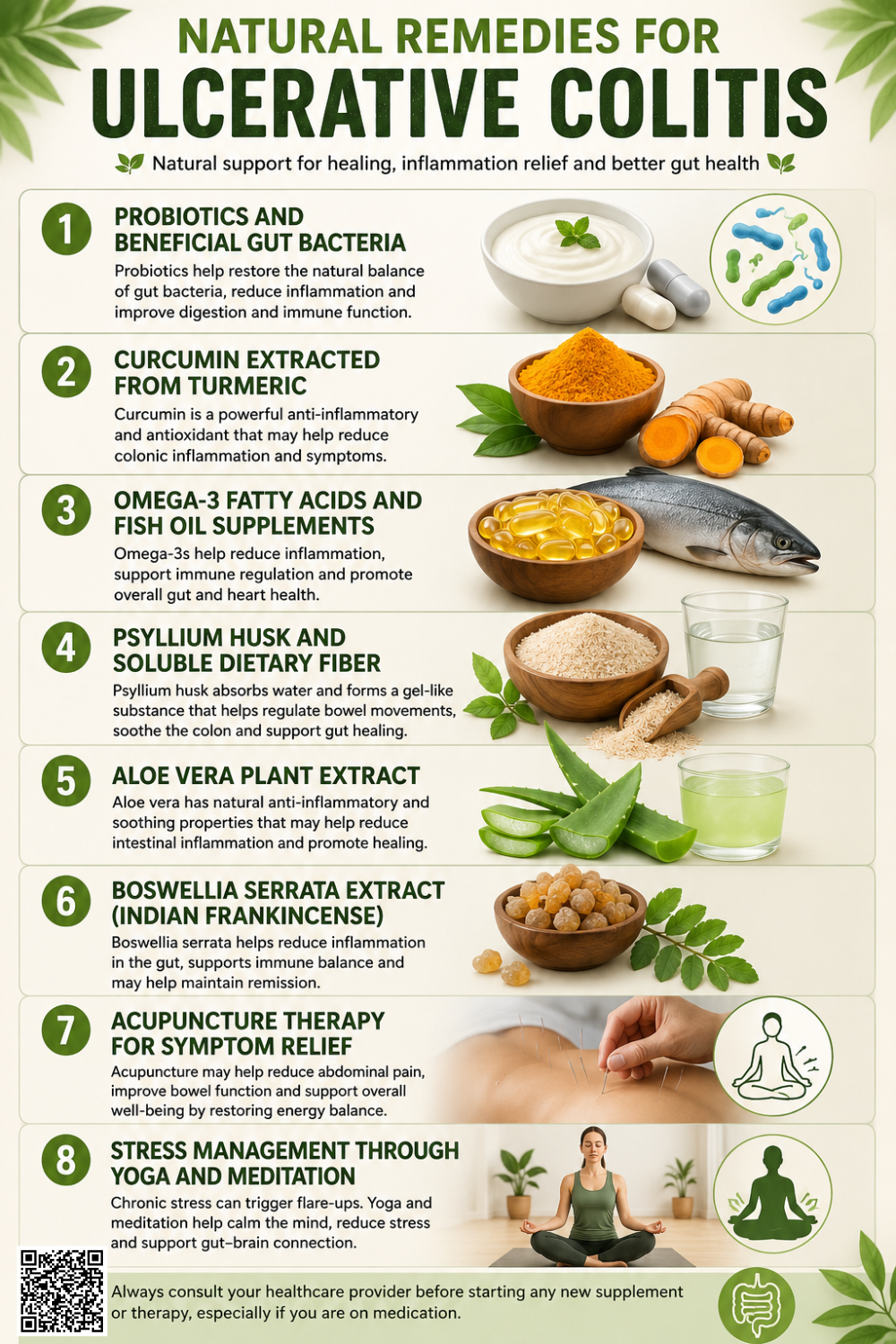 2. Curcumin Extracted from Turmeric
How It May Help
Curcumin, the active compound found in turmeric root, possesses potent anti-inflammatory properties. It works by blocking specific chemical pathways in the body that produce inflammation. By suppressing these inflammatory signals directly within the digestive tract, curcumin helps heal the intestinal lining and reduces the severity of flare-ups 10.
What Research Says
Clinical studies confirm that curcumin is highly effective when combined with standard medical treatments. Research demonstrates that patients taking curcumin supplements alongside standard anti-inflammatory medications experience significantly higher rates of clinical remission and intestinal healing compared to those using standard medications alone 11.
How to Use It Safely
Consult your healthcare provider before starting curcumin. Because natural curcumin is poorly absorbed, you should select supplements formulated with piperine (black pepper extract) or specialized lipid capsules to ensure the active ingredients successfully reach your digestive tract 12.
Potential Precautions or Side Effects
High doses may cause mild stomach upset, nausea, or diarrhea. Because curcumin acts as a mild blood thinner, exercise caution if you currently take anticoagulant medications 13.
3. Omega-3 Fatty Acids and Fish Oil Supplements
How It May Help
Omega-3 fatty acids, abundant in fish oil, act as natural anti-inflammatory agents within the body. They work by actively reducing the production of specific chemicals, such as leukotrienes, that fuel intestinal inflammation. By suppressing these inflammatory pathways, omega-3s help soothe the damaged colon lining and reduce ongoing tissue irritation 14.
What Research Says
Clinical studies conclude that adding omega-3 supplements to standard medical treatments helps decrease intestinal inflammation and may lower the required dosage of corticosteroid medications. While they do not reliably trigger remission during severe flare-ups, they offer measurable benefits for extending symptom-free periods in patients with mild-to-moderate disease.
How to Use It Safely
Consult your healthcare provider to determine the correct therapeutic dosage, which typically requires higher amounts of EPA and DHA than standard multivitamins provide. Select enteric-coated fish oil capsules, as this specialized coating ensures the supplement dissolves in the intestines rather than the stomach, improving targeted absorption 15.
Potential Precautions or Side Effects
Common side effects include fish-flavored burps, mild heartburn, and diarrhea. Because high doses mildly thin the blood, use extreme caution if taking anticoagulant medications or preparing for surgery.
4. Psyllium Husk and Soluble Dietary Fiber
How It May Help
Psyllium husk is a soluble dietary fiber that absorbs water in the digestive tract to form a soothing gel, helping to firm loose stools and regulate bowel movements. As healthy gut bacteria ferment this fiber, they produce short-chain fatty acids that directly nourish the colon lining and reduce intestinal inflammation 16.
What Research Says
Clinical evidence demonstrates that regular supplementation with psyllium husk effectively helps maintain disease remission in patients with inactive ulcerative colitis. Research concludes that psyllium fiber is highly tolerable and can be as effective as standard maintenance medications for prolonging symptom-free periods and improving overall digestive function 17.
How to Use It Safely
To use psyllium safely, begin with a small daily dose to allow your digestive system to adapt. You must mix the powder thoroughly with at least eight ounces of water and drink it immediately, followed by another glass of water to prevent blockages 18.
Potential Precautions or Side Effects
You may experience temporary gas or bloating initially. Strictly avoid taking psyllium without sufficient water, and do not use it during severe disease flare-ups or if you have intestinal narrowing 19.
5. Aloe Vera Plant Extract
How It May Help
Aloe vera gel contains natural anti-inflammatory compounds and antioxidants that soothe irritated tissues. When consumed, it acts directly on the intestinal lining to reduce inflammation and promote tissue healing, which helps ease the continuous irritation associated with active ulcerative colitis 20.
What Research Says
Clinical trials demonstrate that oral aloe vera gel is significantly more effective than a placebo at inducing clinical remission and improving symptoms in patients with mild-to-moderate ulcerative colitis. Researchers conclude it provides a safe, targeted approach for reducing intestinal inflammation during active flare-ups.
How to Use It Safely
Consult your healthcare provider before using this remedy. You must specifically select decolorized, purified inner-leaf aloe vera juice intended for internal use. Begin with a conservative daily dose to monitor how your digestive system tolerates the liquid 21.
Potential Precautions or Side Effects
Strictly avoid unpurified aloe latex, which is a harsh laxative that severely worsens diarrhea. Oral aloe may also lower blood glucose levels, requiring caution for diabetic patients.
6. Boswellia Serrata Extract (Indian Frankincense)
How It May Help
Boswellia serrata contains active compounds known as boswellic acids that act as powerful natural anti-inflammatories. These compounds work by directly blocking specific enzymes that are responsible for producing inflammatory chemicals in the body. By neutralizing these chemicals, the extract helps reduce swelling and ulceration within the intestinal lining 22.
What Research Says
Clinical studies conclude that Boswellia extract is effective for inducing disease remission in patients with ulcerative colitis. Research demonstrates that it can significantly improve intestinal health and reduce clinical symptoms, achieving therapeutic results that are comparable to certain standard prescription anti-inflammatory medications used for bowel diseases 23.
How to Use It Safely
Consult your healthcare provider to ensure correct dosing and standardized formulations. You should select high-quality oral supplements guaranteed to contain at least 60 percent active boswellic acids. Take the capsules with a meal containing healthy fats to maximize the body’s ability to absorb the extract 24.
Potential Precautions or Side Effects
Common side effects are generally mild and include nausea, acid reflux, or diarrhea. Exercise caution and consult a doctor if you are pregnant or currently taking other anti-inflammatory medications.
7. Acupuncture Therapy for Symptom Relief
How It May Help
Acupuncture involves inserting thin needles into specific body points to stimulate the nervous system. This action helps regulate digestive movement and reduces pain signals. By calming the body’s stress response, the therapy lowers systemic inflammation, which directly soothes the irritated intestinal lining characteristic of the disease 25.
What Research Says
Clinical reviews conclude that acupuncture, when combined with conventional medications, significantly improves symptom relief for ulcerative colitis patients. Evidence demonstrates that this integrative approach effectively reduces intestinal inflammation, prolongs periods of remission, and enhances overall quality of life better than using standard medical therapy alone 26.
How to Use It Safely
To ensure safety, you must seek treatment from a licensed and board-certified acupuncturist who has experience with gastrointestinal conditions. Always confirm that the practitioner uses sterile, single-use needles to prevent infections. You should thoroughly discuss this therapy with your primary gastroenterologist before integrating it into your existing treatment plan 27.
Potential Precautions or Side Effects
Common side effects include minor soreness, bleeding, or bruising at the needle insertion sites. Exercise extreme caution and consult your doctor if you have bleeding disorders or take anticoagulant medications.
8. Stress Management Through Yoga and Meditation
How It May Help
Psychological stress triggers the brain-gut axis, releasing hormones that directly increase intestinal inflammation and alter digestion. Yoga and meditation activate the parasympathetic nervous system, which calms the body’s stress response. This relaxation reduces inflammatory chemical production and helps prevent stress-induced flare-ups in the digestive tract.
What Research Says
Clinical trials conclude that mind-body interventions like yoga significantly reduce perceived stress and decrease systemic inflammatory markers in ulcerative colitis patients. Researchers confirm that integrating regular meditation alongside conventional treatments improves clinical remission rates, lowers symptom severity, and significantly enhances overall health-related quality of life 28.
How to Use It Safely
Begin with gentle, restorative yoga practices rather than physically demanding styles. You should learn meditation and breathing techniques from a certified instructor to ensure proper form. Always coordinate these stress-management routines with your gastroenterologist as a complementary addition, never as a replacement for prescribed medical treatments.
Potential Precautions or Side Effects
Avoid deep twisting poses or intense core compression during active disease flare-ups, as these movements can worsen abdominal pain. Stop immediately if any exercise causes physical discomfort or dizziness.
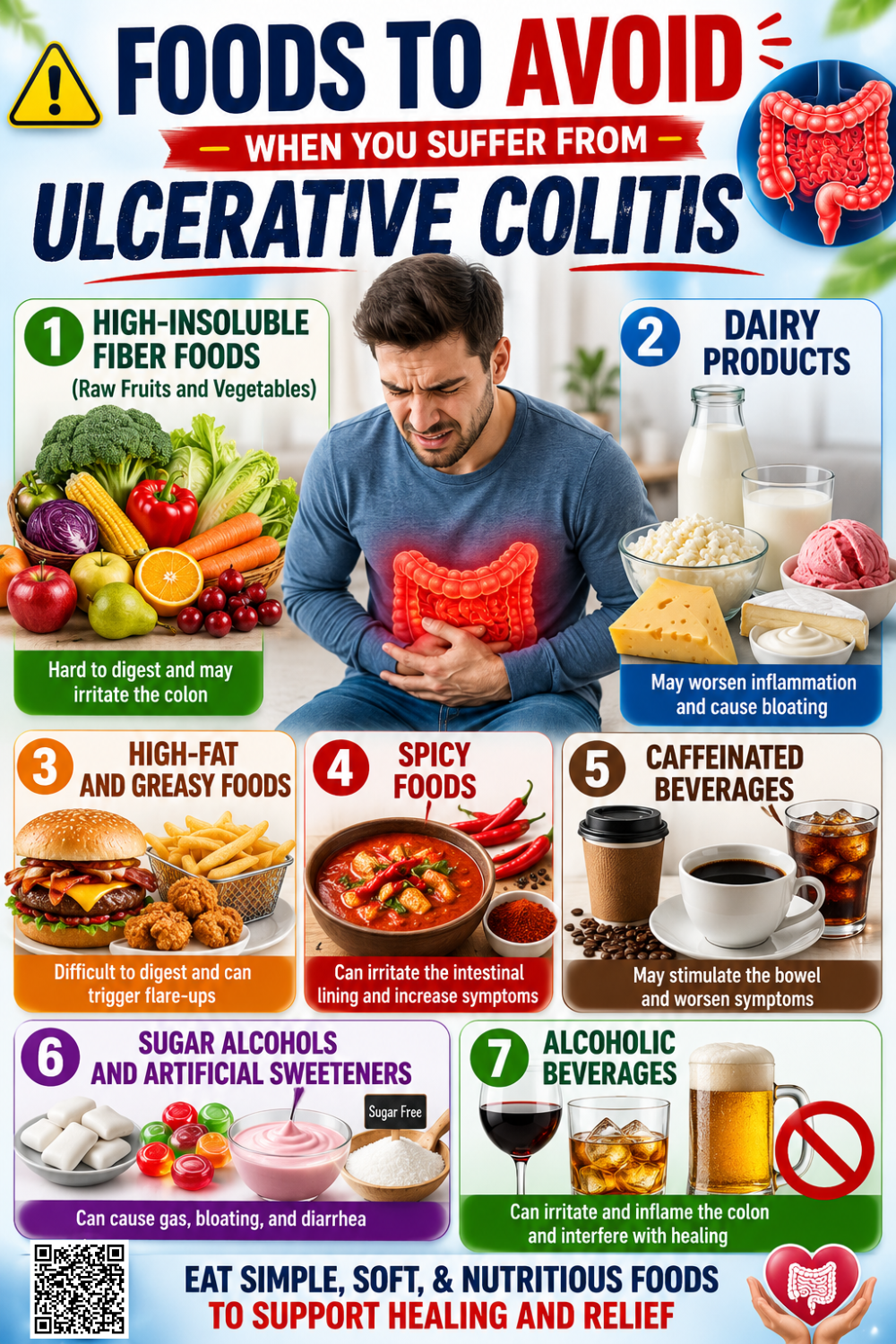 Foods to Avoid When You Suffer from Ulcerative Colitis
1. High-Insoluble Fiber Foods (Raw Fruits and Vegetables)
Raw fruits and vegetables contain insoluble fiber that is difficult to digest during active flare-ups, increasing bowel urgency, gas, and severe abdominal cramping.
2. Dairy Products
Many patients lack the enzyme needed to digest lactose. Consuming milk or cheese during a flare-up frequently worsens diarrhea, gas, and painful intestinal bloating 29.
3. High-Fat and Greasy Foods
Inflamed intestines cannot properly absorb dietary fats. Eating fried foods or rich sauces results in excess fat reaching the colon, triggering severe, watery diarrhea 30.
4. Spicy Foods
Spices containing capsaicin directly irritate the sensitive, ulcerated intestinal lining. Consuming spicy meals significantly increases abdominal pain, acid reflux, and bowel movement frequency 31.
5. Caffeinated Beverages
Caffeine acts as a central nervous system stimulant that actively accelerates intestinal contractions. Drinking coffee forcefully promotes bowel urgency and exacerbates chronic diarrhea 32.
6. Sugar Alcohols and Artificial Sweeteners
Artificial sweeteners like sorbitol draw excess water into the large intestine and ferment rapidly. This process induces severe bloating, excessive gas, and rapid diarrhea 33.
7. Alcoholic Beverages
Alcohol disrupts the normal gut microbiome and directly damages the protective intestinal barrier, which prolongs active inflammation and frequently worsens gastrointestinal bleeding 34.
When to See a Doctor When You Suffer from Ulcerative Colitis
1. Severe Abdominal Pain
Seek immediate medical care if you experience sudden, intense, or worsening abdominal cramping. This indicates life-threatening complications such as a perforated intestine or toxic megacolon 35.
2. Heavy Rectal Bleeding
Contact a physician right away if you observe large amounts of bright red blood or clots in your stool, which causes rapid blood loss and severe anemia.
3. Persistent High Fever
Consult your doctor if you develop a sudden or continuous high fever, chills, or a rapid heart rate. These are critical warning signs of a severe systemic infection.
4. Signs of Severe Dehydration
Visit an emergency room if chronic diarrhea causes extreme thirst, dark urine, or dizziness. These symptoms require intravenous fluids and electrolytes to quickly stabilize your condition 36.
5. Fulminant Colitis Symptoms
Seek urgent evaluation if you experience more than ten bloody bowel movements in a single day. This extreme disease severity requires intensive, hospital-level medical treatment.