

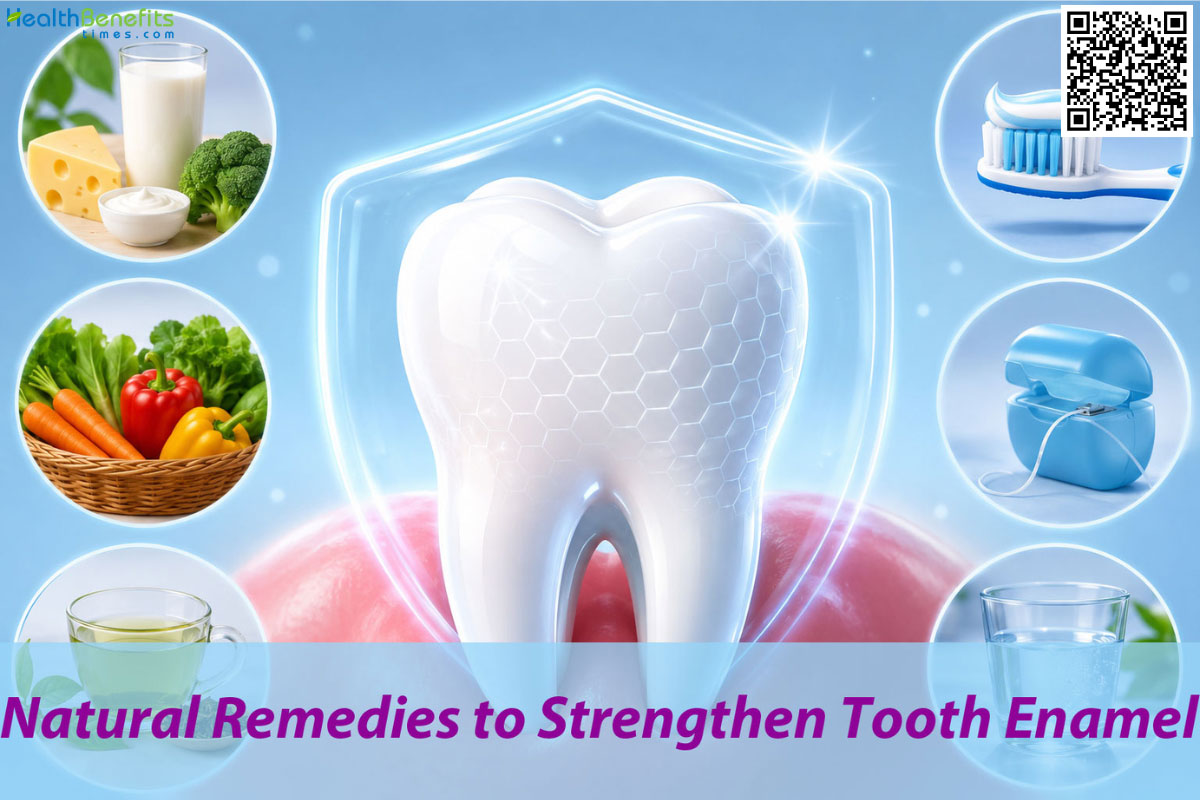
Tooth enamel is the protective outer layer of your teeth and serves as your mouth’s first line of defense against decay. It is incredibly durable in fact, it is the hardest substance in the human body, even stronger than your bones. Enamel shields the sensitive inner layers of your teeth (the dentin and pulp) from daily wear and tear, as well as painful extremes of hot and cold temperatures. Despite its strength, enamel is vulnerable to damage. Bacteria in your mouth feed on sugars and starches to create acids, which can erode and weaken this protective layer over time. Because it contains no living cells, tooth enamel cannot regrow or heal itself once it is lost. When enamel wears away, it often leads to cavities, tooth discoloration, and increased sensitivity. To protect it, dentists recommend brushing twice a day with fluoride toothpaste, limiting sugary and acidic foods, and visiting your dentist for regular checkups. 1, 2, 1, 3.
Causes of Weak Tooth Enamel
Understanding exactly why dental structures fail begins with analyzing the chemical and mechanical stressors that assault the mouth daily. A multitude of environmental, physiological, and behavioral factors can quietly undermine the structural integrity of dental hard tissues over time, stripping away the necessary mineral matrix before the individual even realizes the damage is occurring.
1. Frequent Consumption of Dietary Acids
The modern diet is heavily saturated with hidden acids that launch direct chemical attacks on the tooth surface. Frequent ingestion of acidic beverages including carbonated soft drinks, sour sports drinks, and concentrated fruit juices like lemon or apple cider rapidly drops the oral pH far below the critical threshold of 5.5, triggering an immediate and aggressive chemical demineralization of the hydroxyapatite crystals 4.
2. Gastroesophageal Reflux Disease (GERD)
Often operating silently, chronic acid reflux exposes the oral cavity to highly potent gastric acids from the stomach, which possess an extraordinarily low pH. This powerful biological acid typically dissolves the protective enamel on the palatal (inner) surfaces of the upper maxillary teeth, a phenomenon that often remains undiagnosed until a dental professional notices the severe, cupped-out wear patterns 5.
3. Hyposalivation and Chronic Xerostomia
A drastic reduction in natural salivary flow severely impairs the mouth’s innate ability to buffer dietary acids and physically wash away lingering food debris. This dry mouth condition is frequently induced by widespread polypharmacy (the daily taking of multiple prescription medications), systemic dehydration, or specific autoimmune conditions like Sjögren’s syndrome, leaving the enamel completely defenseless against opportunistic bacterial attacks 6.
4. Mechanical Abrasion and Friction
Overly vigorous toothbrushing routines, especially when individuals utilize hard-bristled brushes or rely heavily on highly abrasive commercial whitening pastes, physically wear away the calcified surface of the tooth over time. This mechanical trauma is further accelerated if the brushing occurs immediately after an acidic meal, when the enamel is temporarily softened and highly susceptible to physical gouging 7.
5. Intense Physical Endurance Exercise
Prolonged, strenuous physical activity triggers complex sympathetic nervous system responses that actively constrict the blood vessels supplying the salivary glands. Combined with heavy mouth-breathing and sweat-induced whole-body dehydration, this physiological shift severely diminishes saliva production during lengthy workouts, leaving an athlete’s teeth highly vulnerable to erosive wear, especially when they consume acidic sports supplements 8.
6. Metabolism of Fermentable Carbohydrates
A continued high intake of free, simple sugars provides an endless food source for cariogenic oral bacteria, predominantly Streptococcus mutans. These microorganisms metabolize the residual carbohydrates trapped in the dental fissures and excrete highly corrosive lactic acid as a byproduct, which sits directly against the tooth and initiates the formation of dental caries 9.
7. Exposure to Liquid Medications and Syrups
In pediatric populations, the regular use of acidic, heavily sugar-laden medicinal syrups such as those prescribed for chronic asthma management or seasonal allergies heavily contributes to localized enamel erosion. The viscous nature of these syrups causes them to cling stubbornly to the primary teeth, extending the duration of the acid challenge and driving early childhood decay 10.
Symptoms of Weak Tooth Enamel
Recognizing the clinical warning signs of enamel deterioration allows for prompt, conservative intervention before irreversible structural loss dictates the need for invasive restorations. Because enamel has no nerve endings, the symptoms often present visually or through the underlying dentin.
- A distinct visual shift toward a smooth, silky-glazed, or unusually dull appearance on the facial surfaces of the teeth, replacing the natural, healthy sheen. 11
- The gradual, permanent absence of perikymata, which are the natural, microscopic horizontal growth lines typically found rippling across the surface of completely intact, healthy enamel. 12
- Sharply increased thermal sensitivity, resulting in sudden, piercing discomfort when consuming hot coffee, ice water, or excessively sweet and sticky foods. 13
- The formation of broad, smooth concavities or the distinct “cupping out” of the occlusal (chewing) surfaces of the back molars, a stage where the softer, underlying yellow dentin literally becomes exposed to the oral environment. 14
- Noticeable incisal translucency, a condition where the biting edges of the front anterior teeth begin to look unusually clear, thin, or glassy because the dense backing of dentin has worn away. 15
- Frequent incisal chipping, micro-fractures, or jagged, uneven edges suddenly appearing along the front teeth due to severe structural thinning and loss of biomechanical strength. 16
- A localized, worsening increase in yellow discoloration, which occurs not strictly from external staining, but because the white, opaque enamel layer is actively thinning out, allowing the naturally dark yellow dentin beneath to shine through prominently. 17
Weak Tooth Enamel Facts
Presenting the clinical realities of enamel degradation through structured data provides a clear, highly organized overview of how this pervasive condition presents across different demographics, ages, and lifestyle risk profiles.
| Clinical Factor | Key Details and Observations |
| Symptoms |
|
| Causes |
|
| How it Begins |
|
| Age Group 18, |
|
| High-Risk Exposures 20 |
|
| Other Facts 21, 22 |
|
Natural Remedies to Strengthen Tooth Enamel
Delving deep into the core of preventative oral health, a surprisingly wide array of naturally derived compounds, botanical extracts, and traditional biomimetic treatments offer scientifically validated methods for repairing early microscopic lesions. These natural remedies leverage advanced biochemical principles and inherent antibacterial properties to meticulously restore essential minerals back into the crystalline matrix of the tooth, offering an alternative or powerful adjunct to synthetic clinical interventions.
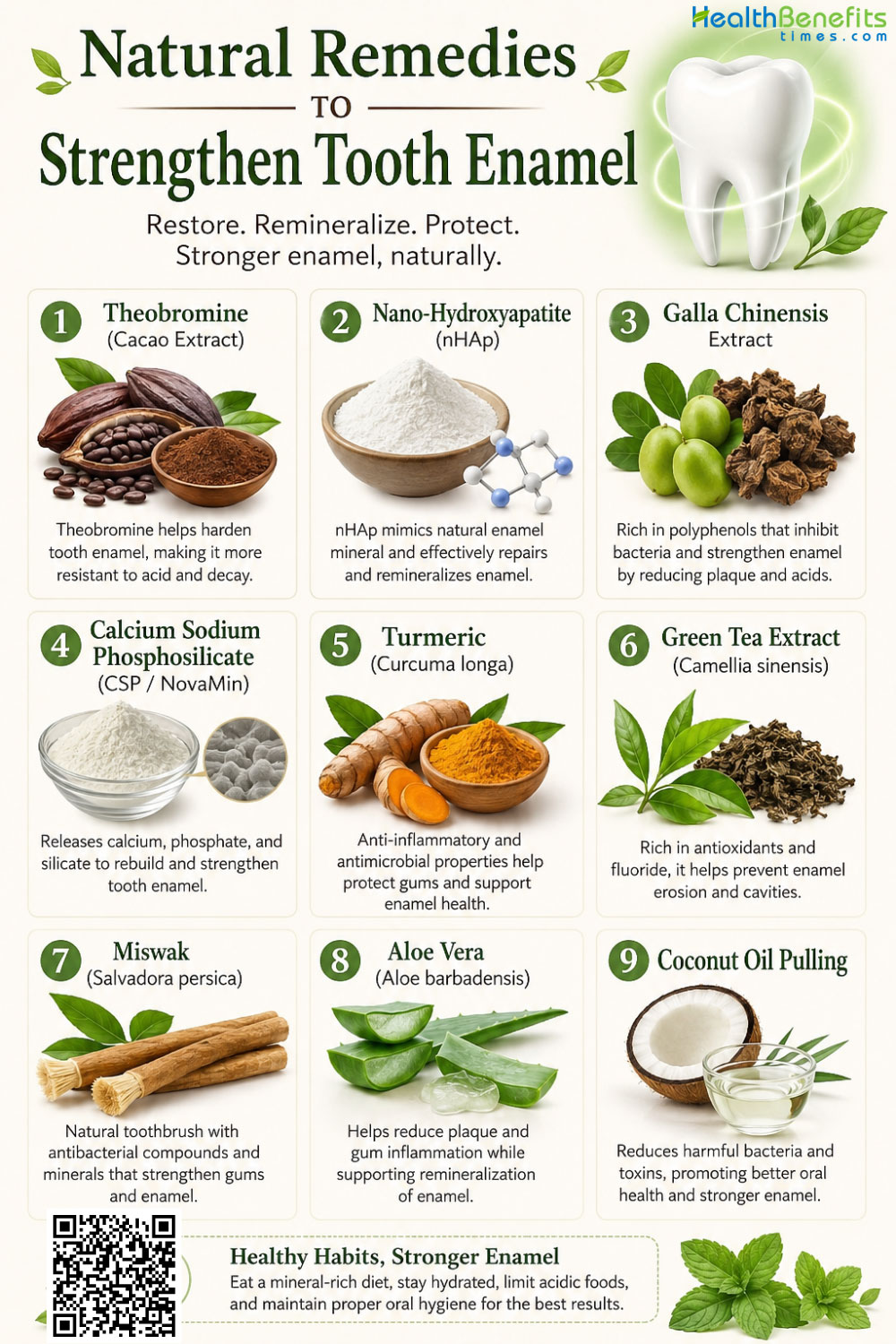
1. Theobromine (Cacao Extract)
Derived natively from the Theobroma cacao (cacao tree) plant, theobromine is a fascinating, naturally occurring alkaloid belonging to the methylxanthine family. Historically, chocolate has been heavily vilified in dental health purely due to its high added sugar content, but isolated, pure cacao powder actually possesses a remarkably powerful caries-inhibitory effect. While its close chemical cousin, caffeine, is known to negatively reduce crystal size on the enamel surface and encourage rapid acid dissolution, theobromine acts in direct physiological opposition by fundamentally enhancing the overall crystallinity of tooth enamel 23. By binding effectively and securely with free floating calcium and phosphate in the oral environment, theobromine facilitates profound, deep enamel remineralization that strengthens the tooth against future attacks. Clinical trials demonstrate that theobromine-based applications effectively repair early white spot lesions, substantially increase the salivary pH buffering capacity, and significantly decrease the localized levels of the cavity-causing bacteria Streptococcus mutans 24. Furthermore, because it is a completely non-hazardous, naturally occurring substance that causes no systemic toxicity, it offers a remarkably safe, highly biomimetic alternative to traditional fluoride, particularly for pediatric populations who are prone to inadvertently swallowing their dental products.
Note: You can easily apply this remedy by utilizing specialized, commercially formulated theobromine toothpastes during your daily twice-a-day brushing routine, allowing the foam to rest on your teeth for a minute before spitting to maximize the mineral uptake.
2. Nano-Hydroxyapatite (nHAp)
Acting as a literal, microscopic synthetic duplicate of the body’s own biological structural materials, nano-hydroxyapatite is a highly biocompatible compound utilized heavily in modern, progressive biomimetic dentistry. Natural, healthy human enamel is fundamentally comprised of 20 to 40-nanometer hydroxyapatite nanoparticles packed tightly together. Because synthetic nHAp shares this exact geometric, structural, and chemical resemblance, it possesses the unique physical ability to penetrate deeply into demineralized subsurface layers, rather than just passively depositing a temporary layer on the outermost surface 25. Extensive clinical literature indicates that the regular, daily application of nano-hydroxyapatite actively builds a new, highly resilient synthetic enamel layer, which drastically reduces severe dentin hypersensitivity and rapidly restores surface microhardness after aggressive dietary acid challenges 26. Its proven clinical efficacy in treating early white spot lesions in children is highly comparable, and sometimes even statistically superior, to high-concentration fluoridated pastes without any of the associated fluorosis risks.
Note: You should use this heavily researched compound by applying it topically in the form of a daily toothpaste, or for extreme sensitivity, rubbing a concentrated nHAp dental gel directly onto the weakened teeth and leaving it overnight for deep structural remineralization.
3. Galla Chinensis Extract
Rooted deeply in centuries of traditional Eastern medicine, Galla chinensis is a potent, polyphenol-rich botanical extract that demonstrates a remarkable, highly synergistic dual-action capability within the complex oral cavity. Rigorous laboratory studies confirm that the unique chemical compounds within this herbal extract actively facilitate the rapid redeposition of essential mineral ions back onto demineralized enamel surfaces, successfully slowing down surface mineral loss and enabling vital ions to transport deep into the main body of the carious lesion 27. Simultaneously, Galla chinensis serves as a powerful, naturally occurring antimicrobial agent that disrupts bacterial communication. It inherently suppresses both the physical growth and the intense acidogenicity (acid-producing capability) of highly cariogenic microorganisms like Streptococcus mutans and Streptococcus sobrinus 28. By chemically modifying the interaction with the enamel’s remaining organic matrix, it serves as a highly promising, non-fluoride adjunct for minimally invasive, long-term caries management.
Note: You may safely incorporate this into your routine by using a formulated herbal mouth rinse containing the extract, swishing it thoroughly for one minute after meals to suppress bacterial acid production and encourage hardening.
4. Calcium Sodium Phosphosilicate (CSP / NovaMin)
Recognized commonly in the dental market by its commercial designation, NovaMin, this advanced synthetic, inorganic bioactive glass is meticulously composed of sodium, calcium, phosphorus, and a dense, structural 45% silicon matrix. When this highly biocompatible, finely milled glass comes into direct contact with human saliva or ambient water, it immediately undergoes a rapid, cascading chemical reaction that releases its trapped mineral ions into the environment 29. These newly freed ions rapidly precipitate across the tooth to form a highly durable, protective hydroxycarbonate apatite layer over the exposed soft dentin and weakened, porous enamel. In direct clinical evaluations, specialized toothpaste utilizing a 5% concentration of CSP alongside standard topical fluoride exhibited vastly superior, accelerated remineralization results compared to isolated, traditional fluoride treatments alone 30. This profound biomimetic action not only hardens the overall tooth surface but effectively seals the microscopic, exposed dentinal tubules to permanently block painful hypersensitivity triggers from reaching the nerve.
Note: You can leverage this advanced material by brushing with a specialized remineralizing toothpaste containing bioactive glass, gently massaging the foam into the most sensitive areas of your gumline and allowing it to sit momentarily before lightly rinsing.
5. Turmeric (Curcuma longa)
Revered globally for its culinary brilliance and medicinal versatility, turmeric root boasts an incredibly high concentration of curcumin, an active compound with rigorously documented antibacterial, antioxidant, and potent anti-inflammatory properties. Recent in vitro dental studies have illuminated turmeric’s unexpected, yet profound efficacy in the specific realm of hard tissue restoration and mineral balancing. Enamel blocks treated systematically with a suspension of pure turmeric powder demonstrated profound remineralization outcomes, statistically matching the restorative power and mineral density recovery of clinical-grade commercial fluoride varnishes 31. Furthermore, its robust, naturally anti-inflammatory nature allows it to simultaneously soothe highly inflamed, bleeding gingival tissues, comprehensively addressing broader systemic oral health concerns while simultaneously fortifying the microscopic enamel structure against future degradation.
Note: You can prepare this traditional remedy by mixing a tiny pinch of high-quality, organic turmeric powder with a few drops of water or coconut oil to create a fine paste, gently massaging it onto the teeth and gums, and rinsing thoroughly to prevent temporary yellow soft-tissue staining.
6. Green Tea Extract (Camellia sinensis)
Steeped in centuries of regular daily consumption across various cultures, green tea possesses a uniquely rich biochemical profile that makes it exceptionally beneficial for the long-term preservation of dental hard tissues. The unfermented leaves are incredibly rich in natural polyphenols, most notably the powerful antioxidant Epigallocatechin gallate (EGCG). This specific, highly active catechin actively disrupts the essential metabolic pathways of sticky plaque bacteria by inhibiting the specific activity of lactate dehydrogenase—the exact enzyme that cariogenic bacteria rely on to convert pyruvic acid into destructive lactic acid 32. By stunting this localized acid production at the source, the oral pH remains stable and safe. Additionally, the green tea plant naturally absorbs trace amounts of beneficial fluoride from the soil during its lengthy growth cycle. This naturally occurring fluoride, when chemically combined with the antibacterial catechins during brewing, creates a synergistic oral environment that violently halts demineralization and actively promotes the hardening of the enamel surface 33.
Note: You should safely harness these benefits by drinking freshly brewed, unsweetened green tea regularly, ensuring you consume it lukewarm or cold to prevent extreme thermal micro-cracking of your weakened enamel.
7. Miswak (Salvadora persica)
Long preceding the commercial invention of the modern plastic toothbrush, the fibrous root of the Salvadora persica tree has been utilized extensively across the Middle East, Asia, and Africa as a natural, highly effective, all-in-one chewing stick. The unique biochemical composition of the miswak root is perfectly tailored for preventative, holistic oral care. It contains unusually high concentrations of natural chloride, which actively inhibits the formation of hard calculus (tartar), alongside a naturally occurring, steam-distillable organic oil known as benzylisothiocyanate (BITC), which boasts incredible broad-spectrum bactericidal and virucidal activity against pervasive oral pathogens 34. The physical, repetitive act of chewing the fibrous miswak stick immediately stimulates the major salivary glands, while simultaneously releasing heavy, localized saturations of calcium directly from the wood into the surrounding saliva. This localized calcium supersaturation actively inhibits further demineralization and rapidly induces the biological repair of chalky, white spot lesions on the teeth 35.
Note: You can experience this natural tool by stripping the outer bark from a fresh miswak stick, chewing the exposed tip until it softens into a bristled brush, and physically scrubbing your tooth surfaces without the need for additional commercial pastes or running water.
8. Aloe Vera (Aloe barbadensis)
Celebrated primarily in the medical community for its incredibly soothing dermatological applications, the viscous, succulent inner gel of the Aloe vera plant holds profound, largely untapped potential within the field of conservative dentistry. The raw gel contains powerful, naturally occurring organic compounds called anthraquinones, which provide robust anti-inflammatory and potent antimicrobial actions capable of neutralizing cavity-causing bacteria on contact. Unlike traditional commercial toothpastes that rely heavily on harsh, gritty silica abrasives to physically scrub the teeth clean, pure Aloe vera gel is entirely non-abrasive, making it a highly protective, gentle alternative for individuals currently suffering from severe enamel thinning, acid erosion, or extreme dentin hypersensitivity 36. Clinical investigations confirm that natural Aloe vera tooth gels possess a total remineralization capacity functionally equal to standard 1,450-ppm fluoride toothpastes, effectively hardening initial enamel lesions and boosting calcium uptake without the inherent risk of physical wear 37.
Note: You are advised to brush with this by selecting a high-quality, natural tooth gel where Aloe vera is listed as the primary active ingredient, using it during your standard morning and evening routines with a soft-bristled brush.
9. Coconut Oil Pulling
Firmly rooted in ancient traditional Ayurvedic medicine, the practice of oil pulling involves the prolonged, vigorous swishing of high-quality edible oils throughout the entire oral cavity. Cold-pressed coconut oil is uniquely suited for this demanding practice due to its remarkably high concentration of lauric acid—a medium-chain fatty acid renowned globally for its proven antimicrobial, antiviral, and anti-inflammatory properties 38. As the dense, viscous oil is aggressively swished between the tight spaces of the teeth, intense mechanical shear forces cause the lipid structure of the oil to emulsify and saponify. This rapid emulsification drastically increases the total surface area of the oil, allowing it to physically trap, coat, and isolate microscopic bacteria, thereby drastically reducing bacterial co-aggregation and preventing sticky plaque from adhering to the smooth enamel surfaces 39. Systematic clinical reviews consistently demonstrate that a daily coconut oil pulling regimen significantly reduces the total salivary bacterial colony counts and visibly improves gingival health, thereby vastly lowering the patient’s overall biological susceptibility to dental caries 40.
Note: You need to perform this technique by placing a tablespoon of food-grade, cold-pressed coconut oil into your mouth and vigorously swishing it through the gaps in your teeth for 10 to 15 minutes before spitting it entirely into a waste bin to avoid clogging plumbing.
Is There Any Exercise or Physical Activity to Strengthen Tooth Enamel?
Moving beyond topical chemical applications, mechanical and physical stimulation of the stomatognathic system (the complex anatomical network of the mouth, jaws, and associated musculature) plays an often-overlooked but strictly essential role in maintaining robust, highly mineralized dental structures. These activities primarily work by artificially maximizing the natural protective mechanics of human saliva.
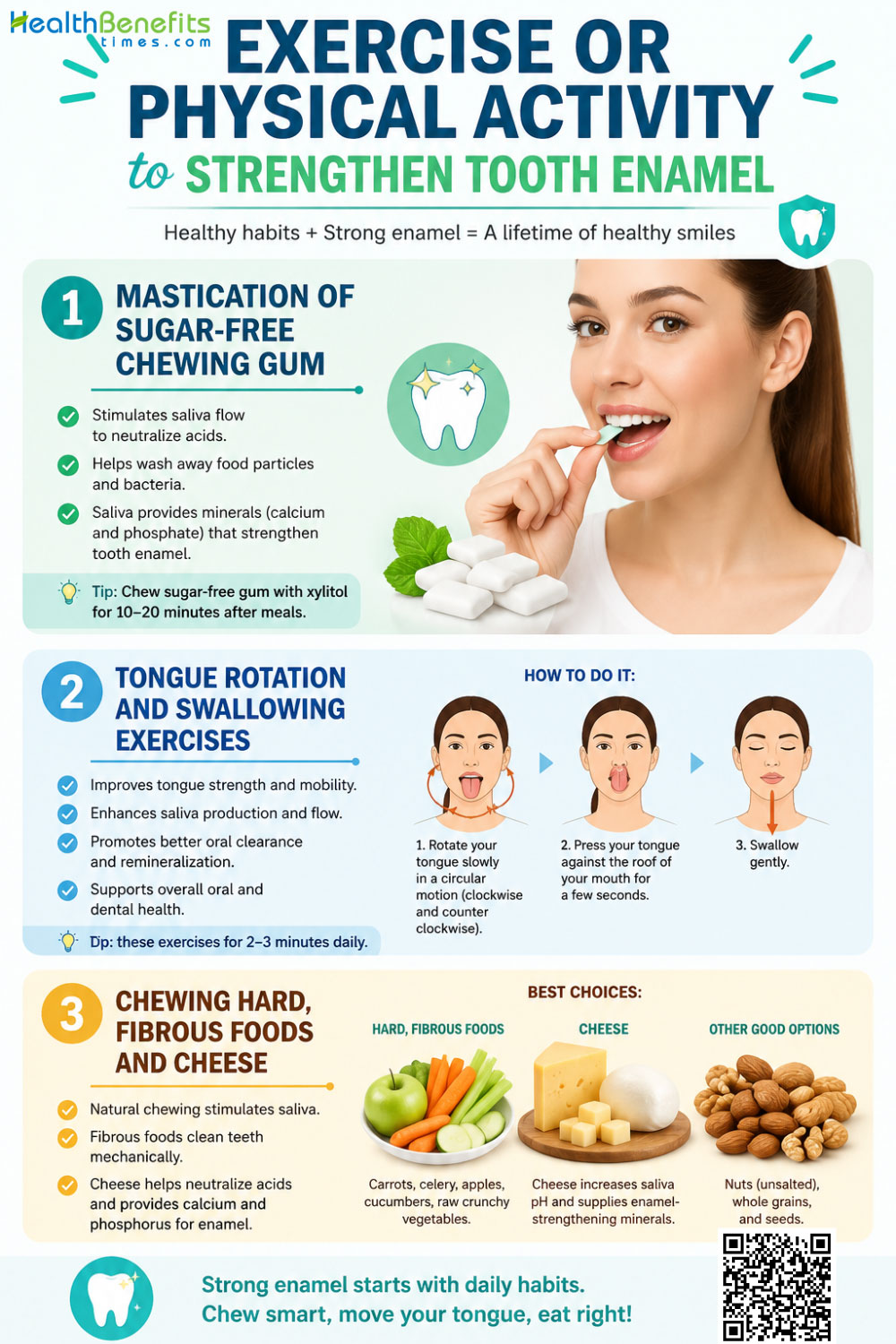
1. Mastication of Sugar-Free Chewing Gum
The repetitive, rhythmic mechanical action of chewing a highly elastic, resistant substance directly stimulates the parotid and submandibular salivary glands to work in overdrive. Clinical evaluations reveal that the stimulated salivary flow rate jumps remarkably, showing a massive 187% volume increase in the very first minute of active chewing 41. This immense, sudden rush of biological fluid creates a powerful mechanical flushing effect, rapidly washing away fermentable carbohydrates and lingering acidic dietary debris from the deep molar fissures. More importantly, this highly stimulated saliva possesses a massive buffering capacity compared to resting saliva, rendering it capable of immediately neutralizing destructive oral acids and elevating the mouth’s pH safely above the dangerous 5.5 demineralization threshold 42. When the chewing gum is intentionally sweetened with specific polyols like xylitol, the preventative benefits multiply; cariogenic bacteria simply cannot metabolize xylitol, which effectively starves them, prevents their adhesion to the enamel, and completely halts further lactic acid production 43.
Note: You should chew one piece of sugar-free or xylitol-sweetened gum for approximately 10 to 20 minutes immediately following main meals or sugary snacks to optimize this natural salivary flushing mechanism.
2. Tongue Rotation and Swallowing Exercises
For older adults or individuals suffering from chronic, unyielding xerostomia (severe dry mouth), the physical musculature of the oral cavity can be intentionally and systematically exercised to force the secretion of saliva from dormant glands. Dedicated tongue rotation programs involve the deliberate, active participation of the major stomatognathic muscles, specifically including the longitudinal, transverse, genioglossus, hyoglossus, and styloglossus muscles. Moving the tongue in wide, sweeping, forceful circles against the inner cheeks and lips significantly increases the total volume of stimulated whole saliva and rapidly elevates salivary amylase enzymatic activity 44. By artificially reviving the salivary flow through pure muscle exertion, the oral environment remains highly lubricated, becomes safely supersaturated with the calcium needed for passive remineralization, and is actively guarded against opportunistic fungal and bacterial infections.
Note: You can perform this highly effective exercise by making slow, deliberate, 360-degree rotations of your tongue across the outer surfaces of your teeth and inner lips, completing several full repetitions in each direction multiple times throughout the day.
3. Chewing Hard, Fibrous Foods and Cheese
Dietary physical activity, such as the vigorous, repetitive breakdown of dense, hard cheeses, acts as both a profound mechanical and chemical stimulant for the entire dental arch. The heavy, forceful mastication required to process hard block cheese instantly and significantly increases salivary flow. Simultaneously, the physical breakdown of the complex cheese matrix releases massive amounts of organic calcium, phosphate, and essential casein proteins directly into the localized dental plaque 45. The unique casein phosphopeptides actively bond with the weakened enamel surface, while the sudden flood of calcium completely supersaturates the localized fluid environment, forcing vital minerals back into the microscopic, demineralized pores of the teeth through pure chemical concentration gradients.
Note: You might want to snack on a small, solid portion of firm, hard cheese at the absolute conclusion of a meal or wine tasting to rapidly buffer dietary acids and stimulate these protective salivary mechanics.
Foods and Activities to Avoid
Protecting your dental health requires knowing exactly what to skip just as much as knowing what to use. Preserving the microscopic crystalline structure of the teeth requires strict vigilance over daily dietary habits and behavioral routines. Certain everyday food items and common physical actions aggressively dissolve the mineral matrix or mechanically strip away newly softened layers of enamel before they can heal.
Foods to Avoid When You Suffer From Weak Tooth Enamel
1. Concentrated Lemon and Citrus Juices
Clinical stereomicroscopy unequivocally demonstrates that prolonged, direct exposure to neat lemon juice causes the absolute most severe dissolution of enamel prisms, utterly destroying the structural sheaths and rapidly, permanently shrinking the overall height and thickness of the tooth crown 46.
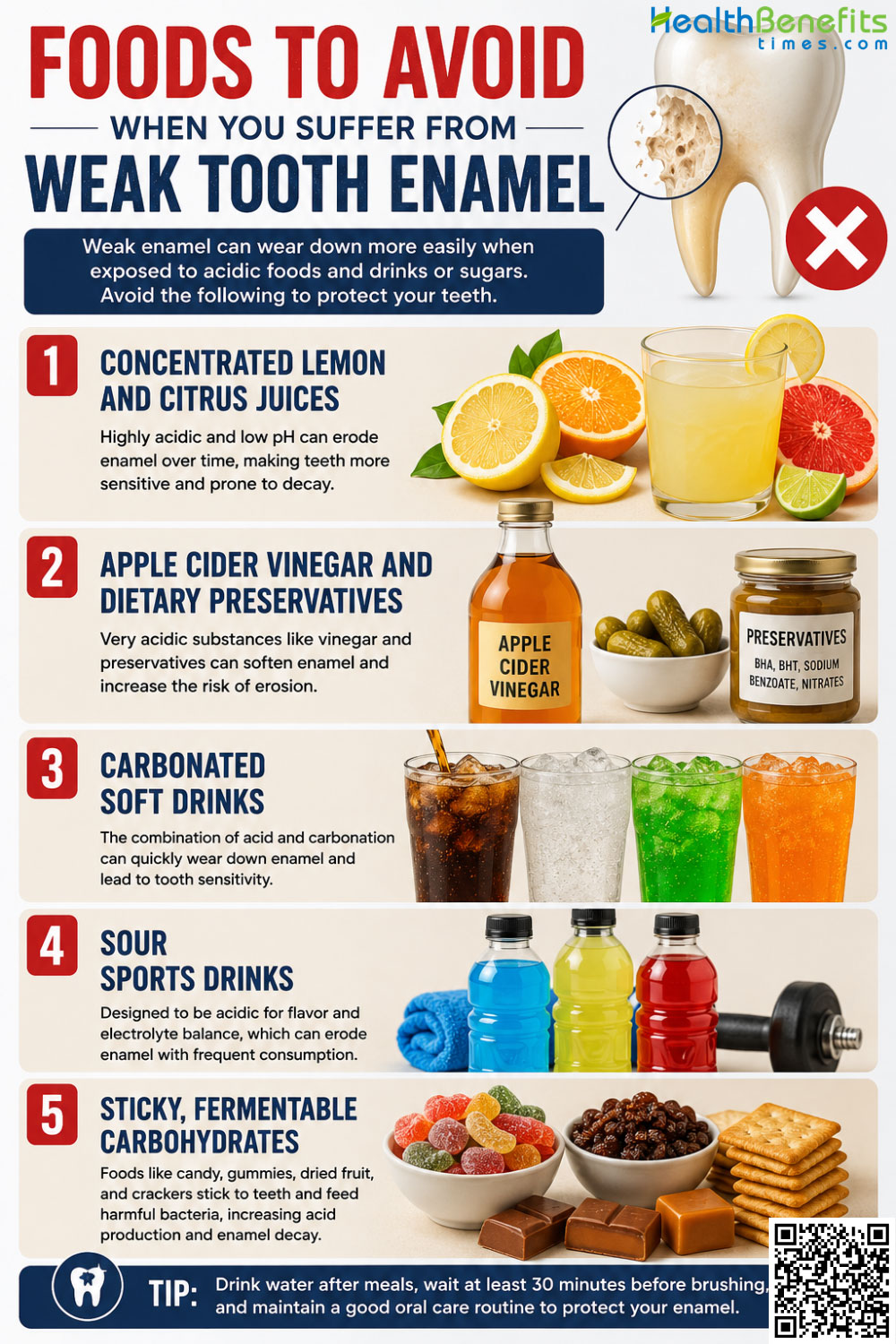
2. Apple Cider Vinegar and Dietary Preservatives
High-concentration vinegars, often touted for weight loss, induce catastrophic surface demineralization and extreme dentin exposure due to their remarkably low, highly corrosive pH levels if consumed undiluted 47.
3. Carbonated Soft Drinks
Dark and clear beverages alike, such as Coca-Cola and Sprite, rely heavily on corrosive carbonic and phosphoric acids to maintain their sharp flavor profiles, which dramatically increases the rapid, irreversible erosion of both the surface enamel and the softer underlying dentin 48.
4. Sour Sports Drinks
Frequently consumed in massive quantities for athletic hydration, the heavy citric acid additives in these drinks relentlessly strip minerals from the tooth surface, posing an immense danger to athletes who already lack protective saliva 4.
5. Sticky, Fermentable Carbohydrates
Gummy candies, dense syrups, and highly processed simple starches adhere stubbornly to the deep occlusal fissures of the teeth, providing a continuous, long-term, inescapable food source for highly destructive acid-producing bacteria 49.
Activities to Avoid When You Feel Weak Tooth Enamel
1. Brushing Immediately After an Acid Challenge
Softened, acid-attacked enamel is highly, dangerously vulnerable to physical friction. Brushing your teeth immediately after consuming citrus, drinking soda, or experiencing a severe acid reflux episode physically scrubs away the weakened, dissolving enamel before the saliva has any time to naturally remineralize and harden it again 50.
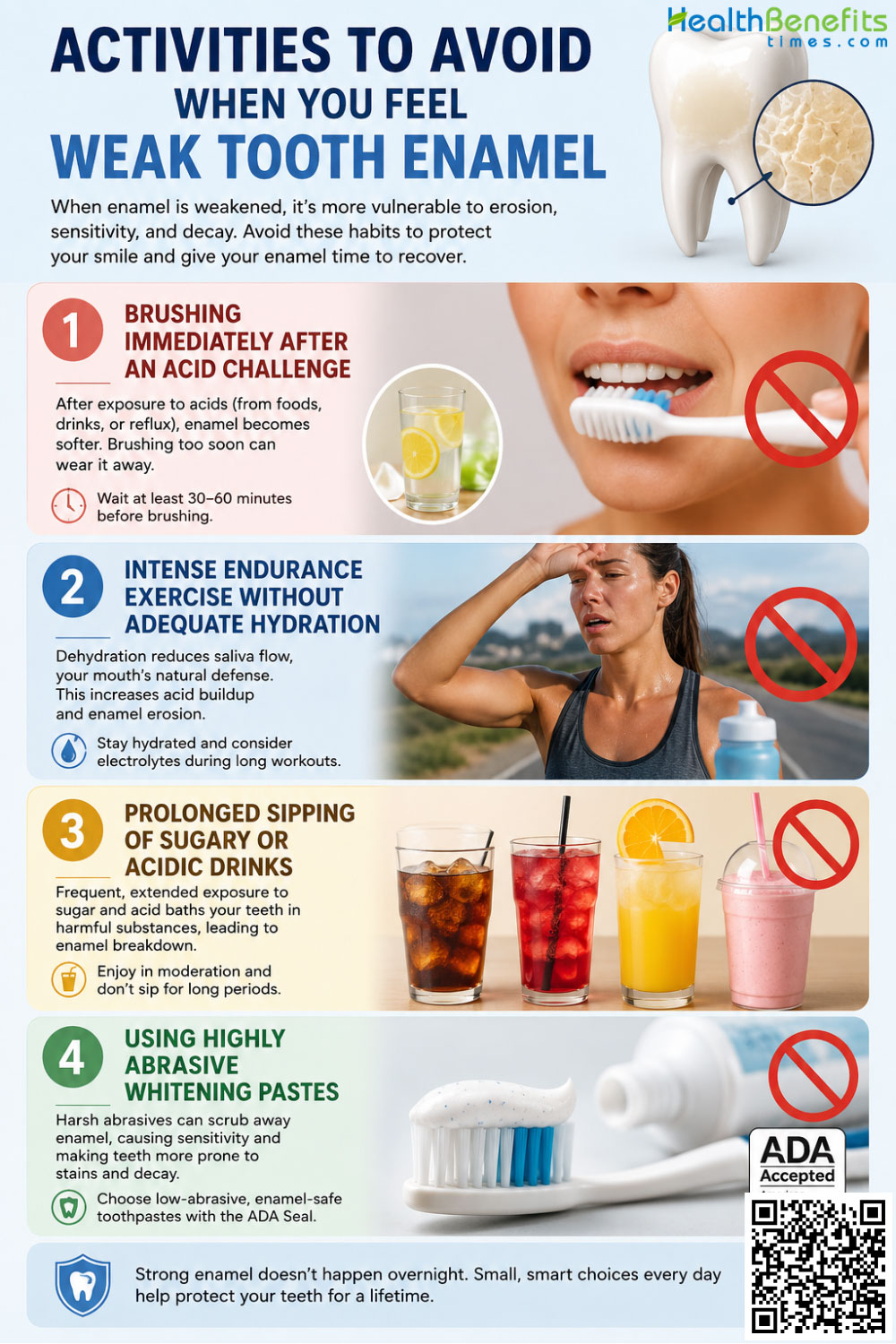
2. Intense Endurance Exercise Without Adequate Hydration
Engaging in grueling cardio routines or heavy weightlifting without constantly replacing fluids causes profound whole-body dehydration. This physiological state entirely shuts down salivary flow, completely disabling the mouth’s natural defense mechanisms precisely at the moment the athlete might be sipping an acidic sports beverage 51.
3. Prolonged Sipping of Sugary or Acidic Drinks
Slowly and casually drinking a sweetened iced coffee, energy drink, or soda over the course of several hours subjects the teeth to a continuous, unending barrage of acid attacks, never allowing the salivary pH the required time to naturally recover and buffer the environment back to a safe level 52.
4. Using Highly Abrasive Whitening Pastes
Utilizing overly gritty commercial pastes containing heavy silicas, or using hard-bristled brushes, creates deep mechanical gouges across the tooth face, leading rapidly to abfraction and the permanent, painful loss of cervical enamel near the sensitive gumline 53.
Myths and Misconceptions
Public perception of foundational oral care is heavily, and dangerously, clouded by viral internet trends, aggressive marketing, and outdated historical practices. Disentangling scientific, clinical reality from persistent, harmful folklore is essential to prevent severe self-inflicted dental trauma.
| Myth | Reality |
| Brushing harder and more aggressively cleans the teeth better and makes them structurally stronger. | Overly vigorous, heavy-handed brushing directly causes severe mechanical abrasion. It physically strips away the protective enamel layer, leads to severe receding gums, and permanently exposes the highly sensitive, porous yellow dentin underneath to pain triggers. |
| Activated charcoal toothpaste is a highly safe, completely natural way to remineralize and whiten teeth. 54 | Charcoal pastes rely entirely on highly abrasive, gritty carbon particles to physically scratch away surface stains. They contain absolutely no fluoride or remineralizing agents, and rigorous clinical wear tests prove they cause significant, irreversible abrasive damage to exposed dentin and weakened enamel. |
| Rinsing the mouth with pure lemon juice is a healthy, natural, and safe way to bleach the teeth white. 55 | Lemon juice is remarkably acidic and violently corrosive to all dental hard tissues. Frequent exposure completely dissolves the protective enamel prisms, leading to a permanent loss of tooth structure, increased yellowing (as the underlying dentin is exposed), and severe, untreatable thermal sensitivity. |
| Dry mouth is just a normal, harmless, and expected part of getting older. 56 | Xerostomia is a serious medical condition that causes rampant tooth decay, not a natural aging process. It is almost always an adverse side effect of prescription medications, severe dehydration, or systemic autoimmune diseases (like Sjögren’s syndrome), and it exponentially increases the risk of tooth loss. |
| Tooth enamel can eventually grow back naturally if you take the right vitamin and mineral supplements. 57 | Once the clinical crown of the tooth has fully formed and erupted into the mouth, the specialized ameloblast cells responsible for growing the enamel matrix die off completely. Enamel is not living tissue and cannot biologically regenerate, heal, or grow back once it is permanently lost. |
Special Considerations
1. Children
The pediatric demographic requires specialized, highly vigilant attention, primarily due to the inherent structural vulnerability of developing primary (baby) teeth. The enamel of deciduous teeth contains significantly lower overall mineral density and is structurally much thinner than that of adult permanent teeth, making it incredibly susceptible to rapid, devastating acid erosion 58. Young children are routinely administered chronic liquid medications, such as thick antihistamines, pain relievers, or asthma syrups, which are frequently formulated with high levels of hidden sucrose to improve taste and inherently possess highly acidic pH levels 10. The prolonged, nightly contact of these sticky syrups with the thin pediatric enamel drastically accelerates early childhood caries and severe erosion. Furthermore, when introducing any remineralization protocols to toddlers or young children, strict care must be taken to utilize safe, non-toxic, biocompatible agents. Because young children severely lack the oral motor control to reliably spit out their toothpaste, utilizing advanced biomimetic alternatives like theobromine or nano-hydroxyapatite ensures robust, deep enamel protection without the systemic toxicity or fluorosis risks inherently associated with accidentally ingesting large volumes of commercial fluoride 59.
2. Elderly
The growing geriatric population faces a uniquely aggressive, complex set of challenges concerning enamel preservation, driven almost entirely by systemic health deterioration and highly complex medical management. Older adults frequently suffer from advanced periodontal disease and receding gum lines, which completely strips away the protective enamel boundary and permanently exposes the highly porous, vulnerable, and sensitive root dentin directly to the hostile oral environment 19. This demographic is also heavily, disproportionately impacted by polypharmacy; hundreds of standard prescription medications routinely utilized for blood pressure, severe depression, and bladder control possess severe anticholinergic side effects that drastically and chemically restrict salivary gland output 6. The resulting chronic xerostomia (severe dry mouth) transforms the normally protective, well-lubricated oral cavity into a highly hostile, excessively acidic environment. The trace amounts of saliva present become thick, viscous, and sticky, entirely losing its mechanical ability to wash away debris or naturally remineralize the teeth, leading to a catastrophic, rapid surge in rampant root decay and the structural fracturing of aged, brittle enamel 60.
Precaution Before Use of Natural Remedies When You Have Weak Tooth Enamel
Before you completely overhaul your oral care routine, engaging in holistic or alternative oral health therapies requires a foundational understanding of safety protocols to prevent inadvertent, irreversible damage to the delicate stomatognathic system.
- You must strictly assess the Abrasive Index of any product: You must exercise extreme caution when attempting to utilize unformulated, raw DIY powders such as crushed charcoal, pure baking soda, or brick powder. These unrefined materials often feature highly jagged, gritty microscopic profiles that rapidly inflict irreversible, deep mechanical abrasion upon the already weakened enamel surface. 61
- You must avoid swallowing essential oils and botanical rinses: While ancient practices like coconut oil pulling or the modern use of specific botanical extracts (such as Galla chinensis) are highly effective when applied topically to the teeth, they are absolutely not designed for systemic ingestion. Accidentally swallowing large, concentrated quantities of essential oils or unrefined plant matter can severely disrupt your gastrointestinal microbiome or trigger intense stomach upset. 62
- You should rigorously monitor yourself for cross-allergies: Botanical ingredients, heavily including natural Aloe vera gel and raw Miswak extract, may provoke unexpected contact dermatitis, swelling, or allergic stomatitis in individuals with specific, pre-existing plant sensitivities or known latex-fruit syndromes. 34
- You must not blindly replace prescribed medical protocols: Natural remedies, such as theobromine pastes or green tea rinses, serve as highly effective, proven adjunctive therapies. However, if you are an individual suffering from aggressive, active rampant decay, you should never unilaterally abandon clinically prescribed, high-concentration fluoride therapies or dental sealants without direct, prior consultation with your healthcare provider. 63
- You must verify the precise pH of any homemade rinses: Many do-it-yourself natural remedies found widely on the internet heavily promote the use of apple cider vinegar or lemon juice as a healthy base. You must rigorously avoid applying any highly acidic natural compound directly to your teeth, as the rapid erosive destruction far outweighs any purported, temporary antibacterial benefit. 64
When to See a Doctor
Even with the absolute best natural care and rigorous adherence to biomimetic remineralization routines, certain clinical red flags mean it is time to immediately seek professional, invasive dental help to prevent systemic infection or complete tooth loss.
- You should immediately book an appointment if you experience unrelenting, severe pain: Sharp, lingering, or heavy throbbing dental pain that awakes you from a deep sleep strongly indicates that the protective enamel barrier has been completely breached, and a severe bacterial infection has successfully penetrated the deep, highly vascularized dental pulp. 18
- You must seek emergency care upon visible cavitation or abscess formation: The sudden appearance of dark, physical holes (cavities) in the tooth structure, or the rapid swelling of a painful, pus-filled pocket (abscess) on your gum line, requires immediate, invasive clinical restoration, root canal therapy, and potential emergency antibiotic management. 65
- You need to consult a physician for persistent, unmanageable dry mouth: If the uncomfortable feeling of a sticky, severely dry mouth persists for weeks despite adequate daily hydration and the frequent use of sugar-free chewing gum, it may indicate a serious underlying systemic condition, such as Sjögren’s syndrome, uncontrolled diabetes, or severe medication-induced salivary hypofunction that requires medical intervention. 20
- You should see a specialist for frequent acid reflux and heartburn: If you are an individual experiencing chronic belching, unexplained sour tastes in the back of the throat, and frequent heartburn alongside the visually smooth, thinning appearance of your back molars, you require prompt, thorough evaluation by a gastroenterologist to medically manage the underlying GERD before your teeth dissolve further. 66
- You must seek help if you have difficulty chewing or swallowing solid foods: A severe, chronic lack of saliva can physically progress to the dangerous point where the necessary biological lubrication required to safely form a food bolus disappears entirely, drastically increasing your immediate risk of choking, aspirating food, and suffering long-term systemic malnutrition. 67.