


Multiple sclerosis (MS) is a chronic autoimmune disease that affects the central nervous system, which includes the brain and spinal cord. In individuals with this condition, the immune system mistakenly attacks myelin, the protective layer surrounding nerve fibers, which disrupts the flow of information between the brain and the rest of the body 1. As a result, patients can experience a wide range of unpredictable physical and cognitive symptoms, including muscle weakness, severe fatigue, balance problems, and visual disturbances 2. While the exact cause of the disease remains unknown, research concludes that it likely develops from a complex combination of genetic susceptibility and environmental factors 3. There is currently no definitive cure for MS, but various clinical treatments and disease-modifying therapies are available to help manage daily symptoms, reduce the frequency of inflammatory flare-ups, and slow overall neurological progression 4.
Causes of Multiple Sclerosis (MS)
1. Autoimmune Dysregulation
The direct physiological cause of MS is an abnormal immune response in which the body mistakenly targets and attacks myelin, the protective sheath surrounding nerve fibers in the central nervous system, resulting in inflammation and axonal damage 5.
2. Epstein-Barr Virus (EBV) Infection
Prior viral exposure is widely considered a necessary prerequisite for the disease. Infection with the Epstein-Barr virus drastically increases the likelihood of developing MS, as the virus alters cellular immune functions and dysregulates long-term immune responses 6 7.
3. Genetic Susceptibility
Although MS is not directly hereditary, specific genetic mutations significantly elevate disease risk. The strongest genetic determinant is located within the human leukocyte antigen (HLA) gene complex, specifically the HLA-DRB1*15:01 allele, which is responsible for critical immune system regulation 8.
4. Vitamin D Deficiency
Environmental factors, primarily limited sunlight exposure and persistently low levels of vitamin D in the blood, are strongly correlated with a higher susceptibility to developing the disease and increased clinical severity 9.
5. Tobacco Smoking
Cigarette smoking is an established environmental trigger that increases the risk of developing MS by approximately 50%. It also directly contributes to more rapid neurological disease progression and worsened clinical outcomes in diagnosed patients 10 11.
6. Obesity
A high body mass index (BMI), particularly during early childhood and adolescence, is a significant risk factor for MS due to the release of pro-inflammatory hormones (adipokines) from adipose tissue that promote chronic systemic inflammation 12 13.
Symptoms of Multiple Sclerosis (MS)
1. Fatigue
The most common symptom, characterized by overwhelming and debilitating physical or mental exhaustion that significantly interferes with daily activities and often worsens as the day progresses 14 15.
2. Vision Problems
Frequently the first clinical sign of the disease, presenting as blurred vision, double vision (diplopia), or partial to complete vision loss in one eye due to optic nerve inflammation (optic neuritis) 16.
3. Sensory Disturbances
Patients commonly experience abnormal sensations such as persistent numbness, tingling (paresthesia), or a burning feeling, typically affecting the face, arms, or legs.
4. Motor Dysfunction and Spasticity
Neurological damage leads to muscle weakness, severe stiffness, involuntary muscle spasms, and pronounced difficulties with walking, coordination, and maintaining physical balance 17.
5. Cognitive Impairment
Observable reductions in cognitive capacity, which include difficulties with short-term memory, sustained attention, information processing speed, and overall clear thinking.
6. Bladder and Bowel Dysfunction
Disruption of nerve signals frequently causes a loss of bladder control, severe urinary urgency, incomplete bladder emptying, and chronic constipation.
7. Emotional Changes
Structural brain changes and the chronic stress of the illness lead to a significantly higher risk of clinical depression, severe anxiety, and mood fluctuations.
8. Heat Sensitivity (Uhthoff’s Phenomenon)
A temporary, reversible worsening of existing neurological symptoms triggered by a slight increase in core body temperature from exercise, hot weather, or hot showers 18.
Natural Treatment for Multiple Sclerosis (MS)
1. Vitamin D Supplementation for Immune System Support and Relapse Prevention
How it may help
Vitamin D acts as a powerful immune system regulator that helps prevent the body from mistakenly attacking its own central nervous system. Maintaining adequate levels of this nutrient reduces chronic inflammation and supports the ongoing protection of myelin, the essential nerve coating damaged during the disease process.
What research says
Clinical studies conclude that higher blood levels of vitamin D are strongly linked to a significantly lower frequency of neurological relapses and a slower progression of physical disability. Furthermore, consistent supplementation in diagnosed patients demonstrates a measurable reduction in the formation of new brain lesions 19.
How to use it safely
You should have your baseline blood levels tested by a healthcare provider before beginning any supplementation. Based on your specific deficiency, medical professionals will recommend a tailored daily dose of Vitamin D3 (cholecalciferol) to safely achieve and maintain optimal blood concentrations for disease management.
Potential precautions or side effects
Excessive vitamin D intake can cause hypercalcemia, a dangerous buildup of calcium in the blood that may lead to severe nausea, extreme weakness, and serious kidney damage 20.
2. Physical Exercise and Aerobic Training for Muscle Strength and Extreme Tiredness
How it may help
Structured exercise routines directly combat physical deconditioning and enhance overall muscular strength. Regular physical activity naturally boosts energy metabolism, improves cardiorespiratory fitness, and stimulates beneficial brain plasticity, which collectively counteract the severe exhaustion and mobility issues commonly experienced by patients with the disease 21.
What research says
Clinical studies conclude that consistent aerobic endurance and targeted resistance training significantly reduce self-reported fatigue and improve physical mobility. Researchers confirm that exercise acts as an effective, non-pharmacological strategy for enhancing daily function, muscle power, and overall quality of life without worsening neurological outcomes 22 23.
How to use it safely
You should seek a clinical evaluation from a specialized physical therapist to design a customized exercise plan. Aim for 150 minutes of moderate activity per week, starting slowly and gradually increasing intensity based on your personal physical limits to avoid severe exhaustion 24.
Potential precautions or side effects
Vigorous workouts can elevate core body temperature and trigger Uhthoff’s phenomenon, causing a temporary but significant worsening of neurological symptoms and visual disturbances that resolves once the body cools down.
3. Mediterranean and Anti-Inflammatory Diets for Overall Disease Management
How it may help
Anti-inflammatory dietary patterns, particularly the Mediterranean diet, emphasize nutrient-dense whole foods like vegetables, olive oil, and fish while limiting processed items. This nutritional approach helps regulate the gut micro-biome, lowers systemic inflammation, and protects the central nervous system against chronic oxidative stress and ongoing myelin damage 25.
What research says
Clinical research concludes that high adherence to a Mediterranean or anti-inflammatory diet is consistently linked to measurable clinical improvements. Studies demonstrate that these dietary interventions significantly reduce extreme fatigue, lower inflammatory blood markers, and improve the overall quality of life for patients with the disease 26.
How to use it safely
You should transition gradually to this eating pattern by incorporating more plant-based foods and healthy fats into daily meals. Work alongside a registered clinical dietitian to ensure your diet remains nutritionally balanced and adequately supports your specific metabolic needs and long-term disease management goals.
Potential precautions or side effects
Significant dietary changes can initially cause mild digestive discomfort. Furthermore, highly restrictive eating without professional clinical guidance may lead to unintended weight loss or specific nutritional deficiencies over time 27.
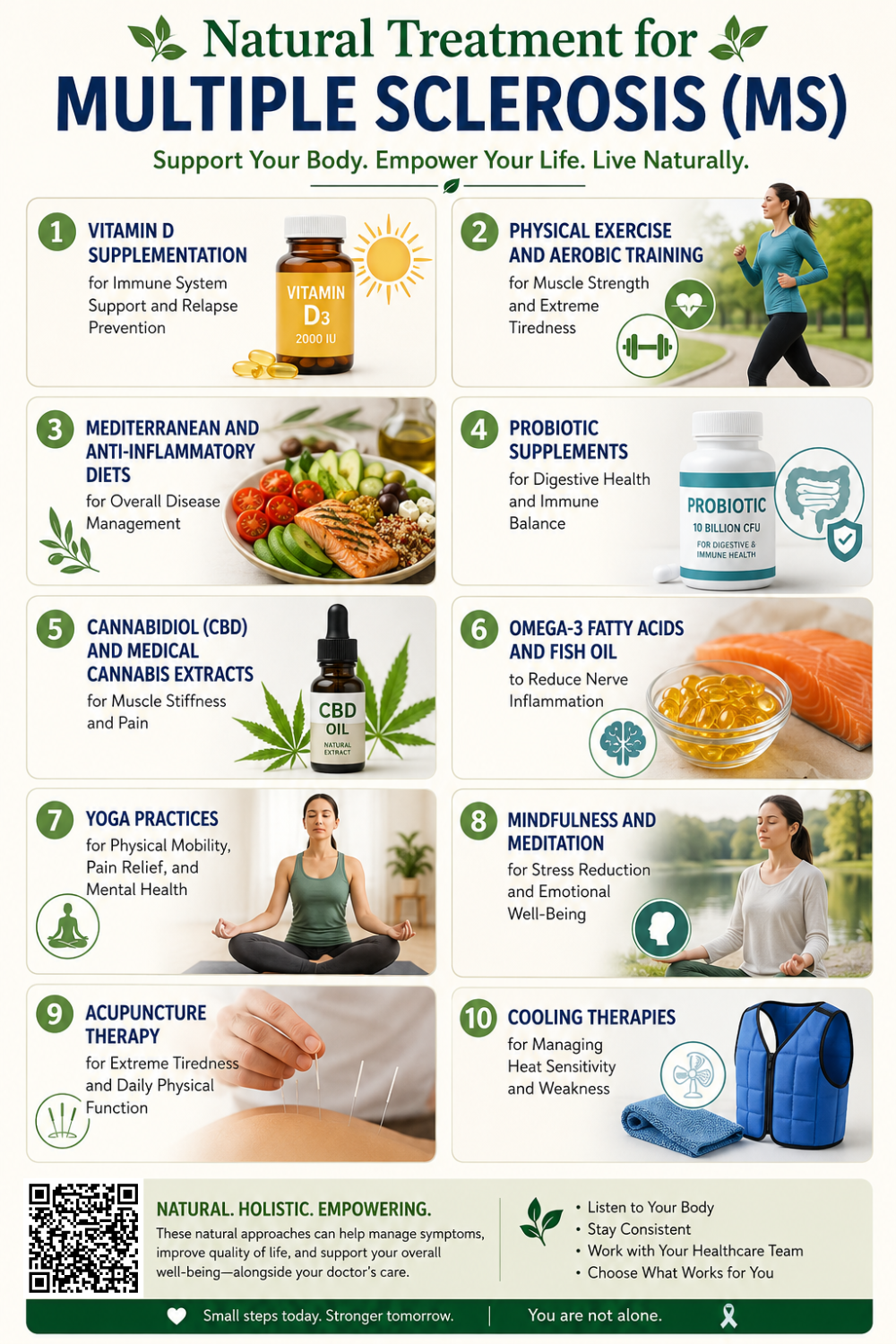 4. Probiotic Supplements for Digestive Health and Immune Balance
How it may help
Probiotics introduce beneficial living microorganisms into the digestive system to help restore a healthy gut micro-biome. By regulating the gut-brain axis, they strengthen the intestinal barrier and promote an anti-inflammatory immune response. This internal balance helps prevent the immune system from mistakenly attacking the central nervous system 28.
What research says
Clinical trials conclude that daily probiotic supplementation significantly reduces inflammatory blood markers, such as C-reactive protein. Furthermore, researchers confirm that consistent use improves mental health, reduces severe fatigue, decreases joint pain, and enhances daily bowel control and overall quality of life for individuals managing the condition 29 30.
How to use it safely
Always consult your neurologist before adding any living bacterial or yeast supplements to your daily routine. Medical professionals generally recommend clinically tested, multi-strain capsules containing beneficial bacteria like Lactobacillus. You should take the exact prescribed dose alongside your standard disease-modifying therapies to ensure maximum safety 31.
Potential precautions or side effects
While generally safe, initial use can cause temporary bloating or mild digestive discomfort. Individuals with severely compromised immune systems must avoid live probiotics to prevent rare, severe systemic infections 32.
5. Cannabidiol (CBD) and Medical Cannabis Extracts for Muscle Stiffness and Pain
How it may help
Medical cannabis extracts, primarily containing cannabidiol (CBD) and delta-9-tetrahydrocannabinol (THC), interact directly with the body’s natural endocannabinoid system. By binding to specific nerve receptors in the brain and spinal cord, these compounds help regulate internal nerve signaling, which naturally reduces inflammation, alleviates chronic pain, and decreases severe muscle spasms 33.
What research says
Clinical evidence confirms that formulated cannabis extracts significantly improve patient-reported symptoms of severe muscle stiffness and central neuropathic pain. Regulated clinical medications containing balanced CBD-to-THC ratios demonstrate measurable effectiveness in reducing daily involuntary muscle spasms, easing chronic pain, and improving overall physical mobility without accelerating disease progression 34 35.
How to use it safely
You should consult a neurologist to obtain a legally approved, standardized mouth spray or clinical extract rather than using raw cannabis. Follow strict medical dosing protocols, starting with a very low daily dose and gradually increasing it until achieving adequate symptom relief 36.
Potential precautions or side effects
Common adverse reactions include severe dizziness, chronic fatigue, dry mouth, and impaired thinking. Smoking raw cannabis is strongly discouraged due to significant risks of cumulative lung damage 37.
6. Omega-3 Fatty Acids and Fish Oil to Reduce Nerve Inflammation
How it may help
Omega-3 fatty acids, primarily found in fish oil, possess potent anti-inflammatory and neuroprotective properties. They help protect the central nervous system against oxidative damage and reduce the production of pro-inflammatory cytokines, which naturally limits the immune system’s ability to mistakenly attack and damage myelin 38.
What research says
Clinical studies conclude that consistent omega-3 supplementation significantly decreases the secretion of inflammatory markers and reduces annual relapse rates in patients with relapsing-remitting multiple sclerosis. Furthermore, long-term fish oil intake is strongly associated with less severe physical disability and notably improved daily walking and functional mobility 39 40.
How to use it safely
You should consult your neurologist to determine an appropriate, individualized dosage before starting any supplementation. Medical professionals typically recommend daily doses of high-quality, purified fish oil to safely support your immune health without interfering with your standard disease-modifying therapies 41.
Potential precautions or side effects
Excessive omega-3 intake can mildly increase bleeding risks and interact with blood-thinning medications. Common minor side effects include a temporary fishy aftertaste, mild nausea, and general gastrointestinal discomfort 42.
7. Yoga Practices for Physical Mobility, Pain Relief, and Mental Health
How it may help
Yoga integrates gentle physical postures, controlled breathing, and mindfulness techniques. This mind-body practice stimulates the parasympathetic nervous system, helping to reduce stress hormones and lower chronic systemic inflammation. By improving muscle flexibility and neuromuscular coordination, yoga directly targets spasticity, chronic pain, and mobility restrictions common in the disease 43.
What research says
Clinical trials conclude that structured yoga programs significantly reduce severe self-reported fatigue and improve sleep quality in patients with the condition. Furthermore, researchers confirm that consistent practice enhances overall physical mobility, decreases chronic nerve pain, and provides measurable improvements in psychological well-being and overall quality of life 44 45.
How to use it safely
You should start with a specialized, low-intensity class like restorative or chair yoga adapted specifically for neurological conditions. Work with a certified therapeutic instructor who can modify poses to accommodate your current balance and mobility limitations, ensuring you practice within your physical capacity without causing overexertion.
Potential precautions or side effects
Avoid hot yoga or overly warm environments, as elevated body temperatures can trigger a temporary but significant worsening of clinical symptoms and visual disturbances known as Uhthoff’s phenomenon.
8. Mindfulness and Meditation for Stress Reduction and Emotional Well-Being
How it may help
Mindfulness and meditation cultivate a focused awareness of the present moment, training the brain to respond to stressful stimuli without severe emotional reactivity. This mental practice helps regulate the autonomic nervous system, thereby reducing the harmful impact of chronic psychological stress, which is a known trigger for disease exacerbation and new inflammatory lesions 46.
What research says
Clinical trials conclude that mindfulness-based interventions significantly improve emotional well-being by reducing rates of clinical depression, severe anxiety, and perceived stress. Furthermore, consistent meditation practice demonstrates measurable benefits in reducing subjective bodily pain, enhancing sleep quality, and alleviating cognitive and psychosocial fatigue for patients managing the disease 47 48.
How to use it safely
You should start with a brief, guided mindfulness program tailored for chronic pain or neurological conditions. Practice consistently for a few minutes daily in a quiet environment, slowly building up your tolerance. Incorporate simple breathing exercises or body scan techniques alongside your standard medical treatments for the best results.
Potential precautions or side effects
While generally safe, intensive meditation may occasionally trigger adverse psychological effects, including temporarily increased anxiety, negative intrusive thoughts, or mild depression, particularly in individuals practicing without professional clinical guidance 49.
9. Acupuncture Therapy for Extreme Tiredness and Daily Physical Function
How it may help
Acupuncture involves inserting fine needles into specific body points to stimulate the central nervous system. This traditional practice promotes the release of natural pain-relieving chemicals, improves local blood circulation, and helps regulate abnormal immune responses, which collectively alleviate chronic nerve pain and reduce overwhelming physical exhaustion 50.
What research says
Clinical studies indicate that acupuncture and electro-acupuncture significantly improve overall quality of life for individuals with the disease. Researchers conclude that these targeted treatments effectively reduce severe daily fatigue, decrease muscle stiffness, and improve general physical mobility without interfering with standard neurological medications 51 52.
How to use it safely
You should only seek treatment from a certified, state-licensed acupuncturist who has specific experience with neurological conditions. Inform them about your current medical status, any sensory numbness, and all standard medications you are taking to ensure the treatment is safely tailored to your physical limitations.
Potential precautions or side effects
Minor side effects include temporary soreness, slight bleeding, or bruising at the needle sites. Individuals taking prescription blood thinners must consult their neurologist before beginning this treatment.
10. Cooling Therapies for Managing Heat Sensitivity and Weakness
How it may help
Many patients experience Uhthoff’s phenomenon, a temporary worsening of neurological symptoms triggered by a rise in core body temperature. Cooling therapies counteract this heat sensitivity by actively lowering body temperature, which naturally restores proper electrical nerve conduction through damaged myelin and prevents heat-induced fatigue and extreme muscle weakness.
What research says
Clinical trials and meta-analyses conclude that cooling therapies, such as wearing active cooling garments or taking cold showers, significantly improve functional capacity. Researchers confirm these interventions effectively reduce severe self-reported fatigue, enhance daily physical activity, and measurably increase overall quality of life for thermo sensitive patients with the disease 53.
How to use it safely
You should wear an active cooling vest, use neck wraps, or take a cool shower immediately before engaging in physical exercise or outdoor activities. Limit your exposure to extreme heat and consult a physical therapist to determine the most effective cooling strategies for your specific daily routine.
Potential precautions or side effects
Directly applying uncovered ice packs to the skin can cause severe frostbite or tissue damage. Additionally, sudden exposure to extreme cold may occasionally trigger painful, involuntary muscle spasms.
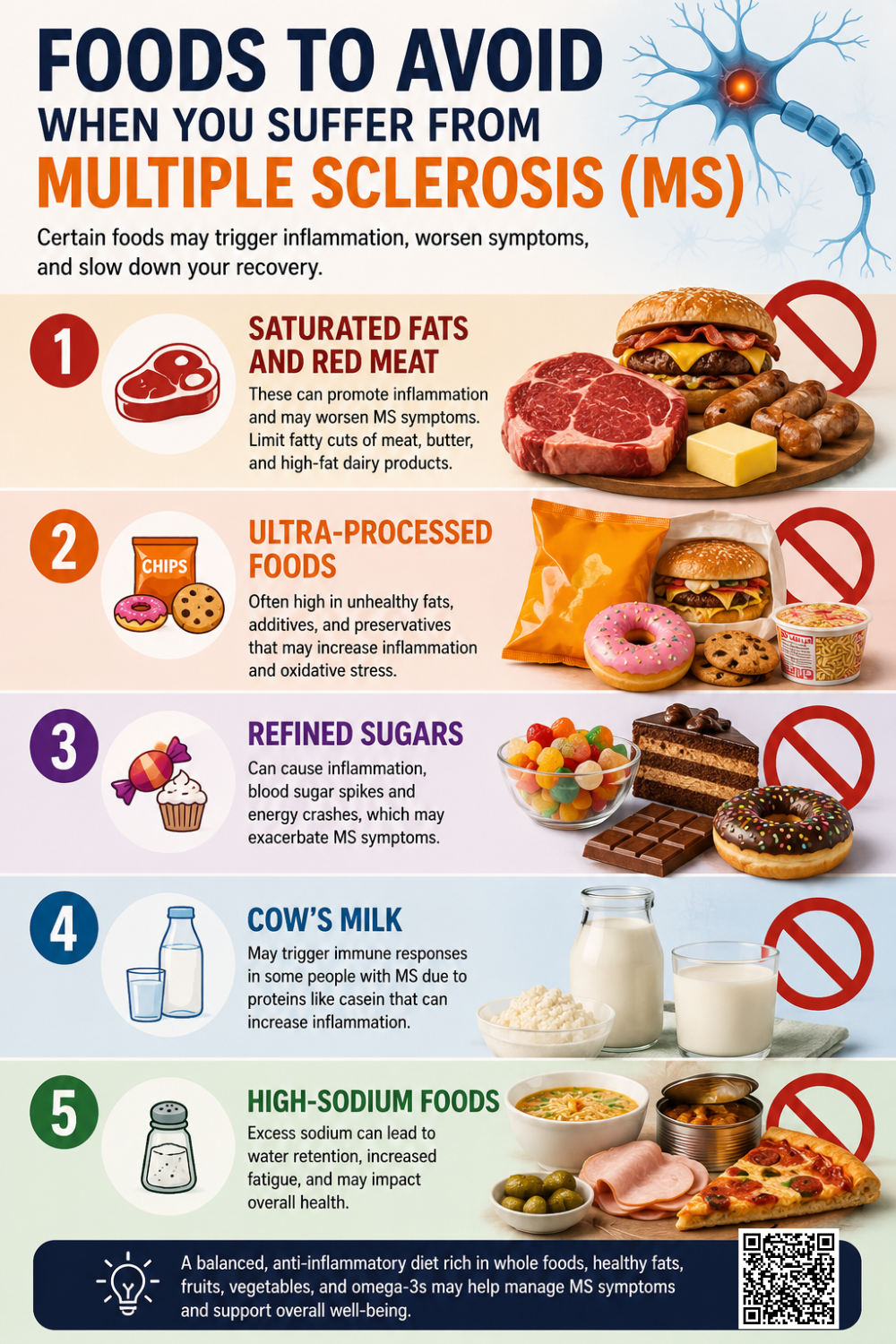 Foods to Avoid When You Suffer from Multiple Sclerosis (MS)
1. Saturated Fats and Red Meat
High intake of animal fats strongly correlates with increased chronic inflammation and faster neurological disease progression in susceptible individuals 54.
2. Ultra-Processed Foods
Industrially modified foods disrupt the gut microbiome and drive systemic inflammatory responses, significantly worsening physical disability and overall disease severity 55.
3. Refined Sugars
Excessive sugar consumption promotes immediate post-meal inflammation and insulin resistance, fundamentally altering intestinal immunity and exacerbating core autoimmune mechanisms 56.
4. Cow’s Milk
Specific proteins in bovine dairy demonstrate molecular mimicry with central nervous system myelin, potentially triggering cross-reactive immune responses that aggravate neurological symptoms 57.
5. High-Sodium Foods
Excess dietary salt stimulates pro-inflammatory cellular pathways and immune system overactivity, contributing to new inflammatory lesions, frequent clinical relapses, and chronic tissue damage.
When To See a Doctor When You Suffer From Multiple Sclerosis (MS)
1. Onset of New Visual Disturbances
You must seek immediate evaluation if you experience sudden blurred vision, severe eye pain with movement, or rapid partial vision loss, as these indicate acute optic nerve inflammation.
2. Severe Worsening of Existing Symptoms
Contact your neurologist if established neurological symptoms suddenly intensify or spread and persist continuously for more than 24 hours without an accompanying fever or known systemic infection 58.
4. Sudden Loss of Motor Function
Immediate medical attention is required if you develop profound muscle weakness, sudden inability to walk, or acute limb paralysis, indicating a severe, active central nervous system lesion.
5. Suspected Systemic Infections
You should consult a physician promptly if you develop a high fever, severe urinary urgency, or painful urination, as systemic infections frequently trigger temporary neurological symptom flare-ups 59.
6. Acute Bowel or Bladder Retention
Seek emergency care if you completely lose the physical ability to urinate or empty your bowels, as severe nerve disruption requires immediate medical intervention to prevent dangerous organ damage 60.