| New Jersey Tea (Red Root) Quick Facts |
| Name: |
New Jersey Tea (Red Root) |
| Scientific Name: |
Ceanothus americanus |
| Origin |
Eastern and central North America |
| Colors |
Shiny green, ripening to a dull dark purplish black |
| Shapes |
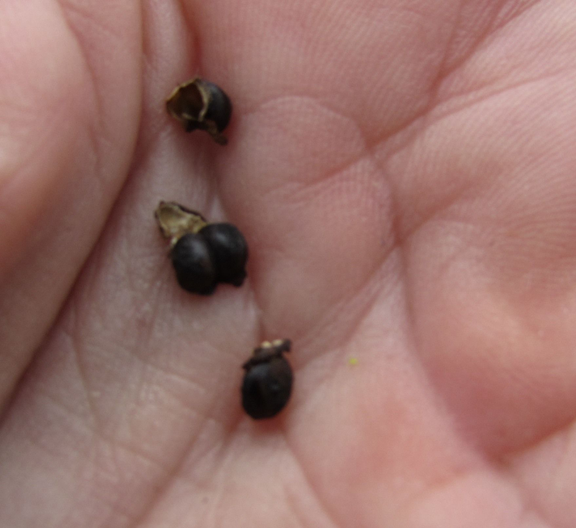
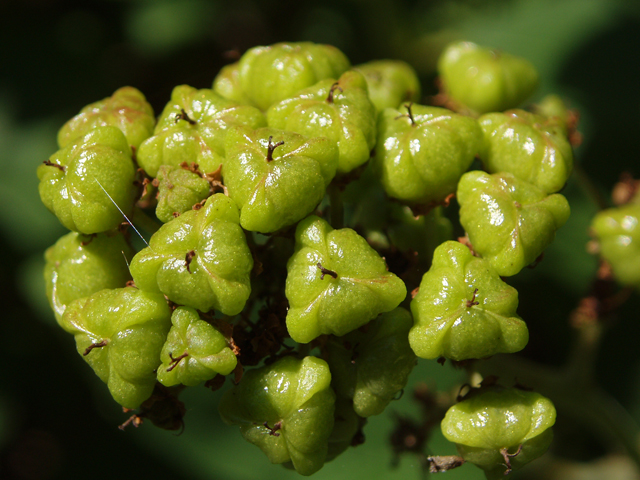
Triangular 3-sectioned capsule about ¼ inch across, each section containing 1 seed. |
| Taste |
Sweet, astringent |
| Health benefits |
Alleviate Respiratory complaints and Ease Headache |
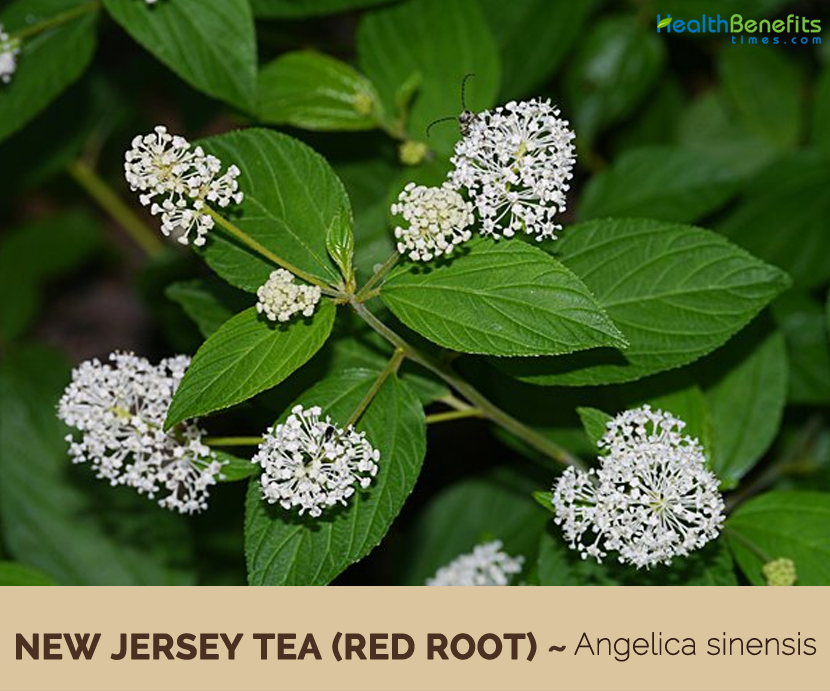
New Jersey tea (Ceanothus americanus) of the Buckthorn (Rhamnaceae) Family is a small, deciduous, thorn-free shrub native to Eastern and central North America. The plant occurs in prairies, glades, dry open woods and thickets throughout the state. Apart from New Jersey tea it is also known as Indian tea, mountain sweet, snowbrush, red-root, wild snowball, redroot, soapbloom, mountain sweet, redroot, mountain snowball, mountain-sweet, Bobea and Walpole tea. The genus name originates from a Greek word for “spiny plant” or a Latin word for “thistle”. It is usually called ‘New Jersey Tea’ in America because its leaves were used as a substitute for tea during the War of Independence. In Canada it is used to dye wool a cinnamon color. Leaves are used medicinally, but the main healing properties of this plant come from its root and it’s this part of the plant that herbalists use today.
Plant
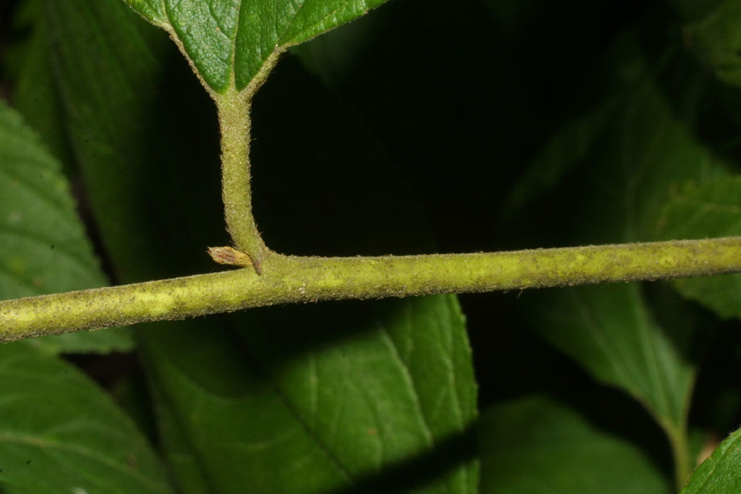
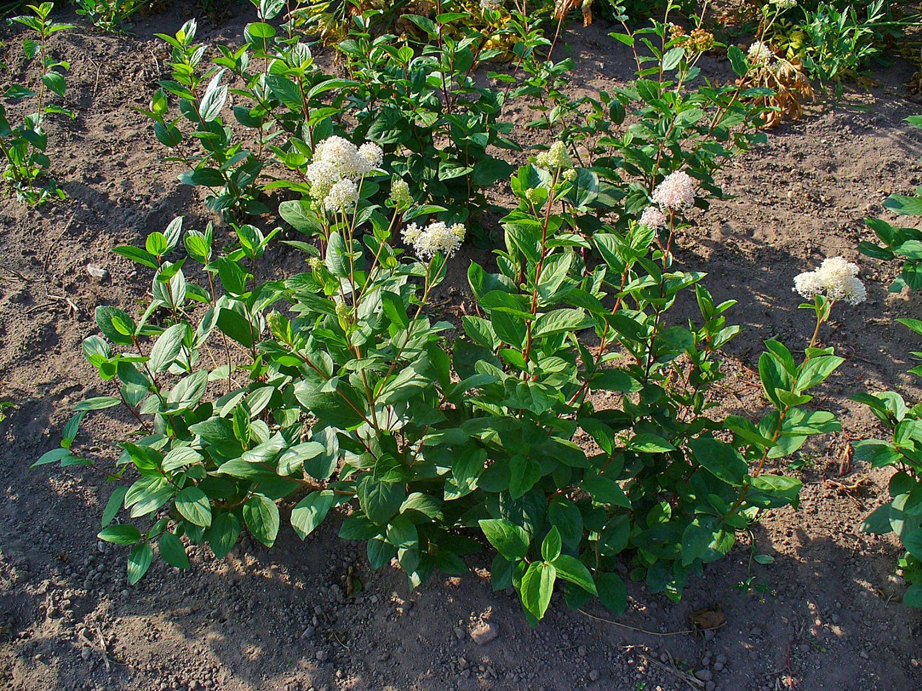
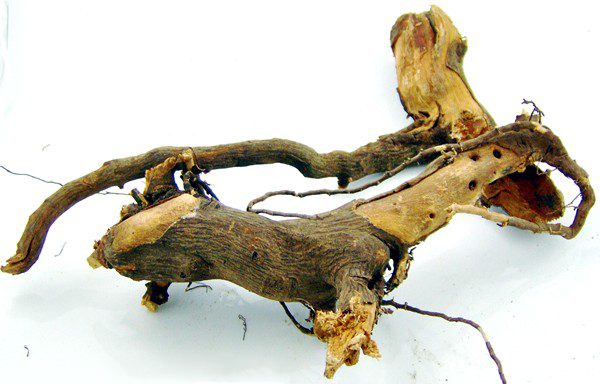
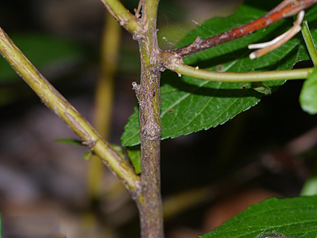
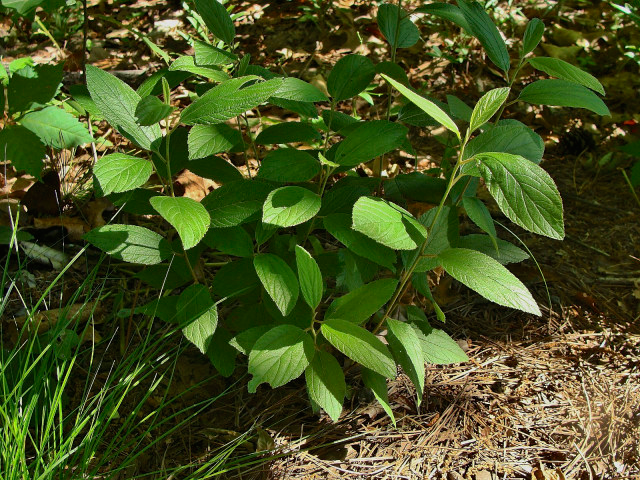
New Jersey tea is a small, low, upright, bushy, deciduous shrub that grows up to 4 feet tall and spreads 3-5 feet. The plant prefer dry open plains and prairie like areas, sandy or rocky soils in clearings at the edge of woods, riverbanks or lakeshores, woodlands, and hillsides. It grows in an average, dry to medium, well-drained soils. Roots are stout, burlish, woody and red colored that reach deep into the earth. Stem is light green to light yellow, round, slender, terete, and pubescent or hairy, becoming woody with age. Barks are normally brittle, dark-colored and thin.
Leaves
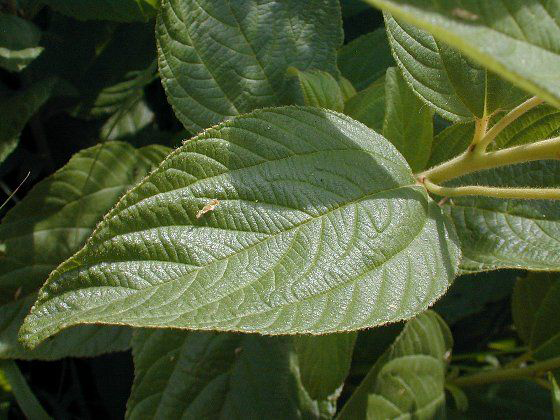
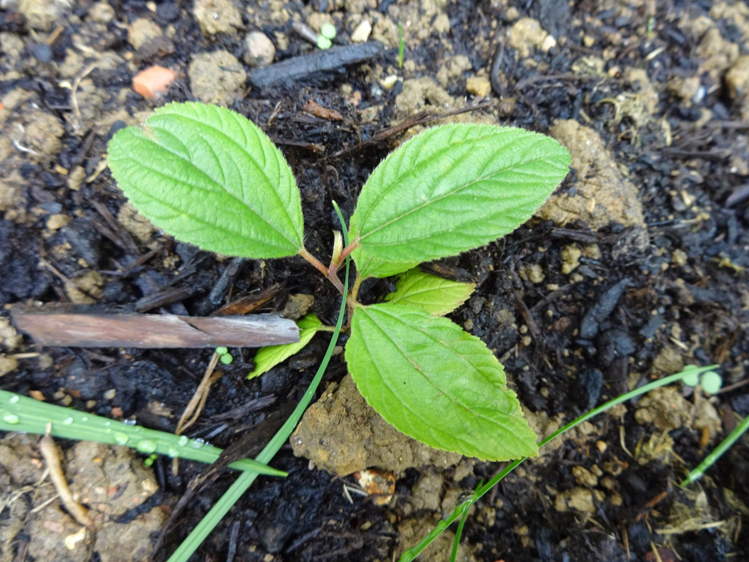
Leaves are alternate or opposite; about 3 inches long and 2 inches across; they are ovate in shape and their margins are smooth to finely serrated and slightly ciliate. The upper leaf surface is pale-medium to dark green, and smooth to somewhat rough from minute stiff hairs. The lower leaf surface is pale green and pubescent or hairy; hairs are typically more abundant along the lower sides of the veins. The central vein and two primary lateral veins are palmate, while the remaining veins are pinnate; the upper leaf surface is often wrinkled along these veins.
Flower
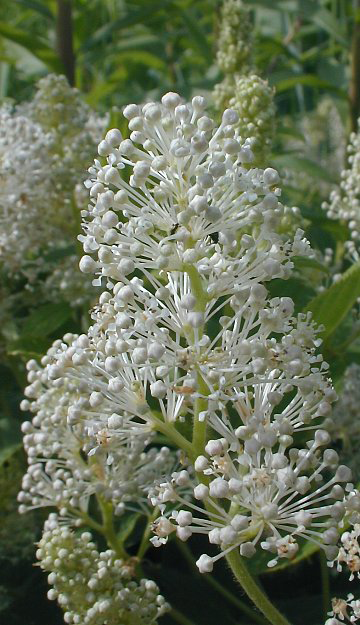
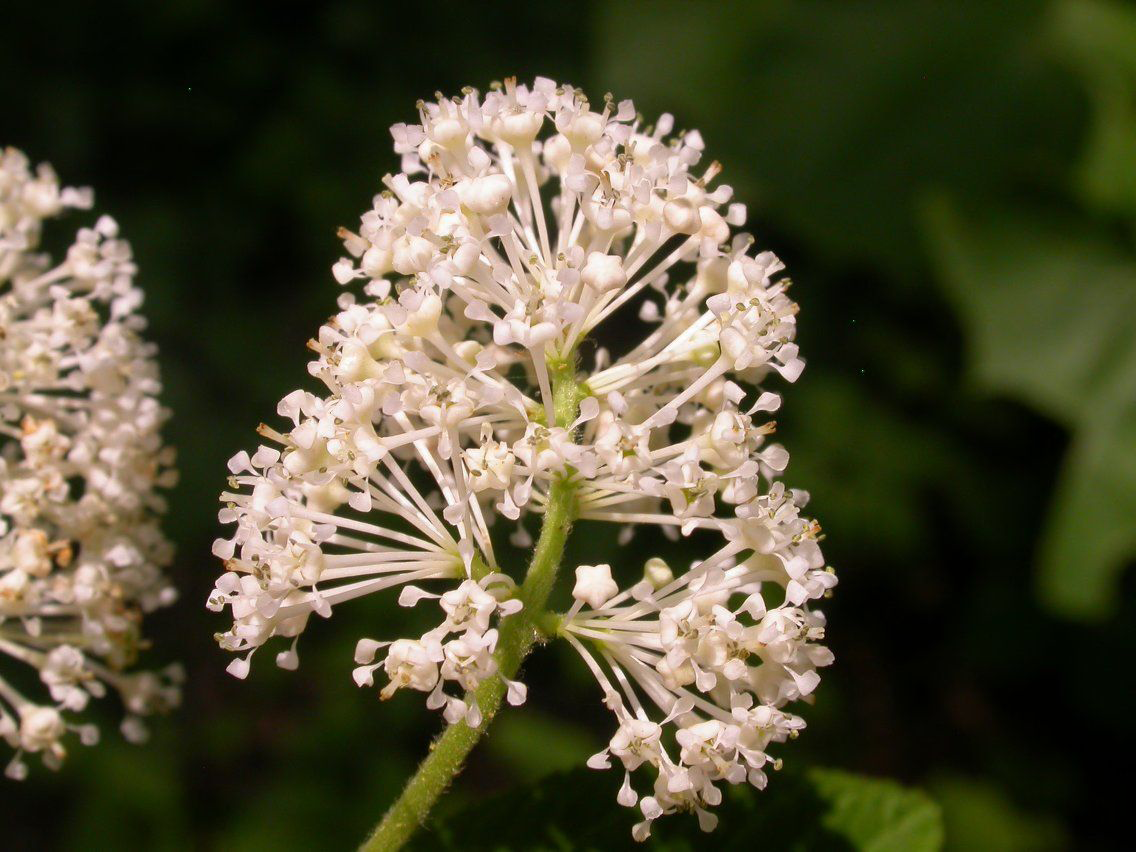
Flowers are up to ¼ inches across, consisting of 5 white sepals, 5 white petals, 5 stamens, and a pistil. The sepals are triangular-ovate and folded inward, while the petals are widely spreading. The petals have long narrow bases and widened tips; the lateral edges of these tips are folded upward.
Fruit
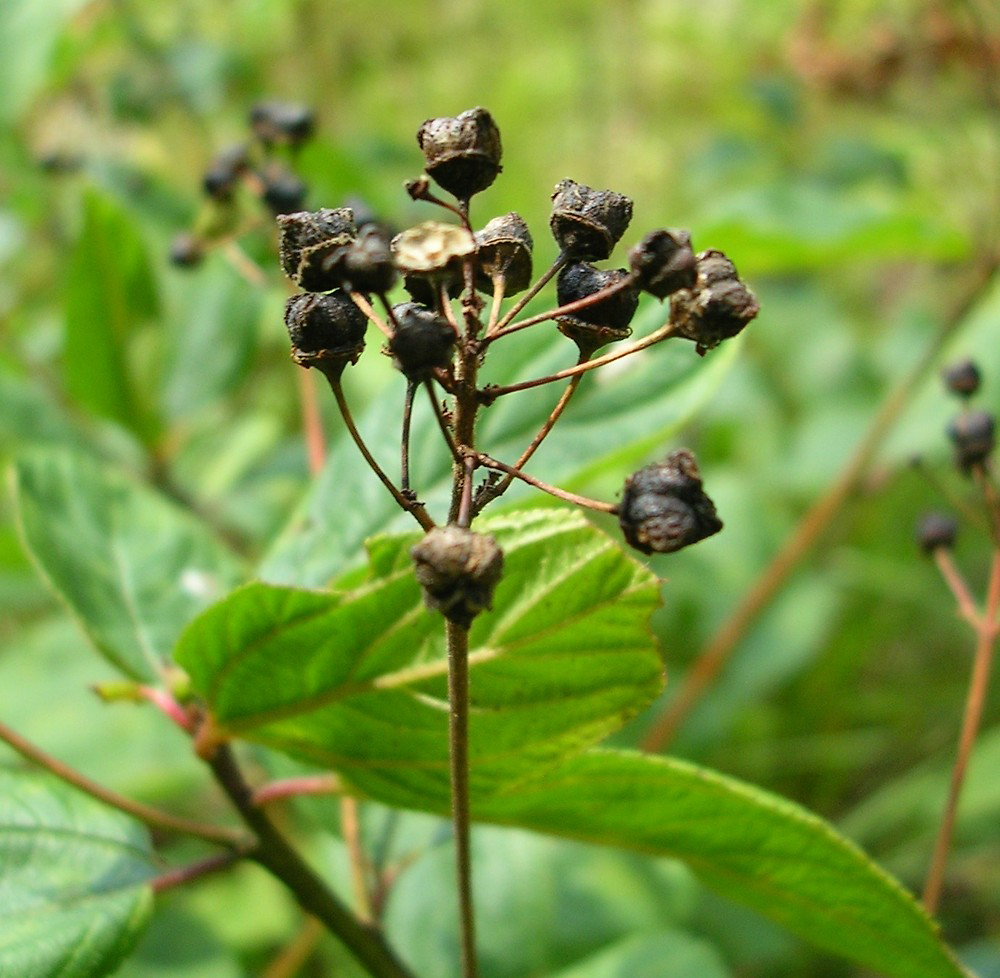
The fruit is a triangular 3-sectioned capsule about ¼ inch across, each section containing 1 seed, depressed on the top, shiny green when young ripening to a dull dark purplish black when mature. Inside each chamber is a yellowish nutlet, each nutlet producing 1 and sometimes two seeds, 2-3 mm. in length, brown to dark brown, glossy, and ovoid in shape flat on one side.
Health benefits of New Jersey Tea
Many people consider that red root is under-appreciated and underutilized as a medicinal herb. Far from just being a cheap tea, it has a variety of probable therapeutic uses which deserve to be explored further. Listed below are few of the health benefits of using New Jersey Tea
1. Alleviate Respiratory complaints
New Jersey Tea (Red Root) has strong expectorant properties and has been traditionally used by the Native Americans to cure respiratory disorders like whooping cough, asthma, cough and bronchitis. When taken as a tea Red Root helps to thins mucus that allows it to be expelled more easily from the respiratory tracts.
As an antispasmodic it can calm the muscle spasms involved in chronic coughs. While a cough is part of the body’s healing response allowing irritants and mucus to be removed from the body, it may become long-lasting and non-productive.
2. Cleanse Oily Skin and Combat Acne
Red Root is astringent and antibacterial in nature which makes it supportive to use on oily skin susceptible to spots or acne.
Brew a Red root tea and allow it to cool, then dip a cotton ball into the tea and wipe the astringent over your skin. Since you need a small amount of this astringent each day, you could brew tea to drink and then leave a small amount in the bottom of your cup to use as a skin cleanser. In this way Red Root can help to support your body on the inside and on the outside.
3. Ease Headache
Red Root has relaxant, nervine and sedative properties, which help to comfort painful headaches. Its relaxant properties helps to relieve the tension and its nervine qualities calm the nerves that are firing off pain signals. Strong dose of Red Root tincture can help you to relax and fall asleep, and sleep often offers a cure to a headache as it allows a tense body and mind to relax.
When headaches are caused due to cold or sinus infection, Red Root will offer extra help because it can relieve the congestion causing the pain and also work directly on the pain in the meantime. If you suffer from frequent headaches, a daily serving of Red Root Tea, tincture or capsules may prove very helpful in reducing the amount of headaches that you suffer from.
4. Digestive health
New Jersey Tea has a long history as a digestive aid and is used to treat several digestive disorders. Taken as a tea or a tincture it can relieve diarrhea, indigestion, irritable bowel syndrome, gas and bloating. Its antispasmodic properties allow the muscles of the digestive tract to function efficiently, and that smooth function helps to eliminate many common digestive complaints. Its astringent and antibacterial properties are helpful when facing diarrhea.
5. Treat a Sore Throat
New Jersey Tea helps to combat the bacteria that are responsible for a sore throat or tonsillitis and helps to reduce the painful inflammation present.
In addition to drinking several cups of tea each day or using the tincture or capsules for overall immune system support, you may also gargle with New Jersey Tea to put its healing properties directly in contact with the area that needs to be healed.
Gargle can be made with cooled tea, or with a tablespoon of decoction added to a small glass of water. Strong tincture dilution would be effective remedy for a sore throat. Gargle several times a day until the infection has cleared.
6. Provides Lymphatic System Support
Red Root is essential to support the spleen and the rest of the lymphatic system. The lymphatic system is a major part of the immune system and its smooth functioning is important to good health and to guarantee fast recovery from infections.
Lymph nodes store infection killing white blood cells and route them to where they are required. If the lymphatic system is slow or inflamed these white blood cells can’t do their job correctly.
When you are sick, you will be confronted with swollen lymph nodes which are tender and painful. This accumulation of lymph fluid is a sign that your lymph system is under pressure and could use some support. But the best thing to do is to take an active approach and support your lymphatic system every day, before illness manifests.
7. Beneficial for Skin
As we have mentioned before New Jersey Tea has astringent properties and can be applied topically to help treat a variety of skin complaints like acne, blemishes and signs of aging. Red root can also be used to heal skin lesions and minor wounds because of its antibacterial ability.
8. Potential Antibacterial property
Many homeopathic practitioners believe that red root has antibacterial abilities. This claim relates to its organic compound content including high concentrations of tannins, lignins and ceanithene which are supposed to be antibacterial phytochemicals.
These phytochemicals are supposed to have been observed effectively treating sexually transmitted disease like syphilis. It can also be used as an effective mouth wash to treat a number of oral complaints such as canker sores, gum disease and tooth decay.
9. Use as a Mouthwash
Because of its astringent properties it can be used as an effective mouthwash to combat the bacteria present in gingivitis. Red Root can be helpful from the first stages of gum bleeding that appear while brushing the teeth, to the later stages involving deep pockets and tooth loss. Research approves this herbal medicines ability to combat the microbes involved in gingivitis.
10. Stop Nosebleeds
New Jersey Tea is a traditional cure to stop nosebleeds. Its astringent properties constrict the broken capillary and slow down bleeding which allows the blood to clot and seal the break.
You can use an astringent in a couple of ways to deal with a nosebleed. Soak a cotton ball in the astringent liquid – cooled tea, decoction or tincture – and gently push the saturated cotton ball into the nasal cavity. Don’t push the cotton ball too far in.
The other way to apply Red Root, or any other herbal astringent powder, is to take a small pinch of very fine powder and inhale it into the nose a little way. You aren’t trying to snort it, so don’t use a strong inhalation, you only want to draw the powder into the nasal passage.
11. General Detoxification Purposes
You can use Red Root as a regular detoxification aid. Modern lifestyles and diets expose us to many pollutants and chemicals that have an adverse effect on the body. The lymphatic system can become overloaded trying to remove these elements from the body, so supporting this system is crucial. When the lymphatic system is struggling to function well, you are more prone to succumb to infections.
Another important organ that is essential for detoxification is the liver, and Red Root is able to support the healthy functioning of the liver. Use Red Root Tea for a mild detox and use the decoction or tincture when you need more help.
12. Shrink Hemorrhoids
Herbs with astringent properties are an effective treatment for hemorrhoids. As we have mentioned before red root has astringent properties. Thus Red Root can be used to calm and heal both internal and external hemorrhoids.
Drink Red Root tea each day or use the decoction, tincture or capsules, for internal healing, and use the cooled tea to apply to external hemorrhoids several times a day, to stop bleeding and reduce pain and swelling. Just soak a cotton ball in the astringent liquid and gently press against the hemorrhoids.
Ayurvedic Health benefits of New Jersey Tea
- Tonsillitis: Boil the redroot bark in some water for 15 minutes. Gargle with this water at least twice a day.
- Skin Diseases: Tea made from the whole plant of redroot is good for almost all kinds of Skin diseases.
Traditional and Medicinal Uses of New Jersey Tea
- The roots and root bark of New Jersey tea was used extensively by the North American Indians to treat fevers and problems of the mucous membranes such as catarrh and sore throats.
- Roots and root-bark are antispasmodic, anti-syphilitic, strongly astringent, expectorant, haemostatic and sedative.
- Roots are used in the treatment of complaints such as asthma, bronchitis and coughs.
- They have a stimulatory effect on the lymphatic system, whilst an alkaloid in the roots is mildly hypotensive.
- Plant is used internally in the treatment of bronchial complaints including asthma and whooping cough, dysentery, sore throats, tonsillitis, hemorrhoids etc.
- Decoction of the bark is used as a skin wash for cancer and venereal sores.
- Powdered bark has been used to dust the sores.
- Roots and root bark of New Jersey tea were commonly used by North American Indians for infections of the upper respiratory tract.
- Roots have been used medicinally as a blood thinner.
- Native Americans used root tea for colds, fevers, snakebites, stomachaches, lung ailments, laxative, and blood tonics.
- Root bark tea has been suggested for various chest problems, including chronic bronchitis, nervous asthma, whooping cough, despondency and melancholy, lymphatic congestion, and consumption.
- It can be used as a gargle for inflammation of the throat, fever, and irritations of the mouth, particularly tonsillitis.
- Native Americans used a tea made from the whole plant for skin problems, skin cancer, and venereal sores.
- Good for dysentery, piles, is effective in syphilis and gonorrhea.
- Combined with fringe tree and goldenseal, it is good for sick headache, acute indigestion, and nausea due to poor activity of the liver.
- Choctaws in Louisiana made an extract taken to treat lung hemorrhages.
- Cherokee used a lotion made from the root to treat skin cancer.
- Seminole used redroot as a hallucinogen to influence speech and awareness.
- Root has a long history of effectiveness against stubborn or fetid ulcerations of the skin and mucous membranes, strep throat, general throat, and upper respiratory infections, bronchitis, asthma, coughs, malaria and diphtheria, as well as diarrhea and dysentery.
- It is also considered to be a mild sedative and is used to lower blood pressure.
- Syrup made from the leaves and flowers was used to treat sore throats, even to the extent of ulcerated sore throats.
Culinary Uses
- A refreshing and stimulating tea is made from the dried leaves.
Formulas or Dosages
Use dried bark from the roots. Dried leaves are used to make tea.
Infusion: Steep 1 tsp. root-bark in 1 cup water. Take 1 to 2 cups a day.
Decoction: Take 1/2 tsp. powdered herb in 1 cup cold water; take 1 hour before each meal and before going to bed.
If capsules are used, take one No. 00 capsule before meals and at bedtime.
Tincture: take 10 to 20 drops in water, 3-4 times a day.
Other Facts
- Green dye is obtained from the flowers.
- Cinnamon-colored dye is obtained from the whole plant.
- Red dye is obtained from the root.
- Flowers are rich in saponins, when crushed and mixed with water they produce an excellent lather which is an effective and gentle soap.
- They can be used as a body wash (simply rub the wet blossoms over the body) or to clean clothes.
- Flowers are used by the North American Indians as a body wash, especially by the women in preparation for marriage, and they leave the skin smelling fragrantly of the flowers.
- Roots have been used to make soap and shampoo.
Precautions
- Avoid during Pregnancy and breastfeeding.
- High doses may cause Arrhythmia, insomnia and dizziness.
- Red root might have coagulant properties so it should not be consumed if you are taking any form of blood thinning medication.
- Red root might also prevent iron absorption so those dependent on iron supplements should avoid taking it.
References:
http://www.gbif.org/species/3039318/synonyms?&offset=0
https://www.itis.gov/servlet/SingleRpt/SingleRpt?search_topic=TSN&search_value=28454#null
http://davesgarden.com/guides/pf/go/56494/
https://npgsweb.ars-grin.gov/gringlobal/taxonomydetail.aspx?id=9642
http://pfaf.org/User/Plant.aspx?LatinName=Ceanothus+americanus
http://www.missouribotanicalgarden.org/PlantFinder/PlantFinderDetails.aspx?kempercode=g820
http://www.botanical.com/botanical/mgmh/r/redrot09.html
https://plants.usda.gov/core/profile?symbol=CEAM
http://www.illinoiswildflowers.info/prairie/plantx/nj_teax.htm
https://en.wikipedia.org/wiki/Ceanothus_americanus
http://dendro.cnre.vt.edu/dendrology/syllabus/factsheet.cfm?ID=156
http://medicinalherbinfo.org/herbs/NewJerseyTea.html
https://healthyfocus.org/6-red-root-benefits/
https://arboretum.wisc.edu/content/uploads/2015/03/PI_New-Jersey-tea.pdf
Comments
comments