


Undergoing a surgical procedure puts a lot of stress on the body. Fortunately, there are many things one can do to prepare for the recovery period; nutrition and rest play integral roles in the healing process.
When someone goes in for aesthetic surgery, there’s the extra challenge of healing exposed skin while avoiding irritation. Here are some of the top herbal mixtures recommended to help your skin recover.
Arnica Montana
Arnica montana is commonly recommended to help offset bleeding and bruising after a surgical procedure. Renowned plastic surgeon Dr. Kopelman recommends this supplement before undergoing an upper eyelid cosmetic blepharoplasty as a part of the recovery and healing process.
Taking arnica montana supplements will help prepare the skin and minimize the visible effects of the procedure. Beyond the cosmetic benefits, the reduced swelling will help minimize the pain and help with visibility.
Rosemary
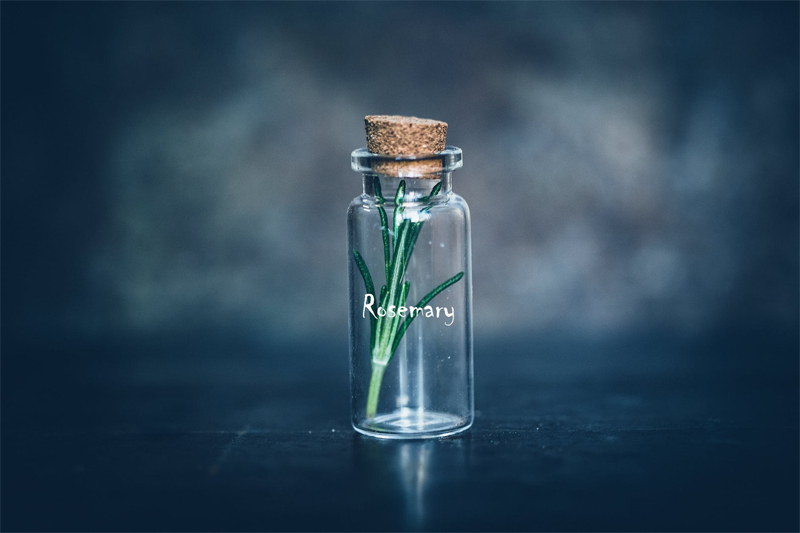 Rosemary is a herb commonly used for its culinary properties. Fortunately, this improved accessibility makes it easy to incorporate into one’s diet leading to surgery. Rosemary is full of antioxidants and has anti-inflammatory properties, making it ideal for promoting healing from aesthetic surgery.
Initial studies using rosemary oil to treat surgical sites have been promising. One such study showed that applying rosemary oil to the surgical site helped reduce infection rates and improve the recovery rate compared to the control group treated with a saline solution. As a result of these findings, many plastic surgeons recommend rosemary oil.
Curcumin
Curcumin is the property found in turmeric that gives it the iconic golden color and earthy flavor. Studies have shown that curcumin can help naturally reduce pain and enhance recovery after surgery. Additionally, it’s believed that curcumin has an anti-inflammatory effect that can help reduce swelling.
The benefits of both turmeric and circumin are similar, leading many people wondering whether their focus should be the broader benefits of turmeric or the more targeted benefits of curcumin. As turmeric contains curcumin, it can be difficult to differentiate what components are having a positive effect.
Turmeric seems to have a better impact when used to treat cardiovascular diseases and neuromuscular disorders. Conversely, curcumin alone seems to have stronger antibacterial and anti-inflammatory effects. As such, there’s a good case for focusing on increasing your curcumin intake.
Whichever you choose with the advice of your surgeon, you can naturally incorporate curcumin into your diet with turmeric or take supplements.
Bromelain
If you’re a plant-lover, bromelain might sound familiar to you. This extract comes from plants related to bromeliads— most notably, pineapples. Bromelain is an enzyme derived from the stem of a pineapple that has long been used internally and topically to combat inflammation.
One evaluation in surgical groups noted a 17% decrease in recovery time among the group taking bromelain compared to the placebo group. The study also reported a significant reduction in inflammation post-surgery.
However, bromelain is not right for everyone. While this particular study didn’t outline any bleeding issues, certain individuals have experienced difficulty with clotting in the past. If you’re on blood thinners, has a bleeding disorder, or liver disease, you should avoid taking bromelain. Many surgeons recommend stopping bromelain supplementation in the two weeks leading to surgery as well.
Grape Seed Extract
As the name implies, grape seed extract is an essence derived from grape seeds. With the many notable benefits of eating grapes, it should come as no surprise that the seed extract also has potential medical benefits.
Grape seed extract is rich in antioxidants that combat high blood pressure and cardiovascular disease. Taking grape seed extract supplements can also have a positive impact on calcium absorption in the body. This consideration is significant for older individuals who supplement with calcium to prevent bone loss.
Finally, this wunderkind also has notable impacts on wound healing when used topically. Studies show that the proanthocyanidins in grape seed extract help promote wound closure and improved cellular structure in the recovery site. Its anti-inflammatory and anti-microbial properties also help prevent pain and infection.
Neem Extract
Neem oil is extracted from India’s neem trees and is one of the preferred extracts in Ayurvedic medicine. Full of fatty acids, antioxidants and featuring anti-inflammatory and anti-microbial properties, it’s no wonder that neem is often used in skincare.
The topical application of neem extract can improve skin health and promote healing. This herbal remedy is a great option for preparing your skin for surgery and promoting healing after the fact. Talk to your surgeon about using neem to support your aesthetic surgery.
Natural Skin-Soothing Mixes
It’s important to follow the post-op recovery guidelines provided by your surgeon, applying antibiotic cream as directed. After the initial recovery phase has passed, you can enhance your results with natural topical applications.
When mixing your herbal tinctures, blend the herbs with a soothing carrier. Aloe is renowned for its healing properties, making it the perfect base for herbal application. Mixing colloidal oatmeal is another soothing natural option to benefit your skin.
To combine your efforts, you can also make blends with neem oil and grape seed extract for a powerful salve to improve the impacts of your aesthetic surgery.
What to Avoid
The most important consideration when using herbs to prepare or heal your skin for aesthetic surgery is to listen to your doctor. Many beneficial herbs can interfere with blood clotting and cause harm to your body. Talk to your surgeon about what herbs you’re currently taking and if there are any herbs you should avoid for the time being.
Most notably, echinacea and chamomile are soothing herbs that promote healing but are often on the list of supplements to avoid before and after an operation.
It’s also integral to avoid “hot” herbs that could irritate the skin. For example, drinking peppermint tea can be soothing, but applying peppermint oil to your sensitive skin can cause damage.
When in doubt, ask your surgeon the best course of action to recover from your aesthetic surgery. When asked what medication or supplements you’re taking, include everything— even if it’s natural or seems harmless to you.