

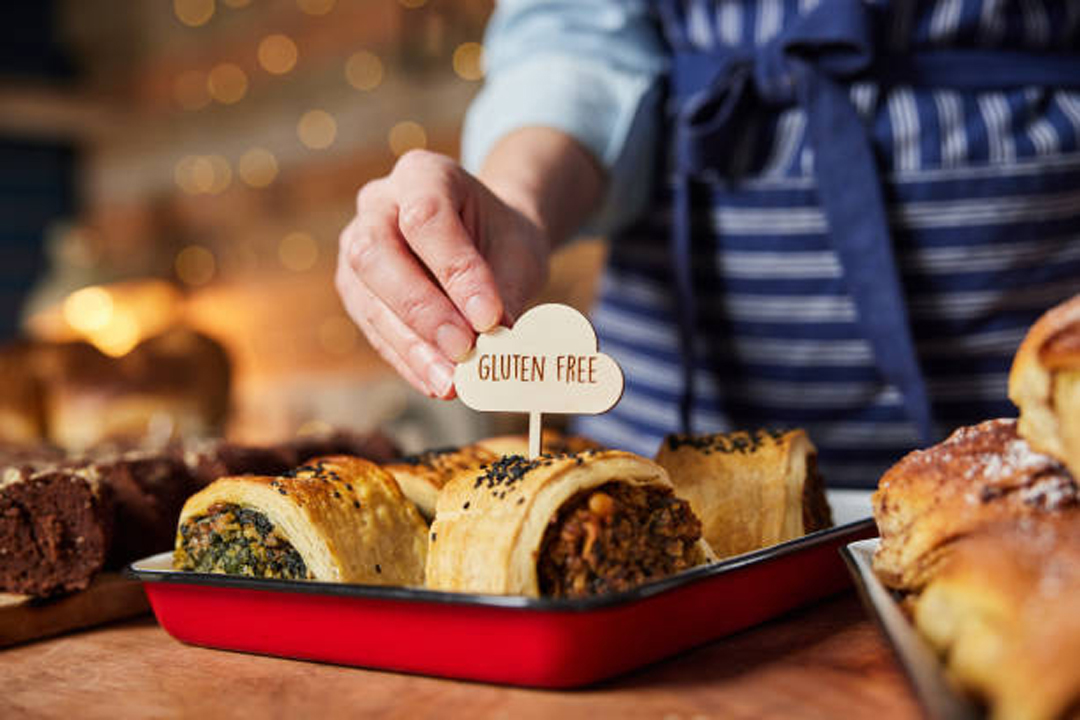
Many people choose a gluten-free diet as part of a fad. For other people switching to gluten-free food options is a result of recent health concerns. Whatever the reason, making the change after years of eating all types of food can be challenging.
As you embark on your gluten-free journey, many experts recommend using a gluten-free meal delivery service. Not only is this an excellent way to get nutritious food options, but it’s also a simple way to avoid eating unappetizing meals in the early days. This post takes a look at six reasons why a gluten-free meal plan doesn’t have to be boring.
1. Design an Inclusive Food Plan
When you start reading food labels to establish what you can and can’t eat, you might be left thinking there’s nothing appetizing to eat. In fact, you might even find that “all the good stuff” contains gluten. Essentially, that merely depends on your definition of “the good stuff.”
To have an effective gluten-free meal plan requires some research beforehand. Design a weekly or monthly menu with gluten-free substitutes for your current favorites. Having a pre-determined meal plan will make it easier to find tasty alternatives to what you’d normally add.
A few suggestions include the following:
- Make salad dressings with three parts oil (such as canola, olive, or coconut), one part acid (lemon juice or sherry vinegar), and chopped fresh herbs such as cilantro or tarragon, minimal salt, and pepper
- Sauces can be thickened using cornstarch rather than flour
- Use pureed vegetables to create tasty, creamy soups
- Opt for fresh salads with salmon or chicken strips
- Include smoothies in your breakfast plans
2. Look for Naturally Gluten-Free Dishes
Taking the time to design a month’s worth of dishes to provide yourself with a wide selection. It’s also a good idea to create meals around natural options of what you can eat. Additionally, look for gluten-free ingredients to make the tasty dishes you’ve always enjoyed. Knowing what essential ingredients have gluten-free substitutes will make meal planning much easier.
Gluten-free recipes have come a long way in recent years. For instance, gluten-free flour has made it possible to enjoy cake, biscuits, and even bread. Additionally, if you want to cut out flour completely, opt for flourless recipes. You can even get a gluten-free beer with decent flavors.
3. Create Dishes With Different Textures and Colors
One of the reasons that gluten-free food might seem unappealing is that it lacks color or texture. To keep your meals appealing, consider the following:
- Use fresh vegetable slices such as carrot and cucumber for color
- Crackers made from gluten-free flour are perfect for creating a texture for soups, sauces, and snacks
- Opt for salads that include nuts, lettuce, and proteins that not only look appetizing but are nutritious as well
- Create breakfast, snack, lunch, and dinner options that incorporate color and texture to look appealing
4. Opt for Whole, Unprocessed Foods
Many processed foods contain gluten. If your diet was originally full of processed foods, it can be quite a challenge to find replacement ingredients. Health experts suggest that you spend less time finding gluten-free alternatives to traditional ingredients and rather focus your energy on creating new, more nutritious meals.
For instance, opt for buckwheat instead of oats both as a breakfast or as an ingredient in recipes. Ditch the spaghetti and macaroni and rather opt for spaghetti squash, also called vegetable squash. A wonderful advantage of spaghetti squash is that you can find it in various colors, which can brighten up an otherwise dull dish.
5. Add More Fruit and Veggies
Since fruits and vegetables are gluten-free, one of the easiest ways to ensure you still receive the required nutrients with each meal is to add vegetables and fruits. Breakfasts and snacks can easily be enhanced with a few slices of fresh fruit. With the wide variety of fruits, breakfast need never be boring.
Adding veggies to salads and dinners, in general, will easily fill your plate, and with the range of colors and flavors available, you’ll soon forget the favorites you’ve given up. More good news is that it’s easy to find a huge variety of ways to prepare vegetables to make them appetizing for people who may not always have enjoyed them.
6. Consider a Specialized Meal Delivery Service
There’s a reason why gluten-free meal delivery services are so popular. For starters, it’s fresh, healthy food delivered right to your door. Secondly, the meals are never boring. In fact, you might see food combinations that you wouldn’t have thought of on your own.
Additionally, ordering food from a gluten-free menu means that your food has been expertly prepared by chefs who know what ingredients to use. You can enjoy your meal with the peace of mind that it has been prepared in the healthiest way possible.
Final Thoughts
Switching to a gluten-free meal plan doesn’t have to leave you staring at unappetizing meals. By considering our simple tips, you can focus on enjoying meals that are not only healthy but super appetizing as well!