

| Todok Quick Facts | |
|---|---|
| Name: | Todok |
| Scientific Name: | Codonopsis lanceolata |
| Origin | Northeast China (Anhui, Fujian, Hebei, Henan, Hubei, Hunan, Jiangsu, Shandong, Shanxi, Zhejiang), Eastern Russia, Korea and Japan |
| Colors | Brown |
| Shapes | Cone-shaped capsule that is hemispherical at base. It is 1.6-3.5 cm in diameter with numerous seeds |
| Health benefits | Support for edema, lung abscess, malignant tumor, peptic ulcer, kidney stones, asthma, convulsions, chillness and fever, tonsillitis, pharyngitis, cough, rheumatism, menstrual disturbance and bruises |
| Name | Todok |
|---|---|
| Scientific Name | Codonopsis lanceolata |
| Native | Northeast China (Anhui, Fujian, Hebei, Henan, Hubei, Hunan, Jiangsu, Shandong, Shanxi, Zhejiang), Eastern Russia, Korea and Japan |
| Common Names | Bonnet Bell Flower, Lance Asia Bell, Todok, deodeok |
| Name in Other Languages | Azerbaijani: Nəştərvari kodonopsis Chinese : Shen hai lou, Yang Ru (羊乳) English: Bonnet bellflower, deodeok, lance asiabell Estonian : Süstjas väänkellukas French: Codonopsis, dang shen German: Kletternde Tigerglocke Japanese : Tsuru-ninjin (ツルニンジン) Korean : Deodeok (더덕) Russian: Kodonopsis lantsetnyy (кодонопсис ланцетный) Swedish : Prickig porslinsklocka |
| Plant Growth Habit | Dicotyledonous perennial, herbaceous, twining vine |
| Growing Climates | Thin thickets on hill and mountain slopes, forest margins, shrub lands, broad-leaved forests, subalpine or mountain forest, moist places in woods in low mountains and hills, edges of moist forests |
| Soil | Well-drained sandy to loamy, acid to near neutral soils (pH 4.8–6.4) in full sun or partial shade but is frost intolerant |
| Plant Size | Up to 1.5–2 m in length |
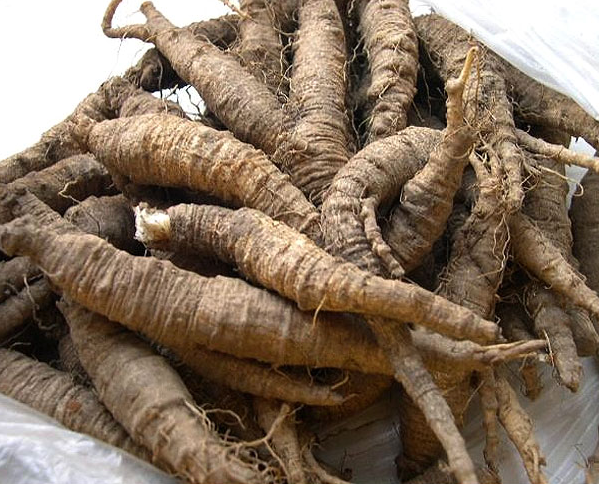
| Root | Tap root thickened, fusiform, 10–20 cm long, 1–4 cm in diameter |
| Stem | Branched stems are 100 cm or longer, yellow-green but with purplish shade, scrambling over the ground and twining into the surrounding vegetation for support |
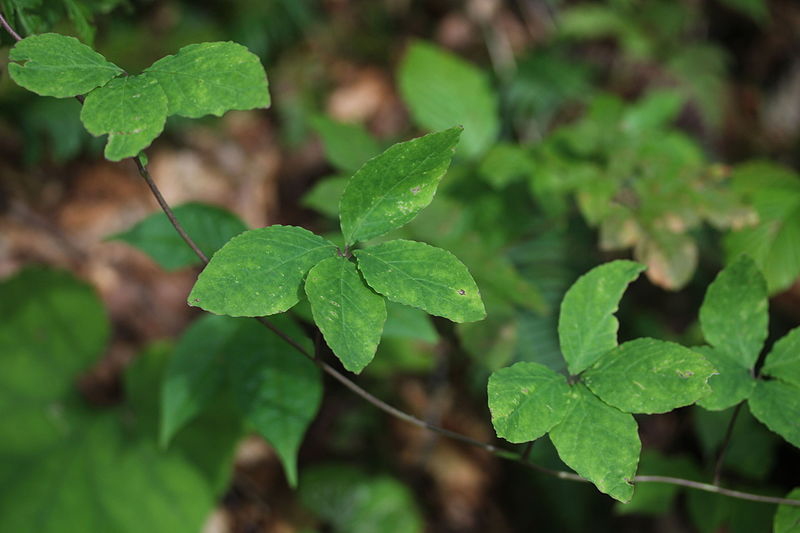
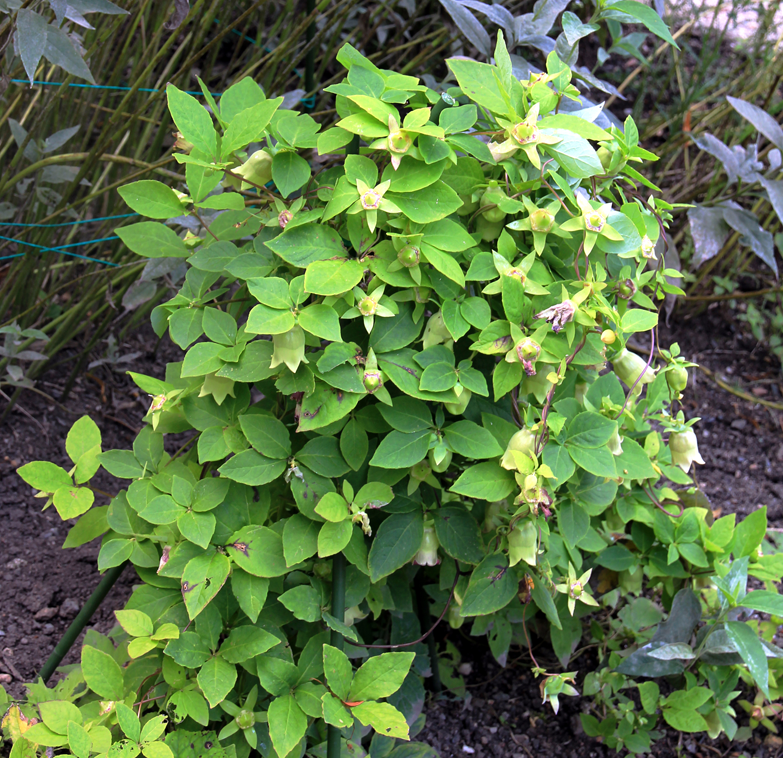
| Leaf | Small, alternate on the long main stem, two to four opposite or in a whorl towards the apex of branches. Leaf lamina is rhombic-ovate or narrowly ovate to elliptic, 3–10 cm long and 1.3–4.5 cm wide, apex acute or obtuse, base cuneate, entire or very remotely serrate; petiole 1–5 mm long |
| Flowering season | August to September |
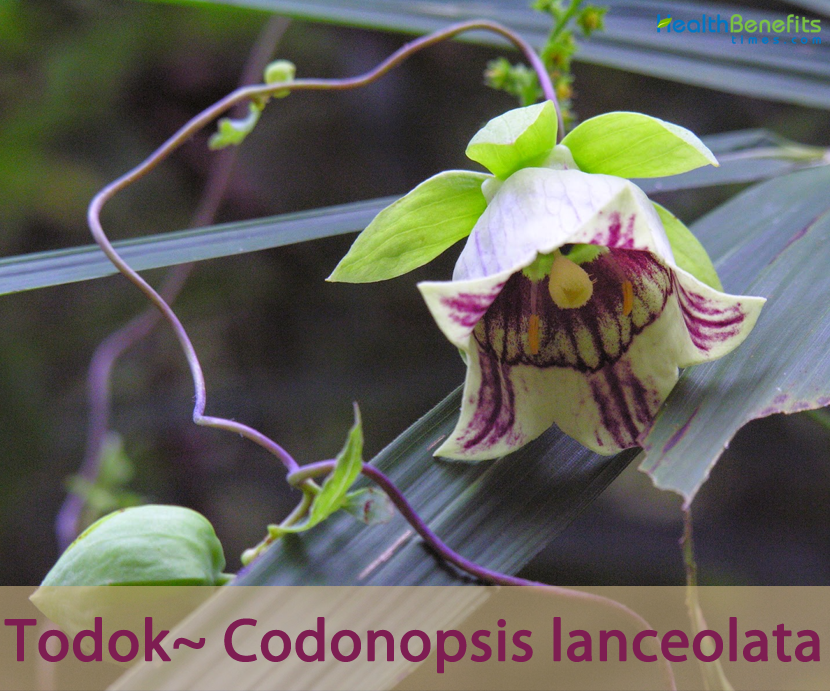
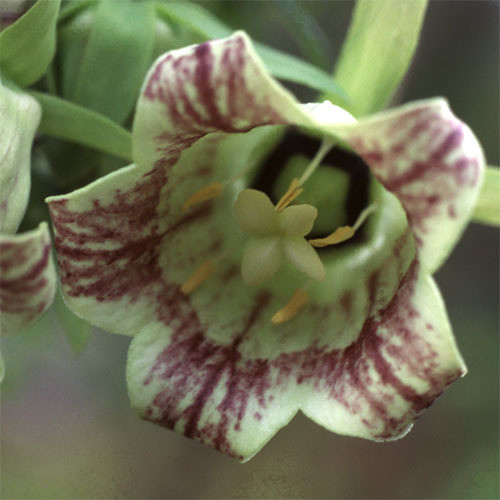
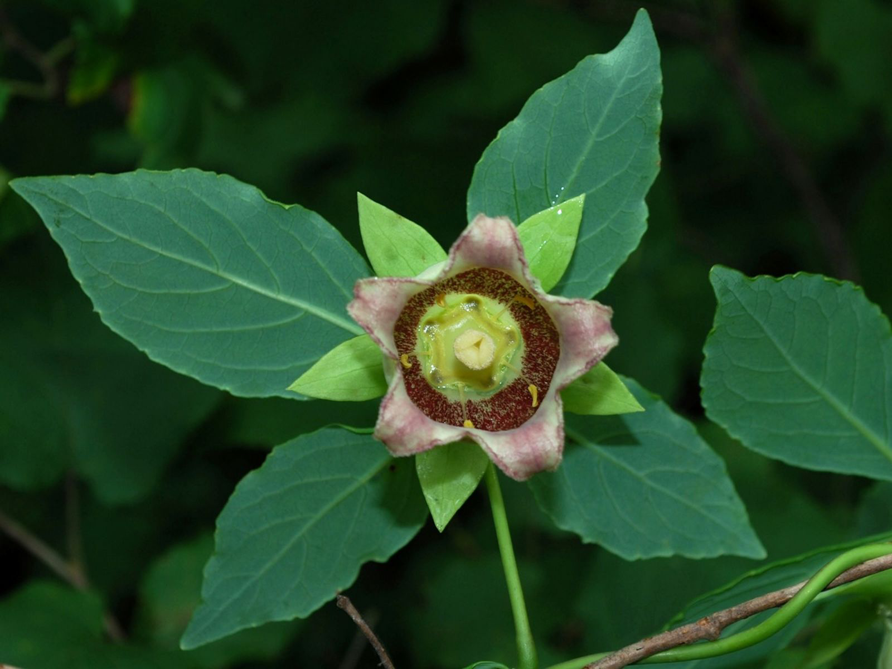
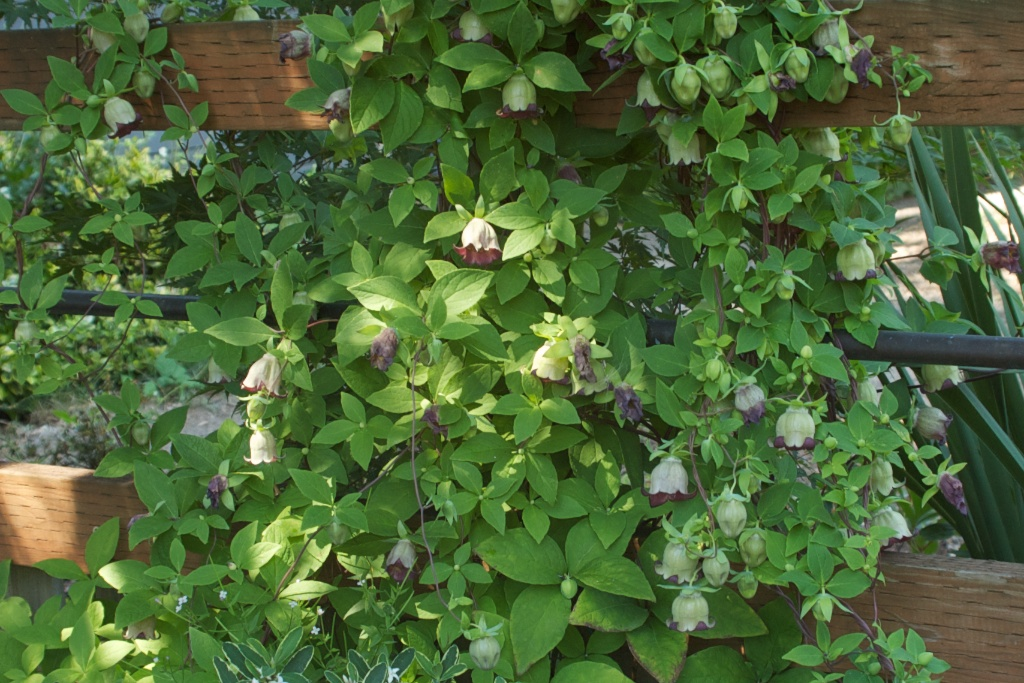
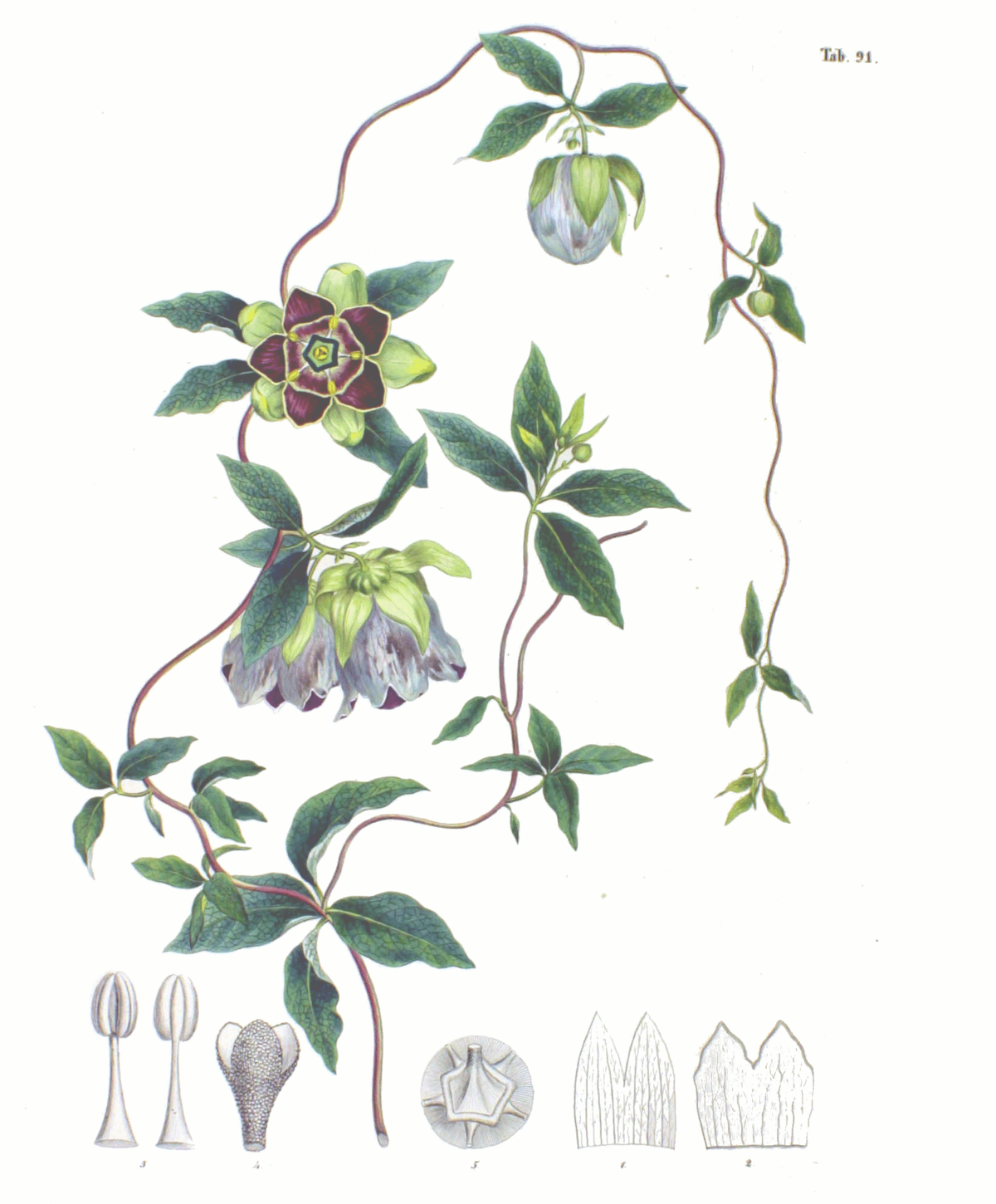
| Flower | Solitary or in pairs, terminal on branches. Pedicels are 1–9 cm long. Calyx tube is about 1 mm long, adnate to middle of ovary, with five ovate–triangular lobes, 1.3–3 cm long. The corolla is broadly campanulate (bell shaped), 2–4 cm long and 2–3.5 in diameter, five deltoid lobes, greenish yellow outside, dark purple patches or stripes inside |
| Fruit Shape & Size | Cone-shaped capsule that is hemispherical at base. It is 1.6-3.5 cm in diameter with numerous seeds |
| Fruit Color | Brown |
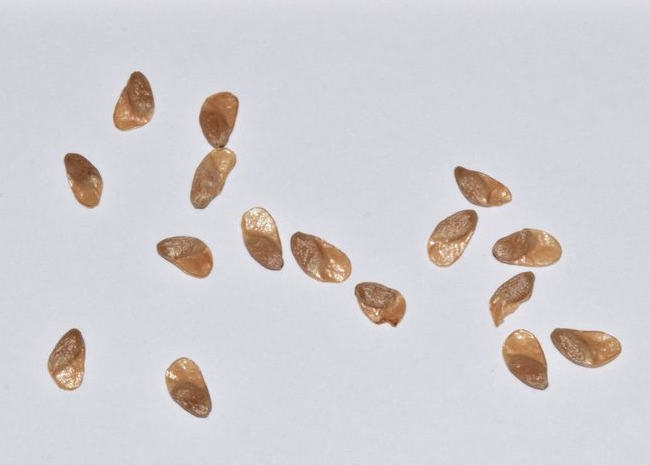
| Seed | Seeds are winged, brown and oblong or ellipsoid shaped |
| Propagation | By seed |
| Season | September to October |
| Other Facts |
|
Plant Description
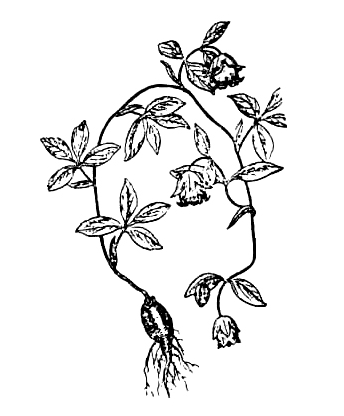
Todok is a dicotyledonous perennial, herbaceous, twining vine growing from thickened, spindle-shaped roots. It is a hairless vine or occasionally sparsely hairy on stems and leaves. Roots are usually fusiform-thickened, 10-20 cm long and 1-6 cm wide. The plant normally grows up to 1.5–2 m tall and dies back to the ground each winter. The branched stems are 100 cm or longer, yellow-green but with purplish shade, scrambling over the ground and twining into the surrounding vegetation for support. The plant is found growing in thin thickets on hill and mountain slopes, forest margins, shrub lands, broad-leaved forests, subalpine or mountain forest, moist places in woods in low mountains and hills, edges of moist forests. The plant is found growing in well-drained sandy to loamy, acid to near neutral soils (pH 4.8–6.4) in full sun or partial shade but is frost intolerant.
Leaves
Leaves are small, alternate on the long main stem, two to four opposite or in a whorl towards the apex of branches. Leaf lamina is rhombic-ovate or narrowly ovate to elliptic, 3–10 cm long and 1.3–4.5 cm wide, apex acute or obtuse, base cuneate, entire or very remotely serrate; petiole 1–5 mm long. Usually leaves are 2-4-fascicled on top of branchlets, sub-opposite or verticillate. Leaves are green on the upper surface and whitish on the lower surface.
Flowers
Flowers are solitary or in pairs, terminal on branches. Pedicels are 1–9 cm long. Calyx tube is about 1 mm long, adnate to middle of ovary, with five ovate–triangular lobes, 1.3–3 cm long. The corolla is broadly campanulate (bell shaped), 2–4 cm long and 2–3.5 in diameter, five deltoid lobes, greenish yellow outside, dark purple patches or stripes inside. Stamens 5; ovary is half-inferior. Flowering normally takes place in between August to September. The flowers are hermaphroditic and are pollinated by bees and wasps.

Fruits
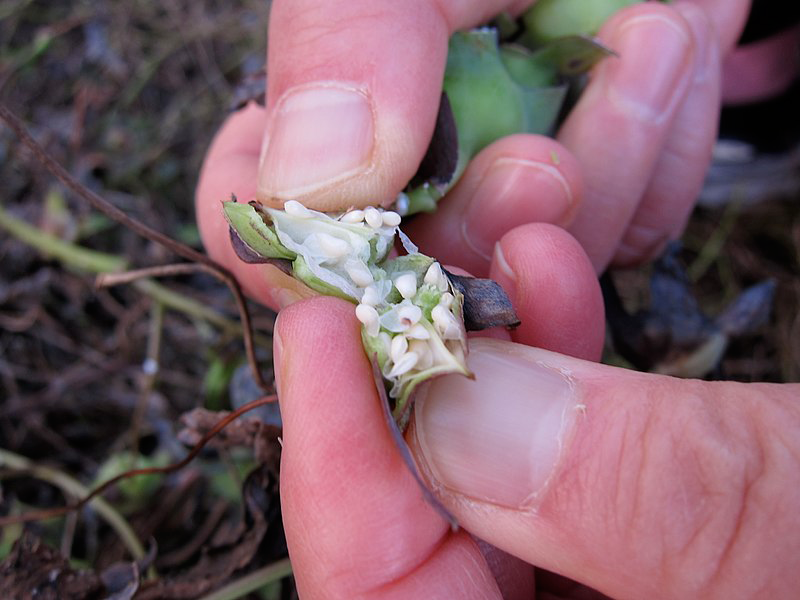
Fertile flowers are followed by cone-shaped capsule that is hemispherical at base. It is 1.6-3.5 cm in diameter with numerous seeds. Seeds are winged, brown and oblong or ellipsoid shaped. The seeds ripen from September to October.
Traditional uses and benefits of Todok
- The roots of Todok have been used in traditional medicines as an anti-inflammatory agent and for bronchitis and for cough.
- It has been used as a traditional qi tonic herb to aid those who are weakened by blood loss or other Injury in Korea.
- It has been traditionally used to treat lung inflammatory diseases, such as asthma, tonsillitis and pharyngitis in Korea.
- Roots are used for coughs, fevers, furuncles, bronchitis, leucorrhoea, and lymph tuberculosis, detoxification, and as expectorant, tonic and for milk reduction in Korea.
- The plant has long been used as traditional folk medicine in Korea, Japan and China for the treatment of lung inflammatory diseases.
- lanceolata root, a traditional Chinese herbal medicine, has a long history in China, and some other Asian countries and is reported to be used to treat lung ailments, rheumatism, menstrual disturbance and bruises.
- Dried roots are used as a tonic in oriental medicine to strengthen Yin and its sap as anti-ageing properties.
- Root is aphrodisiac, anticancer, depurative, emmenagogue and galactagogue.
- It has medicinal efficacies for asthma, convulsions, chillness and fever, strengthening respiratory organs’ function, tonsillitis, pharyngitis, cough, expectoration, discharge of phlegm, discharge of pus and furuncles.
- It also has been used to treat edema, lung abscess, malignant tumor, peptic ulcer and kidney stones.
- Decoction is used in the treatment of milk-flow obstruction, amenorrhea, acute and inflamed boils and abscesses and lymphadenopathy.
- This plant has been widely used in traditional medicine and is considered to have medicinal properties to treat diseases and symptoms such as bronchitis, coughs, spasm, psychoneurosis, cancer, obesity, hyperlipidemia, edema, hepatitis, colitis, and lung injury.
- Roots are used as a folk medicine for treating various lung diseases, including cough, bronchitis, edema, asthma, and lung cancer over thousands of years.
Culinary Uses
- Todok is equally well known as a culinary and medicinal herb in Korea.
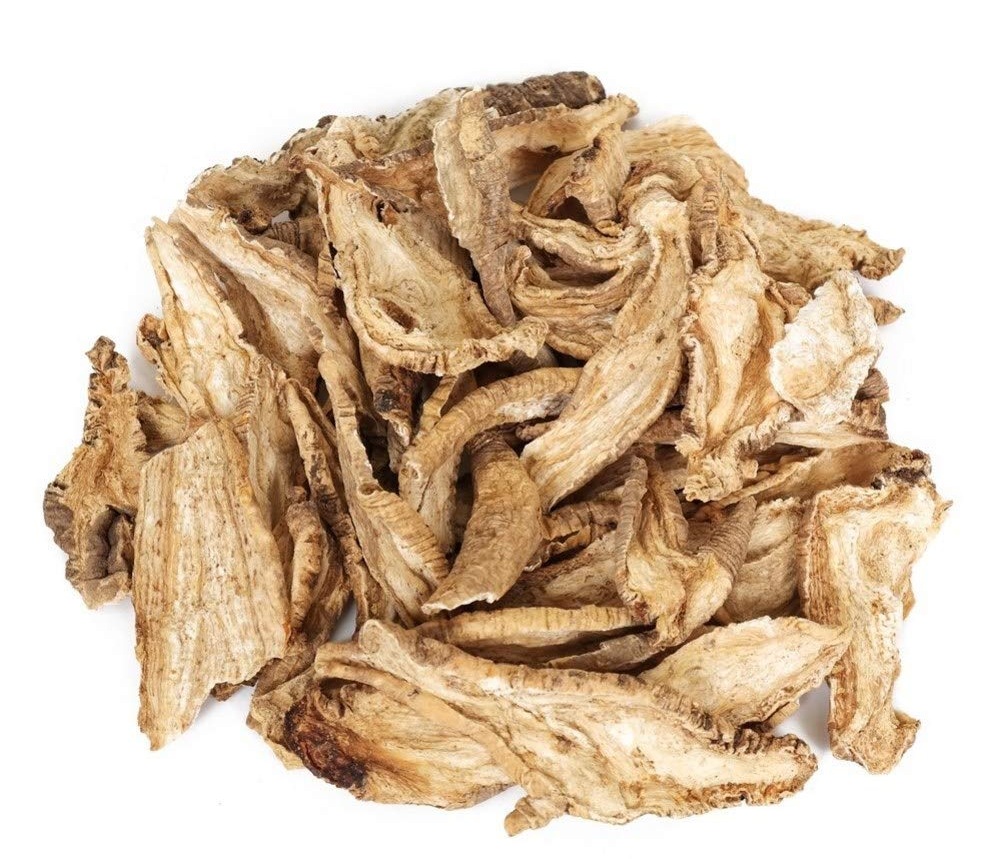
- Thick tuberous roots are eaten raw or cooked, roasted, dried and sliced or pan-fried.
- Roots are used in Korean salads, cold soups, and pan-fried, as dried or fried vegetables and as vegetables soaked in Korean sauces or as mixed vegetables with spices.
- Roots are eaten as a tonic when boiled with chicken and old ginseng roots.
- They are used as health food when preserved in alcohol.
- Roots are also used to prepare Codonopsis wine (light yellow coloured wine) by immersing the roots in soju (sweet potato liquor) and consumed for health reasons.
- Young shoots or leaves are parboiled to make seasoned vegetables or used in soups.
- The todok roots are used in Korean dishes such as deodeok jeon, deodeo k -saengchae, changui and namul.
- Saengchae is a kind of salad dish except it is seasoned with hot chili pepper, salt, garlic and green onion.
- Sometimes, soy sauce is used instead of hot chili pepper.
- Codonopsis roots are also an ingredient of deodeok gui – root marinated in gochujang sauce and grilled over charcoal.
- Deodeok (Todok) is also made into deodeok kimchi.
- Its leaves are also edible.
- Young plant can be consumed raw or cooked.
- Root can be consumed raw and cooked.
Recipe
Grilled deodeok (Todok)

Ingredients
- 10–15 roots of deodeok (Codonopsis lanceolata root)
- 2 tbsp. sesame oil
- 2 tbsp. vegetable oil (any kind)
- 2 tsp pine nuts (for garnish)
For the sauce
- 1/2 cup gochujang
- 1/2 cup puréed white onion
- 1/2 cup puréed sweet red apple
- 1 tsp red pepper powder
- 1 tsp sweet rice syrup, optional
Directions
- Lightly rinse your deodeok to remove excess dirt.
- After rinsing, pick up a root, cut off the top, and peel off the skin in horizontal strips by making a small cut and tugging sideways.
- Take a peeled root and wrap in one layer of plastic wrap.
- Gently pound the root with a rolling pin turning it evenly (don’t pound so hard that the root splits).
- Unwrap and make a butterfly cut lengthwise down the side, folding it open so the inside of the root faces down.
- Cover again with the plastic wrap and pound until tender but not broken.
- If you’re planning to grill your deodeok up to a day after tenderizing, cover with a damp paper towel and place in an airtight container in the fridge.
- Mix your sauce ingredients thoroughly in a bowl.
- Place your pounded deodeok flat on a sheet pan or plate and brush the gochujang sauce generously over the roots, flipping them to coat each side evenly.
- Coat the bottom of your pan with equal parts chamgireum and vegetable oil and heat your frying pan on medium. Reserve enough oil for each batch of deodeok but don’t be stingy.
- It’s time to cook the deodeok! Place several pieces of deodeok root in your pan and cook each side until the sauce turns from red to orange and the fibers become tender (around 2–3 minutes per side). Don’t flip constantly; let each side cook fully.
- Arrange your deodeok on a platter and finish with minced pine nuts.
References:
https://pfaf.org/user/plant.aspx?latinname=Codonopsis+lanceolata
https://www.cabi.org/isc/datasheet/70207660#toidentity
http://www.missouribotanicalgarden.org/PlantFinder/PlantFinderDetails.aspx?taxonid=278856
https://gd.eppo.int/taxon/CDWLA
https://www.flowersofindia.net/catalog/slides/Bonnet%20Bellflower.html
http://www.theplantlist.org/tpl1.1/record/kew-367827
https://en.wikipedia.org/wiki/Codonopsis_lanceolata
https://davesgarden.com/guides/pf/go/97933/
http://temperate.theferns.info/plant/Codonopsis+lanceolata