

- Psyllium is a natural fiber derived from the seeds of Plantago ovata, commonly used as a supplement for digestive health.
- Psyllium acts as a prebiotic fiber, promoting the growth of beneficial gut bacteria and supporting overall gut health.
- It aids in regular bowel movements, helps manage cholesterol, regulates blood sugar, and supports weight management.
Psyllium is a type of soluble fiber derived from the seeds of Plantago ovata, commonly known for its use as a bulk-forming laxative. Psyllium husk absorbs water, swelling to form a gel-like substance in the intestines, aiding digestion and promoting regular bowel movements. Psyllium, specifically its husk, is not only beneficial as a laxative but also as a prebiotic, meaning it supports the growth of beneficial gut bacteria. Prebiotics play a crucial role in maintaining a healthy gut microbiome, which can positively influence digestion and overall health. Research has demonstrated that psyllium’s fiber can act as a potent prebiotic by enhancing the growth of bacteria like Bifidobacterium and Lactobacillus, which are vital for gut health. Studies also highlight that the soluble fiber in psyllium can improve the balance of gut microbiota, potentially reducing inflammation and promoting regularity. Furthermore, psyllium’s ability to retain water increases stool bulk and softens it, making it an effective agent for managing constipation and other gastrointestinal disorders.
What is Psyllium?
Psyllium, derived from the seeds of Plantago ovata, is a rich source of soluble fiber commonly used for its digestive benefits. Known for its high fiber content, psyllium helps promote healthy digestion and regular bowel movements. Traditionally, psyllium has been used in herbal medicine to relieve constipation and support gastrointestinal health. Its seeds, particularly the husk, are processed into various forms such as powder, husk, and capsules, offering convenience in supplementation. The growing popularity of psyllium is evident in its widespread inclusion in dietary supplements and functional food products aimed at promoting digestive wellness.
How Psyllium Functions as a Prebiotic Fiber
Psyllium, derived from the seeds of Plantago ovata, functions as an effective prebiotic due to its high fiber content. As a soluble fiber, it serves as food for beneficial gut bacteria, promoting their growth and enhancing intestinal health. Research suggests that psyllium can stimulate the growth of specific beneficial microbes such as Bifidobacterium and Lactobacillus, key players in gut microbiota health. Psyllium’s prebiotic effects have been linked to its ability to produce short-chain fatty acids (SCFAs), beneficial compounds that improve gut health and reduce inflammation. Additionally, its high water retention capacity makes it an effective tool for regulating gut motility and supporting the microbiota’s prebiotic functions.
Health Benefits of Psyllium Prebiotic Fiber
Psyllium prebiotic fiber is a powerful natural supplement known for its digestive health benefits. It supports gut bacteria, aids in regular bowel movements, and helps manage cholesterol, blood sugar, and weight.
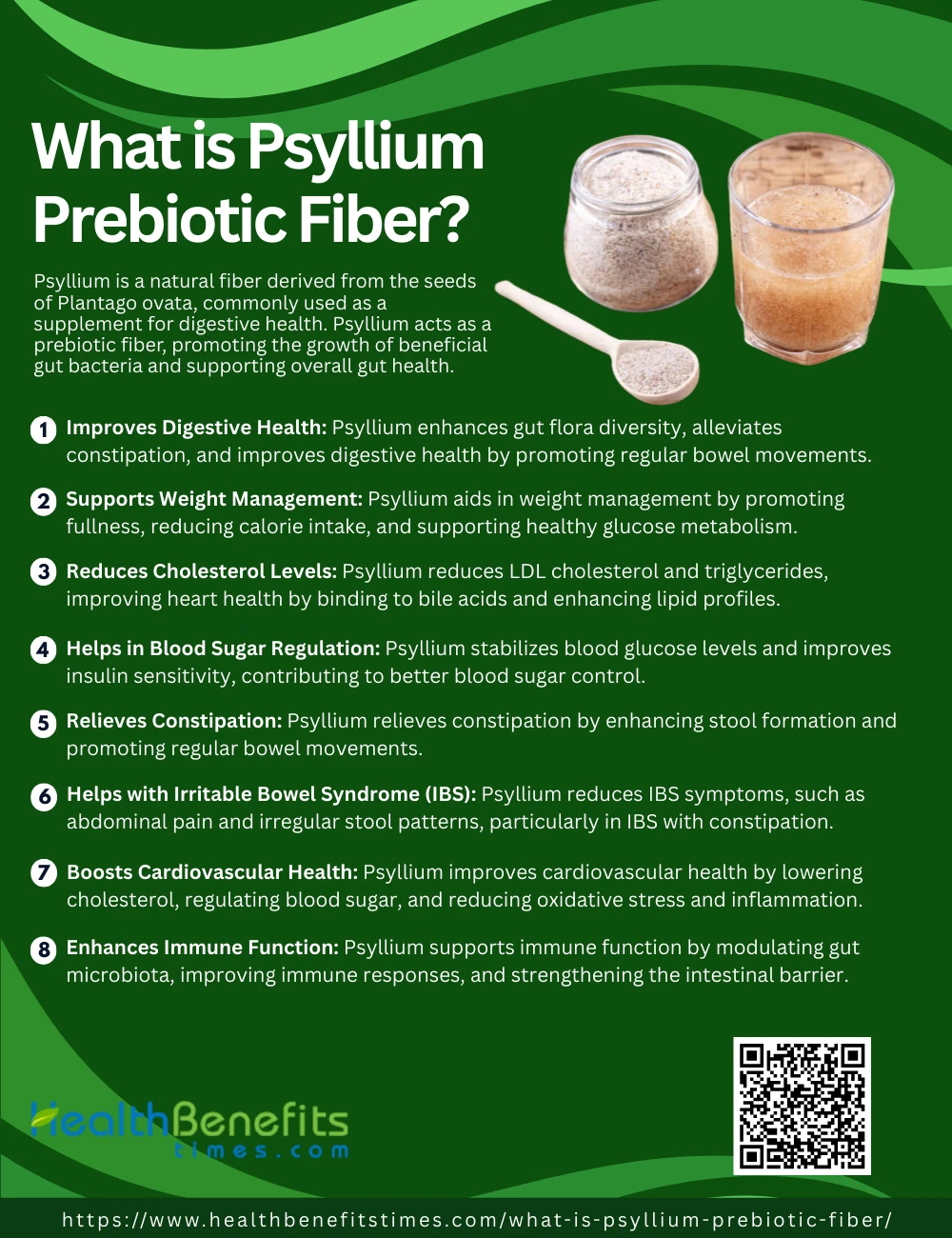 1. Improves Digestive Health
Psyllium husk, a natural prebiotic fiber, has gained recognition for its beneficial role in promoting digestive health. Its primary mechanism involves enhancing gut flora diversity and improving bowel regularity. A study found that psyllium fiber significantly reduces constipation by increasing stool volume and softening stool consistency. Additionally, its prebiotic effects help in balancing the gut microbiota, which is crucial for overall digestive health. (1) The use of psyllium has also been linked to alleviating irritable bowel syndrome (IBS) symptoms, while other research highlights its ability to improve gut motility in both healthy individuals and those with gastrointestinal disorders. (2) (3) These findings underscore psyllium’s potential as a therapeutic agent in managing various digestive ailments.
2. Supports Weight Management
Psyllium fiber has been found to support weight management by improving satiety and reducing overall calorie intake. Research demonstrates that psyllium supplementation can lead to modest weight loss, particularly when included in a balanced diet. Its high soluble fiber content helps slow gastric emptying, which promotes fullness and decreases hunger. (1) Additionally, psyllium helps manage glucose levels, reducing fat storage, thus supporting weight loss efforts. (3) Studies have also suggested that combining psyllium with other prebiotics like inulin can further enhance its weight-regulating effects. (4) Furthermore, clinical trials have shown that psyllium helps regulate metabolism and maintain healthy weight by enhancing digestion and reducing insulin resistance.
3. Reduces Cholesterol Levels
Psyllium fiber has been shown to reduce cholesterol levels, particularly low-density lipoprotein (LDL) cholesterol, by binding to bile acids and promoting their excretion. A study found that psyllium supplementation led to a significant reduction in both total cholesterol and LDL cholesterol levels, which is beneficial for heart health. (3) Psyllium also reduces triglycerides and improves lipid profiles. (5) Its cholesterol-lowering effects make it an effective dietary supplement for cardiovascular disease management. (6) Studies also show that psyllium can be used in combination with statin medications to enhance lipid-lowering outcomes.
4. Helps in Blood Sugar Regulation
Psyllium has beneficial effects on blood sugar regulation by slowing down the absorption of sugars and improving insulin sensitivity. Studies have found that psyllium supplementation can help stabilize blood glucose levels, particularly in individuals with diabetes. (7) The soluble fiber in psyllium also enhances gut microbiota, which may indirectly contribute to better glucose metabolism. (3) Moreover, psyllium has been linked to reduced glycemic responses after meals and lower HbA1c levels, improving long-term blood sugar control. (4) Clinical trials also support its role in improving metabolic control in individuals with type 2 diabetes.
5. Relieves Constipation
Psyllium, a soluble fiber, has been shown to relieve constipation by enhancing stool formation and promoting regular bowel movements. Several studies suggest that psyllium is beneficial in managing constipation, particularly in patients with functional constipation. For instance, one study demonstrated that psyllium improves bowel function and gut health by acting as a prebiotic. Research has also confirmed its efficacy in functional constipation. (8) It enhances stool frequency and consistency, as observed in patients receiving psyllium supplementation. (4) Furthermore, psyllium’s role in improving bowel function was highlighted in a review on prebiotics. Another study underscores the importance of using psyllium to manage chronic constipation effectively. (9)
6. Helps with Irritable Bowel Syndrome (IBS)
Psyllium fiber is considered a beneficial treatment for managing irritable bowel syndrome (IBS), particularly for IBS with constipation (IBS-C). Studies show that psyllium supplementation can significantly reduce symptoms such as abdominal pain and irregular stool patterns in IBS patients. One study highlighted its positive impact on gut microbiota, which leads to symptomatic relief in IBS. (10) Another research confirmed that psyllium, when used alongside probiotics, can help maintain a healthy intestinal microbiota. (4) Clinical trials show that psyllium alleviates IBS symptoms, such as abdominal discomfort and bloating effectively. (11) Further, psyllium supplementation has been linked to better symptom management for IBS patients. (12) Additionally, a review examined the effectiveness of psyllium in IBS treatment, suggesting it as a valuable fiber source for symptom relief. (13)
7. Boosts Cardiovascular Health
Psyllium fiber has been linked to improved cardiovascular health, particularly through its ability to lower cholesterol levels. Research demonstrates that psyllium’s soluble fiber forms a gel that helps reduce blood lipid levels and lower heart disease risk study. Furthermore, studies highlight its role in enhancing cardiovascular health by regulating blood sugar and lipid profiles source. (4) Additionally, psyllium is effective in controlling glycemic responses, contributing to better metabolic health link. Furthermore, its use has been shown to improve cardiovascular function by reducing oxidative stress and inflammation reference. (14) A review supports its efficacy in mitigating cardiovascular disease risks article. (15)
8. Enhances Immune Function
Psyllium, as a prebiotic fiber, plays a significant role in enhancing immune function. Its ability to modulate the gut microbiota is well documented, supporting a healthier immune system. Studies show that psyllium increases antimicrobial protein expression, thus enhancing immune responses study. Psyllium’s effects also involve enhancing the intestinal barrier, which supports immune function by reducing inflammation link. (16) Additionally, research suggests that psyllium supplementation strengthens immune cell function source. (4) Psyllium’s influence on immune responses is further explored in studies showing its potential in improving gut-associated lymphoid tissue (GALT) activity reference. (17) Moreover, its role in boosting immunity by modulating inflammatory pathways has been recognized article. (18)
How to Incorporate Psyllium Prebiotic Fiber Into Your Diet
Incorporating psyllium prebiotic fiber into your diet is easy and beneficial. From smoothies to baked goods, discover simple ways to add this digestive powerhouse to your meals for improved gut health.
 1. Add to Smoothies
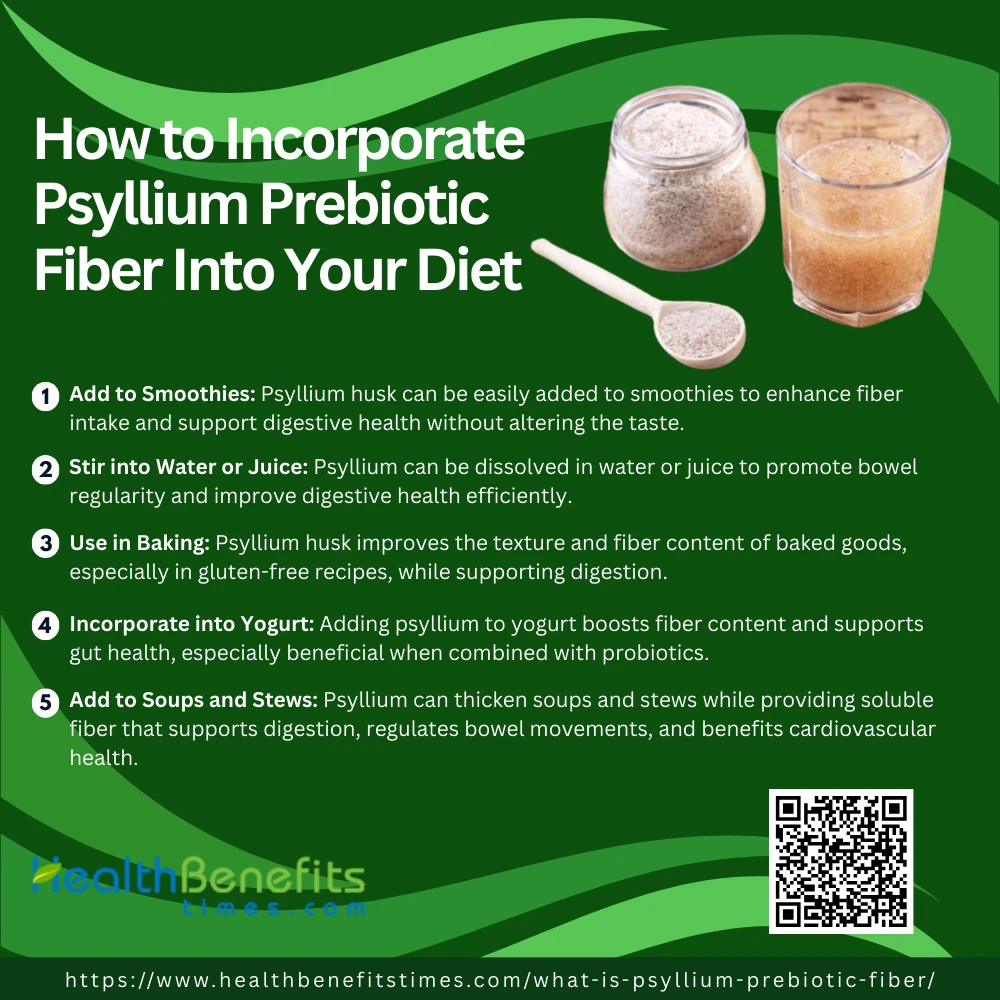
Incorporating psyllium husk powder into your smoothies is one of the easiest ways to increase your fiber intake. Psyllium blends well with various fruits and vegetables, so it won’t alter the taste of your drink. Simply add a tablespoon of psyllium husk to your smoothie and blend. The soluble fiber in psyllium helps regulate bowel movements, supporting digestive health. It’s especially beneficial for individuals who are looking to improve gut health or manage constipation. Research shows that psyllium has prebiotic potential, which means it helps promote the growth of beneficial gut bacteria. Learn more about psyllium’s benefits and how it contributes to overall digestive wellness. ({% https://www.mdpi.com/2072-6643/5/5/1471%}) Another way to enjoy psyllium is by mixing it with different fruits in a smoothie, helping your gut to thrive. More on fiber and prebiotics. (4)
2. Stir into Water or Juice
A simple and effective way to incorporate psyllium into your diet is by dissolving it in water or juice. Add about one tablespoon of psyllium husk to a glass of water, stir it well, and drink it immediately. This method is quick and doesn’t require much preparation. Drinking it with water ensures that the fiber works efficiently in your digestive tract by absorbing water and forming a gel-like substance. This promotes better stool consistency and regular bowel movements. Studies have shown that psyllium helps to alleviate constipation, and it can even support overall gut health. If you prefer juice, consider adding psyllium to orange or apple juice, enhancing the fiber content of your beverage. Read more about the benefits of fiber and its role in maintaining a healthy digestive system. Check out a related study for more details on its effectiveness. (4)
3. Use in Baking
Psyllium husk is a great ingredient to add to your baking recipes. When used in baking, it serves as a natural binder and helps improve the texture of gluten-free baked goods. You can incorporate it into bread, muffins, pancakes, and even cookies, making them more fiber-rich and adding structure, especially when baking without gluten. Since psyllium absorbs liquid, it also aids in maintaining moisture in the final product. Additionally, psyllium helps improve digestion by acting as a prebiotic fiber, promoting healthy gut bacteria. Studies have shown that incorporating psyllium into your diet can enhance your gastrointestinal health. Learn more about its benefits in baking and explore various recipes that feature this powerful fiber. (19) Read about the functional benefits of psyllium in food products to maximize its effects. (20)
4. Incorporate into Yogurt
Adding psyllium to yogurt is a simple and effective way to enjoy its digestive benefits. You can mix a teaspoon of psyllium into your daily yogurt or parfait to boost the fiber content without compromising the flavor. Combining psyllium with yogurt, which already contains probiotics, can support both your digestive and immune systems. Psyllium serves as a prebiotic fiber that nourishes beneficial gut bacteria, enhancing the overall health of your microbiota. This combination is particularly useful for individuals suffering from IBS, as it can help alleviate symptoms like bloating and discomfort. Studies have demonstrated that pairing fiber with probiotics can improve gut function and overall digestive health. Discover the advantages of pairing probiotics and fiber for a healthier gut. (16) Another study discusses the potential of prebiotics like psyllium in supporting gut microbiota health. (4)
5. Add to Soups and Stews
Psyllium husk can be easily added to soups and stews to enhance the fiber content and help thicken the consistency of your meals. It works as a natural thickening agent due to its ability to absorb water and form a gel-like texture, making it ideal for heartier dishes. When added to stews or soups, psyllium improves digestion by providing soluble fiber that regulates bowel movements and supports overall gastrointestinal health. Moreover, it can help control cholesterol levels and support cardiovascular health. Psyllium also has anti-inflammatory properties, which can be beneficial for reducing gut-related inflammation. Learn more about the digestive benefits of incorporating psyllium into your meals and how it benefits cardiovascular health. (4) Using psyllium in your cooking not only enhances the taste and texture but also gives your body a much-needed fiber boost.
Comparison with other prebiotic fibers
Here is a comparison table showing the differences between Psyllium Prebiotic Fiber and other commonly known prebiotic fibers:
| Feature | Psyllium Prebiotic Fiber | Inulin | Fructooligosaccharides (FOS) | Acacia Fiber |
| Source | Derived from the husk of the Plantago ovata plant | Extracted from chicory root, Jerusalem artichoke | Found in fruits like bananas, onions, and garlic | Comes from the sap of the acacia tree |
| Type of Fiber | Soluble fiber (forms gel-like consistency) | Soluble fiber | Soluble fiber | Soluble fiber |
| Effect on Gut Health | Supports digestion, alleviates constipation, improves stool regularity | Promotes growth of beneficial gut bacteria, improves gut health | Stimulates beneficial bacteria like Bifidobacterium | Promotes gut health, enhances microbiota diversity |
| Water Absorption | High water absorption, creates a gel that softens stool | Does not absorb as much water as psyllium | Absorbs water but not as much as psyllium | Absorbs water but less than psyllium |
| Impact on Cholesterol Levels | Helps lower total cholesterol and LDL levels | May help in lowering cholesterol levels, but less potent | May help in reducing cholesterol levels | Some studies show slight impact on cholesterol reduction |
| Prebiotic Effect | Promotes growth of beneficial bacteria like Bifidobacterium | Promotes growth of Bifidobacterium and Lactobacilli | Primarily promotes Bifidobacterium growth | Stimulates growth of beneficial bacteria, like Lactobacilli |
| Digestive Benefits | Excellent for improving regularity, treating constipation, and softening stool | Can relieve constipation and promote bowel regularity | Enhances digestion, improves gut motility | Good for maintaining gut health, promotes regularity |
| Fermentability | Low fermentability, less likely to cause gas | Highly fermentable, can cause bloating and gas in some people | Highly fermentable, may cause bloating | Low fermentability, gentle on digestion |
| Uses | Used in smoothies, baking, water or juice, soups | Often used in fiber supplements, food bars, and beverages | Commonly added to food products like yogurt, juices | Commonly found in supplements, used in beverages and powders |
| Taste/Texture | Neutral taste, adds texture to foods | Slightly sweet, can be used in sweet and savory foods | Slightly sweet, used in sweet foods and beverages | Neutral taste, dissolves easily in water |
| Common Side Effects | May cause bloating or gas in sensitive individuals | Can cause bloating, gas, and cramps | Can cause bloating, flatulence, and discomfort | Generally well tolerated, may cause mild bloating |
Who Should Consider Adding Psyllium to Their Diet?
Psyllium can benefit a wide range of individuals, especially those seeking digestive support, improved heart health, or blood sugar management. Learn who should consider adding this prebiotic fiber to their diet.
 1. Individuals with Constipation
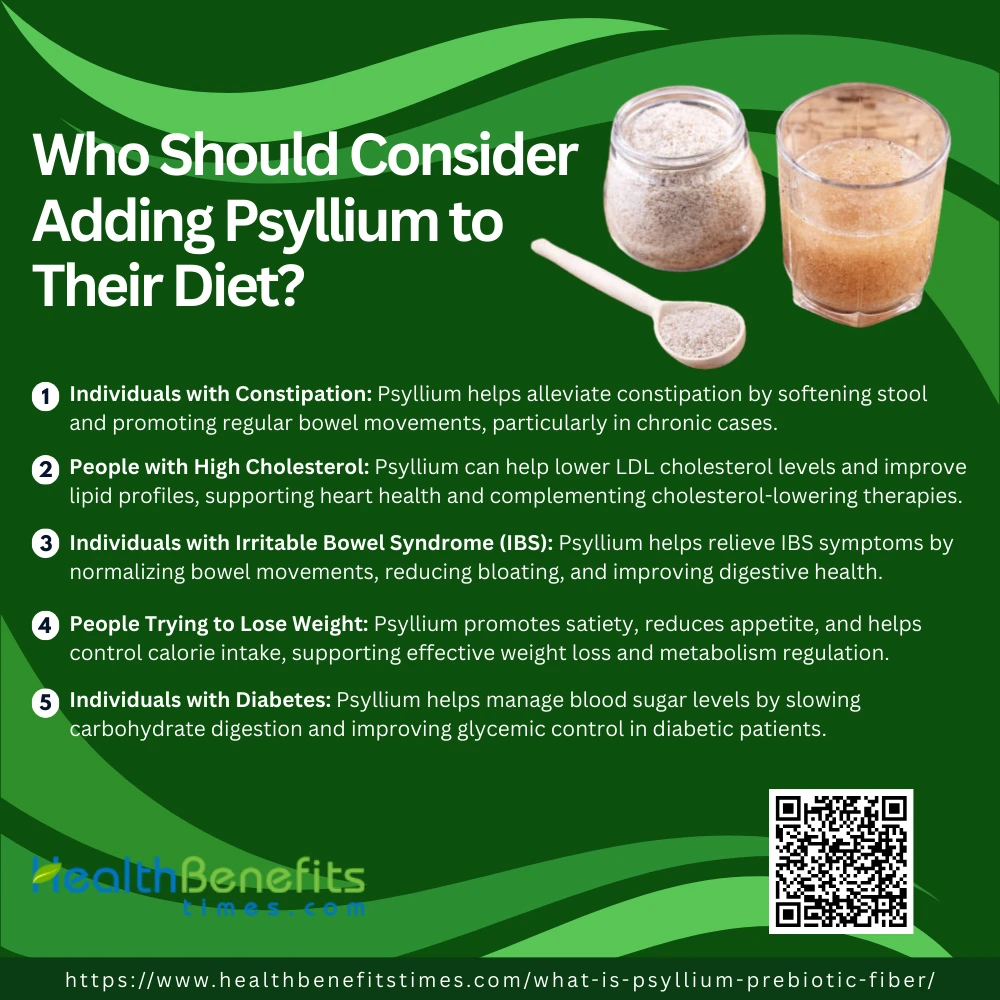
For individuals suffering from constipation, psyllium can be a helpful dietary addition. Psyllium, a soluble fiber, absorbs water and forms a gel-like substance that softens stool and aids in regular bowel movements. Studies have shown that psyllium supplementation can be effective in treating constipation, especially in chronic cases. Read more about its effectiveness. (16) In one study, psyllium was found to outperform other fiber sources in improving bowel function. Another study emphasizes psyllium’s role in promoting gut health. (21) Psyllium is also considered superior to other bulking agents for treating chronic constipation. Learn more here. (22) Furthermore, psyllium can be particularly beneficial for individuals with other conditions like diabetes. Explore its broader health effects. (23)
2. People with High Cholesterol
For individuals with high cholesterol, adding psyllium to the diet may help reduce cholesterol levels. Psyllium, a soluble fiber, has been shown to lower LDL cholesterol and improve lipid profiles. Several studies confirm its effectiveness as a cholesterol-lowering agent, especially when combined with a low-fat diet. Research highlights how psyllium helps manage cholesterol. (24) Furthermore, another study suggests that psyllium’s benefits extend beyond just cholesterol reduction. (25) For patients with hypercholesterolemia, it can complement existing therapies. Further evidence supports psyllium’s role in improving overall cardiovascular health by lowering cholesterol. (5) Long-term effects also demonstrate its cholesterol-lowering potential when used regularly. (26)
3. Individuals with Irritable Bowel Syndrome (IBS)
Psyllium can provide relief for individuals suffering from irritable bowel syndrome (IBS). As a soluble fiber, it helps normalize bowel movements and reduce symptoms like bloating and discomfort. Research suggests that psyllium supplementation can alleviate both constipation-predominant and diarrhea-predominant IBS. One study emphasizes its positive effect on IBS symptoms. (10) Additionally, psyllium helps in managing gut inflammation, which is often associated with IBS. Further studies support its role in treating IBS effectively. (27) Additional research shows that psyllium supplementation is well tolerated by IBS patients. Moreover, meta-analyses confirm its effectiveness in reducing abdominal pain and improving digestive health for those with IBS. (28)
4. People Trying to Lose Weight
Psyllium is an effective dietary addition for those trying to lose weight. It helps with weight loss by promoting satiety and reducing appetite between meals. Studies have shown that psyllium increases fullness, thus reducing calorie intake. Research has demonstrated that psyllium can lead to weight loss when dosed before meals. (2) Moreover, psyllium enhances food utilization and promotes healthier eating habits. Another study confirms its role in controlling hunger and reducing cravings. (29) It also aids digestion and helps regulate metabolism, contributing to more effective weight management. Further studies validate these findings, emphasizing psyllium’s impact on reducing body weight. (26) Learn more about psyllium’s weight-loss effects. (30)
5. Individuals with Diabetes
For individuals with diabetes, psyllium offers several benefits, particularly in managing blood sugar levels. Psyllium slows carbohydrate digestion, helping to stabilize post-meal blood sugar spikes. One study demonstrated its effectiveness in reducing glucose levels in type 2 diabetes patients. (24) Additionally, psyllium aids in lowering serum cholesterol, improving overall metabolic health. Research shows that regular psyllium supplementation can improve glycemic control. (31) Another study revealed that psyllium, when added to a diabetic diet, can significantly reduce fasting glucose levels. Explore these findings. (32) Additional studies show how psyllium supplementation benefits both glycemic control and overall health in diabetic patients. (22)
Potential side effects of Psyllium Prebiotic Fiber
While psyllium prebiotic fiber offers numerous health benefits, it’s important to be aware of potential side effects. This includes digestive discomfort, bloating, and gas, especially when consumed without adequate hydration.
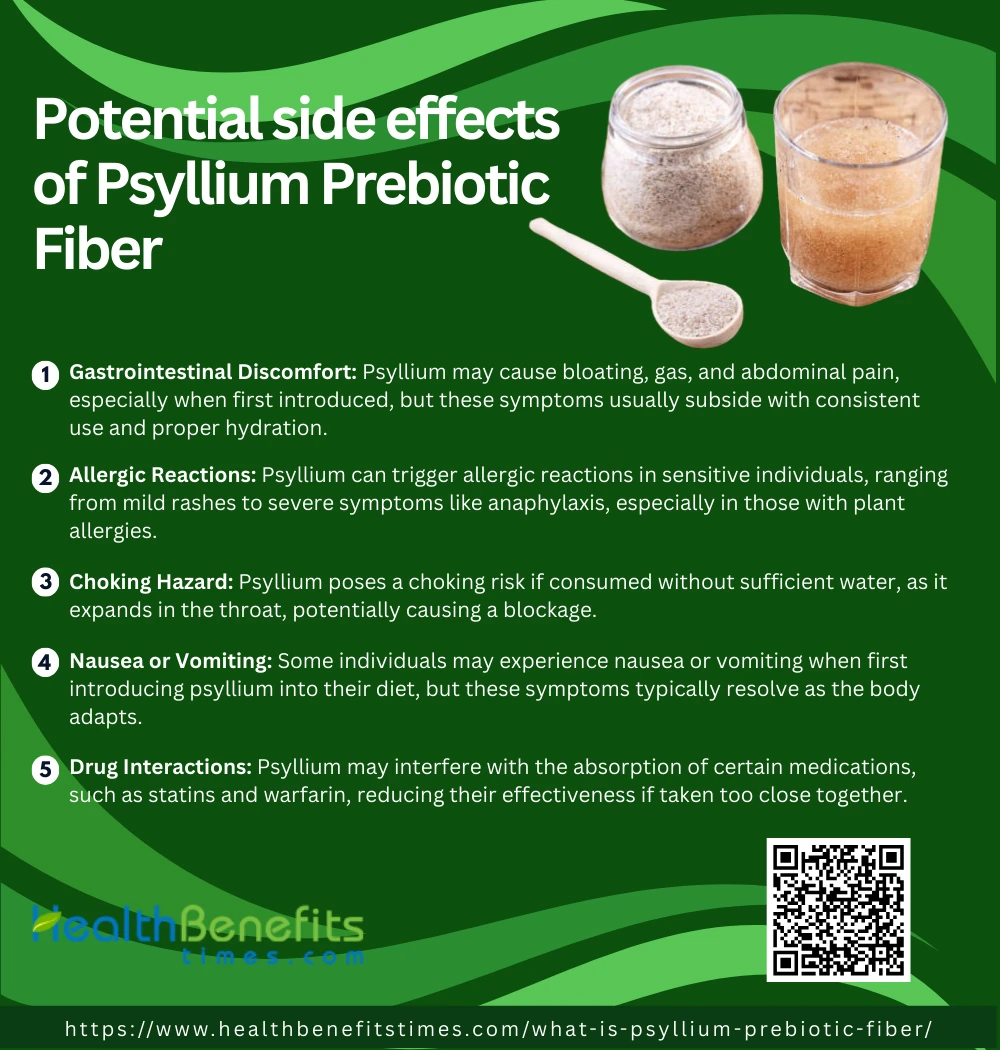 1. Gastrointestinal Discomfort
Psyllium, though beneficial for digestive health, can cause gastrointestinal discomfort in some individuals. Common side effects include bloating, gas, and abdominal pain, particularly when psyllium is first introduced into the diet. Studies have shown that individuals may experience mild digestive issues such as flatulence when increasing their fiber intake with psyllium. Learn more about psyllium and digestive discomfort. Additionally, high doses may exacerbate symptoms. Research confirms that increasing psyllium intake gradually can reduce these effects. (4) Other studies indicate that these side effects are temporary and subside with consistent use. (16) It’s recommended to consume sufficient water when taking psyllium to mitigate potential discomfort.
2. Allergic Reactions
In rare cases, psyllium may cause allergic reactions in sensitive individuals. These reactions can range from mild skin rashes to more severe symptoms such as anaphylaxis. Psyllium is a plant-derived fiber, and for those with allergies to certain plants, it may trigger an immune response. Research indicates that while most people tolerate psyllium well, allergic reactions are possible. Furthermore, studies have shown that allergic responses to psyllium are more likely in individuals with a history of plant allergies. Other studies highlight the need for caution when introducing psyllium into the diet for those with known sensitivities. (4) Further information suggests monitoring for signs of an allergic reaction when starting psyllium supplementation. (16)
3. Choking Hazard
Psyllium, if consumed without adequate fluids, may pose a choking hazard. When taken without enough water, the fiber can expand in the throat, leading to a blockage or difficulty swallowing. Studies suggest that it is crucial to consume psyllium with at least 8 ounces of water to prevent this risk. Read more on psyllium and choking risks. Research indicates that proper hydration is key when taking psyllium. More details suggest that psyllium should be taken with plenty of fluids to avoid complications like choking. (33) Another source mentions guidelines for safe consumption practices to prevent throat obstruction. (4)
4. Nausea or Vomiting
Some individuals may experience nausea or vomiting after consuming psyllium, particularly if it is introduced to the diet too quickly. These symptoms typically occur due to the fiber’s ability to expand in the stomach. Studies report that the initial discomfort usually passes as the body adapts to higher fiber intake. Another study highlights that psyllium is generally well tolerated when gradually increased. (34) Research notes that nausea can be a transient side effect, especially for those new to fiber supplementation. (35) Further studies suggest adjusting the dose to minimize these gastrointestinal issues. (4)
5. Drug Interactions
Psyllium fiber, while beneficial for digestive health, may interfere with the absorption of certain medications. Its high viscosity can slow down the absorption of drugs when taken simultaneously. Studies have shown that psyllium can affect the efficacy of drugs like cholesterol-lowering medications, such as statins. Research on drug interactions confirms that psyllium may reduce the effectiveness of these drugs. (4) Additionally, other studies suggest that psyllium should not be consumed too close to the time of taking prescription medications. Psyllium may also interact with drugs like warfarin, altering their therapeutic effects. Read further insights on potential interactions. Therefore, it’s recommended to space out the consumption of psyllium and medications for optimal drug absorption. (15)
Conclusion
Psyllium prebiotic fiber is a versatile and effective supplement with a range of health benefits, particularly for digestive health. It helps regulate bowel movements, supports the growth of beneficial gut bacteria, and can improve heart health by lowering cholesterol levels. Additionally, it aids in blood sugar control and may assist with weight management. While generally safe, it’s essential to consume psyllium with adequate water to prevent digestive discomfort. Whether added to smoothies, baked goods, or simply mixed with water, psyllium is an easy and natural way to enhance your diet and promote overall well-being.