

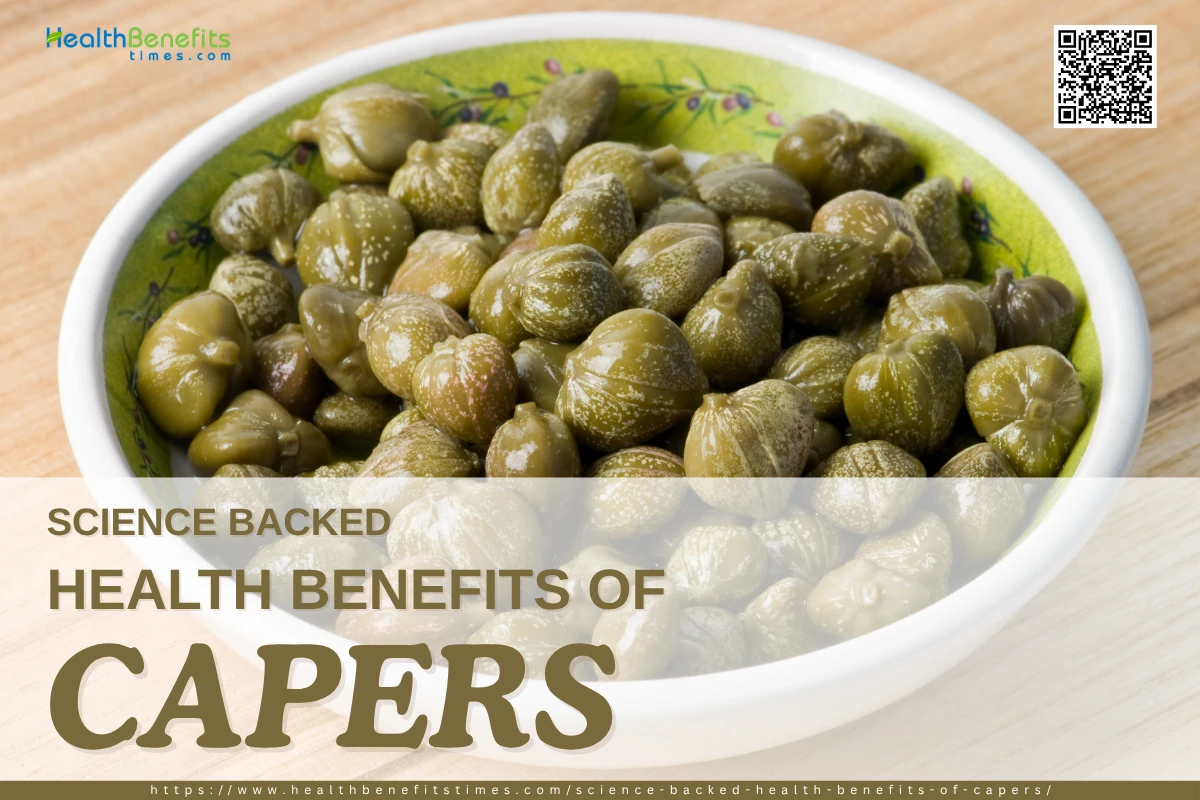
Capers are the unripened flower buds of the Capparis spinosa bush, a hardy perennial plant native to the Mediterranean coastal region. Treasured for centuries as a bold culinary ingredient, these tiny buds are painstakingly harvested by hand before they can bloom. Because they are naturally extremely bitter, raw capers are virtually inedible. To unlock their signature flavor, they must be cured in a harsh brine of salt and vinegar, or sometimes packed in coarse sea salt. This rigorous curing process transforms them, developing a complex profile that is aggressively salty, sharply tangy, and uniquely pungent, with subtle lemony and floral undertones. In the kitchen, capers act as a potent flavor enhancer. They are an essential component of classic dishes like chicken piccata, spaghetti alla puttanesca, and veal tartare. Even a small handful can brighten up a simple potato salad, elevate a roasted salmon, or add depth to a rich butter sauce, making them an indispensable pantry staple in global gastronomy.
1. Supports Heart Health and Cholesterol Levels
Cardiovascular disease, a complex cluster of disorders involving oxidative stress, hypertension, and dyslipidemia, is a primary driver of atherosclerosis and heart failure. Bioactive phytochemicals found in certain medicinal flora, particularly flavonoids like rutin and quercetin, offer significant protective mechanisms by scavenging free radicals, strengthening capillary fragility, and inhibiting platelet aggregation in blood vessels. 1 The ingestion of these compounds, alongside the high content of unsaturated fatty acids such as linoleic and oleic acid found in the seeds, actively modulates lipid metabolism by reducing low-density lipoprotein (LDL) and triglycerides while elevating high-density lipoprotein (HDL). 2 Furthermore, specific alkaloids and stachydrine contribute to vascular health by inhibiting the angiotensin-converting enzyme (ACE), which facilitates vasodilation and lowers blood pressure. 2 By suppressing key enzymes like HMG-CoA reductase involved in cholesterol biosynthesis, these nutrients effectively mitigate the risk of developing metabolic syndrome and thrombosis. 3
What Research Says:
- A systematic review and meta-analysis involving 178 adults concluded that caper fruit supplementation significantly lowers triglycerides, total cholesterol, and LDL levels, suggesting its utility in managing hyperglycemia and hyperlipidemia. 4
- In a randomized, double-blind clinical trial conducted by researchers at Tabriz University of Medical Sciences, patients with non-alcoholic fatty liver disease who consumed caper fruit pickle demonstrated marked improvements in atherogenic indices, specifically showing reduced LDL/HDL and TG/HDL ratios compared to controls. 3
- Multiple animal studies indicate that oral administration of aqueous root and fruit extracts significantly decreases plasma cholesterol and triglycerides in both normal and diabetic models, potentially through the downregulation of hepatic gluconeogenesis enzymes and independent of insulin secretion. 5 6 7
- Further investigations reveal that specific fractions of the plant exhibit antithrombotic activity and offer cardioprotection against chemotherapy-induced toxicity, validating traditional uses for heart ailments. 2
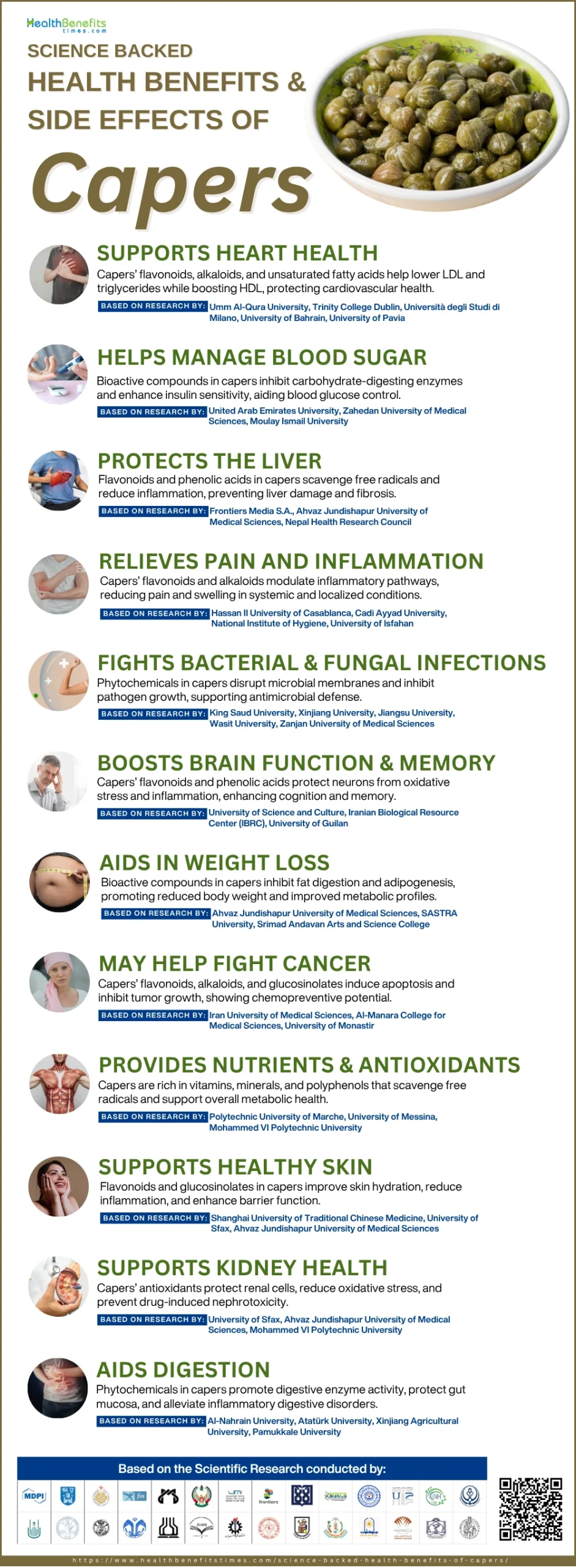 2. Helps Manage Blood Sugar
Diabetes mellitus acts as a persistent metabolic disorder characterized by chronic hyperglycemia, stemming from the body’s inability to produce or effectively utilize insulin. Regulating this glucose homeostasis can be significantly supported by specific bioactive phytochemicals, particularly flavonoids like rutin and quercetin, as well as alkaloids and glucosinolates found in nature. 1 8 These potent nutrients help manage blood sugar primarily by inhibiting carbohydrate-hydrolyzing enzymes such as alpha-amylase and alpha-glucosidase, which effectively slows the absorption of dietary starches in the digestive tract. 9 Furthermore, these compounds work systemically to suppress hepatic gluconeogenesis the liver’s production of glucose while simultaneously enhancing insulin sensitivity in peripheral tissues, making them particularly effective against Type 2 diabetes. 10 11 Through these mechanisms, the active ingredients combat insulin resistance and protect pancreatic beta-cells from oxidative damage, offering a multi-targeted approach to metabolic health. 12
What Research Says:
- Clinical trials conducted by researchers at the Institute of Medicinal Plants revealed that Type 2 diabetic patients treated with 1200 mg of fruit extract daily saw significant decreases in fasting blood glucose and glycosylated hemoglobin (HbA1c) levels compared to placebo groups. 13 14
- According to experimental research from Ahvaz Jundishapur University, ethanolic extracts of both the leaves and roots demonstrate high inhibitory activity against pancreatic alpha-amylase, functioning similarly to the drug acarbose to delay carbohydrate digestion. 9
- Further animal studies indicate that aqueous extracts effectively inhibit basal endogenous glucose production and improve insulin sensitivity in diabetic mice, while root extracts ameliorate hyperglycemia through an insulin-independent pathway, validating traditional medicinal applications. 5 10
3. Protects the Liver
Liver dysfunction often manifests when oxidative stress and inflammation overwhelm hepatic cells, leading to pathologies ranging from Non-Alcoholic Fatty Liver Disease (NAFLD) to chemical-induced toxicity. 3 15 Potent bioactive phytochemicals, particularly flavonoids like quercetin and kaempferol, alongside phenolic acids and glucosinolates found in specific medicinal plants, serve as critical hepatoprotective agents. 1 12 These nutrients defend the liver by scavenging free radicals, inhibiting lipid peroxidation, and bolstering endogenous antioxidant enzymes such as glutathione and superoxide dismutase. 16 17 By suppressing inflammatory cytokines like TNF-α and IL-6 and downregulating profibrotic genes, these compounds effectively prevent tissue necrosis and fibrosis associated with metabolic disorders and toxin exposure. 15 18 Whether ingested or utilized as extracts, these constituents stabilize hepatocellular membranes and restore enzymatic balance, offering a multi-faceted shield against hepatic injury. 19 20
What Research Says:
- Scientific investigations validate traditional claims, with clinical trials from institutions like Tabriz University of Medical Sciences demonstrating that daily consumption of Capparis spinosa significantly reduces alanine aminotransferase (ALT) levels and improves metabolic health in NAFLD patients. 3
- Animal models reveal that hydroalcoholic and aqueous extracts provide robust protection against diverse toxins, including carbon tetrachloride, Triptolide, and Methotrexate, by normalizing serum enzymes and reducing histopathological damage. 19 17 18
- Research highlights the plant’s efficacy in treating Non-Alcoholic Steatohepatitis (NASH) by downregulating the TGF-β1 gene, thereby reversing liver fibrosis and reducing steatosis. 15
- Studies indicate that specific fractions rich in quercetin effectively mitigate acute liver damage induced by oxidative agents like t-BHP, functioning in a dose-dependent manner. 16
- Further evidence suggests complementary therapeutic potential in parasitic infections, where extracts reduced hepatic fibrosis and worm burden in Schistosoma mansoni models. 20
4. Relieves Pain and Inflammation
Inflammatory diseases arise when the immune system’s protective response becomes chronic, leading to tissue damage, swelling, and persistent pain through the release of cytokines and oxidative stress. Bioactive phytochemicals found in the Capparidaceae family, specifically flavonoids like rutin, quercetin, and kaempferol, alongside alkaloids such as stachydrine and spermidine, modulate these pathways to restore homeostasis. 1 12 Mechanistically, these nutrients inhibit pro-inflammatory mediators like interleukin-17 (IL-17), tumor necrosis factor-alpha (TNF-α), and NF-κB, while simultaneously enhancing anti-inflammatory cytokines like IL-4 and activating opioid and serotonergic pain-relief systems. 21 22 Whether ingested to manage systemic conditions like rheumatoid arthritis and neuropathy, or applied topically to reduce edema and contact dermatitis, these compounds function by suppressing immune cell infiltration and neutralizing free radicals that exacerbate tissue injury. 23 24 Consequently, these botanical agents offer therapeutic potential for managing joint degeneration, neuropathic hypersensitivity, and cutaneous inflammation. 25 26
What Research Says:
- Research conducted by the Xinjiang Key Laboratory demonstrated that 95% ethanol extracts of the fruit significantly suppressed dendritic cell maturation and downregulated TNF-α and IL-6, identifying phenolic compounds like 3,4-dihydroxybenzaldehyde as primary active agents. 26
- In studies using rat models of chemotherapy-induced peripheral neuropathy, hydroalcoholic extracts notably mitigated mechanical allodynia and thermal hyperalgesia, with efficacy comparable to pregabalin, mediated partly through opioidergic pathways. 22
- Investigations involving human peripheral blood mononuclear cells (PBMCs) revealed that aqueous fractions induce an anti-inflammatory environment by inhibiting IL-17 gene expression while upregulating IL-4, suggesting immunomodulatory utility in autoimmune disorders. 21
- According to Journal of Ethnopharmacology publications, root extracts administered to rats with induced osteoarthritis and rheumatoid arthritis acutely relieved pain and hypersensitivity, validating traditional uses for joint disorders. 25 27
- Histological analyses in murine contact hypersensitivity models confirmed that specific hexane fractions reduce dermis thickness and immune cell infiltration as effectively as indomethacin. 28 24
- Liquid chromatography-mass spectrometry (LC-MS) profiling linked the antioxidative and anti-inflammatory effects in neuropathic pain models directly to the rich flavonoid content found in aerial parts. 23
5. Fights Bacterial and Fungal Infections
Infections occur when pathogenic microorganisms invade host tissues, often necessitating strong biological defenses to prevent systemic harm. Bioactive compounds found in nature, such as flavonoids (rutin, quercetin), alkaloids, and glucosinolates like glucocapparin, possess potent antimicrobial properties that disrupt bacterial cell walls and inhibit fungal proliferation. 12 29 Specific phytochemicals, including methyl isothiocyanate and tannins, penetrate microbial membranes, effectively coagulating the cytoplasm and interfering with critical enzymatic functions required for pathogen survival. 30 31 These mechanisms target a diverse range of ailments, from dermal wounds and oral candidiasis to gastrointestinal disruptions caused by E. coli. 32 31 Whether ingested to manage internal microbial loads or applied topically to treat inflammation, these nutrients leverage their hydrophobic nature to adhere to bacterial surfaces, neutralizing threats like Staphylococcus aureus and Aspergillus niger. 33 34
What Research Says:
- Research from the University of Baghdad demonstrated that flower extracts achieved 100% efficacy against Gram-positive skin isolates, significantly accelerating wound healing in rabbit models compared to untreated groups. 31
- According to a study by the University of Messina, leaf essential oil emulsions dominated by methyl isothiocyanate proved effective against Listeria monocytogenes and Salmonella, highlighting potential as natural food preservatives. 30
- Investigations at Zanjan University of Medical Sciences revealed that root hydroalcoholic extracts significantly inhibited Streptococcus mutans and Candida albicans, validating traditional uses for oral hygiene. 32
- Experiments by the University of Bechar showed that aqueous extracts reduced fungal contamination in stored wheat, confirming efficacy against molds like Aspergillus and Fusarium. 35
- Furthermore, researchers in Tunisia and Spain found that specific leaf fractions, particularly those rich in proteins and phenols, exerted strong antifungal activity against Aspergillus niger, while studies at the University of Anbar confirmed that fruit phenols effectively inhibited Pseudomonas aeruginosa. 33
- Additional comparative analyses indicate that methanolic extracts suppress biofilm formation in resistant bacteria and exhibit antimicrobial potency comparable to standard antibiotics. 12 36
6. Boosts Brain Function and Memory
Neurodegenerative disorders and cognitive decline frequently arise from chronic neuroinflammation, oxidative stress, and the accumulation of toxic proteins which damage neuronal integrity. Capers offer a potent neuroprotective defense through their rich concentration of bioactive phytochemicals, particularly flavonoids like rutin and quercetin, alkaloids, and phenolic acids such as syringic acid. 12 37 38 Upon consumption, these nutrients help neutralize damaging free radicals and modulate the immune response within the central nervous system by shifting microglial cells away from pro-inflammatory states. 39 40 This biological activity is critical for preventing conditions such as Alzheimer’s disease, ischemic stroke, and age-related memory loss. 41 42 By enhancing antioxidant enzyme levels and regulating key inflammatory pathways, the active compounds found in caper buds and extracts effectively support neuronal survival and maintain cognitive plasticity. 12 43
What Research Says:
- Research published in Central Nervous System Agents in Medicinal Chemistry indicates that hydroethanolic extracts significantly elevated Brain-Derived Neurotrophic Factor (BDNF) and antioxidant enzymes like superoxide dismutase, effectively reversing scopolamine-induced memory deficits. 42 44
- According to studies involving amyloid-beta injected models conducted by the National Institute of Genetic Engineering and Biotechnology, caper treatment successfully downregulated specific genes associated with Alzheimer’s pathology, including BACE-1 and APP. 37 45
- Investigations by Mashhad University of Medical Sciences demonstrated that the extract polarized microglial cells toward a protective M2 phenotype, thereby reducing inflammatory cytokines such as TNF-α and IL-1β in models of cognitive impairment. 39 40
- Additionally, histopathological assessments by PDM College of Pharmacy revealed that aqueous bud extracts significantly reduced neuronal degeneration in the hippocampal CA1 region, a critical area for learning and memory. 43
- Further data from D-galactose induced models highlights that specific constituents like syringic acid provide DNA damage protection and ameliorate learning dysfunctions. 38
7. Aids in Weight Loss
Body mass management involves intricate metabolic processes where excess energy intake, particularly from high-fat sources, is stored as visceral adipose tissue. Bioactive phytochemicals, specifically flavonoids like rutin and quercetin, alongside saponins and alkaloids, play a pivotal role in modulating these pathways to mitigate obesity. 46 47 These nutrients exert their therapeutic effects by inhibiting pancreatic lipase activity, which directly reduces dietary fat digestion and absorption in the gastrointestinal tract, while simultaneously downregulating adipogenesis the differentiation of pre-adipocytes into mature fat storage cells. 47 Furthermore, the consumption of these metabolic regulators stimulates the upregulation of Fibroblast Growth Factor 21 (FGF21), a hormone that enhances lipolysis and insulin sensitivity, thereby targeting abdominal fat pads and reducing overall Body Mass Index (BMI). 46 48 Whether ingested through diet or utilized as aqueous extracts, these compounds intervene in inflammatory cascades and lipid homeostasis, offering a potent biological mechanism against metabolic syndrome and dyslipidemia. 4
What Research Says:
- A systematic review and meta-analysis of five randomized controlled trials involving 178 adults confirmed that supplementation leads to a statistically significant decrease in body weight (-1.00 kg) and BMI, establishing its efficacy in managing metabolic profiles. 4
- Clinical research conducted at Zanjan University of Medical Sciences on patients with Non-Alcoholic Fatty Liver Disease (NAFLD) observed that daily consumption of pickled fruit for 12 weeks resulted in significant reductions in both weight and disease severity compared to control groups. 49
- According to experimental studies by the UFR PNPE in Morocco, oral administration of aqueous extracts to high-fat diet-induced obese mice demonstrated a time-dependent reduction in body weight and a 15-22% improvement in glucose tolerance over a 15-day period. 48
- In vitro and in vivo investigations reported by the Department of Biochemistry at Srimad Andavan Arts and Science College revealed that the flower bud extract possesses moderate pancreatic lipase inhibitory activity (IC50 209.03 µg/mL) and significantly reduced the weight of mesenteric, retroperitoneal, and perirenal fat pads. 47
- Further animal models indicate that the extract effectively restores hepatic FGF21 levels and ameliorates liver steatosis, thereby preventing the body weight increase typically associated with high-fat emulsions. 46
8. May Help Fight Cancer
Cancer acts as a systemic disruption where cellular regulation fails, often fueled by chronic oxidative stress and inflammation. Bioactive compounds found in certain medicinal plants can intervene in these pathological cascades by modulating gene expression and inducing tumor cell death, known as apoptosis. 12 Rich in flavonoids like quercetin, rutin, and kaempferol, as well as unique alkaloids and glucosinolates, specific botanical extracts demonstrate the ability to target malignant pathways. 50 These phytochemicals exert their chemopreventive effects by inhibiting angiogenesis and arresting the cell cycle, thereby preventing the proliferation of diverse malignancies, including colorectal, gastric, liver, and breast cancers. 51 52 Whether ingested to support metabolic health or applied as concentrated extracts, these nutrients interact with proteins such as TSPAN1 and enzymes like COX-2 to mitigate inflammation and suppress metastatic potential in pancreatic and bladder tissues. 53 54
What Research Says:
- Investigations by the University of Zagreb revealed that essential oils rich in methyl isothiocyanate effectively block the G2/M phase of the cell cycle in human colon carcinoma cells (HT-29), halting tumor progression. 50
- Research conducted at An-Najah National University indicates that nanoemulgels formulated from root oil exhibit superior cytotoxicity against HeLa (cervical), HepG2 (liver), and MCF-7 (breast) cell lines compared to crude oil, enhancing drug delivery. 53
- According to a study involving Tarbiat Modares University, molecular docking confirms that compounds like apigenin and kaempferol bind strongly to key cancer hubs such as EGFR and AKT1, suggesting multi-target therapeutic potential. 55
- Scientists at the Polytechnic University of Marche found that specific subspecies extracts selectively upregulate ROS production and the PON2 enzyme in bladder (T24) and colorectal (Caco-2) cancer cells, promoting cancer cell death while sparing healthy tissues. 56
- Data from Tabriz University of Medical Sciences suggests these phytochemicals show promise against pancreatic ductal adenocarcinoma by specifically targeting the TSPAN1 protein. 54
9. Provides Nutrients and Antioxidants
Oxidative stress, a primary driver of cellular damage and inflammation, is effectively mitigated by the robust scavenging capabilities of specific bioactive compounds that interrupt lipid peroxidation and neutralize free radicals. 57 58 Through a complex matrix of phytochemicals including flavonoids like rutin, phenolic acids such as sinapic and gentisic acid, and glucosinolates essential biological defense mechanisms are activated to protect tissue integrity. 59 57 60 Beyond these polyphenols, substantial concentrations of Vitamin C, iron, and zinc contribute synergistically to maintaining enzymatic balance and metabolic health. 61 60 Whether functioning metabolically to regulate liver enzymes or acting as antimicrobial agents via compounds like isopropyl isothiocyanate, these nutrients exert their effects by inhibiting oxidative degradation, modulating inflammatory pathways, and binding to pathogen receptors to prevent infection. 3 61 62
What Research Says:
- Clinical trials conducted by researchers at Tabriz University of Medical Sciences observed that daily consumption of 40–50g of the fruit pickle significantly reduced alanine aminotransferase (ALT) levels and improved atherogenic lipid profiles in patients with non-alcoholic fatty liver disease (NAFLD) over 12 weeks. 3
- Laboratory investigations involving human HeLa cells demonstrated that hydro-ethanolic leaf extracts effectively reduced malondialdehyde (MDA) production and restored the activity of vital antioxidant enzymes, including superoxide dismutase (SOD) and catalase. 58
- Comparative studies on samples from Bahrain and Tunisia indicate that the seeds possess superior antioxidant capacity compared to the fruit flesh, attributed to a rich profile of tocopherols, carotenoids, and over 30 identified phenolic compounds. 63 64
- Phytochemical analyses confirm that methanolic extracts yield high concentrations of antimicrobial agents such as palmitic acid and pyrogallol, which molecular docking studies suggest are effective inhibitors of bacterial growth. 61 60
10. Supports Healthy Skin
Dermatological integrity is frequently compromised by environmental stressors, microbial imbalance, and inflammation, leading to conditions such as xerosis, contact dermatitis, and hypersensitivity. Bioactive compounds found in Capparis spinosa, particularly flavonoids like rutin and quercetin, alongside alkaloids and glucosinolates, play a pivotal role in restoring skin barrier function and modulating immune responses. 12 Mechanistically, these phytochemicals support the synthesis and processing of filaggrin, a critical structural protein that degrades into natural moisturizing factors, thereby alleviating dry skin and enhancing hydration. 65 Furthermore, the plant’s extracts exert therapeutic effects by inhibiting the infiltration of inflammatory cells and suppressing specific cytokines, such as IL-17, which are central to allergic reactions and tissue damage. 24 While these nutrients offer significant protective benefits against bacterial and fungal infections, clinical understanding necessitates a balanced approach, as high concentrations of specific phenolic components like kaempferol and gallic acid may paradoxically act as irritants via the NF-κB pathway if not properly formulated. 12 66
What Research Says:
- Research by Lu et al. demonstrated that a polysaccharide-free fruit extract (5%) significantly improved skin hydration on human volunteers’ faces and arms by regulating the filaggrin-caspase-14 axis to increase pyrrolidone carboxylic acid (PCA) levels. 65
- According to investigations conducted at Hassan II University in Morocco, the hexane fraction of the leaves exhibited anti-inflammatory efficacy comparable to indomethacin in contact hypersensitivity models, successfully downregulating genes for pro-inflammatory cytokines IFNγ and IL-17. 24
- Conversely, studies at the Shanghai R&D Centre for Standardization of Chinese Medicines highlight that while beneficial for rheumatic therapy, the ethyl acetate fraction containing kaempferol and flazin can induce erythema and edema clinically diagnosed as irritation contact dermatitis. 66
- Reviews of traditional medicine confirm the plant’s historical use for treating capillary weaknesses and rose-colored rashes, supporting its modern integration into commercial anti-aging and soothing formulations like Gatuline® Derma-Sensitive. 12
11. Supports Kidney Health
Renal dysfunction, often characterized by the kidneys’ inability to filter metabolic waste due to oxidative stress and acute inflammation, can be significantly mitigated through specific nutritional interventions. The hydroalcoholic and methanolic extracts of Capparis spinosa provide robust nephroprotection primarily through a dense concentration of bioantioxidants, including flavonoids like rutin and quercetin, as well as potent phenolic acids,. 67 68 These phytochemicals preserve renal architecture by quenching free radicals and inhibiting lipid peroxidation, a destructive process that compromises cell membranes in kidney tubules ,. 68 While traditional medicine often employs the plant to address kidney stones and enhance diuretic activity, modern applications focus on its ability to prevent nephrotoxicity induced by aggressive pharmaceutical agents ,. 69 When ingested, these nutrients bolster the organ’s antioxidant defense system, effectively lowering toxicity markers such as serum creatinine and blood urea nitrogen to restore functional integrity. 67 68
What Research Says:
- Scientific investigations conducted by the Ahvaz Jundishapur University of Medical Sciences demonstrated that pretreatment with C. spinosa extract at doses of 200 and 400 mg/kg significantly ameliorated cyclophosphamide-induced nephrotoxicity in mice by reducing malondialdehyde levels and restoring essential glutathione concentrations. 68
- Research focused on cisplatin-induced renal injury revealed that methanolic leaf extracts effectively reduced elevated plasma creatinine, urea, and uric acid levels, successfully reversing histopathological damage through the restoration of antioxidant enzyme activities. 67
- According to comprehensive reviews by Mohammed VI Polytechnic University, while traditional Moroccan practices utilize the buds for kidney stone removal, contemporary data supports the plant’s efficacy in protecting against drug-induced renal failure and regulating inflammatory genes associated with kidney tissue fibrosis. 69
12. Aids Digestion
Digestive pathologies, ranging from acute gastric lesions to chronic inflammatory bowel diseases, are frequently driven by oxidative stress, mucosal barrier dysfunction, and dysregulated immune responses. 70 71 Bioactive compounds found in the Capparaceae family specifically flavonoids like quercetin and rutin, alongside alkaloids and glucosinolates facilitate gastrointestinal homeostasis by reinforcing the intestinal epithelial barrier and upregulating tight junction proteins such as ZO-1 and Occludin. 12 72 These phytochemicals actively suppress pro-inflammatory cytokines including TNF-alpha and IL-6 while simultaneously enhancing mucosal antioxidant defenses to neutralize tissue-damaging free radicals. 71 72 Furthermore, the modulation of carbohydrate hydrolysis via alpha-amylase inhibition supports metabolic regulation during digestion, easing the glycemic load. 9 By promoting the proliferation of beneficial gut microbiota like Lactobacillus and reducing harmful bacterial load, these nutrients help manage conditions such as ulcerative colitis and gastric ulcers while supporting overall gastrointestinal integrity 72 12
What Research Says:
- Researchers at Xinjiang Agricultural University demonstrated that Capparis spinosa water extract alleviated ulcerative colitis symptoms by restoring gut microbiota diversity, specifically increasing beneficial Firmicutes and Lactobacillus populations while suppressing inflammation. 72
- Comparative studies involving the University of Al-Nahrain revealed gastroprotective effects against NSAID-induced ulcers through elevated Prostaglandin E2 (PGE2) levels a crucial mucosal defense factor and reduced gastrin secretion, offering efficacy comparable to standard pharmaceutical treatments like ranitidine. * 70 Biochemical analysis from Atatürk University confirmed these anti-ulcer properties, highlighting a significant reduction in lipid peroxidation (MDA) and a boost in mucosal superoxide dismutase (SOD) and glutathione (GSH) activities. 71
- In vitro assays by Ahvaz Jundishapur University of Medical Sciences established that root and leaf extracts inhibit pancreatic alpha-amylase activity by over 97%, suggesting a potent mechanism for managing postprandial carbohydrate digestion. 9
- Traditional medical records validate these modern findings, citing the historical use of root bark decoctions and tea made from young shoots to treat stomachaches, gastrointestinal infections, and dropsy. 12
Health Risks and Precautions of Capers
Side Effects
1. Currently, the consumption of C. spinosais not associated with any adverse effects according to the published literature, providing evidence that it is safe to consume. 1 2 Studies on diabetic patients who consumed caper fruit extracts reported no renal or hepatic adverse events. 1 Furthermore, research on diabetic rats receiving root extract showed no toxic effect on the liver, as normal rats that received the extract did not show any increase in serum liver enzyme activities. 5
2. According to the reviewed literature, no adverse effects have been associated with the consumption of Capparis spinosa(caper). A review of published studies concluded that caper consumption is not linked to any adverse effects and is considered safe. 1 Toxicity studies in rats reported no mortality or signs of hepatotoxicity or nephrotoxicity after administration of fruit, leaf, or root extracts; the LD50 of fruit hydroalcoholic extract was determined to be 400 mg/kg, and methanol extracts showed no mortality at doses up to 4000 mg/kg, indicating a wide safety margin. 12 Additionally, diabetic rats treated with root extract showed no elevation in liver enzymes, supporting the absence of toxic effects. 5 Clinical trials in type 2 diabetic patients using 1200 mg/day of fruit extract for two months reported no renal or hepatic adverse events. 1 Overall, the available evidence indicates that caper is well tolerated and without known side effects. 1 12 5
3. Toxicity studies in rats demonstrated no mortality and an LD50 greater than 4000 mg/kg for caper extracts, with no evidence of liver or kidney toxicity. 8 A randomised double‑blind placebo‑controlled trial in type 2 diabetic patients receiving 1200 mg/day of caper fruit extract for two months observed no hepatic, renal, or other side effects. 12 14 Additional preclinical and clinical investigations consistently confirm that caper consumption is not associated with any adverse outcomes and is considered safe. 1 14 13
4. Current published literature indicates that the consumption of Capparis spinosa is not associated with any adverse effects, providing evidence that the plant is safe to consume. 1 Toxicity studies in rats demonstrated no signs of nephrotoxicity or side effects on the liver following fruit extract administration, with an LD50 value greater than 4000 mg/kg for methanol extract, suggesting a wide safety margin. Acute toxicity evaluation of polyphenolic leaf extract showed no toxicity at doses up to 100 mg/kg body weight, and no mortality was observed in rats within 24 hours of pretreatment with doses ranging from 1000–4000 mg/kg. 12 Hydroalcoholic fruit extract exhibited an LD50 value of 400 mg/kg, and clinical trials in type 2 diabetic patients receiving 400 mg extract reported no renal or hepatic adverse events. 1 12
5. Acute toxicity studies in rats demonstrated that a polyphenolic extract of caper leaves was non-toxic at doses up to 100 mg/kg body weight. The hydroalcoholic extract of caper fruits showed an LD50 value of 400 mg/kg, while the methanol extract showed no mortality in rats within 24 hours of pretreatment at doses of 1000–4000 mg/kg, suggesting an LD50 greater than 4000 mg/kg. Caper fruits induced no side effects on the liver and no signs of nephrotoxicity in rats. 12
6. Toxicity studies indicate that caper (Capparis spinosa) is safe for consumption with a high safety profile. The hydroalcoholic extract of caper fruits demonstrated an LD50 value of 400 mg/kg, while methanol extract showed no mortality in rats within 24 hours of pretreatment at doses of 1000–4000 mg/kg, suggesting an LD50 greater than 4000 mg/kg. Polyphenolic extract of caper leaves was nontoxic at doses up to 100 mg/kg body weight. Caper fruits induce no side effects on the liver and no signs of nephrotoxicity in rats. No mortality was observed within 24 hours of pretreatment with caper methanol extract at doses of 1000–4000 mg/kg. Overall, caper is considered safe for consumption based on available toxicity studies. 12
7. One study excluded patients with “any known allergies to caper,” implying that allergic reactions are a potential adverse effect for sensitive individuals. 49 Additionally, while reporting on standard obesity medication, one source notes that orlistat has side effects such as steatorrhea and fecal incontinence, but this is explicitly regarding the drug and not the caper extract. 47
8. According to a comprehensive review, only a few reports describe the side effects of caper; overall, the plant is considered safe for consumption. Animal studies indicate that caper fruits induce no adverse effects on the liver and no signs of nephrotoxicity in rats. Acute toxicity studies demonstrated that polyphenolic leaf extracts were nontoxic at doses up to 100 mg/kg body weight, and the LD50 value for hydroalcoholic fruit extracts in rats exceeded 4000 mg/kg, suggesting a wide margin of safety. 12
9. Toxicity studies indicate that caper is generally safe for consumption; fruit extracts induce no side effects on the liver and no signs of nephrotoxicity in rats, with an LD50 value greater than 4000 mg/kg reported for methanol extracts. 73 66 Acute toxicity evaluation of polyphenolic leaf extracts showed no toxic effects at doses up to 100 mg/kg body weight. 73 66 However, topical application of Capparis spinosa fruit extract causes significant skin irritation in clinical and experimental settings. Patients report a burning sensation 5–10 minutes after application, and repeated dosing leads to severe adverse reactions including erythema and edema, clinically diagnosed as irritant contact dermatitis. Histological analysis confirmed epidermal thickening and inflammatory infiltration following fruit extract application. The ethyl acetate fraction of the fruit, particularly compounds kaempferol, flazin, and gallic acid, were verified as the major components responsible for this skin irritation. 69
10. Several safety evaluations indicate that Caper is well tolerated. In acute toxicity studies, the hydroalcoholic extract of Caper fruits showed an LD50 value of 400 mg/kg, and no mortality was observed in rats within 24 hours of pretreatment with methanol extract at doses up to 4000 mg/kg, suggesting an LD50 greater than 4000 mg/kg. Additionally, fruit extract induced no side effects on the liver and no signs of nephrotoxicity in rats, and clinical trials in type 2 diabetic patients receiving 400 mg of Caper fruit extract reported no adverse effects on kidney or liver function. Polyphenolic leaf extract was nontoxic at doses up to 100 mg/kg body weight. 12 No gastrointestinal or systemic side effects were attributed to Caper itself in any of the studies reviewed.
11. At oral doses of 250–500 mg/kg/day of Capparis ovatawater extract, no adverse effects were observed in mice; these doses were considered safe and did not alter serum biomarkers of liver damage. However, at a dose of 750 mg/kg/day, slight increases in alanine aminotransferase (ALT) and lactate dehydrogenase (LDH) activities were noted, and gene expression analysis revealed alterations in pathways related to cholestasis, steatosis, phospholipidosis, oxidative stress, DNA damage, and apoptosis, indicating potential liver toxicity at this high dose. 74 In a human trial, daily supplementation with 400 mg of caper fruit extract for eight weeks was well tolerated, with no reported adverse effects on hepatic or renal function. 75
Food Incompatibilities
1. At a high dose of 750 mg/kg/day, Capparis ovatawater extract upregulated cytochrome P450 1A2 (CYP1A2) expression (2.73‑fold). Caution should therefore be exercised with concurrent coffee consumption, as the extract may interact with caffeine metabolism via this enzyme (142). 74 No other specific food incompatibilities are detailed in the documents.
Timing & Conditions
N/A
Contraindications
1. Caper consumption is explicitly contraindicated or was an exclusion criterion for individuals with the following specific medical conditions:
- Coagulopathy and Bleeding Disorders: Due to involvement in coagulation pathways, patients with coagulopathy diseases were excluded from participation. 49
- Pregnancy and Breastfeeding: Women who were pregnant, planning pregnancy, or breastfeeding were excluded. 49
- Cardiovascular and Liver Diseases: Individuals with a history of stroke, cirrhosis, viral hepatitis, liver obstructive diseases, or heart disease were excluded. 49
- Metabolic and Endocrine Disorders: Patients with diabetes, dyslipidemia, or thyroid disorders were excluded from the randomized controlled trial. 49
Drug Interactions
1. Pharmacokinetic analysis of caper phytoconstituents revealed potential inhibition for some cytochrome P450 (CYP450) isoforms, which requires attention when coadministered with possible substrates of these enzymes. 12
2. Pharmacokinetic analysis using SwissADME revealed that caper phytoconstituents exhibit potential inhibition for certain cytochrome P450 (CYP450) isoforms. This finding requires attention when caper products are co-administered with possible substrates of these enzymes. 12 69
3. At high doses (≥750 mg/kg/day), Capparis ovatawater extract may pose a risk of drug–diet interactions, and dangerous interactions should be considered at or above this dose level. The observed upregulation of CYP1A2 suggests that high‑dose caper preparations could alter the pharmacokinetics of drugs metabolized by this enzyme, although no specific medications are listed as contraindicated. 76 In a clinical trial, the combination of 10 mg atorvastatin with 40–50 g of caper fruit pickle daily for eight weeks was not associated with adverse interactions; instead, it improved lipid profiles and reduced ALT levels compared to atorvastatin alone. 74
External Pesticides and Mold
N/A
Comments
This article is based on Scientific Research Conducted by following Research Organization:
- Phytochemical and Pharmacological Properties of Capparis spinosa as a Medicinal Plant–MDPI, Switzerland
- Capparis L. (Capparaceae): A Scoping Review of Phytochemistry, Ethnopharmacology and Pharmacological Activities–Umm Al-Qura University, Saudi Arabia, Trinity College Dublin, Ireland
- Daily Consumption of the Capparis spinosa Reduces Some Atherogenic Indices in Patients with Non-alcoholic Fatty Liver Disease: A Randomized, Double-blind, Clinical Trial
- Effect of caper fruit (Capparis spinosa L.) consumption on liver enzymes, lipid profile, fasting plasma glucose, and weight loss. A systematic review and a preliminary meta-analysis of randomized controlled trials–Università degli Studi di Milano, Italy, University of Bahrain, Bahrain, University of Pavia, Italy, IRCCS Mondino Foundation, Italy
- Anti-diabetic effect of Capparis spinosa L. root extract in diabetic rats–University of Qom, Iran, Qom University of Medical Sciences, Iran
- Hypolipidemic activity of aqueous extract of Capparis spinosa L. in normal and diabetic rats
- Investigating the effects of Capparis Spinosa on hepatic gluconeogenesis and lipid content in streptozotocin-induced diabetic rats–Ahvaz Jundishapur University of Medical Sciences, Iran
- Phytochemical Composition, Bioactive Compounds, and Antidiabetic Potential of Four Medicinal Plants Native to the UAE: Capparis spinosa, Citrullus colocynthis, Morus alba, and Rhazya stricta–United Arab Emirates University, United Arab Emirates
- Inhibitory Effect of Capparis spinosa Extract on Pancreatic Alpha-Amylase Activity–Zahedan University of Medical Sciences, Iran
- Capparis spinosa L. aqueous extract evokes antidiabetic effect in streptozotocin-induced diabetic mice–Moulay Ismail University, Morocco
- Antidiabetic properties of Capparis spinosa L. and its components–University of Science, Iran
- Caper (Capparis spinosa L.): An Updated Review on Its Phytochemistry, Nutritional Value, Traditional Uses, and Therapeutic Potential–Frontiers Media S.A., Switzerland
- Capparis spinosa L. (Caper) fruit extract in treatment of type 2 diabetic patients: A randomized double-blind placebo-controlled clinical trial–Elsevier, Netherlands
- Capparis spinosa L. (Caper) fruit extract in treatment of type 2 diabetic patients: a randomized double-blind placebo-controlled clinical trial–Nepal Health Research Council (NHRC), Nepal
- Capparis spinosa Attenuates Hepatic Inflammation and Fibrosis by Suppressing Inflammatory Cytokines in a Wistar Rat Model of Nonalcoholic Steatohepatitis–Ahvaz Jundishapur University of Medical Sciences, Iran
- Antioxidant and hepatoprotective effects of Capparis spinosa L. fractions and Quercetin on tert-butyl hydroperoxide- induced acute liver damage in mice–Nepal Health Research Council, Nepal
- The protective effect of Capparis spinosa fruit on triptolide-induced acute liver injury: A metabolomics-based systematic study–University of São Paulo, Brazil
- The protective effects of Capparis spinosa aqueous extract against methotrexate in male albino rats–University of Anbar, Iraq
- Hepatoprotective Activity of Capparis spinosa Root Bark Against CCl4 Induced Hepatic Damage in Mice–Tehran University of Medical Sciences, Iran
- Complementary Effect of Capparis Spinosa L. and Silymarin With/without Praziquantel on Mice Experimentally Infected with Schistosoma Mansoni–Cairo University (Faculty of Pharmacy), Egypt, National Organization of Drug Control and Research, Egypt, Horticulture Research Institute (ARC), Egypt, Theodor Bilharz Research Institute, Egypt, Helwan University, Egypt
- Capparis Spinosa L. promotes anti-inflammatory response in vitro through the control of cytokine gene expression in human peripheral blood mononuclear cells–Hassan II University of Casablanca, Morocco, Cadi Ayyad University, Morocco, National Institute of Hygiene, Morocco
- Hydroethanolic Extract of Capparis spinosa Amends Vincristine-Induced Peripheral Neuropathy in Rats–University of Isfahan, Iran
- Effects of Capparis Spinosa extract on the neuropathic pain induced by chronic constriction injury in rats–Mashhad University of Medical Sciences, Iran
- Anti-inflammatory potential of Capparis spinosa L. in vivo in mice through inhibition of cell infiltration and cytokine gene expression–Hassan II University of Casablanca, Morocco, Cadi Ayyad University, Morocco
- Acute effect of Capparis spinosa root extracts on rat articular pain–Shiraz University of Medical Sciences, Iran
- Quality variation and biosynthesis of anti-inflammatory compounds for Capparis spinosa based on the metabolome and transcriptome analysis–Xinjiang University, China
- Acute effect of Capparis spinosa root extracts on rat articular pain–University of Florence, Italy
- Anti-inflammatory potential of Capparis spinosa L. in vivo in mice through inhibition of cell infiltration and cytokine gene expression–Hassan II University of Casablanca, Morocco
- Antioxidant and antimicrobial potential of two extracts from Capparis spinosa L. and Rumex nervosus and molecular docking investigation of selected major compounds–King Saud University, Saudi Arabia
- Essential Oil Emulsion from Caper (Capparis spinosa L.) Leaves: Exploration of Its Antibacterial and Antioxidant Properties for Possible Application as a Natural Food Preservative–Xinjiang University, China, Jiangsu University, China
- “Protective effect of Capparis spinosa aqueous extract against oxidative stress in experimental animals”–Wasit University, Iraq
- Evaluation of Antifungal and Antibacterial Effects of Capparis spinosa Root Extract on Streptococcus mutans and Candida albicans–Zanjan University of Medical Sciences, Iran
- The Phytochemical Constituent Of Capparis SpinosaL.And Phenolic Activity On Pathogenic BacteriaAndBloodParameters–University of Anbar, Iraq
- Antioxidant, Antifungal and Phytochemical Investigations of Capparis spinosa L.–University of Tunis El Manar, Tunisia
- In-vitro and In-vivo antifungal activity of Capparis spinosa against eight storage molds, a causal agent of wheat alteration.–University of Bechar, Algeria, University of Mostaganem, Algeria, University of Mascara, Algeria, University Center of El Bayadh, Algeria
- In vitro multiplication, antimicrobial, and insecticidal activity of Capparis spinosa L.–Al‑Balqa Applied University, Jordan, University of Jordan, Jordan, Al Hussein bin Talal University, Jordan
- Effect of flavonoids rich extract of Capparis spinosa on inflammatory involved genes in amyloid-beta peptide injected rat model of Alzheimer's disease–University of Science and Culture, Iran, Iranian Biological Resource Center (IBRC), ACECR, Iran, University of Guilan, Iran, National Institute for Genetic Engineering and Biotechnology (NIGEB), Iran
- Effect of Capparis spinosa L. on cognitive impairment induced by D-galactose in mice via inhibition of oxidative stress–Karadeniz Technical University, Turkey
- The effects of hydro-ethanolic extract of Capparis spinosa (C. spinosa) on lipopolysaccharide (LPS)-induced inflammation and cognitive impairment: Evidence from in vivo and in vitro studies–Iran University of Medical Sciences, Iran
- The effects of hydro-ethanolic extract of Capparis spinosa (C. spinosa) on lipopolysaccharide (LPS)-induced inflammation and cognitive impairment: Evidence from in vivo and in vitro studies–Iran University of Medical Sciences, Iran
- Protective Effect of Capparis spinosa Extract against Focal Cerebral Ischemia-reperfusion Injury in Rats–Mashhad University of Medical Sciences, Iran
- Capparis spinosa Promoted BDNF and Antioxidant Enzyme Levels to Protect Against Learning and Memory Deficits Induced by Scopolamine–Mashhad University of Medical Sciences, Iran
- Effect of Capparis spinosa Linn. extract on lipopolysaccharide-induced cognitive impairment in rats.–Jamia Hamdard, India
- Capparis spinosa Promoted BDNF and Antioxidant Enzyme Levels to Protect Against Learning and Memory Deficits Induced by Scopolamine–Mashhad University of Medical Sciences, Iran
- Effect of flavonoids rich extract of Capparis spinosa on inflammatory involved genes in amyloid-beta peptide injected rat model of Alzheimer's disease–University of Science and Culture, Iran, Iranian Biological Resource Center (ACECR), Iran, University of Guilan, Iran, National Institute for Genetic Engineering and Biotechnology, Iran
- Capparis spinosa improves the high fat diet-induced non-alcoholic steatohepatitis in rats: the possible role of FGF21–Ahvaz Jundishapur University of Medical Sciences, Iran
- Anti-obesity potential of Capparis spinosa flower bud extracts in 3T3-L1 adipocytes and in high fat diet induced obese rats–SASTRA University, India, Srimad Andavan Arts and Science College, India
- Anti-hyperglycaemic and Anti-obesity Effects of Capparis spinosa and Chamaemelum nobile Aqueous Extracts in HFD Mice–University of Fez, Morocco
- Effect of Daily Caper Fruit Pickle Consumption on Disease Regression in Patients with Non-Alcoholic Fatty Liver Disease: a Double-Blinded Randomized Clinical Trial–Tabriz University of Medical Sciences, Iran
- The anticarcinogenic potential of essential oil and aqueous infusion from caper (Capparis spinosa L.)–Iran University of Medical Sciences, Iran
- Antioxidant activity and selective cytotoxicity in HCT-116 and WI-38 cell lines of LC-MS/MS profiled extract from Capparis spinosa L–Al‑Manara College for Medical Sciences, Iraq, University of Monastir, Tunisia, Al‑Esraa University, Iraq
- The Anti-cancer Effects of Capparis spinosa Hydroalcoholic Extract–University of Karachi, Pakistan
- Exploring the Potent Anticancer, Antimicrobial, and Anti-Inflammatory Effects of Capparis Spinosa Oil Nanoemulgel–An‑Najah National University, Palestine
- Pharmacoinformatics-based screening of Capparis spinosa phytocompounds against pancreatic ductal adenocarcinoma by targeting TSPAN1 protein–University of Tehran, Iran, Tehran University of Medical Sciences, Iran, Iranian Institute of Medicinal Plants, Iran, Robert Gordon University, UK, University of Nottingham, UK
- Unraveling the Potential Pharmacological Mechanisms of Capparis spinosa Properties Based on the Network Pharmacology and Molecular Docking–Tarbiat Modares University, Tehran, Iran
- C. spinosa L. subsp. rupestris Phytochemical Profile and Effect on Oxidative Stress in Normal and Cancer Cells–Polytechnic University of Marche, Italy.
- Evaluation of Extracts and Isolated Fraction from Capparis spinosa L. Buds as an Antioxidant SourceArticle link copied!–University of Messina, Italy
- Phenolic contents and antioxidant activity of ethanolic extract of Capparis spinosa
- Caper (Capparis spinosa L.): An Updated Review on Its Phytochemistry, Nutritional Value, Traditional Uses, and Therapeutic Potential–Mohammed VI Polytechnic University, Morocco
- Phenolic components, antioxidant activity, and mineral analysis of Capparis spinosa L–Karadeniz Technical University, Turkey
- Antioxidant and antimicrobial potential of two extracts from Capparis spinosa L. and Rumex nervosus and molecular docking investigation of selected major compounds–Princess Nourah bint Abdulrahman University, Saudi Arabia
- Capparis spinosa L. as a potential source of nutrition and its health benefits in foods: A comprehensive review of its phytochemistry, bioactivities, safety, and application–Shanghai University of Traditional Chinese Medicine, China
- Assessment of the antioxidant properties of the caper fruit (Capparis spinosa L.) from Bahrain–University of Bahrain, Bahrain
- Phenolic profile and antioxidant activity of Capparis spinosa seeds harvested from different wild habitats–École Supérieure d’Agriculture de Mateur, Tunisia
- The moisturizing effect of Capparis spinosa fruit extract targeting filaggrin synthesis and degradation–Shanghai University of Traditional Chinese Medicine, China
- Skin irritation assessment and potential mechanism of Capparis spinosa L. fruits–Shanghai University of Traditional Chinese Medicine, China
- Capparis spinosa leaves extract: Source of bioantioxidants with nephroprotective and hepatoprotective effects–University of Sfax, Tunisia
- Protective Effects of the Hydroalcoholic Extract of Capparis spinosa L. Against Cyclophosphamide-Induced Nephrotoxicity in Mice–Ahvaz Jundishapur University of Medical Sciences, Iran
- Caper (Capparis spinosa L.): An Updated Review on Its Phytochemistry, Nutritional Value, Traditional Uses, and Therapeutic Potential–Mohammed VI Polytechnic University, Morocco
- Gastroprotective Effect of Capparis spinosa on Indomethacin-induced Gastric Ulcer in Rats–Al‑Nahrain University, Iraq
- Investigation of the Protective Effects of Capparis Spinosa Extract in Indomethacin Induced Ulcer Model in Rats–Atatürk University, Turkey
- Capparis spinosa Alleviates DSS-Induced Ulcerative Colitis via Regulation of the Gut Microbiota and Oxidative Stress–Xinjiang Agricultural University, China
- Biochemical, pharmacological, and toxicological attributes of caper (Capparis ovata) flowering buds and berries pickles–Pamukkale University, Turkey
- Phytochemical Composition, Bioactive Compounds, and Antidiabetic Potential of Four Medicinal Plants Native to the UAE: Capparis spinosa, Citrullus colocynthis, Morus alba, and Rhazya stricta–United Arab Emirates University, United Arab Emirates
- Daily Consumption of Caper Fruit Along With Atorvastatin Has Synergistic Effects in Hyperlipidemic Patients: Randomized Clinical Trial–Guilan University of Medical Sciences, Iran