

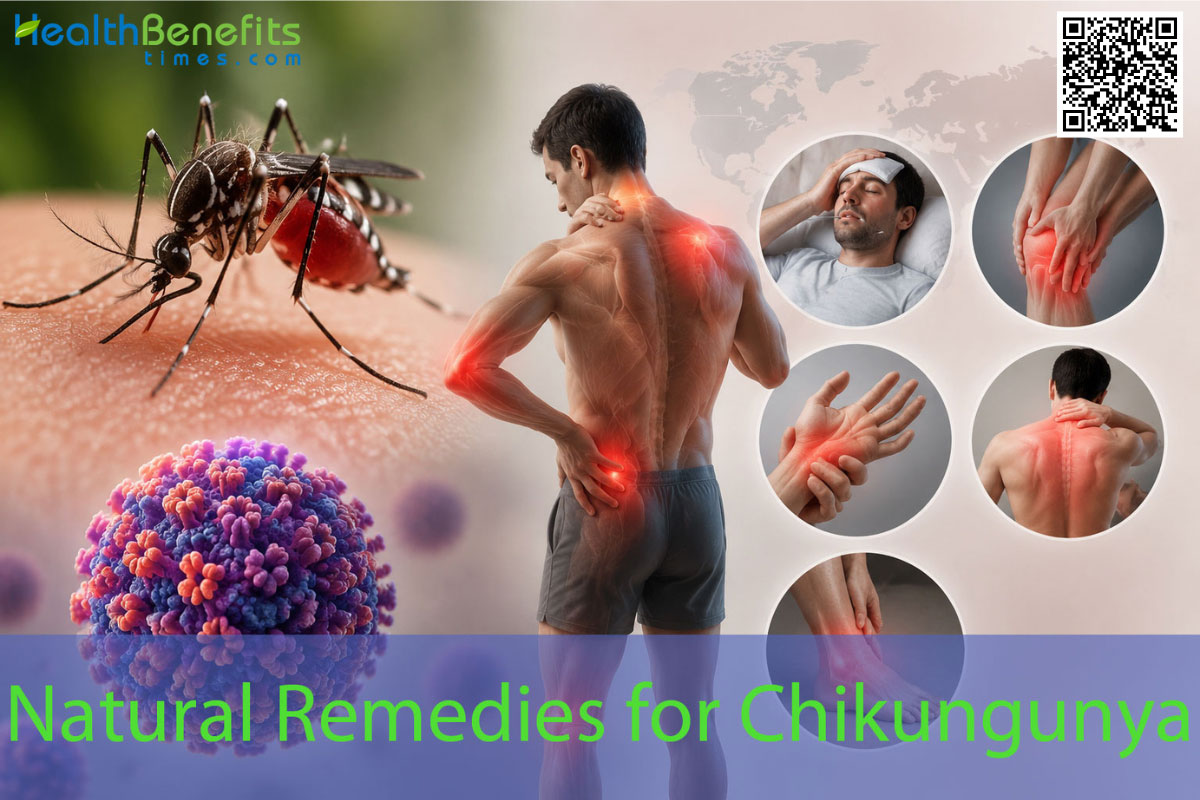
The name “chikungunya” comes from the Kimakonde language of southern Tanzania and translates to “that which bends up.” 1 It describes the hunched posture of people doubled over from severe joint pain and that image tells you a lot about what this disease does. Chikungunya is a viral illness spread by mosquitoes. The virus behind it, known as CHIKV, is a single-stranded RNA virus that belongs to the alphavirus genus in the Togaviridae family. 2 It was first identified in Tanzania in 1952. Since then, it has been recorded in more than 110 countries across Africa, Asia, Europe, and the Americas. 2 The illness typically hits fast sudden high fever followed by intense pain in multiple joints. Most people recover within a week, but for a significant number, the joint pain can persist for months or even years. 3 Between January and September 2025 alone, 445,271 cases and 155 deaths were reported across 40 countries, marking chikungunya as a major and re-emerging public health concern. 4
Causes of Chikungunya
1. Aedes aegypti mosquito (Egyptian mosquito):
The primary urban vector, well-adapted to tropical and subtropical climates, biting both indoors and outdoors during daylight hours 2.
2. Aedes albopictus mosquito (Asian tiger mosquito):
A secondary vector with broader temperature tolerance that can overwinter in temperate zones, expanding the disease’s geographic reach 5.
3. Mother-to-child transmission
Vertical transmission can occur intrapartum when a viremic mother delivers, with transmission rates reaching up to 50% in such cases 6.
4. Bloodborne transmission
Rare cases have been documented through needlestick injury and laboratory exposure 7.
5. Travel to endemic regions
Visiting Africa, Southeast Asia, the Indian subcontinent, the Americas, or Pacific islands raises exposure risk 8.
6. Standing water near homes
Aedes mosquitoes lay eggs in containers of stagnant water, multiplying breeding sites 9.
7. Daytime outdoor activity
Aedes species bite primarily during dawn and dusk, increasing exposure during peak activity hours 1.
Symptoms of Chikungunya
1. High-grade fever
Sudden onset, often above 39°C (102°F), commonly biphasic and lasting up to one week 3.
2. Severe polyarthralgia
Bilateral, symmetric joint pain that most often affects hands, wrists, ankles, and feet and can be debilitating 6.
3. Joint swelling and stiffness
Synovitis with morning stiffness similar to rheumatoid arthritis 10.
4. Maculopapular rash
Pruritic rash on the trunk, extremities, palms, soles, and face, appearing after fever onset 3.
5. Myalgia and fatigue
Diffuse muscle pain accompanied by overwhelming tiredness 2.
6. Headache and conjunctivitis
Frontal headache and red, irritated eyes are common 6.
7. Nausea and vomiting
Gastrointestinal disturbances may accompany fever 3.
8. Chronic phase
Studies report 30–70% of patients suffer persistent joint pain and fatigue lasting months to years after the acute illness resolves 11.
9. Rare complications
Uveitis, myocarditis, hepatitis, nephritis, meningoencephalitis, and Guillain-Barré syndrome can occur, particularly in vulnerable populations 3.
Chikungunya Fact Table
| Symptoms |
|
| Causes |
|
| Types of Chikungunya |
|
| How It Spreads |
|
| Age Group Affected |
|
| Higher-Risk Factors |
|
| Diagnosis |
|
| Other Facts
|
|
Natural Remedies for Chikungunya
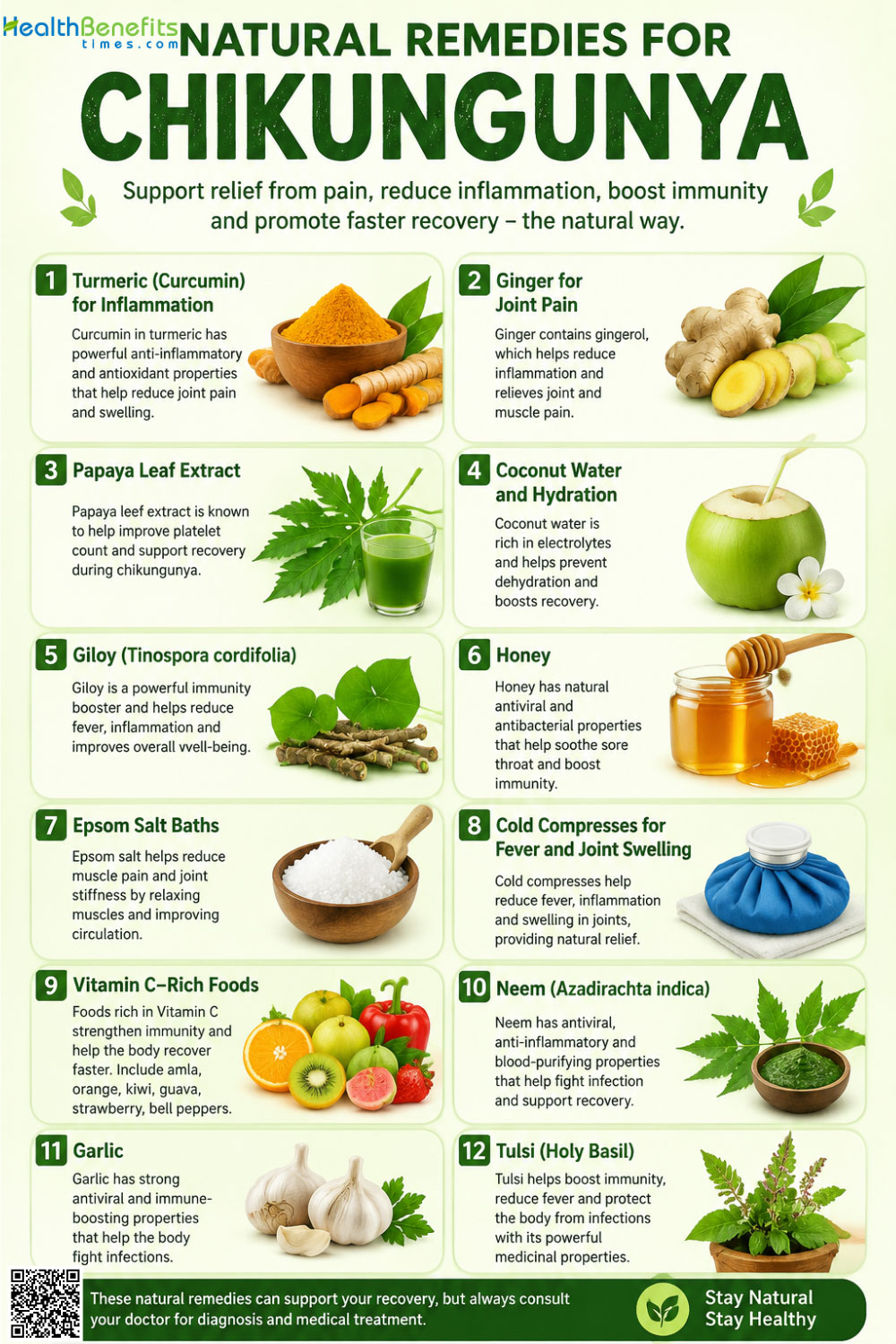
1. Turmeric (Curcumin) for Inflammation
Turmeric doesn’t just provide antioxidants it also appears to influence how your body’s inflammatory signaling pathways switch on and off. The active compound behind this is curcumin, which works by blocking several key drivers of inflammation in the body. It suppresses enzymes like COX-2 and lipoxygenase, dials down a major inflammatory switch called NF-κB, and reduces the production of proteins that fuel swelling and pain including TNF-α, IL-1β, and IL-6. 18 Beyond its anti-inflammatory effects, curcumin has also shown antiviral activity against several types of RNA viruses in lab and animal studies. This dual action makes it a potentially useful support during chikungunya, especially for the joint pain that often lingers after infection. 19 One of the simplest ways to add turmeric to your routine is through warm milk sometimes called “golden milk” or by using it regularly in cooking. If you’re considering higher, supplement-level doses, check with your doctor first.
2. Ginger for Joint Pain
The way ginger works against joint pain comes down to a relatively simple mechanism: its active compounds gingerols, shogaols, and paradols block the same inflammatory pathways that common painkillers like NSAIDs target. 20 They calm overactive immune cells called macrophages and reduce the production of prostaglandins and leukotrienes, both of which drive pain and swelling. A 2025 randomized trial put this to the test. Adults with mild-to-moderate joint pain who took ginger supplements reported less pain overall. Their blood work backed it up too levels of key inflammatory markers like IL-6, TNF-α, and C-reactive protein all dropped. 21 For those dealing with the widespread joint pain that chikungunya is known for, drinking ginger tea two to three times a day may offer some relief.
3. Papaya Leaf Extract
Few plant-based remedies have been studied as closely for viral fevers as papaya leaf extract particularly for its effect on low platelet counts. In a randomized trial involving dengue patients, those who took papaya leaf extract saw their platelet levels rise by 482% by day three, compared to 331% in the placebo group. 22 Lab and computer-based studies have also identified several compounds in papaya leaves including carpaine, quercetin, violaxanthin, and zeaxanthin that may block key proteins used by the chikungunya virus. 23 Direct trials on chikungunya are still limited, but the extract remains widely used as a supportive remedy.
4. Coconut Water and Hydration
Most people dealing with chikungunya don’t realize how quickly dehydration sets in. Fever, sweating, and a drop in appetite all pull fluid from the body faster than usual. 17 That makes replacing lost fluids one of the most important things to stay on top of during recovery. Coconut water is a practical option here. It’s naturally rich in potassium, sodium, and magnesium the same electrolytes the body loses through sweat. In a randomized trial, it performed on par with commercial sports drinks for rehydration after dehydrating exercise. 24 Drinking 1–2 glasses a day, alongside oral rehydration solutions and plain water, can help you maintain a healthy electrolyte balance throughout recovery.
5. Giloy (Tinospora cordifolia)
In traditional Ayurvedic medicine, giloy has been used for centuries to manage fevers and inflammation. Now, researchers are examining those traditional claims more closely. 25 The herb contains active compounds berberine, tinosporin, and tinocordiside that appear to support the immune system, reduce fever, and fight inflammation. Lab and animal studies suggest giloy helps regulate the body’s inflammatory response, boosts the activity of immune cells called macrophages, and shows antiviral properties in several experimental models. 26 Giloy juice or a boiled preparation (decoction) is commonly used for fever relief. However, strong clinical trials testing its effects specifically against chikungunya in humans are still missing. If you’re considering giloy, keep in mind that most of the evidence so far comes from lab and animal research not from human studies on this particular virus.
6. Honey
Most people think of honey as a simple kitchen sweetener. But its medicinal profile is anything but ordinary. Raw honey carries anti-inflammatory, antioxidant, antibacterial, and even antiviral properties. These come from its ability to produce hydrogen peroxide, its naturally low pH, a protein called defensin-1, and its phenolic compounds. 27 Clinical reviews also highlight honey’s role in supporting the immune system and easing common symptoms like sore throat, fever, and inflammation. 28 To get the most out of it, try mixing a teaspoon of raw honey into warm water with a squeeze of lemon or a bit of fresh ginger. It’s a simple step that can help ease discomfort during recovery.
7. Epsom Salt Baths
The relationship between Epsom salt baths and joint relief looks simple on the surface, but gets more complicated the deeper you look. Warm water mixed with magnesium sulfate commonly known as Epsom salt is a popular home remedy for muscle tension and stiff joints. Some research links it to reduced inflammation and joint pain in people with arthritis 29. Whether magnesium actually absorbs through the skin is still up for debate. But the warm water itself does help. It relaxes tight muscles and improves blood flow around sore joints 30. Soaking for 15 to 20 minutes, two to three times a week, may provide noticeable relief.
8. Cold Compresses for Fever and Joint Swelling
The way cold therapy affects swollen joints comes down to a relatively simple mechanism: it narrows blood vessels, slows nerve signaling, and dials back histamine release all of which help ease pain and bring down inflammation. 31 For fever, the Mayo Clinic suggests placing a damp washcloth or cool compress on the forehead or under the arms to help lower body temperature. 32 When using cold packs on inflamed joints, keep them on for 10–15 minutes at a time. Always wrap them in a cloth first never place them directly on bare skin. 33
9. Vitamin C–Rich Foods
Vitamin C does more than most people give it credit for. It strengthens the barriers that line your skin and gut, helps white blood cells move toward infections faster, supports the growth of immune cells, and boosts your body’s production of interferons proteins that fight viruses. When levels run low, the body becomes more vulnerable to infections. 34 Foods like oranges, guavas, kiwis, amla, bell peppers, broccoli, and strawberries are all rich in vitamin C and may support immune recovery during chikungunya. Aim for 100–200 mg daily through food sources.
10. Neem (Azadirachta indica)
Neem leaves are rich in compounds like azadirachtin, nimbidin, nimbin, and quercetin. These aren’t just obscure plant chemicals multiple reviews have found they can modulate the immune system, reduce inflammation, and fight viruses. 35 Lab studies help explain why. Neem extracts appear to lower levels of TNF-α and IL-6, two proteins that drive inflammation. At the same time, they seem to boost CD4+ and CD8+ T-cells, which are key players in the body’s defense against infections. 36 Neem leaf decoctions have been used traditionally to bring down fever. However, they should be used with caution and avoided entirely during pregnancy.
11. Garlic
Garlic has been consumed for health purposes for thousands of years. Modern science is now beginning to understand what makes it so effective against infections. 37 Garlic contains sulfur-based compounds most notably allicin, ajoene, and diallyl trisulfide. These compounds appear to fight viruses in several ways. They can block viruses from entering cells, interfere with how viruses replicate their genetic material, and help activate the body’s immune defenses. 37 Clinical trials also suggest that garlic may help prevent common viral infections like colds and flu. 38 If you want to take advantage of these properties, try crushing two cloves of garlic and adding them to your meals each day. Crushing activates the beneficial compounds, making this a simple and practical addition to your routine.
12. Tulsi (Holy Basil)
In many parts of South Asia, tulsi has been used for centuries as a go-to remedy during fevers and infections. Now, researchers are looking more closely at why it works. 39 Studies show that tulsi (Ocimum sanctum) may help the body fight illness in several ways. It appears to reduce inflammation, support immune function, and work against certain microbes. Clinical evidence also suggests it can improve how immune cells multiply and help keep the body’s inflammatory signals in better balance. 39 Chewing 5–10 fresh tulsi leaves or drinking tulsi tea may help bring down a fever and give the immune system a gentle boost during recovery.
Foods and Activities to Avoid
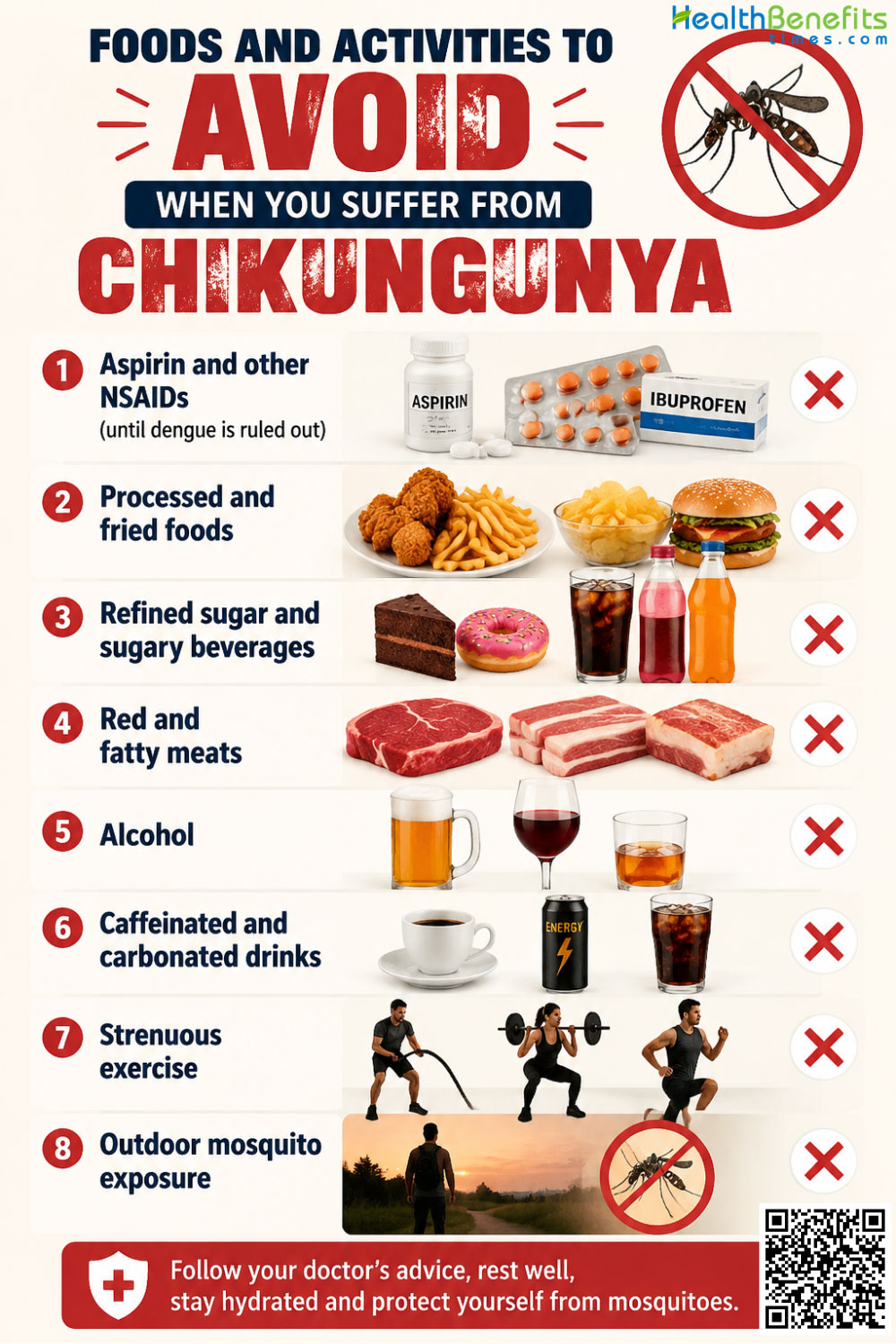
1. Aspirin and other NSAIDs (until dengue is ruled out)
WHO and CDC explicitly advise avoiding ibuprofen, naproxen, and aspirin until dengue is excluded because they raise hemorrhage risk if dengue is present 17 12.
2. Processed and fried foods
High in trans fats and additives that promote systemic inflammation 40.
3. Refined sugar and sugary beverages
Excessive sugar intake can suppress immune function and worsen inflammation.
4. Red and fatty meats
Heavy non-vegetarian foods burden the liver, which CHIKV can already compromise.
5. Alcohol
Impairs liver function, dehydrates, and may interact with medications.
6. Caffeinated and carbonated drinks
Caffeine is a diuretic and worsens dehydration.
7. Strenuous exercise
Exertion during acute illness intensifies fatigue and joint inflammation.
8. Outdoor mosquito exposure
During the first week, prevent further bites to avoid onward transmission 41.
Myths and Misconceptions
- Myth: Chikungunya is contagious between people.
Fact: It is not transmitted via touch, droplets, or food; it requires a mosquito vector or rare perinatal transmission 42. - Myth: Antibiotics treat chikungunya.
Fact: Antibiotics have no effect on viruses; treatment is purely supportive 17. - Myth: Once the fever ends, the illness is fully gone.
Fact: In fact, 30–70% of patients experience persistent joint pain for months or years 11. - Myth: You can get chikungunya repeatedly.
Fact: Current evidence indicates lasting immunity after a single infection 2. - Myth: Papaya leaf juice cures chikungunya.
Fact: It may help platelet counts and provide some antiviral support but does not eliminate the virus 43. - Myth: Mosquito bites only happen at night.
Fact: Aedes mosquitoes are daytime feeders, with peaks at dawn and dusk 2.
Special Considerations
1. Children
Children’s vulnerability to chikungunya differs from adults’ in a few critical ways and newborns face the highest stakes. Babies infected during birth have roughly a 50% chance of contracting the virus from their mothers. The consequences can be severe, including brain damage, seizures, and long-term delays in development. 6 Making prevention harder, the chikungunya vaccine is currently approved only for adults. That means protecting children comes down to practical, everyday measures. Use mosquito screens on windows, apply age-appropriate repellents, and cover cribs and beds with nets especially in areas where the virus is active. 9
2. Pregnancy
For pregnant women, chikungunya carries implications that go beyond general health advice. Most infections during pregnancy don’t pass to the baby. But the risk changes sharply around delivery. During the perinatal period the window just before and after birth the chance of mother-to-child transmission jumps to as high as 48–50% 15. When transmission does occur, the newborn can develop severe illness. If you’re pregnant and close to your due date, avoid traveling to areas with active outbreaks 44. You should also steer clear of turmeric in medicinal doses, as it may stimulate uterine contractions 45.
3. Chronic Conditions
For people with diabetes, high blood pressure, heart disease, or asthma, chikungunya carries implications that go beyond general infection risks. These chronic conditions are linked to higher rates of severe illness and complications. 14 Diabetes deserves extra attention here. The virus can throw off blood sugar levels during an active infection. If you have diabetes, keeping a close watch on your glucose is important while your body fights off the illness. 46
4. Elderly
As we age, our body’s ability to fight infections changes in ways that make dengue fever increasingly relevant and potentially more dangerous. Adults aged 65 and older face the highest risk of unusual symptoms, hospitalization, and death from dengue. This is largely because the immune system weakens over time, and older adults are more likely to have other health conditions that complicate recovery. 47 If you’re in this age group, it’s important to seek medical attention early rather than waiting for symptoms to worsen. Natural remedies should only be used carefully and alongside never in place of treatments prescribed by a doctor.
Precautions Before Using Natural Remedies
- Consult your healthcare provider before starting any herbal supplement, especially if you take prescription medications 45.
- Verify dengue status first. Because dengue and chikungunya present similarly, you should avoid NSAIDs and aspirin-like compounds (including high-dose turmeric) until dengue is ruled out 41.
- Avoid medicinal turmeric in pregnancy due to uterine-stimulating and bleeding risks 48.
- Stop herbal supplements two weeks before any surgery to avoid bleeding complications.
- Do not replace prescribed treatment with natural remedies; they are adjuncts only 17.
- Watch for allergies to neem, papaya, garlic, or honey, which can cause skin or gastrointestinal reactions.
- Use raw, unprocessed honey for therapeutic benefit and never give honey to infants under one year of age.
- Avoid Epsom salt baths if you have open wounds, severe heart disease, or kidney impairment without physician approval 49.
- Choose certified, lab-tested supplements when buying turmeric, giloy, or papaya extract to avoid heavy-metal contamination.
When to See a Doctor
You should seek prompt medical evaluation if any of the following develop, since chikungunya can rarely cause severe organ involvement 3.
- Persistent fever above 102°F (39°C) lasting more than three days 32.
- Severe, unrelenting joint pain that limits walking or daily activities.
- Signs of dehydration such as dark urine, dizziness, or reduced urination.
- Bleeding gums, nosebleeds, or skin petechiae that may indicate dengue co-infection.
- Neurological symptoms: confusion, seizures, severe headache, or weakness, suggesting possible meningoencephalitis or Guillain-Barré syndrome 6.
- Chest pain, palpitations, or breathing difficulty, which may signify myocarditis.
- Pregnancy with suspected exposure, especially during the third trimester 15.
- Symptoms in infants under one year old or adults over 65 with comorbidities 12.
- Joint pain persisting beyond three weeks, which may benefit from physiotherapy, NSAIDs (after dengue exclusion), or DMARDs 50.
Recommendations
- First 72 hours after symptom onset: Confirm chikungunya through RT-PCR, rule out dengue, rest, hydrate aggressively with water, coconut water, and oral rehydration solution, and use only acetaminophen for fever and pain 16.
- Days 4–14 (acute phase): Layer evidence-based natural remedies ginger tea, turmeric milk, vitamin C–rich fruits, garlic, tulsi, and papaya leaf extract on top of supportive care, while applying cold compresses to fevered foreheads and inflamed joints.
- Beyond two weeks (subacute/chronic phase): If joint pain persists, your doctor may add NSAIDs (after dengue exclusion), corticosteroids, or physical therapy; warm Epsom salt baths and giloy-based formulations can complement these therapies 41.
- Prevention going forward: Use EPA-registered repellents (DEET, picaridin, IR3535, or oil of lemon eucalyptus), wear long sleeves, install window screens, eliminate stagnant water around the home, and consider vaccination (IXCHIQ) if you are an adult traveler to outbreak areas 8.
Thresholds that change these recommendations: Hospitalization is warranted if temperature exceeds 104°F (40°C), platelet count drops below 50,000/μL, neurological signs appear, or pregnancy reaches the late third trimester during outbreak exposure.
Caveats
The natural remedies covered here come with a significant caveat. Most of them are backed by lab studies, animal research, or studies on related viruses like dengue, SARS-CoV-2, and influenza not large clinical trials specifically on chikungunya. That means they should be viewed as supportive tools, not cures. Papaya leaf is a good example of why caution matters. Much of the evidence comes from studies on dengue-related low platelet counts. And the results are mixed one randomized trial called PLEAD found no significant effect on platelets at all. 51 Epsom salt baths are another area where the science lags behind the claims. The idea that magnesium absorbs through the skin during a soak has not been scientifically proven. Herbal supplements carry their own risks too they can interact with prescription medications or contain contaminants. None of these remedies replace proper medical care. Fluid management, ruling out dengue, and vaccine-based prevention remain essential steps. If you’re considering adding any herbal remedy to your routine, talk to a qualified clinician first especially if you’re pregnant, elderly, immunocompromised, or managing a chronic condition.