

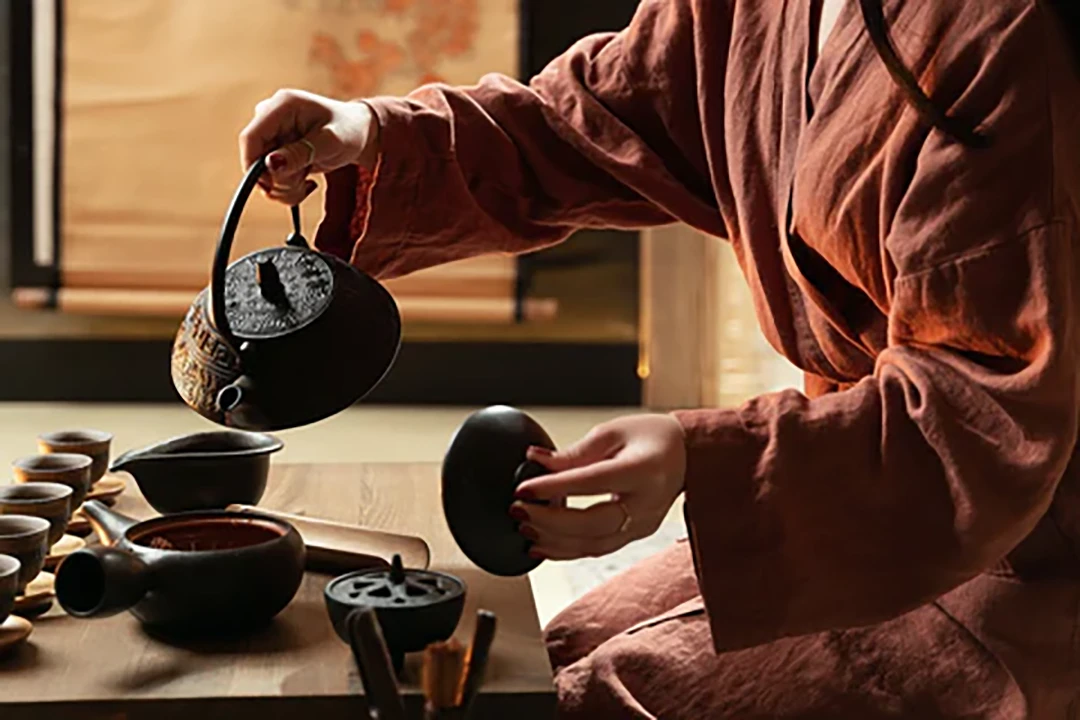
Japanese tea captivates with its richness and precision. Behind its simple appearance lies a complex world shaped by centuries of tradition and careful attention to detail. This article explores Japanese tea through its origins, main varieties, and the elements that make it unique.
Origins and Culture of Tea in Japan
Tea arrived in Japan over a thousand years ago through exchanges with China. Over time, it became an essential part of Japanese culture. The country quickly developed its own techniques, particularly the steaming of leaves immediately after harvest. This method helps preserve the green color and maintain fresh, distinctive aromas.
All Japanese tea varieties come from the same plant, Camellia sinensis. What sets them apart are cultivation methods—such as exposure to sunlight or shading—and processing techniques. These factors greatly influence the taste and appearance of the tea.
The Main Types of Japanese Tea
Japanese tea comes in several categories, each with its own characteristics.
Sencha: The Everyday Tea
Sencha is the most common tea in Japan. Grown in full sunlight, it has a vegetal and slightly astringent flavor. Its production involves several precise steps: harvesting, steaming, rolling, and drying. The leaves take on a thin, needle-like shape.
Matcha: The Iconic Powder
Matcha is probably the most internationally recognized Japanese tea. Unlike other teas, it comes in powdered form. The leaves are finely ground and then mixed directly with water, creating a thick texture and a distinct intensity.
Produced from shaded crops, matcha has a unique profile, further enhanced by its special preparation method.
Gyokuro: The Premium Tea
Gyokuro is considered one of the finest teas in Japan. Before harvest, the plants are shaded for several weeks. This technique alters their development and results in a tea that is smooth, rich, and delicate.
Other Varieties to Discover
Japan also offers other types of tea worth exploring:
- Genmaicha: a blend of green tea and roasted rice, with a slightly toasty flavor
- Hōjicha: roasted tea with warm, woody notes
- Bancha: a simpler tea made from late harvests
- Tamaryokucha: tea with curled leaves and a milder taste
These varieties highlight the diversity and creativity of Japanese tea.
A Precise and Demanding Craft
The quality of Japanese tea depends on a high level of mastery throughout the process. Every stage matters, from cultivation to preparation. Shading, processing time, and even water temperature directly affect the final result.
Teas grown in the shade develop different characteristics from those exposed to sunlight. In addition, each variety requires a specific preparation to fully reveal its aromas.
Exploring Japan’s Great Tea Gardens
To better understand the richness of Japanese tea, it is worth discovering products from renowned regions. Certain selections highlight the expertise of producers and the diversity of terroirs. A deeper exploration allows you to experience different harvests and styles through the following link: thé du japon.
A Unique Sensory Experience
Japanese tea offers a complete experience that goes beyond taste. Color, aroma, and texture all play a role. Each cup reveals different nuances, ranging from fresh vegetal notes to more roasted aromas.
This diversity allows everyone to find a tea that suits their preferences, whether they are new to it or already familiar.
Conclusion
Japanese tea represents a balance between tradition and precision. Each variety reflects a craftsmanship developed over time. Discovering these teas means opening the door to a rich culture and a meticulous approach where every detail matters.