

Something interesting has been happening in the UK over the past few years, and it’s not just about fitness trends or fancy new gadgets. It’s more personal than that. More seniors are quietly stepping away from traditional gyms and building something different at home instead.
Not because they’ve lost interest in staying active. Quite the opposite, actually. Many are more committed than ever. But the way they’re choosing to stay fit is changing. Comfort, safety, and independence are becoming just as important as exercise itself.
And that’s where at-home fitness tech has started to reshape the picture.
Walk into a growing number of UK homes today and you might see something unexpected: compact digital workout systems, guided strength programs on screens, and simple setups designed specifically for older adults. It’s not flashy in a gym-membership kind of way. But it works. And more importantly, it feels manageable.
Why gyms are losing their appeal for many older adults
For decades, going to the gym was seen as the “proper” way to stay fit. But for many seniors, that routine doesn’t always fit life anymore.
There’s the travel, for one thing. Even a short trip can feel like a hassle on cold or rainy days. Then there’s the environment itself—busy spaces, unfamiliar equipment, and sometimes the quiet worry of keeping up with younger gym-goers.
None of this means seniors don’t enjoy exercise. It just means the setting isn’t always ideal anymore.
And then something else became clear during recent years: home-based routines could actually be just as effective, sometimes even more so. Once people realized they could exercise safely at home without losing progress, habits started to shift.
That’s where smart systems began to stand out. Not as replacements for activity, but as tools that remove friction from it.
How smart fitness tech quietly changed the game
One of the biggest changes has been the arrival of guided, tech-supported fitness systems that don’t require guesswork. Instead of wondering how many reps to do or whether a movement is safe, users get clear instructions, feedback, and structure.
This matters a lot more than people sometimes realize.
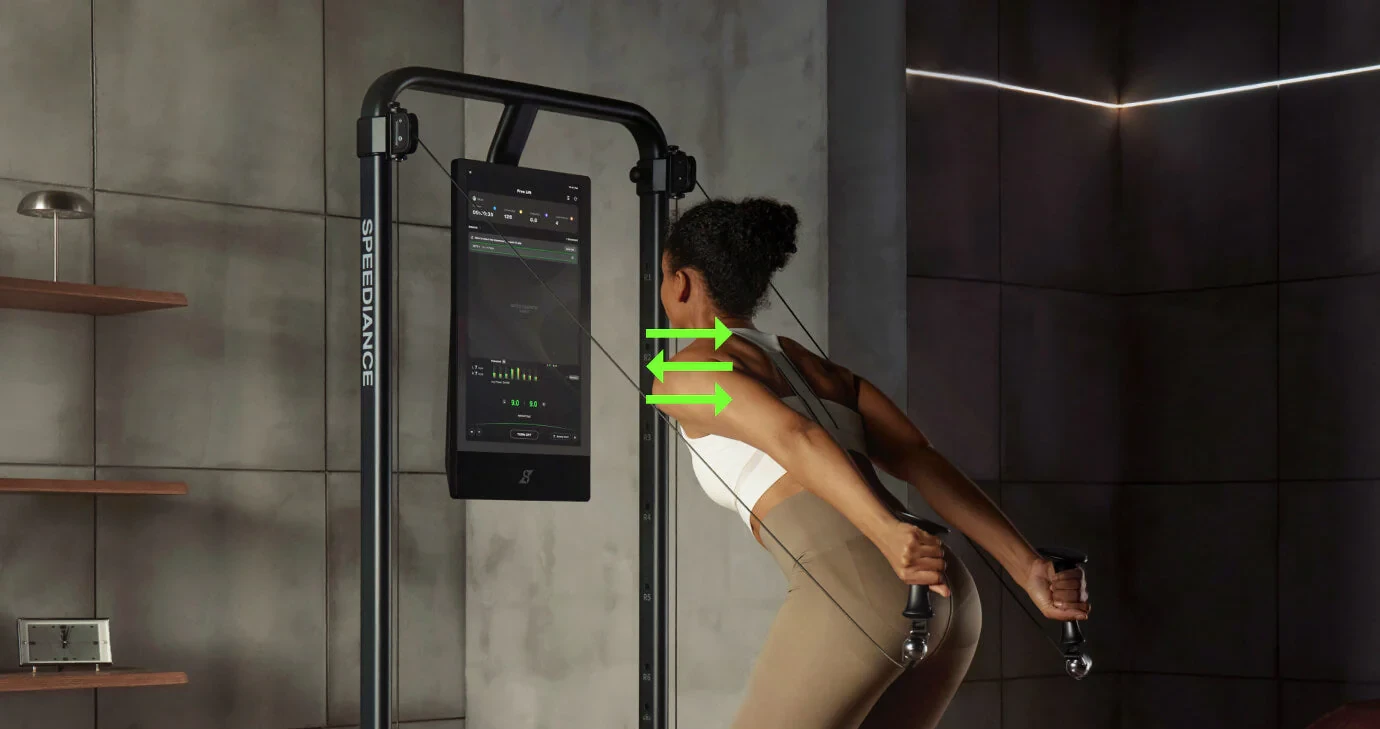
Take the Speediance Home Gym, for instance. It epitomises this shift by combining guided, on-screen coaching with a space-efficient, all-in-one design. For many seniors, its appeal lies in removing the guesswork and intimidation. The system provides clear, adaptive workouts and replaces clunky, risky free weights with smooth, infinitely adjustable digital resistance. This turns a corner of the living room into a personal, pressure-free studio, offering the guidance of a coach without the commute or the crowded gym floor.
For older adults especially, confidence is everything. If a routine feels confusing or risky, it gets skipped. But when it feels supported and predictable, it becomes part of everyday life.
That’s why products described as a smart home gym for seniors have been gaining attention in UK households. They’re not just about equipment—they’re about guidance. A bit like having a quiet coach in the corner of the room, helping pace the workout without pressure or judgment.
And the interesting part is how naturally they fit into daily routines. A short session before breakfast. A light strength routine in the afternoon. Nothing overwhelming. Just consistent movement that builds over time.
Safety and confidence: the real priorities
If there’s one thing that stands out in conversations about senior fitness, it’s safety. Not in a restrictive sense, but in a practical one.
People want to stay active without worrying about strain or injury. They want movement that supports joints rather than stressing them. And they want equipment that feels stable, simple, and predictable.
That’s why the idea of safe fitness equipment for older adults has become so central to modern home fitness design. It’s not about removing challenge—it’s about removing unnecessary risk.
In many UK homes, this has translated into setups that focus on controlled resistance, guided movement, and adjustable intensity. Nothing extreme. Nothing complicated. Just thoughtful design that respects how bodies change over time.
And when safety is built in, something interesting happens: consistency improves. People don’t avoid workouts out of fear. They actually look forward to them more often because the uncertainty is gone.
Fitness becoming part of everyday home life
One of the quieter cultural shifts behind all this is how fitness is blending into home life instead of sitting outside it.
Gyms used to feel like separate destinations. You went there, did your workout, and left. Now, for many seniors, exercise is becoming part of the same space where life already happens.
That change matters.
It means movement is no longer tied to weather, travel, or scheduling conflicts. It can happen between everyday moments. It becomes less of an “event” and more of a habit.
And once fitness enters that rhythm, it tends to stick.
There’s also something emotionally grounding about it. Exercising at home feels familiar. There’s no performance pressure. No comparison. Just a steady, personal pace.
Community health is shifting with it
This isn’t just an individual trend. It’s starting to influence broader conversations about community health in the UK.
Local health initiatives are increasingly looking at how older adults can stay active in ways that don’t depend on public infrastructure. Not because gyms or community centres aren’t important, but because accessibility varies so much from place to place.
In smaller towns and rural areas especially, at-home fitness offers a practical bridge. It helps people maintain independence without needing to rely on transport or strict schedules.
And when more seniors stay active consistently, the benefits ripple outward—better mobility, improved balance, and a stronger sense of independence all contribute to overall well-being in the community.
It’s a quieter kind of impact, but a meaningful one.
Why this trend isn’t slowing down
If anything, this shift feels like it’s still in its early stages.
As technology becomes easier to use and more tailored to different age groups, adoption keeps growing. The focus isn’t on complexity—it’s on simplicity that still feels engaging.
And that’s really the key here. Seniors don’t want “simplified” fitness in a limiting way. They want something that respects their ability while adapting to their needs.
When systems get that balance right, they stop feeling like gadgets and start feeling like part of daily life.
That’s why conversations around smart home gym setups for seniors are becoming more common—not as luxury items, but as practical tools for long-term health.
A more personal kind of fitness future
At the heart of all this is a simple idea: staying active should feel possible at every stage of life.
For many seniors in the UK, at-home fitness tech isn’t replacing the gym out of necessity. It’s offering a different kind of experience—one that feels calmer, more personal, and easier to maintain.
There’s something quietly powerful about that. Not dramatic transformation, not extreme routines, but steady movement that fits into real life.
And maybe that’s what makes this trend so important. It’s not about chasing fitness ideals. It’s about making sure movement stays part of everyday living, in a way that actually works for the people doing it.