

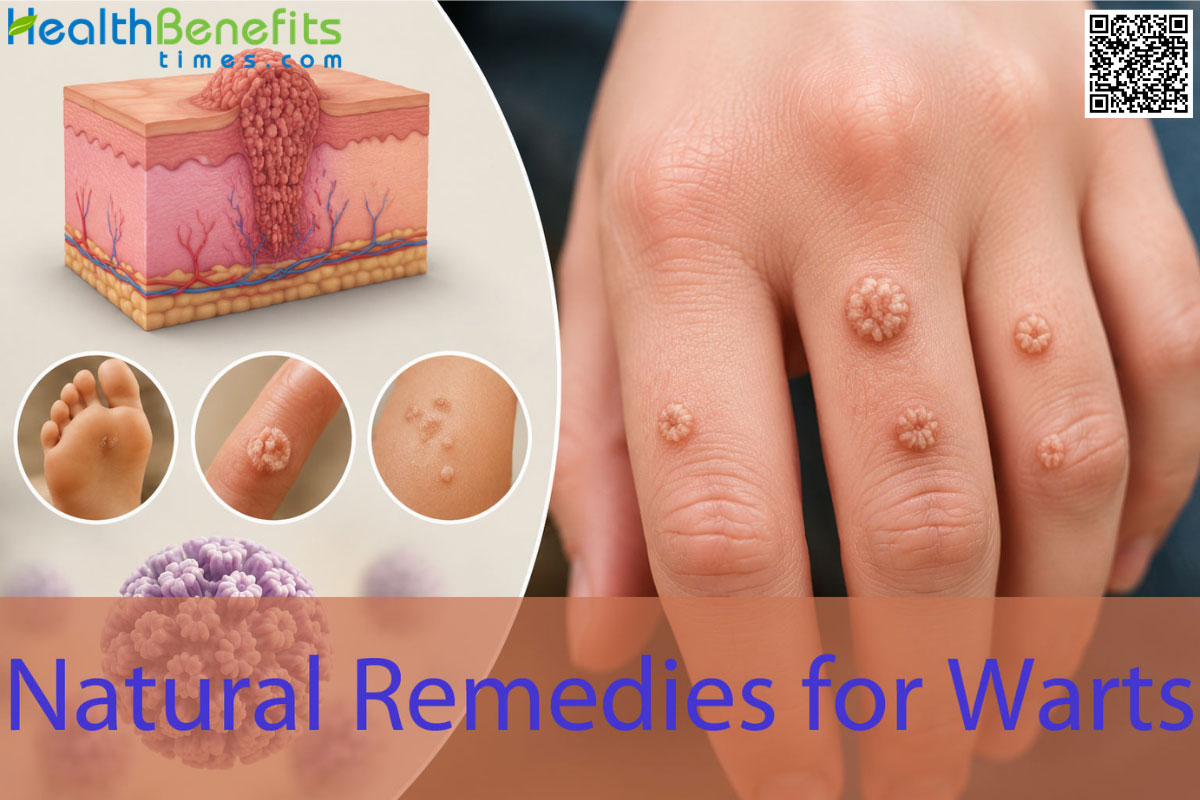
Discovering an unexpected bump on the skin can often feel a bit unsettling, but understanding the nature of these common growths brings immediate peace of mind. Warts are simply small, benign, noncancerous skin formations that occur when a very common virus makes its way into the body’s outer protective layers 1. This microscopic invader slips through tiny, sometimes completely invisible scratches or cuts, prompting the skin cells in that specific area to multiply at a rapid pace 2. As these extra cells build up, they create the hardened, elevated, and rough-textured bumps that so many people experience at some point in their lives 3. While they can technically emerge anywhere from head to toe, they are most frequently spotted on the hands, fingers, and the soles of the feet 4. Because the human immune system is designed to eventually recognize and fight off viral intruders, these harmless skin bumps will often disappear completely on their own over time 5. However, since this natural clearing process can take many months or even years, numerous people seek gentle, effective methods to help speed up their removal and restore smooth skin.
Causes of Warts
Countless everyday interactions expose the human body to the invisible, microscopic world around us. When it comes to the development of these specific skin bumps, the underlying cause is always viral, though several environmental, physical, and lifestyle factors strongly dictate exactly how and where the infection takes hold.
1. The Human Papillomavirus (HPV)
The singular, definitive root cause of all common skin warts is an infection by the human papillomavirus 6. Scientists and researchers have cataloged over 100 distinct strains of this highly prevalent virus, though only a select few are responsible for the rough bumps that appear on the hands, knees, or feet 7. It is important to know that the everyday strains of HPV that cause typical skin warts are entirely different from the high-risk viral strains that are associated with more serious health conditions or cellular mutations 8.
2. Breaches in the Skin Barrier
Viruses cannot easily penetrate a perfectly healthy, unbroken layer of skin. Instead, the virus patiently waits for an opportunity to slip inside the body through microscopic tears, tiny cuts, or everyday scrapes 2. Common habits like absentmindedly biting fingernails, picking at hangnails, or chewing on cuticles create small openings that serve as the perfect front door for the virus to enter 2. Furthermore, individuals who suffer from severely dry, painfully cracked skin during the winter months are much more vulnerable to infection because their natural skin barrier is compromised 2.
3. Direct Physical Contact
Because the virus is contagious by nature, touching an existing bump directly is one of the easiest and most common ways the infection spreads 9. A person can easily spread the virus from one finger to another part of their own body simply by scratching, touching, or picking at a current bump 2. Similarly, holding hands or having close physical contact with someone who has an active viral bump can transfer the pathogen to your own skin.
4. Indirect Contact with Contaminated Surfaces
The HPV virus is remarkably resilient and can survive for a limited time on damp, inanimate objects. Sharing personal hygiene items with someone who has an active infection is a prime pathway for transmission. Using another person’s damp bath towels, washcloths, clothing, shaving razors, warm socks, or nail clippers can easily transfer the living virus directly to a new host 2.
5. Warm and Moist Environments
Like many pathogens, this virus thrives and multiplies best in damp, humid, and warm conditions. Walking barefoot in heavily trafficked public spaces such as community swimming pool decks, gym locker rooms, or shared dormitory showers drastically increases the risk of the virus attaching to the bottom of the feet 2. Additionally, people who experience hyperhidrosis, a medical condition characterized by excessive, constant sweating, have continuously moist and softened skin that is highly susceptible to catching the HPV infection 2.
6. Weakened Immune Function
The body’s immune system serves as the primary, built-in defense against HPV. When the immune system is still immature, which is why these bumps are so prevalent in school-aged children and young adults, the virus easily slips past the body’s natural guards 7. Furthermore, when the immune system is actively weakened due to chronic illnesses, high stress, immunosuppressive medications, or struggles with substance abuse, the virus encounters far less resistance and can rapidly trigger the extra cell growth that eventually forms a visible bump 3.
Symptoms of Warts
Recognizing these unique skin growths is usually a straightforward, simple process once a person knows exactly what physical characteristics to look for. Depending on the specific viral strain involved and the anatomical location on the body, the visual appearance and sensory experience can vary quite a bit.
1. Rough, Grainy Bumps
The absolute most common and easily recognizable symptom is the sudden appearance of a small, fleshy, raised bump that feels noticeably rough and uneven when you run a finger over it 7. The textured surface of these everyday common warts is frequently described by dermatologists as resembling the uneven, bumpy top of a miniature cauliflower floret 10.
2. Black Pinpoint Dots
Many individuals notice tiny, dark specks scattered near the center or just under the surface of the growth. While older, traditional folklore mistakenly referred to these specks as “wart seeds,” medical professionals have clearly identified them as small, clotted blood vessels that have grown upwards into the tissue to supply the rapidly expanding cells with oxygen and blood 7.
3. Thickened, Hardened Skin on the Feet
When the virus manages to infect the thick sole of the foot, it creates what is known as a plantar wart. Because of the constant, heavy pressure of walking, running, and standing, these specific growths are physically pushed inward into the foot rather than growing outward like a typical bump 10. They often look and feel exactly like a thick, hard callus or a flat, white area of tough skin, sometimes featuring a tiny dark dot right in the center 10.
4. Pain and Discomfort
While a vast majority of these bumps are completely painless and only present a cosmetic annoyance, those located in high-friction or weight-bearing areas can become quite uncomfortable. Plantar warts located squarely on the heels or the balls of the feet can cause a sharp, localized pain that feels very similar to stepping on a sharp pebble every time you take a step 10. Growths located on the hands or fingers can also ache significantly if they are frequently bumped, rubbed against tools, or caught on tight clothing 4.
5. Flat, Smooth Patches
It is important to note that not all of these viral growths are raised and rough. Flat warts, which most commonly appear on the faces of young children or along the legs of adult women, are very small, completely smooth, and only slightly elevated above the surrounding normal skin 4. They frequently appear in large, grouped clusters and tend to have a subtle yellowish or light brown tint that blends in with the skin 10.
6. Thread-like Projections
Filiform warts present a very unique and visually distinct symptom. They grow incredibly rapidly and form long, narrow, thread-like spikes that look almost like the bristles of a tiny brush 10. Because of their delicate, elongated structure, they are most frequently found protruding from the face, particularly clustering around the eyelids, nose, or lips 10.
Warts Facts
| Symptoms |
|
| Causes |
|
| Types of WARTS |
|
| How does spread
|
|
| Age Group |
|
| You might be at a higher risk for exposure of this disease if you: |
|
| How doctors diagnose |
|
| Other facts |
|
Natural Remedies of Warts
Turning to nature for gentle, accessible relief has been a trusted approach to skincare for many generations. These various natural remedies generally operate through a few distinct, easily understood scientific mechanisms: they either utilize naturally occurring acids to slowly and safely peel away the infected layers of skin, employ natural plant enzymes to physically break down the hardened tissue, or leverage innate antimicrobial properties to help the body’s immune system fight the localized virus.
1. Apple Cider Vinegar (ACV)
Fermented apple juice yields a highly acidic, versatile liquid that has become an absolute staple in the world of natural skin care. Apple cider vinegar is packed with natural acetic acid, which acts on the skin in a manner very similar to over-the-counter chemical peels 19. When properly applied, the natural acid slowly burns and breaks down the infected, thickened skin cells, prompting the hardened bump to eventually dry up, turn dark, and peel away 20. Furthermore, the mild, localized irritation caused by the acid is widely believed to trigger a powerful immune response, essentially waking up the body’s white blood cells and alerting them to attack the lingering HPV virus in that specific spot 20. Because of its surprisingly strong acidity, ACV should always be properly diluted typically mixing two parts vinegar to one part pure water before a soaked cotton ball is gently applied to the growth and covered securely with an adhesive bandage for a few hours at a time 19.
2. Garlic Extract
This highly pungent, everyday kitchen staple actually boasts a long, incredibly well-documented history of being used globally to heal various fungal, bacterial, and viral skin conditions 19. The secret to raw garlic’s remarkable effectiveness is a potent, sulfur-rich compound called allicin, which naturally provides strong antimicrobial and immunomodulating properties to the skin 19. Various research studies have successfully demonstrated that applying raw garlic extract directly to the skin can lead to complete resolution of the bump within just three to four weeks without returning 19. To harness this impressive botanical power at home, a person can simply crush a single fresh clove of garlic, mix the juices with a few drops of water, and apply the resulting paste directly to the bump, making sure to cover it tightly overnight with a bandage 19.

3. The Duct Tape Method
Surprisingly enough, heavy-duty, silver hardware tape is one of the most widely recommended home treatments available, consistently suggested even by trained, board-certified medical professionals 21. The mechanism behind the famous “duct tape method” relies primarily on physical occlusion, exfoliation, and oxygen deprivation. By covering the growth completely and tightly with a small piece of silver duct tape, the skin trapped underneath quickly becomes highly moist, pale, and wrinkled creating an uncomfortable environment that the virus struggles to survive in 21. The tape is typically left in place 24 hours a day for nearly a week. Once it is finally removed, the softened area is soaked in warm water, and the dead skin is gently buffed away with a disposable emery board or a rough pumice stone before a fresh piece of tape is applied 19.
4. Propolis and Manuka Honey
Worker bees instinctively produce highly complex, sticky substances to protect their delicate hives from disease, and these miraculous natural substances translate remarkably well to human skin care. Propolis, a resinous, dark mixture created by bees from tree sap, is absolutely packed with natural antiviral compounds 22. Clinical trials evaluating the daily use of oral propolis supplementation have shown an incredibly impressive success rate, resulting in over 70% of study participants seeing their common and flat bumps vanish completely without any other intervention 23. The natural propolis acts systemically to enhance the body’s overall immune system, empowering the white blood cells to seek out and target the HPV-infected skin cells from the inside out 23.
5. Tea Tree Oil
Carefully extracted from the leaves of the native Australian melaleuca tree, tea tree oil is highly regarded in the holistic health community for its powerful anti-inflammatory and robust antimicrobial characteristics 19. Dedicated researchers continue to actively investigate exactly how its natural antiviral properties so effectively disrupt the HPV virus’s ability to thrive and multiply on human skin 19. Because raw, undiluted essential oils are incredibly concentrated and can cause severe, painful chemical burns on contact, tea tree oil must always be heavily diluted before use. Mixing just one or two small drops of the pungent tea tree oil into a gentle, soothing carrier oil, like almond or castor oil, creates a highly safe, effective mixture that can be gently dabbed onto the growth a few times every day 19.
6. Banana Peels
While it certainly sounds like an old, debunked wives’ tale, countless people report genuine success using the leftover, discarded peels of this incredibly common breakfast fruit. Fresh banana peels are remarkably rich in natural enzymes, antioxidants, and a high concentration of potassium 24. The prevailing theory among natural health advocates suggests that these specific plant enzymes help significantly soften the hardened, tough keratin of the bump while simultaneously fighting the underlying viral environment 25. To try this method, a small square of the yellow peel is cut, placed with the soft, stringy inner side directly touching the skin, and taped securely in place while the person sleeps overnight 19.
7. Celandine Herb (Milky Juice)
The greater celandine plant is a botanical marvel that has been utilized in traditional folk medicine and deep homeopathic practices for centuries, specifically targeted at treating viral skin anomalies 26. When the stem of the celandine herb is broken, it secretes a bright yellow, milky sap that is dense with unique alkaloids. This raw, milky juice possesses potent natural antiviral properties that directly combat diseases induced by the papilloma viruses 26. Simply dabbing the fresh sap onto the affected skin daily has been shown to slowly diminish the viral growth, making it a highly valued, historically significant natural therapy.
8. Castor Oil
Extracted from the seeds of the Ricinus communis plant, castor oil is a thick, soothing liquid renowned for its deep anti-inflammatory and powerful antimicrobial properties 19. Historically used as a natural, soothing remedy for various harsh skin conditions, including ringworm and severe dandruff, its thick consistency makes it an excellent topical treatment. Applying a few drops of warm castor oil directly to the hardened skin helps to deeply moisturize the area, reduce localized inflammation, and slowly break down the tough, virally infected tissue over weeks of continuous application 19.
Foods and Activities to Avoid When You suffer from Warts
Taking care of your body from the inside out is absolutely vital when trying to clear a stubborn viral infection. Treating a skin condition requires much more than just applying remedies to the outside of your body; you must also actively support your internal immune system and practice good, daily habits to prevent the virus from spreading.
1. Avoid Foods High in Refined Sugar
When you regularly consume sugary treats, dense baked goods, and sweet sodas, you cause rapid, unnatural spikes in your blood glucose levels. High blood sugar has been scientifically proven to temporarily suppress your immune system’s white blood cells, making it substantially harder for your body to fight off the lingering HPV virus 27.
2. Cut Back on Ultra-Processed Foods
Packaged, convenient snacks, greasy fast food, and instant microwavable meals are packed tightly with artificial additives, unhealthy fats, and excess salt while completely lacking the essential vitamins your immune system so desperately relies on 28. Eating a daily diet heavy in these highly processed foods promotes chronic, low-grade inflammation, which ultimately distracts your immune defenses from focusing on healing your skin 28.
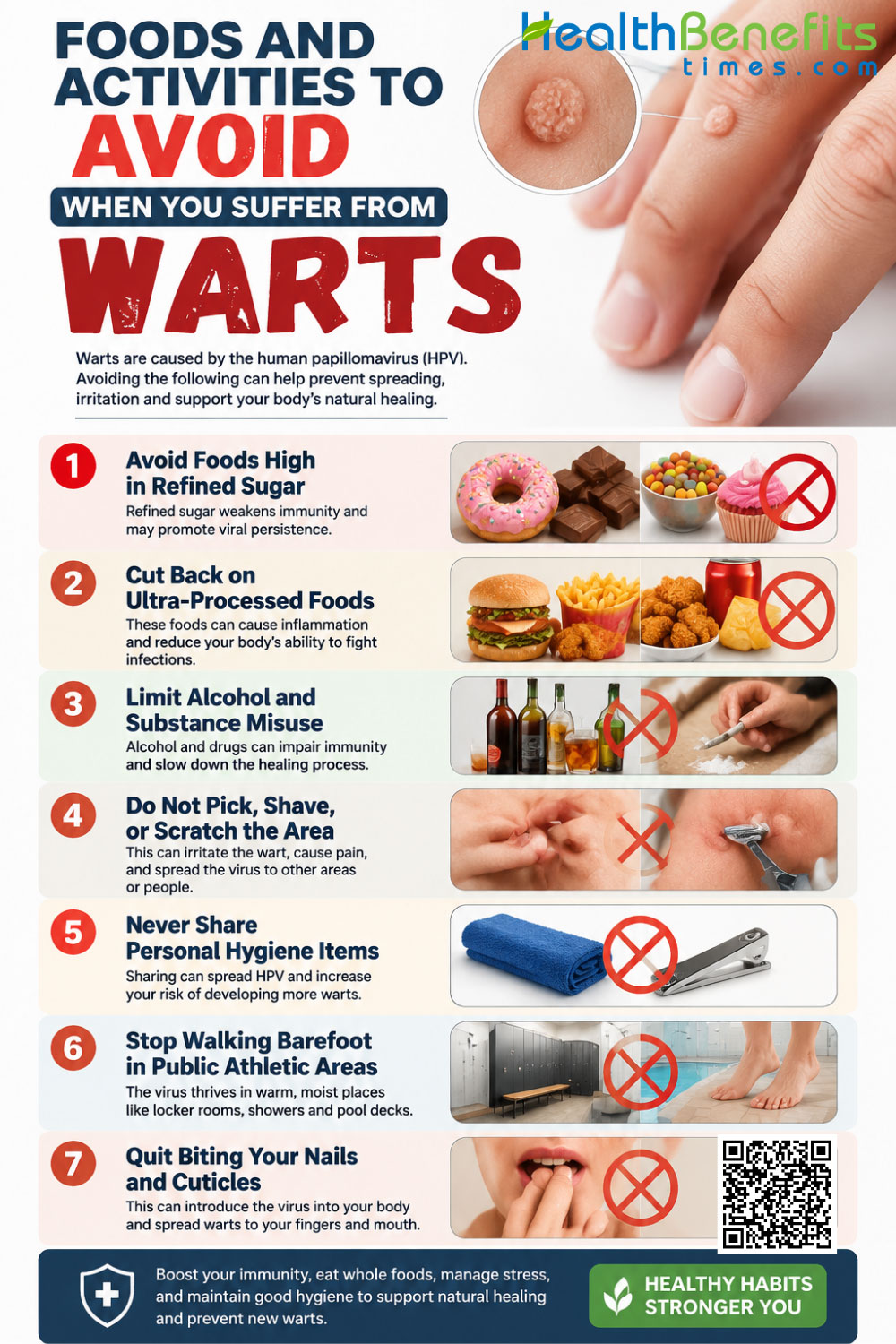
3. Limit Alcohol and Substance Misuse
As you consider your overall health, you should be acutely aware that heavy, chronic alcohol consumption and the use of illicit substances severely suppress your immune system’s natural function. Addiction and substance misuse weaken your body’s ability to absorb vital nutrients, vastly increase your susceptibility to bacterial and viral infections, and severely delay normal wound healing 29. To give your skin the absolute best chance to heal, you must prioritize sobriety and seek out positive, healthy coping mechanisms 30.
4. Do Not Pick, Shave, or Scratch the Area
It is incredibly tempting to pick at rough, uneven skin, but doing so is a guaranteed way to make your frustrating situation significantly worse. Scratching actively breaks the skin further and captures the microscopic virus deep under your fingernails, allowing you to easily and unknowingly transfer it to your face, other fingers, or completely healthy areas of your body 31. Furthermore, dragging a razor over a bump will create micro-cuts that spread the virus down your legs or across your face in a straight line 2.
5. Never Share Personal Hygiene Items
The HPV virus loves to hitch a quiet ride on damp, warm fabrics and personal grooming tools. You must never share your wet bath towels, damp washcloths, nail clippers, or shaving razors with anyone else in your household, as this indirect contact is the primary, leading way the virus spreads rapidly between close family members 2.
6. Stop Walking Barefoot in Public Athletic Areas
If you are highly prone to developing painful plantar warts, you must avoid walking without proper shoes in high-risk, damp athletic areas. Always wear waterproof flip-flops or plastic shower sandals when utilizing public gym locker rooms, community swimming pool decks, or communal wrestling showers to maintain a strict, physical barrier between your bare skin and the contaminated, wet floors 32.
7. Quit Biting Your Nails and Cuticles
Chewing nervously on your fingernails or tearing at the soft cuticles surrounding them creates microscopic tears and chronic, daily skin trauma. These tiny, practically invisible wounds act as a constantly open door for the virus, making your fingers prime, highly vulnerable real estate for stubborn, painful growths to take root 2.
Myths and Misconceptions
Throughout human history, bizarre folklore and persistent misunderstandings have circulated widely regarding common skin ailments, leading to unnecessary fear and completely incorrect treatment methods. Clearing up these deep-seated fallacies is absolutely essential for proper, calm skin care.
One of the oldest, most widespread, and enduring myths in popular culture is the firm belief that touching frogs or picking up toads will instantly cause ugly bumps to erupt on a person’s hands 33. This charming but false idea likely originated because many wild toads possess bumpy, highly textured skin that closely resembles human skin growths 33. However, amphibians do not carry the human papillomavirus; the natural bumps on their skin are simply harmless mucus and poison glands meant for their own protection, making it entirely, scientifically impossible to catch a viral infection from holding a toad 34.
Another deeply ingrained, visceral misconception is the frightening idea that these skin growths have long, deep “roots” extending far down into the bone or muscle, or that they contain actual, hard seeds waiting to sprout 17. In reality, these viral bumps are strictly superficial, top-level growths that form only within the absolute top layer of the skin, known as the epidermis 34. If they ever appear to grow incredibly deep—such as with a painful plantar bump on the heel of the foot—it is only because the heavy weight of the human body has physically pushed the top layer of skin inward, displacing the soft tissue beneath it 17. The tiny, alarming black dots often mistaken by the public for “seeds” are nothing more than small, harmless, clotted blood vessels that have naturally grown to supply the expanding tissue with nutrients 17.
Furthermore, there is a common, understandable panic that these unsightly growths are somehow intrinsically linked to skin cancer. While it is true that certain high-risk, sexually transmitted strains of the HPV virus are closely associated with cervical and other serious cancers, the specific, low-risk, everyday strains that cause common skin and foot bumps are completely benign and absolutely do not develop into cancerous tumors 17. Finally, many discouraged individuals mistakenly believe that once they contract one of these bumps, they are hopelessly stuck with it forever. The reassuring truth is that the body’s incredible immune system will naturally clear most of these minor infections over time, and various natural or professional treatments can permanently eliminate them long before that happens 34.
Special Considerations
Because every single human body functions and heals differently, natural remedies and standard medical treatments are never a simple, one-size-fits-all solution. Certain vulnerable populations must be highly cautious about exactly how they manage these viral skin infections to completely avoid unintended, severe complications.
1. Children
School-aged children and growing teenagers have the absolute highest prevalence of these viral bumps, simply because their young immune systems are still actively developing and they frequently interact in close-contact, high-risk environments like playgrounds, shared classrooms, and gymnasiums 5. When treating young children, the profound psychological impact of the growths such as enduring playground bullying, deep embarrassment, or social anxiety must be carefully weighed against the physical pain of the treatment itself 35. Highly acidic natural remedies or painful, freezing chemical methods can cause intense distress and tears. Gentle, completely painless options like the simple duct tape method or overnight banana peel applications are highly favored for pediatric care, as they remove the fear from the healing process 26.
2. Pregnancy
During the beautiful journey of pregnancy, a woman’s body undergoes massive, sweeping hormonal shifts, and her immune system naturally, gently suppresses itself slightly to protect the developing baby. This temporary, totally normal immune suppression can sometimes surprisingly cause existing, previously dormant viral bumps to suddenly grow larger or rapidly multiply across the skin 36. Pregnant individuals must be incredibly careful regarding treatment, as many harsh over-the-counter chemical removers and strong, concentrated acids are generally not recommended or approved for use during gestation due to absorption risks 37. If treatment becomes absolutely necessary for comfort, benign natural options or professional, controlled cryotherapy are considered safer, though many doctors strongly advise simply waiting until after delivery, as the growths very often resolve spontaneously once the mother’s immune function returns to its normal, robust state 36.
3. Chronic Conditions
Patients currently living with difficult chronic illnesses, particularly diabetes, cardiovascular disease, or HIV, face severe, unique challenges regarding basic skin healing. Diabetes deeply compromises the body’s circulatory system and significantly impairs white blood cell function, meaning a diabetic body takes significantly longer to heal from even the most minor, everyday wounds 38. Furthermore, advanced diabetes often causes neuropathy a dangerous loss of physical sensation and feeling in the feet and hands 39. If a diabetic patient uses an acidic natural remedy like pure apple cider vinegar, they might unknowingly burn a deep hole in their skin without feeling any warning pain, leading to a massive, non-healing, infected ulcer 38. Similarly, deeply immunocompromised patients, such as those living with HIV, recovering from organ transplants, or suffering from the effects of injection drug use, have a much harder time clearing the HPV virus and often suffer from severe, treatment-resistant growths that require advanced medical protocols rather than simple home remedies 18.
4. Elderly
As the remarkable human body ages over the decades, the skin naturally becomes much thinner, highly fragile, and noticeably slower to regenerate new cells. The elderly population frequently experiences reduced, sluggish blood circulation, particularly in the lower extremities like the calves and feet. Treating a stubborn, painful growth on the foot of an elderly individual with harsh, skin-peeling acids or abrasive natural enzymes can very easily damage the delicate, paper-thin surrounding tissue, leading to open sores that are agonizingly slow to close 40. Treatment plans for this respected demographic should always prioritize gentle, slow skin softening, deep moisturizing, and holistic immune support over aggressive, physically destructive methods that risk permanent scarring or dangerous secondary infections.
Precaution before use of natural remedies when you have Warts
While ingredients pulled straight from nature sound completely harmless and endlessly safe, they can still cause significant, painful damage to your skin if used carelessly or hastily. Before you open your pantry or raid your medicine cabinet, you must strictly follow these vital, protective safety guidelines.
1. You Must Never Treat Your Face or Genitals at Home
The delicate skin on your face and in the sensitive genital region is incredibly thin, highly reactive, and dangerously prone to severe, permanent scarring 19. You must never, under any circumstances, use highly acidic remedies, raw garlic, or harsh tape on these specific areas, as you risk permanent disfigurement and intense pain; always see a trained professional for these specific anatomical regions 19.
2. You Must Always Dilute Strong Acids and Oils
Potent, raw ingredients like unpasteurized apple cider vinegar and pure, undiluted tea tree oil are highly concentrated and can easily cause severe chemical burns if applied directly to the skin. You must always dilute them carefully with pure water or a gentle, soothing carrier oil to protect your skin’s natural moisture barrier 19.
3. You Should Protect the Surrounding Healthy Skin
When applying any natural peeling agent, you only want to destroy the infected, raised bump, not the perfectly normal, healthy skin around it. You should carefully apply a physical barrier, such as a thin ring of petroleum jelly or thick cream, completely around the base of the growth before applying your chosen remedy to ensure the healthy tissue is not accidentally burned or damaged 41.
4. You Must Stop Immediately if You Experience Severe Pain or Bleeding
A slight tingling, mild warmth, or very minor irritation is completely normal when actively peeling away dead skin, but intense burning, deep throbbing pain, or active bleeding is a glaring sign that the remedy is far too aggressive. You must stop the treatment instantly, wash the area thoroughly with mild soap and cool water, and allow the skin ample time to heal 42.
5. You Must Not Share Your Exfoliating Tools
If you decide to use a disposable emery board or a rough pumice stone to gently buff away the dead skin between your natural treatments, you must throw it away or sanitize it thoroughly after every single use. You must never use that same infected tool on a healthy part of your body, or you will actively, undeniably spread the virus to new locations 39.
6. You Must Consult a Professional if You Have Circulation Issues
If you suffer from diagnosed diabetes, peripheral nerve damage, or consistently poor blood flow, you must completely avoid trying to treat your feet with at-home, natural remedies 39. Because your body cannot feel pain signals correctly or heal small wounds efficiently, you risk a catastrophic, limb-threatening infection; always defer to a doctor’s expert guidance 38.
When to see Doctor
Holistic home remedies require immense patience and diligent consistency, but they are certainly not always the most appropriate or safe answer. It is absolutely critical to recognize exactly when your body is signaling that it is overwhelmed and desperately needs professional, medical intervention. You need to make an appointment to see a trusted healthcare professional if:
1. You Experience Severe, Limiting Pain
If walking, typing on a keyboard, holding a pen, or performing your normal daily activities becomes agonizing, you should stop treating the bump at home and seek a doctor who can offer swift, targeted, and safe pain relief 7.
2. You Notice Bleeding or Oozing
Viral bumps generally do not bleed unless they are severely traumatized or picked at. If your bump begins to bleed spontaneously, ooze thick pus, or feel surprisingly hot to the touch, you may have developed a dangerous secondary bacterial infection that strictly requires prescription antibiotics to clear 7.
3. You See Rapid, Uncontrollable Spreading
If you notice new, tiny growths multiplying quickly across your hands, feet, or body despite your absolute best hygiene efforts, your immune system is clearly failing to contain the virus, and you need stronger, professional therapies to halt the spread 7.
4. You Have Underlying Health Issues
If you have been diagnosed with an immune disorder, are currently undergoing harsh chemotherapy, or have advanced diabetes, you must bypass home remedies entirely. You require a trained doctor to safely, carefully manage the infection without risking your overall, systemic health 7.
5. You Are Unsure of the Diagnosis
Many different skin conditions, including painful corns, thick calluses, deep cysts, and even certain rare, dangerous forms of skin cancer, can perfectly mimic the bumpy, rough appearance of a harmless viral infection 3. If you have any lingering doubts or anxiety about what the growth actually is, you must have a dermatologist visually examine it or perform a quick, painless biopsy to confidently confirm the diagnosis 7.