

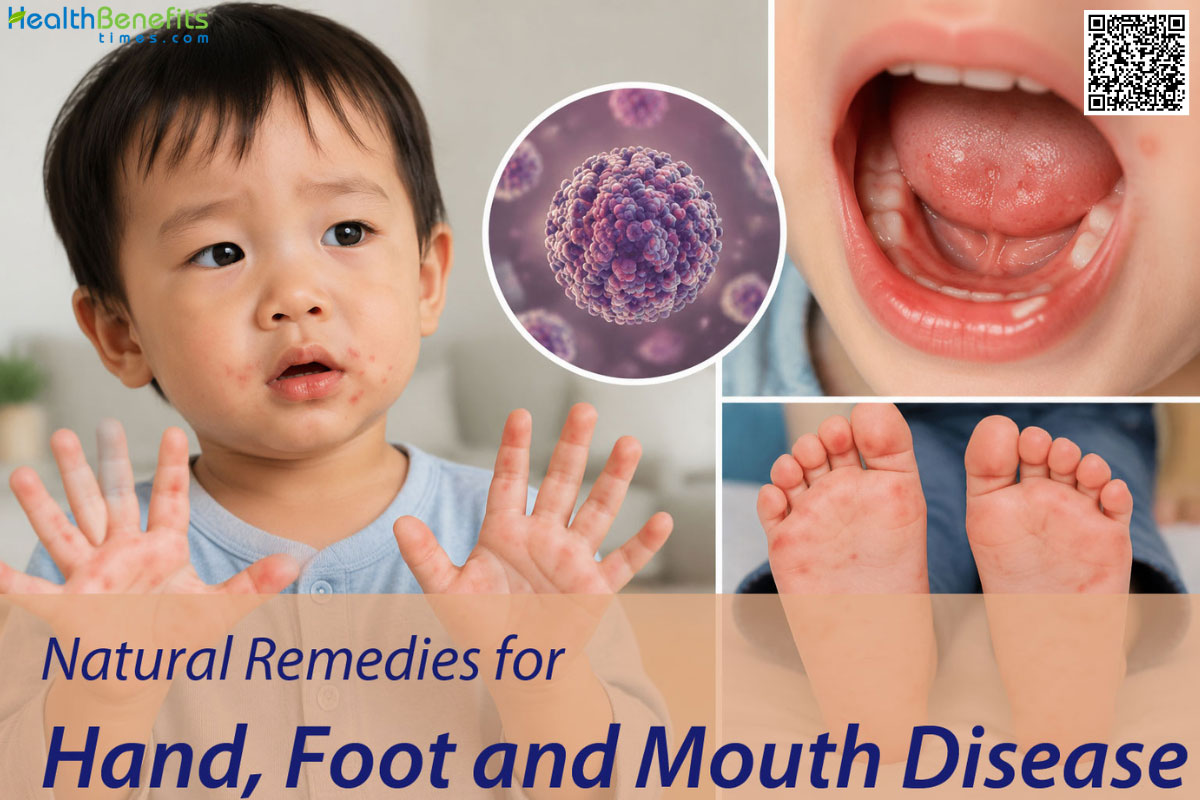
 What is Hand, Foot and Mouth Disease
Hand, foot, and mouth disease has a name that sounds alarming. The reality is more reassuring. It’s a common viral infection highly contagious, but self-limiting seen most often in infants and young children 1. The telltale signs are hard to miss: painful mouth sores and a blister-like rash on the hands and feet 2. Most cases clear up on their own within 7 to 10 days. That said, the virus can stay active in the body for several weeks after symptoms disappear meaning a child can still spread it even when they look perfectly fine 3. Outbreaks tend to peak in summer and early fall, spreading quickly through daycares, preschools, and similar settings 4. Children under five are most commonly affected, but anyone can catch it including healthy adults 5.
Causes of Hand, Foot and Mouth Disease
Understanding exactly what triggers this illness helps in managing expectations regarding treatment and hygiene. The infection is completely viral in nature, meaning that common bacterial treatments like prescription antibiotics have absolutely no effect on its progression.
1. Coxsackievirus A16
This specific virus stands as the most frequent culprit behind standard outbreaks across the globe, typically resulting in a mild and highly predictable clinical course of illness 6.
2. Enterovirus 71 (EV-A71)
Serving as the second most common root cause, this viral strain is more frequently associated with larger regional outbreaks and carries a slightly elevated risk of mild nervous system complications 7.
3. Coxsackievirus A6
Emerging more recently in public health data, this particular strain is well known for triggering a more severe, atypical rash that can rapidly spread to the arms, legs, and face, often resulting in later skin peeling 8.
4. Other Enteroviruses
Several other distinct strains belonging to the nonpolio enterovirus group, including A5, A9, and A10, can also spark the illness, which easily explains why an individual can unfortunately contract the disease multiple times throughout their life 1.
Symptoms of Hand, Foot and Mouth Disease
Recognizing the early physical signs allows caregivers to provide comfort measures sooner rather than later. The illness typically unfolds in a series of distinct, observable stages following an initial unseen incubation period of three to six days.
1. Early Flu-Like Signs
The very first indication of the infection is often a low-grade fever ranging between 100.4 and 102.2 degrees Fahrenheit, accompanied by general bodily fatigue, a sore throat, and a sudden, noticeable loss of appetite 3.
2. Painful Mouth Sores (Herpangina)
Shortly after the fever begins to peak, small red spots develop deep in the back of the mouth, on the tongue, and along the gums, which rapidly turn into incredibly painful blisters and open ulcers that cause excessive drooling in infants 4.
3. Classic Skin Rash
A non-itchy but highly visible rash characterized by flat red spots or tiny water-filled blisters emerges on the palms of the hands and the soles of the feet, usually within a day or two of the mouth sores appearing 2.
4. Atypical Rash Locations
Depending on the exact viral strain contracted, the blistering rash may spread well beyond the hands and feet to aggressively appear on the buttocks, knees, elbows, or genital area, particularly in younger infants in diapers 6.
5. Late-Stage Peeling
As the body naturally heals itself one to two weeks after the initial infection, painless shedding and peeling of the skin on the fingers and toes may occur, and in rare instances, patients experience temporary but harmless nail loss 8.
Hand, Foot and Mouth Disease Facts
| Fact Category | Details |
| Symptoms |
|
| Causes |
|
| Types of Hand, Foot and Mouth Disease |
|
| How does spread |
|
| Age Group |
|
| You might be at a higher risk for exposure of this disease if you: |
|
| How doctors diagnose |
|
| Other facts |
|
Natural Remedies for Hand, Foot and Mouth Disease
When you are dealing with a viral infection where conventional medicine primarily offers just time and basic pain relievers, turning to holistic and natural care provides immense relief. Your main goal while managing this illness is to keep the affected person hydrated and to actively soothe the painful sores on the skin and inside the mouth. Because your body has to fight off the virus naturally, creating a healing, supportive environment is the absolute best approach. Here are the most effective, research-backed natural remedies you can rely on to alleviate the discomfort.
1. Chamomile and Marigold (Calendula) Tea Rinses
Flowers have long held a respected place in traditional healing, and their benefits are now strongly supported by modern studies. Chamomile is widely recognized for its potent anti-inflammatory, antioxidant, and antimicrobial properties that gently aid the body 9. The flower contains bioactive compounds like apigenin, which actively suppress the production of inflammation-causing chemicals in the body, visibly reducing localized swelling and pain 10. Marigold, or calendula, similarly offers gentle tissue-healing properties that accelerate recovery. When brewed into a strong tea and cooled, these botanicals can rapidly soothe the intense burning sensation of oral ulcers in the mouth and throat.
Note: Commonly used as a cool mouth rinse or gargle several times a day. For infants and toddlers who cannot spit, you can dab the cold tea directly onto the mouth sores using a clean cotton swab, or offer it as a soothing cool drink in small, frequent sips.
2. Propolis Supplementation
Bees create a remarkable resinous mixture known as propolis to protect their hives from disease, and this “bee glue” has highly impressive human applications. Clinical research has highlighted propolis for its excellent therapeutic and protective effects, particularly its ability to combat viral activity 11. Studies show that propolis supplementation significantly reduces the total duration of the illness, bringing it down by over a full day on average compared to those who do not use it 12. Furthermore, it facilitates rapid symptomatic relief from restlessness and poor appetite without causing any adverse bodily side effects 13.
Note: Commonly consumed orally. You can easily mix age-appropriate doses of propolis powder or alcohol-free liquid tincture drops into yogurt, cool oatmeal, or honey to mask the strong taste. (Never use honey in children under 1 year).
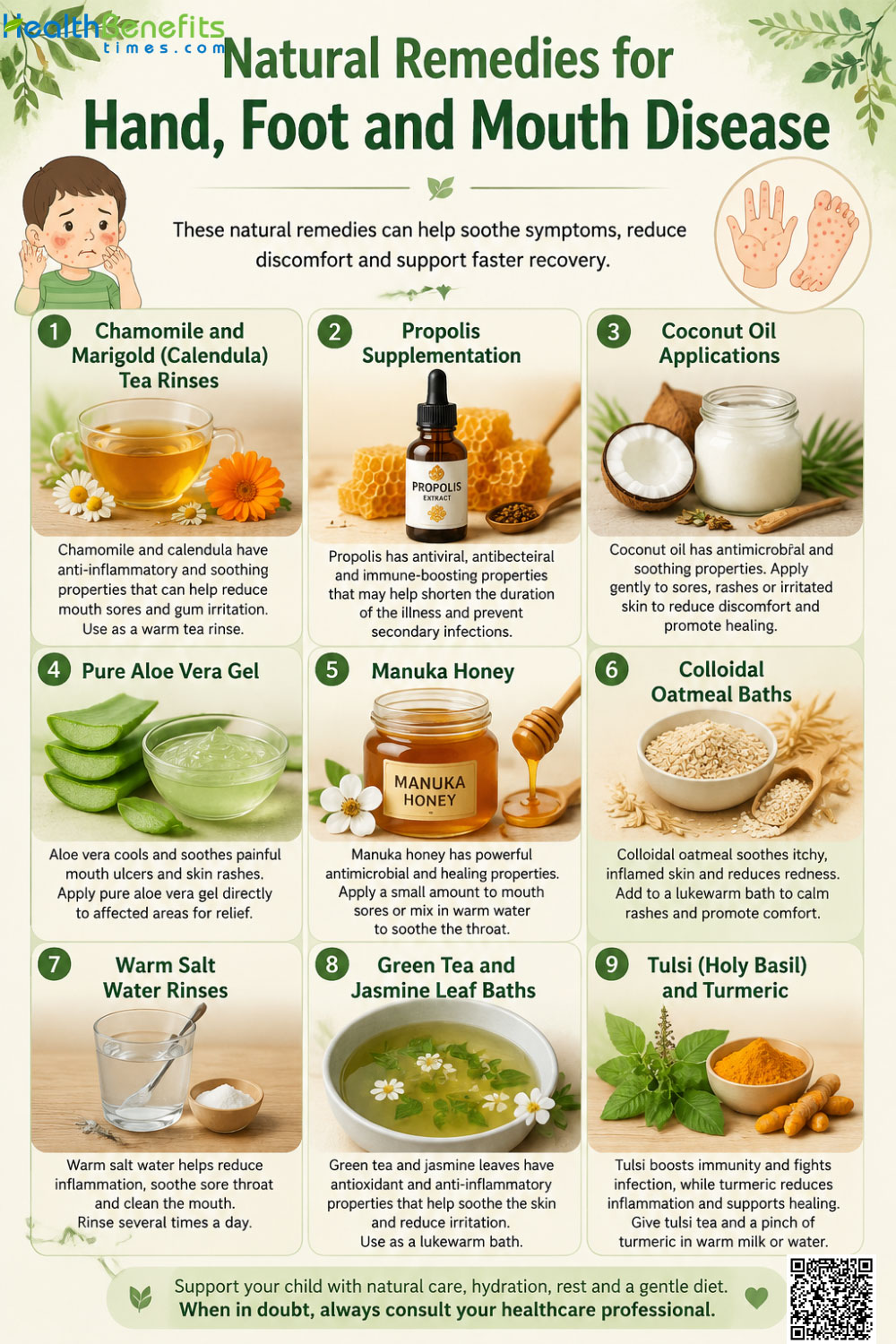
3. Coconut Oil Applications
Nature’s ultimate moisturizer, coconut oil, provides a wonderfully gentle, non-toxic barrier for compromised and damaged skin. Polynesians have historically utilized coconut oil for generations to nourish the skin and prevent secondary infections, thanks to its natural antiseptic and antimicrobial profile 14. When the viral blisters on the hands, feet, and buttocks become tender or begin to crack, pure, cold-pressed coconut oil acts as a highly soothing emollient. It actively helps to calm the redness, lock in much-needed moisture, and soften the scabs as the skin heals, entirely preventing itchy, tight skin 15.
Note: Commonly applied topically to external skin rashes and blisters 2 to 3 times daily. Ensure you use a clean spoon to scoop the oil from the jar to entirely avoid contaminating the remaining oil with the virus.
4. Pure Aloe Vera Gel
Succulents offer a built-in pharmacy right inside their fleshy green leaves. Aloe vera is universally celebrated for its profound cooling and skin-healing effects on damaged tissues. The thick, clear gel found inside the aloe leaf contains special glycoproteins that relieve pain and reduce inflammation, while its natural polysaccharides actually stimulate skin growth and repair 16. Applying a generous layer of refrigerated, pure aloe vera gel to the hot, red rashes on the hands and soles of the feet provides an immediate, icy cooling sensation that significantly dampens the urge to scratch or rub the tender blisters 17.
Note: Commonly applied topically to clean, dry skin directly over the rash and blisters as needed for cooling relief. It is best kept in the refrigerator for an added, highly soothing effect.
5. Manuka Honey
Honey has been a reliable staple in natural medicine for millennia, but medicinal-grade Manuka honey from New Zealand takes tissue healing a significant step further. Manuka honey contains a unique, naturally occurring compound called methylglyoxal, which grants it powerful antibacterial and anti-inflammatory properties 18. Coating the painful throat and mouth ulcers with Manuka honey provides a remarkably thick, protective barrier that shields raw nerve endings from the air and saliva, immediately reducing swallowing pain. It also actively fights against the buildup of local bacteria in the mouth, ensuring the deep ulcers heal cleanly 19.
Note: Commonly consumed orally or applied locally in the mouth. You can drizzle it over soft, cool fruit, mix it into oatmeal, or simply offer a small spoonful to coat the throat.
6. Colloidal Oatmeal Baths
Oats are not just for the breakfast table; they are actually a scientifically proven, gentle dermatological treatment. Colloidal oatmeal is simply whole oats that have been ground into an extremely fine powder so that they remain fully suspended in water rather than sinking to the bottom 20. When added to a bath, this special oatmeal binds to the skin and creates a thin, protective barrier that securely seals in moisture. It contains specific antioxidant and anti-inflammatory plant chemicals called avenanthramides, which are highly effective at soothing the intense soreness and occasional itching associated with the viral rash.
Note: Commonly applied externally via a soaking bath. Sprinkle one full cup of colloidal oatmeal under running lukewarm bathwater and soak for 15 to 20 minutes to soothe generalized, full-body skin discomfort.
7. Warm Salt Water Rinses
Sometimes the very simplest household ingredients offer the most profound and immediate relief. Salt acts as a naturally mild astringent and effective antibacterial agent in the mouth. Rinsing the mouth with a very mild saline solution helps to rapidly speed up the healing process of oral ulcers by reducing the acidic environment that harmful bacteria love to thrive in 21. It also gently draws out excess fluid from inflamed oral tissues through osmosis, directly reducing the severe swelling and discomfort that usually prevents children from wanting to drink fluids 22.
Note: Commonly used as a brief mouthwash. Dissolve half a teaspoon of salt into one cup of warm water. Have the patient swish the solution for about 30 seconds and spit it out safely.
8. Green Tea and Jasmine Leaf Baths
Traditional herbal medicine often heavily utilizes the power of botanical baths to treat widespread skin afflictions. Green tea leaves possess a highly cooling nature and are heavily packed with natural compounds called tannins 23. These tannins act as an effective astringent, helping to gently tighten delicate mucous membranes, dry out open weeping blisters, and reliably promote the rapid formation of new, healthy skin tissue. Wild jasmine leaves are similarly used to detoxify heat and noticeably reduce blister growth. Bathing in water infused with these leaves not only cleanses the skin naturally but greatly reduces the risk of secondary bacterial infections when blisters inevitably rupture.
Note: Commonly used as a full-body bath soak. Boil approximately 300g of thoroughly washed fresh green tea or jasmine leaves in water, let it cool to a lukewarm, comfortable temperature, and allow the patient to soak.
9. Tulsi (Holy Basil) and Turmeric
Ayurvedic traditions offer remarkably powerful remedies for managing systemic viral infections from the inside out. Tulsi, also known widely as Holy Basil, is highly revered for its unique ability to enhance immunity and metabolic functions while significantly reducing internal inflammation 24. Turmeric contains the highly active compound curcumin, which has been extensively studied for its distinct ability to regulate inflammatory pathways and provide deep systemic relief. When combined, these two specific herbs act synergistically to beautifully support the body’s natural immune response while easing the burning sensations associated with oral and systemic inflammation.
Note: Commonly consumed orally. You can steep fresh Tulsi leaves to make a mild, soothing tea (served cool), or mix a tiny pinch of turmeric powder with honey to offer as a soothing paste for the throat.
Foods and Activities to Avoid When You suffer from Hand, Foot and Mouth Disease
Healing smoothly and quickly means knowing exactly what to subtract from your daily routine, as certain everyday items can severely aggravate your symptoms
1. Acidic Foods and Drinks
You must strictly avoid citrus fruits like oranges, lemons, and grapefruits, as well as tomatoes and fruit juices. The exceptionally high acid content will cause severe burning and agonizing stinging in open mouth ulcers 25.
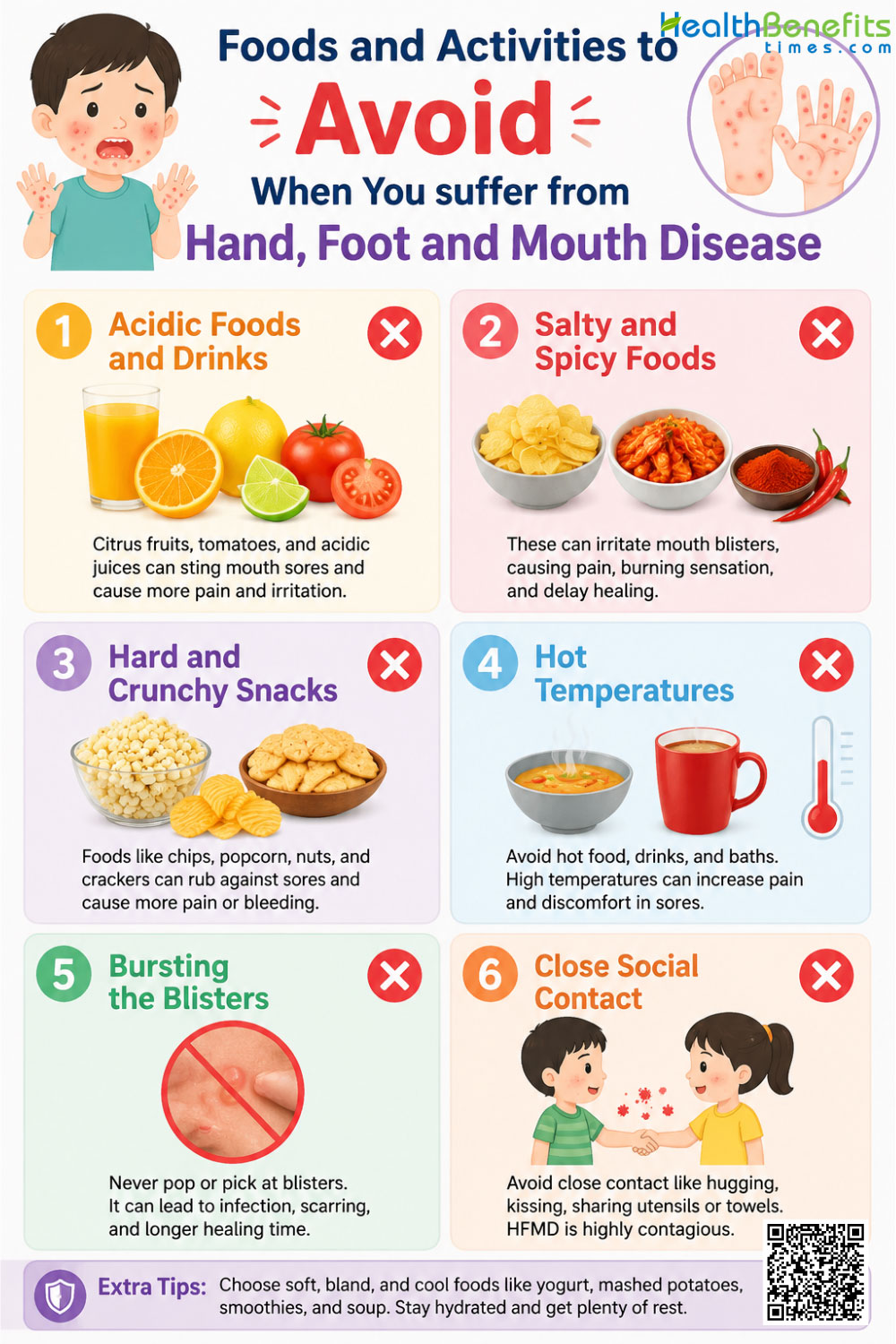
2. Salty and Spicy Foods
Meals heavily seasoned with salt, black pepper, or chili flakes will immensely irritate the raw, sensitive mucous membranes in your mouth and throat, making the simple act of eating an incredibly painful experience 26.
3. Hard and Crunchy Snacks
Crackers, potato chips, hard pretzels, and dry toast require heavy chewing and have sharp, jagged edges that can physically scrape and tear the delicate, healing blisters on your tongue and inner cheeks 27.
4. Hot Temperatures
Avoid serving hot meals, warm soups, or hot drinks entirely. Heat naturally dilates blood vessels and quickly exacerbates localized inflammation and throbbing pain. Always opt for cool, lukewarm, or frozen foods like ice pops, sherbet, and smooth yogurt 28.
5. Bursting the Blisters
You should never intentionally pop, squeeze, or pierce the blisters on the hands or feet. The clear fluid inside is highly contagious, and breaking the skin manually opens the door to incredibly painful secondary bacterial infections 8.
6. Close Social Contact
Avoid sending the affected patient to school, crowded daycares, or playdates. The illness is highly transmissible through air and touch, so you should isolate the patient until their fever breaks and the open blisters have thoroughly dried and crusted over.
Myths and Misconceptions
| Myth | Reality |
| Only babies and toddlers can get this disease.
29. |
While it predominantly and most visibly affects children under 5, anyone of any age, including teenagers and seemingly healthy adults, can contract the virus, especially if their immune system is currently compromised. |
| Antibiotics will help you recover much faster.
30. |
The disease is entirely a viral infection. Antibiotics only kill bacteria, meaning they are completely ineffective against this illness and will absolutely not speed up your recovery time. |
| The rash only ever appears on the hands, feet, and mouth.
31. |
It is incredibly common for the rash to aggressively spread to the buttocks, genital area, knees, elbows, and occasionally the torso, especially with newer strains of the virus. |
| You can easily catch the disease from your pets.
32. |
The human version of this disease is completely unrelated to the highly destructive “foot-and-mouth” or “hoof-and-mouth” disease that affects livestock. You cannot catch it from animals, nor can you give it to your pets. |
Special Considerations
While this common virus is usually straightforward in its progression, different stages of life and baseline health statuses require a tailored, highly specific perspective.
1. Children
The absolute greatest danger to infants and small children during an outbreak is silent dehydration 33. Because the mouth sores are exquisitely painful, children will often outright refuse to eat or drink anything at all. Caregivers must prioritize cool fluid intake over solid foods, frequently utilizing oral syringes, soft spoons, or frozen electrolyte popsicles to ensure the child stays properly hydrated.
2. Pregnancy
If a pregnant woman is suddenly exposed to the illness, she should notify her primary obstetrician immediately, particularly if she is in the later, final stages of her pregnancy 2. While severe maternal complications are generally rare, catching the virus shortly before delivery means the infection can potentially be passed directly to the newborn, whose delicate immune system is not yet fully developed 34.
3. Chronic conditions
Individuals living actively with cancer, undergoing intense immunosuppressive therapies, or managing chronic autoimmune conditions face a significantly steeper battle. In immunocompromised patients, the virus can easily bypass the body’s weakened baseline defenses, leading to severe, prolonged atypical rashes, and in rare instances, severe systemic complications 35.
4. Elderly
Though the disease is exceptionally rare in the elderly population due to decades of naturally acquired viral immunities, it can occasionally occur 36. When it does strike older adults, it often presents with highly atypical symptoms, such as severe, crushing fatigue and aching joint pain alongside the standard rash 37. Because older skin is much more fragile, the blistering can lead to severe discomfort and a higher risk of secondary skin infections.
Precaution before use of natural remedies when you have Hand, Foot and Mouth Disease
Harnessing the amazing power of nature is incredibly helpful, but you must always remember that natural does not always mean entirely risk-free. You should exercise careful caution and follow basic safety guidelines before applying any home remedy.
1. Always Perform a Patch Test
Before generously applying aloe vera, coconut oil, or diluted essential oils to a wide area of compromised skin, you must apply a tiny amount to a healthy patch of skin. Wait a full 24 hours to ensure there is no redness, swelling, or allergic contact dermatitis 38.
2. Strict Age Limits for Honey
You must never give Manuka honey, or any form of raw honey, to an infant under 12 months of age. Babies completely lack the digestive maturity to safely handle botulism spores potentially present in raw honey, which can cause a fatal illness 39.
3. Monitor Propolis Allergies
Propolis is a highly concentrated bee byproduct. If you have severe asthma, active eczema, or known allergies to bee stings, pollen, or Peru balsam, you should avoid propolis entirely, as it can easily trigger severe allergic reactions 40.
4. Dilute All Essential Oils
If you are utilizing essential oils for their calming properties, never apply them directly to the skin at full strength. You must heavily dilute them in a gentle carrier oil (like coconut or almond oil) to completely prevent chemical burns 41.
5. Check Bath Temperatures Carefully
When you are using herbal teas like chamomile or green tea for mouth rinses or full body baths, always test the temperature on your own wrist first. Your goal is numbing the skin with a lukewarm or cool temperature; hot liquids will severely burn the fragile, fluid-filled blisters.
When to see Doctor
While home care and natural remedies remain the standard protocol, you should always be prepared for situations that require professional medical intervention. You must contact a healthcare provider immediately if you observe any serious warning signs.
1. Signs of Severe Dehydration
You need medical help if the patient has a dry, sticky mouth, produces absolutely no tears when crying, exhibits visibly sunken eyes, or has not urinated (or had a wet diaper) for more than 8 consecutive hours 8.
2. Persistent High Fever
Seek care if a fever remains consistently high, does not appropriately respond to over-the-counter fever reducers, or frustratingly lasts for more than 3 full days 42.
3. Lack of Overall Improvement
Contact a doctor if the skin rash and mouth sores do not show any visible signs of healing after 10 days, or if they appear to be spreading aggressively down the limbs 43.
4. Signs of Secondary Infection
Watch closely to see if the blisters begin to ooze thick yellow pus, become increasingly red, feel remarkably hot to the touch, or show expanding red streaking, as these all clearly indicate a bacterial infection 23.
5. Neurological Symptoms
Look out for unusual, extreme lethargy, a severe headache, a newly stiff neck, recurrent vomiting, or sudden muscle weakness, which could point to rare viral complications like meningitis 44.