

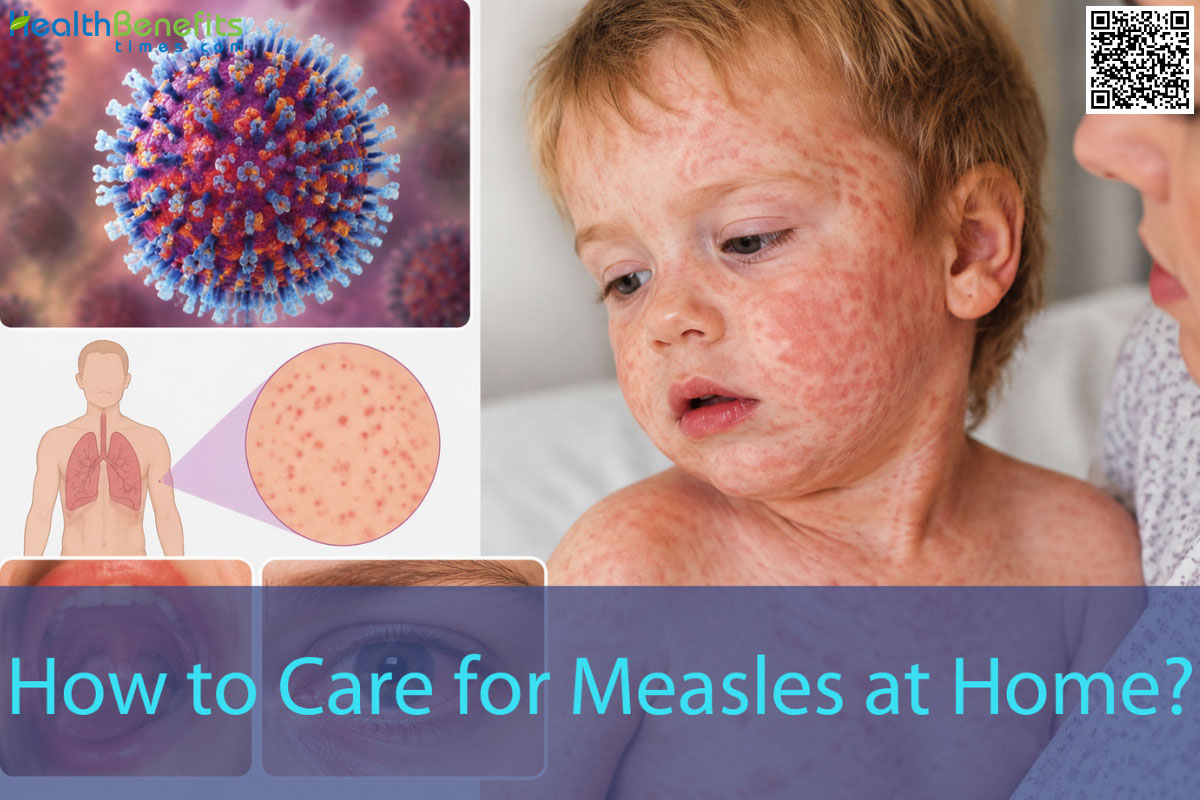
Few childhood illnesses inspire as much worry or as much misunderstanding as measles. The good news is that the great majority of healthy people recover at home with simple, evidence-based supportive care. This guide explains what measles is, how to spot it, and how to nurse a loved one safely until the virus runs its course, drawing on guidance from the World Health Organization, the U.S. Centers for Disease Control and Prevention, the NHS, Mayo Clinic, and Cleveland Clinic.
What Is Measles?
Before widespread vaccination began in 1963, measles killed an estimated 2.6 million people every year. 1 In 2024, around 95,000 people mostly children under five still died from it. Measles, also known as rubeola, is a viral infection that starts in the respiratory tract and then spreads through the body. It’s strikingly contagious if one infected person enters a room, nine out of ten non-immune people there will likely catch it. 2 The illness usually shows up 7 to 14 days after exposure. 3 Early signs include high fever, cough, runny nose, and red eyes, followed by a rash that typically spreads downward across the body. 3 Most people recover within 7 to 10 days, but complications can turn serious fast which is why how you manage care at home matters.
Causes of Measles
Measles has one cause the measles virus but several pathways allow it to reach a new host.
1. Direct viral infection
The measles virus invades cells lining the nose, throat, and lungs before spreading through the bloodstream. 4
2. Airborne droplets and aerosols
Coughing, sneezing, talking, and even breathing release infectious particles that can hang in the air for up to two hours after the sick person has left the room. 5
3. Direct contact with respiratory secretions
Sharing cups, utensils, or kisses with an infected person transmits the virus through saliva and mucus.
4. Contaminated surfaces
Touching a doorknob, toy, or tissue that holds the virus and then touching your eyes, nose, or mouth can lead to infection.
5. Vertical transmission
A pregnant person with measles can pass the virus to the fetus or newborn during pregnancy, birth, or breastfeeding. 6
6. Lack of immunity
People who have never had measles and have not received two doses of MMR vaccine are vulnerable, vaccine coverage below the 95% herd-immunity threshold fuels outbreaks. 7
Symptoms of Measles
Symptoms appear in clear stages over two to three weeks, and recognizing them early helps caregivers respond quickly.
1. Early (prodromal) symptoms (days 1–4 of illness)
- High fever, often climbing above 104°F (40°C) 8
- Dry, hacking cough
- Runny nose (coryza)
- Red, watery, light-sensitive eyes (conjunctivitis)
- Sore throat and general tiredness
- Tiny bluish-white spots inside the cheeks called Koplik spots, appearing 2–3 days after symptoms begin 9
-
Rash stage (around day 3–5):
- Flat or slightly raised red-brown spots that begin on the face and behind the ears
- Spreads downward to the chest, back, arms, legs, and feet
- Spots may merge into blotchy patches
- Fever often spikes again as the rash erupts
- Rash lasts 5–6 days before fading in the order it appeared 10
-
Possible additional symptoms
- Loss of appetite
- Diarrhea (more common in young children)
- Swollen lymph nodes
- Ear pain from secondary infection
Measles Facts Table
| Topic | Key Facts |
| Symptoms | • High fever (often >104°F) • Cough, coryza, conjunctivitis (“3 Cs”) • Koplik spots inside cheeks • Maculopapular rash spreading head-to-toe • Fatigue, sore throat, loss of appetite |
| Causes | • Infection with the measles (rubeola) virus, a Morbillivirus spread human-to-human |
| Types of Measles | • Classic (typical) measles • Modified measles (milder, in partially immune individuals) • Atypical measles (rare, in those who received killed-virus vaccine in the 1960s) • Hemorrhagic (“black”) measles severe form with bleeding |
| How It Spreads | • Airborne respiratory droplets • Aerosols lingering in air up to 2 hours • Direct contact with nasal/throat secretions • Contagious 4 days before to 4 days after rash |
| Age Group | • Most severe in children under 5 and adults over 20 • Infants under 12 months are especially vulnerable as they have not yet received MMR |
| You may be at higher risk if you: | • Are unvaccinated or have had only one MMR dose • Travel internationally to outbreak areas • Are pregnant • Have a weakened immune system (cancer, HIV, transplant medications) • Have vitamin A deficiency or malnutrition |
| How Doctors Diagnose |
• Clinical exam (rash, fever, Koplik spots, exposure history) • RT-PCR on throat/nasopharyngeal swab • Measles-specific IgM and IgG blood tests • Urine viral isolation in some cases |
| Other Facts | • Incubation period: 7–14 days (up to 21) • One person infects ~9 of 10 unvaccinated contacts • No FDA-approved antiviral; care is supportive • MMR is 97% effective after 2 doses • Rare late complication: subacute sclerosing panencephalitis (SSPE) |
How to Care for Measles at Home
Because no antiviral medication cures measles, treatment focuses on relieving symptoms, preventing dehydration, and watching for complications. 17 The strategies below echo recommendations from the NHS, CDC, Mayo Clinic, and the American Academy of Pediatrics.
1. Prioritize Rest
Measles is exhausting. Encourage the patient to stay in bed during the fever stage and to limit screens, schoolwork, and visitors. Adults often need one to two weeks of reduced activity even after the rash fades, as fatigue can linger. 18
Note: Rest is the cornerstone of supportive care by reducing physical demand, you let the immune system devote energy to clearing the virus.
2. Keep Fluids Flowing
Fever, sweating, diarrhea, and poor appetite all drain fluid fast, so offer water, diluted juice, oral rehydration solution (ORS), coconut water, broths, and warm herbal teas throughout the day. 19 Breastfed babies should nurse more often, in smaller feeds. Severe dehydration may require intravenous rehydration in hospital. 20
Note: Sip small amounts every 15–20 minutes rather than large volumes at once; this is gentler on a queasy stomach and helps maintain steady hydration.
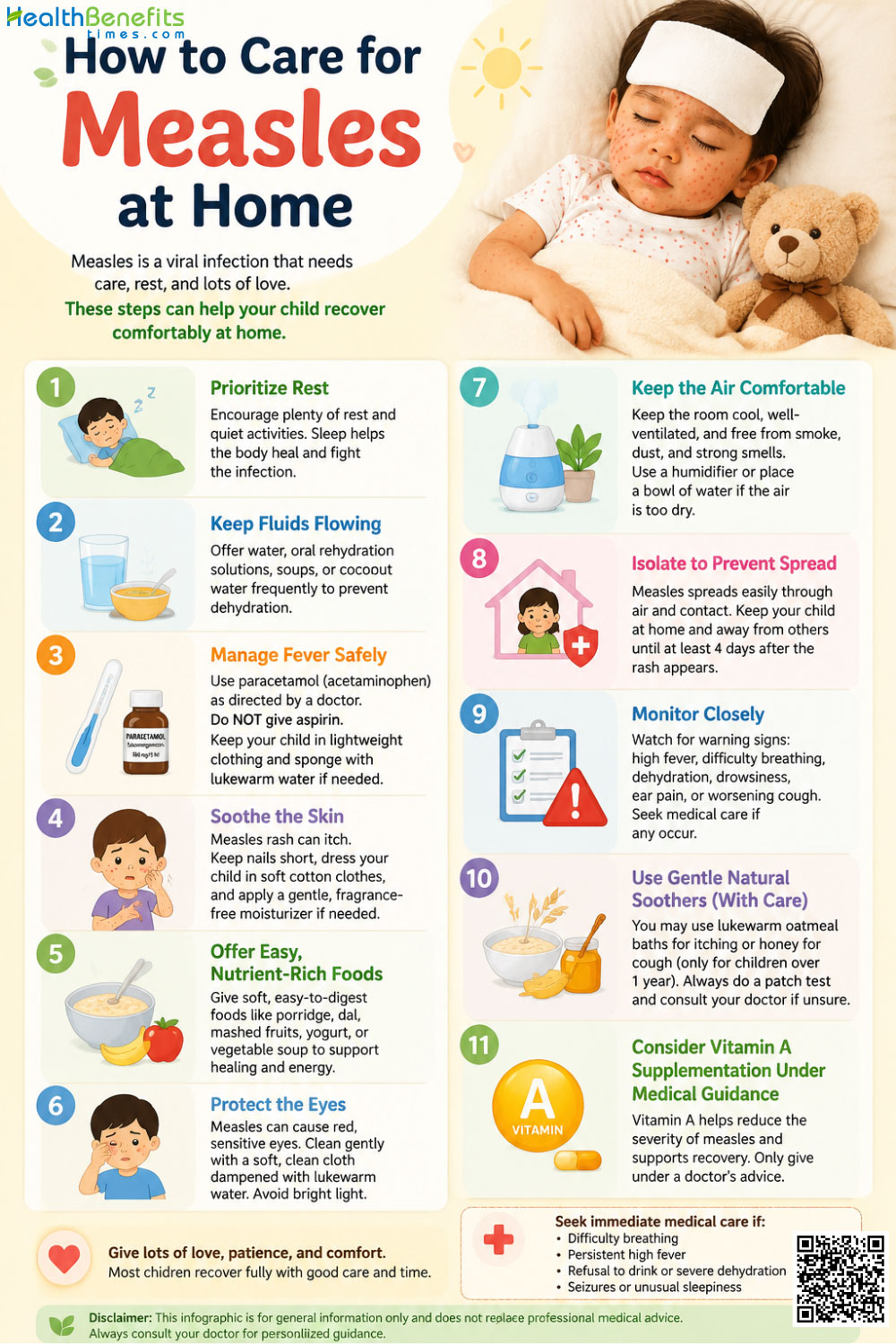
3. Manage Fever Safely
For high temperatures, aches, and discomfort, paracetamol (acetaminophen) or ibuprofen at the dose listed on the package usually works well. 21 Never give aspirin to anyone under 16, as it has been linked to Reye’s syndrome, a rare but serious illness. Dress the patient in light, breathable clothing; avoid heavy blankets and cold sponging, which can cause shivering and discomfort. 22
Note: Use these medicines for comfort, not to “break” the fever — moderate fever helps the body fight the virus.
4. Soothe the Skin
The measles rash is not usually itchy, but it can feel hot and tender. Lukewarm baths with mild, unscented soap, soft cotton clothing, and a small amount of fragrance-free moisturizer can help. 23 Avoid scrubbing or harsh scented products, and keep the patient’s nails trimmed to prevent scratching.
Note: A short, tepid bath once a day refreshes the skin and reduces the chance of secondary bacterial infection from scratching.
5. Offer Easy, Nutrient-Rich Foods
Appetite often plummets with measles, so focus on small, frequent meals built around soft, easily digested foods such as porridge, mashed potatoes, rice, dal soup, bananas, applesauce, yogurt, and well-cooked vegetables. 24 Include vitamin A–rich foods (carrots, sweet potatoes, papaya, spinach, eggs, dairy) and vitamin C sources (oranges, kiwi, bell peppers) to support immunity.
Note: Eat these foods warm and freshly cooked, measles weakens digestion, so heavy or reheated meals can worsen nausea.
6. Protect the Eyes
Measles inflames the conjunctiva, making bright light painful. Keep the room dimly lit, draw curtains during the day, and avoid screens when eyes feel sore. Gently wipe away crusts with cotton wool soaked in cooled, previously boiled water sweeping from the inner corner outward. 25
Note: Use a fresh cotton ball for each eye and each wipe to avoid moving infection between eyes.
7. Keep the Air Comfortable
A cool-mist humidifier, a bowl of steaming water (placed safely out of reach of children), or simply ventilating the room a few times a day eases the dry cough and stuffy nose that come with measles. Steam inhalation under supervision can loosen mucus.
Note: Clean the humidifier daily; stagnant water harbours mold and bacteria that can worsen breathing problems.
8. Isolate to Prevent Spread
Anyone with measles should stay home away from school, work, and public spaces for at least four days after the rash appears, counting the day of onset as day zero. 26 Within the household, the patient should ideally use a separate bedroom and bathroom, and wear an N95 mask when others must enter the room. Caregivers should also wear N95 masks and wash hands thoroughly.
Note: Notify your clinic by phone before any in-person visit so the practice can prepare an isolation room and protect other patients.
9. Monitor Closely
Caregivers should track temperature, fluid intake, urine output, breathing, and alertness at least every few hours, especially in young children. Write down what you observe, clinicians find a simple log invaluable if hospitalization later becomes necessary.
Note: Trust your instincts; if a child seems “not right” unusually drowsy, irritable, or limp, seek medical advice promptly.
10. Use Gentle Natural Soothers (With Care)
Warm broths, honey-and-lemon drinks (only for those over 12 months, since honey is unsafe for infants), ginger or tulsi (holy basil) tea, and saline nasal drops can ease cough and congestion. 27 These do not cure measles but make the patient more comfortable.
Note: Sip warm fluids slowly throughout the day; honey-lemon water on an empty stomach can soothe a raw throat between meals.
11. Consider Vitamin A Supplementation Under Medical Guidance
The World Health Organization and the American Academy of Pediatrics recommend that every child with measles receive two age-appropriate oral doses of vitamin A on consecutive days, because vitamin A reduces measles-related morbidity and mortality by roughly half and helps prevent corneal damage and blindness. 28 CDC dosing is 50,000 IU for infants under 6 months, 100,000 IU for infants 6–11 months, and 200,000 IU for children 12 months and older, given once daily for two days. 29 Vitamin A must be given only under a clinician’s supervision, because overdosing can damage the liver, bones, and nervous system, and high doses are unsafe in pregnancy. 16
Note: Vitamin A is medicine here, not a daily supplement never self-administer high doses, and never use it as a substitute for the MMR vaccine.
Foods and Activities to Avoid When You Have Measles
Some habits and foods slow recovery or worsen symptoms; steer clear of the following.
- Sugary drinks and processed snacks — soda, candy, packaged cakes, and fried fast food can dampen immune function and irritate the gut. 24
- Spicy and heavily seasoned dishes — chili, pepper, and strong curries can sting a sore throat and inflamed mouth.
- Fried and fatty foods — samosas, fries, and rich gravies are hard to digest when appetite is low.
- Caffeinated drinks — coffee, strong tea, and energy drinks worsen dehydration.
- Alcohol and smoking — these depress immunity and aggravate respiratory symptoms.
- Cold, raw, or unpasteurized foods — these can stress digestion and raise infection risk in an already weakened state.
- Aspirin in anyone under 16 — linked to Reye’s syndrome during viral illnesses. 30
- Bright lights and screens — strain photo-sensitive eyes and worsen headache.
- Strenuous exercise and outdoor exposure — slow healing and risk spreading infection.
- Public places, schools, daycares, and travel — until at least four days after the rash appears. 2
Myths and Misconceptions
| Myth | Reality |
| Measles is just a harmless childhood rash. | Measles can cause pneumonia, encephalitis (1 in 1,000), and the rare fatal SSPE; before vaccination, it killed ~2.6 million people a year globally. 13 |
| The MMR vaccine causes autism. | Large studies of more than 650,000 children, including a 2019 Danish cohort, have found no link between MMR and autism; the original 1998 paper was retracted for fraud. 31 |
| Vitamin A or cod liver oil can prevent measles. | Vitamin A reduces severity in those already sick but does not prevent infection and is no substitute for MMR; overuse causes toxicity. 32 |
| Once the rash appears, the patient is no longer contagious. | People remain infectious from about 4 days before the rash through 4 days after it appears. 8 |
| Antibiotics will cure measles. | Measles is viral; antibiotics help only when a secondary bacterial infection (like ear infection or pneumonia) develops. |
| Only children get measles. | Unvaccinated teens and adults can catch it, and adults over 20 actually face higher complication rates than school-aged children. |
| If you had one MMR dose as a child, you’re fully protected. | One dose is about 93% effective; two doses raise protection to about 97%. 29 |
| Natural lifestyle and breastfeeding alone can prevent measles. | There are no scientifically proven natural preventives; the MMR vaccine is the only reliable protection. |
Special Considerations
1. Children
Kids under 5, and especially infants under 12 months, are most likely to suffer severe outcomes including pneumonia, severe diarrhea with dehydration, encephalitis, and death. 11 Pediatricians often prescribe vitamin A and watch closely for ear infections, dehydration, and breathing trouble. Never give aspirin, and avoid over-the-counter cough or cold medicines for children under 6 without medical advice.
2. Pregnancy
Measles during pregnancy raises the risk of hospitalization, pneumonia, miscarriage, stillbirth, preterm birth, and low birth weight; one systematic review reported a maternal case-fatality rate of 4.3% among pregnant women with measles. 33 The live MMR vaccine is contraindicated in pregnancy, but susceptible pregnant women exposed to measles should receive human normal immunoglobulin within 6 days of contact. 34 High-dose vitamin A is also unsafe in pregnancy and should not be self-administered. Any pregnant woman who suspects exposure should call her obstetrician the same day.
3. Chronic Conditions and Immunocompromised Patients
People with leukemia, lymphoma, HIV with low CD4 counts, transplant medications, or long-term steroids may develop prolonged, severe measles without the usual rash. 14 They cannot receive live vaccines and depend on the immunity of those around them. After exposure they need intravenous immunoglobulin (typically 400 mg/kg) rather than the vaccine. Patients with diabetes, heart disease, or chronic lung disease should also seek early medical review because dehydration and fever stress these conditions.
4. Older Adults
Adults over 20, and especially seniors, face higher rates of pneumonia, hospitalization, and complications than school-aged children. Older adults often have less reserve to cope with dehydration and fever, and chronic illnesses can flare during infection. Anyone over 65 with measles should be evaluated by a clinician early, even if symptoms seem mild at first.
Precautions before Using Natural Remedies for Measles
Home remedies can comfort but cannot replace medical care. Use the following safeguards.
- Confirm the diagnosis with a clinician first many rashes mimic measles, and the wrong assumption delays proper care.
- Never use natural remedies as a substitute for vaccination or evaluation of complications. 35
- Avoid high-dose vitamin A or cod liver oil without medical supervision toxicity can damage liver, bones, and the developing fetus.
- Do not give honey to infants under 12 months risk of infant botulism.
- Check for allergies before introducing new herbs, essential oils, or foods, especially in children.
- Skip unverified herbal “antivirals” advertised online; many interact with prescription medicines.
- Ask a pharmacist before combining herbal teas with paracetamol, ibuprofen, or other prescriptions.
- Pregnant and breastfeeding women should clear every herb and supplement with their obstetrician.
- Stop any remedy immediately if you notice rash worsening, swelling, vomiting, or breathing difficulty.
- Maintain hygiene when preparing teas and broths boil water, wash produce, and serve fresh.
When to See a Doctor
While most patients recover at home, certain warning signs demand prompt medical attention. Call your clinician, NHS 111, or local emergency line if the person with measles experiences any of the following. 10
- Difficulty breathing, rapid breathing, wheezing, or chest pain.
- Fever above 104°F (40°C) that does not respond to paracetamol or ibuprofen, or fever lasting more than four days after the rash appears.
- Severe dehydration, dry mouth, sunken eyes, very little or no urine, lethargy, or, in babies, no tears when crying or a sunken soft spot.
- Seizures, confusion, unusual drowsiness, stiff neck, or inability to wake the patient possible signs of encephalitis.
- Earache, ear discharge, or new severe headache possible secondary infection.
- Persistent vomiting or diarrhea that prevents drinking fluids.
- A rash that does not fade when pressed with a glass, or signs of bleeding into the skin.
- Worsening cough, productive yellow-green sputum, or blue-tinged lips possible pneumonia.
- Eye pain, vision changes, or extreme light sensitivity beyond normal conjunctivitis.
- Any measles exposure or symptoms during pregnancy, in infants under 12 months, or in immunocompromised individuals. 2
- Symptoms that suddenly worsen after seeming to improve this can signal a complication such as bacterial pneumonia.
Always phone ahead before visiting a clinic or hospital so staff can prepare an isolation area and prevent further transmission.
Final Thoughts
Measles is preventable, but once it strikes, calm and consistent home care is what carries most people through it safely. Rest, fluids, careful fever control, gentle skin and eye care, sensible nutrition, strict isolation, and medically supervised vitamin A form the backbone of supportive treatment recommended by the WHO, CDC, NHS, Mayo Clinic, and Cleveland Clinic. Equally important is knowing when home care is no longer enough breathing difficulty, dehydration, confusion, or worsening symptoms warrant immediate medical help. And because two doses of MMR vaccine remain the only reliable way to keep measles out of a household, ensuring that everyone eligible is fully immunized is the most powerful act of care of all.