

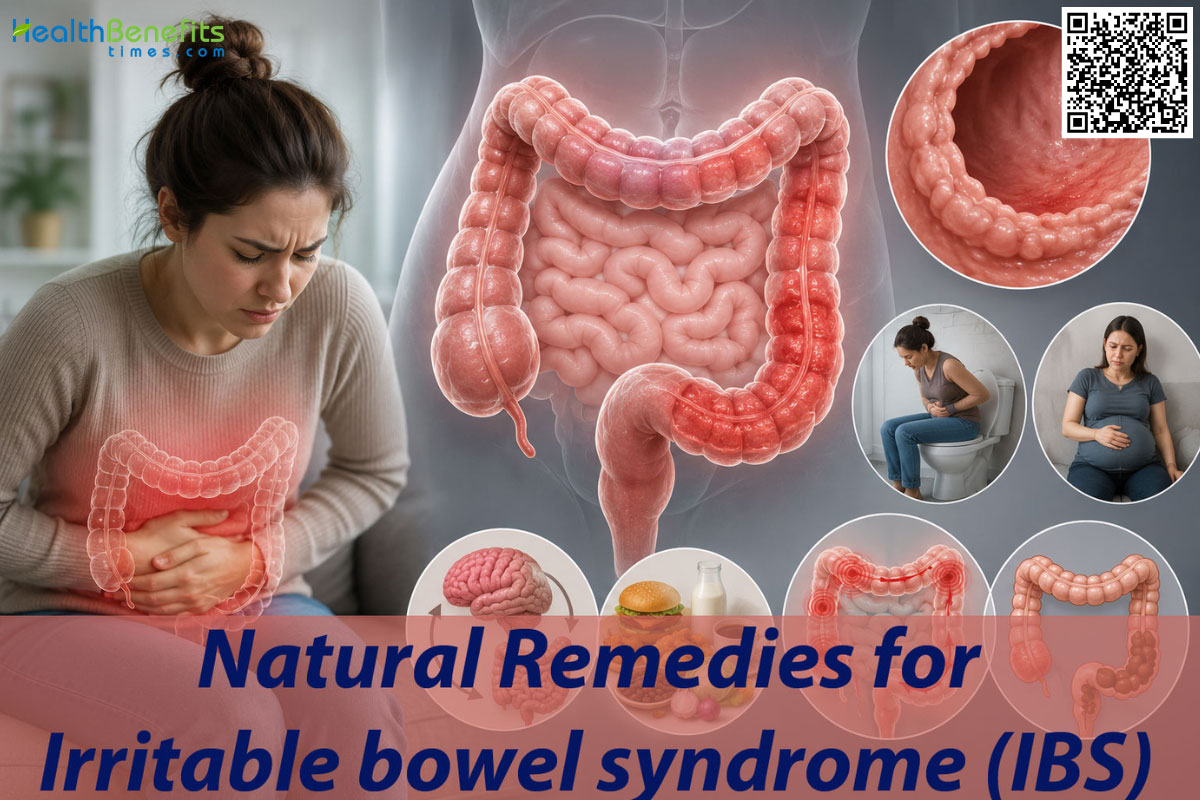
Irritable Bowel Syndrome (IBS) is a common stomach and digestive problem that affects the large intestine. It can cause stomach pain, bloating, gas, diarrhea, constipation, or sometimes both diarrhea and constipation. IBS does not seriously harm the intestines, but it can make daily life uncomfortable and stressful. Doctors do not know the exact cause of IBS, but stress, unhealthy eating habits, certain foods, and changes in digestion may play a role. Many people notice that spicy foods, dairy products, caffeine, or emotional stress can make symptoms worse. The symptoms may appear often or come and go over time. Although IBS can be frustrating, it can usually be managed with healthy lifestyle changes. Eating balanced meals, drinking enough water, exercising regularly, getting proper sleep, and reducing stress can help control symptoms. Some people may also need medicine from a doctor to feel better and improve their quality of life.
Causes of Irritable bowel syndrome (IBS)
Identifying a single, definitive origin for this gastrointestinal disorder remains impossible, as clinical evidence points to a complex convergence of physiological and environmental triggers.
1. Dysfunction of the Brain-Gut Axis
Flawed neural signaling between the central nervous system and the nerves embedded in the digestive tract causes erratic bowel behavior, forcing food to move far too quickly or much too slowly through the intestines 1.
2. Visceral Hypersensitivity
Affected individuals possess an unusually low threshold for internal intestinal pain, meaning that the normal expansion of the bowel from harmless gas triggers intense pain signals that a healthy nervous system would simply ignore.
3. Severe Gastrointestinal Infections
A bout of severe infectious gastroenteritis caused by bacteria or viruses can leave a permanent imprint on the digestive system, triggering post-infectious bowel dysfunction long after the original pathogen has been eradicated from the body.
4. Early Life Stress and Psychological Trauma
Experiencing highly stressful, difficult, or traumatic events during early childhood development, including physical or sexual abuse, dramatically increases the likelihood of developing functional gastrointestinal issues later in life.
5. Mental Health Disorders
The presence of specific psychiatric conditions heavily influences gut function, as clinical depression, chronic anxiety, and somatic symptom disorder are highly prevalent in patients suffering from functional bowel distress.
6. Small Intestinal Bacterial Overgrowth (SIBO)
An abnormal increase in the overall quantity of bacteria, or a dramatic shift in the types of bacterial strains residing within the small intestine, frequently disrupts digestion and triggers chronic symptoms.
7. Food Intolerances and Sensitivities
Localized hypersensitivities to specific dietary components play a major role in symptom flare-ups, as certain carbohydrates or fats prompt an exaggerated digestive response that leads to rapid fermentation.
8. Genetic Susceptibility
Ongoing medical research strongly suggests that a person’s underlying genetic makeup and family history render them inherently more susceptible to developing functional disorders of the digestive tract 2.
Symptoms of Irritable bowel syndrome (IBS)
Recognizing the physical manifestations of this functional disorder requires paying close attention to chronic patterns, as the clinical presentation fluctuates widely over months or years.
- Recurrent abdominal pain that is directly tied to bowel movements, often intensifying right before a bathroom trip and easing shortly afterward 3.
- Chronic diarrhea, defined by frequent, loose, and watery stools that present with sudden urgency.
- Persistent constipation, characterized by hard, dry, and lumpy stools that require painful straining to pass.
- Uncomfortable abdominal bloating that creates a sensation of severe fullness, tightness, or visible swelling around the stomach area.
- A persistent, frustrating feeling of incomplete evacuation, leaving the individual feeling as though they have not finished a bowel movement even after using the restroom.
- The noticeable presence of clear or whitish mucus coating the surface of the stool.
- Hormonal exacerbation, where women notice a distinct worsening or sharp increase in gastrointestinal distress leading up to or during their menstrual cycles 4.
Irritable bowel syndrome (IBS) Facts table
| Feature | Details |
| Symptoms 5 |
|
| Causes 6
|
|
| Types of Irritable bowel syndrome (IBS) |
|
| How does spread |
|
| Age Group |
|
| You might be at a higher risk for exposure of this disease if you: |
|
| How doctors diagnose 7 |
|
| Other facts |
|
Natural Remedies for Irritable bowel syndrome (IBS)
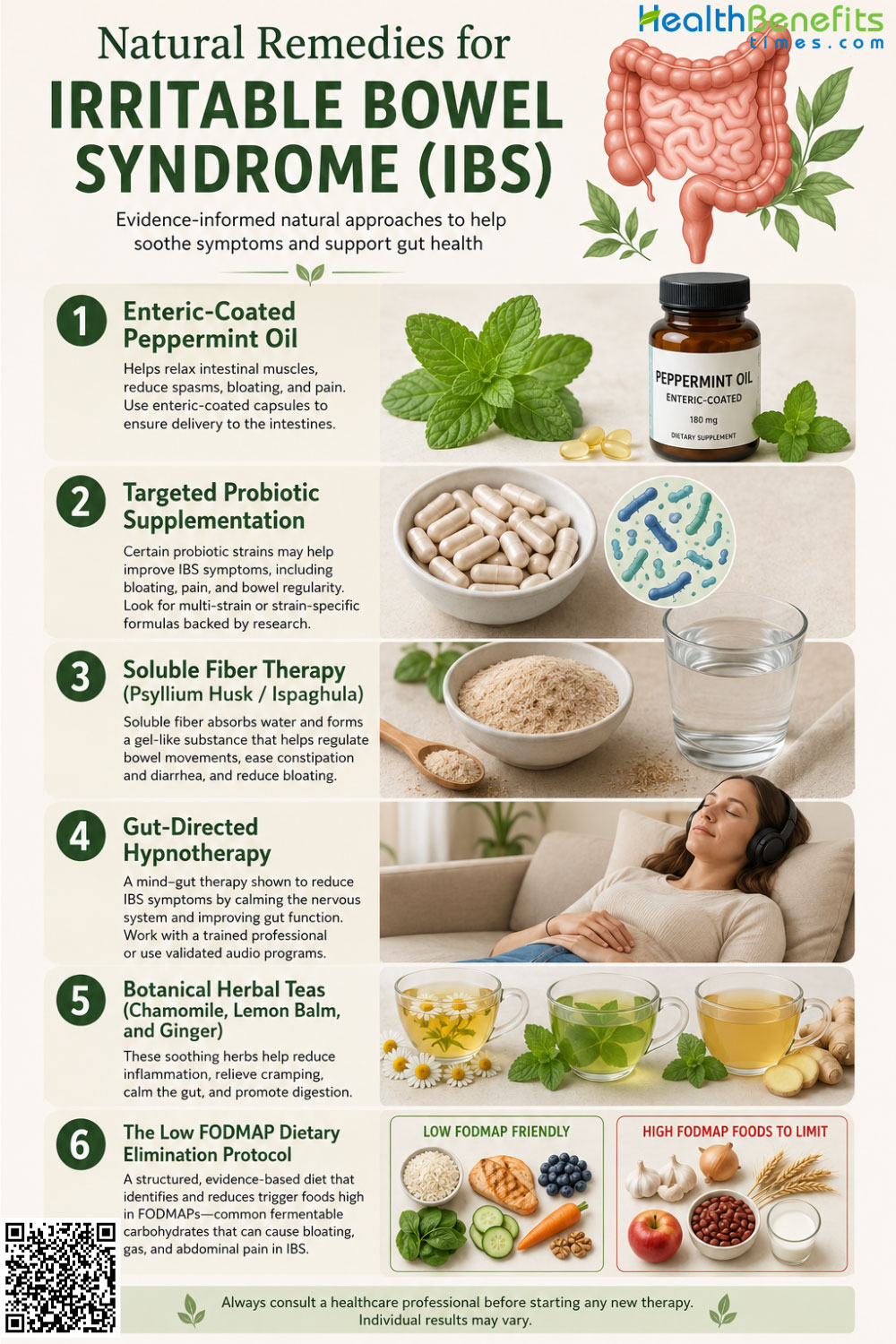
1. Enteric-Coated Peppermint Oil
Extracts derived from the peppermint plant contain active volatile compounds, primarily menthol, which possess potent antispasmodic properties that heavily influence digestive function. When this botanical oil reaches the gastrointestinal tract, it actively blocks calcium channels within the intestinal smooth muscle. Blocking these calcium channels forces the highly reactive bowel muscles to physically relax, which significantly dulls the severe cramping and painful spasms that characterize functional gut disorders. Short-term clinical trials consistently demonstrate that this targeted natural intervention effectively reduces global symptoms, particularly offering relief from sharp abdominal pain, uncomfortable bloating, and excess trapped gas 8. Relying on capsules specifically engineered with an enteric coating is absolutely vital; this specialized protective shell prevents the volatile oil from dissolving prematurely in the highly acidic stomach, ensuring the active healing compounds reach the lower intestines intact.
Note: You should swallow the enteric-coated capsules whole with a glass of water approximately 30 to 60 minutes before you sit down to eat your meals, ensuring you never crush or chew the pill to avoid severe heartburn.
2. Targeted Probiotic Supplementation
Cultivating a thriving, balanced microbial ecosystem within the digestive tract forms a fundamental cornerstone of natural gastrointestinal healing. Probiotics consist of live, beneficial microorganisms primarily specific strains of bacteria or yeast that closely mirror the helpful microbes naturally residing in a healthy human gut. Clinical investigations reveal that routine ingestion of targeted probiotics can physically alter the composition of the gut microbiome, actively crowding out harmful pathogens and reducing low-grade mucosal inflammation. While individual responses vary immensely depending on the specific bacterial strains utilized, combination formulas featuring Lactobacillus and Bifidobacterium have demonstrated superior efficacy in relieving global gastrointestinal distress 9. In populations suffering from constipation-predominant symptoms, these beneficial microbes actively help improve overall stool consistency, making bowel movements significantly easier and less painful to pass.
Note: You should consume your chosen probiotic supplement daily alongside a small meal for at least four consecutive weeks to adequately populate your gut and accurately determine if the specific bacterial strain improves your symptoms.
3. Soluble Fiber Therapy (Psyllium Husk / Ispaghula)
Harnessing the mechanical power of specific dietary fibers offers a highly effective, non-pharmacological approach to regulating erratic bowel movements. Psyllium husk, widely known in clinical settings as ispaghula, is a densely concentrated form of soluble, highly viscous fiber. Unlike harsh insoluble fibers like raw wheat bran that can severely irritate a sensitive gut, soluble fiber dissolves gracefully in water to form a thick, soothing, gel-like substance inside the intestines. This hydrophilic action acts as a powerful dual-purpose regulator. If the digestive system produces loose stools, the soluble fiber acts like a sponge, soaking up excess fluid to add much-needed bulk and solid form. Conversely, if the bowels are suffering from severe constipation, this same moisture-retaining gel dramatically softens hard stools, lubricating the digestive tract to allow for smooth, pain-free passage. Comprehensive clinical guidelines routinely recognize this specific fiber type as a highly reasonable and successful first-line therapy 10.
Note: You must vigorously mix one tablespoon of the powdered husk into a large glass of water (at least 500 mL) and drink it immediately once a day, ensuring you consume ample hydrating fluids throughout the afternoon to prevent internal blockages.
4. Gut-Directed Hypnotherapy
Addressing the miscommunication between the central nervous system and the enteric nervous system requires interventions that safely target the subconscious mind. Gut-directed hypnotherapy represents a specialized psychological approach where a trained practitioner guides the patient into a deeply relaxed, trance-like state of heightened focus. Once the patient is deeply relaxed, the therapist delivers customized verbal suggestions specifically designed to calm the digestive tract, normalize erratic bowel function, and physically alter how the brain perceives pain signals emanating from the gut. Extensive clinical reviews demonstrate that this therapy offers incredibly durable efficacy, significantly reducing abdominal pain, combating clinical anxiety, and vastly improving overall quality of life 11. Impressively, patients who complete a full course of this mind-body therapy often experience long-term, lasting relief that is completely unaffected by their specific bowel habit subtype.
Note: You can participate in guided sessions with a certified hypnotherapist, or utilize clinically validated digital health applications on your smartphone to quietly listen to standardized hypnotherapy audio tracks daily in a relaxed environment.
5. Botanical Herbal Teas (Chamomile, Lemon Balm, and Ginger)
Steeping specific botanical leaves and fresh roots in hot water extracts a wealth of beneficial phytochemicals that effectively soothe irritated digestive tissues. Ginger contains potent anti-inflammatory antioxidants and biophenols that actively help accelerate gastric emptying and settle persistent waves of nausea. Chamomile tea is widely revered in traditional medicinal practices for its mild antispasmodic capabilities and its remarkably gentle calming effect on an overactive nervous system. Lemon balm offers similar relaxing properties that can directly help physically ease the tension held tightly within the abdominal muscles. While massive clinical trials specifically testing these teas are somewhat limited compared to concentrated oils, medical literature widely considers them incredibly safe, well-tolerated, and practically beneficial for routine daily hydration and gentle symptom management 12.
Note: You should brew the fresh roots or dried leaves in hot water for five to ten minutes, and sip the warm beverage slowly between meals to maintain adequate hydration and gently calm sudden abdominal spasms.
6. The Low FODMAP Dietary Elimination Protocol
Transforming daily nutritional intake through a highly specific elimination protocol is currently one of the most powerful natural interventions available to gastroenterologists. FODMAP is a scientific acronym standing for Fermentable Oligosaccharides, Disaccharides, Monosaccharides, and Polyols. These are very specific types of short-chain carbohydrates and sugar alcohols that the human small intestine frequently struggles to absorb properly. When these complex carbohydrates are consumed found heavily in apples, garlic, onions, wheat, and dairy they travel intact down into the large intestine. Once there, trillions of resident bacteria rapidly ferment these lingering sugars, producing massive quantities of trapped gas. This rapid fermentation causes severe luminal distention, triggering immediate sharp pain and explosive bowel shifts in individuals possessing a hypersensitive gut. Statistically, a vast majority of patients report immense symptom relief upon strictly restricting these specific fermentable carbohydrates 13.
Note: You should eliminate all high-FODMAP foods from your daily diet for a strict period of two to six weeks, and then slowly reintroduce individual food groups one at a time to carefully identify your personal, permanent dietary triggers.
Is there any exercise or physical activities for Irritable bowel syndrome (IBS)?
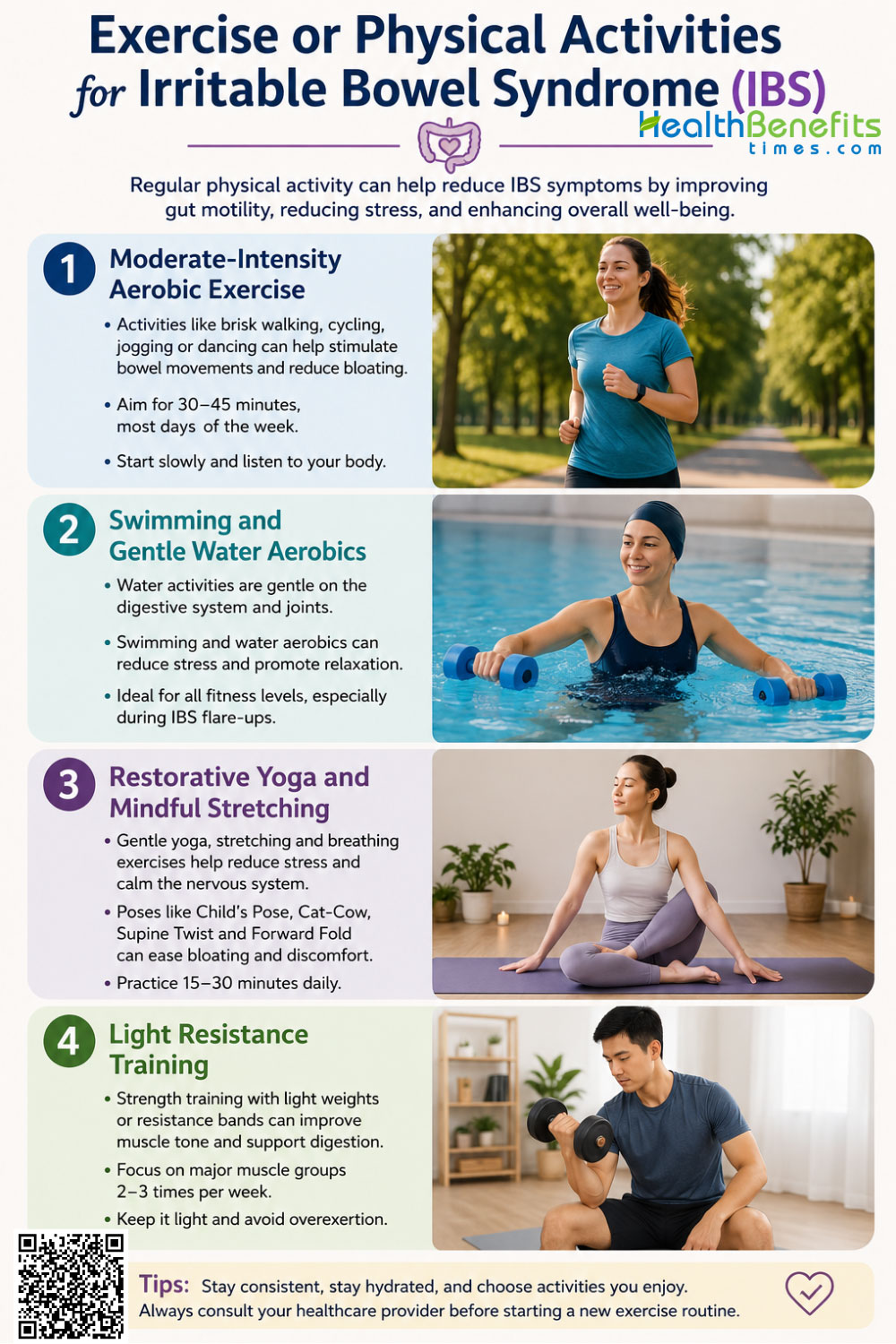
1. Moderate-Intensity Aerobic Exercise
Engaging the cardiovascular system at a moderate pace acts as a powerful mechanical catalyst for gastrointestinal normalization. Activities such as brisk walking, light jogging, or outdoor cycling naturally increase the heart rate and stimulate deeper breathing, which mechanically assists the natural contractions of the intestinal muscles. This rhythmic, sustained movement helps propel trapped gas and lingering digestive waste smoothly through the colon, drastically reducing episodes of painful bloating and stubborn constipation. Furthermore, sustained aerobic activity strongly encourages the growth of beneficial gut bacteria and directly increases the production of anti-inflammatory short-chain fatty acids (SCFAs) within the sensitive microbiome 14.
Note: You should lace up supportive athletic shoes and commit to brisk walking or light jogging for at least 30 minutes a day, aiming for a total of 180 minutes of sustained, moderate movement per week.
2. Swimming and Gentle Water Aerobics
Utilizing the natural buoyancy of water provides an exceptionally gentle environment for achieving necessary cardiovascular conditioning. Swimming offers all the systemic bodily benefits of moderate aerobic exercise such as improved blood flow to the digestive organs and enhanced intestinal motility without placing harsh, jarring impacts on the joints or the delicate abdominal cavity. The rhythmic, controlled breathing required during swimming naturally mimics deep diaphragmatic breathing, which acts to internally massage the digestive organs and lower the body’s overall systemic stress response 15.
Note: You can enter a local pool and swim continuous laps at a comfortable, steady pace, or join a shallow-water aerobics class for 45 minutes, three times a week.
3. Restorative Yoga and Mindful Stretching
Connecting fluid bodily movements with deep, intentional breathing creates a perfect internal environment for down-regulating a hyperactive, stressed nervous system. Yoga physically stretches the abdominal core, which can help actively release trapped gas pockets and relieve acute muscle spasms. More importantly, the psychological mindfulness aspect of the practice directly combats the severe stress, clinical anxiety, and depressive symptoms that are heavily intertwined with functional gut disorders. By physically shifting the nervous system out of a panicked “fight or flight” mode and into a calm “rest and digest” mode, yoga indirectly but powerfully supports long-term overall gut health 16.
Note: You should roll out a supportive mat in a quiet room and move slowly through gentle postures like Child’s Pose or Supine Twists, focusing entirely on expanding your belly outward with each deep inhalation.
4. Light Resistance Training
Building muscular strength throughout the body offers surprising protective effects for the internal mucosal lining of the digestive tract. Engaging in regular resistance exercises directly contributes to the overall cellular integrity of the gut barrier. A fortified gut barrier is absolutely crucial because it successfully prevents harmful bacteria and toxic pathogens from leaking out of the intestines and into the bloodstream. By preventing this toxic translocation, strength training helps maintain baseline immune homeostasis and actively reduces the chronic, low-grade inflammation frequently observed in patients battling severe functional bowel disorders 17.
Note: You can lift light dumbbells, use elastic resistance bands, or utilize your own body weight for simple squats and lunges two to three days a week, ensuring you never strain to the point of extreme exhaustion.
Foods and Activities to Avoid When You suffer from Irritable bowel syndrome (IBS)
1. High-FODMAP Carbohydrates
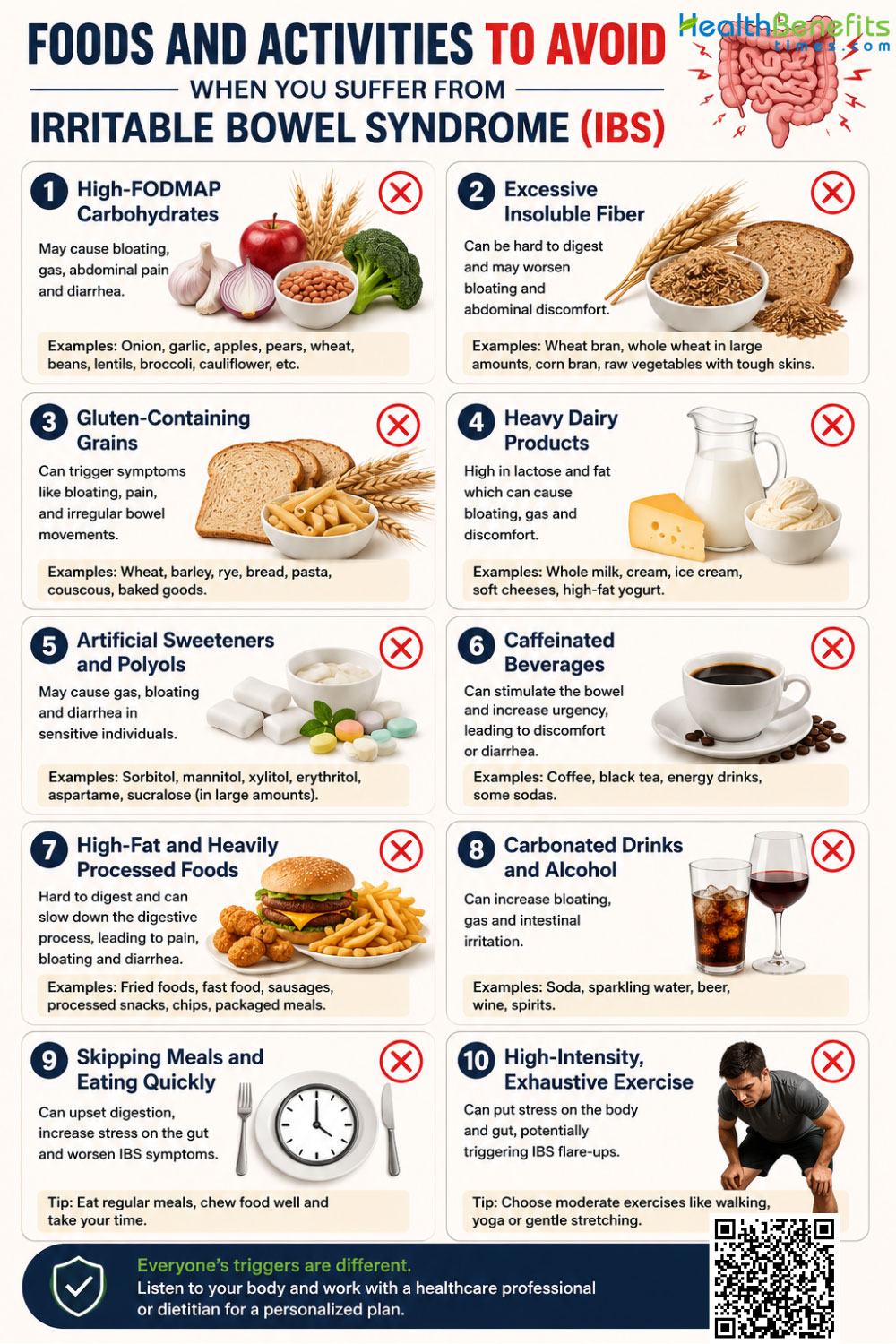
You must avoid consuming foods that rapidly ferment in the gut, including large quantities of apples, watermelon, cherries, garlic, onions, mushrooms, and cauliflower.
2. Excessive Insoluble Fiber
You should steer clear of harsh, roughage-heavy foods like raw wheat bran or excessive amounts of raw, tough-skinned vegetables, as these can aggressively scrape and irritate a sensitive bowel, dramatically worsening abdominal pain 18.
3. Gluten-Containing Grains
Even if you do not possess diagnosed celiac disease, you should avoid heavy consumption of wheat, barley, rye, and highly processed pastas, as the gluten protein acts as a severe inflammatory trigger for many sensitive individuals.
4. Heavy Dairy Products
You must eliminate regular cow’s milk, soft cheeses, and traditional ice creams from your diet, as the lactose sugar causes severe bloating and explosive diarrhea in compromised digestive tracts.
5. Artificial Sweeteners and Polyols
You should avoid chewing gums, sugar-free candies, and diet beverages sweetened with sorbitol, mannitol, xylitol, or maltitol, as these specific chemical compounds act as powerful osmotic laxatives inside the gut.
6. Caffeinated Beverages
You must strictly limit your daily intake of coffee, energy drinks, and strong black teas to no more than three cups daily, as high amounts of caffeine directly stimulate chaotic and painful colonic contractions 19.
7. High-Fat and Heavily Processed Foods
You should avoid deep-fried meals, excessively fatty cuts of meat, and heavily processed packaged snacks; high-fat dietary loads aggressively trigger the gastrocolic reflex, leading to immediate urgency and sharp pain.
8. Carbonated Drinks and Alcohol
You must refrain from consuming fizzy sodas, sparkling waters, and excessive alcoholic beverages, as the trapped carbonation painfully expands the stomach and the alcohol strips and irritates the delicate mucosal lining.
9. Skipping Meals and Eating Quickly
You should never delay your meals, leave extremely long gaps between eating, or swallow your food whole. Eating erratically or rushing through large meals forces the digestive system to process massive volumes of poorly chewed food all at once, triggering severe cramping.
10. High-Intensity, Exhaustive Exercise
You must avoid grueling endurance running or maximal heavy lifting, as extremely high-intensity physical stress actively diverts necessary blood flow away from the gut and can severely worsen gastrointestinal symptoms.
Myths and Misconceptions
| Myth | Reality |
| IBS is identical to Inflammatory Bowel Disease (IBD).
20. |
This condition is entirely different from structural diseases like Crohn’s disease or ulcerative colitis. It does not cause destructive physical inflammation, bleeding ulcers, or permanent tissue damage to the intestines. |
| The symptoms are entirely “all in your head.” | It is a highly legitimate, formally recognized medical disorder of brain-gut interaction. While mental stress exacerbates the condition, the physical muscle spasms and altered gut motility are entirely real and physically measurable. |
| It inevitably leads to colon cancer over time. | Extensive epidemiological research confirms that suffering from this functional disorder does not increase your risk of developing colorectal cancer, nor does it decrease your natural life expectancy in any way. |
| A strict diet will cure the disease permanently. | There is no permanent cure. Dietary modifications are highly effective management tools that reduce daily symptoms, but the underlying sensitivity of the gut remains a lifelong, chronic condition. |
| Only stressed adults suffer from this condition. | This functional disorder frequently affects young children and teenagers. Pediatric patients exhibit similar symptoms, though doctors must carefully distinguish it from functional childhood constipation. |
Special Considerations
1. Children
Navigating functional digestive disorders in pediatric patients requires a highly specialized, cautious medical approach. A child’s developing gut is incredibly sensitive to the complex neurological signaling of the brain. When a child complains of persistent abdominal pain that occurs at least four days a month and is intrinsically linked to altered bowel habits, pediatricians evaluate them for this specific syndrome. However, physicians must aggressively rule out common pediatric functional constipation first; if a child’s stomach pain vanishes completely once their severe constipation is resolved, they do not possess true functional bowel syndrome. Treatment for children heavily prioritizes gentle dietary adjustments such as reducing hard-to-digest carbohydrates alongside mild probiotics and cognitive behavioral therapies to help the young patient cope with anxiety that may be interfering with their daily school attendance 21.
2. Pregnancy
The intense physiological demands and massive hormonal surges of pregnancy dramatically impact gastrointestinal motility, presenting unique daily challenges for expectant mothers. While this functional disorder does not generally cause severe major maternal complications or increase maternal mortality rates, it significantly complicates the overall pregnancy experience. Nationwide clinical analyses reveal that pregnant women entering the hospital for delivery with a documented history of this bowel disorder face prolonged lengths of hospital stay and generate noticeably higher overall hospital charges 22. Furthermore, they exhibit a slightly elevated statistical risk for placental complications and postpartum infections. Medical management during gestation requires a highly multidisciplinary approach, prioritizing incredibly safe dietary modifications and strictly avoiding pharmacological interventions that could potentially cross the placental barrier and affect the fetus 23.
3. Chronic conditions
Functional gastrointestinal disorders rarely exist in complete clinical isolation. Patients frequently battle a heavy, exhausting burden of overlapping chronic illnesses that share similar neurological dysfunctions. Chronic pain syndromes, particularly severe fibromyalgia, chronic pelvic pain, and chronic fatigue syndrome, appear alongside digestive distress at astonishingly high rates. Furthermore, severe psychiatric comorbidities including generalized anxiety disorder, major depressive disorder, and somatic symptom disorder are heavily intertwined with the patient’s physical gastrointestinal presentation 24. Treating the bowel symptoms in a complete vacuum usually fails miserably; achieving genuine, lasting relief demands comprehensive medical strategies that simultaneously address the overlapping chronic pain pathways and the underlying mental health disorders concurrently.
4. Elderly
Diagnosing and carefully managing erratic bowel habits in the geriatric population requires extreme clinical vigilance due to the natural, progressive aging process of the digestive tract. Older adults rarely present with brand new functional disorders out of nowhere; therefore, gastroenterologists must aggressively hunt for serious organic diseases such as silent gastrointestinal cancers or medication-induced side effects before settling on a functional diagnosis. Diagnostic algorithms differ sharply, as red-flag symptoms easily mimic many age-related morbidities. Once properly diagnosed, treatment protocols demand extraordinary caution from prescribers. The altered metabolic rates and sensitive risk-benefit profiles of elderly patients make aggressive prescription drugs, like powerful chemical antispasmodics, highly risky and prone to side effects. Consequently, safe, non-pharmacological interventions, particularly targeted probiotics, gut-directed psychological treatments, and gentle fiber supplementation, emerge as the absolute safest and most preferred accessible options for older adults 25.
Precaution before use of natural remedies when you have Irritable bowel syndrome (IBS)
1. Gastroesophageal Reflux Disease (GERD) Risks
You must approach concentrated peppermint oil with extreme caution if you suffer from a hiatal hernia or severe acid reflux. High doses can aggressively relax the sphincter muscle separating the stomach from the esophagus, causing severe heartburn and painful acid regurgitation 26.
2. Immunocompromised Status
While probiotics possess a stellar safety record for the general healthy public, you must absolutely avoid them if you are seriously ill, undergoing chemotherapy, or have a severely compromised immune system. Introducing live bacteria to a drastically weakened body carries a rare but severe risk of triggering systemic blood infections or life-threatening acidosis.
3. Hydration Warnings with Fiber Supplements
You must never consume concentrated soluble fiber supplements (like psyllium husk) without drinking adequate fluids immediately. Swallowing thick fiber powders dry or with minimal water can cause the gel to expand prematurely in the throat or digestive tract, leading to severe choking hazards or dangerous, painful intestinal blockages.
4. Nutritional Deficiencies and Eating Disorders
You must not attempt the highly restrictive elimination phase of the Low FODMAP diet without the direct guidance of a registered medical dietitian. Removing vast swaths of carbohydrates without proper monitoring can easily trigger severe nutritional deficiencies, dangerous rapid weight loss, and long-term restrictive eating behaviors.
5. Prescription Medication Interactions
You must consult your primary physician or a pharmacist before utilizing strong herbal teas or botanical oils if you take daily prescription medications. Natural active compounds found in chamomile or ginger can subtly alter the metabolism of certain blood thinners, neurological drugs, or blood pressure medications.
When to see Doctor
- Unexplained Bleeding: You must seek emergency evaluation if you observe bright red bleeding from your rectum or notice streaks of blood coating your stool.
- Tarry Stools: You should immediately consult a physician if your bowel movements appear pitch black, sticky, and tar-like, which strongly indicates active internal bleeding higher up in the digestive tract 7.
- Rapid Weight Loss: You must schedule a medical appointment if you experience unexplained, unintentional, and rapid weight loss over a short period of time without changing your diet or exercise routine.
- Nighttime Awakening: You should see a specialist if you develop frequent, urgent diarrhea that actively wakes you up from a deep sleep in the middle of the night.
- Diagnosed Anemia: You must undergo further testing if routine blood tests reveal that you have developed unexplained iron-deficiency anemia alongside your stomach pain.
- Persistent Fever: You should seek urgent care if you suffer from a persistent, unexplained fever accompanying your chronic stomach cramps.
- Localized Sharp Pain: You must be evaluated if you experience persistent pain localized specifically to the upper or lower right side of your abdomen, which could indicate appendicitis or gallbladder issues.
- Swallowing Difficulties: You should immediately inform your doctor if you begin experiencing sharp pain, a feeling of food getting stuck, or mechanical difficulty when attempting to swallow food 4.