

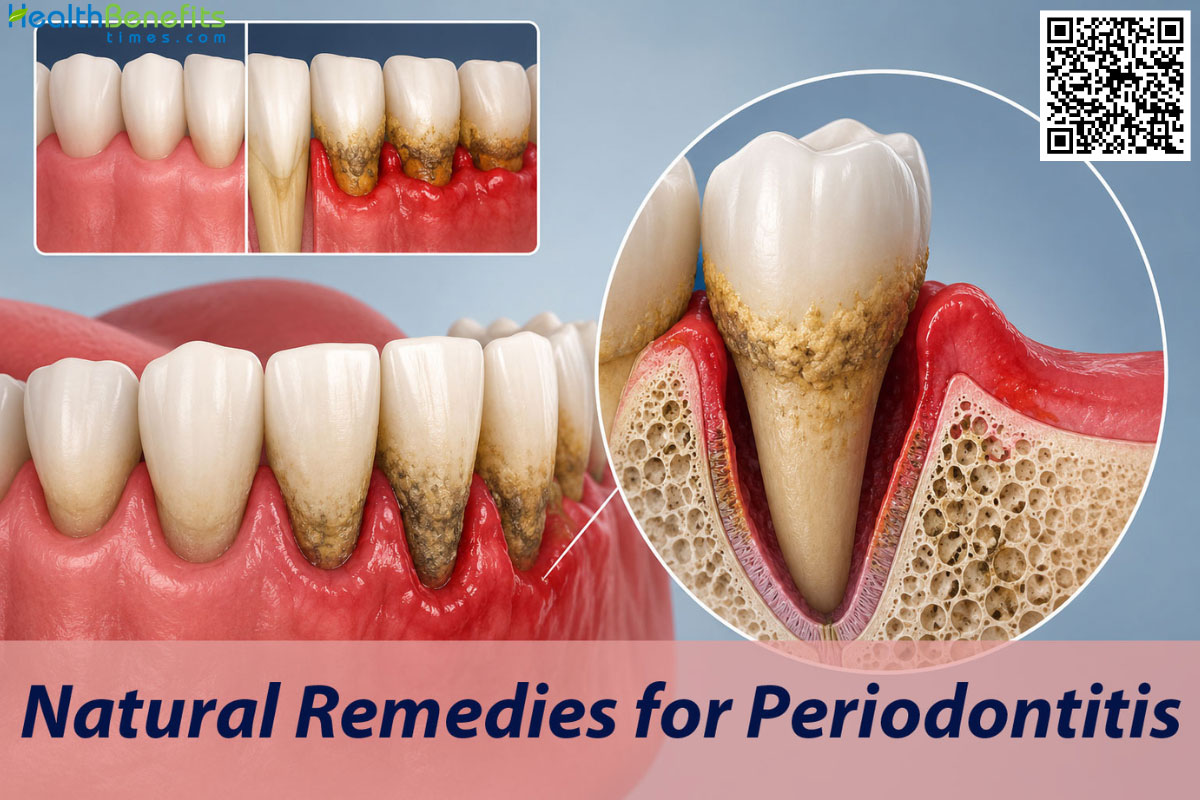
Periodontitis, often called severe gum disease, is a serious medical infection that damages the soft tissue around your teeth and destroys the bone that holds your teeth in place. It starts quietly as gingivitis, which is a mild gum inflammation caused by a sticky film of bacteria called plaque building up on your teeth. When this plaque isn’t removed through daily brushing and flossing, it hardens into rough tartar. Over time, the trapped bacteria irritate the gums, causing them to become red, swollen, and prone to bleeding. As the condition worsens, the gums actually pull away from the teeth, creating deep pockets that become heavily infected. Without professional dental treatment, this hidden infection breaks down the underlying jawbone and connective tissues. Eventually, your teeth can become dangerously loose and may fall out or require extraction. Though periodontitis is common, it is largely preventable by maintaining excellent oral hygiene and getting regular dental checkups.1, 2, 3.
Causes of Periodontitis
Unraveling the exact causes of periodontal disease requires looking at both primary biological drivers and secondary lifestyle factors. The development of this destructive condition is highly multifactorial, relying on a complex interplay between bacteria and human biology.
1. Bacterial Biofilm (Plaque) Accumulation
The fundamental trigger for this infection is the continuous, daily formation of dental plaque on the tooth surfaces. This sticky, colorless film harbors aggressive, disease-causing bacteria that initiate the breakdown of the periodontium 1.
2. Calcification into Tartar (Calculus)
When soft bacterial plaque is not consistently removed through thorough brushing and flossing, it hardens into a tough substance known as calculus or tartar. This calcified material provides an expanded, rough surface area for even more destructive bacteria to multiply beneath the gumline, requiring professional removal 4.
3. Tobacco Use and Smoking
Engaging in smoking is universally recognized as the single most significant modifiable risk factor for developing severe gum infections. Tobacco use restricts vital blood flow to the oral tissues, heavily impairs the body’s natural immune response, and severely reduces the success rate of any subsequent clinical treatments 5.
4. Genetic Susceptibility
Even with impeccable oral hygiene, some individuals inherit a hyper-inflammatory response. Research involving identical twins indicates that genetic host factors account for a substantial portion of an individual’s susceptibility to severe periodontal breakdown 6.
5. Systemic Diseases (Diabetes)
Underlying metabolic conditions, particularly type 1 and type 2 diabetes, fundamentally compromise the body’s ability to fight off localized bacterial infections. The elevated blood sugar levels create an environment where oral pathogens thrive, simultaneously delaying natural tissue healing 3.
6. Chronic Psychological Stress
High levels of unmanaged mental and emotional stress take a toll on the immune system. Stress activates the hypothalamic-pituitary-adrenal axis, flooding the body with cortisol and pro-inflammatory cytokines that accelerate the loss of the alveolar bone supporting the teeth 7.
7. Medications with Oral Side Effects
Certain prescription medications drastically reduce salivary flow, leading to a condition known as xerostomia (dry mouth). Without the natural washing and acid-neutralizing effects of saliva, bacterial colonies multiply rapidly, increasing the risk of deep tissue infections 8.
8. Malocclusion and Bruxism
Physical forces also play a surprising role in disease progression. Crooked teeth that are difficult to clean, alongside the chronic clenching or grinding of teeth (bruxism), place immense physical pressure on the supporting bone, accelerating tissue destruction when inflammation is already present 9.
Symptoms of Periodontitis
Because the disease often advances quietly in its early stages, recognizing the clinical signs early is essential for preventing permanent structural damage. The physical manifestations can vary, but generally present in distinct ways.
- Gums that visually appear persistently red, swollen, or highly inflamed, completely losing their healthy, stippled, pale-pink appearance 10.
- Spontaneous or easily triggered bleeding of the gums, particularly when brushing, flossing, or attempting to eat hard, crunchy foods 11.
- Noticeable gingival recession, where the gum tissue visibly pulls away or downward from the teeth, exposing the roots and making the teeth appear abnormally long 3.
- The tactile sensation of tenderness, throbbing, or dull discomfort in the gum tissue when physically touched or during the routine pressure of chewing food.
- Increased tooth mobility, resulting in loose, shifting teeth that change the way your upper and lower jaws fit together when biting down 2.
- Heightened and sharp tooth sensitivity, especially to hot, cold, or sweet stimuli, resulting from the newly exposed and vulnerable tooth roots.
- Persistent bad breath (halitosis) or a constant, lingering foul taste in the mouth, which is a direct byproduct of the toxic sulfur compounds released by trapped oral bacteria 11.
- Any distinct change in how well partial dentures or oral appliances fit within the mouth, signaling that the underlying bone architecture is changing 3.
Periodontitis Facts Table
To quickly digest the multifaceted nature of this condition, the clinical realities and underlying mechanics of periodontitis can be summarized across several critical categories.
| Category | Facts and Details |
| Symptoms |
|
| Causes |
|
| Types of Periodontitis 12. |
|
| How It Spreads |
|
| Age Group |
|
| You might be at a higher risk for exposure of this disease if you: |
|
| How doctors diagnose 14. |
|
| Other facts |
|
Natural Remedies for Periodontitis
Embracing nature’s vast pharmacopeia can offer profound adjunctive benefits for managing chronic periodontal inflammation. While professional mechanical scaling is absolute mandatory for removing hardened calculus, the following natural, plant-based remedies demonstrate remarkable antimicrobial, antioxidant, and anti-inflammatory properties that help stabilize the oral microbiome.
1. Green Tea (Camellia sinensis)
Extensive scientific evaluation of green tea reveals its powerful capacity to combat oral inflammation due to its rich concentration of polyphenol antioxidants, particularly catechins. These natural botanical compounds actively interfere with the destructive inflammatory pathways within the gingival crevicular fluid, essentially calming the body’s overactive immune response that ultimately leads to bone loss 15. Furthermore, green tea extracts directly suppress the growth and adherence of specific periodontal pathogens responsible for deep-tissue infections.
Note: This is commonly consumed as an unsweetened daily beverage or applied topically as an active ingredient in specialized herbal dentifrice gels to reduce gingival bleeding.
2. Aloe Vera (Aloe barbadensis Miller)
Renowned globally for its soothing dermatological properties, the translucent gel extracted from the aloe vera plant is equally effective when utilized within the oral cavity. The plant’s mucilage contains intense anti-inflammatory and antibacterial properties that facilitate the rapid healing of damaged gum tissues 16. It achieves this cellular repair by inhibiting the localized inflammatory enzymes that physically break down periodontal ligaments, making it an excellent palliative agent for exceptionally tender, bleeding gums.
Note: Pure aloe vera gel is gently massaged directly onto the inflamed gums or swished as a diluted, alcohol-free mouthwash for its remedial, soothing benefits.
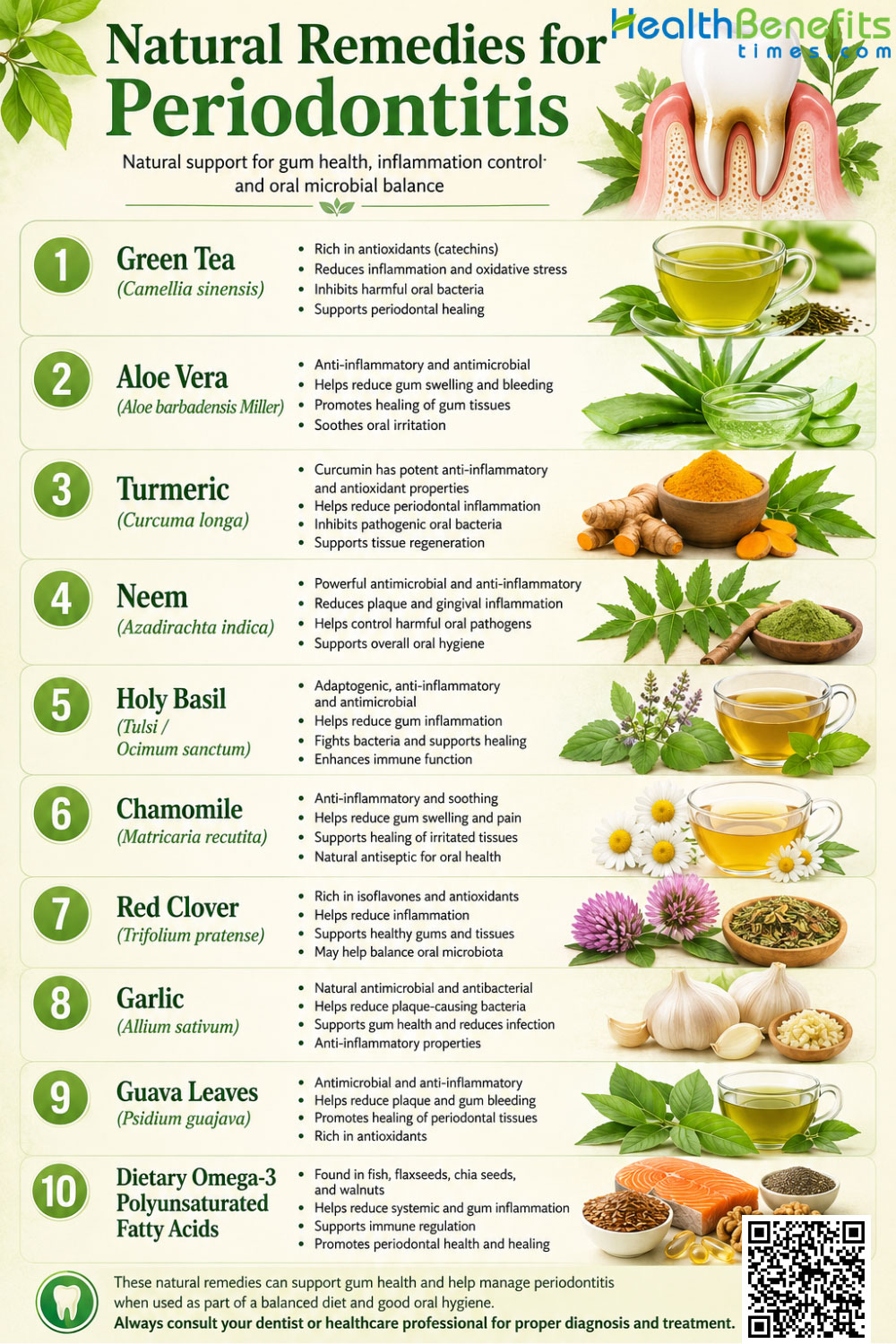
3. Turmeric (Curcuma longa)
Curcumin, the heavily studied primary active compound found within the dried roots of turmeric, stands as one of the most potent natural anti-inflammatory and antioxidant agents available in botanical medicine. When introduced to the highly infected oral environment, curcumin effectively suppresses the genetic expression of pro-inflammatory cytokines that cause alveolar bone resorption 17. It also acts as a natural analgesic, providing mild pain relief for sensitive gum tissues while preventing harmful bacterial adhesion to the tooth surface.
Note: Turmeric powder is typically formulated into a fine paste with a carrier oil or water, applied topically to the gums for several minutes, and then rinsed thoroughly to reduce localized inflammation.
4. Neem (Azadirachta indica)
For centuries, neem has operated as a foundational cornerstone of traditional oral hygiene across various cultures. Modern clinical evidence emphatically confirms that neem leaf extracts possess formidable antibacterial capabilities, actively reducing the initial bacterial load of primary plaque colonizers before they can organize 16. By severely disrupting the bacterial biofilm, neem prevents the microscopic plaque from maturing into the destructive, calcified colonies that drive moderate to severe periodontitis.
Note: Neem extract is frequently incorporated into herbal toothpastes, or the raw twigs are traditionally chewed to release the antibacterial sap while physically sweeping plaque away from the teeth.
5. Holy Basil (Tulsi / Ocimum sanctum)
Tulsi offers a highly unique and beneficial combination of analgesic, anti-inflammatory, and gentle counterirritant properties. The essential volatile oils found within the leaves combat a wide spectrum of aggressive oral bacteria while simultaneously providing a soothing, cooling effect on spongy, ulcerated, or receding gums 18. It acts locally to constrict the swollen blood vessels residing in the gingiva, thereby visibly reducing surface redness and the overall susceptibility to bleeding during normal mastication.
Note: It is often consumed warmly as a steeped herbal tea or utilized as a concentrated liquid extract in natural mouth rinses to refresh breath and tighten inflamed gum tissue.
6. Chamomile (Matricaria recutita)
Though most often associated with gentle sleep aids and systemic relaxation, chamomile flowers deliver profound wound-healing benefits when applied directly to compromised oral mucosal tissues. The extract accelerates the maturation and strengthening of the gingival epithelium, helping delicate tissues recover from chronic inflammation at a faster rate than some conventional topical corticosteroid therapies 17. Its mild antibacterial nature also heavily contributes to a measurable decrease in the gingival bleeding index.
Note: Brewed as a strong, thoroughly cooled tea, chamomile is utilized as a gentle daily mouth rinse to safely calm persistent gum irritation and promote rapid tissue regeneration.
7. Red Clover (Trifolium pratense)
Belonging to the broader legume family, the leaves and bright flowers of red clover exhibit notable antibacterial and anti-inflammatory characteristics that translate well to oral care. The bioactive extracts derived from this plant help neutralize the specific oral microbes heavily involved in severe periodontal syndromes and early-stage gingivitis 19. By lowering the localized oxidative stress in the oral cavity, red clover assists in maintaining the long-term integrity of the connective tissues surrounding the teeth.
Note: Formulated meticulously as an herbal mouthwash or a viscous topical gel, it is applied directly to the affected gumline to combat persistent microbial infections.
8. Garlic (Allium sativum)
Beyond its culinary prominence, garlic is a highly potent antimicrobial powerhouse. Utilizing garlic extracts directly targets and curtails the survival of aggressive periodontal pathogens such as Porphyromonas gingivalis and Actinobacillus actinomycetemcomitans 20. Additionally, garlic demonstrates a remarkable ability to lower the total salivary count of Streptococcus mutans, the primary bacteria responsible for overall tooth decay. The bacterial resistance to the active compounds in garlic is notably much lower than the resistance built against usual synthetic antibiotics.
Note: Carefully utilized as a highly diluted liquid extract in mouth rinses to actively cure aggressive bacterial counts within the saliva.
9. Guava Leaves (Psidium guajava)
The tender leaves of the guava plant are abundant in natural astringents and powerful antioxidants, making them highly effective against oral mucosal diseases. The bioactives within guava leaves are widely utilized to treat stubborn gingivitis and painful oral ulcers by shrinking inflamed tissues and providing a protective barrier against further bacterial invasion 18.
Note: The fresh leaves are traditionally chewed slowly to release their medicinal juices, or they are boiled to create an astringent, therapeutic daily mouthwash.
10. Dietary Omega-3 Polyunsaturated Fatty Acids
A critical internal intervention for gum health involves the routine consumption of Omega-3 fatty acids, which actively counteract systemic and localized gingival inflammation. Rather than just killing bacteria, these essential fats act as host-modulatory agents, meaning they fundamentally alter the body’s cellular response to bacterial presence, preventing the hyperactive immune system from needlessly destroying periodontal tissue 21.
Note: Consumed internally via high-quality dietary supplements or through a nutrient-rich, marine-based diet to systemically support periodontal healing and deep tissue regeneration.
Is there any exercise or physical activities for Periodontitis?
Surprisingly, the ongoing battle against severe gum disease is not limited exclusively to the mouth. Scientific investigations have uncovered direct, powerful biological pathways connecting total-body movement and highly localized oral exercises to the suppression and management of periodontitis.
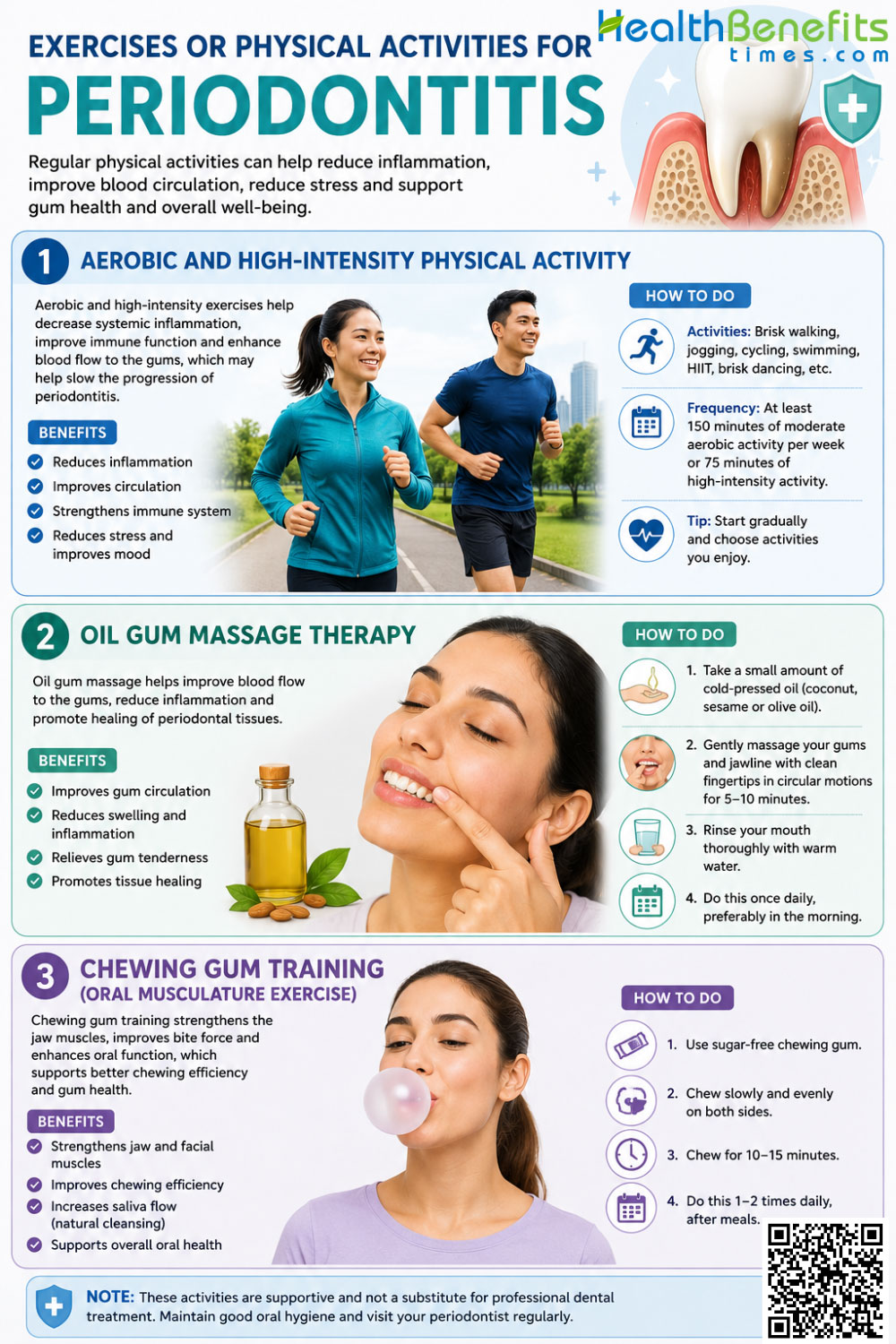
1. Aerobic and High-Intensity Physical Activity
Engaging in regular, heart-pumping physical activity significantly reduces the overall risk and severity of periodontitis. Moderate to high-intensity exercise directly lowers systemic inflammatory biomarkers such as C-reactive protein (CRP) and specific pro-inflammatory cytokines like Interleukin-6 that travel through the bloodstream and exacerbate bone loss in the jaw 22. Furthermore, maintaining an active lifestyle vastly improves insulin sensitivity and reduces overall body mass index (BMI), neutralizing two major metabolic drivers of gum disease.
Note on how to do: You should aim to complete at least 150 minutes of moderate-intensity aerobic exercise (such as brisk walking, swimming, or cycling) or 75 minutes of vigorous-intensity exercise per week, ensuring you maintain a highly consistent routine to keep systemic, whole-body inflammation suppressed.
2. Oil Gum Massage Therapy
The physical stimulation of the gingival tissues inherently improves local capillary blood circulation and promotes the keratinization (toughening) of the delicate gums. When systematically combined with natural edible oils, this massage mechanically disrupts the invisible bacterial plaque biofilm firmly attached to the gumline. This process delivers localized anti-inflammatory benefits and drastically reduces overall microbial counts, including Lactobacillus species 23.
Note on how to do: Wash your hands thoroughly with soap. Place a few drops of a pure, cold-pressed edible oil (such as coconut, olive, or sesame oil) directly onto your clean index finger. Using gentle, deliberate circular motions, massage the inner and outer surfaces of your gums for roughly 10 minutes a day, subsequently rinsing your mouth out with warm water.
3. Chewing Gum Training (Oral Musculature Exercise)
Strengthening the oral cavity’s infrastructure is a vital, yet frequently overlooked, component of holistic periodontal care. Targeted chewing exercises help stabilize vertical occlusion (the precise way your teeth fit together) and heavily increase the muscular strength of the masticatory muscles. Most importantly, continuous, intentional chewing actions forcefully stimulate the salivary glands. Increased saliva flow acts as the mouth’s ultimate natural defense mechanism, physically washing away destructive bacteria and neutralizing harmful acids that directly contribute to periodontal disease 24.
Note on how to do: Select a high-quality, completely sugar-free chewing gum (preferably one heavily sweetened with xylitol to deter bacteria). Actively chew the gum, making a conscious, focused effort to alternate evenly between the left and right sides of your mouth for equal muscular engagement, dedicating roughly 10 to 20 minutes to this training daily 25.
Foods and Activities to Avoid
When you suffer from periodontitis, your daily consumptive habits and lifestyle choices can easily accelerate jawbone destruction. This inherent risk multiplies exponentially if you also happen to be prone to Gastroesophageal Reflux Disease (GERD), as the highly acidic gastric contents that travel up the esophagus and into the mouth drastically alter the oral pH, creating a highly destructive environment for compromised gums 26.
Foods to Avoid When You Suffer from Periodontitis
1. Sugary Foods and Sweets
Candy, chocolates, pastries, and desserts feed harmful bacteria in the mouth and worsen gum infection.
2. Sticky Foods
Toffees, caramel, dried fruits, and gummy candies stick to teeth and are hard to clean, increasing plaque buildup.
3. Sugary Drinks
Soda, sweetened juices, energy drinks, and packaged iced teas promote bacterial growth and gum inflammation.
4. Refined Carbohydrates
White bread, white rice, and processed snacks break down into sugars quickly and contribute to plaque formation.
5. Acidic Foods and Drinks
Citrus fruits in excess, vinegar-heavy foods, and carbonated drinks can irritate already inflamed gums.
6. Alcohol
Alcohol dries the mouth, reduces saliva flow, and slows down gum healing.
7. Very Hard Foods
Hard candies, ice, and unsoaked nuts can physically damage sensitive gums and worsen pain.
8. Highly Processed Foods
Chips, instant noodles, and fast foods often contain additives and sugars that promote inflammation.
9. Spicy Foods (in some cases)
For sensitive gums, very spicy foods may cause irritation and discomfort.
10. Excessively Hot Foods and Drinks
Very hot tea, coffee, or soup can aggravate inflamed gum tissues.
Activities to Avoid When You Suffer from Periodontitis
1. Tobacco Smoking and Vaping
You must entirely avoid inhaling combusted tobacco or chemical vapor. Smoking heavily restricts vital blood flow, masks the obvious bleeding that normally signals disease progression, and completely overrides any positive, protective benefits you might gain from regular exercise or a perfect diet.
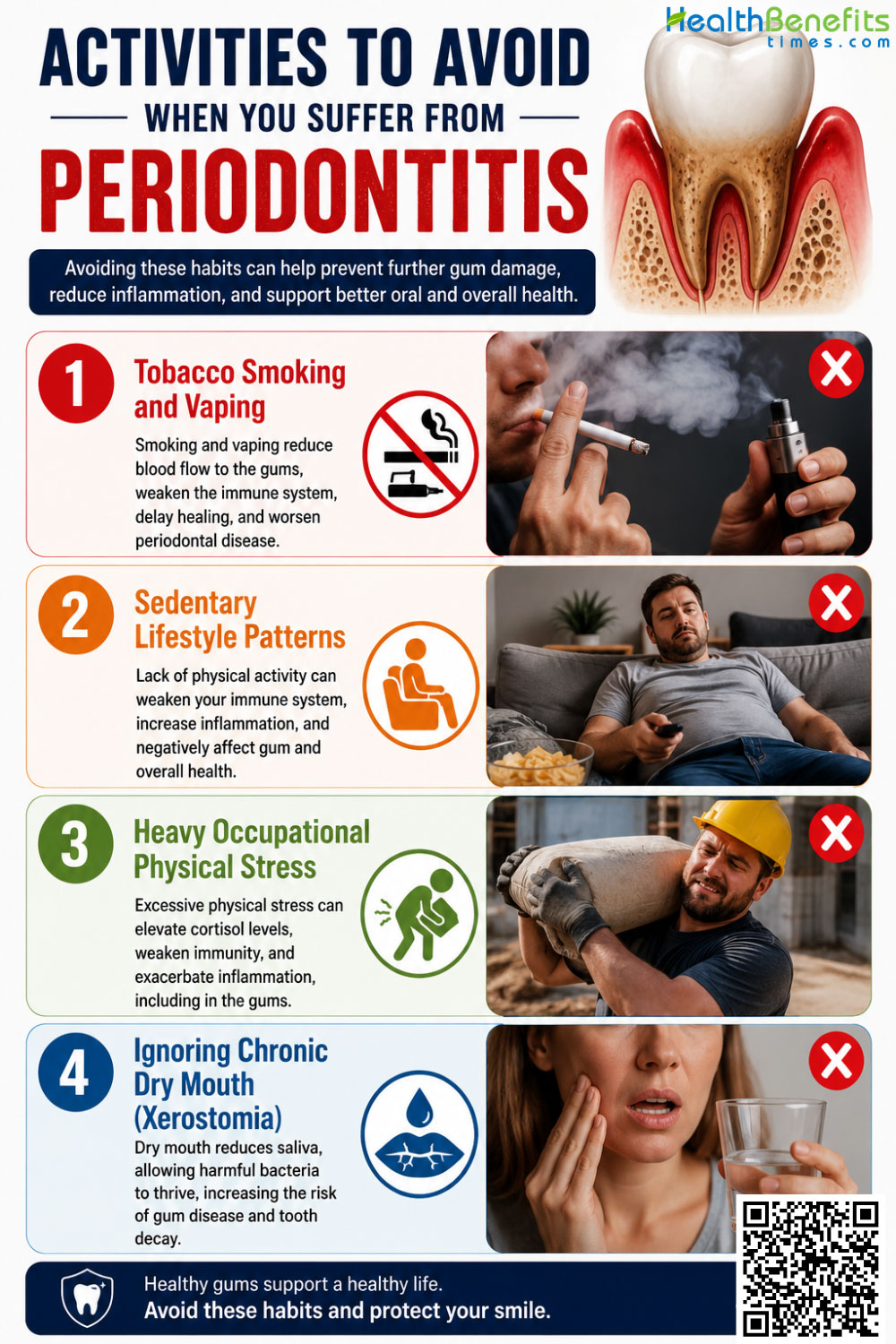
2. Sedentary Lifestyle Patterns
You should actively avoid sitting for prolonged, uninterrupted hours. A lack of daily physical activity encourages poor metabolic health and allows systemic inflammatory markers to pool dangerously in the body, greatly speeding up periodontal bone loss.
3. Heavy Occupational Physical Stress
While leisure-time exercise is highly beneficial, you should carefully manage and avoid unmitigated, chronic heavy physical labor if it repeatedly induces extreme levels of physical and mental stress. Extreme occupational stress activates the body’s primary stress hormones (like cortisol), which completely suppress immune function in the delicate gums.
4. Ignoring Chronic Dry Mouth (Xerostomia)
You must never ignore a constantly parched or dry mouth. If you habitually breathe through your mouth at night or take daily medications that reduce saliva, you must actively seek continuous hydration, as saliva is biologically essential for buffering oral acids and controlling runaway bacterial growth.
Myths and Misconceptions
Despite the widespread global nature of this disease, highly dangerous misunderstandings regarding its mechanics, progression, and severity remain culturally ingrained, often preventing individuals from seeking timely care.
| Myth | Reality |
| Flossing is only necessary to dislodge large pieces of food stuck between the teeth. 27 | Reality: Flossing primarily serves to physically disrupt and remove the invisible, sticky bacterial biofilm (plaque) from just under the gumline before it has the opportunity to harden into calcified tartar. |
| Bleeding gums are a perfectly normal part of aggressive brushing or getting older. | Reality: Healthy, stable gums do not bleed. Spontaneous bleeding is an active, glaring sign of infection, localized inflammation, and the onset of progressive gingivitis or periodontitis. |
| Severe tooth loss is simply an inevitable, unavoidable consequence of the aging process. 28. | Reality: Chronological age itself does not directly cause tooth loss. Teeth are traditionally lost in old age due to decades of accumulated, unmanaged periodontal disease, which is highly preventable with proper care. |
| Periodontitis is strictly an isolated oral problem that stays entirely within the mouth. | Reality: The aggressive bacteria and inflammatory mediators from the gums readily enter the bloodstream, significantly increasing the systemic risk of cardiovascular disease, stroke, and severe diabetes complications. |
| If you do not feel any sharp pain, you absolutely do not have active gum disease. | Reality: Periodontitis is notoriously known as a “silent” disease. It frequently progresses painlessly for years, quietly destroying the jawbone without causing any physical discomfort until the teeth finally become noticeably loose. |
| Utilizing fluoride toothpaste alone will completely prevent the onset of gum disease. | Reality: While fluoride is an excellent, proven mineral for strengthening tooth enamel against bacterial decay (cavities), it does practically nothing to treat or prevent the soft-tissue bacterial infection of the gum tissue. |
Special Considerations
Because periodontitis is heavily influenced by systemic changes and fluctuating hormones, certain specific demographics require highly vigilant, customized approaches to their daily oral care.
1. Children
While severe bone-loss periodontitis is relatively rare in young children, the foundational bacteria can colonize very early in life. A highly dangerous misconception among parents is that infant gum pads do not need cleaning prior to tooth eruption, or that night-time bottle feeding is biologically harmless. Instilling proper plaque-control habits early fundamentally prevents the highly aggressive forms of periodontitis that can occasionally strike susceptible adolescents 29.
2. Pregnancy
Expectant mothers routinely experience massive, rapid surges in both estrogen and progesterone, which highly exaggerate the gum tissue’s inflammatory response to even normal levels of plaque. This results in the rapid onset of “pregnancy gingivitis,” which can quickly escalate into full periodontitis. More alarmingly, active, untreated periodontal infections during pregnancy are clinically linked to severe systemic inflammation that can directly cause premature birth and dangerously low birth weights.
3. Chronic Conditions
For individuals living with diagnosed diabetes, periodontal disease operates as a constant, looming threat. The biological relationship is completely bidirectional: high systemic blood sugar continually feeds oral bacteria, making periodontitis significantly worse, while the chronic inflammation pouring out of the periodontitis causes cellular insulin resistance, making it much harder to therapeutically control the diabetes 30. Similarly, patients undergoing intensive cancer treatments in the head and neck region frequently suffer from profound, radiation-induced dry mouth, exponentially increasing the rate of periodontal deterioration.
4. Elderly
As patients gracefully age, minor cognitive decline and physical mobility issues like osteoarthritis make routine, highly meticulous brushing and flossing physically difficult. Older adults also have a substantially higher rate of underlying systemic chronic conditions and routinely take complex polypharmacy regimens that heavily restrict saliva flow. Consequently, this vulnerable demographic faces the absolute highest prevalence of severe periodontitis and complete tooth loss 31.
Precautions Before Using Natural Remedies When You Have Periodontitis
When eagerly turning to botanical extracts or at-home solutions to actively manage your oral health, you must approach them with the exact same caution and respect as traditional pharmaceutical medications. Natural does not automatically mean safe for every individual.
1. Verify Product Quality and Absolute Purity
You must meticulously ensure that any essential oils, herbal extracts, or live probiotics you purchase are procured from reputable, clinically verified, high-quality sources. Unregulated, over-the-counter products may frequently contain dangerous heavy-metal contaminants, highly acidic chemical preservatives, or completely incorrect bacterial strains that provide absolutely zero clinical benefit 32.
2. Meticulously Check for Plant Allergies
Before applying raw botanical remedies like chamomile, aloe vera, or concentrated red clover directly to your highly sensitive, inflamed mucosal tissues, you must be explicitly aware of your personal allergy profile. For example, individuals naturally allergic to ragweed or pollen often experience severe, rapid oral cross-reactions when using raw chamomile products.
3. Strictly Avoid Over-Concentration
You should never, under any circumstances, apply undiluted essential oils (like pure tea tree, peppermint, or clove oil) directly to your bare gums. They are incredibly potent, volatile compounds and can easily cause severe chemical burns, immense localized irritation, and actual tissue necrosis if they are not properly heavily diluted in an appropriate carrier oil first.
4. Carefully Monitor Medication Interactions
If you are currently taking systemic medications (like prescription blood thinners, immunosuppressants, or targeted diabetes drugs), you must consult a medical professional before ingesting massive amounts of concentrated herbal teas or daily supplements like turmeric or high-dose Omega-3s. These natural compounds can drastically alter hepatic drug metabolism or dangerously increase your bleeding risks during surgery 33.
5. Do Not Replace Mechanical Clinical Cleaning
You must deeply understand that absolutely no herb, oil pulling routine, or natural mouthwash can magically dissolve already calcified tartar on the tooth root. Natural remedies are strictly adjunctive, supportive therapies; they do not ever replace the physical, biological necessity of daily mechanical brushing, flossing, and deep professional dental scaling.
6. Recognize Immunocompromised Vulnerabilities
If you currently have an autoimmune disease, are undergoing active chemotherapy, or have a medically suppressed immune system, you should approach live oral probiotic therapies with extreme caution. Deliberately introducing millions of new bacterial strains into deep, bleeding periodontal pockets can sometimes yield highly unpredictable, dangerous clinical results in vulnerable patients.
When to See a Doctor
While optimal home care and natural adjunctive therapies are incredibly useful for stabilization, periodontitis remains a chronic, progressive medical condition that eventually requires targeted professional intervention. You must seek the immediate, specialized expertise of a dentist or a board-certified periodontist if you experience any of the following glaring signs:
- You physically notice that your adult teeth feel loose, wobbly, or have physically shifted their spatial position, drastically altering the comfortable way your upper and lower jaws meet during rest.
- Your inflamed gums continue to bleed profusely every single time you brush or eat, remaining completely unresponsive despite dramatically improving your daily hygiene routine and dietary habits.
- You experience severe, relentless, throbbing pain in your jaw or deep within the gums that makes normal chewing or sleeping virtually impossible.
- You visually observe thick yellowish pus or a cloudy white discharge physically squeezing out from the infected gumline when you lightly press a finger against your teeth 34.
- You rapidly develop a swollen facial area, an unexplained systemic fever, or noticeably swollen, tender lymph nodes in your neck, all of which strongly indicate a severe, acute, and potentially spreading periodontal abscess.
- Your soft gums recede so drastically that the yellowish, porous roots of your teeth become visibly exposed to the air, causing intense, shooting sensitivity to basic temperature changes.
- You suffer from a relentless, socially debilitating bad breath or a foul, metallic taste in your mouth that no amount of intense tongue scraping, brushing, or herbal mouthwash can temporarily eliminate