

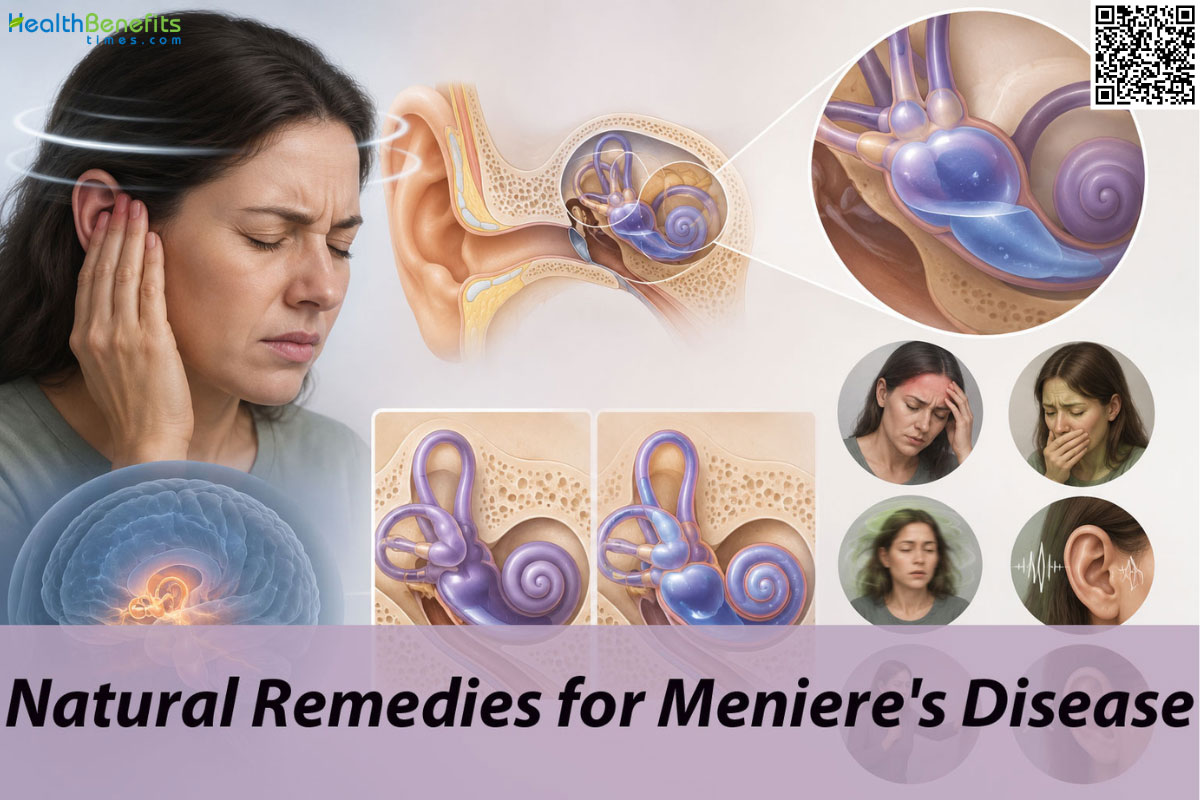
Meniere’s disease is a chronic disorder of the inner ear that significantly affects a person’s balance and hearing. The condition is primarily characterized by an abnormal buildup of fluid, called endolymph, within a complex inner ear structure known as the labyrinth. This excess fluid pressure disrupts the normal transmission of balance and auditory signals to the brain. Individuals with Meniere’s disease typically experience sudden, unpredictable episodes of severe vertigo, which is an intense, disabling sensation that the room is spinning. Alongside these dizzy spells, patients often suffer from fluctuating hearing loss, a persistent ringing or roaring sound in the ear known as tinnitus, and a profound feeling of fullness or congestion in the affected ear. Over time, the repeated fluid pressure can cause progressive, permanent hearing damage. While the exact trigger for this fluid accumulation remains unclear, management strategies often focus on controlling the debilitating vertigo attacks and regulating fluid volume.1, 2, 3, 4. 5. 6.
Causes of Meniere’s Disease
Discovering the precise origin of this inner ear disorder remains a complex challenge for the medical community, as the pathology is heavily influenced by multiple biological, environmental, and genetic variables.
1. Endolymphatic Hydrops
The most universally accepted mechanical cause is the over-accumulation of endolymph fluid, which occurs when there is an imbalance between the secretion and resorption of this fluid in the inner ear structures. 3
2. Genetic Predisposition
Familial clustering strongly suggests a hereditary component, with ongoing research identifying specific mutations in the AQP gene family (responsible for fluid transport) and other genes like FAM136A in autosomal dominant inheritance patterns. 7
3. Autoimmune Dysfunction
Approximately one-third of diagnosed cases involve an autoimmune response where the body’s immune system erroneously attacks inner ear antigens, leading to chronic localized inflammation and subsequent fluid dysregulation. 8
4. Viral Infections
Previous infections, including strains of the herpes simplex virus or cytomegalovirus, can trigger inflammatory cascades within the vestibular nerve, potentially initiating the physiological degradation seen in this disease. 9
5. Vascular Abnormalities
Reduced blood flow, microvascular ischemia, or generalized circulatory disturbances in the inner ear capillaries are believed to contribute to the cellular degradation of vestibular and cochlear hair cells over time. 10
6. Hormonal Fluctuations
Shifts in hormones that regulate fluid and electrolyte balance—such as aldosterone and antidiuretic hormone (ADH)—can directly alter the composition and volume of endolymph, thereby triggering episodic attacks. 11
Symptoms of Meniere’s Disease
The clinical manifestation of this condition typically involves a highly specific triad of auditory and vestibular disruptions that profoundly alter a patient’s daily functionality.
- Spontaneous, episodic vertigo characterized by severe spinning sensations lasting anywhere from 20 minutes to 12 hours.
- Fluctuating sensorineural hearing loss that primarily affects low- to medium-frequency auditory thresholds and often localizes to one ear initially.
- Persistent or fluctuating tinnitus, frequently described as a roaring, buzzing, or ringing sound that intensifies just before or during a vertigo spell.
- A profound sensation of aural fullness, congestion, or pressure deep within the affected ear canal or the corresponding side of the head.
- Drop attacks, medically referred to as Tumarkin’s otolithic crisis, which involve an abrupt, profound loss of posture causing the individual to fall to the ground without losing consciousness.
Meniere’s Disease Facts
Navigating the epidemiological and diagnostic realities of this condition requires an understanding of its clinical parameters and risk factors.
| Category | Facts & Observations |
| Symptoms |
|
| Causes |
|
| Types of Meniere’s Disease |
|
| How it spreads |
|
| Age Group |
|
| You might be at a higher risk for exposure of this disease if you: |
|
| How doctors diagnose |
|
| Other facts |
|
Natural Remedies for Meniere’s Disease
Exploring non-pharmaceutical interventions reveals a multitude of botanical, dietary, and holistic approaches designed to stabilize the inner ear. These natural remedies primarily focus on improving localized blood circulation, reducing systemic inflammation, and managing the delicate fluid balance required for optimal vestibular function.
1. Abundant Water Intake Therapy
Counterintuitively, increasing daily hydration is one of the most effective physiological interventions for managing inner ear fluid retention. Sustained, abundant water intake helps regulate the body’s homeostatic mechanisms by actively suppressing the release of antidiuretic hormone (ADH) from the pituitary gland. 11 Lowering systemic ADH levels signals the kidneys to excrete excess sodium and water, which consequently reduces the dangerous hydrostatic pressure of the endolymphatic fluid inside the cochlea. Clinical investigations confirm that structured hydration protocols can successfully prevent recurring hearing loss and minimize the frequency of vertigo spells compared to conventional therapies. 14
Note: You should aim to drink a steady amount of plain water throughout the day often calculated around 35 mL per kilogram of your body weight avoiding sudden, massive consumption at once to keep your fluid levels stable.
2. Ginkgo Biloba Extract
Extracts derived from the leaves of the Ginkgo biloba tree are highly valued for their potent vasodilatory and neuroprotective capabilities. This ancient botanical is dense with active flavonoids and triterpenes that function to improve microcirculation by actively dilating small blood vessels and reducing overall blood viscosity. 15 By enhancing cerebral and cochlear blood perfusion, Ginkgo ensures that the vulnerable hair cells of the inner ear receive a steady supply of oxygen and essential nutrients. Additionally, its powerful antioxidant properties help mitigate oxidative stress within neuronal mitochondria, a process that has been shown to alleviate the subjective severity of tinnitus and vestibular dizziness. 16
Note: You can take this as a standardized oral extract supplement (such as EGb 761) in capsule or liquid form, typically ingested daily with your morning or evening meals to maximize cellular absorption.

3. Ginger Root (Zingiber officinale)
Globally recognized as a robust natural antiemetic, ginger root provides profound relief for the debilitating nausea and gastrointestinal distress that accompany severe vertigo attacks. The primary active compounds in ginger—specifically gingerols and shogaols interact directly with both the gastrointestinal tract and the central nervous system to effectively prevent the development of gastric dysrhythmias. 17 Empirical evidence indicates that ginger possesses the capacity to significantly reduce cold sweating, general malaise, and the mechanical urge to vomit during episodes of severe vestibular disturbance, outperforming placebos in rigorous clinical trials. 18
Note: You can consume ginger by chewing on small pieces of the raw root, steeping fresh slices in hot water to create a soothing tea, or taking concentrated powdered supplements immediately upon feeling the onset of an attack.
4. Pycnogenol (Pine Bark Extract)
Sourced from the bark of the French maritime pine, Pycnogenol is a highly concentrated source of bioflavonoids and procyanidins that acts as a powerful free-radical scavenger and anti-inflammatory agent. Advanced research demonstrates its unique effectiveness in stabilizing and increasing cochlear blood flow velocity, particularly enhancing the diastolic component of inner ear circulation. 19 Improving perfusion within the intricate vascular beds of the ear has been directly correlated with a dramatic, measurable reduction in the severity of tinnitus, aural pressure, and unsteady gait over continuous months of administration. 20
Note: You can incorporate this into your wellness routine by taking it daily as an oral dietary supplement, usually recommended over a sustained period of three to six months to observe significant vascular benefits.
5. Vitamin D Supplementation
Recent clinical focus has shifted toward the systemic role of Vitamin D in vestibular health, highlighting the vitamin’s robust immunomodulatory functions. Because a notable subset of cases is driven by localized autoimmune reactions or post-viral inflammation, sufficient vitamin D levels are crucial for regulating the expression of pro-inflammatory mediators. Addressing underlying hypovitaminosis D has been shown to potentially stabilize autoimmune inner ear attacks, which subsequently reduces the clinical necessity for aggressive, nerve-ablating chemical therapies such as intratympanic gentamicin injections. 21
Note: You should take a daily oral Vitamin D3 supplement if routine blood tests confirm a deficiency, or ensure you get adequate, safe daily sunlight exposure to naturally synthesize the vitamin in your skin.
6. Specially Processed Cereals (SPC Flakes)
A novel dietary approach involves the consumption of Specially Processed Cereals (SPC flakes), which are engineered to stimulate the body’s endogenous production of antisecretory factor (AF). Antisecretory factor is a specific protein produced in the pituitary gland that performs a critical immunity role and regulates fluid secretion across cellular membranes. 22 By modulating the secretion of fluids at a systemic level, SPC flakes show promise in safely managing the excessive fluid buildup characteristic of endolymphatic hydrops, offering a specialized functional food alternative to traditional chemical diuretics. 23
Note: You can eat these specially formulated oat flakes daily as a standard breakfast cereal, mixing them with milk or yogurt to easily integrate them into your morning dietary routine.
7. Acupuncture and Acupressure Techniques
Traditional Chinese Medicine modalities, specifically targeted acupuncture and therapeutic massage (such as the Diaoshi Jifa technique), are frequently deployed to manage chronic dizziness and systemic imbalance. The mechanical and electrical stimulation of specific periauricular meridian points and vestibular terminals is believed to promote regional blood circulation, calm the central nervous system, and facilitate the clearance of localized fluid blockages. Electroacupuncture and acupressure protocols have been formally documented to effectively lower scores on the Dizziness Handicap Inventory (DHI) and relieve the persistent sensation of aural stuffiness. 24
Note: You should have these modalities applied by a licensed and certified practitioner, who will strategically insert fine needles or apply localized finger pressure to specific mapped meridian points on your scalp, ears, and limbs.
Is there any exercise or physical activities for Meniere’s Disease?
Targeted physical movement and specialized neuro-rehabilitative exercises become pivotal once the acute, violently fluctuating symptoms of an attack have subsided. These physical routines meticulously help the brain compensate for the loss of balance signals emanating from the damaged inner ear.
1. Vestibular Rehabilitation Therapy (VRT)
This represents a highly structured, medically supervised physical exercise program explicitly designed to promote central nervous system compensation for inner ear deficits. Because the disease causes fluctuating damage to the vestibular nerve, the brain frequently becomes disoriented and reliant on faulty data. VRT utilizes repetitive, specialized movements to retrain the brain to rely heavily on alternative proprioceptive (body position) and visual cues to maintain physical balance. 25 Routine clinical practice of VRT significantly reduces residual unsteadiness between acute episodes and objectively improves overall balance outcomes. 26
Note: To do this, you should work closely with a specialized physical therapist who will prescribe a daily customized routine of head, eye, and body movements lasting approximately 15 to 20 minutes.
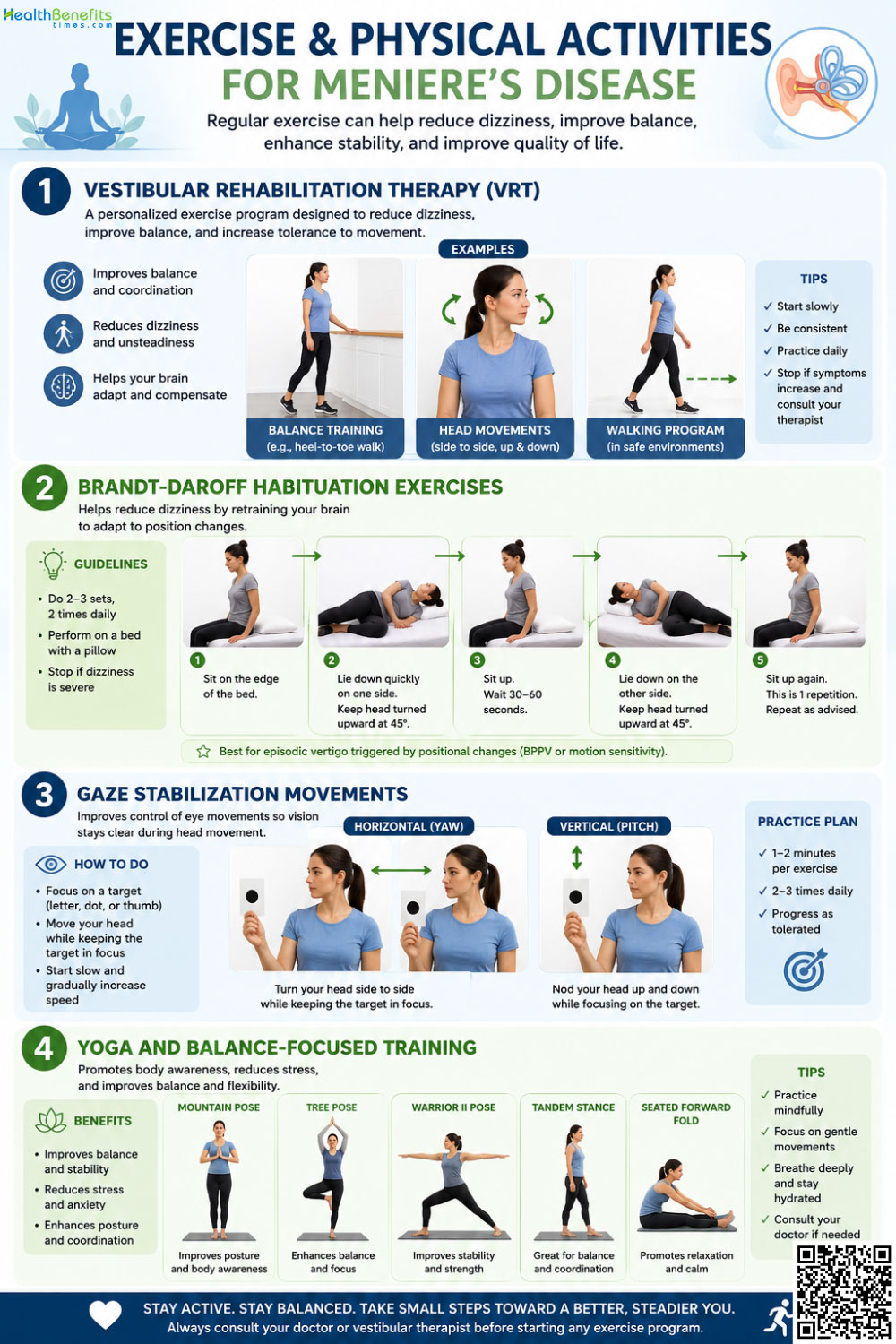
2. Brandt-Daroff Habituation Exercises
Originally engineered for benign paroxysmal positional vertigo (BPPV) a condition that can frequently co-occur with or mimic vestibular hydrops these habituation exercises desensitize the balance system to sudden positional changes. Repeatedly subjecting the vestibular system to provocative, rapid movements helps the brain habituate to the dizzying stimuli, ultimately dampening the severity of the neurological response and minimizing subsequent vertigo. 27
Note: To perform this, you sit upright on the edge of a bed, quickly lie down on one side with your nose pointed upward at a 45-degree angle, wait for the dizziness to pass, sit back up, and then repeat on the opposite side.
3. Gaze Stabilization Movements
When inner ear function fluctuates, the vestibulo-ocular reflex (VOR) the essential mechanism that keeps vision steady while the head moves becomes profoundly impaired. Gaze stabilization exercises force the resetting and strengthening of this reflex. Over time, executing these precise adaptive exercises normalizes visual tracking and actively prevents the visual blurring and severe spatial disorientation that often accompany rapid head turns. 28
Note: To do this, you hold a visually distinct target (like a pen or a printed letter) at eye level, keeping your eyes locked onto the target while slowly turning your head from side to side, gradually increasing your speed without losing focus.
4. Yoga and Balance-Focused Training
Living with chronic vestibular disorders generates immense physical tension and psychological stress. Supervised, low-impact disciplines like yoga, Tai Chi, and Pilates offer distinct dual benefits: they systematically enhance core strength and proprioception while simultaneously lowering sympathetic nervous system arousal. Improved core stability makes the body significantly less reliant on the inner ear for fall prevention, and mindfulness breathing aids in overall stress management. 29
Note: To do this, you should practice slow, highly controlled stretching and balancing poses on a flat, firm surface, ensuring you entirely avoid rapid inversions or sudden head-down movements.
Foods and Activities to Avoid
Environmental inputs, dietary choices, and physical habits have a profound physiological impact on the fluid dynamics and inflammatory state of the inner ear. Strategically managing your daily intake and actions is often the most accessible line of defense.
Foods to Avoid When You Suffer from Meniere’s Disease
1. High Sodium and Dietary Salt
You must strictly eliminate highly processed foods, canned soups, fast food, and excessive table salt from your meals. A high-salt diet forces the body to retain water and increases the expression of aldosterone-controlled ion transporters, directly exacerbating endolymphatic hydrops by swelling the inner ear compartments. 30
2. Caffeine-Rich Beverages
You should avoid coffee, standard black or green teas, energy drinks, and heavy chocolate consumption. Caffeine acts as both a central nervous system stimulant and a mild diuretic, which can irregularly alter the composition of ear fluids and serve as a trigger for tinnitus or vestibular migraines. 31
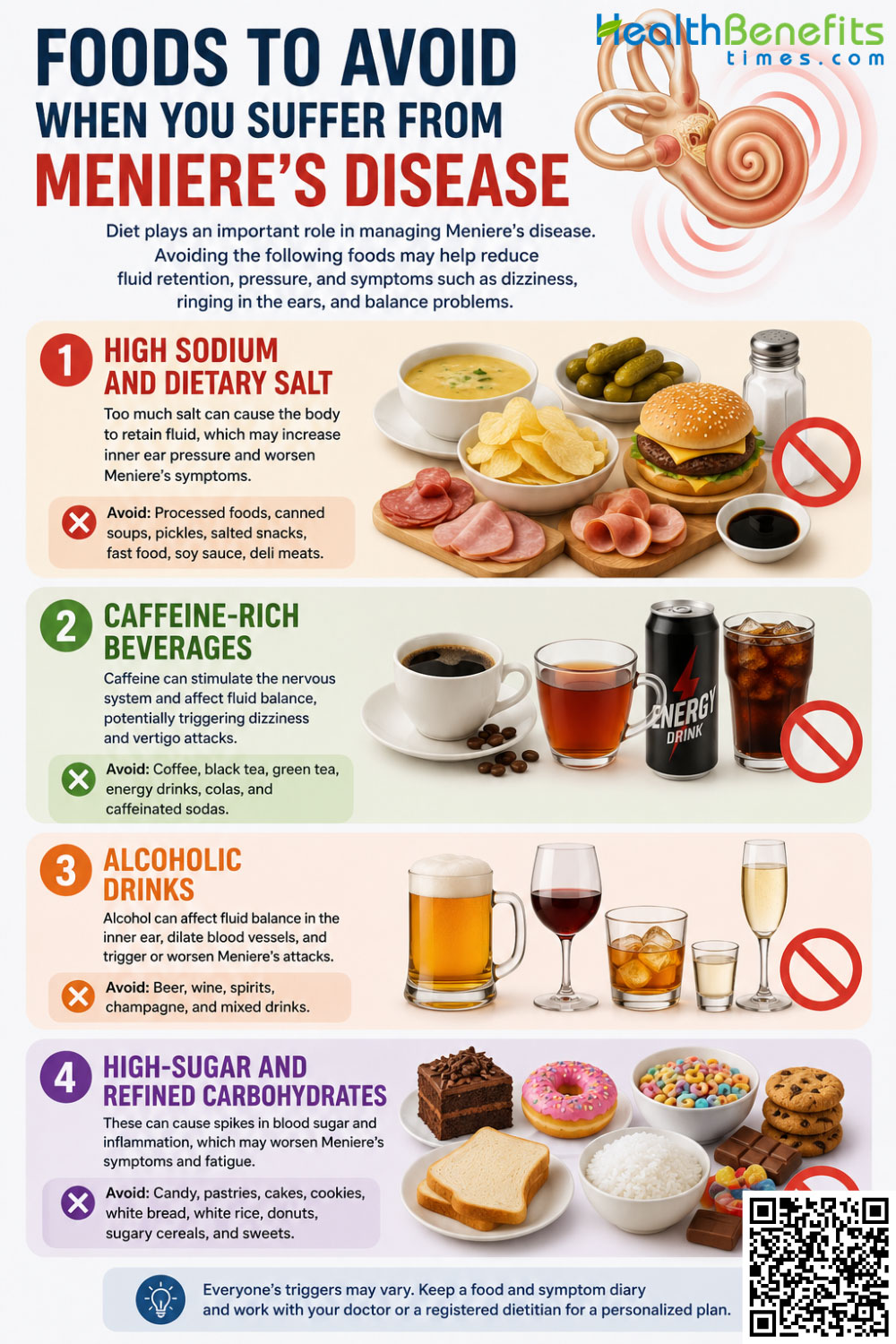
3. Alcoholic Drinks
You should abstain completely from alcoholic beverages. Alcohol readily crosses the blood-brain barrier and alters the specific gravity and volume of the endolymph fluid, directly impairing balance mechanisms and reliably worsening vertigo attacks. 32
4. High-Sugar and Refined Carbohydrates
You should actively limit sugary snacks and refined carbohydrates to prevent hyperinsulinemia, a metabolic state that can severely disrupt cellular processes and constrict regional blood flow in the delicate capillaries of the inner ear.
Activities to Avoid When You Suffer from Meniere’s Disease
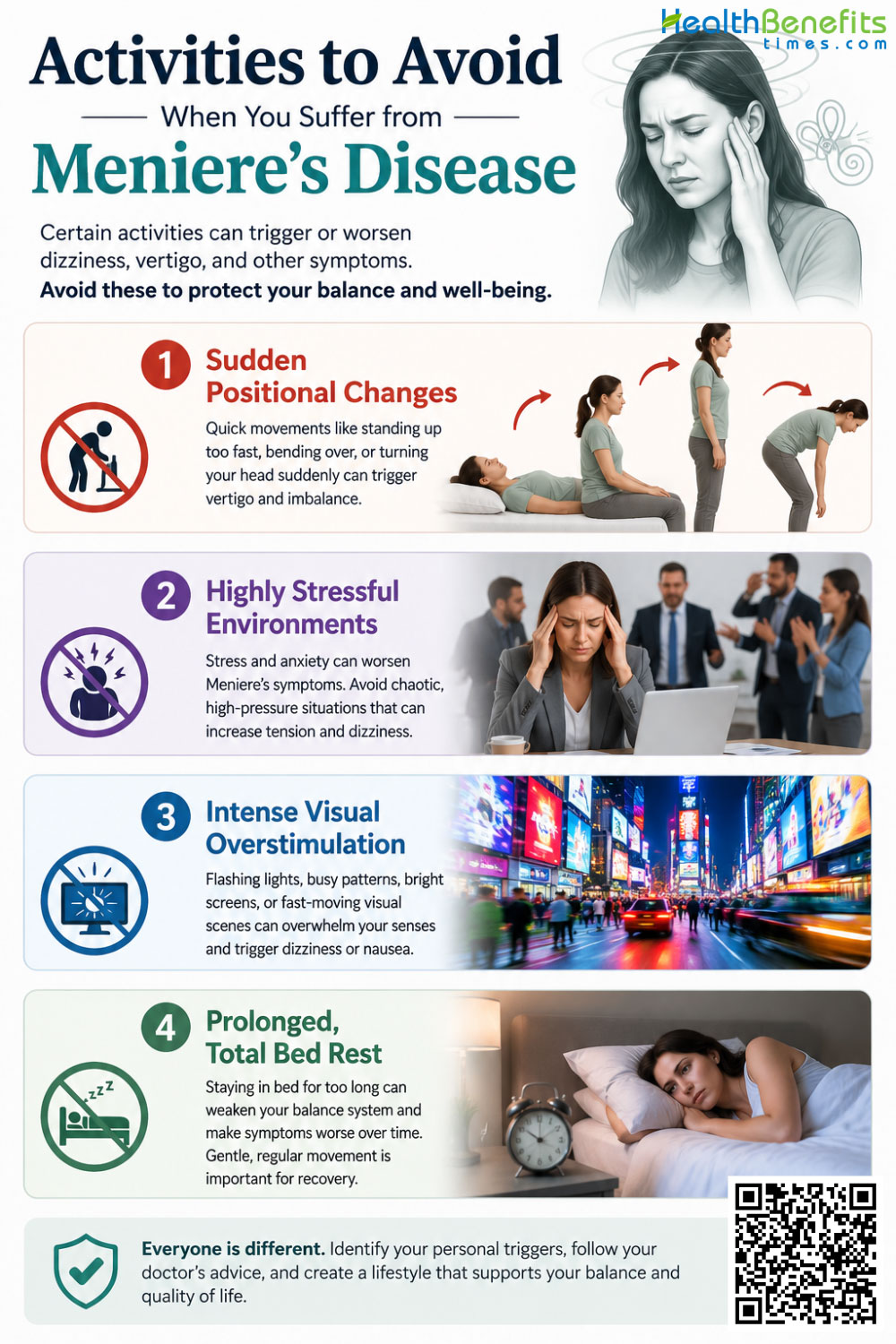
1. Sudden Positional Changes
You should avoid rapid head turning, quickly bending over to retrieve objects, or leaping out of bed abruptly, as these mechanical actions forcefully shift inner ear fluids and provoke dizziness.
2. Highly Stressful Environments
You should try to avoid situations of extreme emotional or physical stress whenever possible. The physiological release of cortisol and adrenaline can constrict blood vessels and trigger acute vestibular attacks.
3. Intense Visual Overstimulation
You should avoid staring at strobe lights, navigating visually busy environments with fast-moving patterns, or engaging in heavy screen time in the dark, as intense optical stimulation easily overwhelms a struggling vestibulo-ocular reflex.
4. Prolonged, Total Bed Rest
You should avoid staying completely immobile for days on end between attacks; while resting during an episode is necessary, the brain requires gentle, constant movement afterward to properly execute natural vestibular compensation.
Myths and Misconceptions
There is significant public misunderstanding regarding the nature, progression, and potential curability of this complex inner ear disorder, leading to unnecessary anxiety.
| Myth | Reality |
| It is a contagious infection. | It is entirely non-communicable and non-infectious. It is a structural and physiological disorder of the ear, not a pathogen that can be passed to others. |
| It will inevitably lead to total, profound deafness. | While permanent, moderate-to-severe sensorineural hearing loss in the affected ear is common over time, complete clinical deafness is actually quite rare. 33 |
| Dietary changes offer a permanent cure. | There is no definitive cure. Low-salt diets and hydration protocols can excellently manage and suppress symptoms, but they do not eliminate the underlying biological susceptibility. |
| Only the elderly develop this disease. | While highly prevalent in older adults due to age-related vestibular decline, the typical onset actually occurs in younger to middle-aged adults (20 to 60 years old). |
| Any severe dizziness means you have Meniere’s. | Vertigo has dozens of potential causes, including BPPV and vestibular neuritis. A true clinical diagnosis requires documented hearing loss and aural fullness alongside the vertigo. |
Special Considerations
The clinical expression, severity, and management protocols of this disease shift remarkably depending on the patient’s age and co-existing physiological states.
1. Children
Though statistically rare representing roughly 2.3% of all diagnosed cases—pediatric presentation requires careful, specialized monitoring. In children, the disease frequently presents bilaterally (affecting both ears) and is heavily tied to positive family genetic histories. Notably, in younger patients, the inner ear deficits show a declining sequence from the cochlea to the saccule, utricle, and semicircular canals. Furthermore, the vestibular (vertigo) and cochlear (hearing) symptoms may occur and progress entirely independently, sometimes separated by years of dormancy. 34 You must seek specialized pediatric neurotology care to accurately separate this diagnosis from childhood vestibular migraines. 35
2. Pregnancy
The dramatic physiological and hormonal changes of pregnancy can severely exacerbate preexisting inner ear disorders. Persistently high circulating levels of estrogen and progesterone lead to systemic fluid retention and hypercoagulability, which directly worsens endolymphatic hydrops. Furthermore, lower serum osmolality particularly during the early trimesters frequently triggers a noticeable spike in vertigo intensity. You should closely monitor your auditory symptoms, as reversible, subclinical hearing loss and unique proprioceptive changes are frequently documented during gestation. 36
3. Chronic Conditions
Patients with pre-existing systemic autoimmune diseases, such as rheumatoid arthritis, ankylosing spondylitis, or systemic lupus erythematosus, often experience a more aggressive and treatment-resistant disease progression. 37 You must ensure that your underlying chronic autoimmune conditions are tightly controlled with your rheumatologist, as systemic immune dysregulation and inflammation directly feed inner ear tissue damage.
4. Elderly
In patients over the age of 65, the natural, age-related degeneration of the balance system heavily compounds the severity of the disease. The primary, life-altering threat in this specific demographic is the occurrence of Tumarkin’s otolithic crisis (drop attacks), which drastically increases the risk of severe bone fractures and catastrophic head trauma from unprovoked falls. You must exercise extreme caution with polypharmacy, as the side effects of concurrent medications can worsen dizziness, and major vestibular suppressor drugs should generally be avoided as long-term treatments due to their sedative effects. 38
Precaution Before Use of Natural Remedies
Before initiating any holistic, botanical, or alternative regimen, specific safety checks must be rigorously applied to prevent dangerous physiological interactions.
- Check for Herb-Drug Interactions: You must consult a physician before using supplements like Ginkgo Biloba or Pycnogenol, especially if you are actively taking blood thinners (like warfarin or aspirin), as these botanicals naturally inhibit platelet aggregation and significantly increase bleeding risks. Furthermore, herbs like ginger and Ginkgo can alter the function of specific liver enzymes (such as CYP3A4), heavily impacting the metabolism and efficacy of prescription antidepressants and cardiovascular medications. 22
- Monitor Kidney and Heart Function: You must be highly cautious with the “abundant water intake” therapy if you suffer from congestive heart failure, severe hypertension, or chronic kidney disease, as overloading a compromised body with excess fluids can precipitate dangerous systemic complications.
- Standardize Your Supplements: You should ensure that you purchase standardized extracts from highly reputable, third-party tested sources, as unregulated dietary supplements can vary wildly in their active ingredient concentrations and may harbor toxic heavy metal contaminants.
- Do Not Replace Acute Rescue Medications: You should never abruptly replace prescribed rescue medications (like strong vestibular suppressants or pharmaceutical antiemetics) with herbal remedies during a violent, acute attack, as natural remedies are fundamentally best suited for long-term physiological prevention rather than immediate crisis termination.
When to See a Doctor
While intensive lifestyle adjustments and natural regimens provide substantial daily relief and symptom mitigation, certain clinical red flags require immediate, professional medical intervention.
- Sudden, Profound Hearing Loss: If you experience an immediate, drastic, and total loss of hearing in one or both ears, you must seek emergency otolaryngological care to determine if rapid corticosteroid intervention can salvage the damaged auditory nerve. 39
- Onset of Drop Attacks: If you suddenly and violently fall to the ground while remaining fully conscious, you need immediate medical evaluation to explicitly rule out dangerous cardiovascular events and to discuss advanced surgical or chemical treatments to protect against severe physical injury.
- Intractable Vomiting and Dehydration: If a prolonged vertigo episode results in relentless, continuous vomiting that prevents you from keeping water down for more than 12 hours, you must go to a hospital or urgent care clinic to receive intravenous fluids to prevent severe, life-threatening dehydration.
- New, Unexplained Neurological Symptoms: If your dizziness is suddenly accompanied by double vision, slurred speech, facial drooping, profound weakness, or numbness in your extremities, you must call emergency services immediately, as these are critical signs of a stroke or transient ischemic attack, not an inner ear disorder.