

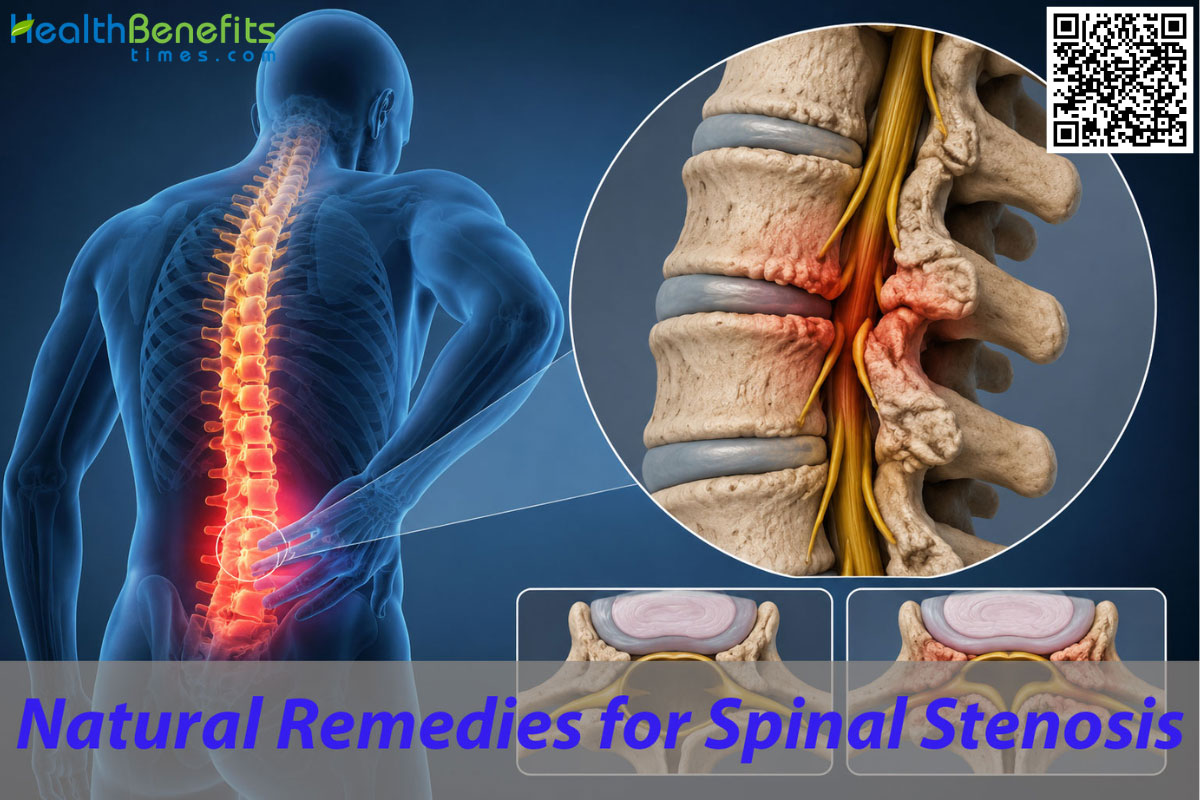
Understanding the intricate architecture of your backbone is the first step in grasping the physical realities of this condition. Spinal stenosis is a widespread medical disorder characterized fundamentally by the abnormal narrowing of the open spaces within the spinal column, a constriction that creates detrimental pressure on the spinal cord and the delicate nerve roots traveling through it 1. When the central canal or the lateral passageways shrink, the vital neural structures become physically squeezed, irritated, and deprived of optimal blood flow, leading to localized inflammation and severely disrupted nerve signals 2. Typically presenting as a slow, gradual, age-related degenerative process rather than a sudden traumatic injury, this structural encroachment predominantly affects the lower back (lumbar spine) and the neck (cervical spine). As the available space diminishes over the decades, the resulting compression triggers a highly predictable cluster of mechanical and neurological symptoms, including chronic pain, tingling numbness, and progressive mobility limitations that can fundamentally alter a patient’s daily functional capacity 3. By recognizing this underlying structural shift, individuals can better understand their physical limitations and pursue the most effective conservative interventions to relieve the encroaching pressure.
Causes of Spinal Stenosis
Uncovering the exact origins of this structural narrowing requires a close look at the spine’s natural aging process and daily mechanical load. The shrinking of the spinal spaces rarely happens overnight; rather, it emerges from a complex cascade of degenerative shifts within the musculoskeletal system.
1. Osteoarthritis and Bone Spurs
The most frequent driver of this narrowing is wear-and-tear arthritis, a condition that gradually degrades the smooth, protective cartilage gliding between the spinal facet joints 4. When this essential cartilage breaks down due to decades of movement, the body instinctively attempts to stabilize and repair the grinding joint by growing new bone tissue. This flawed healing process results in the formation of jagged osteophytes, commonly known as bone spurs, which intrude directly into the spinal canal and physically crowd the nerves 5.
2. Degenerative Disc Disease
Healthy intervertebral discs act as plump, water-filled shock absorbers nestled between the bony vertebrae. With advancing age, these vital cushions naturally lose their hydration, shrink, and flatten out, causing the surrounding vertebrae to compress closer together and significantly reduce the vertical space where nerve roots must exit the spine 2.
3. Ligamentum Flavum Hypertrophy
The strong, fibrous ligament cords that run down the back of the spinal column to hold the bones intact can thicken and stiffen over decades of continuous use 6. As the spine slowly settles and compresses, these abnormally thickened ligaments often buckle inward, directly invading the limited real estate of the central canal and crowding the delicate neural tissues residing there.
4. Herniated or Bulging Discs
Occasionally, the tough, fibrous outer exterior of a spinal disc cracks or tears under pressure, allowing the soft, jelly-like interior substance to push outward. This misplaced, bulging disc material acts as a physical roadblock, directly encroaching upon the available space and pressing aggressively against the spinal cord or branching nerves 7.
5. Spondylolisthesis
This mechanical condition occurs when a single vertebra loses its stabilizing grip and slips out of proper alignment, sliding forward or backward over the bone directly beneath it. This structural misalignment instantly shifts the continuous tube of the spinal column, creating a severe bottleneck that sharply pinches the enclosed nerve pathways 8.
6. Spinal Trauma and Injuries
Severe automobile accidents, significant falls, or sudden high-impact physical traumas can instantly fracture the vertebrae or tear supporting spinal tissues 9. The resulting shattered bone fragments, massive tissue swelling, and eventual post-surgical scar tissue can create immediate or delayed stenotic conditions that mimic natural aging.
7. Congenital and Developmental Factors
Certain individuals are born with a naturally smaller, tighter spinal canal due to their genetics. Developmental conditions like achondroplasia (dwarfism) or early spinal dysraphisms inherently restrict the available room for nerves right from birth, significantly lowering the individual’s threshold for developing severe compression symptoms later in adult life 10.
Symptoms of Spinal Stenosis
Identifying the physical warning signs of this disorder involves paying close attention to both localized discomfort and peculiar, traveling nerve signals throughout the body.
- Persistent, dull, or deep aching pain localized specifically within the lower back or the neck region 1.
- Numbness, unusual tingling sensations often described as “pins and needles,” or sudden bouts of physical weakness radiating down into the buttocks, arms, or legs 11.
- Neurogenic claudication, a hallmark clinical symptom defined by a profound heaviness, cramping, or severe fatigue in the legs that reliably worsens during prolonged periods of standing upright or walking 12.
- A noticeable, rapid reduction in leg pain and cramping when bending forward, sitting down, or leaning over a shopping cart, as this flexed posture temporarily stretches the ligaments and widens the spinal canal 13.
- Progressive balance issues, difficulty walking in a straight line, or general unsteadiness while navigating uneven ground, which are particularly prevalent and dangerous when the cervical spine in the neck is compromised 14.
- Decreased fine motor function in the extremities, leading to newfound clumsiness, dropping items, or struggling with precise daily tasks like writing legibly or buttoning shirts 15.
Spinal Stenosis Facts
Grasping the broad, overarching clinical picture of this disease is much easier when the essential details are organized logically. The following table consolidates critical, scientifically established facts regarding the demographic, symptomatic, and diagnostic profiles of the condition.
| Category | Clinical Details |
| Symptoms |
|
| Causes |
|
| Types of Spinal Stenosis |
|
| How does spread |
|
| Age Group |
|
| You might be at a higher risk for exposure of this disease if you: |
|
| How doctors diagnose |
|
| Other facts |
|
Natural Remedies for Spinal Stenosis
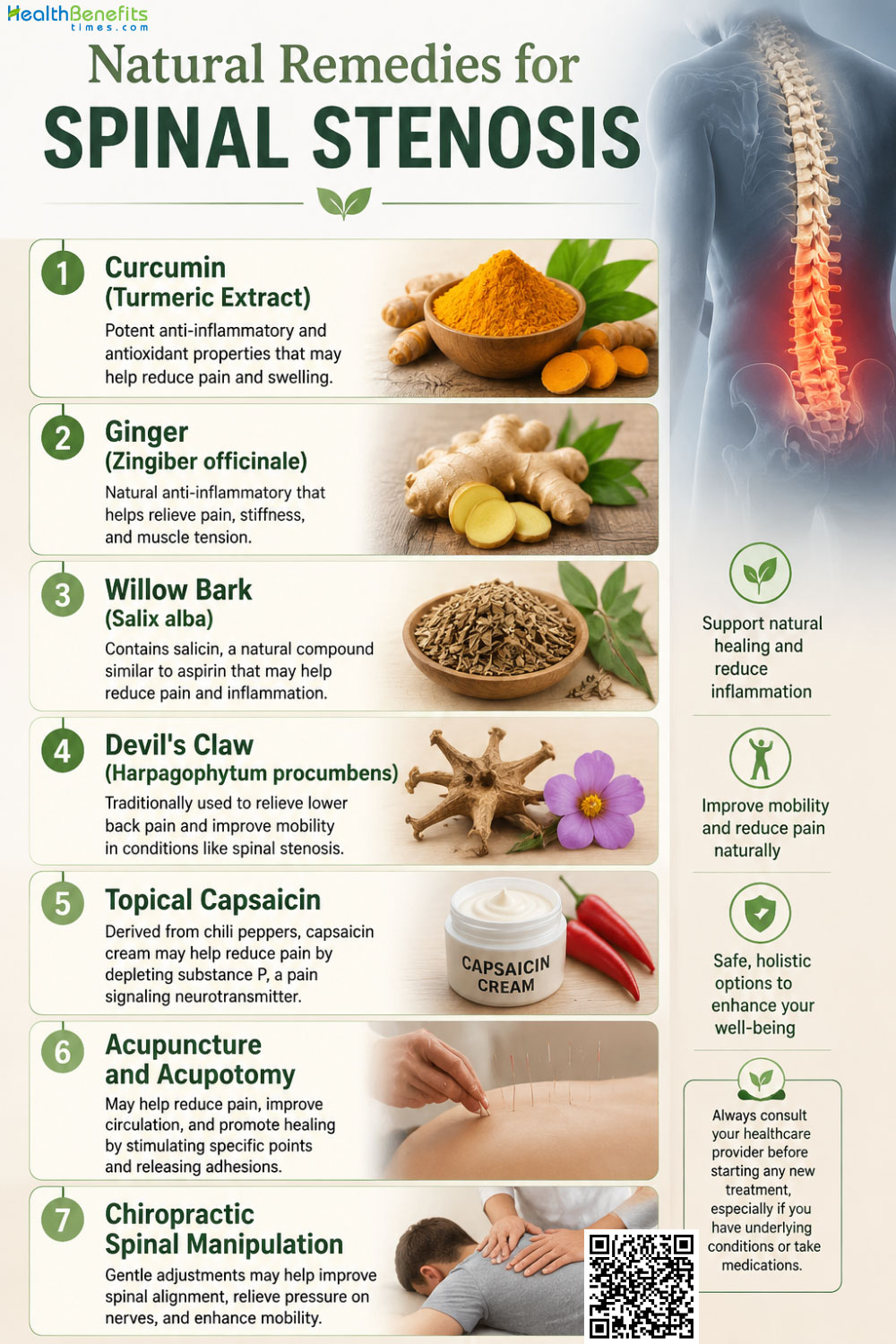
Turning toward the botanical kingdom and traditional healing modalities reveals a rich, heavily researched pharmacopeia capable of addressing chronic neurogenic pain. While standard conservative management often relies heavily on pharmaceutical medications, an array of scientifically backed natural remedies can successfully mitigate the inflammatory chemical pathways and physical restrictions underlying this painful condition.
1. Curcumin (Turmeric Extract)
Harnessing the biologically active compound found inside the golden spice turmeric, curcumin functions as an exceptional anti-inflammatory and cellular protective agent 16. Laboratory and clinical investigations consistently demonstrate that curcumin actively inhibits tumor necrosis factor-alpha, a primary pro-inflammatory cytokine directly responsible for triggering neuroinflammation and severe nerve root irritation 17. By effectively suppressing the systemic expression of inflammatory markers like IL-6 and COX-2, this natural compound protects delicate dorsal root ganglion neurons from excessive oxidative stress and cellular damage. Furthermore, systemic administration has been observed to drastically reduce the heightened sensitivity to pain that is so closely associated with disc herniation and localized nerve compression.
Note: You can consume curcumin as a standardized dietary supplement capsule, ideally formulated with black pepper extract (piperine) or dietary fats to dramatically enhance its natural absorption into your bloodstream for maximum relief.
2. Ginger (Zingiber officinale)
Sourced from the thick, aromatic roots of a widely cultivated Asian perennial plant, ginger is highly regarded by researchers for its profound natural pain-reducing properties. Ginger extract contains numerous biologically active constituents that safely modulate the human nervous system through multiple distinct chemical mechanisms 18. Specifically, the potent compounds found in ginger naturally inhibit the body’s synthesis of inflammatory prostaglandins by blocking the COX and LOX enzymatic pathways, act as powerful cellular antioxidants, and function as agonists to help desensitize hyperactive peripheral nerve endings 19. Current clinical evidence indicates that routine oral ginger administration successfully reduces deep tissue inflammation and serves as a highly effective, soothing intervention against chronic lower back pain.
Note: You can easily integrate ginger into your daily routine by steeping fresh raw ginger root into a hot tea, grating it generously into your meals, or taking it orally in a concentrated, measured pill form.
3. Willow Bark (Salix alba)
Historical medical texts and modern pharmacognosy alike strongly revere this specific tree bark as a foundational, highly reliable analgesic. Utilized safely for thousands of years to alleviate chronic musculoskeletal discomfort, willow bark contains a remarkably high natural concentration of a chemical called salicin 20. Upon ingestion, salicin is steadily metabolized by the human body into salicylic acid the exact natural chemical precursor to modern synthetic aspirin which effectively inhibits systemic inflammation without causing the severe, immediate gastrointestinal side effects often linked to pharmaceutical pills 21. Clinical trials examining older patients suffering from severe lower back pain exacerbations reveal that a daily dose of standardized willow bark extract significantly increases the proportion of individuals who remain entirely pain-free throughout the week 22.
Note: You can take willow bark in the form of an encapsulated herbal supplement or gently brew the dried bark into a medicinal tea for daily, soothing pain management of your spine.
4. Devil’s Claw (Harpagophytum procumbens)
Originating from the arid, harsh environments of the Kalahari region of South Africa, this uniquely named botanical has garnered significant clinical attention globally for its efficacy in treating chronic arthritic and spinal conditions. Aqueous extracts carefully derived from the Devil’s Claw root deliver measurable, potent anti-inflammatory and analgesic effects by directly suppressing the specific biochemical pathways that drive aggressive joint degeneration 23. Scientific studies consistently indicate that for individuals suffering from generalized degenerative arthrosis and chronic lower back pain, this botanical functions as a safe, supportive prophylactic treatment that measurably decreases pain scores and improves overall physical mobility without the need for heavy narcotics 24.
Note: You can safely ingest Devil’s Claw as a standardized oral tablet, liquid tincture extract, or herbal tea, typically taken directly alongside your daily meals to support your long-term joint health.
5. Topical Capsaicin
Derived directly from the potent, fiery oils of Capsicum chili peppers, capsaicin acts as a highly selective agonist for specific TRPV1 receptors located directly on the nerve fibers responsible for transmitting burning pain signals to the brain. Prolonged application of high-concentration capsaicin onto the skin triggers a fascinating physiological process called defunctionalization; it temporarily depletes the nerve endings of pain-signaling chemicals like substance P and slightly alters the cellular structure, effectively numbing the localized area for extended periods 25. While low-dose, over-the-counter creams offer moderate daily relief, specialized high-concentration patches have shown profound, long-lasting clinical efficacy in mitigating severe peripheral neuropathic pain associated directly with nerve root compression 26.
Note: You should apply capsaicin topically directly to the skin over the most painful area of your lower back, ensuring you wash your hands meticulously afterward to avoid accidentally transferring the spicy, burning compound to your eyes.
6. Acupuncture and Acupotomy
Rooted deeply in centuries of traditional East Asian medicine, acupuncture involves the strategic, painless insertion of ultra-fine needles into specific anatomical points to alleviate localized pain, reduce muscle spasms, and restore physiological balance. For patients struggling daily with the degenerative narrowing of the lumbar spine, modern clinical trials demonstrate that structured acupuncture yields significantly greater improvements in physical function and overall treatment satisfaction when directly compared to mere physical exercise or standard pain medication 27. Acupotomy, a modern, specialized variation that combines conventional acupuncture needles with a tiny micro-scalpel, is also utilized heavily as a minimally invasive procedure to release tight, binding fascial tissues and relieve mechanical pressure surrounding the affected spine 28.
Note: You must visit a licensed and properly certified acupuncturist who will carefully insert sterile needles into targeted areas on your body, typically leaving them in place for 20 to 30 relaxing minutes to stimulate your body’s natural healing response.
7. Chiropractic Spinal Manipulation
Embracing a multimodal approach often yields the highest long-term clinical success rates, making hands-on manual therapy a vital cornerstone of conservative spinal care. Spinal manipulative therapy, particularly a gentle method known as the flexion-distraction technique, is widely utilized by chiropractors to carefully stretch the lower back and physically widen the narrowed spinal canal 29. This specialized, rhythmic mobilization dynamically opens the neural foramina and greatly reduces intradiscal pressure, thereby relieving the harsh mechanical compression placed on the exiting, irritated nerve roots 30. Current global clinical practice guidelines consistently recommend professional spinal manipulation combined with targeted exercise as a highly effective frontline intervention for managing neurogenic claudication 31.
Note: You receive this specific treatment by lying face-down on a specialized, articulating table while a trained professional manually applies controlled, rhythmic stretches and adjustments to safely decompress your lumbar spine.
Is there any exercise or physical activities for Spinal Stenosis
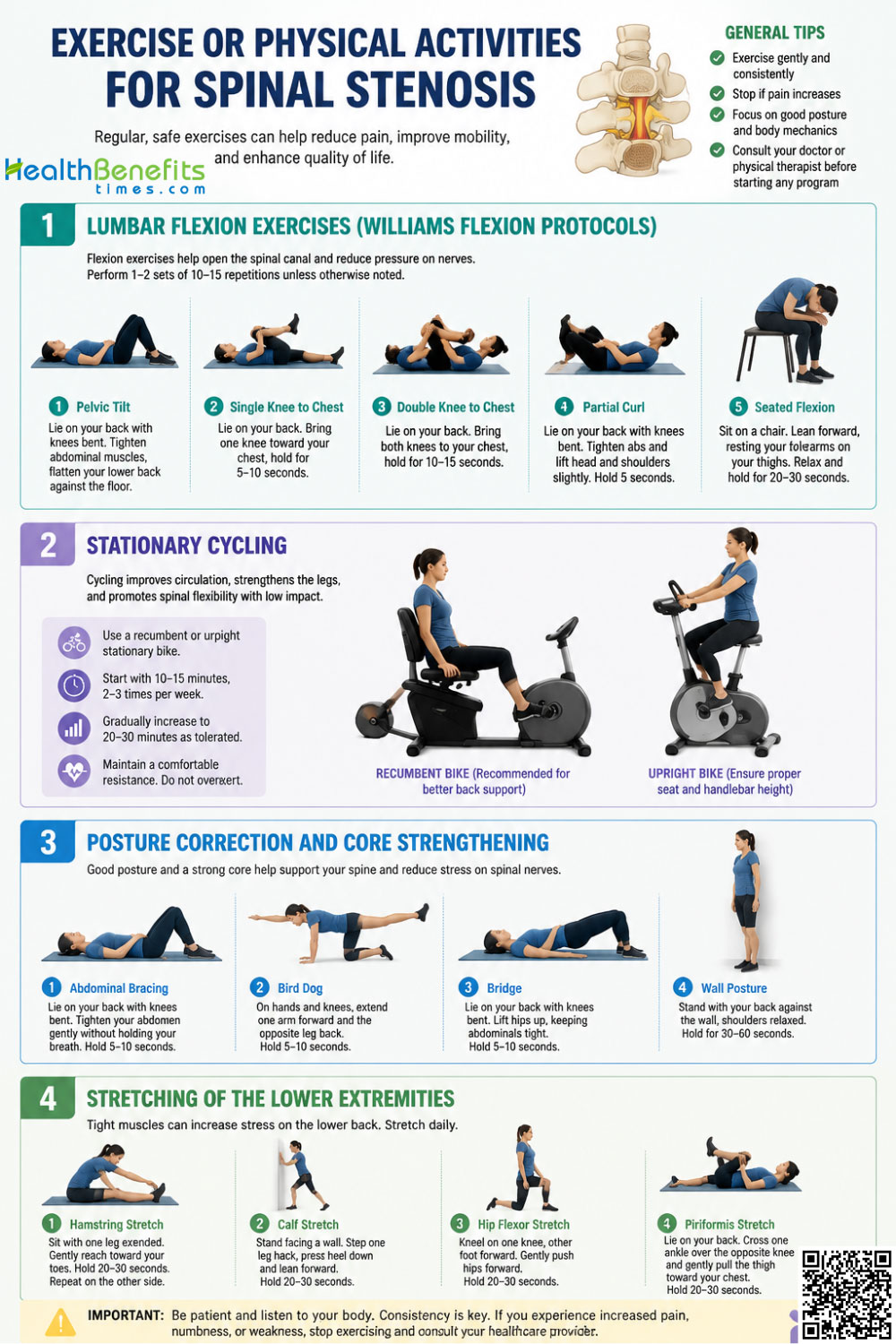
Physical movement serves as both an insightful diagnostic tool and a highly effective, non-invasive therapeutic intervention. When structural narrowing physically compresses your nerves and restricts necessary blood flow, adopting specific, targeted postural exercises can mechanically alter the exact dimensions of the spinal canal, immediately relieving internal pressure and fostering vital muscular support for the future {% https://pmc.ncbi.nlm.nih.gov/articles/PMC10829420/ %}.
1. Lumbar Flexion Exercises (Williams Flexion Protocols)
Focusing heavily on the fundamental mechanics of the human spine, flexion-based exercises are theoretically and practically designed to physically widen the central canal and the side neural foramina. By intentionally rounding the lower back, these specific movements counteract the natural inward curve known as lordosis, stretch the incredibly tight posterior spinal muscles, and pull the buckling, overgrown ligamentum flavum taut away from the nerves 32. Regular daily application of these simple exercises has been shown to significantly alleviate the terrible posture-related symptoms of neurogenic claudication, offering patients reliable, immediate physical relief 33.
Note: To perform the pelvic tilt, you must lie on your back with your knees bent; carefully tighten your abdominal muscles to flatten your lower back completely against the floor, hold for a few seconds, and then fully relax.
2. Stationary Cycling
Building overall cardiovascular endurance is absolutely vital for combating chronic pain, but traditional walking often heavily exacerbates nerve compression by forcing the spine into a rigid, upright, extended position. Cycling, however, requires a naturally seated, forward-leaning posture that reliably opens the intervertebral spaces and frees the trapped nerves 34. This flexed physical position allows individuals to elevate their heart rate, significantly increase therapeutic blood flow to the damaged areas, and improve general aerobic fitness without triggering the ischemic nerve pain or leg heaviness usually associated with standing 35.
Note: You should ride a stationary bicycle at a low to moderate intensity for 15 to 20 minutes daily, ensuring the machine’s handlebars are adjusted properly so you maintain a slight, comfortable forward lean throughout the workout.
3. Posture Correction and Core Strengthening
Preserving an optimal bodily alignment completely minimizes the erratic, daily mechanical strain placed on an already compromised skeletal framework. A comprehensive posture correction program focuses intensely on strengthening the deep, unseen abdominal muscles to stabilize the entire torso and trunk 36. Enhancing this core stability actively protects the fragile lumbar spine from excessive micro-movements that constantly irritate the nerve roots, reliably reducing musculoskeletal pain in the lower and mid-back over a structured, multi-week regimen.
Note: You can practice safe core strengthening by lying flat on your back with knees bent; forcefully exhale and use only your tight abdominal muscles to raise your shoulder blades slightly off the floor, holding briefly before gently lowering yourself down.
4. Stretching of the Lower Extremities
Because chronic spinal issues drastically alter how a person walks and holds their pelvic alignment, secondary muscle tightness becomes a nearly universal and painful complication. Individuals suffering from stenosis frequently develop severely restricted, painful mobility in their hip flexors, hamstrings, and front quadriceps muscles. Addressing this severe tightness through dedicated daily stretching prevents the pelvis from being abnormally pulled forward into an anterior tilt, an undesirable position which would otherwise worsen spinal extension and narrow the canal even further 37.
Note: You must engage in sustained, gentle static stretches targeting the back of your thighs and the front of your hips, holding each comfortable stretch for 20 to 30 seconds without ever bouncing or jerking.
Foods to Avoid When You suffer from Spinal Stenosis and you are prone to Spinal Stenosis
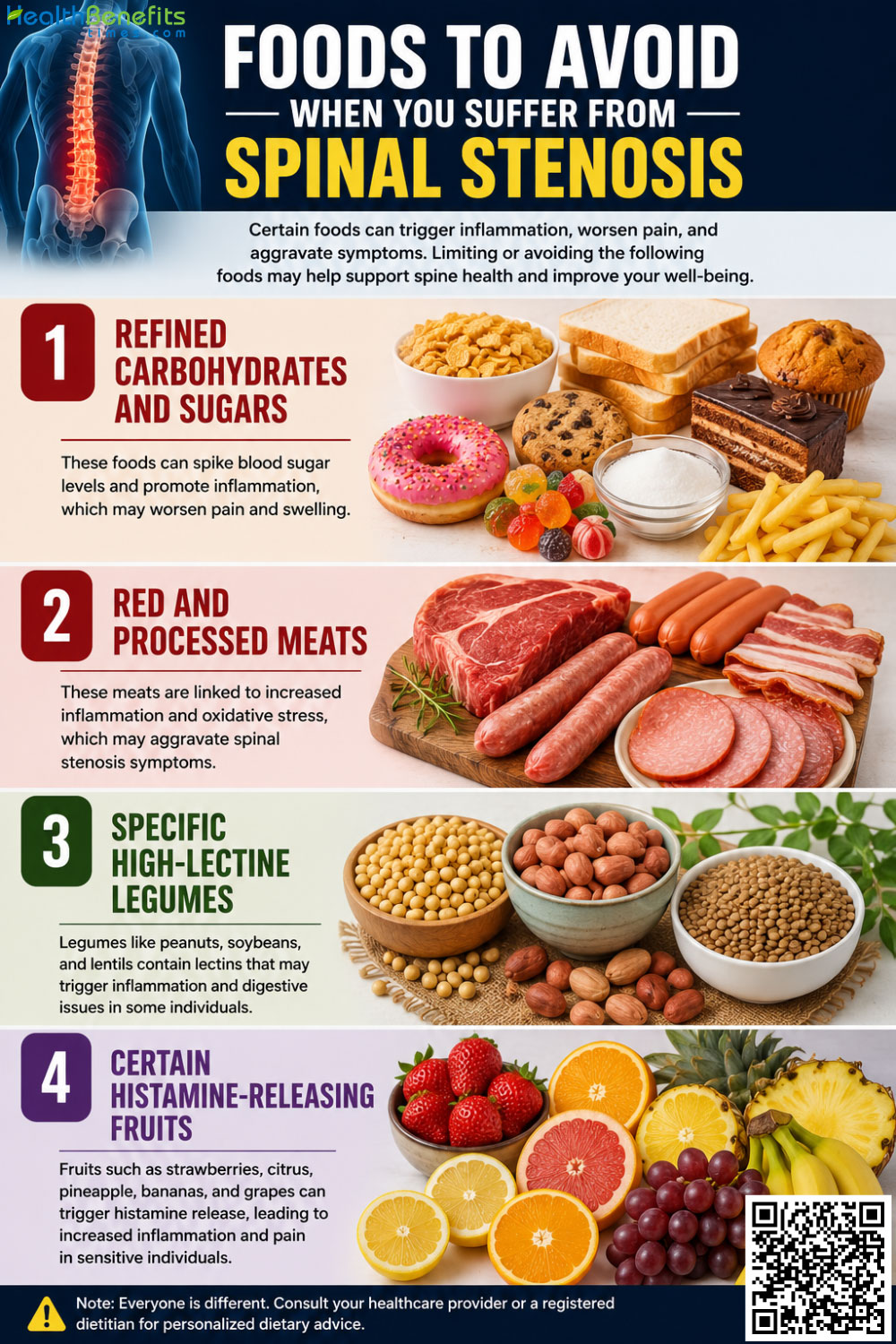
The subtle, continuous influence of your daily dietary choices plays a profound role in modulating your body’s delicate internal environment. Systemic chronic inflammation actively exacerbates the localized nerve irritation and tissue swelling found in spinal stenosis, making it crucial to avoid foods that heavily trigger these pro-inflammatory pathways 38.
1. Refined Carbohydrates and Sugars
Diets heavily reliant on highly processed convenience foods, white breads, and excess refined sugars rapidly dysregulate metabolic pathways, sustaining a chronic inflammatory state that drastically worsens non-communicable joint diseases and nerve pain 39.
2. Red and Processed Meats
High, daily intake of commercially processed meats like bacon, hot dogs, and deli slices contributes directly to the overproduction of pro-inflammatory chemical agents, such as cytokines and eicosanoids, which greatly amplify tissue impairment and systemic chronic pain.
3. Specific High-Lectine Legumes
While beans are generally considered very healthy, individuals following strict, targeted anti-inflammatory elimination diets for severe joint pain are sometimes medically advised to temporarily avoid baked beans, broad beans, and white beans, as their specific proteins can trigger inflammatory responses in highly sensitive individuals 40.
4. Certain Histamine-Releasing Fruits
In highly specific dietary protocols aimed at reducing swelling, certain fruits like strawberries, raspberries, and prunes are categorized as foods to limit, prioritizing instead low-glycemic, polyphenol-rich alternatives like fresh blueberries and pomegranates to minimize systemic flare-ups 41.
Activities to Avoid When You suffer from Spinal Stenosis
Everyday mechanical loading completely dictates the severity of the nerve compression occurring within the human body. Modifying your daily physical habits to actively eliminate aggravating, damaging postures is an absolute essential pillar of successful conservative management 42.
1. Prolonged Standing
Remaining perfectly upright and stationary for extended periods heavily reduces the interlaminar space in your spine, causing the supportive ligaments to relax and buckle inward, which directly and painfully compresses the central canal 4.
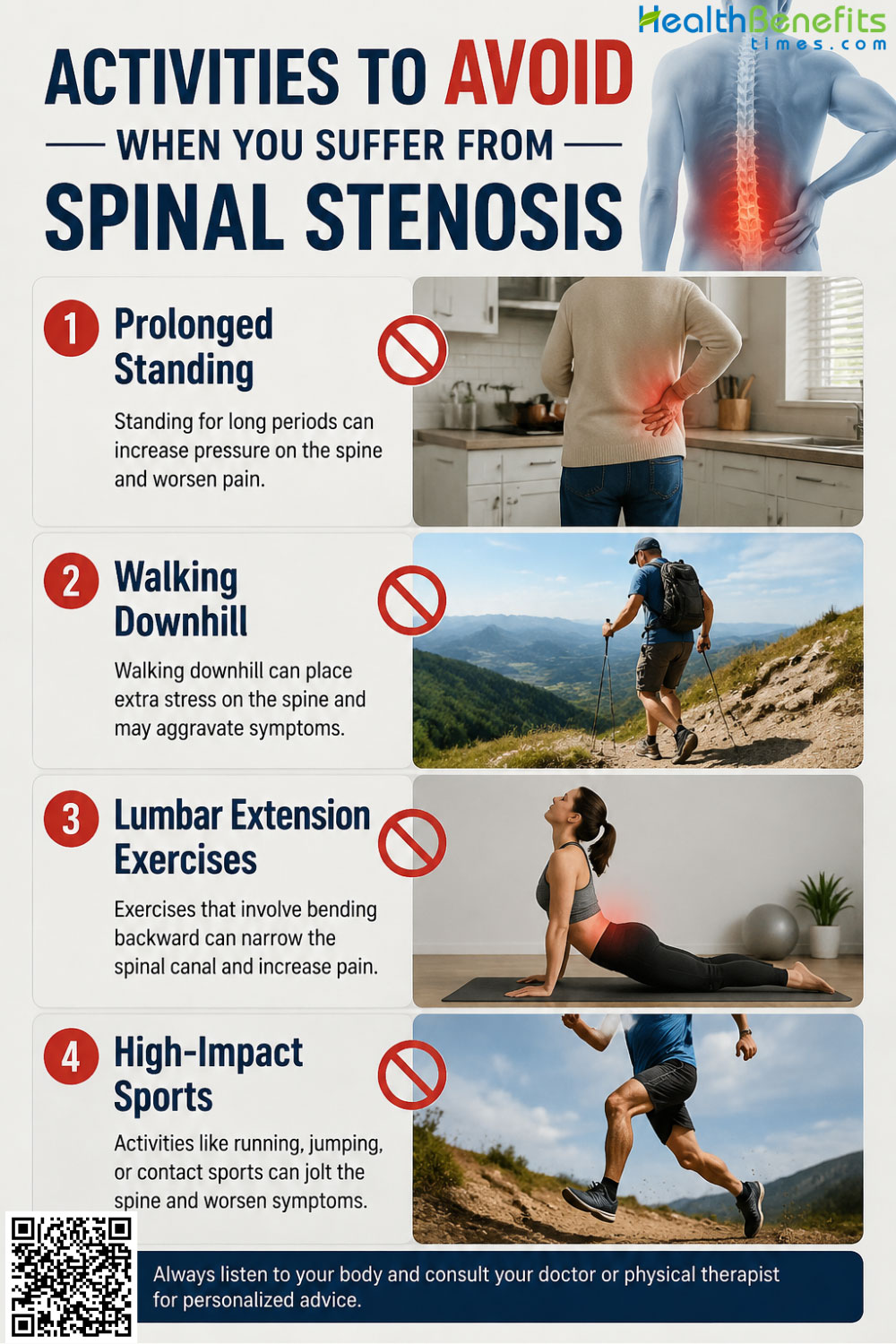
2. Walking Downhill
Unlike walking uphill, which naturally induces a pain-relieving forward lean, walking downhill forces the body to lean back into an exaggerated backward extension, shifting the spinal joints into a position that triggers severe leg cramping and sharp pain 34.
3. Lumbar Extension Exercises
Physical activities that strictly require leaning far backward, such as certain advanced yoga backbends, overhead heavy weight lifting, or gymnastics, anatomically narrow the neural foramina and can immediately precipitate radiating, electrical nerve pain down the legs 43.
4. High-Impact Sports
Activities involving running, aggressive jogging, or jumping apply massive, repeated vertical compressive forces directly to the already fragile intervertebral discs, accelerating their collapse and heightening severe nerve root irritation.
Myths and Misconceptions
Public perception surrounding chronic spinal health is frequently clouded by heavily outdated beliefs, fearful rumors, and incomplete medical information. Dispelling these pervasive, harmful myths is absolutely crucial for ensuring patients navigate their future treatment options with clear, calm, and factual expectations.
| Myth | Reality |
| Surgery is the absolute only permanent cure for spinal stenosis. | The long-term outcomes of rigorous non-surgical treatments, including physical therapy, herbal management, and lifestyle modifications, are often highly comparable to surgical interventions when measured comprehensively after two to four years. |
| Strict, continuous bed rest is the absolute best way to heal a painful back. | Prolonged immobility leads directly and rapidly to severe muscle atrophy, stiffness, and actually exacerbates overall pain. Controlled, supervised exercise is clinically proven to be significantly better than no exercise for managing neurogenic claudication. |
| Spinal stenosis always progressively worsens in severity over time. | The condition is not universally, linearly, or rapidly progressive. Symptoms are highly variable and often wax and wane; a massive portion of patients experience spontaneous periods of gradual improvement without ever requiring surgical decompression. |
| Pain in the legs while walking is simply poor blood circulation. | The specific leg pain related to spinal stenosis is neurogenic claudication, caused entirely by physical nerve compression, not blocked blood vessels. It is uniquely and rapidly relieved by sitting down or bending forward, unlike true vascular pain which requires complete rest. |
Special Considerations
Biological age, early developmental history, and an individual’s baseline physiological state dramatically alter the natural progression and medical management of spinal narrowing. A uniform, one-size-fits-all approach cannot be safely or effectively applied to highly diverse populations with incredibly unique physical needs.
- Children: While primarily viewed globally as an older adult condition, fetal and early antenatal development directly dictates a person’s adult spinal capacity. Harsh factors such as a notably short gestational age, low birth weight, and older maternal age can permanently stunt the foundational growth of the lumbar spinal canal while the baby is still in utero 44. Because the spinal canal completely lacks catch-up growth potential later in life, these children develop into adults with normally proportioned limbs but an inherently, dangerously narrow canal at a severe risk for early-onset stenosis.
- Pregnancy: The intense, rapidly changing physiological demands of pregnancy, including rapid anterior abdominal weight gain and the secretion of the joint-loosening hormone called relaxin, dramatically shift a woman’s natural center of gravity. This massive shift typically increases lumbar lordosis (exaggerated spinal extension), which can temporarily but severely exacerbate compression symptoms by severely narrowing the available space for exiting nerve roots in highly susceptible individuals.
- Chronic Conditions: Co-occurring medical morbidities significantly complicate even the most basic conservative management strategies. Clinical obesity heavily increases the relentless mechanical load on the damaged spine, while concurrent cardiovascular disease severely limits a patient’s physical capacity to safely engage in vital aerobic therapies like stationary cycling 3. These heavily intertwined chronic conditions demand a highly customized, cautious multidisciplinary approach.
- Elderly: Degenerative spinal narrowing easily stands as the absolute leading cause for major spinal surgery in patients older than 65. Because the elderly inherently face a much higher statistical risk of severe, life-threatening postoperative complications, standalone surgical procedures carry substantial risks of creating devastating new spinal instability 4. Therefore, utilizing exhaustive non-operative therapies is fiercely prioritized by doctors to maintain their quality of life without introducing the trauma of invasive surgery.
Precaution before use of natural remedies when you have Spinal Stenosis
Assuming that natural botanicals intrinsically equate to harmless substances is a highly dangerous medical misconception. Herbal plants and major dietary modifications induce incredibly potent physiological changes in the human body that must be carefully managed to prevent severe adverse events.
- Herb-Drug Interactions: Concurrent, daily use of powerful anti-inflammatory herbs like ginger, turmeric, and willow bark alongside pharmaceutical blood thinners or standard NSAIDs can drastically enhance their biological effects, significantly increasing your risk of experiencing uncontrolled, dangerous bleeding 19.
- Cytochrome Modulation: Many potent herbal medicines fundamentally alter the expression and activity of liver cytochromes, which are the vital enzymes responsible for safely metabolizing your prescription drugs. This unseen, internal interaction can easily lead to either toxic chemical buildups or the dangerous diminished efficacy of your life-saving routine medications.
- Allergic Reactions: Extracts naturally derived from raw tree barks or unrefined plant roots, such as willow bark, can quickly trigger severe, unexpected allergic reactions in sensitive individuals. You should strictly and completely avoid willow bark products if you have a known allergy to common aspirin or synthetic salicylates 22.
- Topical Sensitivities: Applying heavily concentrated capsaicin creams and medical patches can cause intense localized redness, severe burning pain sensations, and heavy swelling of the skin. It may also cause a sudden, transient spike in systemic blood pressure, necessitating careful cardiovascular monitoring during your initial applications to prevent distress 25.
When to see Doctor
Certain critical, undeniable neurological thresholds demand immediate, expert medical intervention to prevent permanent physical disability. While natural remedies manage baseline daily pain very effectively, sudden structural nerve damage requires rapid, professional clinical diagnosis.
- Loss of Bowel or Bladder Control: You experience a sudden, terrifying, and uncontrollable loss of your bowel or bladder function, which is a hallmark sign of Cauda Equina Syndrome a severe medical emergency requiring urgent, immediate surgical decompression within hours to prevent permanent paralysis 4.
- Progressive Muscle Weakness: You notice rapid, unexplainable, and heavy muscle weakness in your legs, such as the sudden inability to lift the front of your foot while walking (known as foot drop) or severe, visible muscle wasting in your calves or thighs.
- Unmanageable Pain: Your daily spinal pain becomes entirely unmanageable even with rigorous conservative treatments, actively preventing you from sleeping through the night or performing even the most basic, necessary activities of daily living 8.
- Fever and Spine Pain: You suddenly develop a high fever alongside intense, localized, throbbing spinal pain, which could clearly indicate a severe, fast-moving secondary infection of the intervertebral disc or the protective spinal meninges 45.
- Severe Balance Issues: You experience new, profound balance issues, severe and sudden clumsiness in your hands, or frequent unexplained falls, signaling a highly dangerous compression of the thick cervical spinal cord in your neck rather than just the smaller peripheral nerve roots 1.