

 Medical Definition of Ankylosing Spondylitis
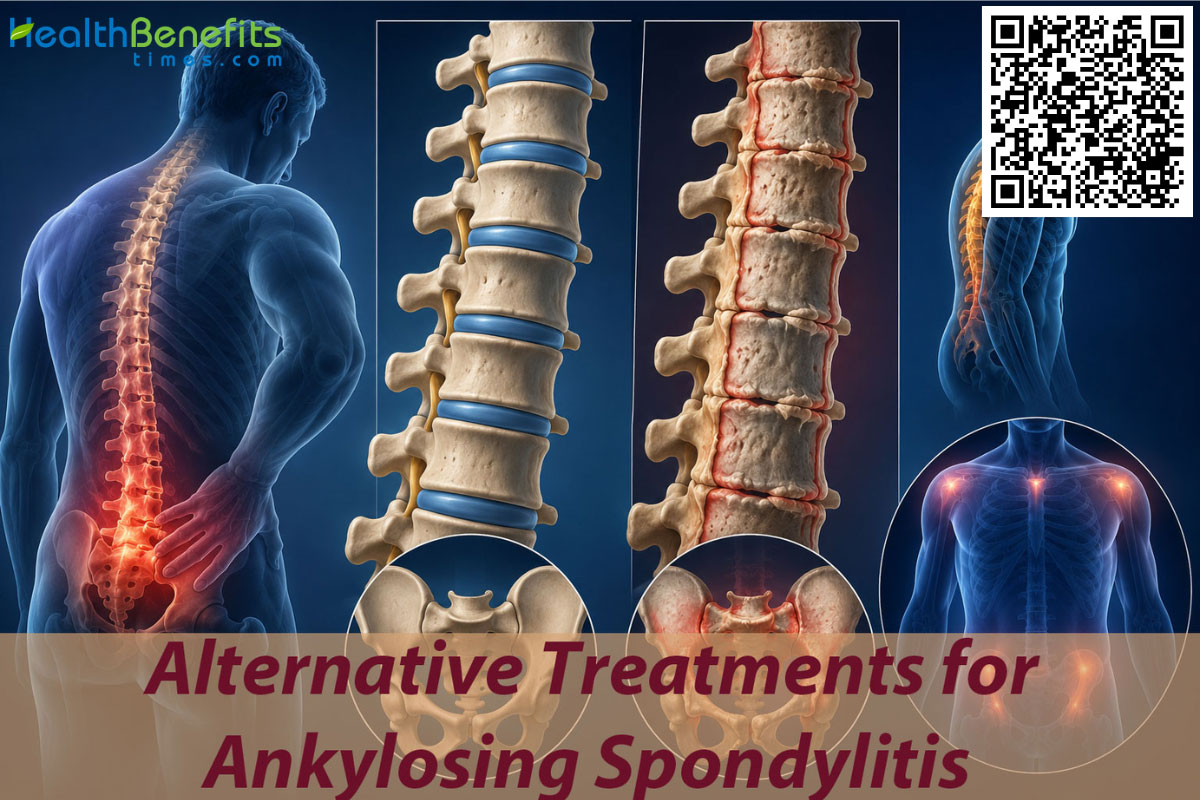
Comprehending the true nature of this condition requires looking at its precise medical definition. Ankylosing spondylitis is an uncommon, chronic inflammatory rheumatic disease that primarily targets the axial skeleton, leading to progressive back pain and stiffness 1. Historically referred to as Marie-Strumpell disease, this lifelong condition causes severe arthritis of the spine and hips, eventually prompting the spinal vertebrae to fuse together in advanced cases 2. The primary underlying pathology involves localized inflammation at the entheses, the specific sites where ligaments and tendons attach to the bone, frequently beginning in the sacroiliac joints where the lower spine connects to the pelvis 3. As the disease advances, it severely restricts spinal mobility, altering postural alignment and creating a stooped stance. Currently, there is no definitive cure, but modern therapeutic interventions aim to slow disease progression and relieve the relentless symptoms, preserving long-term functionality.
Causes of Ankylosing Spondylitis
Identifying the exact origin of this systemic inflammatory disorder remains a complex medical challenge, but researchers have pinpointed several primary drivers that trigger its onset:
1. Genetic Predisposition
A specific genetic marker known as the HLA-B27 gene is the strongest known contributor to the condition. While possessing this gene does not guarantee that someone will develop the disease, it is present in the vast majority of individuals who are diagnosed with the condition 3.
2. Immune System Dysfunction
The disease is fundamentally driven by an overactive, misguided immune response. Infiltrating immune cells, specifically CD4 and CD8 T lymphocytes, release high levels of pro-inflammatory cytokines like tumor necrosis factor-alpha (TNF-α) and interleukin-17 (IL-17), which mistakenly attack healthy joint tissues 4.
3. Gut Microbiome Imbalance
Emerging clinical evidence links the composition of intestinal bacteria to spinal inflammation. Certain bacterial strains in the digestive tract, particularly Klebsiella pneumoniae, are believed to trigger abnormal immune responses in genetically susceptible individuals, leading to cross-reactive autoantibodies that attack the spine 5.
4. Environmental Triggers
Exposure to specific environmental stressors, physical trauma, or severe gastrointestinal infections may act as a definitive catalyst. These external factors can initiate the first wave of inflammation in people who already possess an underlying genetic vulnerability.
Symptoms of Ankylosing Spondylitis
Manifestations of this disease vary widely among individuals, but the clinical presentation generally includes the following hallmark signs:
- Chronic, dull inflammatory pain in the lower back and buttocks that distinctively worsens with rest and improves with physical activity 1.
- Severe morning stiffness that lasts for at least 30 minutes to an hour after waking up, making early movement highly difficult.
- Progressive loss of spinal flexibility over time, eventually leading to a flattened lower back and a hunched or stooped upper posture.
- Pain spreading to peripheral joints and entheses, frequently affecting the hips, shoulders, knees, and the backs of the heels.
- Profound, unexplainable fatigue and lethargy that drastically impacts daily energy levels.
- Restricted chest expansion and difficulty taking deep breaths, which occurs when the inflammation reaches the cartilage connecting the ribs to the breastbone.
- Eye inflammation, specifically acute anterior uveitis, causing sudden redness, severe eye pain, and extreme sensitivity to light 6.
- Gastrointestinal distress, including recurring abdominal pain and diarrhea, which is often linked to underlying inflammatory bowel disease 7.
Ankylosing Spondylitis Facts Table
| Topic | Details |
| Symptoms |
|
| Causes |
|
| Types of Ankylosing Spondylitis |
|
| How does spread |
|
| Age Group |
|
| You might be at a higher risk for exposure of this disease if you: |
|
| How doctors diagnose |
|
| Other facts |
|
Alternative Treatments for Ankylosing Spondylitis
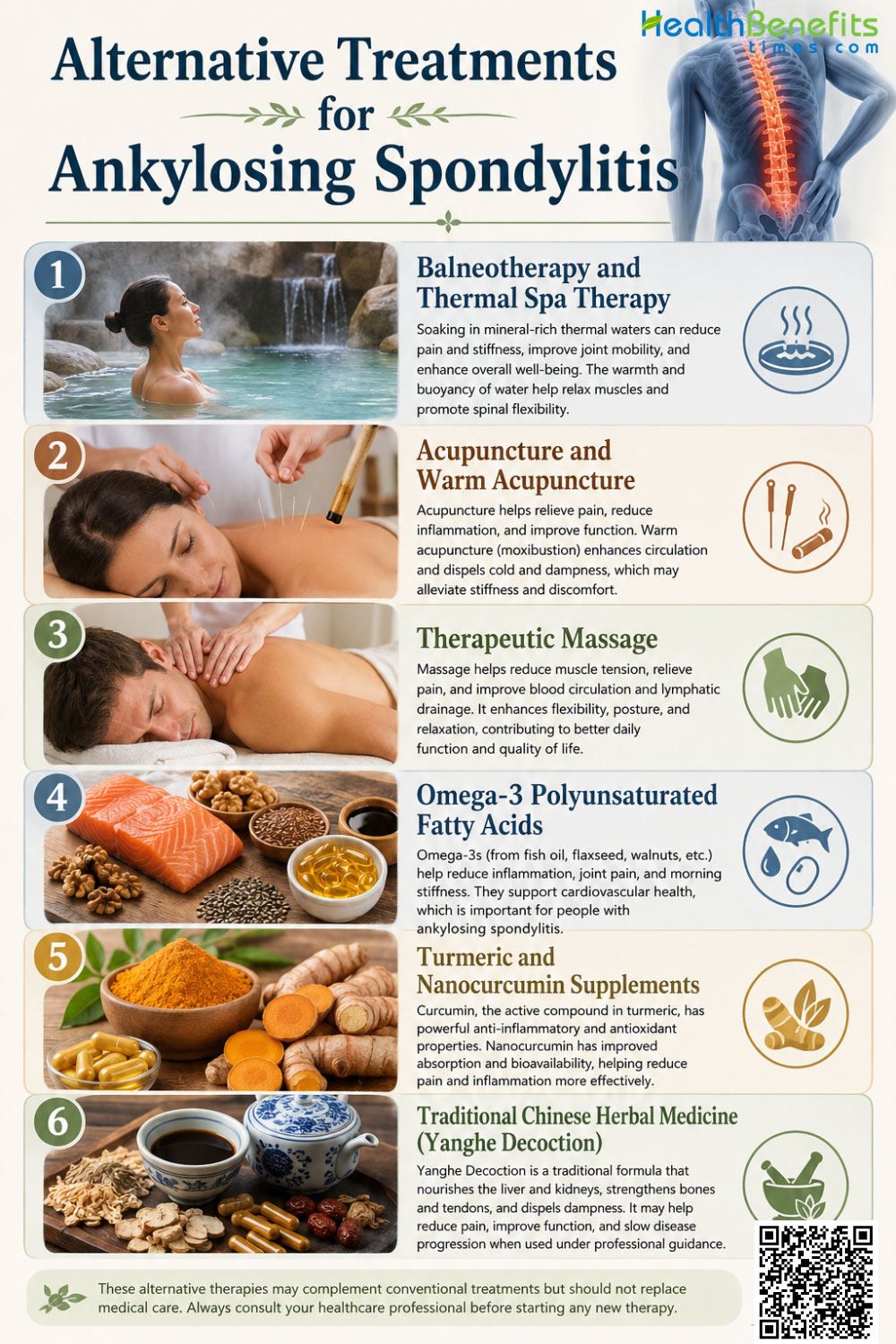
Exploring non-pharmacological avenues has become increasingly important for individuals seeking a comprehensive, holistic approach to care. Alternative treatments offer supportive, natural mechanisms to reduce systemic inflammation, alleviate chronic pain, and improve overall well-being without relying solely on conventional medications.
1. Balneotherapy and Thermal Spa Therapy
Submerging the body in mineral-rich thermal waters, a practice known as balneotherapy, has been utilized for centuries to manage severe rheumatic conditions. The natural hydrostatic pressure of the water relieves heavy gravitational stress on the inflamed spinal joints, while the deep thermal effect helps to relax hyperactive, spasming back muscles. Clinical research highlights that participating in structured spa therapy can effectively improve disease activity, physical functionality, and joint mobility in the short term, acting as a powerful complement to standard pharmaceutical interventions 8.
Note: You can utilize this therapy by soaking in specialized natural mineral baths or thermal pools at rehabilitation centers, participating in guided sessions lasting 20 to 30 minutes to soothe joint stiffness.
2. Acupuncture and Warm Acupuncture
Originating from Traditional Chinese Medicine, acupuncture involves the precise insertion of ultra-fine needles into specific anatomical points to modulate pain pathways and stimulate the central nervous system. For severe spinal inflammation, practitioners often use a highly effective variation called “warm acupuncture,” which seamlessly combines traditional needling with moxibustion the burning of dried mugwort near the skin to generate deep, penetrating heat 9. Scientific reviews suggest that this combination can successfully help alleviate clinical signs of joint stiffness and reduce pain severity by encouraging localized blood flow.
Note: You undergo this treatment by visiting a licensed acupuncturist who will carefully insert sterilized needles into specific back and joint pathways, often applying gentle heat, for 30-minute relaxation sessions.
3. Therapeutic Massage
Manipulating the soft tissues surrounding the spine and peripheral joints can significantly reduce the secondary muscle tension caused by poor posture and constant pain compensation. Deep tissue and therapeutic massage techniques aim to break up painful muscle adhesions and promote lymphatic drainage, which helps to naturally clear localized inflammatory byproducts from the body. Existing evidence points toward massage offering favorable short-term relief from physical exhaustion, sleep disturbances, and persistent lower back pain, thereby highly enhancing daily quality of life 10.
Note: You can apply this remedy by booking sessions with a certified massage therapist who uses controlled, rhythmic pressure on the soft tissues of the back, hips, and shoulders, specifically avoiding direct heavy pressure on actively inflamed spinal bones.
4. Omega-3 Polyunsaturated Fatty Acids
Harnessing the biochemical properties of certain healthy lipids can actively combat the body’s internal inflammatory cascade. Omega-3 polyunsaturated fatty acids, which are abundantly found in marine fish oil, naturally suppress the production of pro-inflammatory mediators and regulate C-reactive protein levels circulating in the blood 11. Furthermore, omega-3s help to optimize lipid profiles and enhance endothelial function, which is highly beneficial since chronic systemic inflammation intrinsically increases cardiovascular risks.
Note: You commonly consume this daily as an oral dietary supplement such as high-quality fish oil or flaxseed oil capsules to reliably support long-term joint lubrication and systemic immune balance.
5. Turmeric and Nanocurcumin Supplements
Deriving potent healing properties from natural roots, turmeric contains a highly active biological compound called curcumin, which is internationally regarded for its anti-inflammatory capabilities. In the context of autoimmune joint diseases, curcumin helps to actively regulate specific immune cells (such as regulatory T cells) that are entirely responsible for maintaining immune tolerance and reducing tissue swelling 12. Because standard curcumin is notoriously poorly absorbed by the human digestive tract, “nanocurcumin” a formulated microscopic version with enhanced bioavailability is frequently utilized to ensure the active compounds successfully reach the inflamed tissues.
Note: You eat this as a heavily spiced addition to warm meals or take it as a specialized nanocurcumin daily capsule to maximize cellular absorption for medicinal anti-inflammatory benefits.
6. Traditional Chinese Herbal Medicine (Yanghe Decoction)
Custom botanical blends have long served as a fundamental foundation in Eastern medicine for managing chronic joint degradation and pain. The Yanghe decoction is a traditional formulation specifically noted for its unique warming properties, clinically designed to dispel internal “coldness” and significantly stimulate blood circulation in stagnant, painful joints 13. Specialized herbal remedies targeting the IL-23/IL-17 immune axis are being actively investigated by modern researchers for their profound ability to manage the progression of spinal inflammation without the harsh side effects often associated with synthetic biologic drugs.
Note: You typically consume this as an oral liquid tea or brewed herbal decoction prepared by a certified traditional herbalist, taken daily to provide deep, systemic internal relief.
Is there any exercise or physical activities for Ankylosing Spondylitis
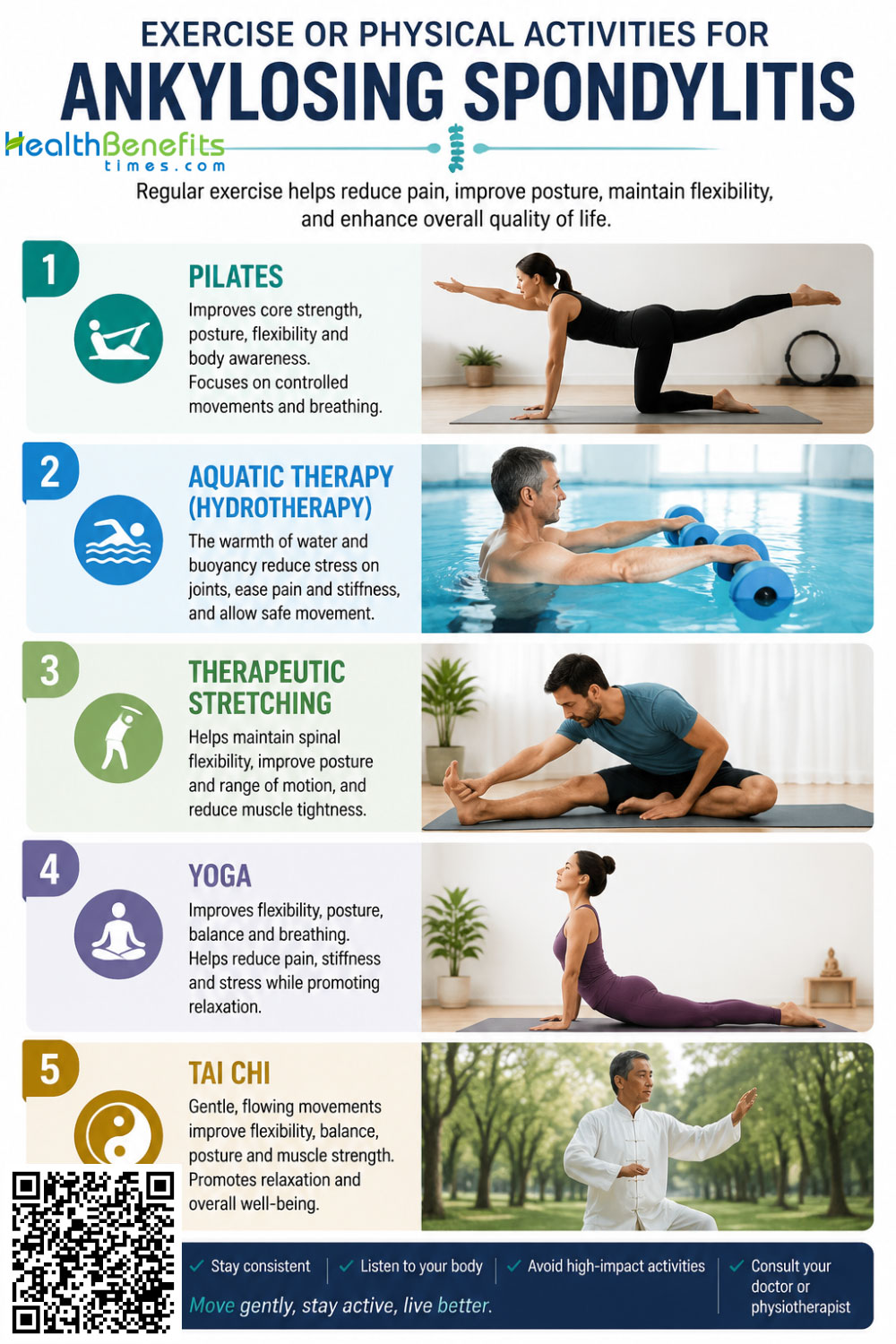
Maintaining structural flexibility and muscular endurance is universally recognized by rheumatologists as the absolute cornerstone of managing spinal arthritis. Structured movement prevents the rapid progression of bone fusion and ensures that lung capacity remains robust.
1. Pilates
Focusing heavily on deep core stabilization, Pilates is exceptionally beneficial for supporting the highly vulnerable structures of an inflamed spine. The physical practice emphasizes slow, highly controlled movements that build deep abdominal and lower back strength, which in turn acts as a natural internal corset to support an upright posture. It has been scientifically evaluated as a safe and potentially effective approach to reducing functional limitations and improving postural alignment without placing any excessive impact on the skeletal joints 14.
Note: You perform these exercises by lying on a soft mat or using a specialized reformer machine, focusing entirely on slow, deliberate core contractions and coordinated breathing under the careful guidance of a certified instructor.
2. Aquatic Therapy (Hydrotherapy)
Taking complete advantage of water’s natural buoyancy creates an ideal, pain-free environment for those who find land-based exercises simply too painful to endure. Aquatic therapy drastically reduces the heavy gravitational load on the sacroiliac joints and spine while simultaneously providing a gentle, uniform physical resistance that builds and strengthens surrounding muscles 15. The soothing warmth of a therapeutic pool also greatly relaxes stiff connective tissues, allowing for a much broader range of motion than is physically achievable on dry land.
Note: You do this by standing or floating in a warm, chest-deep pool, performing slow walking, controlled leg lifts, and gentle spinal twists to safely build strength using the water’s natural resistance.
3. Therapeutic Stretching
Counteracting the body’s natural tendency to hunch forward when in chronic pain requires a highly dedicated and consistent stretching regimen. Regular stretching protocols specifically target the tight hip flexors, chest muscles, and anterior spine, helping to effectively preserve the natural curvature of the back and maintain adequate chest expansion for normal breathing. Direct clinical comparisons demonstrate that stretching yields highly meaningful improvements in overall spinal mobility when performed consistently every single day 16.
Note: You gently elongate the muscles of the chest, back, and hips on a soft mat daily, holding each individual stretch for 20 to 30 seconds without ever bouncing or forcing the joint past its comfort zone.
4. Yoga
Combining physical postures with deep, mindful breath control, yoga offers a highly holistic approach to maintaining joint elasticity and fostering mental calmness in the face of chronic illness. It actively encourages a full range of motion across all peripheral and axial joints, effectively combating the severe morning stiffness associated with the disease. While immense caution is naturally required to avoid extreme spinal flexion or hyper-extension, properly modified yoga practices are clinically recognized as highly beneficial and safe for managing the diverse physical signs of rheumatic conditions 9.
Note: You transition slowly through gentle, modified poses (like the Cat-Cow or Child’s Pose) on a supportive mat, completely syncing your physical movements with deep, rhythmic breaths to profoundly relax your nervous system.
5. Tai Chi
Rooted deeply in ancient martial arts, Tai Chi is a low-impact, highly meditative activity characterized entirely by continuous, flowing movements and constant weight-shifting. It vigorously challenges balance, physical coordination, and proprioception, which are physical traits often heavily compromised when the spine loses its natural flexibility. The gentle rotational and sweeping movements inherent in Tai Chi help maintain the functional mobility of the spine without ever causing the damaging micro-traumas associated with high-impact sports 17.
Note: You stand in a quiet, open space and perform a sequence of slow, graceful, interconnected arm and leg movements, shifting your body weight smoothly and carefully from side to side.
Foods to Avoid and Activities to Avoid
Dietary choices and physical habits can significantly influence the overall severity of systemic inflammation and the risk of traumatic physical injury. When you live with or are prone to this condition, removing specific environmental triggers is just as vitally important as adding beneficial therapies.
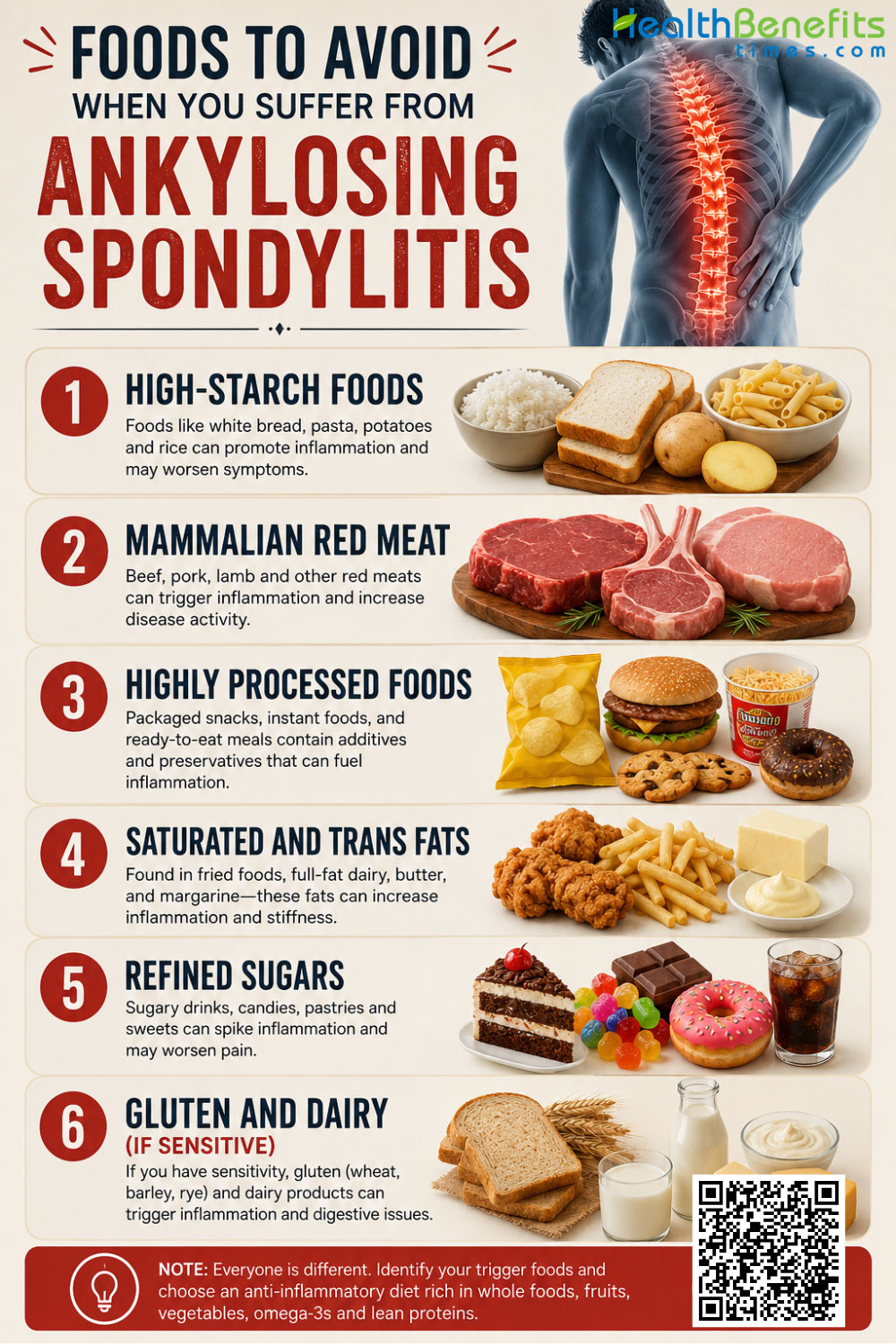
Foods to Avoid When You suffer from Ankylosing Spondylitis and you are prone to Ankylosing Spondylitis
1. High-Starch Foods
Complex carbohydrates such as refined wheat, excessive potatoes, and certain heavy grains can inadvertently feed Klebsiella bacteria in the gut. These specific bacteria have been scientifically observed to trigger cross-reactive autoantibodies that aggressively attack the spine, making a strict low-starch diet a highly strategic consideration for symptom management 18.
2. Mammalian Red Meat
Certain meats, particularly beef and pork, contain a distinct natural antigen known as alpha-Gal. Pathological research indicates this specific antigen may provoke allergic or deep inflammatory responses that severely exacerbate joint pain, suggesting that you should actively limit or entirely exclude these meats from your daily intake 19.
3. Highly Processed Foods
Prepackaged meals and fast foods contain massive amounts of artificial emulsifiers, heavy preservatives, and synthetic microparticles. These unnatural ingredients induce a profound cytokine response in the immune system, directly promoting high levels of systemic inflammation 20.
4. Saturated and Trans Fats
Fats heavily found in deep-fried foods and commercial margarines easily oxidize within the body, heavily damaging healthy cells and dramatically heightening the overall inflammatory burden you experience daily.
5. Refined Sugars
Soda, overly sweet candies, and commercial baked goods cause very rapid spikes in blood sugar, which in turn strongly signals the immune system to release aggressive inflammatory messengers throughout the bloodstream.
6. Gluten and Dairy (If Sensitive)
For some susceptible individuals, the dense proteins found in wheat and cow’s milk can physically compromise the gut barrier, directly interfering with disease remission and worsening daily gastrointestinal and joint symptoms 21.
Activities to Avoid When You suffer from Ankylosing Spondylitis
- High-Impact Sports: Activities that inherently involve repetitive, jarring physical impacts, such as long-distance running on hard pavement or aggressive jumping, forcefully transmit damaging shockwaves directly into the already inflamed and fragile spinal joints 22.
- Contact Sports: Participating in football, rugby, competitive basketball, or martial arts places you at a significantly elevated risk of sudden physical trauma, which can easily and quickly cause catastrophic fractures in a rigid, partially fused spine.
- Heavy Weightlifting: Exercises that place massive, downward compressive loads directly on the axial skeleton, such as heavy barbell squats or deadlifts, must be completely avoided to prevent severe vertebral damage and disc herniation.
- High-Velocity Chiropractic Manipulation: Forceful spinal adjustments or rapid neck manipulation (often called thrust techniques) carry incredibly severe medical risks. Because the inflamed spine is highly prone to osteoporosis and structural weakness, such aggressive maneuvers have historically resulted in spinal cord injury, paraplegia, or severe bone fractures 23.
- Prolonged Rest and Immobility: While resting briefly during a severe flare-up is a natural response, sitting or lying in bed for extended, uninterrupted periods highly accelerates joint stiffening. You must avoid staying in any single physical position for too long to keep the joints mobile.
Myths and Misconceptions
| Myth | Reality |
| It is just normal “wear and tear” back pain. | This disease is driven by a highly destructive, systemic autoimmune inflammatory process, completely distinct from the simple mechanical breakdown seen in standard osteoarthritis. |
| It only affects older adults. | The initial onset actually occurs most frequently in late adolescence and early adulthood, typically striking patients long before the age of 45 |
| Only men can develop this condition. | While historically diagnosed far more often in men, it actively affects a substantial number of women, though their symptoms may present differently, often starting in the neck or peripheral joints rather than the lower back. |
| Rest is the absolute best way to cure the back pain. | Unlike standard mechanical back injuries, inflammatory back pain universally worsens with prolonged rest and strictly requires consistent, daily physical movement for genuine relief. |
| It only damages the bones of the spine. | It is a highly systemic disease that can cause severe, life-altering complications in the eyes (uveitis), bowels, heart valves, and lungs if left untreated. |
Special Considerations
Navigating this complex autoimmune disease requires acknowledging that different stages of life and physical conditions bring incredibly unique clinical challenges.
1. Children
Encountering this aggressive disease in childhood, medically termed juvenile-onset ankylosing spondylitis, presents unique diagnostic hurdles. Symptoms in developing children often begin in the peripheral joints such as the hips, knees, or heels rather than the traditional lower back 25. These early clinical signs, frequently categorized as enthesitis-related arthritis, can be dangerously misdiagnosed as simple growing pains. Because the pediatric skeleton is still actively developing and highly vulnerable, prompt diagnosis is absolutely critical to prevent irreversible structural damage, often requiring the careful, monitored administration of biologic therapies tailored specifically to adolescent physiology 26.
2. Pregnancy
Carrying a child while actively managing severe spinal inflammation demands highly specialized obstetrical care. Due to significant stiffness and potential fusion in the sacroiliac and hip joints, vaginal delivery may be physically restrictive, and administering neuraxial analgesia (epidurals) can be technically difficult for anesthesiologists due to heavy lumbar ossification 27. While the disease activity itself can naturally fluctuate some women experience wonderful stability while nearly a third may face a painful flare-up during gestationrecent clinical data clearly indicates that the method of delivery (cesarean versus vaginal) does not inherently worsen the long-term progression of the mother’s disease 28.
3. Chronic conditions Elderly
Advancing age brings a heavily compounded risk profile for individuals who have lived with spinal inflammation for decades, or those who rarely develop late-onset disease. Older adults possess a significantly elevated risk of dangerous cardiovascular disease, as years of unchecked systemic inflammation can permanently damage endothelial tissues and blood vessels 29. Furthermore, the entirely fused spine becomes highly osteoporotic and brittle, dramatically increasing the likelihood of catastrophic vertebral fragility fractures even from incredibly minor falls. Clinical registries confirm that older patients can still safely receive advanced biologic therapies to control disease activity, provided they are closely and constantly monitored for infections and other age-related adverse events 30.
Precaution before use of natural remedies when you have Ankylosing Spondylitis
Integrating holistic and natural therapies requires a high degree of personal caution, as the term “natural” does not automatically mean “safe” for your highly specific biological makeup.
- Beware of Severe Drug Interactions: Herbal supplements like ginger, turmeric, willow bark, and feverfew inherently possess mild blood-thinning properties. If you are actively taking them alongside heavy non-steroidal anti-inflammatory drugs (NSAIDs) prescribed for your back pain, you significantly increase your immediate risk of unexpected, dangerous gastrointestinal bleeding 31.
- Monitor Your Liver Function closely: The human liver is responsible for processing both synthetic medications and highly potent herbal extracts. Combining heavy, daily doses of botanical formulations with powerful pharmaceutical drugs can easily overload hepatic enzymes, potentially leading to silent liver toxicity.
- Check Supplement Quality and Purity: Unlike conventional prescription drugs, dietary supplements are not strictly regulated by medical authorities for ultimate purity. You must ensure you are consistently purchasing verified, high-quality products to entirely avoid chemical contaminants that could trigger unintended immune responses.
- Avoid Abrupt Medication Cessation: You should never, under any circumstances, abruptly replace your prescribed biologic injections or disease-modifying antirheumatic drugs (DMARDs) with a natural remedy, as this can instantly trigger a rapid, severely painful inflammatory flare-up.
- Consult Your Rheumatologist First: Before beginning any restrictive healing diet (like a strict low-starch or ketogenic diet) or taking new, concentrated herbal compounds, you must openly discuss your plans with your healthcare provider to ensure it safely aligns with your overall clinical profile.
When to see Doctor
Managing this unpredictable condition requires constant vigilance, and you must rapidly recognize the emergency medical signs indicating that the disease has progressed or caused an acute, dangerous complication.
- Sudden, Severe Vision Changes: If you rapidly develop a painful, highly red eye accompanied by blurred vision and an intense, burning sensitivity to light, you must seek immediate medical attention, as this is a hallmark sign of acute anterior uveitis which can permanently damage your sight if ignored 32.
- Acute, Unbearable Back Pain: A sudden, severe spike in spinal pain following a seemingly minor slip, jolt, or fall should be clinically evaluated immediately. The heavily fused spine is incredibly brittle, and this unique pain often indicates a dangerous vertebral compression fracture.
- Frightening Neurological Symptoms: If you experience sudden numbness, sharp tingling, or noticeable weakness radiating down your legs, or an unexpected, total loss of bladder or bowel control, go to an emergency room immediately. This may strongly indicate cauda equina syndrome, a severe neurological complication caused by physical nerve compression at the base of the spine.
- Sudden Breathing Difficulties: When the systemic inflammation severely limits the joints of your ribcage, you may heavily struggle to expand your chest. If you experience sudden, frightening shortness of breath or sharp chest pain, it requires prompt medical evaluation to entirely rule out cardiovascular or pulmonary complications.
- Unexplained Weight Loss and Fever: If you are losing body weight rapidly without trying, accompanied by extreme physical exhaustion, persistent low-grade fever, and night sweats, you must consult your doctor to assess for a severe systemic disease flare-up or secondary hidden infections.
Conclusion
Understanding and managing the complexities of spinal inflammation requires a multifaceted, highly dedicated approach. By integrating expert medical interventions with carefully selected alternative therapies, tailored physical exercises, and precise dietary modifications, patients can successfully mitigate severe symptoms and significantly enhance their long-term quality of life. Consistent collaboration with rheumatology professionals remains the absolute key to safely navigating both conventional and holistic treatment landscapes.