

Understanding the delicate vascular network of the human body reveals how an eye stroke functions quite similarly to a cerebral stroke, representing a critical disruption of blood flow. An eye stroke, medically referred to as a retinal artery occlusion or a retinal vein occlusion, manifests when the vital blood vessels carrying oxygen and nutrients to or from the retina become suddenly blocked 1. The retina is the highly sensitive layer of nerve tissue lining the back of the eye, fundamentally responsible for capturing light and transmitting visual signals to the brain. When a blockage occurs whether in the main central vessels or the smaller branch vessels the retinal cells are rapidly deprived of nourishment or choked by fluid accumulation 2. This sudden, painless starvation of ocular tissue is classified as a severe neuro-ophthalmic emergency, frequently resulting in acute and potentially permanent vision loss if blood circulation is not swiftly restored to the affected tissues 3.
Causes of Eye Stroke
Various physiological disruptions, systemic diseases, and underlying cardiovascular conditions can trigger the sudden blockage of retinal blood vessels.
- Embolisms and Traveling Clots: Wandering fragments of coagulated blood, calcium, or cholesterol plaque can break loose from the carotid artery in the neck or the heart chambers. These emboli travel upward through the bloodstream until they become hopelessly wedged within the increasingly narrow arteries of the retina, instantly shutting off the oxygen supply 4.
- Arteriosclerosis and Vessel Hardening: As the human body ages, the walls of the blood vessels can become abnormally thick, rigid, and inflexible. Because the retinal artery and vein share a common sheath where they enter the eye, a hardened, thickened artery can physically cross over and heavily compress the adjacent retinal vein, pinching off outgoing blood flow and causing a severe backup 5.
- Inflammatory Vascular Conditions: Severe systemic autoimmune and inflammatory disorders, particularly giant cell arteritis or systemic lupus erythematosus, can cause the blood vessels to swell internally. This acute inflammation actively restricts normal ocular perfusion by severely narrowing the passageway for blood to flow through the eye 6.
- Chronic Systemic Diseases: Long-standing, unmanaged health conditions such as diabetes, hypertension (high blood pressure), and hyperlipidemia (high cholesterol) progressively damage the fragile inner endothelial linings of all blood vessels. Over time, this chronic wear and tear makes the retinal vessels far more susceptible to sudden strictures, ruptures, and spontaneous clot formation 7.
- Elevated Intraocular Pressure (Glaucoma): Unusually high pressure inside the fluid-filled eyeball can physically compress the delicate central retinal vein exactly at the point where it exits the optic nerve. This mechanical compression restricts natural fluid drainage, causing blood to stagnate and eventually clot within the eye 8.
Symptoms of Eye Stroke
- Sudden, completely painless loss of vision in one eye, which can manifest as a slight, hazy blur or plunge the eye into total, immediate darkness.
- The abrupt, overwhelming appearance of dark spots, squiggly lines, or cobweb-like floaters drifting across the visual field, indicating blood leaking into the vitreous fluid.
- Loss of peripheral (side) vision or a “curtain” effect, while the central field of vision may mysteriously remain partially intact.
- Distorted, wavy, or severely warped vision, making straight edges and flat lines appear bent or out of shape due to fluid swelling in the macula.
- Noticeable blind spots randomly scattered throughout the normal line of sight that do not shift or fade when blinking.
- Pain or intense pressure inside the eye, which generally only occurs in later stages if abnormal new blood vessels grow and trigger a highly painful secondary complication known as neovascular glaucoma.
Eye Stroke Facts
| Fact Category | Details |
| Symptoms |
|
| Causes |
|
| Types of Eye Stroke |
|
| How does spread |
|
| Age Group |
|
| You might be at a higher risk for exposure of this disease if you: |
|
| How doctors diagnose |
|
| Other facts |
|
Natural Remedies for Eye Stroke
Exploring supportive therapies to aid recovery and protect your remaining vision reveals that certain naturally derived remedies possess impressive clinical potential. While modern medicine utilizes lasers and injections to manage the immediate fallout of an occlusion, natural remedies act on a systemic level to improve blood flow, reduce inflammation, and defend the delicate nerves of the eye from oxidative stress.
1. Ginkgo Biloba Extract
Ginkgo biloba has long been recognized in both ancient traditions and modern clinical settings for its potent ability to improve microcirculation throughout the human body. The active compounds in the extract, namely flavonoids and terpenoids, actively promote erythrocyte deformability, meaning they help red blood cells become more flexible so they can easily squeeze through the incredibly narrow, blocked capillaries of the retina 9. By lowering overall blood viscosity and functioning as a mild vasodilator, this herb helps blood flow more smoothly without artificially spiking heart rate or overall blood pressure. Scientific evaluation indicates that consistent intake of standardized Ginkgo biloba extract can significantly increase the end-diastolic blood flow velocity within the ophthalmic artery, thereby enhancing the delivery of life-saving oxygen to starved retinal tissues 10. Furthermore, it acts as a powerful antioxidant, sheltering retinal ganglion cells from the devastating oxidative stress that immediately follows a vascular blockage 11. Note: You generally take this remedy orally as a standardized herbal capsule or tablet alongside a glass of water, typically in divided daily doses, to support long-term vascular health.
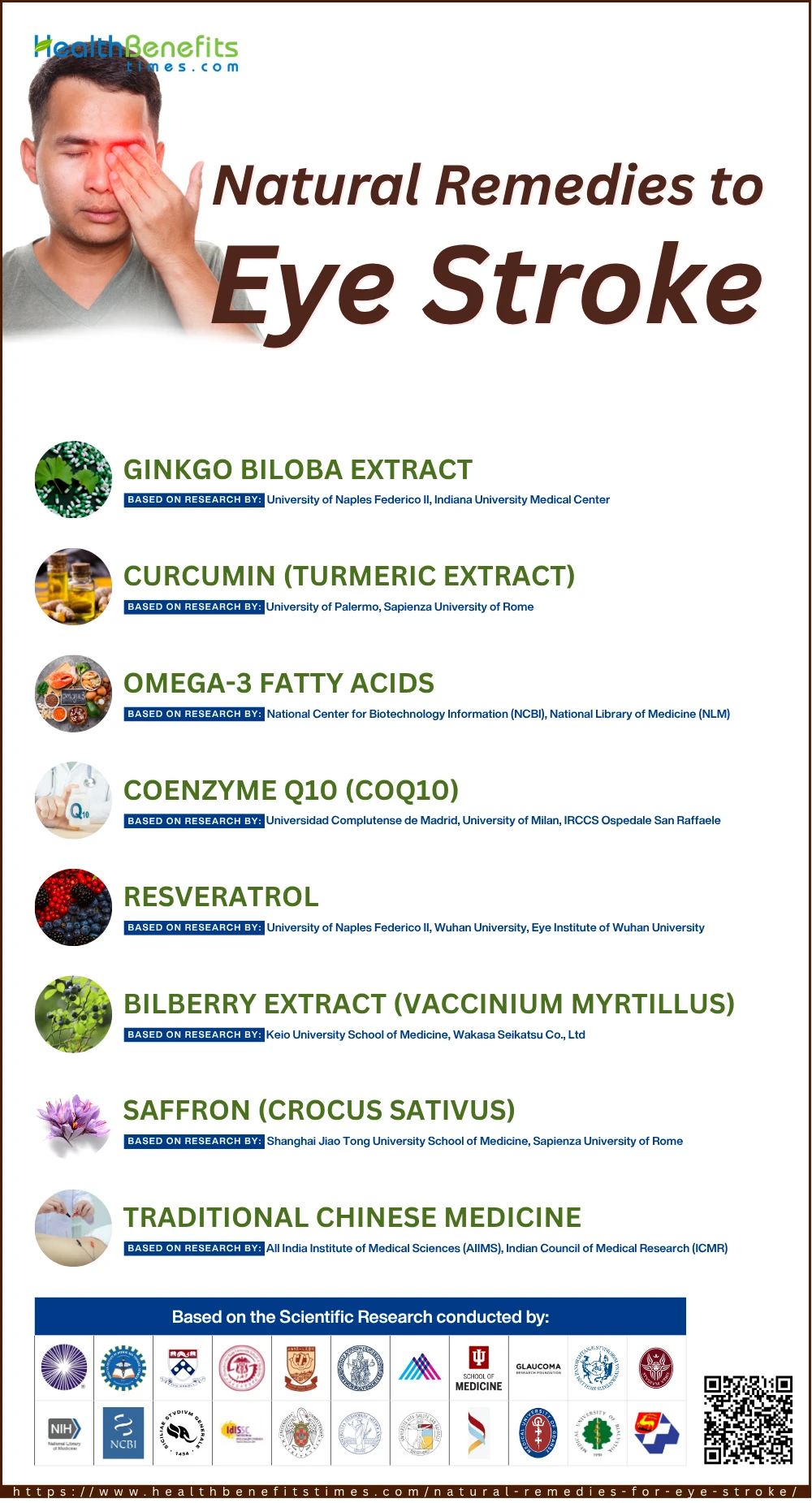 2. Curcumin (Turmeric Extract)
Harvested from the vibrant root of the turmeric plant, curcumin is a highly active compound celebrated globally for its vast anti-inflammatory and antioxidant properties. When a retinal vein occlusion occurs, the resulting backup of blood and fluid often causes macular edema a severe, vision-destroying swelling of the central retina. Curcumin directly targets and suppresses the inflammatory biochemical pathways responsible for this vascular leakage and subsequent swelling. Evidence suggests that formulated curcumin supplements can successfully reduce macular fluid accumulation, lower inflammatory markers within the ocular tissues, and subsequently improve functional visual acuity in patients suffering from diverse retinal vascular diseases 12. Note: You consume this remedy orally as a dietary supplement capsule, optimally formulated with a phospholipid complex (such as lecithin) or black pepper extract to dramatically enhance its absorption into your bloodstream.
3. Omega-3 Fatty Acids
Sourced heavily from cold-water fish, krill, and certain plant seeds, omega-3 polyunsaturated fatty acids are absolutely foundational to long-term vascular health and cellular integrity. These essential fats work systematically to lower dangerous lipid and triglyceride levels in your blood, diminish systemic inflammation, and prevent the exact type of ischemic-induced injuries that define an eye stroke 13. By integrating into the cell membranes of the blood vessels, omega-3s actively improve the flexibility of arterial walls and reduce the likelihood of future blood platelets clumping together. This creates a robust, long-lasting biological shield against recurrent retinal vascular occlusions and degenerative microvascular diseases 14. Note: You ingest this beneficial fat daily either through softgel fish oil supplements or by consistently eating meals rich in salmon, mackerel, chia seeds, or flaxseeds.
4. Coenzyme Q10 (CoQ10)
Naturally produced by your cells but often severely depleted with age, Coenzyme Q10 is a fat-soluble molecule absolutely essential for cellular energy production. In the context of an eye stroke, the sudden loss of blood supply severely damages the mitochondria the microscopic powerhouses of the retinal nerve cells, which have one of the highest energy demands in the entire human body. Supplementing with CoQ10 provides profound neuroprotective and antioxidant support directly to the optic nerve and retinal layers 15. Findings reveal that dedicated nutritional supplementation with CoQ10 can actually result in positive visual field progression rates and functional vision improvements for individuals who have suffered retinal artery occlusions and ischemic optic neuropathy 16. Its utilization, in conjunction with conventional treatment approaches, greatly enhances the overall physiological environment for cellular recovery 17. Note: You swallow this natural compound in gel-cap or powder form, preferably taken with a meal containing healthy fats, as it requires dietary fat for proper absorption into your system.
5. Resveratrol
Found predominantly in the dark skin of red grapes, blueberries, and certain roots, resveratrol is a highly potent natural polyphenol and antioxidant that aggressively combats ischemic tissue damage. When blood flow is suddenly returned to the eye after a blockage is cleared (a biological process called reperfusion), the sudden influx of oxygen can paradoxically cause further cell death through a massive release of oxygen free radicals. Resveratrol administration has been proven to significantly inhibit this specific type of destructive oxidative damage, actively protecting retinal ganglion cells and preventing the physical breakdown of retinal thickness 18. It works fundamentally by suppressing cellular inflammatory pathways, notably the NLRP3 inflammasomes, and simultaneously boosting your body’s endogenous antioxidant defense enzymes 19. Note: You consume this bioactive compound either as a concentrated daily oral supplement or by integrating a high volume of fresh, dark-skinned berries and grapes into your regular diet.
6. Bilberry Extract (Vaccinium myrtillus)
Bilberry extract is exceptionally rich in anthocyanins, the natural, deep-blue plant pigments that give the berries their characteristic coloration. These specific biological compounds are highly prized for ocular health because they suppress inflammatory proteins and prevent the physical shortening of photoreceptor outer segments during periods of intense retinal inflammation 20. The retina is highly susceptible to oxidative stress, and bilberry acts as a direct free-radical scavenger. By lowering this oxidative burden and protecting the structural integrity of the blood-retinal barrier, bilberry anthocyanins protect delicate visual functions against the ravages of ischemic damage and promote better overall microvascular health 21. Note: You typically take this herbal remedy orally as a standardized capsule extract, ensuring a high concentration of active anthocyanins to maximize its protective visual effects.
7. Saffron (Crocus sativus)
Derived from the delicate stigma of the Crocus sativus flower, saffron is a highly valuable spice that harbors powerful neuroprotective carotenoids, specifically crocin and crocetin. Following a vascular occlusion, the rapid death of retinal cells triggers a cascade of neuroinflammation that can damage surrounding healthy tissue. Saffron exhibits a profound anti-apoptotic effect, meaning it actively signals retinal cells to survive rather than undergo programmed cell death. It works by down-regulating destructive enzymes like caspase-3 and mitigating the harmful inflammatory responses mediated by the eye’s immune cells (microglia) 22. Supplementation with saffron has demonstrated an ability to counteract the harmful effects of retinal ischemia and preserve the delicate neural architecture of the eye 23. Note: You can apply this remedy by taking encapsulated saffron extracts as a daily supplement, or by steeping high-quality saffron threads in warm water or tea as a traditional medicinal beverage.
8. Electroacupuncture and Traditional Chinese Medicine
Originating from the extensive history of Traditional Chinese Medicine (TCM), acupuncture leverages the body’s natural energy pathways to prompt localized healing and vascular dilation. In modern therapeutic settings, electroacupuncture which introduces a very mild, continuous electric current to the traditional needles has been specifically directed toward treating retinal vein occlusions. Clinical observations demonstrate that sustained, targeted electroacupuncture sessions can alleviate the severe symptoms of macular edema, stabilize central retinal thickness, and notably improve visual acuity 24. By holistically addressing the body’s circulatory and inflammatory roots, this therapy offers a complementary alternative that may reduce a patient’s long-term reliance on repetitive, highly invasive medical eye injections. Note: You receive this therapy by visiting a certified, licensed acupuncture practitioner who carefully places ultra-thin needles near specific facial and body meridian points, applying a very mild, painless electrical pulse to stimulate blood flow.
Is there any exercise or physical activities for Eye Stroke
When considering physical exertion after suffering an eye stroke, an individual must adopt a highly strategic and careful approach. The overarching goal is to gently encourage systemic circulation and improve endothelial function without placing sudden, massive strain on the cardiovascular system.
Moderate Aerobic Walking
Engaging in light, rhythmic cardiovascular activity helps condition the heart muscle and keeps blood pressure in a healthy, manageable range. Brisk walking encourages steady, unobstructed blood flow throughout the entire body, including the tiny, easily compromised micro-vessels of the retina. This activity avoids inducing dangerous spikes in heart rate or intraocular pressure, making it one of the safest rehabilitation exercises available. Note: You should perform this by walking at a comfortable, conversational pace on flat, even terrain for 20 to 30 minutes a day, ensuring you remain fully hydrated before, during, and after the walk.
Gentle Stretching and Upright Yoga
Releasing chronic muscle tension and lowering overall psychological stress levels can naturally reduce blood pressure, which is a primary underlying risk factor for further vascular occlusions. Gentle stretching exercises and modified, entirely upright yoga routines improve overall bodily flexibility, encourage deep diaphragmatic breathing, and maximize oxygen intake without straining the eyes. Note: You do this by performing slow, deliberate, standing or seated stretches on a mat, being absolutely certain to avoid any “inverted” poses (like downward dog, headstands, or deep forward folds) which force blood downward and dangerously spike the pressure inside your eyes.
Stationary Cycling
Using a stationary recumbent bike offers an excellent, low-impact way to improve vascular health, burn excess lipids, and manage blood sugar levels. Because your body weight is fully supported by a backrest and your head remains continuously elevated, it is a highly secure environment to raise your heart rate incrementally while maintaining perfect posture. Note: You practice this by pedaling at a low to moderate resistance on an indoor exercise bike for 15 to 20 minutes, stopping immediately and resting if you feel dizzy, short of breath, or experience any visual changes.
Foods and Activities to Avoid
(i) Foods to Avoid When You suffer from Eye Stroke and you are prone to Eye Stroke
If you are currently navigating the aftermath of an eye stroke, your daily diet plays an outsized role in your vascular recovery and secondary prevention. You must strictly limit items that promote systemic inflammation, blood thickening, or the formation of arterial plaque.
- High-Glycemic Carbohydrates: You must avoid processed white bread, sugary pastries, and heavily sweetened beverages. High-glycemic diets severely aggravate insulin resistance, promote widespread microvascular disease, and dramatically increase the threat of further, vision-threatening retinal complications 25.
- Heavy Animal Fats: Restrict your intake of fatty red meats, processed sausages, butter, and heavy dairy creams. These saturated fats directly contribute to the buildup of rigid cholesterol plaques inside the delicate walls of your arteries.
- Excessive Dietary Sodium: Steer clear of heavily salted canned soups, processed deli meats, and deep-fried fast food. High sodium intake forces your blood pressure upward, putting immense, dangerous mechanical strain on the fragile veins and capillaries in your eyes.
- Iron Inhibitors and Unbalanced Plant Diets: If you transition to a plant-based diet to improve heart health, avoid consuming large amounts of phytic acid, excessive coffee, or strong black tea right alongside your meals. These act as iron inhibitors, potentially leading to anemia, which reduces the blood’s capacity to carry oxygen to your already starved retina.
(ii) Activities to Avoid When You suffer from Eye Stroke
Certain physical habits, environmental stressors, and rigorous actions can directly precipitate a secondary vascular blockage. You should proactively eliminate these behavioral risks from your lifestyle.
- Intense, Exhaustive Exercise: You should strictly avoid running marathons, extreme long-distance cycling, or heavy, breath-holding weightlifting. Pushing your body to extreme limits, particularly outdoors in the heat, leads to severe systemic dehydration. Dehydration profoundly thickens the blood, and when combined with the physical strain of heavy exercise, it has been clinically proven to trigger catastrophic, combined retinal vein and artery occlusions even in young, otherwise perfectly healthy individuals 26.
- Chiropractic Neck Manipulation: You must avoid aggressive physical manipulations of your cervical spine. Sudden, sharp twisting or cracking of the neck by a practitioner can potentially damage the delicate interior lining of the carotid arteries, breaking loose hidden plaque that can travel directly upward into the retinal arteries and cause a blinding stroke 27.
- Smoking and Vaping: You must entirely stop smoking tobacco or utilizing electronic cigarettes. Smoking introduces hundreds of toxins that directly damage the internal walls of your blood vessels, makes your blood stickier and more prone to clotting, and drastically elevates your risk for a multitude of irreversible blinding conditions 28.
- Ignoring Hydration: Avoid going long periods without drinking fresh water. Maintaining a steady, consistent intake of clear fluids keeps your overall blood volume optimal and prevents the dangerous hypercoagulability that leads to sluggish retinal circulation.
Myths and Misconceptions
| Myth | Reality |
| Eye strokes only happen to elderly individuals in their 70s or 80s. | While older adults are statistically at the highest risk, eye strokes can and do occur in healthy young adults well under the age of 40. These premature events are frequently triggered by intense physical dehydration, undiagnosed congenital blood clotting disorders, or extreme sports and exercise 29. |
| Retinal artery occlusion (RAO) and retinal vein occlusion (RVO) are essentially the same exact disease and treated the same way. | They are fundamentally different pathological events. RAO is an acute blockage of oxygen-rich blood entering the eye and is managed urgently by stroke neurologists, whereas RVO is a blockage of used blood trying to drain out of the eye, typically managed long-term by ophthalmologists treating localized fluid swelling 30. |
| Contracting the COVID-19 virus definitively and directly causes retinal vascular occlusions. | Current scientific data is entirely insufficient to establish a definitive, direct cause-and-effect relationship between COVID-19 and eye strokes. Many initially reported cases lacked convincing evidence and involved older patients heavily burdened with pre-existing vascular risk factors like diabetes and hypertension 31. |
| If you suffer an eye stroke, your vision will eventually improve on its own without any medical help. | An arterial eye stroke is a critical, time-sensitive medical emergency. Without immediate, aggressive medical intervention within the first few hours, the delicate nerve cells of the retina will permanently die from oxygen starvation, leading to irreversible, lifelong blindness 32. |
Special Considerations
A patient’s specific age, life stage, and underlying physiological state drastically alter how an eye stroke presents, progresses, and resolves. Medical professionals must heavily weigh these specialized demographic factors when analyzing visual vascular events.
Children
Although exceptionally rare, vascular occlusions can happen in the pediatric population. When an eye stroke occurs in a child or young adult, it is almost never due to the standard, age-related atherosclerosis seen in older populations. Instead, a retinal blockage in a youth strongly points toward rare congenital heart defects, inherited hypercoagulable blood syndromes, or previously undiagnosed systemic autoimmune disorders that require immediate, specialized pediatric investigation 33.
Pregnancy
The human body undergoes massive, systemic hemodynamic shifts during gestation. Blood volume increases dramatically, and the body naturally enters a hypercoagulable state to prevent excessive, life-threatening bleeding during childbirth. However, if a pregnant woman has underlying diabetes or develops pregnancy-induced hypertension (preeclampsia), this naturally thickened blood combined with high pressure places her at a drastically heightened risk for the sudden progression of diabetic retinopathy and the rapid development of acute retinal vascular blockages 34.
Chronic conditions
Individuals burdened by a history of chronic, unmanaged systemic diseases exist in a state of perpetual vascular vulnerability. Conditions such as open-angle glaucoma chronically elevate the pressure inside the eyeball, squeezing the central retinal vein at the optic nerve head and drastically escalating the physical risk of an occlusion. Similarly, uncontrolled diabetes and hyperlipidemia continuously erode the smooth inner lining of the blood vessels, laying the exact biochemical groundwork required for catastrophic, spontaneous clots 8.
Elderly
The elderly population represents the vast, overwhelming majority of all eye stroke cases. Decades of cumulative exposure to high blood pressure, fluctuating cholesterol levels, and general arteriosclerosis leave their blood vessels stiffened, narrowed, and highly susceptible to blockages. For this specific demographic, a retinal artery occlusion is not just an eye problem; it is frequently a glaring, systemic warning sign of cardiovascular disease and a massive predictor of an impending, potentially fatal cerebral brain stroke 35.
Precaution before use of natural remedies when you have Eye Stroke
You must exercise highly diligent caution and sound medical judgment before introducing any herbal, botanical, or natural supplements into your daily routine, especially following a severe vascular event.
- Consult Your Physician First: You must always inform your primary care doctor, neurologist, and ophthalmologist about any supplements or vitamins you intend to take. Natural does not inherently mean harmless, and your doctor needs to ensure these specific remedies fit safely into your broader, individualized recovery plan.
- Beware of Blood-Thinning Interactions: Many potent natural remedies, like Ginkgo biloba and high-dose Omega-3 fish oils, possess natural anticoagulant properties that reduce blood clotting. If you are already taking prescription blood thinners (such as warfarin, clopidogrel, or even daily aspirin), combining them with these herbs can lead to dangerous, uncontrollable internal bleeding or hemorrhagic strokes.
- Do Not Substitute for Emergency Care: You must never use natural remedies as a replacement for emergency medical treatment or prescribed pharmaceuticals. An acute eye stroke requires immediate, high-level hospital evaluation to prevent permanent blindness and rigorously rule out a concurrent brain stroke.
- Monitor Your Blood Pressure Constantly: Several herbal supplements and traditional roots can inadvertently raise or lower your systemic blood pressure. You should frequently check your pressure at home using a reliable cuff to ensure it remains completely stable, as wild fluctuations can easily trigger further microvascular eye damage.
- Check Sourcing and Purity: Because dietary supplements and herbal extracts are not as rigorously regulated as prescription drugs by health authorities, you must be incredibly selective. Purchase only standardized extracts from highly reputable, third-party-tested manufacturers to avoid consuming heavy metals, contaminants, or incorrect dosages.
When to see Doctor
You are dealing with an incredibly delicate, time-sensitive organ, and delaying professional care can permanently cost you your sight. You must seek immediate, emergency medical attention if you experience any of the following critical warning signs:
- Sudden Loss of Vision: If your sight goes completely dark, gray, or profoundly blurry in one eye without any warning or physical pain, go to an emergency room immediately. Time is the absolute most critical factor in saving the starved retinal tissue.
- The Curtain Effect: If it appears as though a dark curtain, veil, or gray shadow has suddenly fallen over a portion of your field of view, blocking out objects in your periphery.
- Severe Distortions: If familiar, straight lines like door frames, window blinds, or text on a page suddenly appear significantly warped, wavy, or completely distorted out of shape.
- Painful Eye Pressure: While the vast majority of initial eye strokes are painless, if you develop a severe, deep aching pain in the eye weeks or months following a previous diagnosis of retinal vein occlusion, it may indicate the onset of a secondary blinding complication called neovascular glaucoma.
- Sudden Flashes and Floaters: If you witness a sudden, massive explosion of dark floating spots, squiggly lines, or bright flashes of light, it strongly indicates that fragile blood vessels are actively leaking blood directly into the clear vitreous fluid of your eye
Comments
This article is based on Scientific Research Conducted by following Research Organization:
- What Is a Retinal Artery Occlusion?–American Academy of Ophthalmology (AAO), United States
- Successful Treatment of Central Retinal Artery Occlusion With Tissue Plasminogen Activator Followed by Recurrent Retinal Ischemia–Saveetha Institute of Medical and Technical Sciences, India
- Updates in Central Retinal Artery Occlusion–University of Pennsylvania, United States.
- What Is a Retinal Artery Occlusion?–American Academy of Ophthalmology (AAO), United States.
- What Is Branch Retinal Vein Occlusion (BRVO)?–American Academy of Ophthalmology (AAO), United States.
- Central Retinal Artery Occlusion in Acute Care: Current Practices and Emerging Therapies–Shanghai General Hospital, China, Shanghai Jiao Tong University School of Medicine, China
- What Is a Retinal Vein Occlusion?–American Academy of Ophthalmology (AAO), United States.
- Retinal Vein Occlusion–American Academy of Ophthalmology (AAO), United States.
- Ginkgo Biloba Extract in Ophthalmic and Systemic Disease, With a Focus on Normal-Tension Glaucoma–University of Naples Federico II, Italy
- Ginkgo biloba extract increases ocular blood flow velocity–Indiana University Medical Center, United States, New York Eye and Ear Infirmary, United States.
- The effects of antioxidants on ocular blood flow in patients with glaucoma–Indiana University School of Medicine, United States, Glaucoma Research and Diagnostic Center, United States
- Recent Advances and Disputes About Curcumin in Retinal Diseases–Sapienza University of Rome, Italy, University of Palermo, Italy
- 117Effects of Omega-3 Fatty Acids on Eye Health: Summary–National Center for Biotechnology Information (NCBI), United States, National Library of Medicine (NLM), United States
- Effects of omega-3 fatty acids on eye health–Sapienza University of Rome, Italy, University of Catania, Italy
- The Role of Citicoline and Coenzyme Q10 in Retinal Pathology–Universidad Complutense de Madrid, Spain, Instituto de Investigación Sanitaria del Hospital Clínico San Carlos (IdISSC), Spain
- The Use of Vitamins and Coenzyme Q10 for the Treatment of Vascular Occlusion Diseases Affecting the Retina–University of Milan, Italy, Vita-Salute San Raffaele University, Italy, IRCCS Ospedale San Raffaele, Italy, San Raffaele Scientific Institute, Italy
- Prevention and Treatment of Retinal Vein Occlusion: The Role of Diet—A Review–Voivodship Hospital in Lomza, Poland, Medical University of Bialystok, Poland, Medical University of Gdansk, Poland
- Resveratrol Alleviates Retinal Ischemia-Reperfusion Injury by Inhibiting the NLRP3/Gasdermin D/Caspase-1/Interleukin-1β Pyroptosis Pathway–University of Naples Federico II, Italy
- Resveratrol Ameliorates Retinal Ischemia-Reperfusion Injury by Modulating the NLRP3 Inflammasome and Keap1/Nrf2/HO-1 Signaling Pathway–Renmin Hospital of Wuhan University, China;, Eye Institute of Wuhan University, China;, Wuhan University, China.
- Vision preservation during retinal inflammation by anthocyanin-rich bilberry extract: cellular and molecular mechanism–Keio University School of Medicine, Japan, Wakasa Seikatsu Co., Ltd., Japan
- Chapter 4: Bilberry (Vaccinium myrtillus L.)–National Center for Biotechnology Information (NCBI), United States
- Neuroprotective and Anti-Inflammatory Effects of a Hydrophilic Saffron Extract in a Model of Glaucoma–Shanghai Jiao Tong University School of Medicine, China
- Protective antioxidant effects of saffron extract on retinas of streptozotocin-induced diabetic rats–Sapienza University of Rome, Italy, University of Milan, Italy, University of Palermo, Italy, Vita-Salute San Raffaele University, Italy, IRCCS Ospedale San Raffaele, Italy
- Significant vision improvement and successful prevention of recurrence by electroacupuncture in hemiretinal vein occlusion combined with macular edema: A case report–All India Institute of Medical Sciences (AIIMS), Bhopal, India, Indian Council of Medical Research (ICMR), India
- Natural remedies proposed for the management of diabetic retinopathy (DR): diabetic complications–Saveetha Institute of Medical and Technical Sciences, India
- Combined Central Retinal Vein and Branch Retinal Artery Occlusion Post Intense Physical Activity–Indian Council of Medical Research (ICMR), India, Ministry of Health and Family Welfare (India), India
- A taxonomy of risk‐associated alternative health practices: A Delphi study–Saveetha Institute of Medical and Technical Sciences, India
- How Do Smoking and Vaping Damage the Eyes?–American Academy of Ophthalmology (AAO), United States.
- Intense Exercise Causing Central Retinal Vein Occlusion in a Young Patient: Case Report and Review of the Literature–University of North Carolina at Chapel Hill, United States, UNC Adams School of Dentistry, United States
- Retinal Vascular Occlusions–University of California, San Francisco (UCSF), United States, Kaiser Permanente Division of Research, United States, Stanford University School of Medicine, United States, National Institutes of Health (NIH), United States
- MYTHS AND TRUTHS OF THE ASSOCIATION OF RETINAL VASCULAR OCCLUSION WITH COVID-19–Wuhan University, China, Renmin Hospital of Wuhan University, China
- Prevalent misconceptions about acute retinal vascular occlusive disorders–Harvard Medical School, United States, Massachusetts Eye and Ear Infirmary, United States, Brigham and Women’s Hospital, United States, Harvard School of Public Health, United States, University of California, San Diego, United States
- Risk Factors and Treatment Strategy for Retinal Vascular Occlusive Diseases–Saveetha Institute of Medical and Technical Sciences, India
- Early, Aggressive Treatment Is Likely Necessary for Potential Visual Recovery from CRAO–American Academy of Ophthalmology (AAO), United States
- Diagnosis and Management of Central Retinal Artery Occlusion–American Academy of Ophthalmology (AAO), United States