

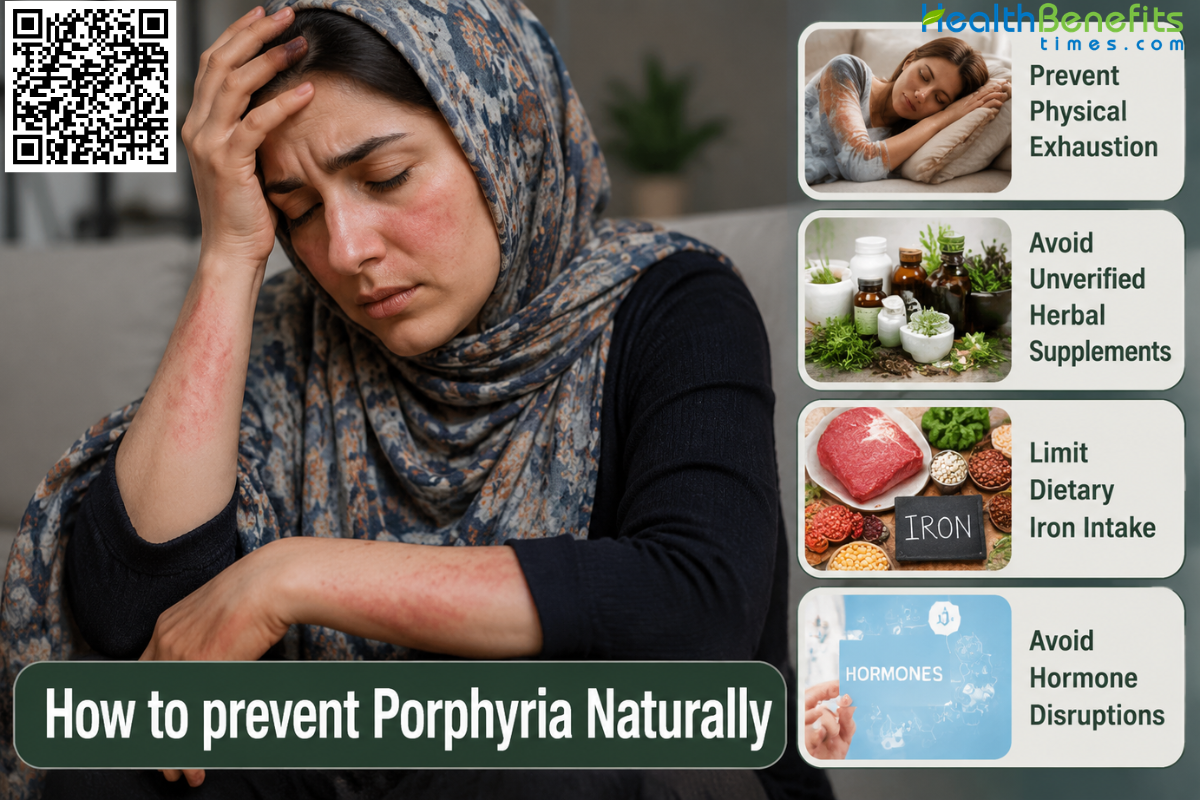
Porphyria is a group of rare, mostly inherited disorders that affect the nervous system or the skin. These conditions happen when the body struggles to produce heme, an essential molecule that helps red blood cells carry oxygen 1. Due to genetic abnormalities, the body lacks the specific enzymes needed for this process, causing natural substances called porphyrins to build up to toxic levels in the liver or bone marrow 2. This toxic buildup causes two main types of illness. Acute porphyrias attack the nervous system, leading to sudden episodes of severe stomach pain, muscle weakness, and confusion 3. Cutaneous porphyrias affect the skin, resulting in extreme sensitivity to sunlight, severe blisters, and scarring 3. External triggers, including alcohol, stress, fasting, and certain medicines, can suddenly provoke or worsen these painful attacks 1.
Causes of Porphyria
- Inherited Gene Mutations: The primary cause of most porphyrias is an inherited mutation in one of the specific genes (such as ALAD, ALAS2, or UROD) responsible for producing heme, which leads to a toxic buildup of porphyrins in the liver or bone marrow 3.
- Viral Infections: Certain viral infections, specifically hepatitis C and HIV, can cause acquired forms of the disease, most notably porphyria cutanea tarda 2.
- Iron Overload: An abnormal buildup of iron in the body, sometimes linked to a genetic condition called hemochromatosis, directly contributes to the development of porphyria cutanea tarda 2.
- Hormonal Changes: Fluctuations in female sex hormones, particularly progesterone and estrogen found in birth control pills or hormone replacement therapies, can trigger acute porphyria attacks 2.
- Specific Medications: Using certain prescription medicines, including specific antibiotics, anesthetics, and anticonvulsants designed to treat seizures, can initiate severe attacks in individuals with the underlying genetic mutation 2.
- Dietary Restrictions: A significantly lowered intake of carbohydrates due to fasting, strict dieting, weight-loss surgery, or illness can provoke sudden porphyria symptoms 2.
- Alcohol Consumption: Heavy drinking or binge drinking of alcohol is a recognized trigger that can initiate acute attacks or cause porphyria cutanea tarda 2.
- Smoking: Smoking tobacco introduces chemicals into the body that can provoke an acute attack or worsen existing skin damage in cutaneous porphyria 2.
- Sunlight Exposure: For individuals with cutaneous forms of the disease, direct exposure to sunlight interacts with the accumulated porphyrins in the skin, causing severe blisters and tissue damage 3.
- Physical and Emotional Stress: High levels of physical stress from other illnesses or significant mental stress can act as a catalyst for sudden disease flare-ups 1.
Symptoms of Porphyria
- Severe Stomach Pain: The most frequent sign of an acute attack is intense, sudden, and unrelenting pain in the stomach area 2.
- Digestive Problems: Individuals frequently experience intense nausea, repeated vomiting, and severe constipation during an acute episode 2.
- Muscle Weakness and Nerve Pain: Attacks often cause deep, aching pain in the chest, back, and legs, alongside spreading muscle weakness, numbness, and tingling 4.
- Mental and Emotional Changes: A toxic buildup in the nervous system can lead to severe anxiety, confusion, hallucinations, and life-threatening seizures 3.
- Heart and Breathing Issues: The physical distress often triggers a dangerously rapid heartbeat, high blood pressure, and potential breathing difficulties 2.
- Urine Color Changes: High levels of porphyrins leaving the body through the kidneys can turn urine a dark red, brown, or purple color 2.
- Severe Skin Blistering: In cutaneous forms of the disease, direct sun exposure causes large, painful, fluid-filled blisters to rapidly form on the hands, arms, and face 3.
- Extreme Sun Sensitivity: The skin becomes abnormally sensitive, burning quickly and developing sudden redness and swelling after even minimal time in sunlight 2.
- Skin Fragility and Scarring: Sun-damaged skin becomes extremely delicate, healing very slowly and frequently leaving permanent scars or abnormal darkening of the skin 3.
- Abnormal Hair Growth: Some individuals with skin-related symptoms develop unusual and excessive hair growth, particularly on areas regularly exposed to the sun 2.
How to Prevent Porphyria Attacks Naturally
1. Maintain a Consistent High-Carbohydrate Diet
How it may help
Consuming a diet rich in carbohydrates helps block the liver from producing excess porphyrins. Carbohydrates, breaking down into glucose, naturally slow down the specific liver enzymes responsible for heme production. This prevents the toxic buildup of chemicals, effectively stopping an acute attack before it starts 2.
What research says
Clinical studies confirm that increasing carbohydrate intake significantly reduces the activity of the ALAS1 enzyme, which triggers acute porphyria attacks. Medical guidelines establish that high glucose consumption is an effective first-line intervention to manage mild symptoms and prevent severe nervous system flare-ups 2.
How to use it safely
Focus on eating complex carbohydrates like whole grains, fruits, and starchy vegetables. You should eat regular, balanced meals throughout the day and never skip meals or fast. Aim to get at least half of your daily calories from healthy carbohydrate sources to keep your body stable 4.
Potential precautions or side effects
A high-carbohydrate diet can cause unwanted weight gain or increase blood sugar levels. If you have diabetes, you must monitor your glucose closely to prevent harmful blood sugar spikes 2.
2. Avoid Fasting, Calorie Restriction, and Crash Diets
How it may help
Fasting and extreme calorie reduction cause a sudden drop in blood glucose, forcing the liver to activate enzymes that produce heme. This creates a dangerous buildup of toxic porphyrins. Maintaining a steady food intake prevents this chemical reaction, stopping acute attacks before symptoms begin 2.
What research says
Clinical evidence demonstrates that metabolic stress from severe calorie restriction directly stimulates the ALAS1 liver enzyme, a primary catalyst for acute porphyria attacks 2. Medical authorities conclude that poor nutritional intake and fasting are among the most common preventable triggers for severe neurological episodes 3.
How to use it safely
You must eat well-balanced meals consistently every day and never skip eating, even when managing your weight. If you need to lose weight, you should consult a doctor to create a slow, gradual plan rather than using extreme crash diets or fasting routines 4.
Potential precautions or side effects
Eating frequently to avoid fasting can cause unintended weight gain if portions are too large. You should carefully balance your meals to maintain a healthy weight 2.
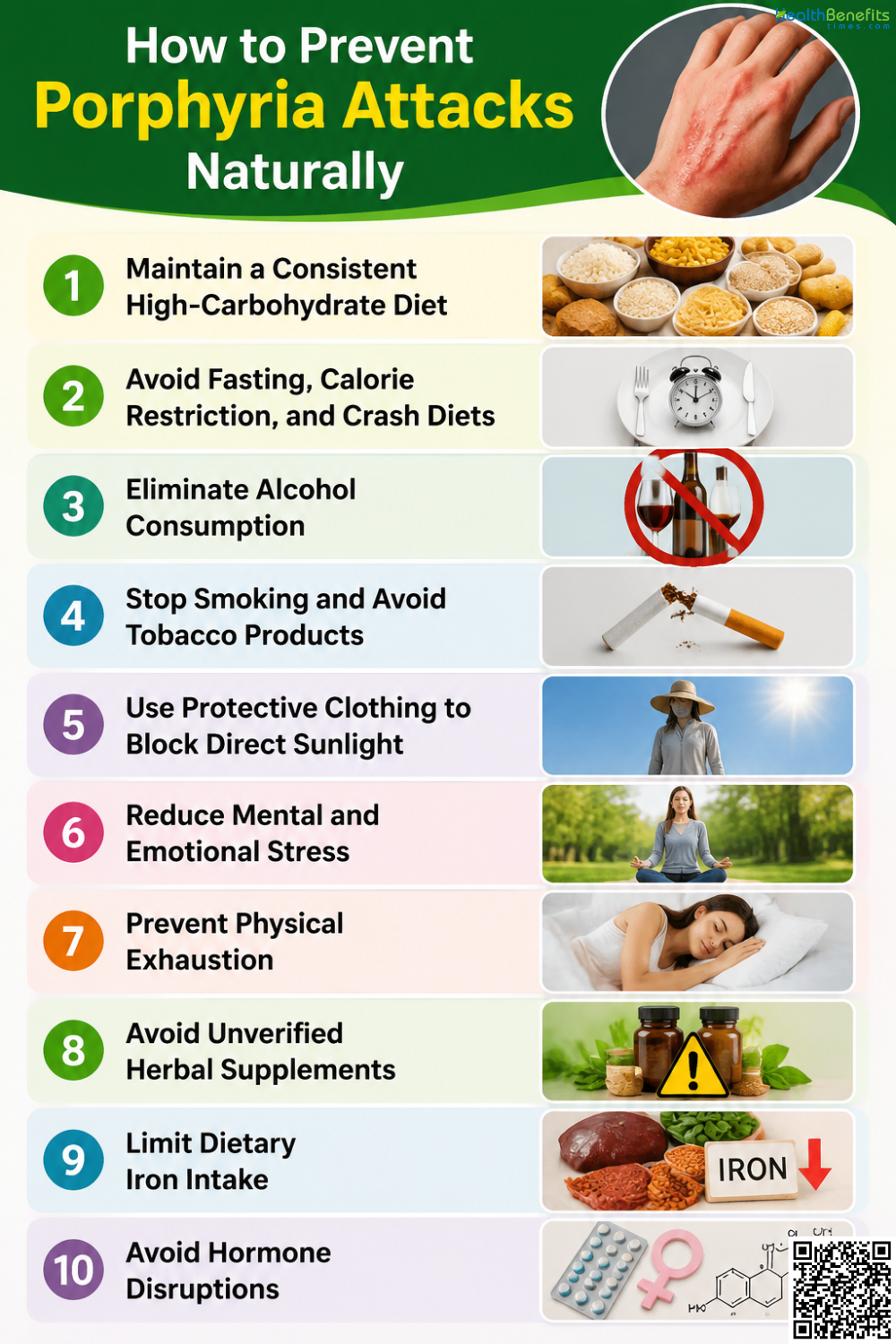
3. Eliminate Alcohol Consumption
How it may help
Alcohol places intense stress on the liver and forces it to increase the production of heme enzymes. This overproduction directly causes a toxic buildup of porphyrins in the body. Completely stopping alcohol consumption prevents this harmful chemical reaction and protects the liver from unnecessary stress 2.
What research says
Clinical research identifies alcohol as a leading trigger for acute porphyria attacks and a major factor in worsening cutaneous porphyria. Medical authorities conclude that drinking alcohol significantly increases liver damage and accelerates the abnormal accumulation of porphyrins and iron in the body 2.
How to use it safely
You should strictly avoid all types of alcoholic beverages, including beer, wine, and liquor. Carefully check the labels of liquid medications, mouthwashes, and cooking extracts, as these products often contain hidden alcohol that can still trigger a severe attack 4.
Potential precautions or side effects
If you have a history of heavy drinking, suddenly stopping can cause dangerous withdrawal symptoms. You must consult a doctor to safely manage your withdrawal during this transition 5.
4. Stop Smoking and Avoid Tobacco Products
How it may help
Tobacco smoke contains harmful chemicals that force the liver to work harder, increasing the production of heme enzymes. This liver stress directly leads to a toxic buildup of porphyrins. Quitting smoking stops these dangerous chemicals from entering the body, effectively preventing this specific chemical trigger for acute attacks 2.
What research says
Clinical evidence identifies the harmful chemicals in cigarette smoke as established environmental triggers for acute porphyria episodes 2. Medical experts confirm that smoking tobacco consistently worsens existing symptoms and significantly increases the frequency of severe nervous system attacks in individuals carrying the genetic mutation 3.
How to use it safely
You must completely stop smoking cigarettes and avoid all other tobacco products. Stay away from secondhand smoke, as inhaled chemicals can still trigger symptoms. If you struggle to quit, ask your doctor about safe, medically approved programs to help you stop 6.
Potential precautions or side effects
You may experience physical withdrawal symptoms when quitting. Always consult your doctor before using nicotine replacement therapies, as certain quit-smoking medications might potentially trigger porphyria symptoms 2.
5. Use Protective Clothing to Block Direct Sunlight
How it may help
For individuals with cutaneous porphyria, accumulated porphyrins in the skin react violently to sunlight. This chemical reaction causes severe blisters, burning, and tissue damage. Wearing thick, protective clothing physically blocks harmful light rays from reaching the skin, effectively preventing these painful surface attacks 3.
What research says
Clinical guidelines confirm that sunlight exposure is the primary environmental trigger for skin-related porphyrias. Medical experts emphasize that physical barriers are necessary because standard sunscreens only block ultraviolet rays, whereas the visible light spectrum also activates accumulated porphyrins and causes severe skin damage 2.
How to use it safely
You should wear tightly woven, long-sleeved shirts, long pants, and wide-brimmed hats whenever you go outside during the day. Consider wearing gloves to protect your hands, and stay in shaded areas as much as possible to minimize your overall light exposure 2.
Potential precautions or side effects
Wearing heavy clothing in warm weather increases your risk of overheating or dehydration. You may also develop a vitamin D deficiency, which requires monitoring by your doctor 7.
6. Reduce Mental and Emotional Stress
How it may help
High levels of mental and emotional stress cause the body to release specific hormones that alter liver metabolism. This chemical shift can activate the enzymes responsible for heme production, leading to a toxic buildup of porphyrins. Managing daily stress helps keep these metabolic functions stable, preventing acute attacks 1.
What research says
Clinical guidelines classify severe emotional and psychological stress as a recognized environmental trigger for acute porphyria episodes. Medical experts conclude that chronic stress contributes to hormonal fluctuations and metabolic exhaustion, which directly provoke neurological symptoms in individuals with the underlying genetic mutation 2.
How to use it safely
You should incorporate daily relaxation techniques into your routine, such as deep breathing exercises or gentle meditation. Prioritize getting enough sleep and consider speaking with a professional counselor to learn effective coping strategies for managing difficult emotional situations 8.
Potential precautions or side effects
You must not use unverified herbal supplements or unprescribed anti-anxiety medications to manage stress, as many of these substances can suddenly trigger a severe porphyria attack 2.
7. Prevent Physical Exhaustion
How it may help
Physical exhaustion places immense metabolic stress on the body and rapidly depletes energy reserves. This strain forces the liver to activate heme-producing enzymes to compensate, triggering a toxic accumulation of porphyrins. Avoiding extreme physical fatigue maintains metabolic stability and prevents these sudden chemical spikes 1.
What research says
Clinical evidence identifies severe physical stress and bodily exhaustion as primary environmental triggers for acute porphyria episodes. Medical guidelines confirm that excessive physical strain alters liver metabolism, directly stimulating the specific enzymes responsible for causing dangerous nerve and abdominal flare-ups 4.
How to use it safely
You should pace your daily activities and ensure you get adequate sleep each night. Engage in light to moderate exercise, but immediately stop and rest if you feel physically drained. Always treat minor infections quickly to prevent bodily exhaustion 2.
Potential precautions or side effects
Avoiding all physical activity can lead to muscle weakness and poor overall health. You must balance adequate daily rest with safe, moderate movement to maintain your physical fitness 9.
8. Avoid Unverified Herbal Supplements
How it may help
Many over-the-counter herbal supplements contain active chemicals that force the liver to work harder to break them down. This extra workload stimulates the specific enzymes responsible for producing heme, causing a toxic buildup. Avoiding these unverified products prevents this dangerous chemical reaction and stops acute attacks 2.
What research says
Clinical guidelines classify numerous herbal supplements and natural dietary remedies as dangerous environmental triggers for acute porphyria. Medical experts warn that because these plant-based products lack strict regulation, they often contain unknown compounds that rapidly alter liver metabolism and induce severe neurological episodes 2.
How to use it safely
You must never take any herbal supplement, natural remedy, or complex vitamin blend without consulting your doctor first. Always ask a medical professional or pharmacist to verify every specific ingredient against established medical databases of known porphyria triggers 2.
Potential precautions or side effects
Avoiding natural supplements means you may miss out on popular health trends, but this strict caution is absolutely necessary to prevent a life-threatening nervous system crisis 4.
9. Limit Dietary Iron Intake
How it may help
An accumulation of iron in the liver directly blocks the enzymes needed for normal heme production, specifically in cutaneous forms of the disease. Restricting dietary iron prevents this excess metal from building up, which stops the chemical reaction that causes toxic porphyrins to blister the skin 2.
What research says
Clinical evidence confirms that excessive liver iron directly inhibits the UROD enzyme, a primary cause of porphyria cutanea tarda. Medical experts establish that reducing iron levels significantly lowers porphyrin production in the liver, effectively stopping severe skin sensitivity and actively preventing further tissue damage 2.
How to use it safely
You should avoid taking over-the-counter multivitamin supplements that contain extra iron. Limit your consumption of iron-rich foods like red meat and organ meats, and avoid cooking meals in unglazed cast-iron pots, which can transfer additional iron into your food 10.
Potential precautions or side effects
Severely restricting your iron intake can cause iron-deficiency anemia, leading to extreme fatigue and weakness. You must have a doctor monitor your blood levels regularly to ensure safety 11.
10. Avoid Hormone Disruptions
How it may help
Fluctuations in reproductive hormones, specifically estrogen and progesterone, place extra strain on the liver and increase the production of heme enzymes. This shift causes a toxic buildup of porphyrins. Avoiding substances that disrupt natural hormone balance prevents this harmful chemical reaction and stops acute attacks 2.
What research says
Clinical research identifies hormonal changes, particularly excess estrogen, as a primary trigger for acute porphyria episodes 2. Medical experts confirm that synthetic hormones and plant-based estrogens can directly stimulate the liver enzymes responsible for causing dangerous nerve and abdominal flare-ups 3.
How to use it safely
You should limit consuming large amounts of foods containing high levels of phytoestrogens, such as soy products. Always discuss the use of birth control pills or hormone replacement therapies with your doctor, as you may need to avoid these medications completely 2.
Potential precautions or side effects
Stopping prescribed hormone medications can cause irregular menstrual cycles or severe menopause symptoms. You must always consult a medical professional before making any changes to your prescribed hormonal treatments 2.
Foods to Avoid When You Suffer from Porphyria
1. Alcoholic Beverages
Consuming beer, wine, or liquor increases liver stress and remains a primary trigger for severe acute attacks and cutaneous porphyria complications 2.
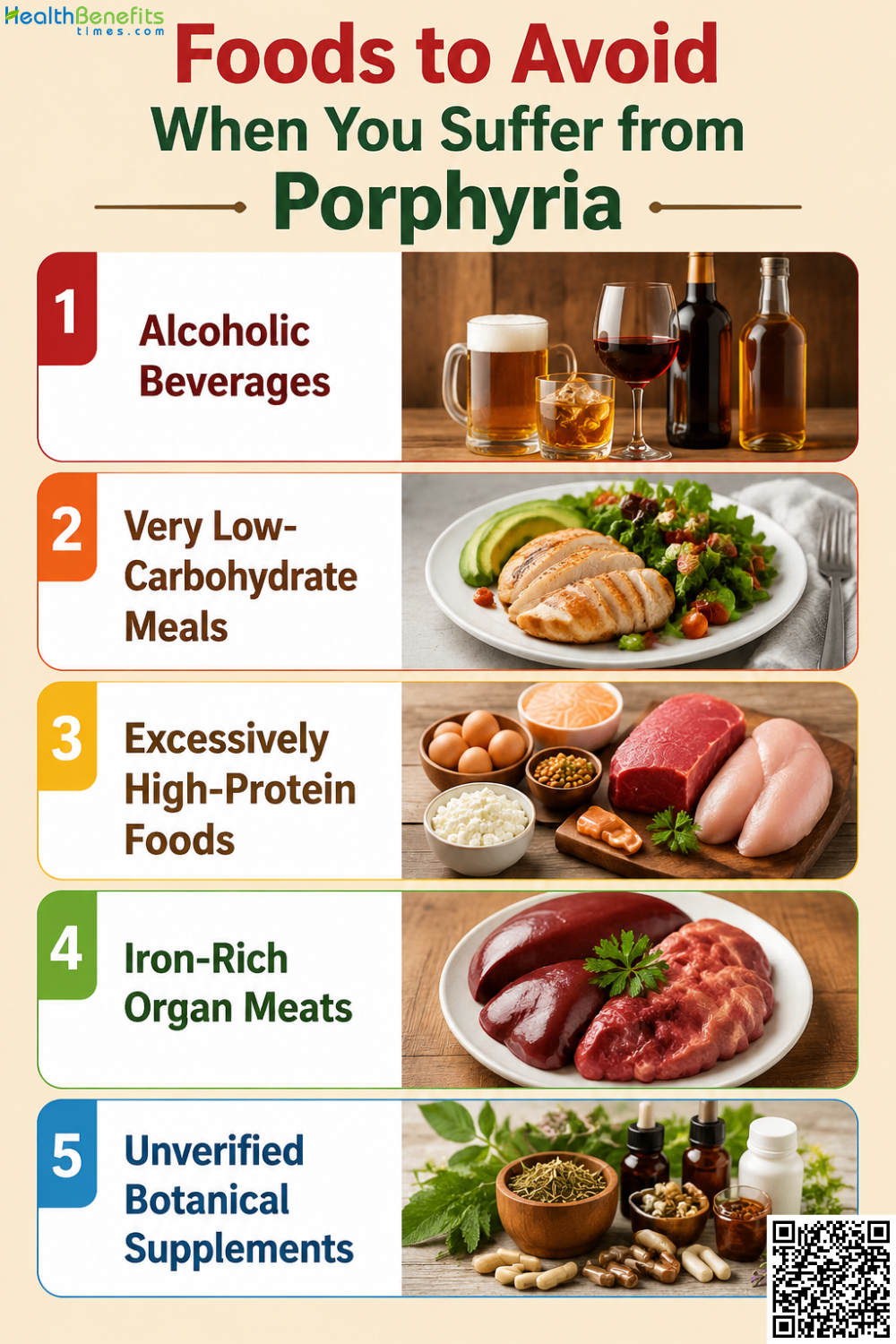
2. Very Low-Carbohydrate Meals
Severely restricting carbohydrates through crash dieting drops blood glucose, forcing the liver to rapidly produce dangerous levels of toxic porphyrins 2.
3. Excessively High-Protein Foods
Eating extreme amounts of high-protein foods, especially when restricting carbohydrates, places metabolic stress on the body and can provoke acute porphyria symptoms 12.
4. Iron-Rich Organ Meats
For individuals with cutaneous porphyria, consuming foods heavily concentrated with iron increases hepatic iron stores, worsening toxic accumulation and skin blistering 13.
5. Unverified Botanical Supplements
Many unregulated dietary herbal supplements contain complex compounds that directly alter liver metabolism, risking sudden and severe nervous system complications 2.
When to See a Doctor When You Struggle from Porphyria
- Sudden Abdominal Pain: Seek immediate medical care if you experience severe, unexplained stomach pain, which is the most common early sign of a life-threatening acute porphyria attack 2.
- Nerve and Mental Changes: Visit an emergency room immediately if you develop sudden muscle weakness, extreme confusion, hallucinations, or seizures, as these indicate severe nervous system damage 3.
- Breathing Difficulties: Get emergency medical help if you experience a rapid, irregular heartbeat, dangerously high blood pressure, or sudden trouble breathing during a suspected attack 4.
- Severe Skin Blistering: Consult a doctor promptly if sun exposure suddenly causes severe, fluid-filled blisters, rapid swelling, or extreme skin fragility, indicating a cutaneous porphyria flare-up 3.
- Urine Color Changes: Contact a healthcare provider if your urine suddenly turns a dark red, brown, or purple color, which signals dangerously high levels of porphyrins exiting the body 2.