

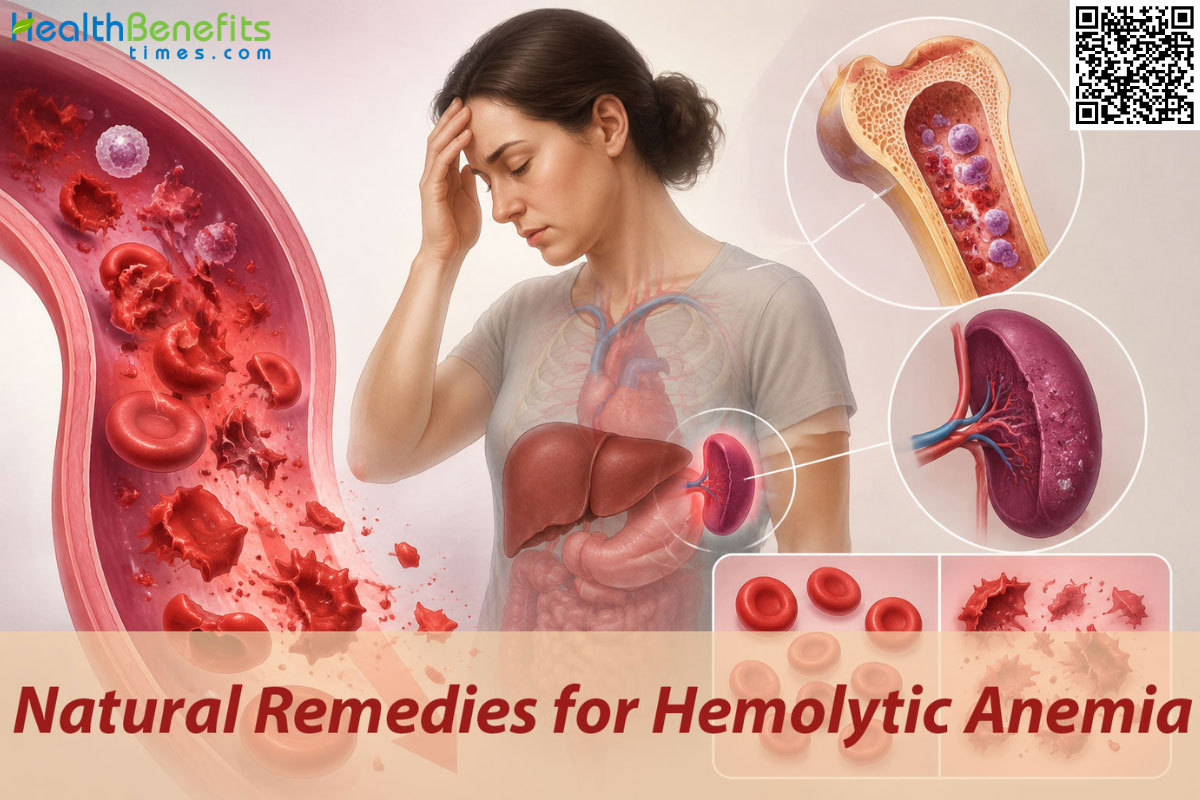
Hemolytic anemia is a blood disorder that occurs when red blood cells are destroyed faster than the bone marrow can replace them. Normally, healthy red blood cells circulate for about 120 days before the body naturally removes them. In this condition, a process called hemolysis breaks the cells down prematurely. Because red blood cells are responsible for carrying vital oxygen to the body’s organs and tissues, this rapid destruction creates a severe shortage. Consequently, affected individuals frequently experience profound fatigue, weakness, pale skin, shortness of breath, and jaundice. The condition can be inherited from parents due to genetic defects that alter the cell’s structure or chemistry, such as in sickle cell disease. Alternatively, it can be acquired later in life when external factors such as severe infections, certain medications, physical damage, or abnormal immune system responses mistakenly target and destroy otherwise healthy red blood cells. 1, 2
Causes of Hemolytic Anemia
- Inherited (Genetic) Conditions: Present from birth, these conditions cause defects within the red blood cells themselves.
- Hemoglobin disorders: Conditions such as sickle cell disease and thalassemia, where the body produces abnormal hemoglobin (the protein that carries oxygen).
- Cell membrane defects: Structural abnormalities in the red blood cell’s outer layer, such as hereditary spherocytosis and hereditary elliptocytosis, causing the cells to become fragile and break down early.
- Enzyme deficiencies: A lack of essential proteins that help red blood cells function and protect them from stress, such as G6PD deficiency and pyruvate kinase deficiency.
- Acquired Conditions: Developed later in life, these external factors destroy otherwise healthy red blood cells.
- Autoimmune disorders: The immune system mistakenly produces antibodies that attack and destroy the body’s own red blood cells. This can happen randomly or be linked to other autoimmune diseases (like lupus) or blood cancers.
- Infections: Viruses (such as Epstein-Barr virus, hepatitis, or HIV), bacteria, or parasites (like malaria and babesiosis) that directly damage red blood cells.
- Mechanical damage: Red blood cells can be physically torn apart as they circulate through the blood vessels. This can result from artificial heart valves, extreme physical activity, or serious blood clotting disorders.
- Medication reactions: Certain prescription drugs can trigger the immune system to mistakenly identify red blood cells as foreign threats and destroy them.
- Incompatible blood transfusions: The immune system destroys red blood cells from a donated blood transfusion if the blood types do not match.
- Toxins and venoms: Exposure to certain chemicals, heavy metals, or venom from snake and spider bites. 2, 3, 4, 5
Symptoms of Hemolytic Anemia
General Anemia Symptoms (Due to reduced oxygen delivery):
- Extreme fatigue, lethargy, and lack of energy
- General physical weakness
- Dizziness, lightheadedness, or feeling faint
- Shortness of breath (dyspnea), especially during physical activity
- Rapid heart rate, irregular heartbeats, or heart palpitations (tachycardia)
- Unusually pale or washed-out skin (pallor)
- Frequent headaches
Hemolysis-Specific Symptoms (Due to rapid red blood cell destruction):
- Jaundice (a noticeable yellowing of the skin and the whites of the eyes)
- Dark, tea-colored, or reddish-brown urine (caused by the kidneys filtering out broken-down red blood cell proteins)
- Enlarged spleen (splenomegaly), which can cause a sensation of fullness, bloating, or pain in the upper left abdomen
- Enlarged liver (hepatomegaly)
- Gallstones, which can trigger sharp, sudden pain in the upper right abdomen
Severe or Subtype-Specific Symptoms:
- Chest pain (angina) or early signs of heart failure in cases of severe, acute anemia
- Fever, chills, or sudden onset of severe lower back or abdominal pain (often signaling an acute hemolytic crisis)
- Acrocyanosis (fingers, toes, ears, or tip of the nose turning blue or purple and becoming painful when exposed to cold temperatures, typical of cold agglutinin disease)
- Skin ulcerations, particularly on the legs (sometimes seen in chronic conditions like sickle cell disease) 2, 6, 7, 8
Natural Remedies for Hemolytic Anemia
1. Folic Acid Supplementation
How it may help
In hemolytic anemia, the body rapidly destroys red blood cells, forcing the bone marrow to continuously replace them. Folic acid is a water-soluble vitamin essential for the biological process of creating new red blood cells. 9 Taking this supplement ensures the body maintains the necessary nutrients for increased cellular production.
What research says
Research indicates that folate deficiency is common in chronic hemolysis due to the increased consumption from accelerated red blood cell formation. 10 Clinical findings show that routine supplementation effectively prevents severe folate depletion during high-demand states where the body rapidly augments red cell production. 11
How to use it safely
You should only take folic acid under the guidance of a healthcare provider. For managing continuous red blood cell destruction, doctors typically prescribe an oral dose of 1 to 5 milligrams daily. 12 Always take your supplement exactly as directed alongside your conventional medical treatments.
Potential precautions or side effects
High daily doses of folic acid can mask the symptoms of a severe vitamin B12 deficiency, potentially delaying diagnosis and leading to irreversible nerve damage. 13
2. Dietary Avoidance of Fava Beans
How it may help
Fava beans contain specific compounds that trigger severe oxidative stress in individuals lacking the glucose-6-phosphate dehydrogenase (G6PD) enzyme. 14 Without this essential protective enzyme, red blood cells become structurally fragile and break down rapidly upon chemical exposure. 15 Strictly avoiding these beans prevents this targeted dietary trigger from initiating a life-threatening hemolytic crisis. 16
What research says
Clinical studies confirm that fava beans contain high concentrations of the destructive toxins vicine and convicine. 17 Research demonstrates that these reactive compounds rapidly deplete the red blood cells’ limited antioxidant defenses, causing premature cellular death. 18 Consequently, dietary ingestion directly correlates with severe and acute episodes of hemolytic anemia. 19
How to use it safely
Individuals diagnosed with a G6PD deficiency must permanently eliminate fresh, frozen, canned, and dried fava beans from their diets. 20 You should carefully read all commercial food labels, because broad bean flours are sometimes utilized as hidden protein ingredients in packaged goods. 21
Potential precautions or side effects
Avoiding fava beans carries no physical adverse effects. However, you must remain vigilant against hidden cross-contamination and consistently verify ingredients in restaurant dishes where these beans are common staples. 22
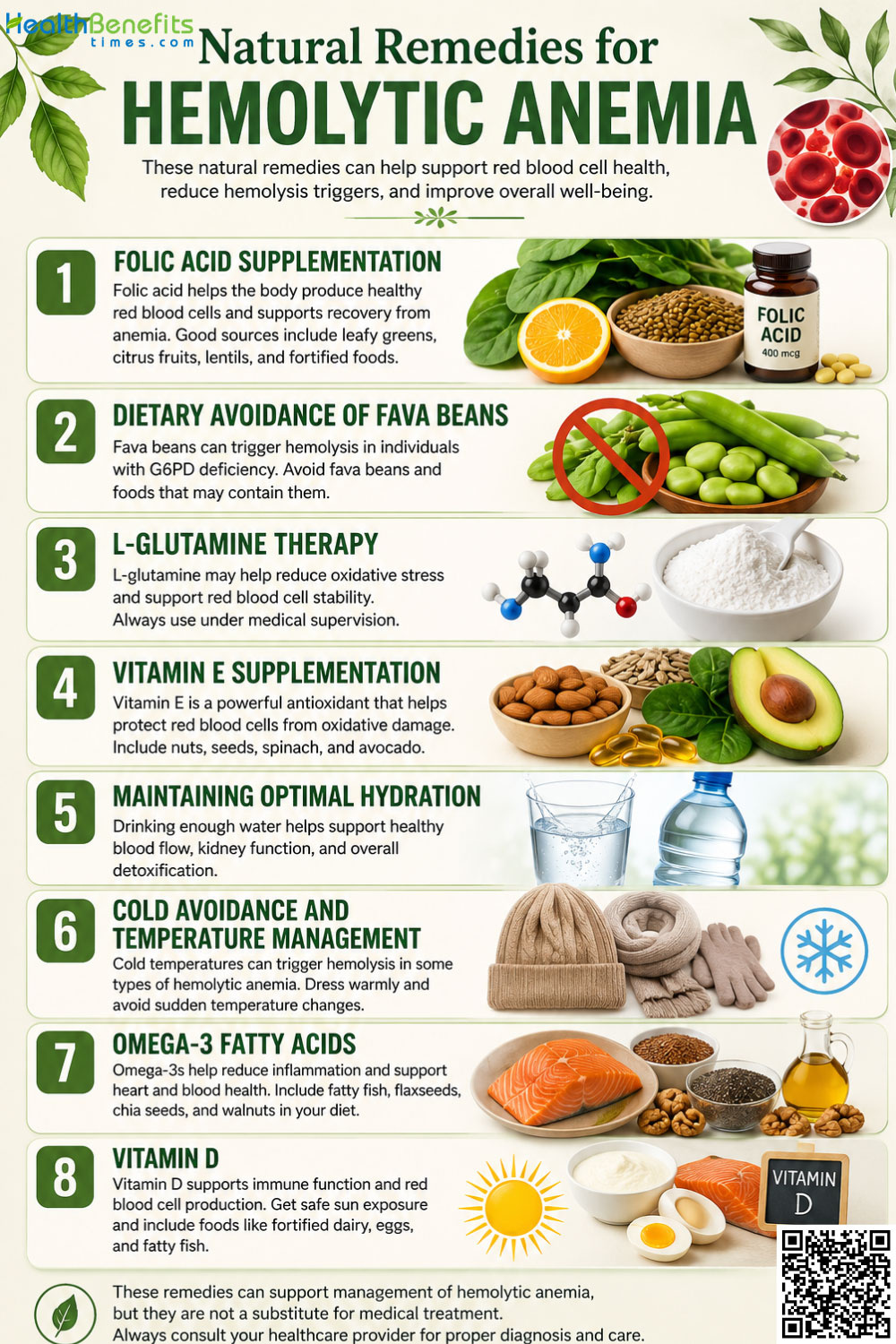
3. L-Glutamine Therapy
How it may help
L-glutamine is an amino acid that helps protect red blood cells from severe damage caused by oxidative stress. 23 By increasing natural antioxidant levels inside these cells, it prevents them from becoming overly rigid and breaking down prematurely. 24 This essential protection maintains cellular structure and actively reduces the rapid cellular destruction seen in genetic hemolytic disorders. 25
What research says
Clinical trials confirm that pharmaceutical-grade L-glutamine significantly decreases the frequency of severe pain crises and hospitalizations in individuals with inherited hemolytic conditions. 26 Research demonstrates that regular daily supplementation improves the overall lifespan of red blood cells and effectively reduces acute complications associated with chronic hemolysis. 27
How to use it safely
You should strictly use medical-grade L-glutamine under a physician’s direct supervision for hemolytic blood conditions. 28 The prescribed powder is typically mixed into a cold or room-temperature beverage or soft food twice daily. 29 Always follow your personalized weight-based dosing guidelines carefully. 30
Potential precautions or side effects
Common side effects include nausea, stomach pain, dull headaches, and a persistent cough. 31 You should report any severe digestive issues or unexpected physical symptoms to your healthcare provider immediately. 32
4. Vitamin E Supplementation
How it may help
Vitamin E acts as a potent fat-soluble antioxidant that shields red blood cell outer membranes from severe oxidative damage. 33 By neutralizing harmful molecules in the bloodstream, this essential nutrient maintains cellular flexibility and actively prevents the premature destruction of fragile red blood cells. 34
What research says
Medical research confirms that chronic vitamin E deficiency directly accelerates red blood cell breakdown and worsens anemia symptoms. 35 Clinical evidence demonstrates that targeted supplementation successfully improves cellular survival rates in specific inherited hemolytic conditions. 36 Furthermore, maintaining adequate vitamin levels significantly reduces the frequency of systemic oxidative cellular damage. 37
How to use it safely
You must consult a healthcare provider before starting vitamin E, as individualized dosing is critical for safe management. 38 Always take the prescribed oral capsules with food to improve overall absorption. 39 Ensure you undergo regular blood tests to monitor antioxidant levels accurately. 40
Potential precautions or side effects
Excessive doses can dangerously increase your risk of excessive bleeding, particularly if you take blood-thinning medications. 41 You might also experience mild digestive upset, nausea, or blurred vision. 42
5. Maintaining Optimal Hydration
How it may help
When red blood cells rupture, they release free hemoglobin, which can severely damage kidney tissues. 43 Maintaining optimal hydration ensures a continuous flow of fluids through the renal system to flush out these toxic byproducts. 44 Additionally, proper fluid intake prevents cellular dehydration, which can trigger further blood cell destruction in specific inherited disorders. 45
What research says
Clinical evidence confirms that intravenous and oral fluid therapies significantly lower the risk of acute kidney injury during severe hemolytic episodes. 46 Research demonstrates that adequate fluid volume physically dilutes circulating hemoglobin, preventing it from forming dangerous blockages inside kidney tubules. 47 Furthermore, studies link mild dehydration to increased red blood cell rigidity and accelerated breakdown. 48
How to use it safely
You should consume consistent amounts of water daily, increasing your intake during hot weather or physical exertion. 49 Always consult your physician to determine your precise daily fluid requirements. 50 Monitor your urine color; a pale yellow typically indicates adequate hydration while dark urine warrants medical evaluation. 51
Potential precautions or side effects
Excessive water consumption can cause dangerous electrolyte imbalances, including low blood sodium. 52 You must manage fluids cautiously if you have underlying heart failure or chronic kidney disease. 53
6. Cold Avoidance and Temperature Management
How it may help
In specific types of autoimmune hemolytic anemia, notably cold agglutinin disease, low temperatures activate abnormal antibodies that mistakenly attack red blood cells. 54 Strict temperature management keeps these immune proteins inactive. This behavioral adjustment directly prevents blood cells from clumping together and stops their premature destruction in the bloodstream. 55
What research says
Clinical guidelines establish thermal protection as the primary and most effective non-pharmacological treatment for cold-induced autoimmune hemolysis. 56 Research confirms that strictly minimizing exposure to cold environments significantly reduces the frequency of acute red blood cell breakdown. 57 Furthermore, studies demonstrate that consistent warmth directly alleviates chronic fatigue and circulatory pain associated with the disease. 58
How to use it safely
You must consistently wear protective, insulated clothing, paying special attention to covering your head, hands, and feet. 59 Keep indoor environments well-heated and strictly avoid consuming ice-cold beverages or frozen foods. 60 Always consult your physician for personalized climate-management strategies, especially during winter months. 61
Potential precautions or side effects
Excessive layering can cause overheating and dehydration. 62 You must also remain cautious of sudden temperature drops when transitioning between heated buildings and colder outdoor environments. 63
7. Omega-3 Fatty Acids
How it may help
Omega-3 fatty acids incorporate directly into the outer membranes of red blood cells, enhancing their overall structural flexibility. 64 This increased pliability helps the cells navigate narrow blood vessels without breaking apart prematurely. 65 Additionally, these essential fats actively reduce systemic inflammation, which can otherwise trigger further immune-mediated blood cell destruction. 66
What research says
Clinical studies indicate that dietary supplementation with omega-3 fatty acids significantly decreases the rate of red blood cell destruction in specific inherited hemolytic conditions. 67 Research demonstrates that these lipids successfully reduce inflammatory markers in the bloodstream that aggravate chronic anemia. 68 Furthermore, evidence links consistent intake to improved blood flow and fewer vascular blockages. 69
How to use it safely
You should consult your healthcare provider to determine the appropriate daily dosage for your specific condition. 70 Consume high-quality fish oil or plant-based algal supplements alongside meals containing dietary fats to maximize cellular absorption. 71 Always purchase products verified by independent testing for purity. 72
Potential precautions or side effects
High doses of omega-3s can dangerously increase your risk of bleeding, especially if combined with anticoagulant medications. 73 You may also experience mild digestive upset or a fishy aftertaste. 74
8. Vitamin D
How it may help
Vitamin D plays a crucial role in regulating the immune system, preventing it from overreacting and mistakenly attacking healthy cells. 75 In autoimmune hemolytic anemia, this hormone-like vitamin helps suppress the production of abnormal antibodies that target red blood cells. 76 Maintaining adequate levels directly supports immune balance and reduces self-inflicted cellular destruction. 77
What research says
Clinical studies demonstrate that patients with autoimmune hemolytic anemia frequently exhibit severe vitamin D deficiency. 78 Replenishing this essential nutrient correlates with a measurable decrease in overall autoimmune disease activity and a reduction in active red blood cell destruction. 79 Furthermore, adequate vitamin D status significantly improves the clinical response to conventional immunosuppressive treatments. 80
How to use it safely
You should have your blood levels tested by a physician before beginning supplementation to determine the exact required dose. 81 Take the prescribed cholecalciferol (vitamin D3) capsules with a meal containing fats to ensure proper intestinal absorption. 82 Follow up with regular blood tests to monitor your systemic levels accurately. 83
Potential precautions or side effects
Excessive intake can cause toxic calcium buildup, leading to severe kidney stones, persistent nausea, and irregular heartbeats. 84 You must never exceed your prescribed medical dosage. 85
Foods to Avoid When You Suffer from Hemolytic Anemia
1. Fava Beans (Broad Beans)
These beans contain vicine and convicine, causing severe oxidative stress and rapid red blood cell destruction in individuals with G6PD deficiency-related hemolytic anemia. 86, 87
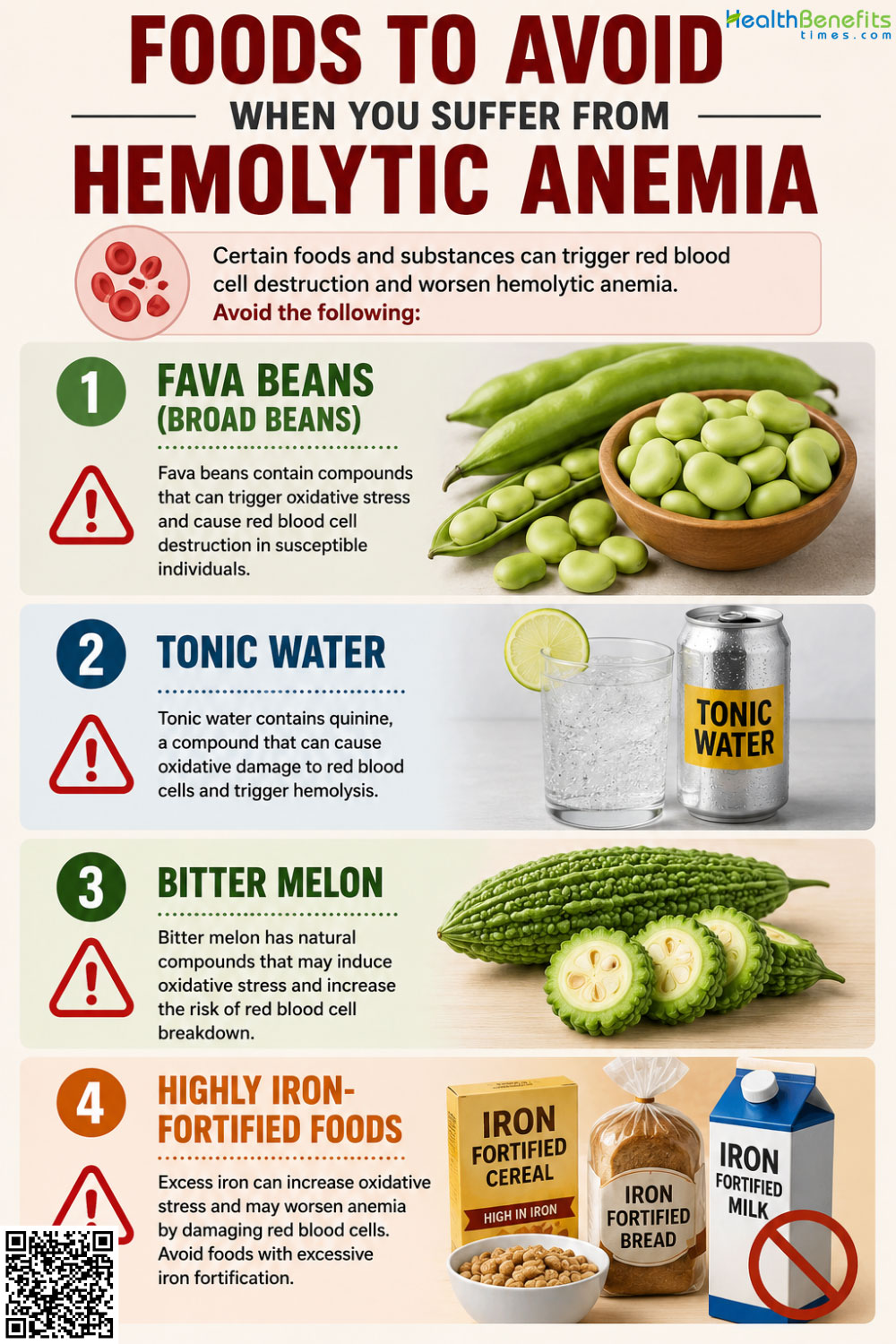
2. Tonic Water
This popular beverage contains quinine, a bitter chemical compound known to directly trigger acute immune-mediated hemolytic anemia and oxidative cellular damage. 88, 89
3. Bitter Melon
Often utilized in traditional diets, bitter melon possesses natural oxidant properties that can chemically stress and prematurely destroy fragile red blood cells. 90, 91
4. Highly Iron-Fortified Foods
Chronic hemolysis continuously releases iron into your bloodstream. Avoiding artificially iron-enriched cereals prevents dangerous systemic iron overload and subsequent organ toxicity. 92, 93
When to See a Doctor When You Have Hemolytic Anemia
1. Sudden or Severe Jaundice
Seek immediate care if your skin or the whites of your eyes rapidly turn yellow, indicating massive red blood cell destruction and severe liver strain. 94, 95
2. Dark or Tea-Colored Urine
Consult a doctor if your urine suddenly appears dark or reddish-brown, as this signals that broken red blood cell proteins are overloading your kidneys. 96, 97
3. Severe Shortness of Breath or Chest Pain
Request emergency medical attention for acute chest pain, rapid heartbeat, or difficulty breathing, which means your heart is struggling from a severe lack of oxygen. 98, 99
4. Unexplained Fever and Chills
Immediately evaluate sudden high fevers or intense chills, as these symptoms frequently indicate an acute hemolytic crisis or a dangerous underlying infection triggering cell destruction. 100, 101
5. Sharp Upper Abdominal Pain
See a physician if you experience intense upper right or left abdominal pain, which strongly suggests rapidly developing gallstones or a dangerously enlarged spleen. 102, 103