


Goodpasture syndrome, also known as anti-glomerular basement membrane (anti-GBM) disease, is a rare but severe autoimmune disorder that primarily damages the lungs and kidneys. In this condition, the immune system mistakenly produces antibodies that attack healthy structural proteins specifically type IV collagen found in the filtering units of the kidneys and the air sacs of the lungs 1. This abnormal immune response triggers severe inflammation, potentially leading to life-threatening bleeding in the lungs and rapidly progressive kidney failure 2. While the exact cause remains unclear, medical experts believe the disease develops when individuals with a specific genetic predisposition are exposed to environmental triggers like tobacco smoke or industrial solvents 3. Because the syndrome can rapidly destroy organ function, prompt clinical intervention is essential. Standard treatments use blood-filtering procedures, such as plasmapheresis, alongside immunosuppressive medications to remove harmful antibodies and prevent permanent organ damage 2.
Causes of Goodpasture Syndrome
- Autoimmune System Malfunction: The direct cause of this syndrome is a malfunction in the immune system. Instead of protecting the body, the immune system produces harmful antibodies that mistakenly attack healthy structural proteins—specifically a type of collagen located in the filtering units of the kidneys and the air sacs of the lungs 4.
- Genetic Susceptibility: People do not inherit the disease directly, but they can inherit a genetic vulnerability to it. Individuals carrying specific genetic markers, particularly human leukocyte antigen (HLA) types such as HLA-DR15 and HLA-DR2, are significantly more likely to develop the condition when exposed to outside triggers 3.
- Smoking and Tobacco Use: Inhaling cigarette smoke is a major environmental trigger. Smoking causes local inflammation that damages the tiny blood vessels in the lungs, making it easier for harmful antibodies to leak into the lung tissue and cause severe bleeding 5.
- Exposure to Harmful Chemicals: Breathing in industrial chemicals or environmental toxins can initiate the abnormal immune response. Known chemical triggers include hydrocarbon fumes, organic solvents, and metallic dust 3.
- Respiratory Infections: Certain viral illnesses, such as the influenza virus, can cause an initial lung injury. This viral inflammation exposes hidden tissue proteins to the immune system, which can mistakenly trigger the production of attacking antibodies 3.
- Specific Medical Procedures and Drugs: In rare cases, the disease can be triggered by specific physical traumas to the organs or certain chemical exposures. Documented triggers include extracorporeal shock wave lithotripsy (a sound-wave treatment used to break up kidney stones), the use of specific immune-altering medications like alemtuzumab, and the inhalation of cocaine 4.
Symptoms of Goodpasture Syndrome
- Early Warning Signs: The initial symptoms are often vague and can mimic standard viral infections. Individuals frequently experience severe, unexplained fatigue, unintended weight loss, and general weakness. A noticeable paleness of the skin may also develop due to anemia, which occurs as red blood cells are lost through internal bleeding in the lungs 4.
- Lung and Respiratory Issues: Lung problems typically appear before kidney issues and can escalate rapidly. The most alarming and characteristic warning sign is coughing up blood, a condition that can range from mild blood-streaked mucus to severe, life-threatening internal bleeding. Other common respiratory difficulties include severe shortness of breath, a persistent dry cough, and localized chest pain 3.
- Kidney and Urinary Changes: As the abnormal antibodies attack the kidney’s filtering units, visible signs of kidney damage emerge. This primarily presents as bloody, dark, or tea-colored urine, alongside excessively foamy urine caused by the abnormal leakage of proteins. As the kidneys gradually lose their ability to filter fluids, individuals may experience decreased urine output and noticeable fluid retention, leading to swelling in the legs, feet, and face 4.
- Cardiovascular Complications: Because the kidneys play a vital role in regulating blood volume, their rapid decline often triggers sudden and dangerously high blood pressure. In advanced stages where fluid buildup becomes severe, the excess fluid can strain the heart and lungs, leading to critical breathing emergencies 6.
Best treatment for Goodpasture Syndrome
1. Plasma Exchange (Plasmapheresis) to Filter Harmful Antibodies
How it may help
Plasma exchange, or plasmapheresis, acts like a filter for your blood. It physically removes the harmful antibodies that mistakenly attack the kidneys and lungs in Goodpasture Syndrome. By clearing these damaging proteins from circulation, this treatment quickly stops active internal bleeding and prevents further organ damage 7.
What research says
Clinical guidelines confirm that starting plasma exchange early, combined with immune-suppressing medications, is the standard and most effective treatment. Research shows this intervention rapidly stops lung bleeding and significantly increases the chances of saving permanent kidney function compared to using medications alone 8.
How to use it safely
You must receive this treatment in a hospital setting under the close care of a kidney specialist. The procedure requires placing a tube into a large vein. It typically takes two to four hours and is performed daily or every other day for several weeks 7.
Potential precautions or side effects
The most common side effects include sudden low blood pressure, dizziness, and muscle cramps. Because the procedure requires an intravenous line, there is also a risk of bleeding or infection 8.
2. Corticosteroid Therapy to Reduce Organ Inflammation
How it may help
Corticosteroids act as powerful anti-inflammatory medicines. In Goodpasture Syndrome, they quickly quiet the immune system to reduce severe swelling and damage in the lungs and kidneys. By slowing down this immune attack, these drugs help preserve remaining organ function and prevent further life-threatening internal bleeding 7.
What research says
Clinical studies confirm that high-dose corticosteroids, when combined with plasma exchange and cyclophosphamide, form the most effective standard care. This triple-therapy approach successfully stops lung bleeding and significantly improves kidney survival rates compared to older, single-drug methods 8.
How to use it safely
You will usually receive high doses through an intravenous line in the hospital, followed by oral pills at home. Always take this medication exactly as directed. Do not stop taking it suddenly, as your body needs time to slowly adjust to lower doses 4.
Potential precautions or side effects
Long-term use increases the risk of serious infections, weight gain, high blood sugar, and bone thinning. Your doctor will closely monitor your blood pressure and overall bone health 8.
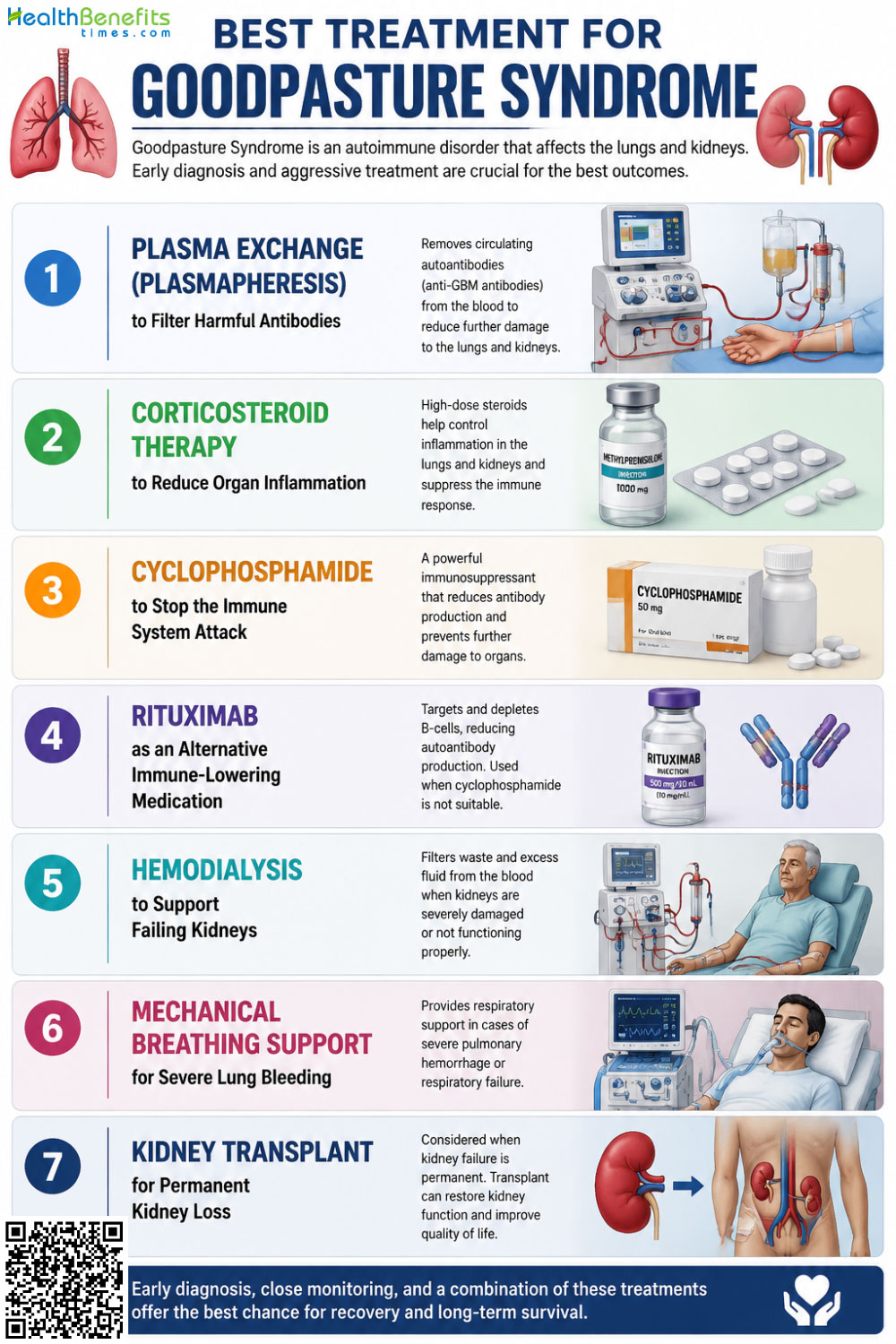
3. Cyclophosphamide to Stop the Immune System Attack
How it may help
Cyclophosphamide is a strong medication that suppresses the overactive immune system. It works by stopping white blood cells from producing the harmful antibodies that attack the lungs and kidneys. Shutting down this antibody production at the source prevents new organ damage and helps current injuries heal 7.
What research says
Research confirms that combining cyclophosphamide with plasma exchange and corticosteroids is the most reliable method for achieving long-term remission. Clinical studies show this specific medication successfully clears dangerous antibodies from the blood and significantly lowers the chances of the disease returning in the future 8.
How to use it safely
You may take this medication as a daily pill or through an intravenous drip. You must drink plenty of fluids to protect your bladder. Your doctor will require frequent blood tests to closely monitor your white blood cell counts while taking this drug 4.
Potential precautions or side effects
The primary risk is severe infection due to a weakened immune system. Other notable side effects include bladder irritation, hair loss, and permanent fertility issues in men and women 8.
4. Rituximab as an Alternative Immune-Lowering Medication
How it may help
Rituximab is a specialized medication that targets and destroys B cells, which are the specific white blood cells responsible for making harmful antibodies. By clearing these cells from your bloodstream, this drug stops the continuous production of the antibodies that attack and damage the lungs and kidneys 9.
What research says
Clinical studies show rituximab is a highly effective alternative to traditional immunosuppressants, especially for severe or hard-to-treat cases. Research confirms it successfully drops dangerous antibody levels to undetectable ranges, stops life-threatening lung bleeding, and helps achieve long-term remission while avoiding the toxicities associated with older medications 10.
How to use it safely
You will receive this treatment through an intravenous drip at a hospital or specialized clinic. It is typically given in weekly doses for about a month. Medical staff will closely monitor you during the infusion to quickly manage any sudden allergic reactions 11.
Potential precautions or side effects
Because it heavily suppresses the immune system, you face a much higher risk of serious infections. Immediate infusion reactions can also occur, including sudden fever, chills, and low blood pressure 12.
5. Hemodialysis to Support Failing Kidneys
How it may help
Hemodialysis acts as an artificial kidney when Goodpasture Syndrome causes sudden kidney failure. A machine pumps your blood through a special filter to remove excess water, dangerous waste products, and toxins. This process restores a safe chemical balance when severely damaged kidneys can no longer function 7.
What research says
Clinical data indicates that many patients with Goodpasture Syndrome require immediate hemodialysis upon hospital admission. Research confirms that providing this artificial support prevents fatal complications from severe kidney failure, keeping patients alive while treatments like plasma exchange work to stop the underlying immune attack 8.
How to use it safely
You must undergo this life-saving procedure at a specialized hospital or clinic. A doctor will first create a secure blood access point in your arm or chest. You must strictly follow prescribed fluid limits and dietary restrictions to prevent dangerous swelling between your sessions 13.
Potential precautions or side effects
The most common side effects during treatment include sudden drops in blood pressure, muscle cramps, and extreme tiredness. The blood access site also carries a risk of severe infections 13.
6. Mechanical Breathing Support for Severe Lung Bleeding
How it may help
In severe cases of Goodpasture Syndrome, heavy internal bleeding fills the lungs and makes natural breathing impossible. A mechanical ventilator takes over the breathing process. It pushes a steady supply of life-saving oxygen into the blood while the lungs rest and heal from the immune system attack 4.
What research says
Clinical studies confirm that mechanical breathing support is a critical, life-saving intervention for severe lung bleeding. Research shows this emergency support prevents immediate respiratory failure and drastically improves survival rates while patients wait for plasma exchange and medications to take full effect 8.
How to use it safely
This advanced support is strictly managed within a hospital intensive care unit. A specialized doctor carefully inserts a breathing tube into your windpipe. You will receive continuous sedation to keep you comfortable and allow the machine to safely control your breathing patterns 14.
Potential precautions or side effects
Prolonged use increases the risk of severe lung infections, like pneumonia. The tube can cause vocal cord damage, and high machine air pressure may injure fragile lung tissue 14.
7. Kidney Transplant for Permanent Kidney Loss
How it may help
A kidney transplant restores long-term filtering function for individuals whose kidneys were permanently destroyed by Goodpasture Syndrome. By surgically placing a healthy donor kidney into the body, this treatment removes the lifelong need for dialysis, significantly improving daily survival, overall energy, and long-term quality of life 7.
What research says
Clinical studies demonstrate that kidney transplantation provides excellent long-term patient and organ survival rates that match transplants for other kidney diseases. Research indicates that the risk of the original disease returning to attack the new kidney is very low, occurring in only about one to two percent of patients 15.
How to use it safely
To ensure a safe transplant, you must wait until blood tests show the harmful antibodies have been completely gone for at least six months. After the surgery, you must strictly take daily immune-lowering medicines exactly as prescribed to keep your body from rejecting the new organ 15.
Potential precautions or side effects
The main risks include organ rejection or serious infections from the required immune-suppressing drugs. Patients also face an increased long-term risk of developing high blood pressure or certain skin cancers 16.
Foods to Avoid When You Suffer from Goodpasture Syndrome
Goodpasture Syndrome causes severe inflammation in the filtering units of the kidneys, which severely impairs the body’s ability to remove waste and maintain a healthy fluid balance. Because this autoimmune condition frequently causes sudden and severe kidney damage, clinical protocols require patients to follow a specialized renal diet to prevent toxic waste buildup and dangerous blood pressure spikes 7. If you suffer from this condition, restricting specific nutrients is a critical step to reduce the physical workload on your compromised organs. The following dietary modifications outline the specific foods you must avoid to manage complications and protect your remaining kidney function.
1. High-Sodium Foods (Processed Meats and Canned Soups)
Avoid excess sodium, as it causes severe fluid retention and raises blood pressure, placing dangerous stress on damaged kidneys. Limit fast food, salty snacks, and packaged meals 17.
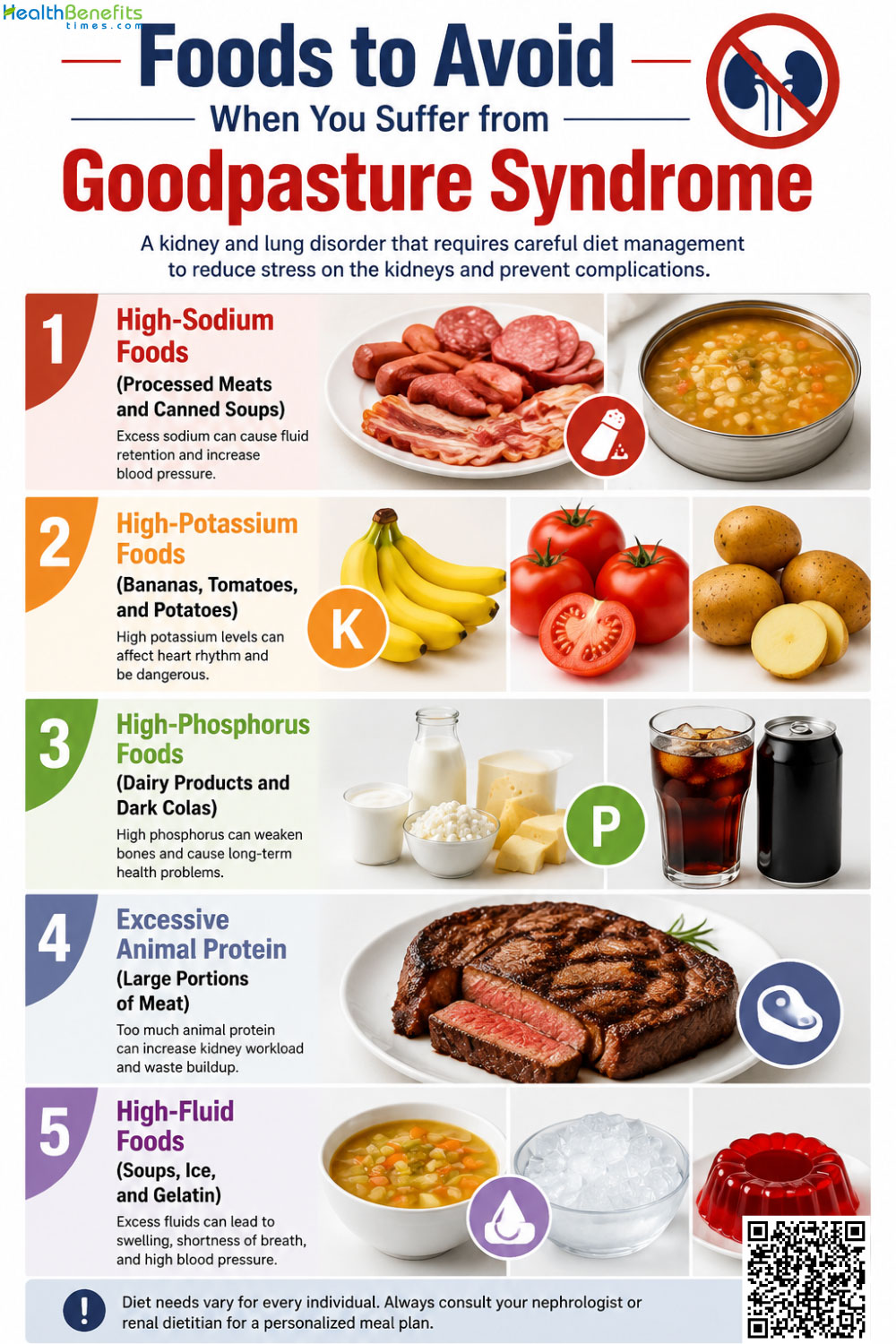
2. High-Potassium Foods (Bananas, Tomatoes, and Potatoes)
When kidneys fail, dangerous amounts of potassium can build up, causing serious heart rhythm problems. You should restrict high-potassium fruits and vegetables to protect your heart 17.
3. High-Phosphorus Foods (Dairy Products and Dark Colas)
Failing kidneys cannot remove extra phosphorus. High levels pull calcium from your bones, making them weak. Avoid milk, cheese, nuts, and dark-colored sodas to prevent this damage 17.
4. Excessive Animal Protein (Large Portions of Meat)
Processing large amounts of protein forces the kidneys to work harder to clear waste. Eating smaller portions of meat reduces this dangerous burden on your filtering units 17.
5. High-Fluid Foods (Soups, Ice, and Gelatin)
Damaged kidneys cannot efficiently process and remove excess water. You may need to strictly limit liquids, including fluid-heavy foods like soup, to prevent painful swelling 17.
When to See a Doctor When You Suffer from Goodpasture Syndrome
Goodpasture Syndrome is a rare, aggressive autoimmune disease that rapidly attacks the delicate tissues of the lungs and kidneys. Because this condition can cause sudden, life-threatening internal bleeding and irreversible organ failure within a matter of days, early detection and immediate medical intervention are critical for survival. You must seek emergency medical care at a hospital if you experience any sudden signs of active bleeding or rapid organ dysfunction, as rapid treatment is the only way to prevent permanent physical damage or fatal respiratory complications.
1. Coughing Up Blood
If you begin coughing up blood or bloody mucus, seek immediate emergency care. This indicates active, severe bleeding in your lungs that requires urgent medical intervention 4.
2. Blood in the Urine
Visible pink, red, or cola-colored urine is a direct sign of acute kidney injury. This symptom requires immediate evaluation by a specialist to prevent permanent kidney failure 7.
3. Severe Shortness of Breath
Sudden difficulty breathing or a feeling that you cannot get enough air strongly suggests fluid or blood is filling your lungs, requiring life-saving emergency oxygen support 4.
4. Sudden Swelling in Legs or Face
Noticeable, rapid swelling in your legs, ankles, or around your eyes indicates sudden kidney failure. Your body is holding dangerous amounts of fluid that must be medically managed 7.
5. Extreme Fatigue and Pale Skin
Sudden, overwhelming weakness combined with pale skin is a symptom of severe anemia. This occurs when massive internal bleeding causes a dangerous drop in your red blood cells 8.