

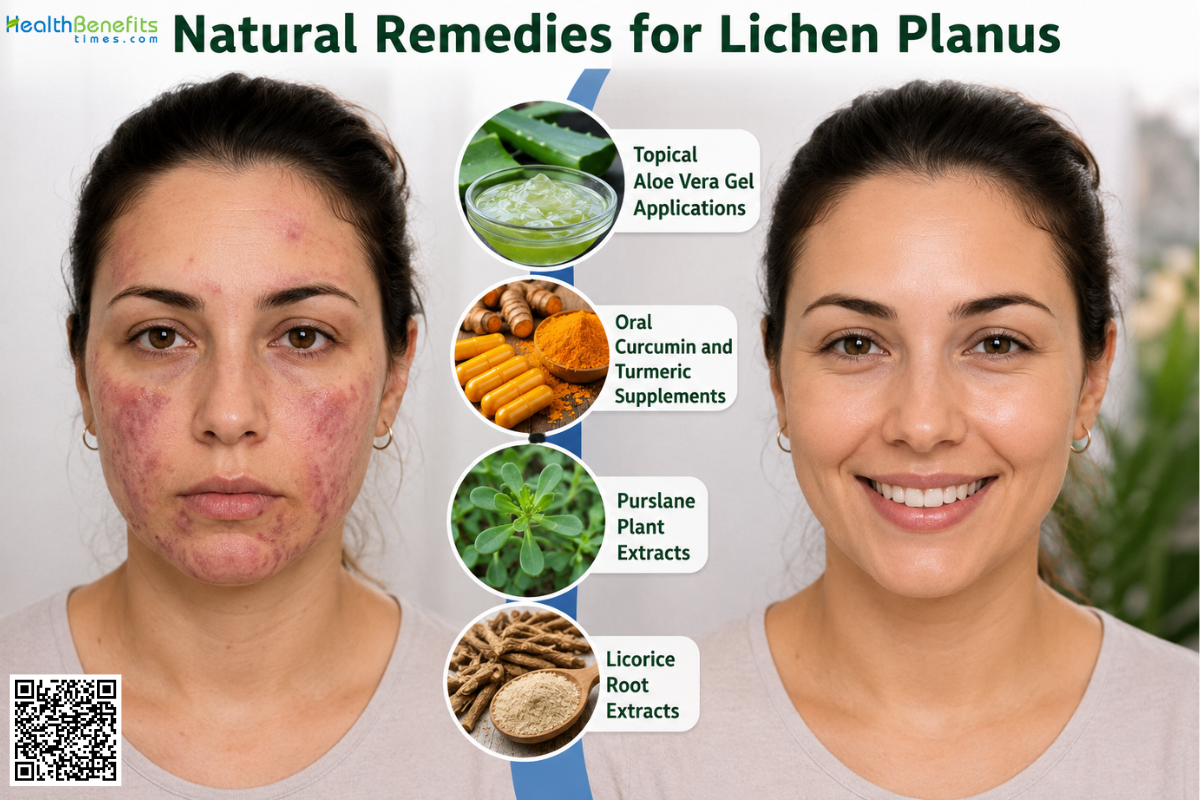
Lichen planus is a chronic inflammatory condition affecting the skin, mucous membranes, hair, and nails. While the exact cause remains unknown, clinical evidence indicates it is a T-cell-mediated immune response where the body’s immune system mistakenly attacks its own basal cells 1. On the skin, the disease typically manifests as itchy, flat-topped, purplish bumps 2. When it affects mucous membranes, such as the inside of the mouth, it often forms distinct lacy white lines—known as Wickham striae—or painful open erosions 3. The condition is not contagious. Although the skin-related form is often self-limiting, the intense itching and mucosal sores can cause significant discomfort. Furthermore, oral variants tend to be chronic with periods of flare-ups and remissions, requiring medical management to control symptoms and monitor for complications 4.
Causes of Lichen Planus
1. Autoimmune System Response
Lichen planus is primarily driven by an abnormal immune system response where specialized white blood cells, called T-cells, mistakenly attack the healthy cells in the deepest layer of the skin and mucous membranes 5.
2. Hepatitis C Viral Infection
Chronic viral infections, specifically hepatitis C, are established triggers for the condition. Clinical research concludes that patients diagnosed with lichen planus are approximately five times more likely to be infected with the hepatitis C virus compared to the general population 6.
3. Prescription Medications
Specific medications can cause a nearly identical reaction known as drug-induced lichen planus. The most frequently documented pharmaceutical triggers include blood pressure medications such as beta-blockers and thiazide diuretics, antimalarial drugs, and common anti-inflammatory pain relievers (NSAIDs).
4. Restorative Dental Materials
When the condition develops exclusively inside the mouth, it is often caused by an allergic reaction to standard dental materials. Metal restorations containing silver amalgam or gold can act as direct contact allergens, triggering localized tissue inflammation and mouth lesions 7.
Symptoms of Lichen Planus
1. Cutaneous (Skin) Symptoms
The classic presentation includes firm, shiny, purplish, and flat-topped bumps that are intensely itchy. These lesions most frequently develop on the inner wrists, lower back, and ankles, and they are typically covered with fine, lace-like white lines known as Wickham striae.
2. Oral (Mouth) Symptoms
Inside the mouth, the condition primarily causes asymptomatic, lacy white patches on the inner cheeks or tongue. However, more severe erosive variants cause painful, raw, and swollen red ulcers that create a burning sensation, especially when eating hot or spicy foods 8.
3. Scalp Symptoms (Lichen Planopilaris)
When the condition affects the scalp, it triggers redness, scaling, and the formation of tiny red bumps around hair clusters. This localized inflammation can permanently destroy the hair follicle, resulting in patchy, irreversible hair loss and scarring 9.
4. Nail Symptoms
Involvement of the nails leads to thinning, grooving, or significant vertical ridging of the nail plate. As the condition progresses, the nail may darken, split, separate from the nail bed, or shed completely, sometimes resulting in permanent nail destruction.
5. Genital Symptoms
On mucosal tissues of the genitals, the disease manifests as bright red, raw, and highly sensitive erosions. These persistent sores often cause a severe burning sensation and pain, potentially leading to permanent tissue scarring over time.
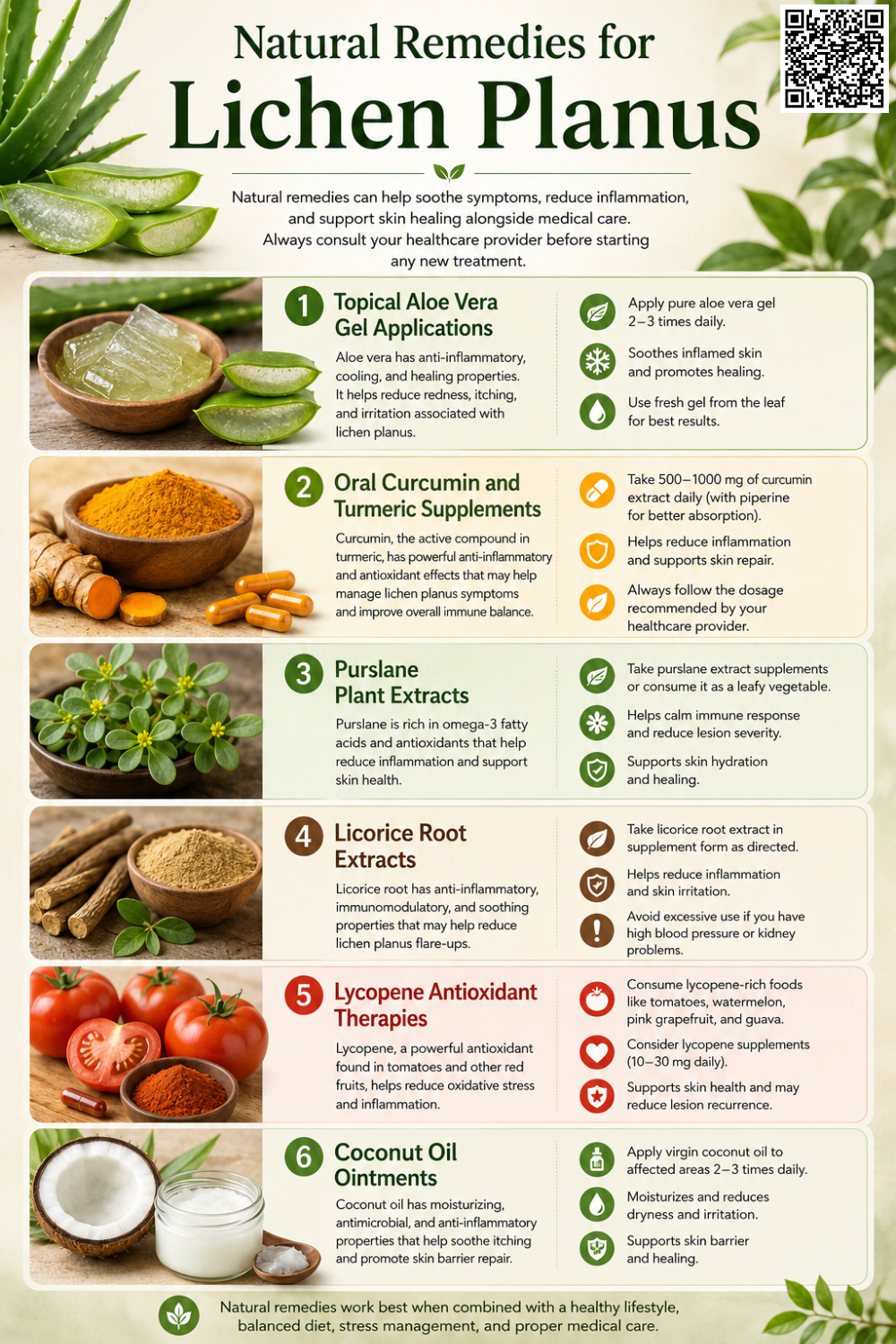 Natural Remedies for Lichen Planus
1. Topical Aloe Vera Gel Applications
How it may help
Aloe vera gel functions as a potent natural anti-inflammatory and soothing agent that directly calms irritated tissues. The plant extract reduces localized swelling, significantly diminishes the intense burning sensation associated with active sores, and promotes the faster healing of erosive mucosal lesions 10.
What research says
Clinical trials confirm that aloe vera gel is statistically more effective than placebo treatments for inducing complete clinical remission of mucosal lesions 11. Furthermore, comparative studies conclude that topical aloe vera is an effective, safe substitute for standard corticosteroid ointments in significantly reducing lesion size and pain 12.
How to use it safely
You should apply a thin layer of pure, medical-grade aloe vera gel directly to the affected areas two to three times daily 13. For intraoral lesions, you can use specialized aloe vera mouthwashes as directed by a healthcare professional. Ensure the product is free of added fragrances.
Potential precautions or side effects
Topical aloe vera is generally well-tolerated with minimal adverse effects 14. However, you should stop use immediately if you experience increased redness, contact dermatitis, or a heightened burning sensation.
2. Oral Curcumin and Turmeric Supplements
How it may help
Curcumin, the primary active compound in turmeric, possesses potent anti-inflammatory and antioxidant properties. It functions by blocking the inflammatory chemicals that drive the immune system’s attack on the body’s own cells 15. Consequently, curcumin helps reduce tissue swelling and alleviates the burning sensations associated with mucosal and skin sores.
What research says
Clinical trials demonstrate that high-dose oral curcumin supplements significantly reduce the pain, redness, and size of oral lichen planus sores compared to placebo treatments 16. Furthermore, systematic reviews conclude that curcumin exhibits promising effectiveness that is comparable to standard corticosteroid medications for early pain reduction and symptom management 17.
How to use it safely
You should consume oral curcumin supplements in standardized formulations, such as highly absorbable nano-curcumin capsules, under the guidance of a healthcare provider 18. Take the supplement with meals to maximize bodily absorption and consistently divide the doses throughout the day to maintain its anti-inflammatory effects.
Potential precautions or side effects
While generally safe, high oral doses may cause mild stomach upset 19. You should consult a doctor before use if you take blood thinners or have gallbladder conditions.
3. Purslane Plant Extracts
How it may help
Purslane is an edible plant naturally rich in antioxidants and anti-inflammatory nutrients. It helps manage lichen planus by limiting cellular damage, reducing localized tissue swelling, and soothing irritated mucous membranes. This protective action directly decreases nerve sensitivity and accelerates the healing of painful mouth sores 20.
What research says
Clinical trials confirm that applying purslane gel significantly reduces pain, burning sensations, and overall lesion size in oral lichen planus over a three-month period 21. Furthermore, research concludes its healing effectiveness is comparable to standard corticosteroid treatments, making it a safe alternative for long-term symptom management.
How to use it safely
You should apply a formulated, medical-grade purslane gel directly to the affected tissues as directed by your healthcare provider. For optimal absorption, gently rub the gel onto the sores and strictly avoid eating or drinking for at least 15 minutes after each application 22.
Potential precautions or side effects
Purslane preparations are highly safe and generally well-tolerated, with no severe adverse effects reported during clinical trials 23. However, you should discontinue use and consult a doctor if any mild localized irritation occurs.
4. Licorice Root Extracts
How it may help
Licorice root contains active compounds, primarily glycyrrhizin, which function as powerful natural anti-inflammatory agents. These compounds help regulate the localized immune response, significantly reducing the redness, swelling, and severe pain associated with active mucosal sores while protecting the surrounding tissues from further cellular damage 24.
What research says
Clinical trials conclude that treating oral lichen planus with licorice root extract significantly decreases ulcer size and accelerates healing times compared to standard baseline treatments 25. Furthermore, systematic reviews verify that glycyrrhizin mouthwashes safely provide substantial pain relief and reduce chronic tissue inflammation with an effectiveness matching low-dose corticosteroid therapies 26.
How to use it safely
You should use licorice root primarily as a formulated liquid mouthwash specifically designed for oral care. Swish the aqueous extract gently over the affected areas for several minutes before spitting it out, repeating this process three to four times daily as directed by your healthcare provider 27.
Potential precautions or side effects
Swallowing standard licorice extract can cause dangerous blood pressure spikes and severe potassium depletion 28. You must strictly spit mouthwashes out and consult a doctor if you have hypertension.
5. Lycopene Antioxidant Therapies
How it may help
Lycopene is a potent natural antioxidant that directly combats oxidative stress, a known trigger for lichen planus flare-ups. By neutralizing harmful free radicals, it protects healthy tissues from immune-mediated cellular damage. This protective action helps reduce chronic inflammation, significantly alleviating the severe pain and burning sensations associated with mucosal sores 29.
What research says
Systematic reviews and clinical trials conclude that oral lycopene effectively reduces the clinical signs, pain, and burning sensations of oral lichen planus 30. Furthermore, research demonstrates that lycopene provides comparable efficacy to standard systemic corticosteroid therapies in promoting lesion resolution, making it a highly promising non-steroidal alternative 31.
How to use it safely
You should take lycopene as a standardized oral supplement under the direct supervision of your healthcare provider. For optimal bodily absorption, take the capsules with a meal that contains dietary fats, and maintain a consistent daily dosing schedule to effectively build up systemic antioxidant levels.
Potential precautions or side effects
Lycopene is generally safe and well-tolerated. However, taking excessively high doses may occasionally cause mild gastrointestinal upset or a temporary, harmless orange discoloration of the skin known as lycopenodermia.
6. Coconut Oil Ointments
How it may help
Coconut oil is naturally rich in lauric and palmitic acids, providing strong anti-inflammatory and antioxidant properties. It acts as a soothing emollient that coats irritated tissues, reduces localized swelling, and effectively diminishes the intense burning sensations associated with active mucosal and skin sores 32.
What research says
Clinical trials evaluating topical coconut oil formulations demonstrate a significant reduction in pain, burning sensations, and overall lesion size for oral lichen planus. Furthermore, research concludes its healing effectiveness is comparable to standard treatments like tacrolimus and triamcinolone acetonide, establishing it as a highly effective non-steroidal alternative.
How to use it safely
You should apply 100% pure, unrefined virgin coconut oil directly to the affected lesions several times daily. For oral sores, you may gently swish a tablespoon of the oil around your mouth for 10 to 15 minutes daily before spitting it out 33.
Potential precautions or side effects
Topical coconut oil is remarkably safe with almost no reported adverse clinical effects. However, you must avoid using it if you have a known allergy to coconuts.
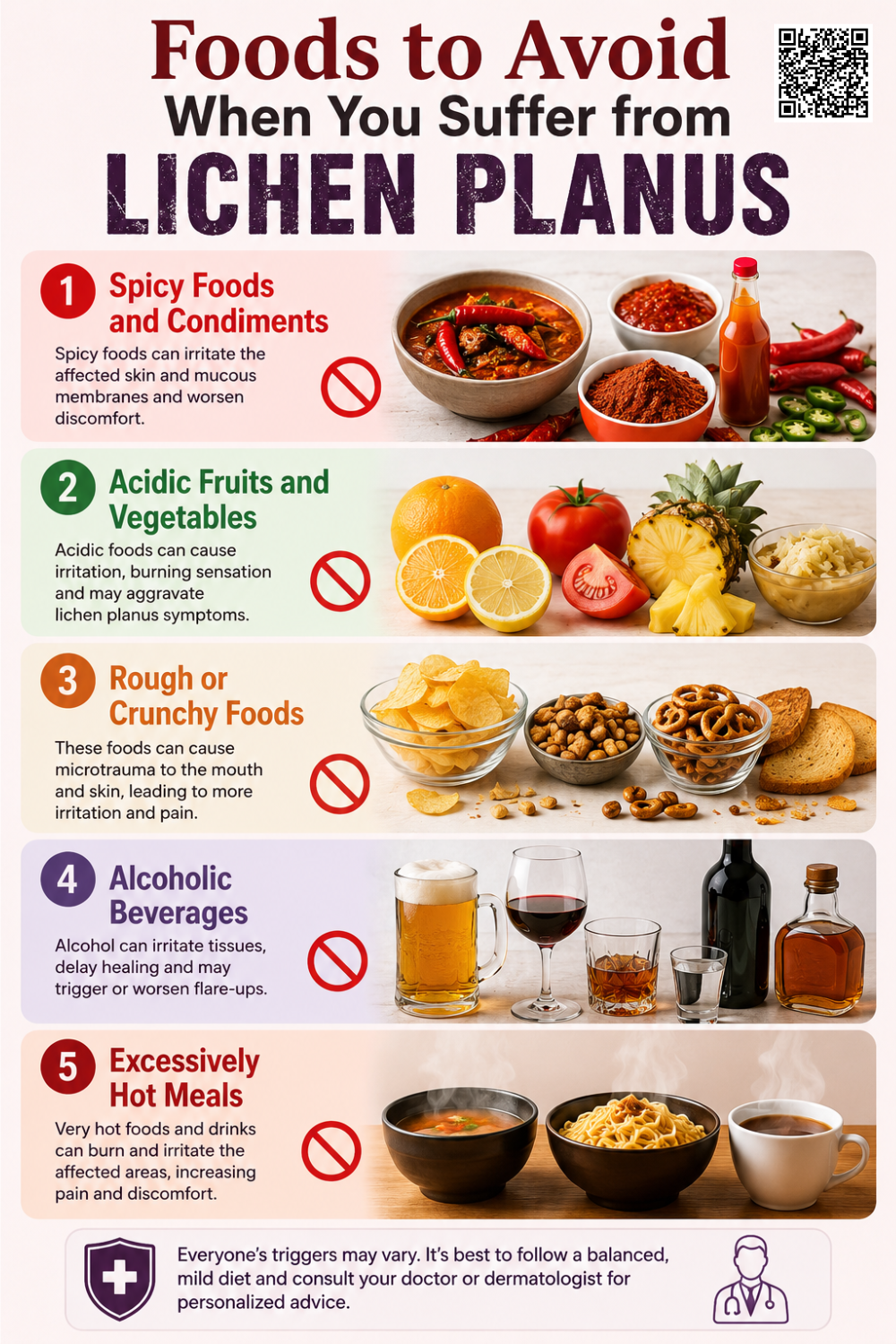 Foods to Avoid When You Suffer From Lichen Planus
1. Spicy Foods and Condiments
Capsaicin in peppers heavily irritates compromised mucous membranes, immediately triggering severe burning and pain in active oral lesions.
2. Acidic Fruits and Vegetables
Citrus fruits and tomatoes create a low-pH environment that chemically burns open oral erosions, significantly delaying the tissue healing process.
3. Rough or Crunchy Foods
Sharp items like chips cause direct mechanical trauma to fragile oral tissues, potentially worsening existing sores and triggering new lesions 34.
4. Alcoholic Beverages
Alcohol acts as a potent drying agent that dehydrates mucosal tissues, worsening pain and increasing chronic irritation in erosive sores.
5. Excessively Hot Meals
Consuming food or beverages at high temperatures causes thermal trauma to inflamed tissues, instantly provoking severe pain and exacerbating localized swelling.
When To See a Doctor When You Suffer From Lichen Planus
1. Unexplained Skin or Mouth Lesions
You must seek a clinical evaluation if you develop new purplish bumps on your skin or painful white patches inside your mouth to ensure an accurate diagnosis.
2. Severe Pain and Discomfort
Consult a physician if intense itching, severe burning, or oral pain prevents you from sleeping normally or eating comfortably, requiring prescription-strength medical interventions 1.
3. Genital or Eye Involvement
You must see a specialist immediately if sores develop on your genitals or near your eyes, because untreated inflammation in these delicate areas can cause permanent tissue scarring 1.
4. Visible Changes in Mouth Sores
Routine medical monitoring is essential if existing oral lesions suddenly change in size, shape, or texture, as chronic oral variants carry a slight risk of developing into oral cancer.
5. Worsening of Symptoms
You should schedule a medical consultation if your symptoms continually spread or worsen despite practicing proper hygiene and utilizing conservative, evidence-based symptom management strategies.