

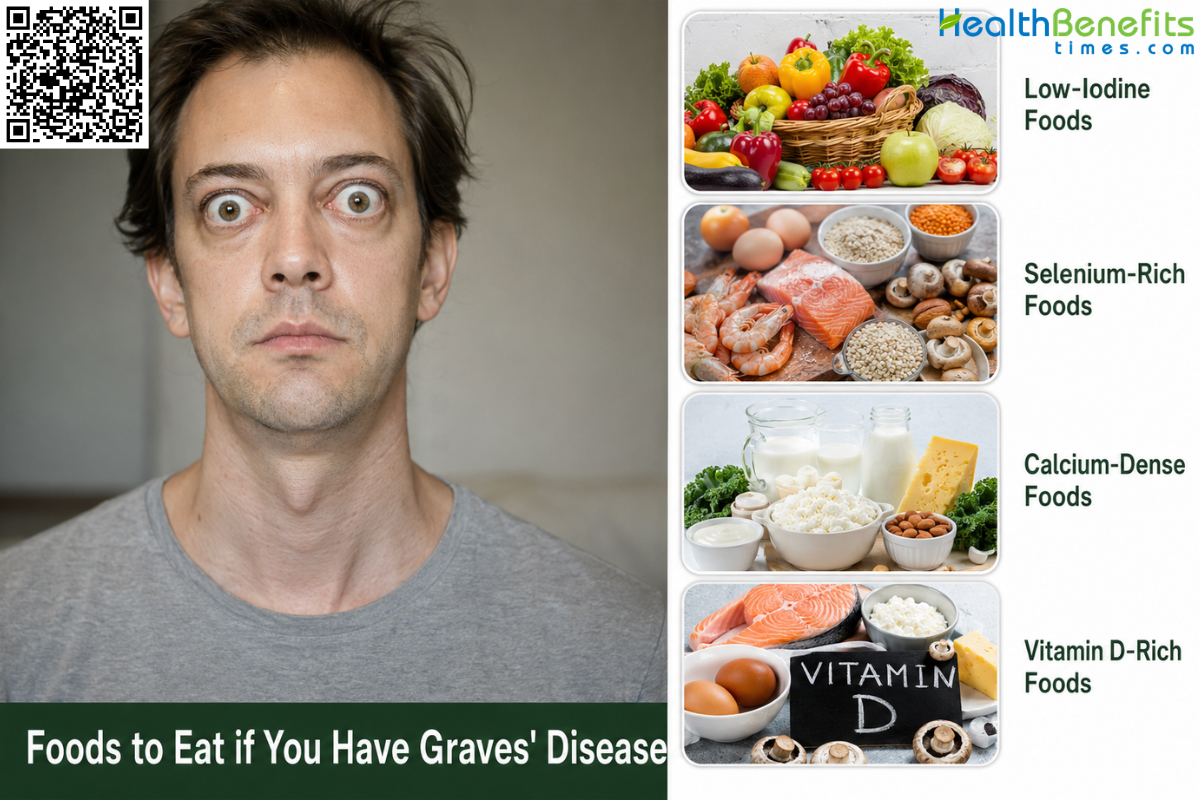
Graves’ disease is an autoimmune disorder and the leading cause of hyperthyroidism, a condition in which the thyroid gland overproduces hormones. Instead of fighting infections, the immune system mistakenly creates autoantibodies that bind to receptors on the thyroid. This abnormal binding forces the gland to secrete excessive thyroid hormone, overriding the body’s natural regulatory signals 1. This resulting hormone surge accelerates the body’s metabolism and affects multiple major organ systems. 2. Consequently, patients often experience an accelerated heart rate, unexplained weight loss, severe muscle weakness, and heightened anxiety. Beyond the thyroid, this systemic autoimmune response frequently causes inflammation in the tissues and extraocular muscles surrounding the eyes, leading to a complication known as thyroid eye disease 3. Although the exact cause remains unknown, medical evidence indicates that the disease develops from a combination of genetic susceptibility and environmental triggers 1.
Causes of Graves’ Disease
1. Genetic Susceptibility
Graves’ disease has a strong hereditary component, meaning the risk is significantly higher for individuals with a family history of autoimmune disorders. Specific genetic variations that regulate the immune system, particularly within the HLA-DR and CTLA-4 gene families, create an underlying vulnerability to the disease 4.
2. Immune System Dysfunction
The direct mechanism causing the condition is a localized failure of the immune system. The body mistakenly produces thyrotropin receptor antibodies (TRAbs) that continuously bind to the thyroid gland, tricking it into overproducing thyroid hormones and bypassing normal biological controls 2.
3. Gender and Hormonal Shifts
The condition occurs five to ten times more frequently in females than in males, pointing to the influence of hormones such as estrogen 5. Furthermore, the postpartum period is a widely recognized trigger, as the sudden shift from pregnancy-related immune suppression to normal immune function can provoke the onset of the disease 6.
4. Viral and Bacterial Infections
Encounters with certain pathogens can initiate the disease through a process known as molecular mimicry, where the immune system confuses thyroid cells with foreign invaders. Research has specifically linked infections like the Hepatitis C virus and the virus responsible for COVID-19 to the activation of Graves’ disease 5.
5. Severe Emotional or Physical Stress
Major psychological trauma, sudden life changes, or severe physical stress can disrupt normal immune regulation. In individuals who already carry a genetic predisposition, this stress-induced immune dysfunction can act as the primary catalyst for the disease 4.
6. Cigarette Smoking
Smoking is a major, modifiable environmental trigger for thyroid autoimmunity. Toxins in cigarette smoke alter the immune response and not only increase the likelihood of developing Graves’ disease but also drastically elevate the risk of severe eye complications associated with the condition 6.
7. Nutrient Imbalances
Excessive intake of iodine a crucial building block for thyroid hormones can overload the thyroid and trigger an autoimmune response. Conversely, clinical deficiencies in protective vitamins and minerals, specifically selenium and vitamin D, weaken immune regulation and are associated with a higher rate of disease onset 5.
Symptoms of Graves’ Disease
Metabolic Acceleration: The excess thyroid hormone severely speeds up the body’s metabolism. This commonly causes unexplained weight loss even when a person is eating more than usual, along with severe heat intolerance and excessive sweating 7.
1. Cardiovascular Stress
The heart is forced to work harder, leading to a rapid, pounding heartbeat at rest (tachycardia) and abnormal heart rhythms (arrhythmias). If left untreated, this constant strain can lead to serious cardiovascular complications 2.
2. Nervous System Overstimulation
An overloaded nervous system triggers severe psychiatric and neurological symptoms. Patients frequently experience intense anxiety, irritability, severe sleep disturbances, and a noticeable, fine tremor that typically affects the hands and fingers 7.
3. Physical Enlargement of the Thyroid (Goiter)
The continuous attack by the immune system forces the thyroid gland to expand. This swelling creates a visibly enlarged, usually painless lump at the base of the neck known as a goiter 2.
4. Thyroid Eye Disease (Graves’ Ophthalmopathy)
In up to half of all cases, the autoimmune response inflames the muscles and tissues behind the eyes. This causes the eyes to bulge forward (exophthalmos) and results in a gritty sensation, pain, light sensitivity, and potentially double vision or vision loss 8.
5. Digestive and Muscular Dysfunction
High thyroid hormone levels speed up the digestive tract, resulting in frequent bowel movements. Additionally, the condition causes rapid muscle breakdown, leading to profound physical fatigue and pronounced weakness, particularly in the thighs and upper arms 7.
6. Skin Thickening (Graves’ Dermopathy)
Although rare, some individuals develop a specific skin condition where the skin becomes thick, red, and bumpy. This abnormal tissue buildup most frequently appears on the shins and the tops of the feet 2.
7. Reproductive System Disruptions
Hormonal imbalances heavily affect reproductive health. Women may experience irregular, infrequent, or entirely stopped menstrual periods, while men frequently report a loss of sexual desire and erectile dysfunction 7.
Foods to Eat if You Have Graves’ Disease
1. Low-Iodine Foods
How it may help
Iodine is the essential raw material the thyroid gland uses to manufacture thyroid hormones. By consuming a low-iodine diet, patients restrict the building blocks available to the thyroid. This directly limits the gland’s ability to overproduce hormones, helping to alleviate the severe metabolic symptoms of hyperthyroidism 7.
What research says
Clinical guidelines establish that excess iodine fuels thyroid overactivity and worsens Graves’ disease. Research confirms that restricting dietary iodine effectively reduces circulating thyroid hormone levels. Furthermore, a low-iodine diet is clinically required to optimize the absorption and effectiveness of radioactive iodine therapies 9.
How to use it safely
To follow this diet, season your meals exclusively with non-iodized salt. Focus on eating fresh fruits, raw vegetables, egg whites, and unprocessed meats. You must strictly avoid iodine-rich sources, including all seafood, seaweed, dairy products, egg yolks, and commercially baked goods 10.
Potential precautions or side effects
A strict low-iodine diet should only be followed temporarily under medical supervision. Prolonged iodine deprivation can lead to severe nutritional deficiencies and cause dangerous complications in metabolic health 11.
2. Selenium-Rich Foods
How it may help
Selenium acts as a powerful antioxidant that protects the thyroid gland from cellular damage. It helps regulate the immune system and significantly reduces the tissue inflammation that causes the bulging, painful eyes frequently experienced by patients with Graves’ disease.
What research says
Clinical trials confirm that an intake of 200 micrograms of selenium daily for six months significantly improves overall eye health, reduces tissue inflammation, and slows the progression of mild Graves’ ophthalmopathy compared to a placebo 12.
How to use it safely
You can naturally increase your intake by eating just one or two Brazil nuts daily, which supply a potent dose. Other safe sources include tuna, sardines, and lean meats. If taking a supplement, consult your doctor first to establish the correct dosage 13.
Potential precautions or side effects
Consuming more than 400 micrograms of selenium daily can cause toxicity, leading to hair loss, brittle nails, severe nausea, and potentially permanent nerve damage 13.
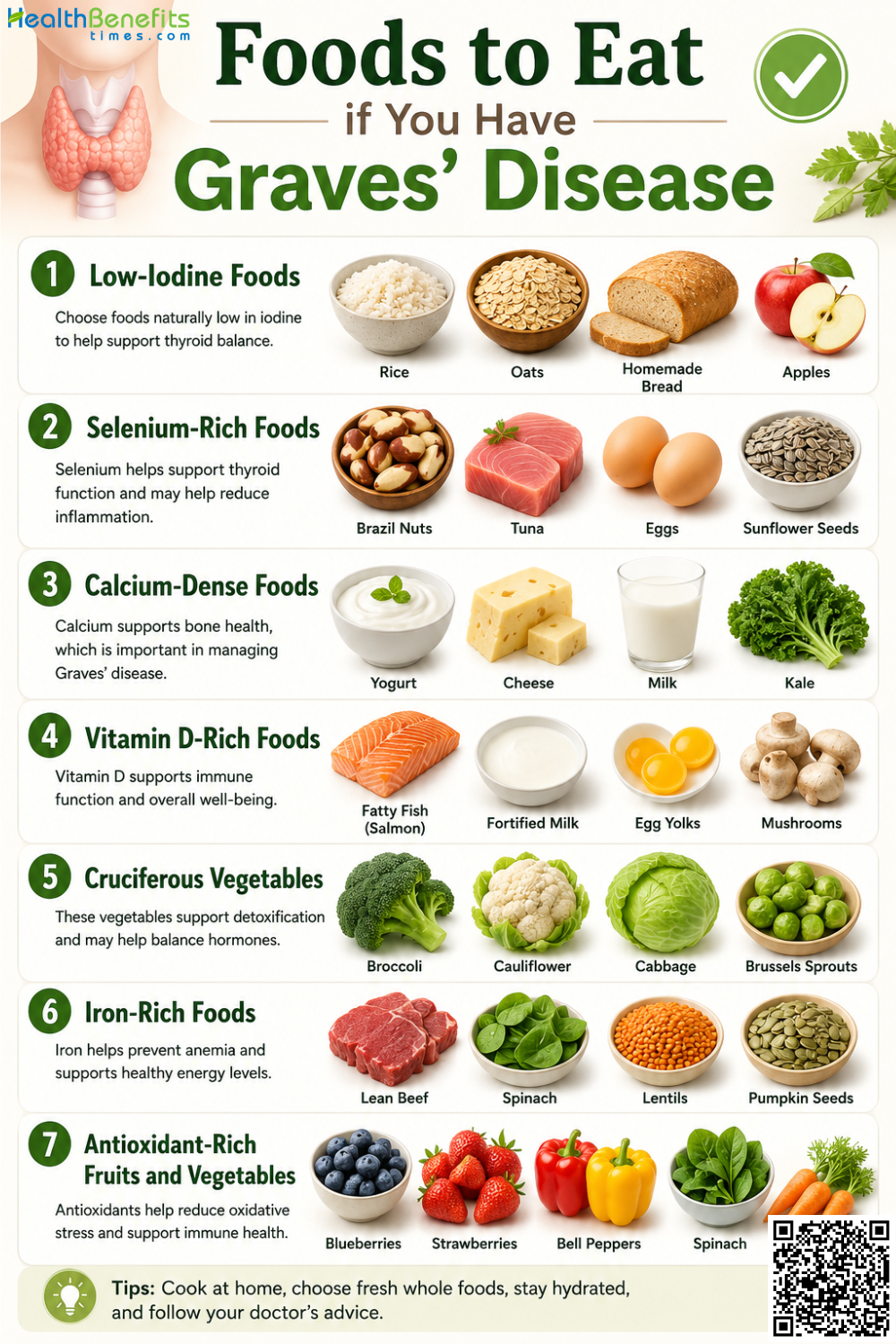
3. Calcium-Dense Foods
How it may help
Excessive thyroid hormone levels accelerate bone breakdown, causing the body to lose calcium at an abnormal rate. Consuming calcium-dense foods helps replenish these depleted stores, actively protecting bone density and preventing the severe bone loss and fractures frequently associated with hyperthyroidism 14.
What research says
Clinical studies confirm that untreated hyperthyroidism significantly reduces bone mineral density, drastically increasing the risk of osteoporosis and skeletal fractures. Research concludes that maintaining optimal calcium intake is vital to counteract this rapid bone deterioration and preserve structural strength in patients with Graves’ disease 15.
How to use it safely
If you are strictly following a low-iodine diet, you must avoid dairy products. Instead, obtain calcium from safe, low-iodine plant sources such as almonds, broccoli, kale, and fortified plant milks. Always ensure adequate vitamin D intake alongside calcium to maximize proper mineral absorption 16.
Potential precautions or side effects
Consuming excessive amounts of calcium can lead to painful kidney stones and constipation. Furthermore, calcium supplements can severely interfere with the absorption of prescription thyroid medications 16.
4. Vitamin D-Rich Foods
How it may help
Vitamin D is essential for maintaining a balanced immune system and absorbing calcium. In Graves’ disease, it helps regulate the hyperactive immune response that mistakenly attacks the thyroid gland. Additionally, because excess thyroid hormones rapidly deplete bone mass, adequate vitamin D is crucial to absorb the calcium needed to protect bone strength 17.
What research says
Clinical studies consistently reveal a strong connection between low vitamin D levels and the severity of Graves’ disease. Research concludes that correcting this deficiency helps decrease thyroid autoantibody production, improves overall thyroid function, and mitigates the accelerated bone loss associated with hyperthyroidism 18.
How to use it safely
To boost your levels naturally while avoiding high-iodine foods like fatty fish or dairy, consume fortified plant-based milks, fortified cereals, and UV-exposed mushrooms. Moderate daily sunlight exposure also triggers safe production. If taking a supplement, consult your doctor to determine the appropriate dose based on a blood test 17.
Potential precautions or side effects
Consuming extremely high doses of vitamin D supplements can cause a toxic accumulation of calcium in the blood, leading to severe nausea, muscle weakness, and dangerous kidney stones 17.
5. Cruciferous Vegetables
How it may help
Cruciferous vegetables, such as broccoli, cauliflower, and kale, contain naturally occurring compounds known as goitrogens. These substances reduce the thyroid gland’s ability to absorb iodine. By limiting iodine uptake, these foods naturally help slow down an overactive thyroid and lower the excessive hormone production associated with Graves’ disease.
What research says
Clinical reviews confirm that the active compounds in cruciferous vegetables, specifically glucosinolates, break down into thiocyanates that competitively inhibit iodine transport into thyroid cells. While this antithyroid effect can cause dangerous iodine deficiency in healthy populations, it actively counteracts the overproduction of thyroid hormones in patients with hyperthyroidism 19.
How to use it safely
To maximize their natural thyroid-slowing benefits, eat these vegetables raw or only lightly steamed. Fully cooking or boiling them destroys the specific enzymes required to activate their goitrogenic properties. You can safely incorporate raw kale, cabbage, or Brussels sprouts into your daily salads or smoothies 20.
Potential precautions or side effects
Consuming extraordinarily large quantities of raw cruciferous vegetables may lead to severe gastrointestinal discomfort, including painful bloating and gas, due to their high content of complex fibers 19.
6. Iron-Rich Foods
How it may help
Graves’ disease frequently causes anemia due to altered iron metabolism, chronic inflammation, or concurrent autoimmune conditions that impair nutrient absorption. Consuming iron-rich foods helps restore depleted stores, counteract severe fatigue, and support healthy red blood cell production, directly combating the physical exhaustion and anemia common in hyperthyroid patients.
What research says
Clinical studies reveal that up to a third of newly diagnosed Graves’ disease patients present with anemia. Research indicates this stems from both chronic inflammation and specific iron absorption deficits. Restoring iron balance, alongside treating the underlying thyroid overactivity, is clinically proven to normalize hemoglobin levels and resolve hematological complications 21.
How to use it safely
Incorporate lean meats, poultry, beans, and lentils into your meals. To maximize absorption from plant-based iron sources, pair them with vitamin C-rich foods like citrus fruits or bell peppers. You should only take iron supplements if a doctor confirms a clinical deficiency via blood tests 22.
Potential precautions or side effects
Unnecessary iron supplementation can cause severe constipation, nausea, and abdominal pain. Chronic iron overload is dangerous and can lead to permanent, life-threatening damage to the liver and heart 22.
7. Antioxidant-Rich Fruits and Vegetables
How it may help
The accelerated metabolism caused by Graves’ disease generates excessive free radicals, leading to severe cellular damage known as oxidative stress. Consuming antioxidant-rich fruits and vegetables neutralizes these harmful molecules. This process actively protects thyroid tissue from further autoimmune destruction and reduces system-wide inflammation throughout the body 23.
What research says
Clinical research demonstrates that patients with hyperthyroidism suffer from significantly depleted antioxidant reserves and high levels of oxidative tissue damage. Studies conclude that a diet high in natural antioxidants restores this balance, decreases inflammatory markers, and improves the overall clinical management of autoimmune thyroid disorders 23.
How to use it safely
Focus on incorporating a diverse variety of fresh, colorful produce into your daily meals, such as berries, spinach, bell peppers, and tomatoes. You should obtain these protective compounds primarily through whole foods rather than synthetic supplements to ensure safe nutrient absorption and prevent dangerous overconsumption 24.
Potential precautions or side effects
Taking highly concentrated antioxidant supplements can dangerously interact with prescription medications and paradoxically increase cellular damage. You must rely on whole foods rather than unregulated pill formulations 24.
Foods to avoid if You Have Graves’ Disease
1. High-Iodine Foods
What research says
Clinical guidelines confirm that excessive iodine intake directly exacerbates hyperthyroidism. Studies conclude that a sudden increase in dietary iodine can trigger a dangerous surge in thyroid hormone production, making strict iodine limitation a necessary clinical intervention for managing overactive autoimmune thyroid conditions 9.
Potential precautions or side effects
Prolonged, extreme iodine restriction without medical supervision can eventually cause profound nutritional deficiencies, potentially disrupting other vital cellular functions and overall metabolic health 11.
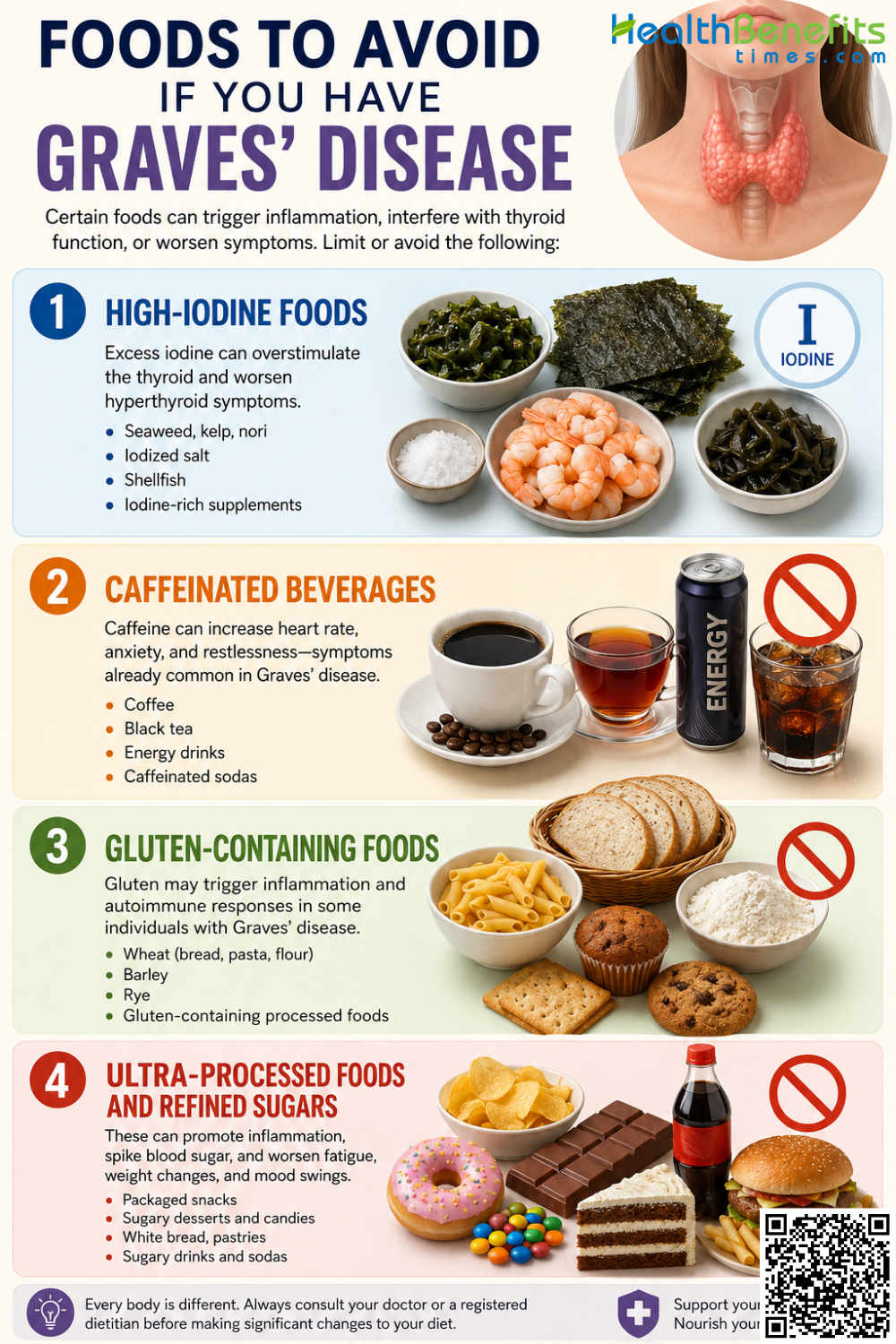
2. Caffeinated Beverages
What research says
Clinical studies conclude that dietary stimulants significantly amplify the cardiovascular and neurological symptoms of hyperthyroidism. Research shows that caffeine directly stimulates the central nervous system, severely worsening the rapid heart rate, intense anxiety, and physical tremors already caused by excess thyroid hormone levels 25.
Potential precautions or side effects
Suddenly stopping caffeine consumption causes severe withdrawal symptoms, including intense headaches, profound fatigue, and irritability, which may temporarily mimic or complicate the existing symptoms of thyroid dysfunction 26.
3. Gluten-Containing Foods
What research says
Clinical research indicates a strong association between autoimmune thyroid conditions, such as Graves’ disease, and gluten-related disorders. In susceptible individuals, consuming gluten can trigger systemic inflammation and immune dysregulation. Studies suggest that adhering to a gluten-free diet may help reduce thyroid autoantibody levels and mitigate underlying autoimmune reactivity 27.
Potential precautions or side effects
Eliminating gluten without a confirmed sensitivity or medical guidance can lead to nutritional deficiencies. A strict gluten-free diet may inadvertently lack essential nutrients such as dietary fiber, iron, and calcium 28.
4. Ultra-Processed Foods and Refined Sugars
What research says
Clinical research demonstrates that ultra-processed diets and refined sugars significantly increase systemic inflammation and oxidative stress. Studies conclude that these pro-inflammatory foods disrupt immune regulation and worsen the metabolic imbalances caused by Graves’ disease, actively hindering overall recovery and symptom management 25.
Potential precautions or side effects
Eliminating high-calorie processed foods without adequately increasing whole-food intake can cause severe, unintended weight loss. This rapid weight reduction is already a major clinical complication of hyperthyroidism 14.
When to See a Doctor
1. Rapid or Irregular Heartbeat
Seek prompt care for a racing heart or palpitations, as untreated cardiovascular strain can lead to dangerous arrhythmias or heart failure 7.
2. Sudden Vision Changes
Contact a physician immediately if you develop eye pain, bulging, severe light sensitivity, or double vision, which indicate progressive thyroid eye disease 8.
3. Severe Fever and Delirium
Go to an emergency room immediately for a sudden high fever, agitation, and confusion, as these signal a life-threatening crisis called a thyroid storm 29.
4. Extreme Unexplained Weight Loss
Consult a doctor if significant weight loss occurs despite a normal or increased appetite, indicating severely uncontrolled metabolic acceleration 14.
5. Profound Muscle Weakness
Seek medical attention if you experience extreme physical fatigue or sudden difficulty climbing stairs, which suggests severe muscle breakdown from toxic hormone levels 7.