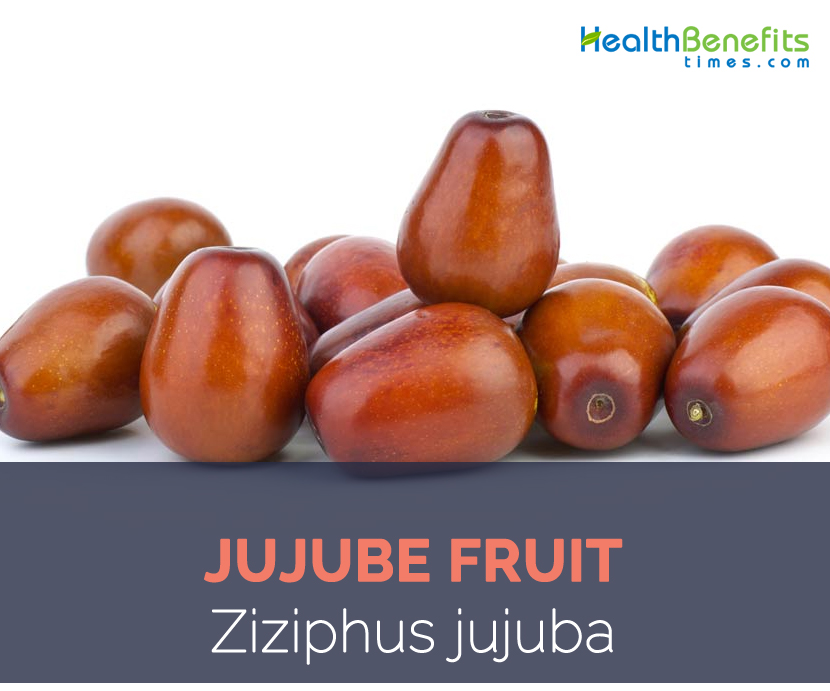
Jujube botanically known as Ziziphus jujube, also known as Chinese red date, Da Zao, and Chinese date is a popular “drupe” fruit of Chinese origin. It grows in natural wild and cultivated orchards in Korea, Japan, and many Middle Eastern regions. Actually jujube tree has been cultivated since 4,000 years ago. In ancient times, it was categorized as “The Five Fruits” together with peach, plum, prunus mume, and apricot. Because of its crispy texture, edible skin, and a sweet-tart, apple-like flavor, Jujube is grown throughout the world. Dry jujube has similar taste and nutrition profile as that of dates; packed with energy, minerals and essential vitamins.
Growing Climate
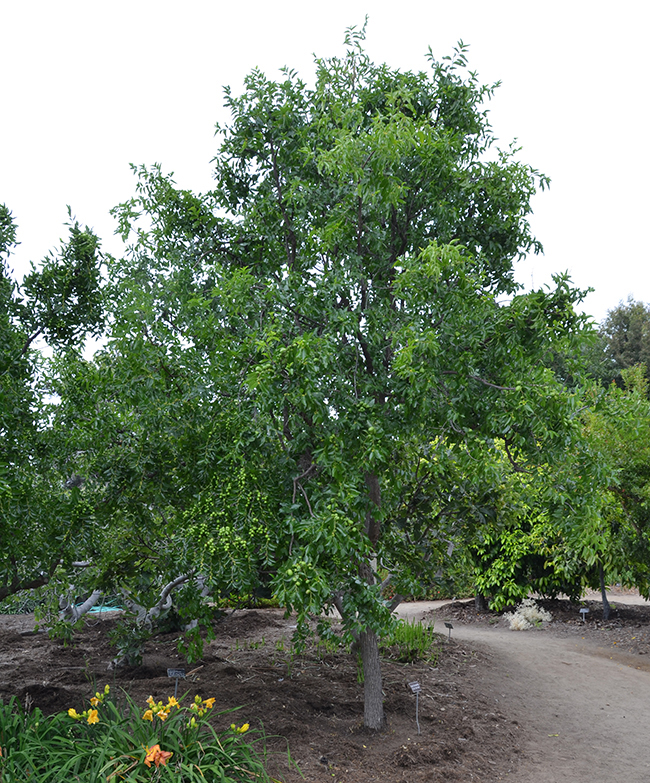
Jujube is a small, deciduous, erect tree growing up to 5–10 m high, spinose or unarmed with brown to gray-brown bark and spreading often drooping branches. It is normally found growing in warm, sunny location and can tolerate many types of soils, but prefers sandy, well-drained soils and does less well in heavy, poorly drained soil. They can grow in soils with high salinity or high alkalinity. It does not perform well in heavy, poorly drained soils.
Leaves
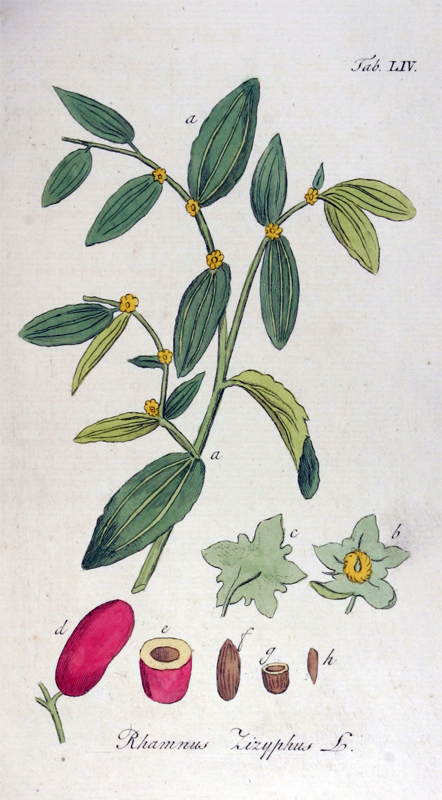
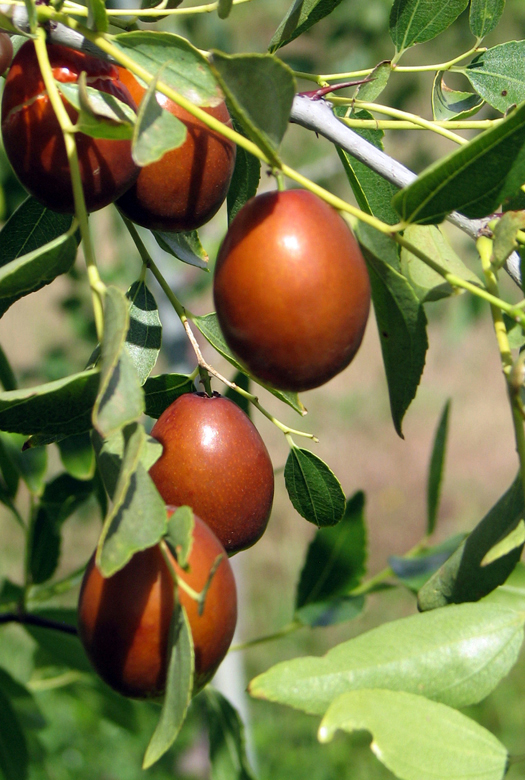
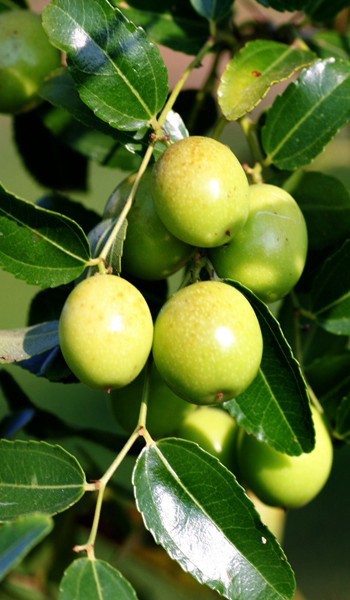
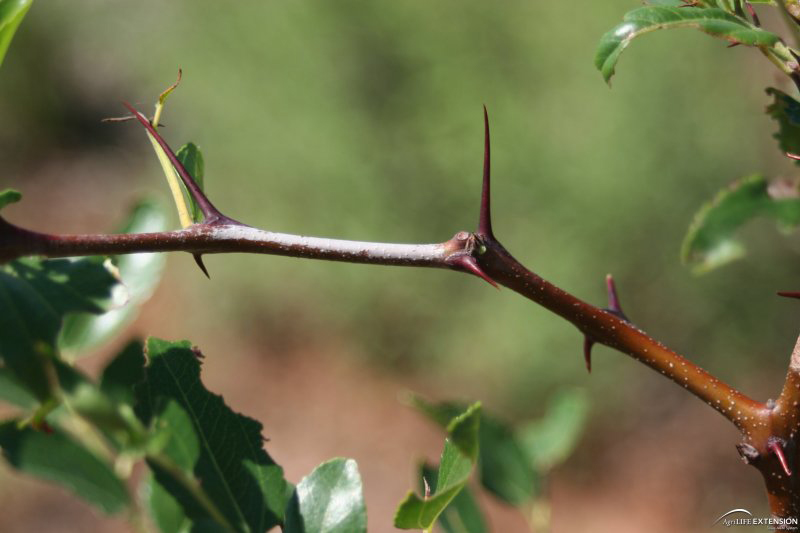
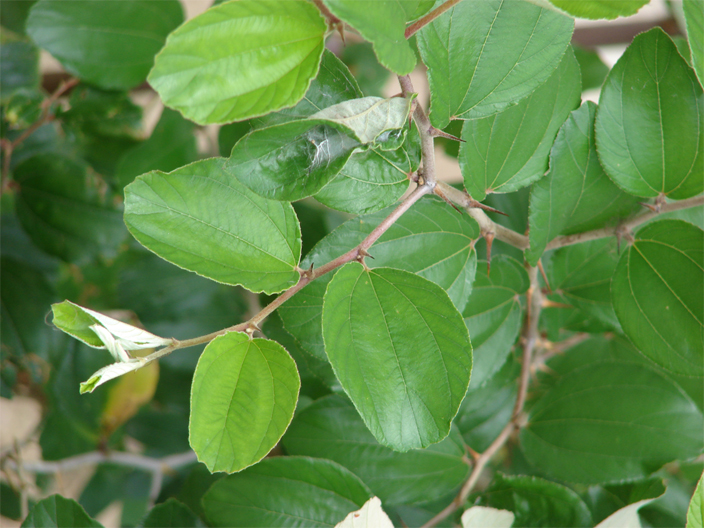
Leaves are small, ovate or oval and are 1-2 inches long and a shiny bright green. During autumn, the leaves turn bright yellow before falling. There are commonly two spines at the base of each leaf. Some spines may be hooked while others are long daggers. Nearly thorn less cultivars is known. As the growing season begins, each node of a woody branch produces one to ten branchlets. Most of these are deciduous, falling from the plant in autumn.
Flowers
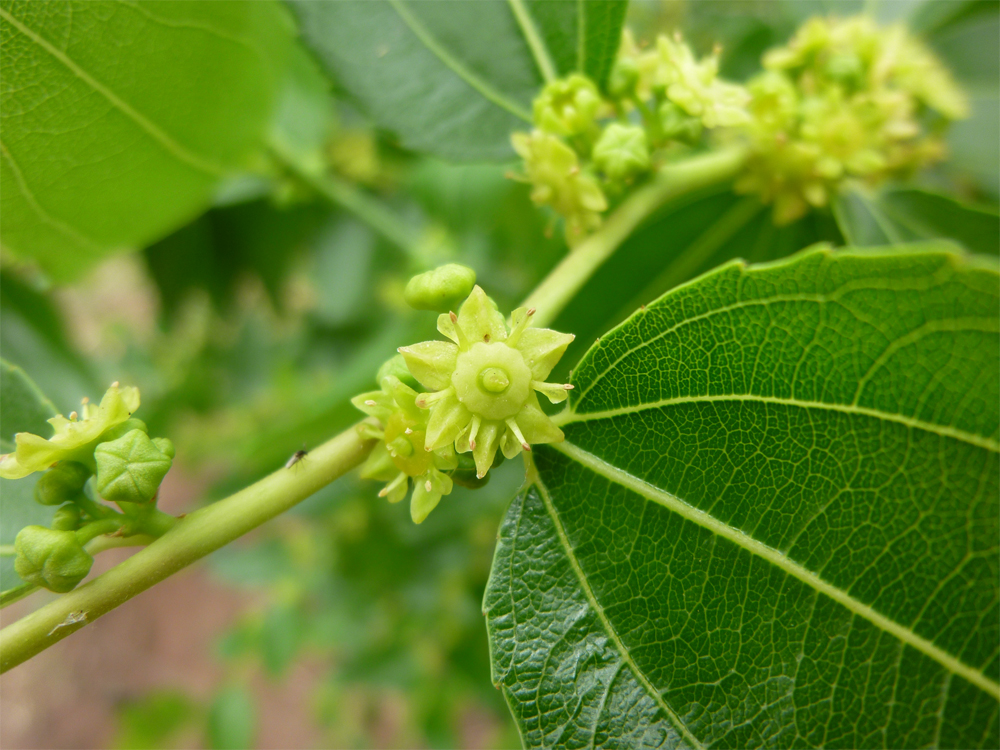
Flowers are inconspicuous, 1/5 inch diameter; white to greenish-yellow colored somewhat fragrant and produced in large numbers in the leaf axils. The flowering period extends over several months from late spring into summer. Though, individual flowers are receptive to pollen for only one day or less. Pollination is done by ants or other insects and possibly by the wind. Most jujube cultivars produce fruit without cross-pollination. The jujube is well protected from late spring frosts by delayed budding till all chance of cold weather has passed.
Fruit
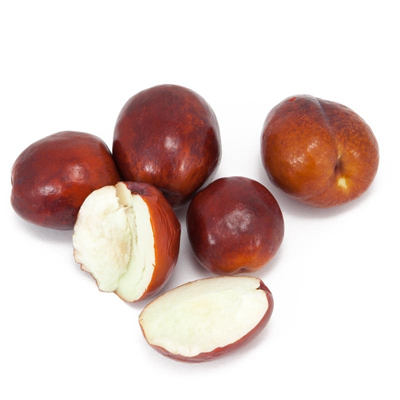
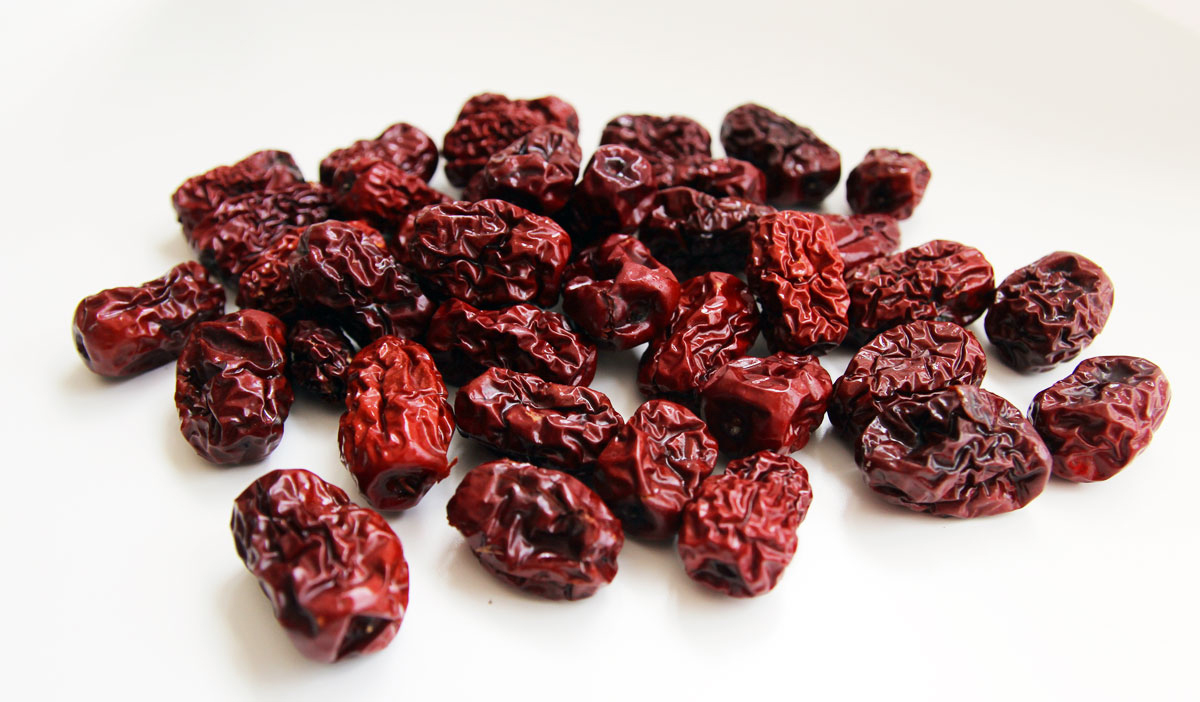
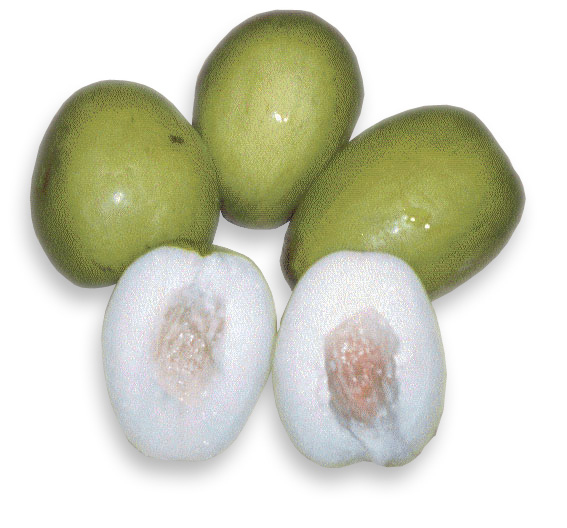
Fruit is a drupe, varying from round to elongate and from cherry-size to plum-size depending on cultivar. It has a thin, edible skin surrounding creamy white fleshy, thick flesh of sweet, amenable flavor. In the middle of the fruit, single hard stone can be found which contains two seeds. The immature fruit is green in color, but as it ripens it goes through a yellow-green stage with mahogany-colored spots appearing on the skin as the fruit ripens further. The fully mature fruit is entirely red. Shortly after becoming fully red, the fruit begins to soften and wrinkle. The fruit can be eaten after it becomes wrinkled, but most people prefer them during the interval between the yellow-green stage and the full red stage. At this stage the flesh is crunchy and sweet, reminiscent of an apple. Under dry conditions jujubes lose moisture, shrink and become spongy inside. Research in Russia indicates very high vitamin C content. The fruit has been used medicinally for millennia by many cultures. One of its most popular uses is as a tea for sore throat.
History
Jujube is considered to have originated in China where they have been cultivated for more than 4,000 years. It was distributed beyond China centuries ago and today it is grown to some extent in Russia, northern Africa, southern Europe, the Middle East, Caribbean and the southwestern United States. It is widely cultivated and naturalized in Eurasia.
Nutritional Value
Apart from their apple-like sweet and tart taste, jujube is a good source of nutrients, vitamins and minerals. Consuming 100 gram of jujube offers 69 mg of Vitamin C, 20.23 g of Carbohydrate, 0.073 mg of Copper, 0.081 mg of Vitamin B6, 0.48 mg of Iron, 0.9 mg of Vitamin B3, 250 mg of Potassium and 0.084 mg of Manganese.
Jujube fruit benefits are very recognized for thousands of years. Jujube fruit is used as herbal medicine for hundreds of years within China along with other Asian countries. Since this fruit is extremely healthy and also loaded with numerous minerals and vitamins, it will help in the development and also maintenance of the blood stream, entire body hormones, bone fragments, muscles, skin, hair, body enzymes and also neurotransmitters. Listed below are some of the well-known health benefits of Jujube fruit:
1. Blood Detoxification
Saponins and alkaloids present in jujube fruit is directly associated with purifying the blood and eradicating harmful toxins from the body’s systems. This antioxidant effect helps prevent a large number of disorders and diseases, and also ease the stress on the immune and lymphatic system.(1)
2. Bone Strength
Regular consumption of sufficient amount of mineral is one of the best ways to strengthen your bones. By increasing minerals like calcium, phosphorous, and iron (all of which are prevalent in jujubes), you can confirm that your bones will remain hardy and strong for years to come. As we age, we tend to suffer from osteoporosis as well as other bone degradation conditions, so including jujube fruit to your diet can slow or reverse this trend.(2)
3. Digestion
Jujube fruits are linked to improving digestive processes within the body. This is mostly attributed to its fiber content, but the saponins and triterpenoids also play an important role in this by enhancing the uptake of nutrients and encourage healthy movement of food through the bowels. This help to prevent constipation, cramping, bloating, and excess flatulence, as well as more serious gastrointestinal conditions, like colorectal cancer.(3)
4. Sleep Aid
People suffering from insomnia or restlessness can consume the seeds extract of the jujube fruit which is a good remedy for insomnia. The calming nature of the organic compounds contained in this beneficial fruit can calm the body and mind, so if you find yourself unable to sleep at night, then perhaps a small jujube decoction is exactly what you require.(4)
5. Weight Control
Frequent consumption of fruits and vegetables is a common suggestion for people trying to lose weight, and jujube is another that can simply be added to that list. With a low calorie count and a higher protein and fiber level, jujube help to satisfy your nutritional needs and fill you up, which prevent you from snacking in between meals. This will help you maintain your diet or prevent any additional weight gain.(5)
6. Immune System
Jujube is one of the good sources of antioxidant content, like vitamin C, vitamin A, and numerous organic compounds and acids. Antioxidants help to neutralize free radicals, the dangerous byproducts of cellular respiration, which are liable for several chronic diseases and illness within the body. Vitamin C also encourages the production of white blood cells, the first line of defense of our immune system.(6)
7. Stress and Anxiety
Jujube consists of certain anxiolytic and soothing effects on the body. By regular use of jujube oil extract or consuming the fruits themselves have an impact on the hormonal levels and encourage a calm, relaxed sensation throughout your body and mind. For individuals who frequently suffer from chronic stress or anxiety, snacking on some dried jujubes or looking for a jujube supplement can help ease the mind and safeguard the body from the serious side effects of extended exposure to stress hormones.(7)
8. Cancer Treatment
However the exact mechanisms and particular relationships between jujubes and cancer are still being studied, early results show positive relationship between the bioactive compounds in jujube and a reduction in free radical activity and the spread of cancerous cells. The antioxidants present in jujubes make this an effective preventative method for cancer as well as other long-lasting conditions, including heart disease.(8)
9. Circulation Issues
Jujube fruit is a good source of iron and phosphorous, which are actually key elements in red blood cells. If you suffer from low iron content in your blood or anemia, you may experience symptoms like muscle weakness, indigestion, fatigue, cognitive confusion and lightheadedness. By increasing your iron and phosphorous content with jujube fruit, you are able to increase blood flow, thereby oxygenating your organ systems and extremities more effectively, giving you an energy boost!(9)
10. Skin Health
Antioxidant present in Jujube is equally important for the skin. Jujube juice and extract have been used topically to deal with numerous irritations and inflammations on the skin like psoriasis, eczema, acne. Additionally, you can consume the jujube fruit to get many of the same effects. It also helps to prevent the appearance of wrinkles and scars, as well as keep the skin tight and energized with oxygenated blood.(10)
How to Eat
Mature near ripe and ripe fruits are eaten fresh, dried, preserved, boiled or pickled.
Ripe fresh fruits as well as the dried candied fruit are eaten as snack or in herbal teas.
Chinese dates are available in dried, unsmoked red form called hóng zǎo or in blacked smoked form called hēi zǎo.
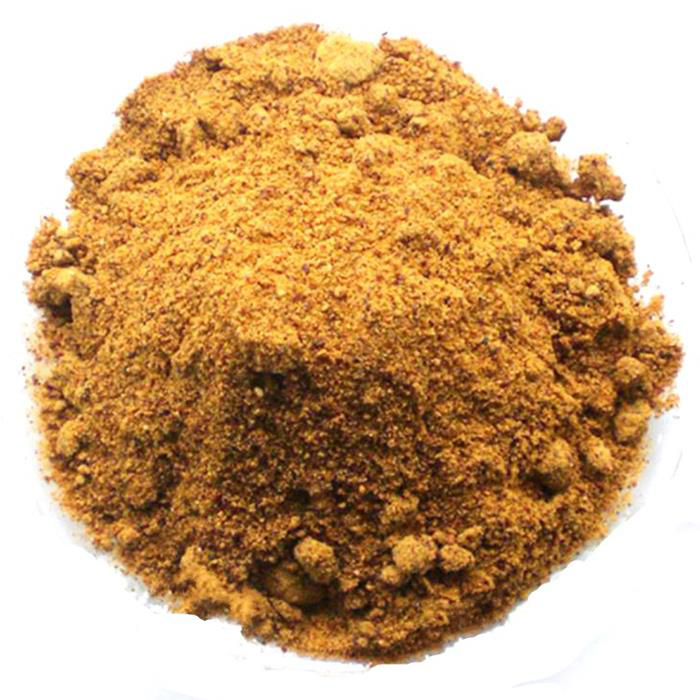
Jujube powder and jujube oil are processed from the fruit.
Poached jujubes are added to fruit compotes.
A candy called “jujube”, which is made from jujube paste, is available in the United States.
Sweetened or honey tea syrup containing jujube pulps is available in glass jars , and canned jujube tea or dried, pulverized jujube pulp in the form of teabags is also available in China, Korea, and Taiwan.
Honey or sweetened syrup when diluted with cold water makes a refreshing and nutritious drink.
Jujube juice made from pressed jujubes and jujube vinegar from fermented fruits are also available.
Wine made from fermented jujubes called hong zao jiu is available in China.
Ripe fruits are occasionally preserved by storing in a jar filled with Chinese liquor which allows them to store longer over the winter, such jujubes are called jiu zao.
Fruits are pickled in West Bengal and Bangladesh.
Fully mature near ripe fruits are harvested and sold in the local markets and also exported to other Southeast Asian countries in Vietnam and Taiwan.
Jujubes fresh or the dried are savored in an array of Asian culinary cuisines – food dishes and desserts.
Dried, candied jujubes can also be added to cakes and other desserts, soups, stews, or stuffing; or substituted in recipes that call for raisins or dates.
Dried fruits are used in desserts such as sâm bổ lượng, a cold beverage that comprised the dried jujube, longan, fresh seaweed, barley, and lotus seeds in Vietnam.
Jujubes are featured in the popular ginseng chicken dish called samgyetang in Korea.
Chinese jujube butter can be made by cooking the ripe fruits with water, sugar and seasonings such as cinnamon, clove, nutmeg, lemon and vinegar.
In Tamil Nadu, India, the Dried fruits minus the seed are pounded with tamarind, red chilies, salt, and jaggery to make dough and dried again in Tamil Nadu, India.
Jujube honey is manufactured in the Atlas Mountains of Morocco.
Other Traditional uses and benefits of Jujube
Various parts of the tree are used in traditional medicine for a variety of diseases and disorders in many Asian countries.
Chinese jujube is used since ancient times as a nutrient tonic, a blood cleanser, and as an important adjunctive herb to other tonics, particularly in combination with ginseng (Tang Kue) in China and Korea.
Chinese jujube is commonly believed in the Asia to build strength, eliminate obstruction to energy flow, Qi and enhance longevity.
Fruits are extensively used in Chinese and Korean traditional medicine, where they are assumed to ease stress, for the treatment of various diseases like chronic fatigue, anaemia, pain, loss of appetite, anorexia, dysosmia, diarrhea, cough, bronchitis, chalelithiasis, sedative, irritability, hysteria pharyngitis, corn of foot.
Fruits are also supposed to possess activities like anodyne, stomachic, anticancer, refrigerant, laxative, sedative, antifungal, hypotensive, antiulcer, anti-inflammatory, anti-allergic, antispasmodic, sedative, antifertility, antibacterial, anti-nephritic, pectoral, expectorant, styptic, and tonic.
Fruit is supposed to purify the blood and to aid in digestion in India.
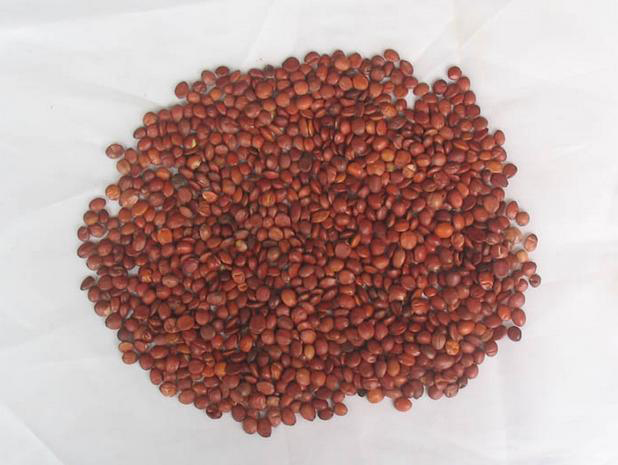
Seeds are used traditionally for insomnia, irritability, neurasthermia, physical emaciation, and as a remedy for diarrhea in China.
Leaves are an ingredient used by some Benue tribes in prescription for gonorrhea.
Pounded leaves are used as a dressing to wounds.
Leaves, in plaster form are used in strangury.
Paste made from the tender leaves and twigs is applied to boils, abscesses, as well as carbuncles to encourage suppuration.
Decoction of the bark and leaves has been employed as an effective astringent in dysentery and diarrhea and is used in bowel trouble of all kinds in Philippines.
Bark has been used for diarrhea in India, as a tonic for digestion in Java and as a tonic for digestion in Malaysia.
Root has some purgative effect, and is supposed to be drastic if taken in excess.
It is taken to promote menstruation in Angola.
Root decoction is used for fevers.
Powdered root is applied to ulcers and wounds in India.
Juice of the root bark is used as a purgative, and, externally, in gout and rheumatism.
Bark is bitter and is occasionally used for colic; it is probably emetic in larger doses.
It is used for tanning in India.
Bark in powdered form, or in decoction, is astringent and a simple remedy for diarrhea.
Powdered bark is a domestic dressing for old wounds and ulcers.
Bark is recommended in dysentery and gingivitis in Cambodia.
They are given as an antidote to aconite poisoning, and used in poultices and other applications for wounds.
Other Facts
Jujube is also grown as a host plant for the lac insect, Laccifer lacca in India.
Wood is durable and hard, used in turnery and suitable for wood floor, furniture and construction.
In Korea the wood to make the body of the taepyeongso, a double-reed wind instrument and for making Go bowls.
Leaves are used as a potpourri to help keep the houses of the inhabitants smelling fresh and clean in Bhutan.
It is said to keep bugs and other insects out of the house and free of infestation.
Jujube and walnut were often placed in the newlyweds’ bedroom as a sign of fertility in the traditional Chinese wedding ceremony.
The fragrance of the flowers are said to make teenagers fall in love, thus young men will take a flowering shoot and put it on their hats to persuade the opposite sex in the Himalaya and Karakoram regions.
Natsume has given its name to a style of tea caddy used in the Japanese tea ceremony in Japan.
Fruit is used to stupefy fish in Abyssinia.
Other health benefits of Jujube fruit
The unripe fruit raises thirst, reduces expectoration and also biliousness.
Because of mucilaginous property of the fruit, it serves as herbal medication to deal with a sore throat.
As this particular fruit has lots of vitamin A, C and also potassium, it fortifies the defense mechanisms of the body. As a result it can be useful for protection against common colds and also cough.
It works well for the development and also maintenance of the bloodstream, body hormones, bones, muscles, skin, hair, body enzymes and also neurotransmitters.
It has calming impact on the nervous system and also provides a natural tranquilizer.
It reduces anxiety and stress.
Jujube fruit assists reduce blood pressure level.
Jujube fruit improves your defense mechanisms.
Jujube helps heal a number of the liver diseases. It really is discovered that the jujube provides safety from liver injury by serving as an anti-oxidant.
Jujube fruit is utilized to deal with anemia and purpura.
It has got anti-oxidant qualities. Therefore it assists in slowing down the entire process of aging.
One of the most basic jujube fruit advantages would it be prevents the growth and motion of free-radicals. Vitamin C is a great anti-oxidant and enables to manage the development of the tumor leading to cells and cells that may result in cancers.
The berries are blood cleanser as well as a help to digestion of food.
The ripe fruit is sweet, sour, and it has taste, bad for digestion; leads to diarrhea in large doses.
When jujube extract is coupled with particular herbs just like ginger, licorice, and also mint, it calms aching throat muscles.
The jujube extract is advantageous in charge of cold and flu (fever).
It has got anti-carcinogenic qualities.
According to the current research, water extract of the jujube fruit was discovered efficient for suppressing the tumor causing cells and also cells that may result in leukemia.
Jujube extracts may also be utilized to produce skin care items to cut back facial lines, dry skin, redness, swelling as well as for rest from sun burn.
How to select Jujube fruit
Choose jujubes which are fresh and also blemish-free fruit. The jujube needs to be the size of an olive or even tiny date and really should be heavy because of its size. A more mature jujube will probably be wrinkled.
How to Store Jujube fruit
Jujubes can keep within the fridge forever. Put them within an air-tight package.
Ways of Serving Jujube fruit
Jujubes could be consumed fresh, cooked, dried out, or even candied. Cook jujubes since you would dates. Make use of them stuffing’s, sauces, and soups or perhaps in desserts or perhaps converted to compotes or jams.
The jujube be is usually consumed out of hand like a snack and is also occasionally offered along with tea.
In Persian food, the dried jujube is recognized as annab.
If you purchase dried out jujubes, saturate them within water prior to using them. Chinese cooks utilize jujubes both in sweet and delicious recipes.
Culinary use:
In addition to their therapeutic use, the candied dried fruits are sometimes consumed like a snack, or even along with tea. They are offered possibly red or black (known as hong zao or hei zao, respectively, in Chinese), the second being smoked to boost their taste. In China, , a sweetened tea syrup that contains jujube fruits can be found in glass jars,photo and canned jujube tea or jujube tea in the form of teabags can also be obtainable. However, not widely accessible, jujube juice and also jujube vinegar may also be created.
In China, a wine produced from jujubes known as hong zao jiu can also be produced. Jujubes are occasionally maintained by storing within a jar filled up with baijiu (Chinese liquor), that allows them to be placed fresh for a long period, particularly from the winter. These kinds of jujubes are known as jiu zao(literally “spirited jujube”).