

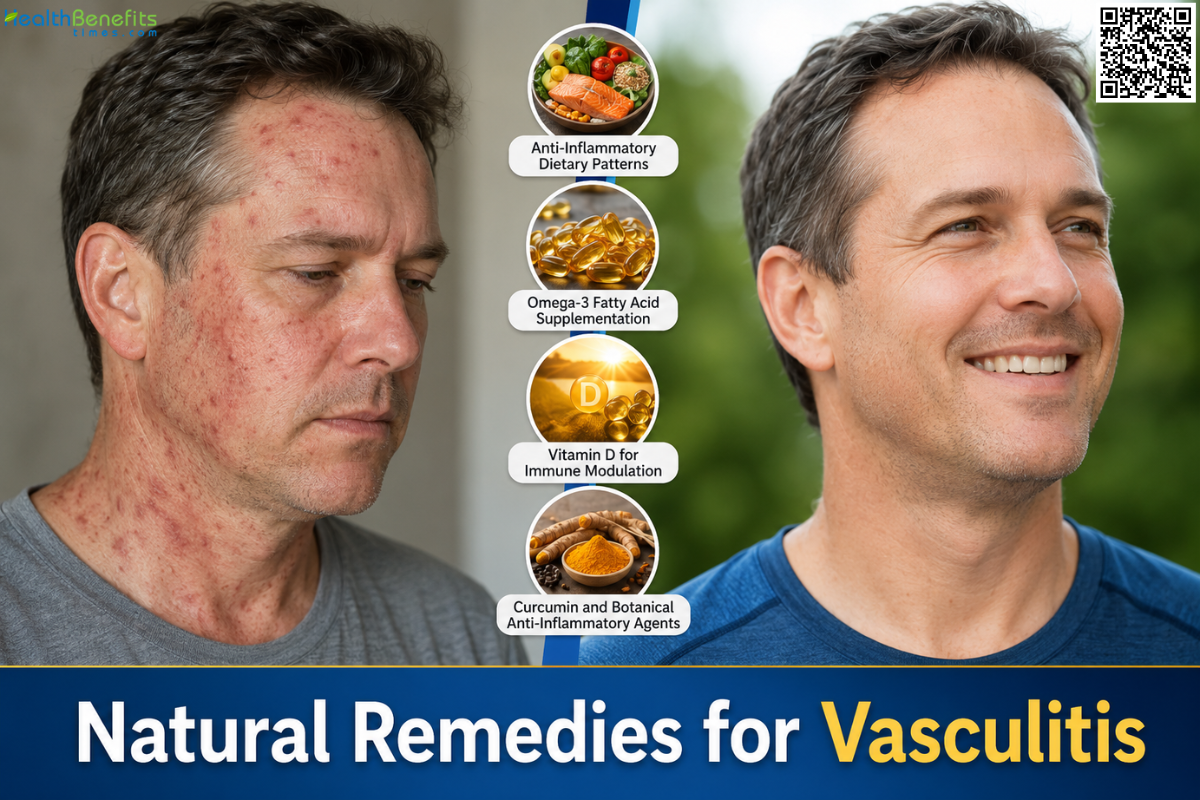
Vasculitis is a group of rare disorders characterized by the inflammation of blood vessels. This inflammation causes the walls of the blood vessels to thicken, weaken, narrow, or scar, which can restrict blood flow and lead to tissue or organ damage 1. The condition can affect vessels of any size, from the largest arteries to the smallest capillaries, and may be localized to a single organ like the skin or spread systematically throughout the body 2. While the exact cause is often unknown, vasculitis occurs when the immune system mistakenly attacks the body’s own blood vessels. This abnormal immune response can be triggered by infections, certain medications, or underlying autoimmune conditions such as rheumatoid arthritis or lupus 3. The severity of the disease ranges from mild, self-limiting episodes to life-threatening emergencies, depending on which organs lose their essential blood and oxygen supply 4.
Causes of Vasculitis
1. Autoimmune and Connective Tissue Diseases
Vasculitis often develops as a secondary complication of underlying autoimmune disorders. When the immune system is already hyperactive, conditions such as rheumatoid arthritis, systemic lupus erythematosus (lupus), and Sjögren’s syndrome can cause chronic inflammation to spread into the walls of the blood vessels 5.
2. Infections
An overactive immune response to infectious pathogens can mistakenly damage blood vessels. Established viral triggers include Hepatitis B, Hepatitis C, and human immunodeficiency virus (HIV). Bacterial infections, such as those caused by Streptococcus, tuberculosis, and syphilis, are also known causes of vascular inflammation 6.
3. Medication and Drug Reactions
Hypersensitivity vasculitis occurs when the immune system reacts abnormally to a specific drug. Frequently identified medications include common antibiotics (such as penicillins and cephalosporins), blood pressure diuretics (like thiazides), and advanced immunotherapies used for cancer treatment 7.
4. Cancers and Blood Disorders
Certain malignancies can produce abnormal proteins or trigger systemic immune responses that inflame the vascular system. Blood cancers, including leukemia, lymphoma, and multiple myeloma, are most commonly associated with the condition, though it can occasionally arise from solid organ tumors in the lungs or digestive tract 8.
5. Genetic Mutations
In rare cases, inherited genetic abnormalities cause a severely dysregulated immune system. Specific mutations that result in deficiencies of immune-regulating proteins, such as Complement Factor I, lead to chronic blood vessel inflammation that often presents in early childhood 9.
6. Idiopathic Origins
Many cases are classified as primary vasculitis, meaning the exact underlying cause remains unknown. In these instances, the immune system spontaneously attacks the body’s vascular network without an identifiable environmental trigger, infection, or medication.
Symptoms of Vasculitis
1. Systemic General Symptoms
Most individuals experience persistent, non-specific constitutional symptoms as the disease progresses. These include unexplained weight loss, chronic fatigue, persistent fever, and night sweats, which often appear before more specific organ-related signs develop.
2. Dermatological Signs
Inflammation of small vessels near the skin surface frequently causes visible changes. Common presentations include palpable purpura—which are small, raised purple or red spots resulting from blood leaking under the skin—as well as hives, skin ulcers, and painful nodules that do not heal promptly.
3. Musculoskeletal Pain
Inflammation can affect blood flow to muscles and joints, causing persistent aches and stiffness. Many patients report significant joint pain (arthralgia) and localized muscle tenderness, which can mimic symptoms of arthritis or inflammatory rheumatic conditions.
4. Neurological Disturbances
When blood flow to the nerves is restricted by vessel narrowing, patients may experience peripheral neuropathy. This typically presents as numbness, tingling, or a sharp, shooting pain in the hands or feet, and in more severe cases, a sudden loss of muscle strength or motor function 10.
5. Respiratory and ENT Issues
Vasculitis affecting the upper or lower respiratory tract can lead to chronic sinus congestion, nosebleeds, and ear infections. More severe involvement of the lungs may manifest as persistent coughing, shortness of breath, or the coughing up of blood, necessitating urgent clinical evaluation 11.
6. Visual Impairment
Inflammation in the ocular blood vessels can lead to blurred vision, double vision, or temporary loss of sight. In some forms of systemic vasculitis, sudden changes in vision are considered a medical emergency due to the risk of permanent retinal damage 12.
 Natural Remedies for Vasculitis
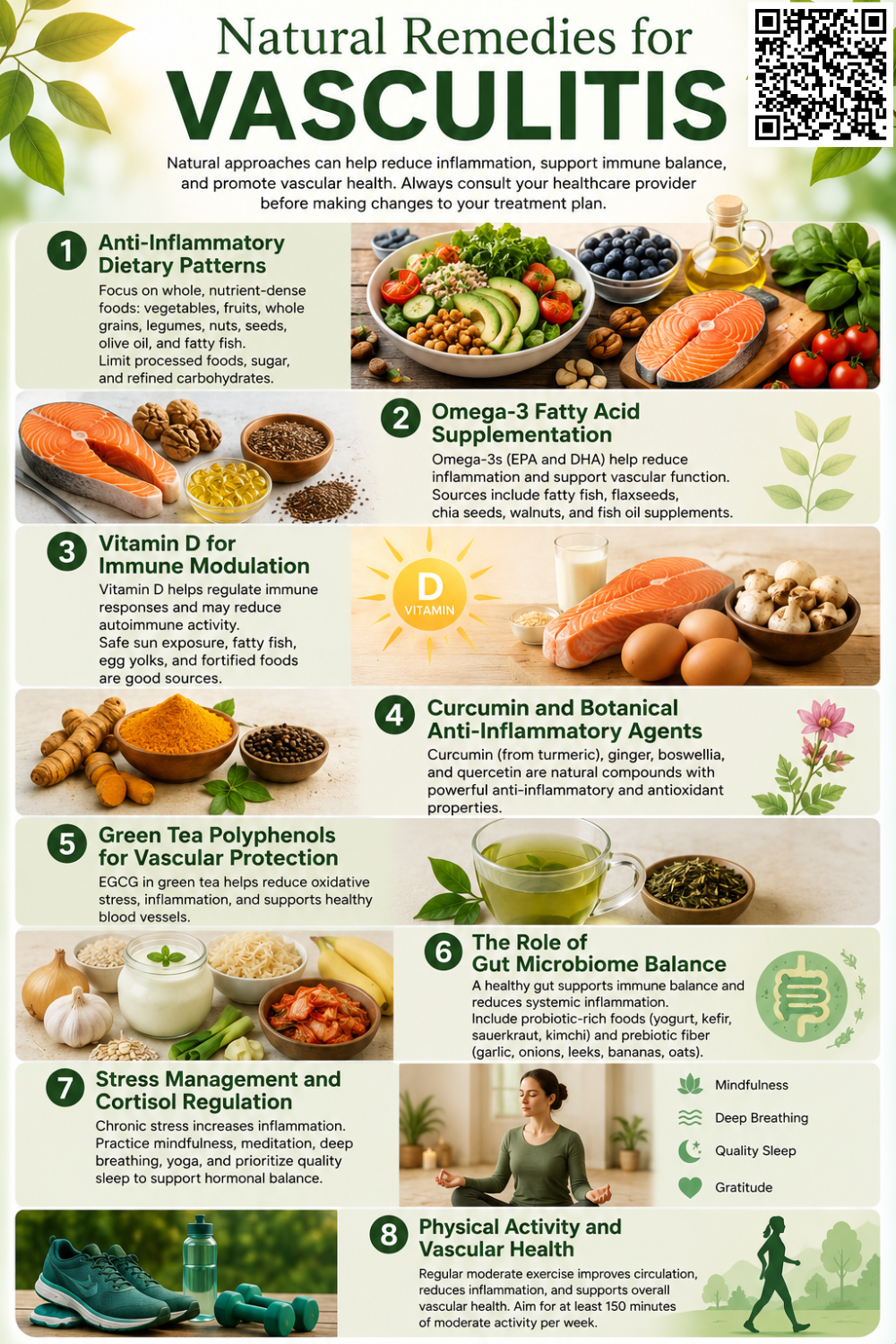
1. Anti-Inflammatory Dietary Patterns
How it may help
Anti-inflammatory diets help control vasculitis by reducing systemic oxidative stress and lowering levels of inflammatory markers in the blood. By emphasizing nutrient-dense foods, these patterns may suppress the immune system’s overactive response, potentially slowing the damage to blood vessel walls and improving overall vascular function over time 13.
What research says
Clinical research suggests that diets rich in antioxidants, such as the Mediterranean diet, are associated with reduced markers of vascular inflammation. Studies indicate that high consumption of vegetables, fruits, and healthy fats can help stabilize immune activity, supporting standard medical treatments in managing the chronic inflammatory processes inherent in various types of vasculitis.
How to use it safely
To use this approach safely, prioritize whole, unprocessed foods like leafy greens, berries, fatty fish, and olive oil. Limit refined sugars, trans fats, and highly processed meats that are known to trigger inflammation. Always maintain consistent hydration and discuss dietary changes with your rheumatologist to ensure they complement your prescribed medication.
Potential precautions or side effects
Be cautious of sudden, restrictive dietary changes that may lead to nutrient deficiencies. Ensure you are not replacing necessary medical treatments with dietary adjustments, as failing to monitor disease activity could lead to serious organ damage. Always seek professional guidance before starting any new supplement or major nutritional regimen.
2. Omega-3 Fatty Acid Supplementation
How it may help
Omega-3 fatty acids, specifically EPA and DHA, help control vasculitis by inhibiting the production of inflammatory chemicals that trigger vessel wall damage. By promoting the resolution of inflammation, these healthy fats help stabilize the immune response, potentially reducing the frequency and intensity of inflammatory flare-ups in patients with systemic vasculitis 14.
What research says
Clinical research indicates that omega-3 supplementation contributes to lower concentrations of C-reactive protein, a standard marker for systemic inflammation. Studies suggest that consistent intake can support the management of chronic autoimmune conditions, providing an adjunctive nutritional strategy that works alongside conventional therapies to preserve vascular integrity and reduce long-term cardiovascular risks associated with vessel inflammation.
How to use it safely
Aim for high-quality, third-party tested fish oil supplements. Follow your doctor’s recommended dosage, as therapeutic amounts for inflammatory conditions often exceed standard wellness guidelines. Always integrate these with a balanced diet rich in whole foods, and keep a log of any changes in your symptoms.
Potential precautions or side effects
High doses may increase bleeding risk, especially if you are taking blood-thinning medications. Consult your physician before starting to prevent harmful interactions and ensure proper medical supervision.
3. Vitamin D for Immune Modulation
How it may help
Vitamin D acts as a potent immune regulator by binding to receptors on immune cells, which helps shift the body’s response away from inflammation and toward immune tolerance. By promoting the activity of regulatory T cells and reducing the production of pro-inflammatory signals, it may help stabilize the immune system and protect blood vessel walls from further damage 15.
What research says
Clinical research shows that many individuals with systemic vasculitis have lower vitamin D levels compared to healthy populations. While studies suggest that correcting this deficiency can support overall disease management and reduce inflammation markers, the impact of supplementation on preventing specific vasculitis relapses is still being evaluated in ongoing clinical trials 16.
How to use it safely
Ask your doctor to test your blood levels to determine if you are deficient. If supplementation is needed, follow the specific daily dose prescribed by your healthcare provider, as excessive amounts can be harmful. Always monitor your response and keep your medical team updated on your progress.
Potential precautions or side effects
Avoid taking high-dose supplements without medical oversight, as this can cause toxic calcium buildup in the blood. Ensure your intake does not interfere with other treatments or underlying kidney conditions.
4. Curcumin and Botanical Anti-Inflammatory Agents
How it may help
Curcumin helps control vasculitis by acting as a powerful regulator of the immune system. It inhibits specific signaling pathways that trigger the release of inflammatory proteins, thereby reducing the chronic vessel wall damage characteristic of the disease. Its antioxidant properties also neutralize harmful molecules, supporting the structural integrity of blood vessels and promoting long-term vascular health 17.
What research says
Research indicates that curcumin modulates immune cell activity, effectively lowering systemic markers of inflammation such as C-reactive protein. Clinical studies on various autoimmune and rheumatic conditions show that standardized turmeric extracts can improve clinical outcomes and laboratory markers. This evidence suggests curcumin may serve as a useful, well-tolerated adjunctive therapy alongside conventional medical treatments 18.
How to use it safely
To use it safely, prioritize high-bioavailability formulations, such as those paired with lipids or black pepper extract, to ensure proper absorption. Always adhere to the specific daily dosages recommended by your healthcare provider, and maintain consistent communication with your medical team regarding any integration with prescribed medications.
Potential precautions or side effects
Curcumin may increase the risk of bleeding, particularly if you are taking anticoagulant or antiplatelet drugs. High doses can occasionally cause digestive discomfort, nausea, or iron absorption issues.
5. Green Tea Polyphenols for Vascular Protection
How it may help
Green tea polyphenols, specifically epigallocatechin gallate (EGCG), help protect blood vessels by neutralizing oxidative stress and blocking inflammatory enzymes. These compounds stabilize the inner lining of vessels, potentially preventing the tissue damage and narrowing that frequently occur during vasculitis, while simultaneously promoting healthier blood flow and reduced vascular reactivity throughout the body 19.
What research says
Clinical research suggests that regular consumption of green tea extracts can reduce systemic inflammation and lower the concentration of vascular damage markers. Studies indicate these polyphenols provide protective effects against structural degradation in blood vessels, offering a supportive, natural approach to maintaining vascular health in individuals prone to chronic inflammatory conditions 20.
How to use it safely
To use these safely, incorporate high-quality, brewed green tea into your daily routine, or use standardized, caffeine-free extracts if directed by your physician. Always discuss the appropriate dosage with your medical provider to ensure it does not interfere with your specific medications or health status.
Potential precautions or side effects
Excessive intake of concentrated extracts may cause liver stress, insomnia, or anxiety due to caffeine content. It can also interfere with the absorption of iron and certain cardiovascular medications.
6. The Role of Gut Microbiome Balance
How it may help
A balanced gut microbiome supports the immune system by strengthening the intestinal barrier, which prevents harmful bacteria and toxins from entering the bloodstream and triggering systemic inflammation. By fostering a diverse population of beneficial bacteria, the body can better regulate immune responses, potentially reducing the chronic inflammation that damages blood vessels in patients with vasculitis 21.
What research says
Clinical research indicates that individuals with vasculitis often exhibit “dysbiosis,” or an imbalance in gut bacteria composition. Studies show that restoring this balance through diet and targeted interventions can decrease circulating inflammatory cytokines. These findings suggest that a healthy gut environment is essential for modulating immune activity and supporting the body’s natural defense mechanisms against vascular inflammation.
How to use it safely
Prioritize a fiber-rich diet including fermented foods like kefir, sauerkraut, and kimchi to support healthy bacteria. If considering probiotic supplements, consult your physician to select species appropriate for your specific health needs. Always monitor your digestive response and maintain consistency to achieve gradual, sustainable improvements.
Potential precautions or side effects
Probiotic use may cause temporary bloating or gas. Those with severely compromised immune systems should exercise extreme caution, as certain bacteria may pose a risk of infection.
7. Stress Management and Cortisol Regulation
How it may help
Chronic psychological stress triggers the sustained release of cortisol and other stress hormones, which can induce systemic inflammation and exacerbate autoimmune activity. By implementing stress management techniques, patients may lower their sympathetic nervous system reactivity, thereby reducing the inflammatory triggers that contribute to ongoing damage to blood vessel walls and overall disease severity 22.
What research says
Clinical research demonstrates a clear link between chronic stress and increased flare-ups in patients with autoimmune vascular diseases. Studies indicate that structured programs, such as mindfulness-based stress reduction, effectively lower inflammatory markers and improve health-related quality of life. Regulating the body’s stress response serves as a critical, evidence-supported component of a comprehensive, multidisciplinary treatment plan.
How to use it safely
Incorporate daily practices like deep breathing, meditation, or gentle yoga. If you feel overwhelmed, seek guidance from a licensed therapist or a healthcare professional who specializes in chronic illness. Consistency is vital, so choose methods that fit your physical capabilities and sustain them over time.
Potential precautions or side effects
While these techniques are generally safe, avoid relying solely on them to manage acute symptoms. If you experience a sudden flare-up, prioritize medical intervention over self-care strategies.
8. Physical Activity and Vascular Health
How it may help
Regular physical activity helps control vasculitis by improving endothelial function, which is the health of the inner lining of blood vessels. Exercise promotes efficient blood circulation, reduces systemic inflammatory markers, and helps prevent the stiffness and vessel narrowing associated with chronic inflammation, ultimately supporting better oxygen delivery to tissues throughout the body 23.
What research says
Research indicates that structured, low-to-moderate intensity exercise programs significantly improve aerobic capacity and reduce fatigue in patients with autoimmune vascular conditions. Evidence suggests that consistent movement helps lower disease activity scores and improves overall physical function, serving as a safe and effective adjunct to conventional medical management for long-term health maintenance 24.
How to use it safely
Begin with gentle activities such as walking, swimming, or stretching. Always consult your rheumatologist to develop an exercise plan tailored to your specific organ involvement and energy levels. If you experience unusual pain, increased fatigue, or joint swelling, reduce your activity intensity immediately and contact your medical team.
Potential precautions or side effects
Avoid high-intensity exercise during active disease flares or if you have severe organ involvement. Overexertion may worsen inflammation and increase the risk of injury; prioritize rest when symptomatic.
 Foods to Avoid When You Suffer from Vasculitis
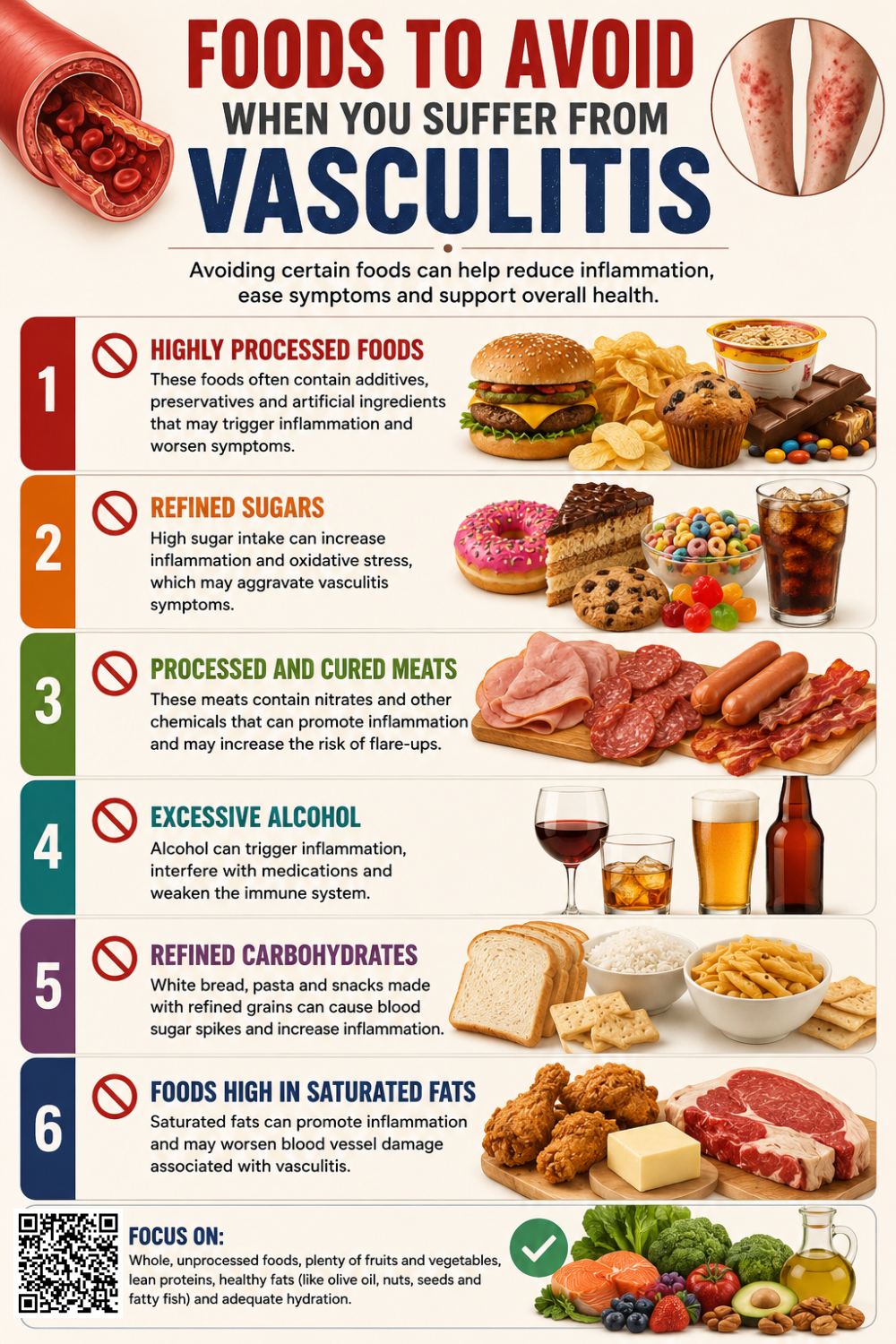
1. Highly Processed Foods
These often contain trans fats, excessive sodium, and artificial additives that promote systemic inflammation and can worsen the vascular damage associated with vasculitis.
2. Refined Sugars
High intake of added sugars triggers blood glucose spikes and oxidative stress, which may exacerbate inflammatory responses within the vessel walls of patients with autoimmune conditions.
3. Processed and Cured Meats
These products are typically high in nitrates and sodium, which are linked to increased cardiovascular stress and can negatively influence chronic inflammatory pathways.
4. Excessive Alcohol
Alcohol consumption can disrupt immune regulation and potentially interfere with the effectiveness of common vasculitis medications, such as immunosuppressants or corticosteroids, while causing systemic dehydration.
5. Refined Carbohydrates
White bread, pastries, and white pasta lack essential nutrients and cause rapid increases in inflammatory markers, which can hinder the body’s ability to manage vascular health.
6. Foods High in Saturated Fats
Diets heavy in animal fats have been linked to endothelial dysfunction, which directly compromises the integrity of blood vessels and increases the risk of inflammation.
When to See a Doctor for Vasculitis
1. Sudden or Unexplained Vision Changes
Any sudden blurring, double vision, or loss of sight may indicate inflammation of the blood vessels supplying the eyes, requiring immediate emergency evaluation to prevent permanent damage.
2. Respiratory Distress or Coughing Up Blood
Difficulty breathing, persistent chest pain, or the presence of blood in sputum are serious signs of pulmonary involvement that necessitate urgent medical assessment to protect lung function.
3. New or Worsening Neurological Symptoms
Seek care if you experience sudden numbness, tingling, or weakness in your limbs. These signs may indicate that inflammation is restricting blood flow to your nerves.
4. Persistent Skin Ulcerations or Rash
While some rashes are mild, the development of painful skin sores, nodules, or worsening purple spots (purpura) requires clinical review to rule out severe underlying vascular damage.
5. Signs of Kidney Involvement
Changes in urination frequency, blood in the urine, or significant swelling (edema) in the legs or ankles may suggest that vasculitis is affecting your kidney function.
6. Unexplained Systemic Symptoms
If you experience persistent, high fevers, significant unintended weight loss, or extreme fatigue that does not resolve with rest, consult your doctor promptly for a diagnostic investigation.