

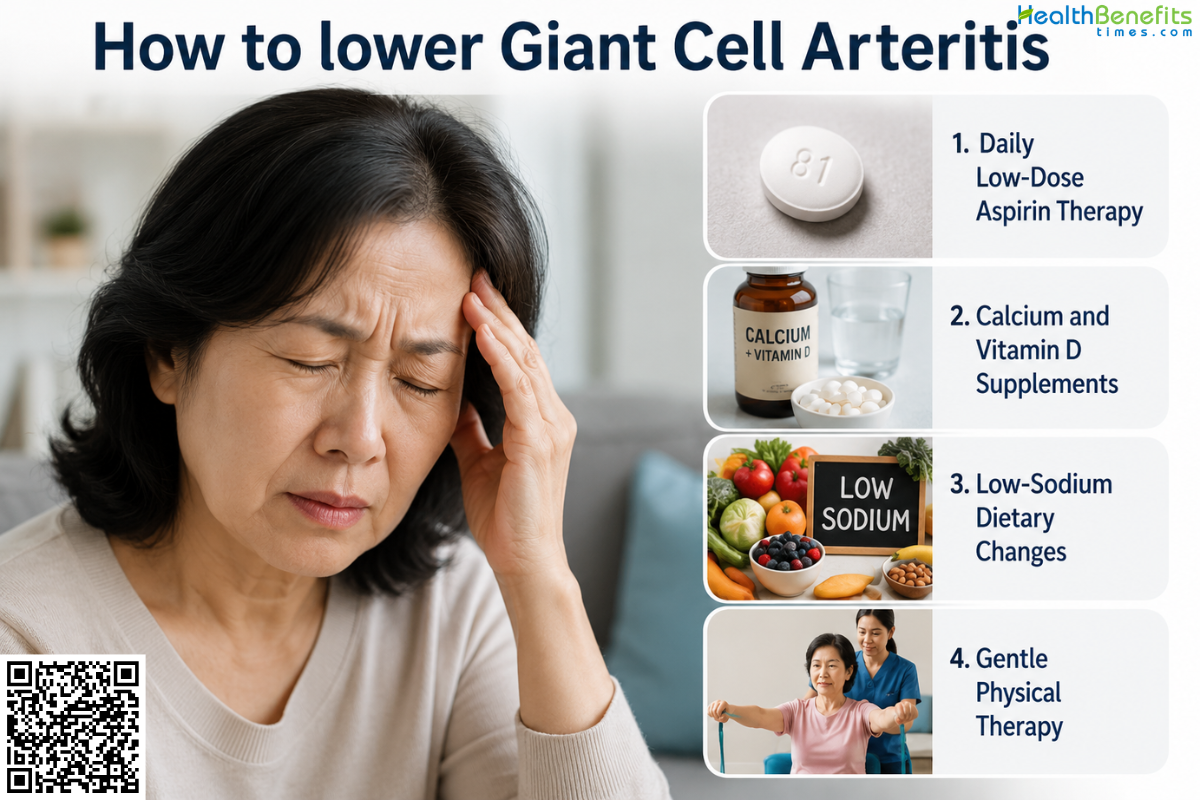
Giant cell arteritis (GCA), also known as temporal arteritis, is a chronic condition where the immune system mistakenly attacks and inflames the lining of large and medium-sized blood vessels. This inflammation primarily targets the aorta and the major arteries supplying blood to the head and neck, particularly those running over the temples 1. The swelling physically narrows the arteries, which severely restricts blood flow to critical organs and tissues 2. GCA almost exclusively affects adults over the age of 50 and represents the most common form of blood vessel inflammation in older populations 3. Typical warning signs include new or unusual headaches, scalp tenderness, prolonged fatigue, and jaw pain while chewing 4. Because this restricted circulation can quickly cause sudden, permanent vision loss or strokes, GCA is treated as a medical emergency that requires immediate intervention with high-dose steroid medications to lower swelling and prevent irreversible damage 5.
Causes of Giant Cell Arteritis
- Autoimmune System Malfunction: The primary underlying mechanism of the condition is a severe autoimmune reaction where the body mistakenly attacks its own healthy tissues. Specialized white blood cells, specifically T cells and macrophages, invade the protective layers of large and medium-sized arteries, triggering inflammation and swelling that physically narrows the blood vessels 6 7.
- Age-Related Vascular and Immune Changes: Biological aging is a central requirement for the disease to develop, as it almost exclusively affects individuals over the age of 50 8. Over time, the structural walls of the arteries naturally break down and lose elasticity, while the aging immune system becomes increasingly prone to unregulated, chronic inflammatory responses 9.
- Genetic Susceptibility: A person’s inherited genetic makeup significantly influences their risk of developing the disease. Clinical studies link the condition to specific variations in human leukocyte antigen (HLA) genes, particularly the HLA-DRB1*04 variant, which are responsible for helping the immune system safely distinguish the body’s own tissues from foreign invaders 10 11.
- Environmental and Infectious Triggers: While the exact initial catalyst remains unknown, researchers strongly suspect that exposure to external pathogens sets the disease in motion for those who are genetically vulnerable. Fighting off severe environmental triggers or infections, such as the varicella-zoster virus, may accidentally activate the permanent immune attack on the vascular system 12 13.
Symptoms of Giant Cell Arteritis
- New or Unusual Headaches: The most frequent warning sign is a newly developing, severe, and persistent headache. This pain typically causes a steady throbbing sensation localized on one or both sides of the forehead near the temples, though it can occasionally radiate across the entire head 4.
- Extreme Scalp Tenderness: The skin over the head frequently becomes hypersensitive to even the lightest touch. Routine activities such as brushing hair, putting on glasses, or resting the head against a pillow can trigger sharp pain and significant discomfort 5.
- Jaw Pain While Chewing: Individuals often experience cramping, pain, or deep muscle fatigue in the jaw while eating or talking, a symptom clinically referred to as jaw claudication. This pain predictably worsens with continuous chewing and resolves after resting the jaw, directly resulting from inadequate blood flow to the facial muscles 14.
- Vision Changes and Eye Damage: Reduced blood flow to the eyes and optic nerves can cause temporary episodes of blurred vision, double vision, or visual field loss. If the inflammation remains untreated, this restricted circulation can rapidly escalate into sudden, painless, and permanent blindness in one or both eyes 15 16.
- Body-Wide Inflammatory Signs: The systemic nature of the immune attack frequently produces generalized symptoms of illness before localized pain begins. These widespread signs include unexplained, extreme exhaustion, low-grade fevers, drenching night sweats, and unintentional weight loss occurring over several weeks or months 4.
- Muscle Stiffness and Joint Aches: Approximately half of the individuals diagnosed with this condition also experience a related inflammatory disorder called polymyalgia rheumatica. This overlap condition creates intense aching and severe morning stiffness that is heavily concentrated in the neck, shoulders, and hips 17.
How to Lower Giant Cell Arteritis Pain
1. Immediate Treatment With High-Dose Steroid Medications
How it may help
High-dose steroid medications, such as prednisone, rapidly shut down the severe immune system attack on blood vessels. This swift reduction in vessel swelling quickly relieves throbbing headaches, severe scalp tenderness, and jaw pain while restoring vital blood flow to prevent sudden, permanent blindness 4.
What research says
Clinical treatment guidelines mandate that doctors prescribe high-dose corticosteroids immediately when they suspect the condition, even before confirming the diagnosis with testing. Research confirms these medications successfully halt ongoing vascular damage and drastically reduce the risk of irreversible vision loss and strokes 5 18.
How to use it safely
You must take these medications exactly as your doctor prescribes. Never stop taking steroids suddenly, as this causes dangerous withdrawal symptoms. Work closely with your medical team to slowly and safely lower your daily dosage over several months as your pain and inflammation improve 19.
Potential precautions or side effects
Prolonged use frequently causes weight gain, high blood pressure, elevated blood sugar, and bone thinning. You will need routine medical tests and bone scans to monitor these specific risks 20.
2. Targeted Biologic Injections
How it may help
Targeted biologic medications, specifically tocilizumab, block a specific immune system protein that drives severe blood vessel inflammation. By shutting down this exact inflammatory pathway, these injections relieve headaches and jaw pain while allowing individuals to safely lower their daily steroid doses much faster 21.
What research says
Clinical trials confirm that combining tocilizumab injections with a short course of steroids leads to significantly higher rates of long-lasting disease remission compared to using steroids alone. Research demonstrates this targeted approach successfully controls active symptoms and drastically reduces overall steroid exposure over time 22.
How to use it safely
You will typically administer this medication as a weekly injection just under your skin. Have your healthcare provider carefully train you on the proper injection technique. Always store the syringes in a refrigerator and rotate your injection sites to prevent skin irritation 19.
Potential precautions or side effects
Because these injections heavily suppress your immune system, you face a significantly higher risk of serious infections. Contact your doctor immediately if you develop any signs of illness 21.
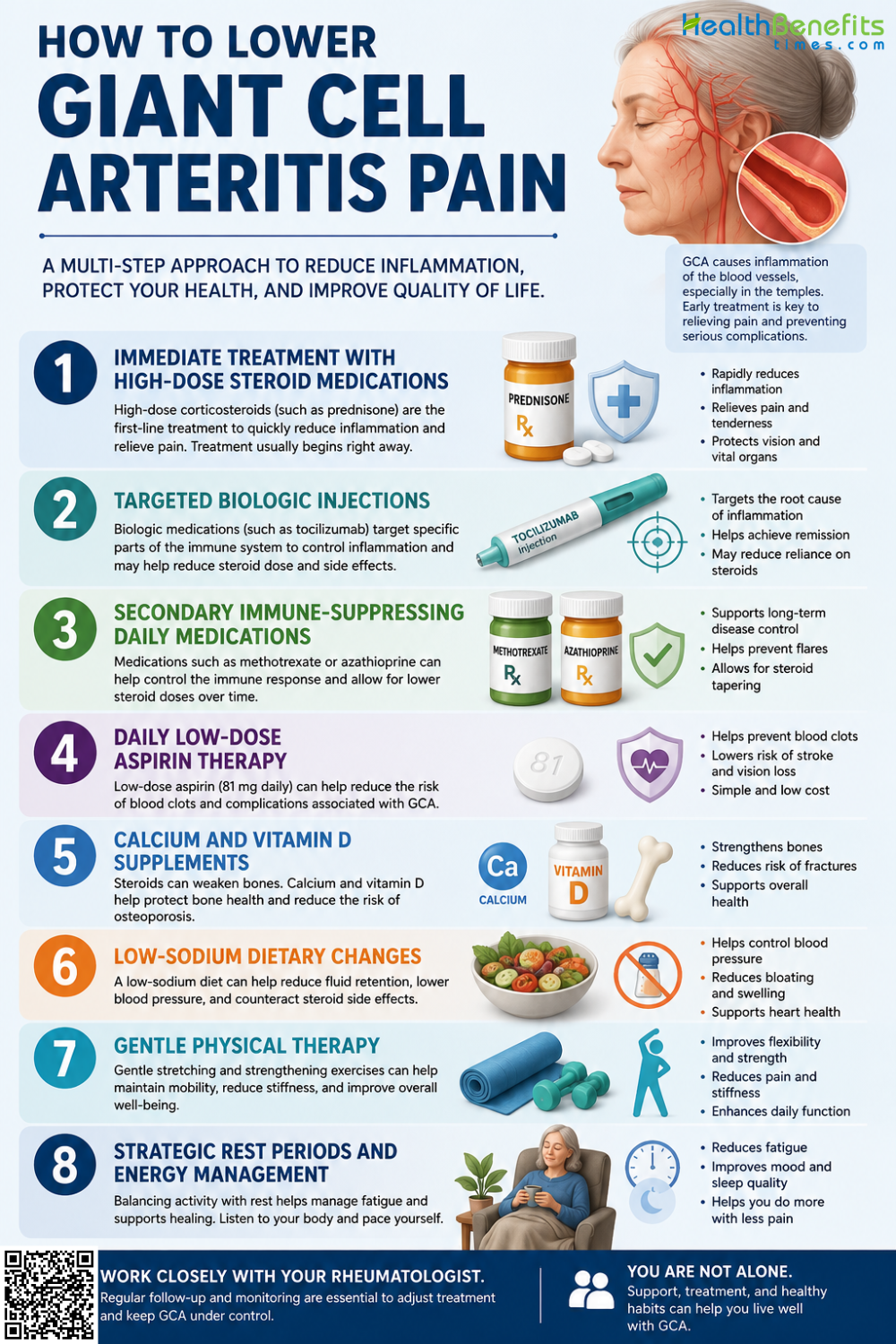
3. Secondary Immune-Suppressing Daily Medications
How it may help
Secondary immune-suppressing medications, such as azathioprine or mycophenolate, safely lower the body’s overactive immune response. By keeping blood vessel inflammation controlled, these daily medications prevent painful symptom relapses and allow individuals to steadily reduce their high steroid doses, minimizing the risks of long-term steroid dependence 23.
What research says
Clinical studies confirm that adding daily immunosuppressants to standard care successfully lowers the total amount of steroids a patient requires over time. Research demonstrates these specific steroid-sparing agents decrease the frequency of disease relapses, maintaining stable blood flow and protecting against recurrent headaches and jaw pain 24 25.
How to use it safely
You will generally take these medications as a daily oral pill. Never adjust your dosage without consulting your prescribing doctor. Because these drugs suppress your immune system, you must undergo routine blood tests to carefully monitor your liver function and white blood cell counts 26.
Potential precautions or side effects
These medications increase your vulnerability to infections and can cause nausea or liver irritation. Immediately report any fevers or unusual signs of illness to your medical provider 27.
4. Daily Low-Dose Aspirin Therapy
How it may help
Daily low-dose aspirin gently thins the blood to prevent dangerous clots from forming inside inflamed and narrowed blood vessels. By keeping the blood flowing smoothly, this therapy protects against secondary pain and helps prevent catastrophic complications, such as sudden strokes or irreversible vision loss 28.
What research says
Clinical studies confirm that combining low-dose aspirin with standard steroid treatments significantly lowers the risk of severe blood flow blockages, such as strokes and blindness. Research demonstrates that this daily anti-clotting therapy effectively protects vital circulation to the head and eyes during the active disease phases 28 29.
How to use it safely
You should only begin daily aspirin therapy if explicitly directed by your prescribing physician. Take the pill every day with a full meal or a glass of water to minimize stomach irritation, and always ensure your doctor reviews your other medications to prevent harmful drug interactions 4.
Potential precautions or side effects
Taking aspirin daily increases your overall risk of internal stomach bleeding and easy bruising. Contact your doctor immediately if you experience severe stomach pain or notice dark, tarry stools 28.
5. Calcium and Vitamin D Supplements
How it may help
Because treating this condition requires long-term, high-dose steroids, patients face a severe risk of rapid bone thinning. Daily calcium and vitamin D supplements directly protect bone density during this treatment phase. By keeping bones strong, these supplements prevent painful fractures that would otherwise cause significant secondary discomfort 19.
What research says
Clinical guidelines mandate that anyone starting long-term steroid therapy must also take calcium and vitamin D. Research confirms that this combination effectively slows medication-induced bone loss and significantly reduces the risk of painful spinal and hip fractures commonly associated with high-dose steroid treatments 30 20.
How to use it safely
You should take these supplements exactly as your medical provider directs, typically dividing the calcium doses throughout the day to improve absorption. Always take them with meals, and ensure your doctor regularly checks your blood levels to confirm you are receiving the correct amounts 20.
Potential precautions or side effects
Taking too much calcium can cause constipation or increase your risk of kidney stones. Always have your doctor monitor your kidney function and blood calcium levels 19.
6. Low-Sodium Dietary Changes
How it may help
High-dose steroid treatments used for this condition frequently cause the body to retain excess fluid and increase blood pressure. A low-sodium diet prevents this dangerous fluid buildup. By controlling blood pressure and reducing tissue swelling, these dietary changes prevent secondary headaches and decrease painful physical stress on your joints.
What research says
Clinical guidelines for managing long-term steroid therapy strongly recommend restricting daily salt intake. Research confirms that limiting sodium effectively minimizes medication-induced fluid retention and significantly lowers the risk of developing severe high blood pressure and related cardiovascular complications during active disease treatment 31 19.
How to use it safely
You should carefully read food labels and avoid highly processed meals, canned soups, and fast food, which hide heavy amounts of salt. Focus on preparing fresh vegetables and lean proteins. Always consult your doctor or a registered dietitian to determine your exact daily sodium limit.
Potential precautions or side effects
Extreme sodium restriction without proper medical supervision can occasionally cause electrolyte imbalances or dizziness. You must have your doctor routinely monitor your blood pressure and routine blood tests.
7. Gentle Physical Therapy
How it may help
Nearly half of people with this condition also experience polymyalgia rheumatica, which causes severe morning stiffness and aching in the shoulders and hips. Gentle physical therapy directly relieves this secondary joint pain. Structured movements safely loosen stiff muscles, restore daily joint mobility, and combat the physical weakness caused by prolonged inactivity 32.
What research says
Clinical research indicates that customized physical therapy, particularly individualized graded exercise, effectively serves as a supportive treatment alongside standard medication. Studies confirm that regular, low-impact joint movements successfully decrease inflammatory stiffness, improve muscle strength in the upper body, and protect against the severe bone and muscle loss associated with high-dose steroid therapies 33 32.
How to use it safely
You must work directly with a licensed physical therapist who understands inflammatory joint conditions. Start with very slow, low-resistance range-of-motion exercises rather than heavy weightlifting. Focus on consistent, daily gentle stretching, and always stop immediately if a specific movement triggers sharp joint pain or exhaustion.
Potential precautions or side effects
Exercising too intensely can severely aggravate your existing inflammation and worsen your muscle aches. Always prioritize gradual progress and avoid activities that place heavy physical stress on your neck or shoulders.
8. Strategic Rest Periods and Energy Management
How it may help
Extreme fatigue and physical exhaustion are primary systemic symptoms of this blood vessel inflammation. By actively scheduling strategic rest periods, individuals conserve vital energy, reduce physical stress on inflamed tissues, and prevent the severe muscle aching that often follows overexertion 4.
What research says
Clinical studies on systemic vasculitis show that structured pacing and energy conservation significantly reduce debilitating fatigue. Research confirms that actively balancing daily physical activity with dedicated rest breaks lowers systemic stress and drastically improves physical function without aggravating the underlying inflammatory pain 34.
How to use it safely
Break your daily tasks into smaller, manageable steps rather than pushing through exhaustion. Prioritize essential activities for when you feel strongest, and schedule short, quiet rest breaks throughout the day before your energy is completely drained.
Potential precautions or side effects
Do not confuse strategic resting with complete bed rest. Excessive inactivity causes severe muscle weakness and stiff joints, which actively worsens your overall physical pain over time.
Foods to Avoid When You Suffer From Giant Cell Arteritis Pain
1. High-Sodium Foods
High-sodium meals worsen the severe fluid retention and dangerous high blood pressure frequently caused by the essential high-dose steroid medications used to treat this condition 31.
2. Refined Sugars and Sweets
Steroid medications artificially raise blood glucose levels. Avoiding concentrated sugars helps prevent dangerous blood sugar spikes and steroid-induced diabetes during active treatment phases 20.
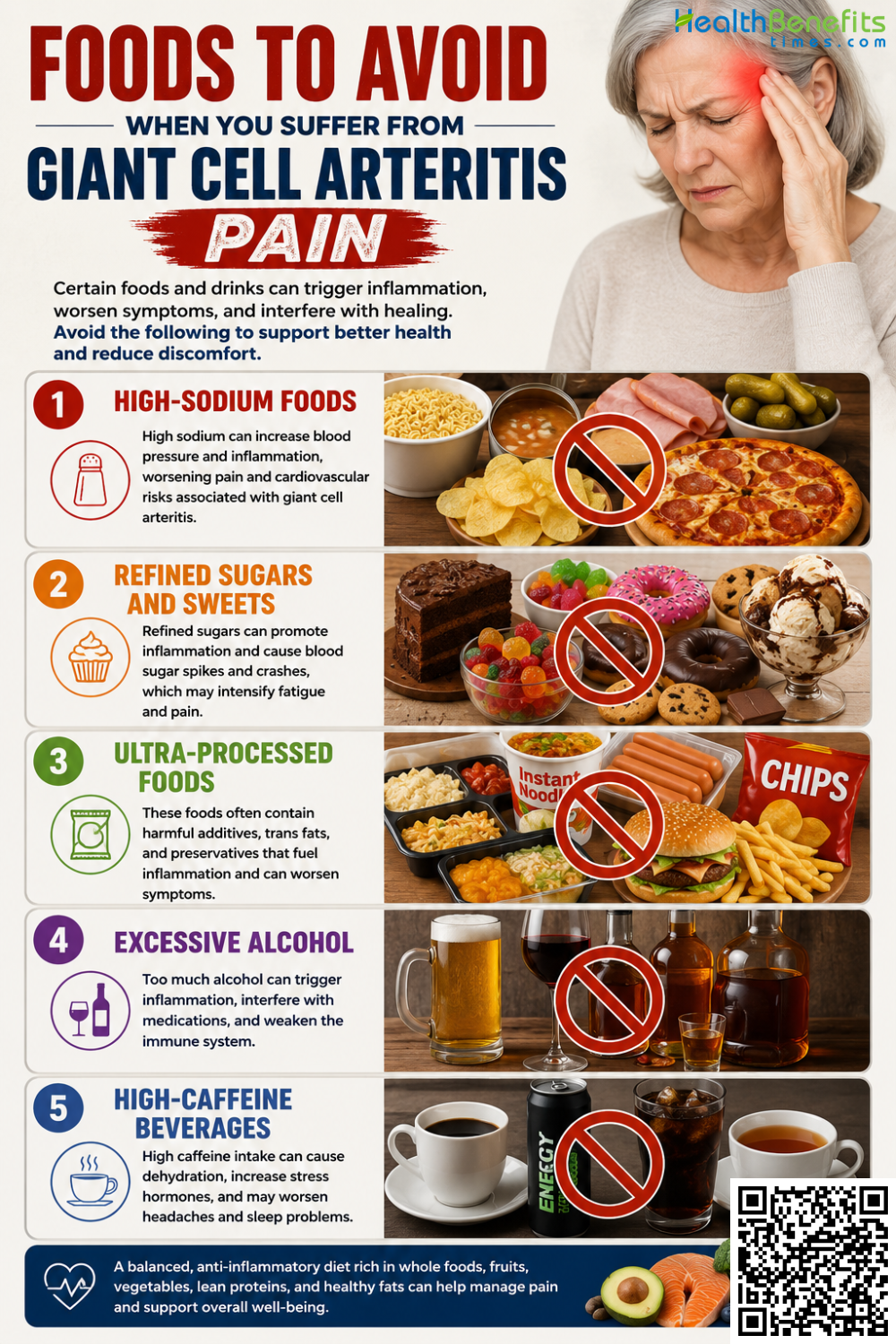
3. Ultra-Processed Foods
Highly processed meals contain unhealthy fats that promote systemic inflammation and worsen the rapid, unwanted weight gain commonly associated with prolonged steroid therapy 19.
4. Excessive Alcohol
Alcohol severely accelerates bone density loss, dangerously compounding the osteoporosis and fracture risks directly caused by necessary long-term corticosteroid usage 30.
5. High-Caffeine Beverages
Excessive caffeine interferes with calcium absorption and disrupts sleep, heavily aggravating both the bone-thinning effects and the severe insomnia frequently triggered by steroid medications 20.
When to See a Doctor When You Suffer From Giant Cell Arteritis Pain
1. Sudden Vision Changes
Seek emergency care immediately for sudden blurred vision, double vision, or partial vision loss. Delaying treatment risks permanent blindness caused by restricted blood flow to the optic nerves 16.
2. New or Persistent Headaches
Contact a doctor promptly if you develop a new, severe, or continuous throbbing headache, particularly localized around the temples, indicating active blood vessel inflammation 4.
3. Jaw Pain During Chewing
See a physician if you experience jaw cramping or severe fatigue while eating. This symptom directly signals dangerously reduced blood circulation to your facial muscles during activity 14.
4. Extreme Scalp Tenderness
Schedule a medical evaluation if your scalp becomes highly sensitive to light touch, making routine activities like brushing your hair or resting on a pillow unusually painful 5.
5. Unexplained Systemic Symptoms
Consult a healthcare provider if you develop prolonged, unexplained fatigue, persistent low-grade fevers, or sudden weight loss, as these frequently accompany active vascular inflammation 4.