

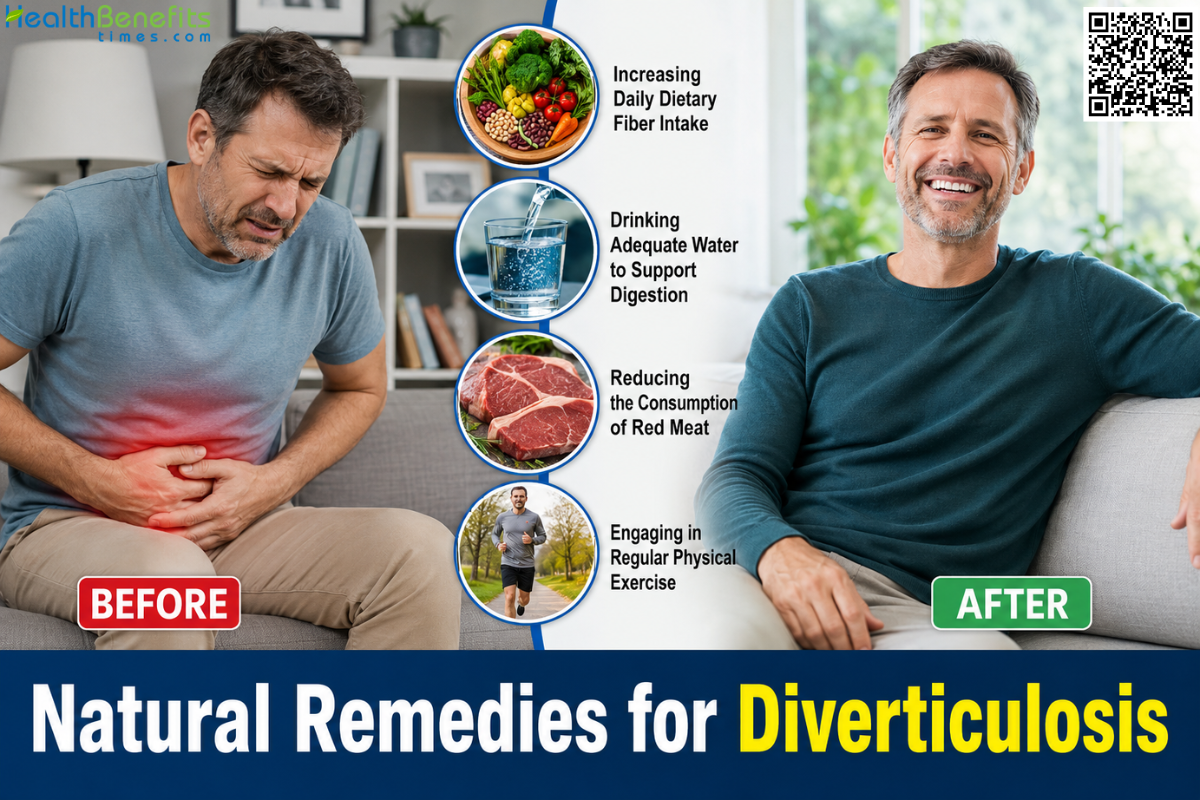
Diverticulosis is a structural condition of the lower digestive tract characterized by the formation of small, bulging pouches—called diverticula—along the inner lining of the large intestine. These pouches typically develop when weakened areas of the intestinal wall expand outward under physiological pressure from moving gas or waste. For the vast majority of individuals, diverticulosis remains entirely asymptomatic and is only discovered incidentally during routine diagnostic tests, such as a colonoscopy 1. While the mere presence of these pouches is generally benign, it represents the foundational stage of diverticular disease. If waste material becomes trapped within these pockets, it can trigger bacterial overgrowth and localized micro-tears, causing the pouches to become severely inflamed or infected 2. This acute progression is clinically referred to as diverticulitis, a secondary complication that requires medical intervention to manage symptoms like intense abdominal pain, localized tenderness, and fever 3.
Causes of Diverticulosis
1. Age-Related Structural Weakness
As individuals age, the connective tissue and muscle layers within the large intestine naturally lose elasticity and strength, allowing normal digestive pressure to push the inner lining outward through the weakened colon wall.
2. Genetic Predisposition
Hereditary factors are now recognized as a primary driver of the condition, with clinical research indicating that genetic inheritance accounts for approximately 40 to 50 percent of a person’s overall risk for developing diverticula 4.
3. Dietary Imbalances
A long-term diet that is low in dietary fiber and high in red meat alters natural bowel movements, leading to harder stools that increase pressure inside the colon and force the intestinal walls to bulge outward.
4. Medication Use
The regular or long-term use of specific medications, including nonsteroidal anti-inflammatory drugs (NSAIDs) like ibuprofen, aspirin, and corticosteroids, has been strongly linked to an increased risk of colonic structural changes and diverticular disease.
5. Obesity and Physical Inactivity
A continuous lack of routine physical activity combined with excess body weight significantly increases pressure on the abdominal and pelvic organs, which correlates with higher rates of intestinal pouch formation.
6. Tobacco Use
Smoking cigarettes introduces systemic toxins that degrade collagen and connective tissue throughout the body, including the digestive tract, thereby contributing to the structural weakening of the colon wall.
Symptoms of Diverticulosis
1. Absence of Symptoms
The majority of individuals with diverticulosis never experience any physical signs or discomfort throughout their lives, a state clinically classified as asymptomatic diverticulosis.
2. Mild Abdominal Cramping
When physical signs do occur without active infection, they typically present as mild, intermittent cramps or a generalized aching discomfort that is most frequently felt in the lower left side of the abdomen.
3. Bloating and Gas
The structural irregularities caused by the pouches can disrupt the smooth passage of waste and trapped air, leading to a noticeable sensation of abdominal fullness, swelling, and increased gas.
4. Bowel Movement Irregularities
The altered shape of the large intestine can interfere with normal digestive contractions, leading to mild but chronic shifts in daily bowel habits, most commonly presenting as persistent constipation and occasionally as mild diarrhea.
5. Painless Rectal Bleeding
In some instances, a small blood vessel stretched across the dome of an intestinal pouch can weaken and rupture, resulting in a sudden, distinctly painless discharge of bright red or dark maroon blood in the stool.
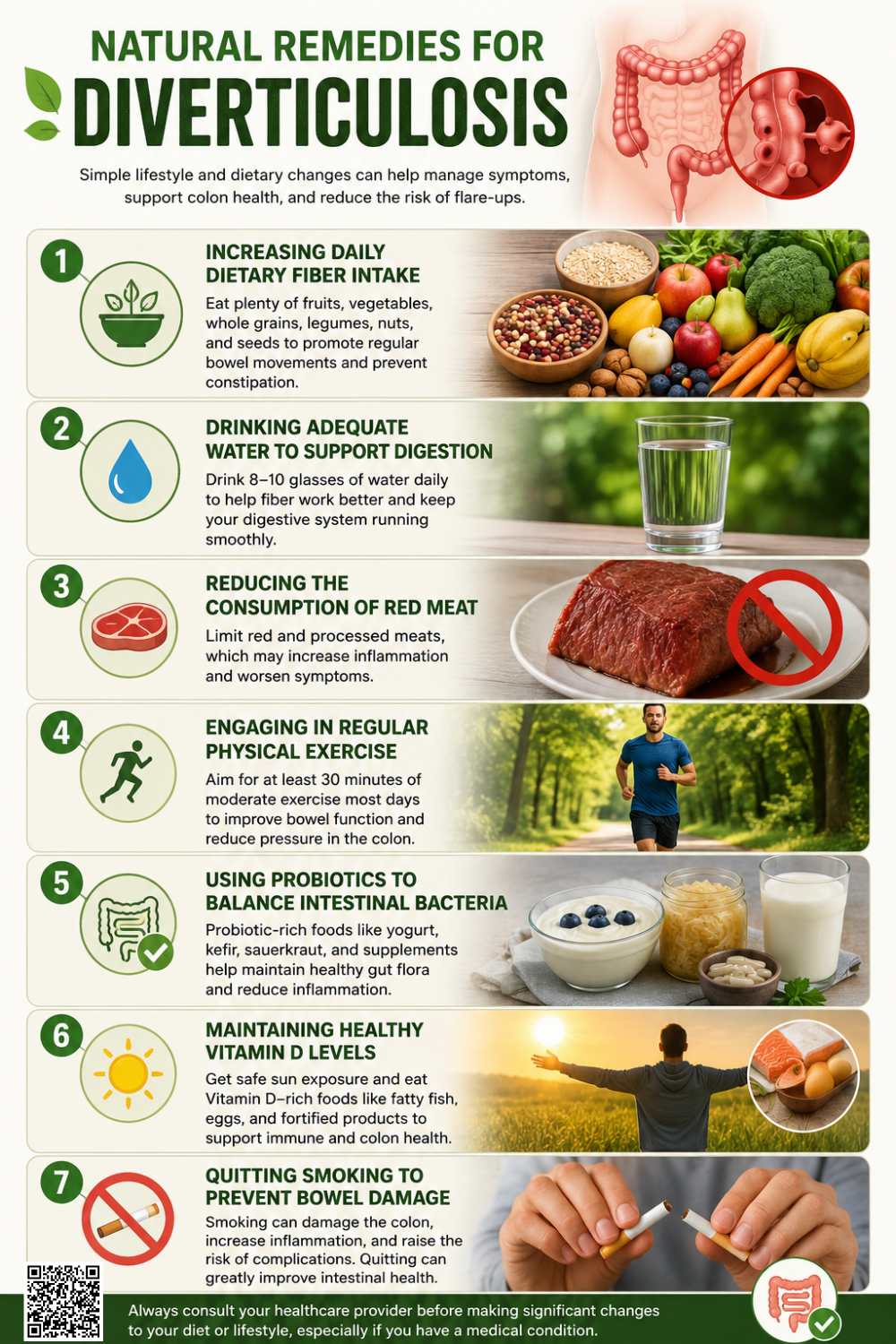 Natural Remedies for Diverticulosis
1. Increasing Daily Dietary Fiber Intake
How It May Help
Dietary fiber draws water into the colon to soften stool and add bulk. This allows waste to move smoothly through the digestive tract, which reduces the internal pressure needed to pass bowel movements. Lowering colonic pressure prevents the formation of new intestinal pouches and reduces the risk of inflammation in existing ones 5.
What Research Says
Clinical guidelines establish that diets high in dietary fiber significantly reduce the risk of developing diverticular disease. Medical research confirms that maintaining a high-fiber diet is the primary and most effective nutritional intervention for managing asymptomatic diverticulosis and preventing progression to acute diverticulitis.
How to Use It Safely
To avoid discomfort, gradually add fiber-rich foods like beans, oats, fruits, and vegetables to your daily meals over several weeks. You must increase your water intake simultaneously; drinking enough fluids ensures the fiber remains soft and moves easily through your digestive system without causing blockages.
Potential Precautions or Side Effects
Increasing fiber too rapidly causes abdominal bloating, excessive gas, and cramping. During an active, painful diverticulitis infection, your doctor will advise you to temporarily stop eating fiber entirely.
2. Drinking Adequate Water to Support Digestion
How It May Help
Water is essential for proper bowel function, especially when consuming a high-fiber diet. Fluid is absorbed by dietary fiber in the colon, which keeps stools soft and bulky. This prevents constipation and reduces the physical strain needed during bowel movements, lowering the pressure that causes diverticula to form.
What Research Says
Clinical guidelines state that adequate fluid intake must accompany dietary fiber to effectively manage diverticulosis. Medical experts conclude that consuming high amounts of fiber without sufficient water actually worsens constipation, thereby increasing internal colon pressure and elevating the risk of developing acute diverticular complications.
How to Use It Safely
To support your digestion, sip water consistently throughout the day rather than drinking large amounts at once. Increase your daily fluid intake whenever you add more fiber to your meals to ensure the digestive tract functions smoothly.
Potential Precautions or Side Effects
If you have kidney disease or congestive heart failure, consult your doctor before increasing fluid intake, as your body may struggle to process excess water safely.
3. Reducing the Consumption of Red Meat
How It May Help
Red meat lacks fiber and digests slowly, leading to harder stools and increased strain during bowel movements. Furthermore, breaking down red meat alters natural gut bacteria and promotes low-grade inflammation in the colon. Limiting these meats reduces intestinal pressure and prevents inflammatory responses that aggravate diverticular pouches 6.
What Research Says
Clinical studies demonstrate a strong link between high consumption of red meat, particularly unprocessed red meat, and an increased risk of developing diverticulitis. Researchers conclude that individuals who eat large amounts of red meat face a significantly higher likelihood of experiencing painful diverticular inflammation compared to those who eat less.
How to Use It Safely
To safely reduce your red meat intake, gradually replace beef, lamb, and pork with healthier alternatives. Substitute these with poultry, fish, eggs, or plant-based proteins like beans. This ensures you maintain proper muscle health and daily nutrient levels while protecting your digestive system.
Potential Precautions or Side Effects
If you eliminate red meat entirely, you risk developing iron or vitamin B12 deficiencies. Monitor your energy levels and consult your doctor about adding necessary dietary supplements 7.
4. Engaging in Regular Physical Exercise
How It May Help
Physical activity stimulates normal muscle contractions in the intestines, which speeds up digestion and prevents stool from sitting in the colon. This smoother bowel function lowers internal abdominal pressure, preventing existing diverticular pouches from expanding or becoming severely inflamed by trapped waste.
What Research Says
Clinical research demonstrates that regular physical exercise, particularly vigorous activity, significantly lowers the risk of developing acute diverticulitis and diverticular bleeding. Medical studies conclude that a sedentary lifestyle strongly correlates with a higher incidence of severe diverticular complications over time 8.
How to Use It Safely
To safely build an exercise routine, you should start with low-impact activities like brisk walking, cycling, or swimming for thirty minutes most days. Gradually increase your intensity over several weeks while ensuring you stay fully hydrated to support healthy bowel movements 9.
Potential Precautions or Side Effects
If you experience an active diverticulitis flare-up, avoid intense workouts or heavy lifting that strains your abdomen. Always consult your doctor before beginning a new physical fitness program 10.
5. Using Probiotics to Balance Intestinal Bacteria
How It May Help
Probiotics introduce beneficial bacteria into the digestive tract, which restores a healthy microbial balance in the colon. This balanced environment reduces low-grade inflammation and prevents harmful bacteria from multiplying inside existing diverticular pouches, lowering the chance of triggering painful flare-ups 11.
What Research Says
Clinical studies show that an imbalance of gut bacteria is closely linked to diverticular complications. Medical researchers conclude that specific probiotic strains can significantly reduce ongoing abdominal pain, bloating, and irregular bowel habits in patients suffering from symptomatic uncomplicated diverticular disease.
How to Use It Safely
To use probiotics safely, you should consume naturally fermented foods like yogurt or take targeted daily dietary supplements. Always discuss new probiotic supplements with your doctor to ensure you select the appropriate bacterial strains for your specific digestive health needs 12.
Potential Precautions or Side Effects
If you have a severely weakened immune system or are recovering from surgery, you must avoid probiotics, as introducing live bacteria can cause severe infections 13.
6. Maintaining Healthy Vitamin D Levels
How It May Help
Vitamin D regulates the immune system and helps maintain the structural strength of the intestinal lining. By reducing widespread inflammation in the digestive tract, adequate vitamin D prevents the colon walls from weakening and protects existing pouches from developing severe, painful infections 14.
What Research Says
Clinical research reveals a strong connection between low vitamin D levels and higher rates of diverticular complications. Medical studies conclude that patients with deficient vitamin D in their blood are significantly more likely to experience acute diverticulitis requiring hospitalization compared to those with normal levels.
How to Use It Safely
You should ask your doctor for a blood test to check your current vitamin D levels before starting supplements. Safely increase your levels by consuming fortified dairy or fatty fish, spending brief periods in sunlight, and taking precise daily supplements as medically prescribed 15.
Potential Precautions or Side Effects
Taking excessively high doses of vitamin D supplements can cause dangerously high calcium levels in your blood, which may lead to severe kidney stones and irregular heart rhythms.
7. Quitting Smoking to Prevent Bowel Damage
How It May Help
Cigarette toxins constrict blood vessels and degrade collagen, which weakens the structural walls of the large intestine. Quitting smoking restores healthy blood flow and prevents further tissue degradation, keeping the colon strong enough to resist pouch formation and painful inflammation.
What Research Says
Clinical research demonstrates that smoking cigarettes is a major independent risk factor for developing diverticular complications. Medical studies conclude that active smokers face a substantially higher likelihood of experiencing severe, life-threatening events, such as ruptured intestinal pouches and massive bleeding, compared to nonsmokers.
How to Use It Safely
To safely quit smoking, you should combine behavioral counseling with medically approved therapies. Consult your doctor about using nicotine patches, gums, or prescription medications to manage physical cravings while safely breaking your dependence on tobacco products 16.
Potential Precautions or Side Effects
Quitting smoking causes temporary nicotine withdrawal, leading to irritability, anxiety, and increased appetite. Additionally, certain prescription cessation medications may induce mood changes, nausea, or vivid dreams 17.
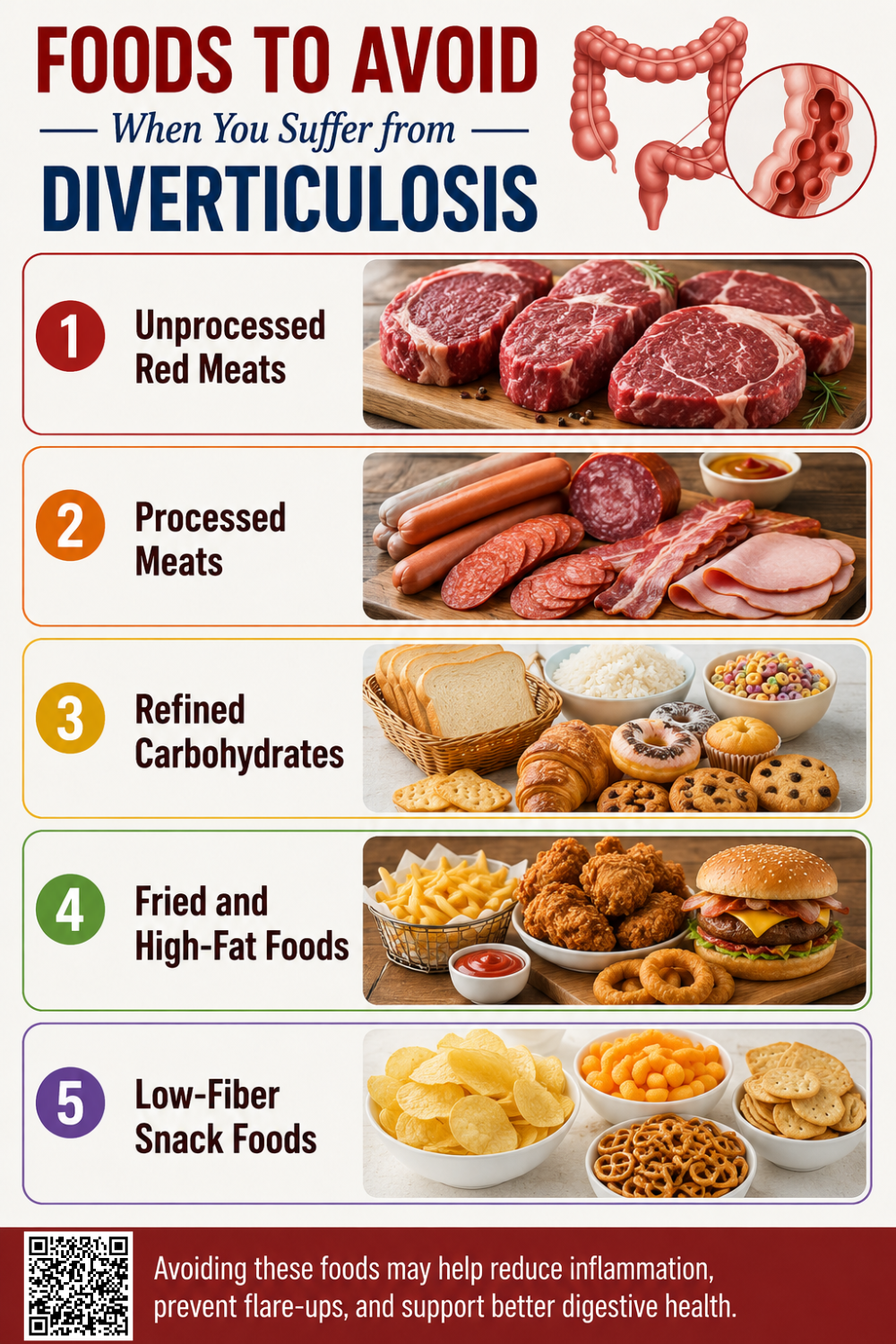 Foods to Avoid When You Suffer From Diverticulosis
1. Unprocessed Red Meats
High consumption of red meats, such as beef and lamb, increases intestinal inflammation and significantly elevates the risk of developing acute diverticular complications.
2. Processed Meats
Meats preserved through smoking or curing contain chemical additives that alter gut bacteria and promote severe colonic inflammation, increasing the likelihood of diverticulitis.
3. Refined Carbohydrates
Foods lacking natural dietary fiber, like white bread and white rice, cause severe constipation and dramatically increase the internal pressure that forms diverticular pouches.
4. Fried and High-Fat Foods
Highly processed foods rich in unhealthy fats digest poorly and disrupt normal bowel motility, which directly increases physical strain and pressure during bowel movements.
5. Low-Fiber Snack Foods
Packaged chips and sweets provide no digestive bulk. This absence of fiber stalls waste movement, increasing the continuous colonic pressure responsible for structural bowel damage.
When to See a Doctor When You Suffer From Diverticulosis
1. Persistent Abdominal Pain
Seek immediate medical attention if you experience severe, constant pain, particularly in the lower left abdomen, which may signal an acute infection known as diverticulitis.
2. Fever and Chills
A high fever or persistent chills indicate that your body is fighting a potential systemic infection caused by inflamed or ruptured intestinal pouches.
3. Significant Rectal Bleeding
Contact your physician immediately if you observe large amounts of bright red or dark blood in your stool, as this indicates a potentially dangerous ruptured blood vessel.
4. Persistent Nausea or Vomiting
Inability to keep food or liquids down may suggest a bowel obstruction or severe infection, requiring urgent clinical evaluation to prevent dehydration and further complications.
5. Change in Bowel Habits
Consult your doctor if you notice sudden, long-term shifts in bowel movements, such as chronic constipation or unexplained diarrhea, that do not improve with dietary fiber adjustments.