

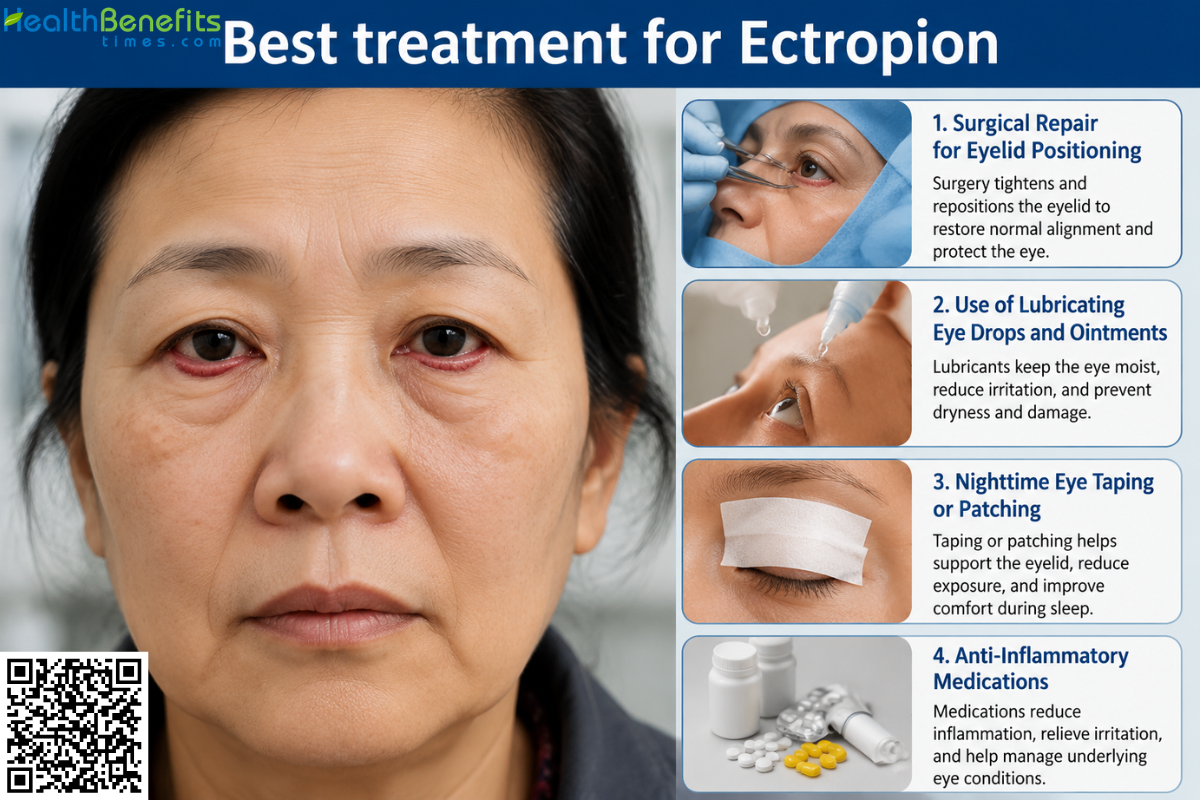
Ectropion is a clinical condition characterized by the outward turning of the eyelid margin, which prevents the lid from maintaining proper contact with the surface of the eye. This malposition most commonly affects the lower eyelid and can disrupt the eye’s protective tear film, leading to chronic dryness, excessive tearing, redness, and a persistent sensation of foreign matter in the eye 1. When the eyelid fails to shield the globe adequately, the ocular surface is exposed to environmental elements, potentially resulting in severe complications such as corneal irritation, ulceration, and permanent vision loss 2. While various factors including facial nerve paralysis, scarring, or the presence of a mass can cause this condition, it is most frequently associated with age-related tissue laxity 3. Early clinical evaluation is essential to determine the underlying cause and implement appropriate interventions, typically ranging from topical lubrication to surgical correction, to safeguard ocular health.
Causes of Ectropion
- Involutional (Age-Related): This is the most prevalent form, resulting from the natural loss of skin elasticity and weakening of the fibrous tissues that support the eyelid as part of the aging process 1.
- Cicatricial (Scarring): This occurs when injury, inflammation, chemical burns, or previous eyelid surgery cause scarring that contracts and pulls the eyelid margin away from the eye 2.
- Paralytic: This type is caused by weakness or paralysis of the facial muscles, frequently associated with conditions such as Bell’s palsy, which prevents the eyelid from closing and maintaining its normal position 3.
- Mechanical: The presence of eyelid lesions, such as tumors or cysts, can physically weigh down or displace the eyelid margin, leading to outward rotation 1.
Symptoms of Ectropion
- Excessive Tearing: When the eyelid turns outward, the tear ducts cannot effectively drain moisture into the nose, causing tears to spill over the eyelid onto the cheek 1.
- Ocular Irritation and Dryness: The inability of the eyelid to close completely or maintain contact with the eye disrupts the natural tear film, leading to a persistent gritty sensation, burning, or redness 2.
- Sensitivity to Light: Exposure of the ocular surface and resulting inflammation can increase discomfort in bright environments, often leading to significant light sensitivity 3.
- Chronic Conjunctivitis: The constant exposure of the inner eyelid lining can cause it to become thickened, inflamed, and prone to repeated infections or mucous discharge 1.
- Corneal Complications: If left untreated, severe dryness may lead to corneal abrasions or ulcerations, which can cause blurred vision or permanent damage to the surface of the eye 2.
Best Treatment for Ectropion
1. Surgical Repair for Eyelid Positioning
How it may help
Surgical intervention effectively treats ectropion by tightening the stretched eyelid tissues and reattaching them to the eye socket. This procedure restores proper eyelid tension and alignment, allowing the lid to rest against the eyeball, which seals the eye, protects the ocular surface, and stops excessive tearing 1.
What research says
Clinical research indicates that surgical repair is the definitive solution for long-term resolution of mechanical and age-related lid malposition. Studies confirm that these operations successfully restore eyelid function, improve corneal protection, and significantly reduce chronic irritation compared to temporary non-surgical management strategies 2.
How to use it safely
To ensure safety, you must undergo a thorough evaluation by an eye surgeon specializing in eyelid procedures. Follow all preoperative instructions regarding medication adjustments and strictly adhere to the provided postoperative care plan, including the use of prescribed ointments to aid healing and prevent infection during your recovery.
Potential precautions or side effects
Potential side effects include temporary bruising, swelling, or redness around the eye. In rare cases, patients may experience residual eyelid malposition or discomfort that requires further follow-up care 3.
2. Use of Lubricating Eye Drops and Ointments
How it may help
Lubricating eye drops and ointments provide essential moisture to the eye, acting as artificial tears to prevent dryness and shield the sensitive surface. By reducing friction and protecting the exposed cornea, these treatments alleviate chronic irritation and discomfort caused when the eyelid fails to maintain proper contact with the eye 1.
What research says
Research indicates that consistent use of topical lubricants is an effective conservative management strategy to maintain ocular health prior to or while awaiting surgical intervention. Clinical evidence confirms that these therapies successfully reduce inflammation and lower the risk of corneal surface damage in patients with symptomatic eyelid malposition 2.
How to use it safely
To use these safely, wash your hands thoroughly before application. Gently pull your lower eyelid down, place the drop or a small ribbon of ointment into the space between the lid and your eye, and avoid touching the tip of the container to your eye or eyelid.
Potential precautions or side effects
Rare side effects may include temporary blurred vision or mild local irritation. Discontinue use and consult your doctor if you experience persistent pain, increased redness, or swelling. 3
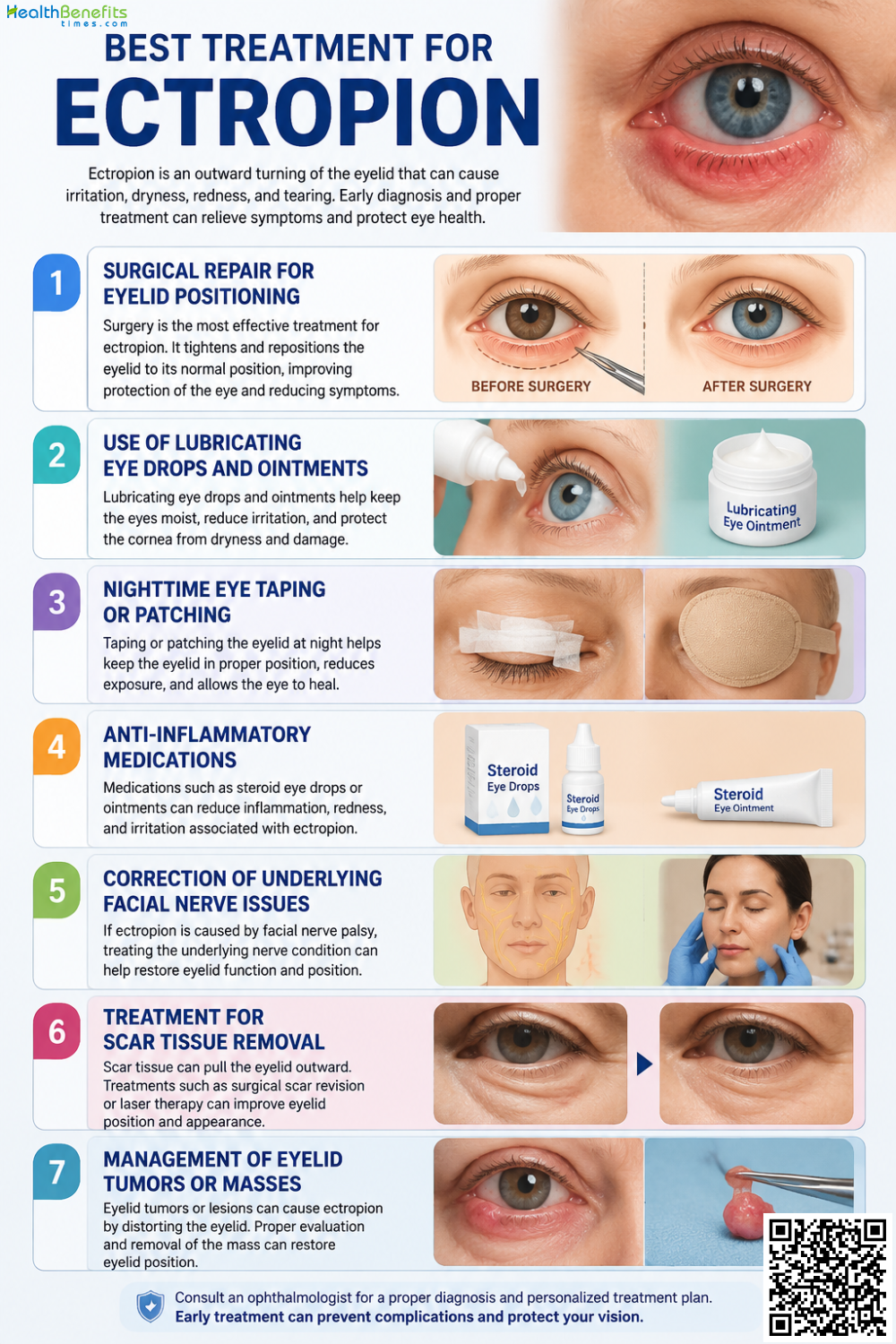
3. Nighttime Eye Taping or Patching
How it may help
Nighttime eye taping or patching helps by manually keeping the eyelid closed or properly positioned during sleep. This prevents the eye from drying out due to incomplete closure, shielding the sensitive surface from environmental exposure and reducing the risk of overnight corneal abrasions and irritation while the patient is at rest 1.
What research says
Research confirms that mechanical eyelid closure during sleep effectively prevents ocular surface damage in individuals with eyelid laxity or facial nerve weakness. Clinical findings demonstrate that these protective methods significantly mitigate the progression of corneal exposure and reduce the severity of symptoms associated with nocturnal drying of the eye 2.
How to use it safely
To use these safely, ensure you use medical-grade, hypoallergenic tape or a dedicated eye patch. Apply it gently to avoid putting pressure on the eyeball itself, ensuring it only secures the eyelid in a closed position. Always remove the adhesive carefully to prevent skin irritation or damage to the delicate eyelid skin.
Potential precautions or side effects
Precautions include potential skin irritation, allergic reactions to adhesives, or skin breakdown from frequent use. If you notice persistent redness or rashes, discontinue use and contact your clinician. 3
4. Anti-Inflammatory Medications
How it may help
Anti-inflammatory medications, specifically topical steroids, help by reducing the swelling, redness, and tissue irritation associated with chronic ectropion. By calming the underlying inflammation of the eyelid and the surface of the eye, these treatments can provide relief from discomfort and prevent secondary damage caused by persistent ocular exposure 1.
What research says
Research indicates that these medications are beneficial in managing secondary inflammation caused by long-term exposure, particularly in cases linked to underlying conditions like chronic conjunctivitis. Clinical findings suggest that such therapies play a supportive role in stabilizing the eye surface before or after surgical correction of the eyelid position 2.
How to use it safely
Always use these medications strictly as directed by your healthcare provider. Apply the prescribed dose to the affected area, ensuring you do not exceed the recommended duration. Do not share these medications with others, and finish the entire course as instructed to achieve the intended clinical benefit.
Potential precautions or side effects
Monitor for potential side effects such as increased eye pressure, cataracts, or secondary infections. Contact your physician immediately if you experience vision changes or persistent stinging. 3
5. Correction of Underlying Facial Nerve Issues
How it may help
Addressing facial nerve dysfunction helps by restoring muscle tone and movement to the eyelid. When nerves are damaged, as in cases of facial palsy, the eyelid loses its ability to close properly. Treating the underlying nerve condition helps reposition the lid, enabling it to protect the eye surface effectively from dryness and external irritation 1.
What research says
Research confirms that managing facial nerve damage is critical for resolving paralytic ectropion. Clinical findings demonstrate that restoring nerve function—or using surgical procedures to compensate for nerve loss—significantly improves eyelid closure and ocular surface health, preventing long-term complications like corneal exposure that occur when facial muscles remain weak or immobile 3.
How to use it safely
To pursue this safely, consult with a neurologist or an eye surgeon specialized in facial reconstruction. Undergo a comprehensive evaluation to identify the cause of your nerve issue. Follow a structured treatment plan, which may include physical therapy or specialized surgical procedures, while attending all scheduled follow-up appointments.
Potential precautions or side effects
Potential risks depend on the treatment type but may include surgical scarring, incomplete nerve recovery, or temporary localized numbness. Discuss all potential complications directly with your medical specialist. 2
6. Treatment for Scar Tissue Removal
How it may help
Removing scar tissue helps by releasing the tension that physically pulls the eyelid away from the eye. By excising or softening these rigid bands, the eyelid regains its natural flexibility and contour, allowing it to return to its proper position against the eye and restore essential protective functions 1.
What research says
Research indicates that surgical release of scar-related contracture is the primary method for treating cicatricial ectropion. Clinical findings show that successful removal of restrictive tissue significantly improves eyelid closure and ocular surface stability, effectively preventing the long-term corneal damage often associated with secondary scarring from injury, chronic inflammation, or previous surgeries 2.
How to use it safely
To ensure safety, work with a skilled surgeon who specializes in reconstructive eye procedures. Before proceeding, undergo a complete assessment to determine the extent of the scarring. Post-surgery, strictly follow all wound care protocols and attend every follow-up visit to monitor for proper healing and ensure no recurring tension.
Potential precautions or side effects
Risks include potential recurrence of scarring, infection, or temporary post-operative swelling and bruising. Discuss all specific surgical risks and expected outcomes with your healthcare provider beforehand. 3
7. Management of Eyelid Tumors or Masses
How it may help
Managing eyelid tumors or masses helps by removing the physical obstruction that displaces the eyelid margin. By excising these growths, the weight or pressure pulling the lid outward is eliminated, allowing it to regain its normal, protective alignment against the globe and restoring proper tear distribution across the eye’s surface 1.
What research says
Research indicates that surgical removal is the standard approach for managing tumors that cause mechanical ectropion. Clinical findings demonstrate that timely excision is essential not only to restore lid position but also to achieve a definitive diagnosis, prevent further ocular damage, and ensure complete clearance of any potentially malignant growth 2.
How to use it safely
To proceed safely, ensure you are evaluated by an ocular surgeon who specializes in managing eyelid growths. Undergo all recommended diagnostic tests, including biopsies if required. After surgery, strictly follow your provider’s post-operative care and monitoring plan to track healing and confirm no recurrence of the mass.
Potential precautions or side effects
Potential risks include incomplete removal, temporary eyelid deformity, or infection. Long-term surveillance is necessary to ensure the site remains healthy and free of recurring growths. 3
Foods to Avoid When You Suffer From Ectropion
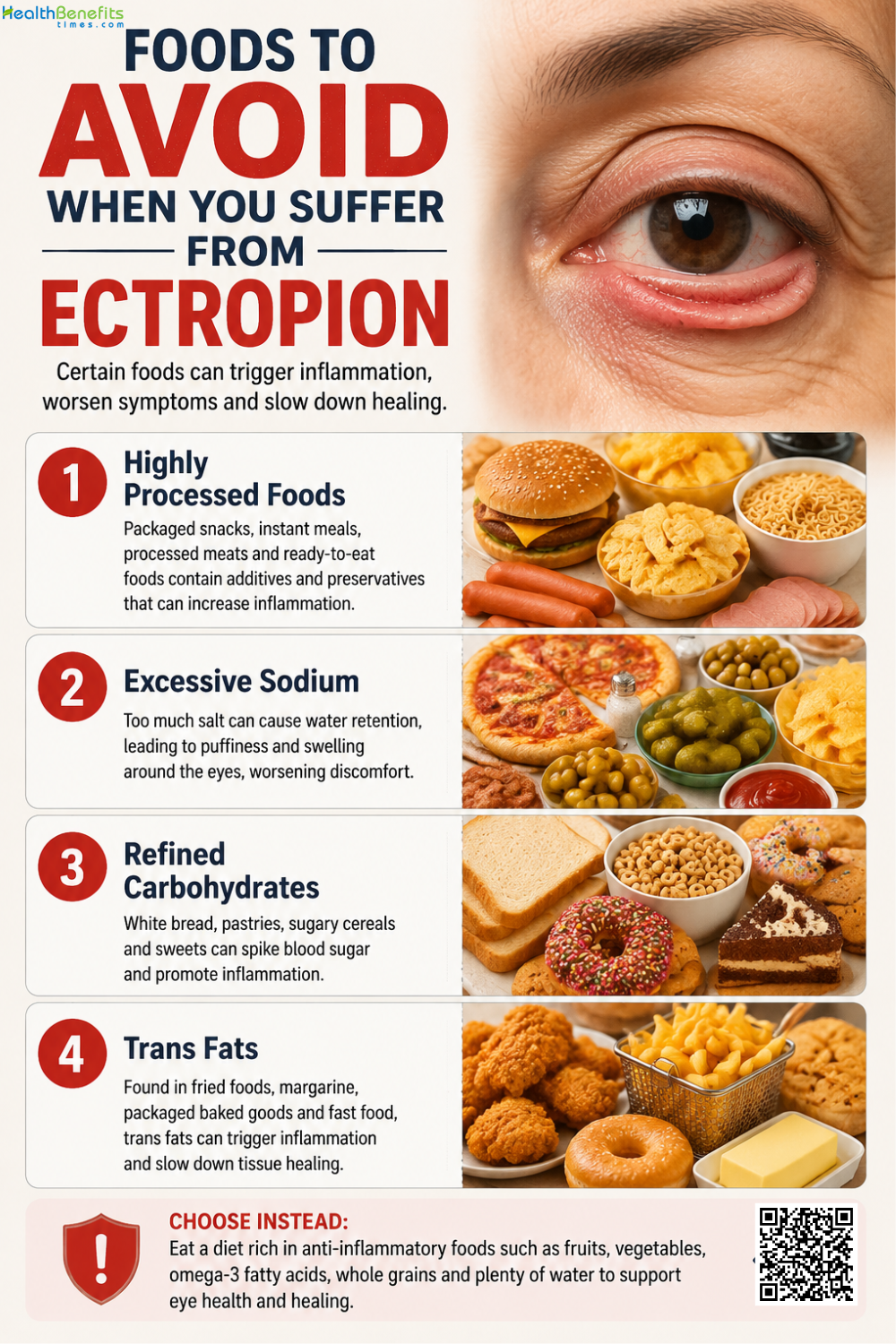
While no specific food causes ectropion, managing systemic inflammation can improve overall ocular health and comfort. Reducing the following dietary triggers may help lower systemic inflammation:
1. Highly Processed Foods
These often contain high levels of refined sugars and unhealthy fats, which can increase systemic inflammation and exacerbate inflammatory responses in the ocular tissues 4.
2. Excessive Sodium
Diets high in salt can lead to fluid retention and puffiness, potentially worsening eyelid swelling and discomfort in individuals already experiencing eyelid malposition 5.
3. Refined Carbohydrates
Foods like white bread and pastries cause rapid blood sugar spikes, which are linked to increased markers of inflammation that can negatively affect eye surface health 6.
4. Trans Fats
Commonly found in fried or packaged snack foods, trans fats are strongly associated with chronic inflammation, which may negatively impact the healing of irritated ocular surfaces 7.
When to See a Doctor for Ectropion
Prompt medical evaluation is necessary if you experience symptoms of ectropion to prevent long-term ocular damage. Seek professional care under the following circumstances:
1. Persistent Ocular Pain
Any significant or worsening pain in the eye requires immediate assessment to rule out corneal abrasions or ulcerations caused by chronic exposure 1.
2. Changes in Vision
Seek immediate medical attention if you notice blurred vision or a decrease in visual acuity, as these may indicate severe damage to the eye’s surface 2.
3. Frequent Eye Infections
Recurrent redness, thick discharge, or signs of conjunctivitis suggest the eye is no longer adequately protected, requiring clinical intervention to prevent infection progression 1.
4. Excessive, Unrelenting Tearing
If constant tearing disrupts your daily activities or causes significant skin irritation around the eye, a doctor should evaluate your eyelid position for possible surgical correction 3.
5. Visible Eyelid Malposition
If you notice that your lower eyelid has noticeably pulled away from the globe, schedule a consultation to prevent secondary complications from developing 1.