

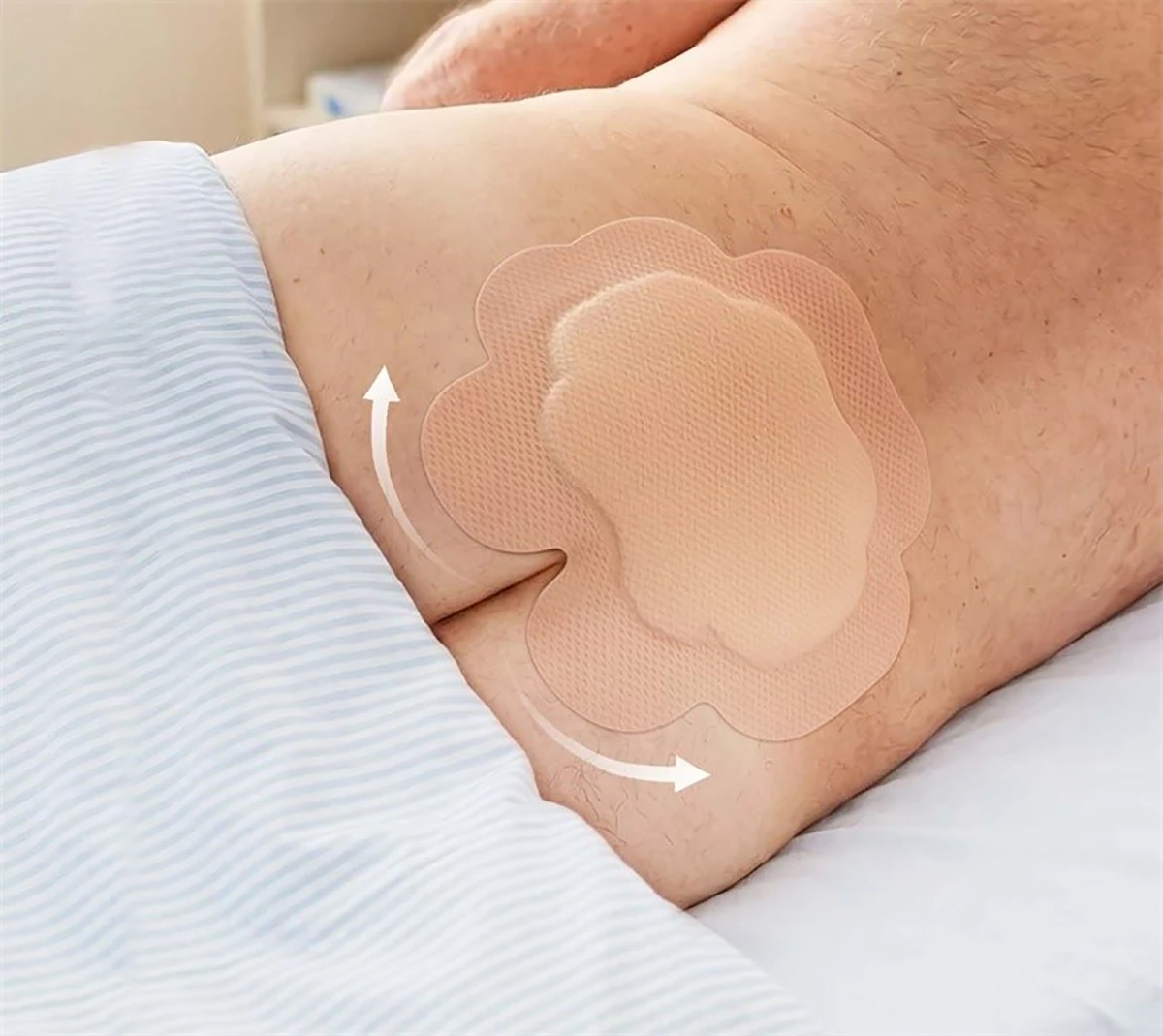
A family caregiver or home care purchaser navigating the demands of pressure injury management often selects a square dressing because it looks absorbent, soft, and straightforward to apply. At first glance, a standard square dressing commonly used for general wound coverage appears to be a universally simple solution. However, when a pressure injury or skin tear develops near the sacrum or tailbone, real-life home care can become significantly more complicated. A dressing that performs perfectly well on a flat area of the body may suddenly wrinkle when the individual sits up, lift at the corners when they turn in bed, or fail to fully protect the lower tailbone region. For successful care around the sacrum and coccyx, the purchasing decision must look beyond basic fluid absorption. The real evaluation comes down to how well a dressing can anatomically fit the body, stay securely in place during movement, protect a highly vulnerable zone, and come off fragile skin gently.
Understanding why this specific region poses such a challenge requires looking closely at human anatomy. The sacrum and coccyx are inherently curved, sitting directly near the deep crease between the lower back and the buttocks. This means the area is constantly subjected to friction, moisture, and shifting pressures whenever an individual sits, lies down, turns, or is repositioned by a caregiver. Furthermore, elderly or bedbound individuals often possess highly fragile skin, making the surrounding area exceptionally sensitive to repeated dressing changes. A square dressing that works well on the flat planes of an arm, leg, or abdomen simply may not behave the same way over the sacrum, where the natural body contours and constant bedding friction alter how materials sit on the skin.
The most visible difference between general-purpose options and specialized care tools begins with basic geometry. A standard square dressing is highly versatile and remains an excellent, cost-effective choice for flatter, more uniform wound areas. Yet its greatest strength is also its primary limitation in specialized care: it is not shaped around the unique anatomy of the lower back. Forcing a flat, rigid square across a deep bodily curve naturally causes the edges to crease or tent. One example of a dressing designed specifically for this anatomical challenge is the Dimora Sacrum Silicone Absorbent Soft Dressing with Border, which features a sacral-specific anatomical shape. By mimicking the natural contours of the lower back and upper buttocks, this sacral design allows the material to sit more naturally against the skin without being stretched, significantly reducing the likelihood that the dressing will warp or lift during daily repositioning.
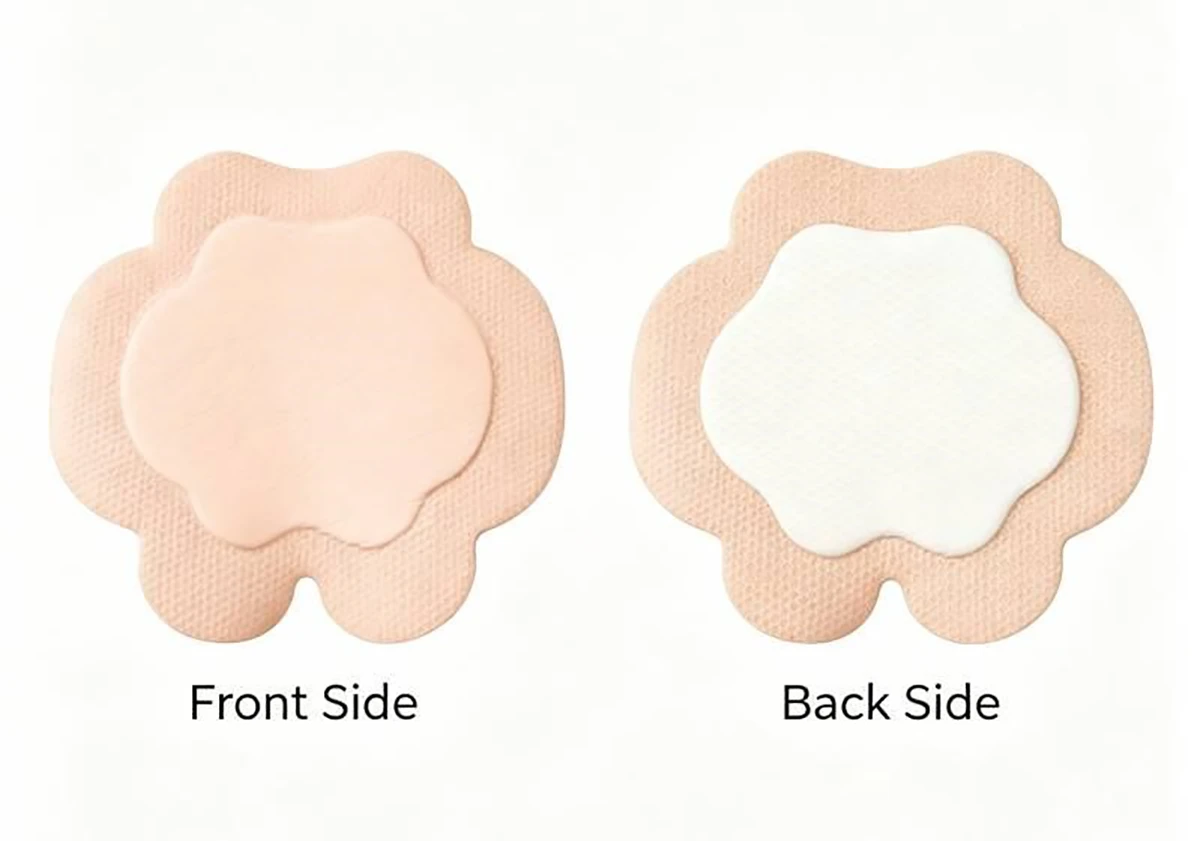 This structural difference directly impacts the actual care zone protected by the dressing. A standard square dressing provides reliable central coverage for a wound, but it may leave the surrounding high-risk skin exposed. In sacral care, coverage must extend beyond the visible center of the wound to protect the entire surrounding area from friction and moisture. The Dimora Sacral Silicone Soft Dressing addresses this by incorporating a 23% widened tail core specifically optimized for coccyx coverage. This extra material shields the lower tailbone area, creating a broader, more intentional protective zone that guards the vulnerable bone prominences most exposed to pressure injuries.
Fluid management reveals another major difference in how these designs operate under moderate to heavy exudate. While a foam dressing effectively takes in wound fluid under normal circumstances, its performance depends heavily on the overall thickness of the foam. If fluid saturates the material evenly, caregivers must watch closely for leakage or fluid spreading backward, which can cause skin maceration and weaken the surrounding tissue. In contrast, the sacral-specific Dimora dressing utilizes a built-in SAP super absorbent core. The practical advantage of this super absorbent fluid-locking core is not just that it absorbs a higher volume of moderate to heavy exudate, but that it actively locks the exudate away from the skin surface. This helps keep the immediate wound environment stable and reduces the necessity for frequent, disruptive dressing changes.
Edge stability during real-world movement is where caregivers notice the day-to-day difference. When an individual turns or slides up in bed, the corners of a standard square dressing can easily catch on clothing or sheets, causing the edges to roll and peel forward. For a home caregiver, an unsealing dressing means constant monitoring, an increased risk of external contamination, and premature replacements that waste care supplies. The specialized border of the sacral-specific dressing is explicitly engineered to minimize this friction, staying secure against bedding and supporting better overall stability when the individual shifts positions.
Furthermore, the experience of removing the dressing plays a massive role in skin integrity. The Dimora dressing utilizes a soft silicone contact layer designed for gentler removal. The silicone contact layer helps prevent the adhesive from pulling at fragile surrounding skin, making repeated changes in highly sensitive areas far more manageable. This protection is further enhanced by a waterproof yet breathable outer layer. Home wound care rarely happens under ideal clinical conditions, a waterproof backing shields the wound from external moisture while allowing necessary vapor to escape, keeping the site clean and dry.
Choosing the right dressing type ultimately depends on matching the product to the specific wound location, fluid levels, and the individual’s daily routine. A standard square dressing remains highly appropriate when a wound is located on a flat part of the body, exhibits lighter exudate, and is not subjected to heavy friction or frequent shifting. Conversely, a sacral-specific option like Dimora offers clear practical advantages if the wound is located near the sacrum or coccyx, the individual spends extended periods sitting or lying down, or the caregiver is constantly battling leaking, shifting, and edge-lifting. It is vital to note that dressing selection should always be guided by overall skin sensitivity and professional medical input; for deep, infected, worsening, or non-healing wounds, caregivers should always consult a healthcare professional before changing a care routine. For those managing tailbone-area care, selecting a shape designed around that specific anatomy makes daily management significantly more stable, predictable, and comfortable.