


Endocarditis is a serious, life-threatening infection of the heart’s inner lining, typically involving the heart valves. It occurs when germs most commonly bacteria from the skin, mouth, or other parts of the body enter the bloodstream and settle on damaged heart tissue or artificial heart valves. Once established, these germs form clusters called vegetations that can damage or destroy heart valves, lead to dangerous blood clots, or cause systemic complications like stroke. While healthy hearts are generally resistant to these infections, individuals with congenital heart defects, prosthetic heart valves, or a history of rheumatic heart disease are at significantly higher risk. Because the infection can progress rapidly and cause permanent cardiac damage, it requires prompt diagnosis and intensive, hospital-based treatment with high-dose intravenous antibiotics or, in severe cases, corrective heart surgery 1 2.
Causes of Endocarditis
Infective endocarditis typically develops when bacteria, fungi, or other microorganisms from elsewhere in the body enter the bloodstream and attach to vulnerable areas of the heart. The following factors increase the risk of these pathogens colonizing heart tissue:
- Damaged or Abnormal Heart Valves: Conditions such as rheumatic heart disease or congenital heart defects can create rough surfaces on valves, making it easier for bacteria to adhere and form infections 3.
- Prosthetic Heart Valves: Artificial valves are more susceptible to bacterial colonization than native tissue, as the materials used can provide a surface for germs to aggregate 4.
- Poor Oral Health: Routine activities such as chewing or brushing teeth can introduce oral bacteria into the bloodstream, especially in individuals with gum disease or significant inflammation 1.
- Intravenous Drug Use: The use of non-sterile needles and equipment directly injects pathogens into the venous system, bypassing the body’s natural defensive barriers 5.
- Invasive Medical Procedures: Surgical interventions, the placement of central venous catheters, or long-term medical devices can provide a portal of entry for microorganisms to enter the blood and travel to the heart 6.
Symptoms of Endocarditis
The symptoms of endocarditis often develop slowly and can vary significantly depending on the severity of the infection and the specific microorganism involved. Clinical manifestations frequently include the following:
- Persistent Fever and Chills: These are the most common signs, often accompanied by night sweats as the body attempts to fight the systemic infection 1.
- New or Changing Heart Murmurs: As the infection damages the heart valves, the sound of blood flowing through the heart may change, which a doctor can detect using a stethoscope 3.
- Fatigue and General Malaise: Many individuals experience unexplained tiredness, weakness, or an overall feeling of being unwell, which may persist for weeks 4.
- Physical Signs on the Skin: Small, tender red or purple bumps may appear on the fingers or toes, while painless flat red spots might develop on the palms of the hands or soles of the feet due to small blood clots or inflammation 6.
- Shortness of Breath and Cough: As the heart struggles to pump blood effectively due to valve damage, fluid may accumulate in the lungs, leading to difficulty breathing or a persistent cough 5.
- Joint and Muscle Pain: Chronic inflammation and the immune response to the infection can result in significant discomfort in the muscles and joints.
Natural Remedies for Endocarditis
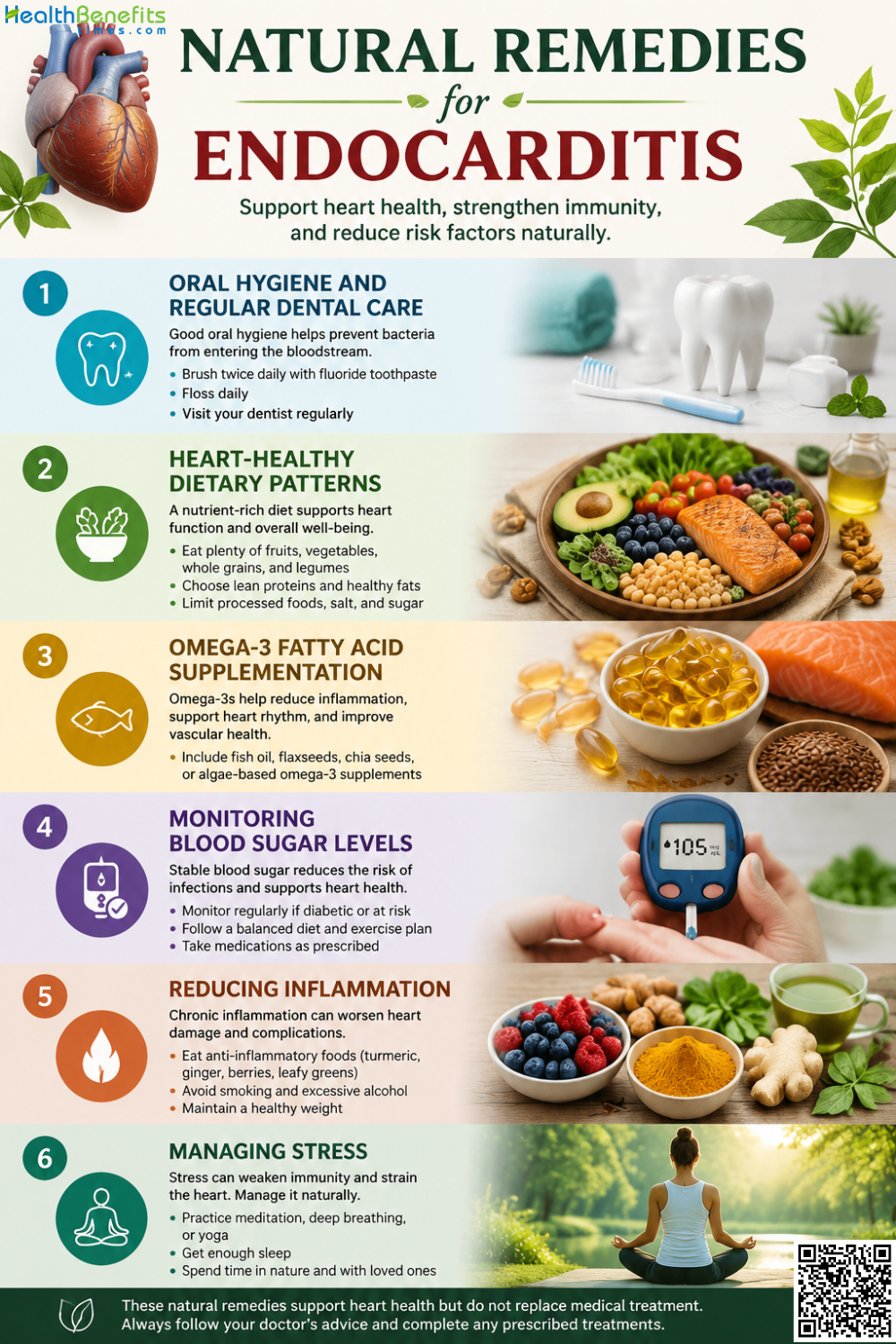
1. Oral Hygiene and Regular Dental Care
How it may help
Maintaining excellent oral health is a critical defense against infective endocarditis. Bacteria commonly found in the mouth can enter the bloodstream through inflamed gums or dental procedures and attach to damaged heart valves. Consistent hygiene prevents these bacteria from entering the circulatory system, thereby reducing the risk of new or recurrent heart infections. 7
What research says
Clinical research demonstrates a clear link between poor dental health and the risk of endocarditis. Studies confirm that professional dental cleanings and the management of gum disease significantly lower the presence of heart-damaging bacteria in the blood, serving as a vital preventive measure for high-risk individuals. 8
How to use it safely
To use this approach safely, brush your teeth twice daily with fluoride toothpaste and floss once every day. Schedule regular dental checkups at least twice a year to identify and treat gum disease or infections early. Always inform your dentist about your heart condition or any history of valve issues before starting dental work.
Potential precautions or side effects
If you have a high-risk heart condition, consult your cardiologist, as you may require preventative antibiotics before specific dental procedures to further ensure your safety. 9
2. Heart-Healthy Dietary Patterns
How it may help
A nutrient-dense diet supports cardiovascular resilience and systemic immunity, which are vital for patients recovering from or managing heart-related infections. By reducing systemic inflammation and promoting stable blood pressure, heart-healthy eating minimizes the physiological stress placed on heart valves, allowing the body to better withstand and recover from inflammatory conditions like endocarditis. 10
What research says
Research indicates that diets rich in fruits, vegetables, whole grains, and lean proteins improve long-term vascular function. Consistent adherence to these nutritional patterns is associated with lower levels of biomarkers linked to heart damage, helping to protect the integrity of the endocardial lining against structural stress and secondary complications. 11
How to use it safely
Prioritize whole, unprocessed foods and minimize sodium intake to manage blood pressure effectively. Focus on incorporating fiber-rich vegetables and healthy fats from sources like fish or nuts into your daily meals. Always consult your medical team before making significant dietary changes, especially if you are taking blood-thinning medications.
Potential precautions or side effects
Ensure your diet does not interfere with prescribed heart medications, particularly those that require consistent vitamin K intake. Discuss any new supplement or dietary shift with your doctor.
3. Omega-3 Fatty Acid Supplementation
How it may help
Omega-3 fatty acids, primarily eicosapentaenoic acid (EPA) and docosahexaenoic acid (DHA), help control inflammation throughout the cardiovascular system. By stabilizing cellular responses and reducing markers of systemic inflammation, these nutrients may support heart tissue health and improve recovery outcomes for patients managing the inflammatory stress associated with serious heart infections. 12
What research says
Clinical research demonstrates that regular intake of omega-3s is associated with improved vascular function and a reduction in inflammation. Evidence indicates that these fatty acids contribute to long-term heart health by supporting the structural integrity of cardiovascular tissues, which is essential for patients recovering from damage to heart valves or the inner lining. 13
How to use it safely
When using these supplements, prioritize high-quality, third-party tested fish oil or algae-based products. Adhere strictly to the dosage recommended by your healthcare provider. It is generally safer to obtain these nutrients through dietary sources like fatty fish twice weekly, rather than relying solely on high-dose supplements.
Potential precautions or side effects
High doses may increase the risk of bleeding or interfere with blood-thinning medications. Always verify with your doctor that these supplements are safe for your specific condition.
4. Monitoring Blood Sugar Levels
How it may help
Maintaining stable blood sugar is essential because high glucose levels can weaken the immune system and impair the body’s ability to fight off bacterial infections. Effective glucose control prevents the metabolic environment that favors bacterial growth, thereby supporting the heart’s recovery process and reducing the risk of persistent or recurring inflammation within the cardiovascular system. 14
What research says
Research confirms that individuals with poorly managed blood sugar experience significantly higher rates of infection and slower healing times. Maintaining target glucose levels is linked to improved clinical outcomes, as it preserves immune function and reduces systemic inflammation, which are both critical for preventing complications during and after an episode of heart infection. 15
How to use it safely
Monitor your blood sugar levels regularly as instructed by your healthcare provider. Keep a consistent log of your readings to identify trends. If you use medication to manage glucose, take your doses exactly as prescribed and follow a meal plan that helps keep your levels within your target range.
Potential precautions or side effects
Strictly avoid skipping medication doses or altering your treatment plan without medical supervision, as this can lead to dangerous fluctuations in blood sugar levels.
5. Reducing Inflammation
How it may help
Managing systemic inflammation is vital because chronic inflammatory states can damage heart valves and hinder the healing process during an infection. By stabilizing the body’s immune response, inflammation control helps prevent further structural damage to the heart, allowing the primary treatment to work more effectively against the underlying infection. 16
What research says
Scientific evidence confirms that persistent inflammation is a key driver of cardiovascular decline. Research shows that controlling inflammatory markers is associated with improved tissue repair and better long-term outcomes in patients with valve involvement, helping to minimize the long-term impact of the infection on heart function. 17
How to use it safely
Focus on lifestyle habits that lower inflammation, such as getting adequate sleep and engaging in light, doctor-approved physical activity. Prioritize a diet based on whole foods while avoiding smoking and excessive alcohol. Always discuss specific lifestyle changes with your cardiologist to ensure they are appropriate for your stage of recovery.
Potential precautions or side effects
Avoid over-the-counter anti-inflammatory drugs unless specifically authorized by your doctor, as they may interact with your medications or increase the risk of bleeding complications.
6. Managing Stress
How it may help
Chronic stress triggers hormonal changes that increase heart rate and blood pressure, placing unnecessary strain on damaged heart valves. Effective stress management helps maintain cardiovascular stability, which is essential for the body to focus its energy on combating infection and supporting the healing of internal heart tissues during the recovery period. 18
What research says
Scientific research indicates that persistent psychological stress negatively impacts immune function and cardiovascular health. Studies show that techniques designed to lower stress levels can significantly reduce the physiological burden on the heart, promoting better recovery outcomes and improved general well-being for patients managing complex medical conditions. 16
How to use it safely
Engage in safe, restorative practices such as deep breathing exercises, mindfulness, or gentle, doctor-approved activities like walking. Establish a consistent daily routine to help maintain emotional stability. Prioritize restful sleep and seek support from professional counseling services to develop effective coping strategies tailored to your specific health needs.
Potential precautions or side effects
Avoid high-intensity exercise or stressful environments until medically cleared. If stress management techniques cause dizziness or physical discomfort, stop immediately and consult your healthcare provider.
Foods to Avoid When You Suffer from Endocarditis
Individuals managing endocarditis must minimize dietary factors that increase cardiovascular workload or raise blood pressure, as these can exacerbate stress on damaged heart valves.
1. High-Sodium Foods
Excessive salt intake causes fluid retention and increases blood pressure, placing unnecessary pressure on the heart and potentially complicating recovery from valve inflammation. 19
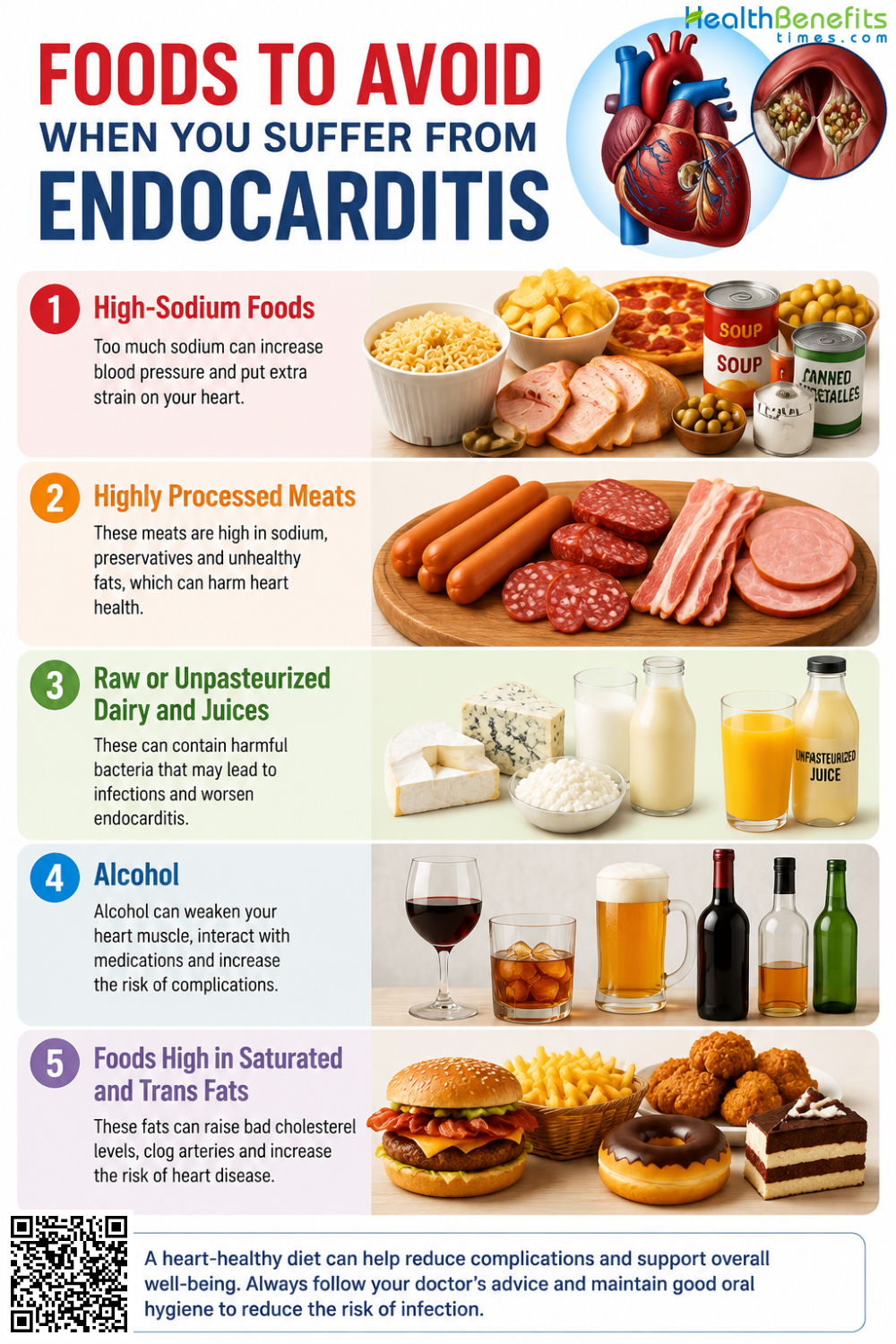
2. Highly Processed Foods
These products often contain hidden sodium, unhealthy fats, and refined sugars, which can trigger systemic inflammation and hinder the body’s ability to repair damaged heart tissues. 11
3. Raw or Unpasteurized Dairy and Juices
These items may contain harmful bacteria, such as Listeria or Salmonella, which pose a significant risk of causing dangerous bloodstream infections in individuals with pre-existing heart valve issues. 20
4. Alcohol
Alcohol consumption can elevate blood pressure and interact negatively with heart medications, potentially reducing their effectiveness and increasing the risk of cardiovascular complications during treatment.21
5. Foods High in Saturated and Trans Fats
These fats contribute to arterial plaque buildup, further stressing the cardiovascular system and impeding efficient blood flow during the critical recovery phase from an infection. 22
When to Seek Medical Attention for Endocarditis
Patients diagnosed with or at risk for endocarditis require diligent monitoring. Immediate medical evaluation is necessary if any signs of infection or complications arise, as delays can lead to severe damage.
1. Persistent Unexplained Fever
A fever that does not go away or keeps returning is a primary warning sign of a persistent infection that requires urgent investigation by your medical team. 23
2. Increased Shortness of Breath
Difficulty breathing while resting or during light activity may indicate fluid buildup in the lungs, signaling that your heart is struggling to pump effectively due to valve damage. 7
3. New or Changing Heart Murmurs
If your doctor identifies a new or changing heart sound, it suggests possible structural damage to the heart valves that needs immediate diagnostic imaging and clinical assessment. 24
4. Signs of Embolic Events
Sudden pain in the abdomen, chest, or limbs, or neurological changes like confusion and weakness, may indicate that particles from the heart infection have traveled elsewhere in the body. 25
5. Swelling in Extremities
Noticeable swelling in the feet, ankles, or legs can be a sign of worsening heart function and fluid retention, necessitating a prompt review of your current treatment plan. 26