

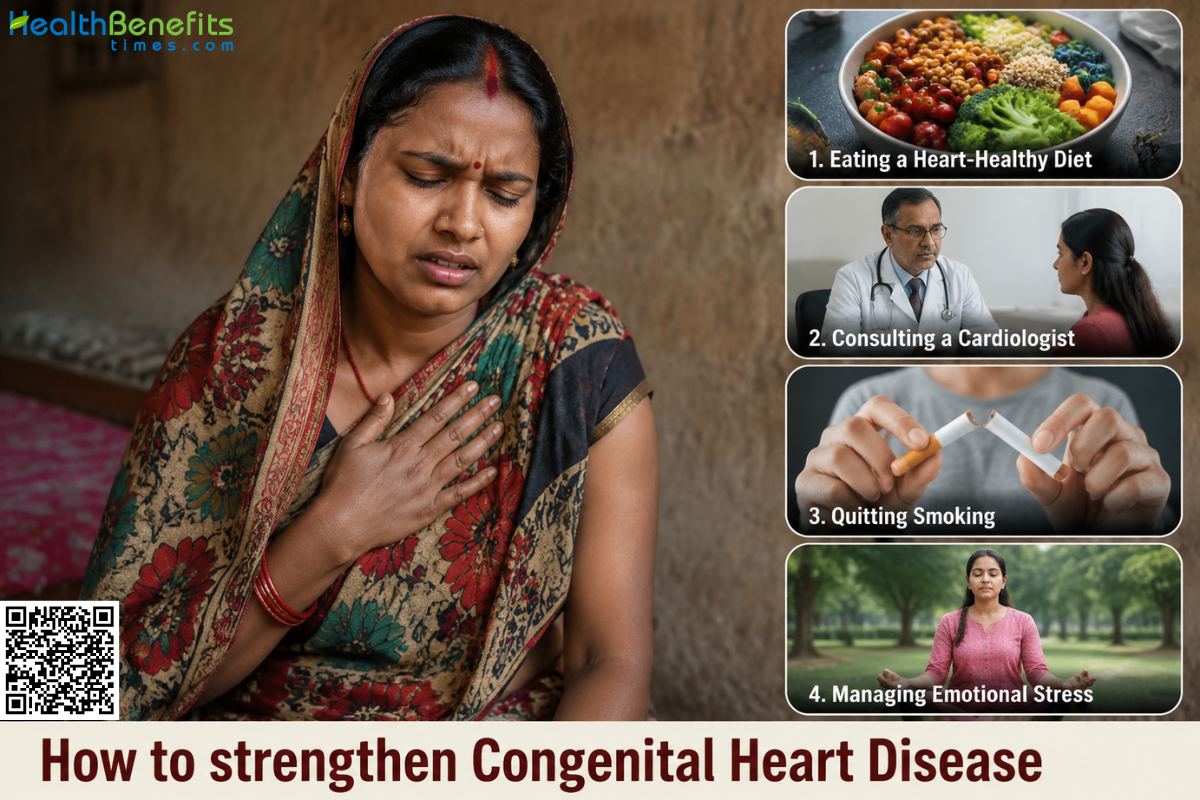
Congenital heart disease, also known as a congenital heart defect, refers to structural abnormalities in the heart that are present at birth. As the most common type of birth defect, these conditions occur when the heart or blood vessels near the heart do not develop normally during pregnancy 1. These structural issues change the normal way blood pumps and circulates, which can cause blood to flow in the wrong direction, slow down, or become completely blocked 2. Medical experts classify these defects on a scale of severity, ranging from simple conditions that cause no symptoms, such as a small hole in the inner heart wall, to severe, life-threatening problems where entire heart chambers or valves are missing and require immediate surgical repair 3.
Causes of Congenital Heart Disease
- Genetic and Chromosomal Abnormalities: Inherited genetic mutations or chromosomal disorders, such as Down syndrome, frequently disrupt normal fetal heart development, directly causing structural defects that are present at birth 1.
- Maternal Infections During Pregnancy: Contracting specific viral infections during the first trimester, particularly rubella (German measles), severely interferes with how the fetal heart structures form and fuse together 4.
- Chronic Maternal Health Conditions: Uncontrolled pre-existing medical conditions in the mother, such as type 1 or type 2 diabetes, significantly increase the risk of the baby developing severe cardiovascular defects before birth 1.
- Certain Prescription Medications: Taking specific prescription drugs during early pregnancy, including certain anti-seizure medications, lithium for mental health disorders, and acne treatments containing isotretinoin, directly alters fetal tissue growth and causes heart abnormalities 4.
- Toxic Substance Exposure: Smoking tobacco or consuming alcohol during pregnancy exposes the developing fetus to dangerous chemicals that restrict oxygen flow and physically malform the growing heart chambers and valves 1.
Symptoms of Congenital Heart Disease
- Bluish Skin Tint (Cyanosis): A noticeable pale gray or bluish tint on the skin, lips, and fingernails occurs when a structural heart defect prevents circulating blood from absorbing enough oxygen from the lungs 5.
- Rapid or Difficult Breathing: Infants frequently experience abnormally fast breathing, grunting, or severe flaring of the nostrils because a defective heart struggles to pump efficiently, which causes fluid to back up into the lungs 5.
- Poor Feeding and Weight Gain: Babies with heart defects expend excessive energy just to breathe and circulate blood, causing them to tire out rapidly during feedings and fail to gain a healthy, normal amount of weight 1.
- Extreme Fatigue During Exercise: Older children and adults frequently suffer from profound exhaustion and shortness of breath during routine physical activity because the abnormal heart cannot deliver enough oxygenated blood to active muscles 5.
- Tissue Swelling (Edema): When the structurally compromised heart fails to pump blood forward effectively, fluid rapidly accumulates in the body, causing heavy, noticeable swelling in the legs, ankles, abdomen, or the areas around the eyes 5.
- Fainting and Dizziness: Severe narrowing in the heart structures or blood vessels can dangerously restrict blood flow to the brain, directly triggering sudden fainting spells or extreme dizziness during physical exertion 5.
How to care Congenital Heart Disease
1. Attending Regular Checkups
How it may help
Regular checkups allow specialized doctors to monitor the heart’s function and structure over time. Because congenital heart defects can worsen or cause new complications as a person ages, routine physical exams and imaging tests ensure that any dangerous changes are detected and treated before they cause severe heart failure 6.
What research says
Clinical guidelines emphasize that individuals with congenital heart disease require lifelong specialized care. Medical experts conclude that continuous monitoring by trained cardiologists significantly reduces the risk of sudden cardiovascular emergencies, premature death, and the need for urgent, high-risk surgical interventions later in life 7.
How to use it safely
You must establish a lifelong care plan with a board-certified adult congenital heart specialist. Schedule and attend all recommended screening appointments, even if you feel completely healthy. Keep a detailed personal medical record of your previous heart surgeries and prescribed medications to share with new doctors 6.
Potential precautions or side effects
Never assume your childhood heart defect is permanently cured. Skipping routine appointments drastically increases your risk of developing silent, life-threatening complications, such as severe arrhythmias or sudden valve failure 7.
2. Taking Prescribed Medications
How it may help
While drugs cannot physically repair a structural heart defect, specific medications significantly reduce the daily workload on the heart muscle. They eliminate dangerous fluid buildup, relax restricted blood vessels, and stabilize irregular heartbeats, which directly prevents the compromised heart from overworking and failing 8.
What research says
Clinical guidelines establish that pharmaceutical therapies are critical for managing congenital heart defects over a lifetime. Medical experts conclude that taking prescribed drugs, such as beta-blockers or blood thinners, significantly delays the progression of heart failure and reduces the risk of fatal blood clots 8.
How to use it safely
You must take all heart medications exactly as directed by your cardiologist. Never adjust your dosage or stop taking them suddenly, even if you feel completely fine. You should keep a current list of your prescriptions to avoid dangerous interactions with other drugs 6.
Potential precautions or side effects
Heart medications can cause sudden dizziness, fatigue, or increased bleeding risks. You must contact your doctor immediately if you experience unusual bruising, fainting, or severe shortness of breath 8.
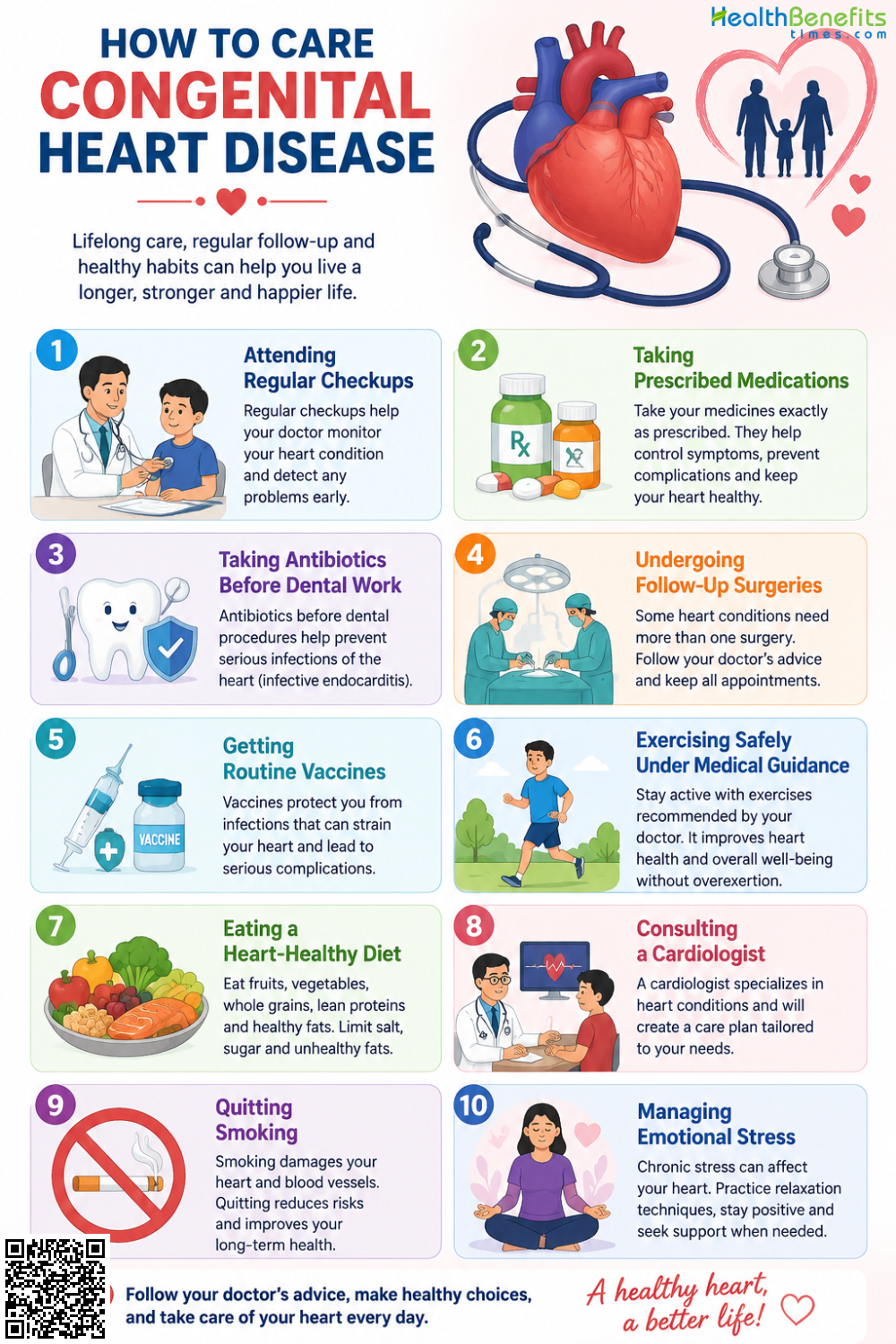
3. Taking Antibiotics before Dental Work
How it may help
Dental procedures can release mouth bacteria into the bloodstream. In people with certain structural heart defects, these bacteria can easily attach to abnormal heart tissue or artificial valves, causing a severe infection. Taking preventive antibiotics directly kills these bacteria before they can permanently damage the heart 7.
What research says
Clinical guidelines confirm that individuals with specific congenital conditions, such as artificial heart valves or severe uncorrected defects, face a high risk of life-threatening heart infections. Medical experts conclude that administering antibiotics before dental procedures significantly reduces the risk of developing infective endocarditis in these patients 6.
How to use it safely
You must tell your dentist about your specific heart condition before any teeth cleaning or surgery. If prescribed, you should take the exact dose of antibiotics shortly before your appointment to ensure the medication is fully active in your bloodstream during the procedure 7.
Potential precautions or side effects
Antibiotics can cause mild stomach upset. If you develop a sudden rash or difficulty breathing, seek emergency medical care immediately, as this indicates a severe allergic reaction 9.
4. Undergoing Follow-Up Surgeries
How it may help
Childhood heart repairs are rarely permanent cures. As a person grows, previously repaired valves or blood vessels can stretch, leak, or narrow again. Undergoing follow-up procedures physically corrects these new structural problems, directly preventing the heart from failing due to severe physical strain 8.
What research says
Clinical studies show that many individuals with complex congenital heart defects will require additional interventions during adulthood. Medical experts conclude that timely follow-up surgeries, including replacing artificial valves or expanding narrowed arteries, significantly improve survival rates and effectively restore normal heart function 6.
How to use it safely
You must undergo routine imaging tests to let your cardiologist determine the exact timing for a safe intervention. Before any procedure, you should thoroughly discuss all available surgical options, including modern minimally invasive catheter techniques, with a specialized congenital heart surgeon 8.
Potential precautions or side effects
All cardiac surgeries carry severe risks, including dangerous bleeding, severe infections, and abnormal heart rhythms. You must follow all post-operative rehabilitation guidelines to ensure safe healing 8.
5. Getting Routine Vaccines
How it may help
Severe respiratory illnesses force a compromised heart to work significantly harder to deliver oxygen to the body. Getting routine vaccines directly prevents these severe infections, protecting the structurally abnormal heart from dangerous physical stress and life-threatening complications caused by high fevers or breathing difficulties 6.
What research says
Clinical data confirms that individuals with congenital heart disease face a drastically higher risk of severe hospitalizations from respiratory viruses. Medical experts conclude that receiving annual influenza, pneumococcal, and COVID-19 vaccines significantly reduces the risk of acute cardiovascular emergencies and fatal pneumonia in this vulnerable population 6.
How to use it safely
You should consult your cardiologist to establish a safe, personalized immunization schedule. Ensure you receive the annual flu shot and remain up to date on all recommended respiratory vaccines to maintain maximum protection against severe illnesses before peak infection seasons begin 10.
Potential precautions or side effects
Vaccines may cause temporary arm soreness or a mild, low-grade fever. If you experience severe breathing difficulties or sudden facial swelling, seek emergency medical care immediately 11.
6. Exercising Safely Under Medical Guidance
How it may help
Physical activity strengthens the heart muscle and improves overall cardiovascular fitness. For individuals with structural heart defects, participating in approved, moderate exercises helps the heart pump blood more efficiently. This naturally lowers resting blood pressure and reduces the daily physical strain placed on abnormal heart structures 7.
What research says
Clinical studies indicate that most individuals with congenital heart conditions safely benefit from regular physical activity. Medical experts conclude that maintaining fitness through moderate aerobic exercise significantly improves physical stamina and long-term heart function, effectively delaying severe complications like heart failure 7.
How to use it safely
You must consult your specialized cardiologist before starting any exercise routine. Follow their specific guidelines regarding which activities are safe. You should stick to moderate exercises like walking and avoid competitive sports or heavy weightlifting that could dangerously spike your blood pressure 6.
Potential precautions or side effects
You must stop exercising immediately and seek emergency medical care if you experience sudden chest pain, extreme dizziness, or severe shortness of breath, indicating dangerous cardiovascular distress 7.
7. Eating a Heart-Healthy Diet
How it may help
A heart-healthy diet low in sodium and saturated fats prevents acquired cardiovascular issues, such as plaque buildup and high blood pressure. By keeping blood vessels clear and minimizing fluid retention, this diet directly reduces the daily physical workload on an already structurally abnormal heart, protecting it from further mechanical strain 7.
What research says
Clinical guidelines indicate that adults with congenital heart defects face a significantly higher risk of severe complications if they develop secondary conditions like obesity or hypertension. Medical experts conclude that maintaining a nutrient-rich, low-sodium diet effectively prevents these acquired diseases, thereby preserving long-term heart function and delaying potential heart failure 6.
How to use it safely
You should focus on eating fresh fruits, vegetables, whole grains, and lean proteins while strictly limiting packaged meals. You must carefully read nutrition labels to monitor your daily sodium intake, as excess salt can cause dangerous fluid buildup around your compromised heart 12.
Potential precautions or side effects
You must consult your cardiologist before using commercial salt substitutes, as many contain high potassium levels that can dangerously interact with your prescribed heart medications 13.
8. Consulting a Cardiologist
How it may help
Consulting a specialized adult congenital cardiologist ensures that complex structural heart issues receive expert, lifelong management. These specialists detect subtle changes in heart function early and adjust medical treatments promptly, directly preventing severe complications such as sudden arrhythmias or progressive heart failure 6.
What research says
Clinical guidelines emphasize that standard cardiology care is insufficient for congenital defects. Medical experts conclude that patients receiving continuous care from adult congenital heart specialists experience significantly lower rates of premature death, require fewer emergency hospitalizations, and maintain better long-term cardiovascular function 7.
How to use it safely
You must establish long-term care with a board-certified adult congenital heart disease specialist, rather than a general cardiologist. You should bring your complete childhood medical records and surgical history to every appointment so your doctor can safely evaluate your current heart structure 6.
Potential precautions or side effects
You must never assume a childhood heart surgery provided a permanent cure. Relying solely on a general physician drastically increases your risk of missing life-threatening structural heart changes 7.
9. Quitting Smoking
How it may help
Toxic chemicals in cigarette smoke restrict blood vessels and reduce the amount of oxygen reaching the body’s tissues. Quitting smoking immediately stops this chemical damage, which lowers resting blood pressure and directly prevents a structurally abnormal heart from overworking to deliver adequate oxygen 14.
What research says
Clinical studies identify smoking as a primary cause of severe blood vessel damage and acquired coronary artery disease. Medical experts conclude that individuals with congenital heart defects who quit smoking significantly reduce their compounded risk of acute heart failure and premature cardiovascular death 7.
How to use it safely
You should consult your cardiologist to develop a safe and effective plan to quit. Utilize medically approved nicotine replacement therapies, such as patches or gum, to manage cravings. You must completely avoid unregulated vaping devices, as they still deliver harmful cardiovascular stimulants 15.
Potential precautions or side effects
You may experience temporary nicotine withdrawal symptoms, including severe cravings, headaches, and irritability. These physical reactions are normal and will gradually subside over several weeks 16.
10. Managing Emotional Stress
How it may help
Chronic emotional stress triggers the release of stress hormones like cortisol and adrenaline, which rapidly increase heart rate and blood pressure. Managing psychological stress directly stops these physical reactions, preventing the abnormal heart muscle from overworking and reducing the daily mechanical strain on weakened cardiovascular structures 6.
What research says
Clinical studies reveal that adults living with congenital heart defects frequently experience high rates of anxiety and depression, which negatively impact cardiovascular function. Medical experts conclude that actively managing emotional stress significantly improves long-term clinical outcomes and reduces the overall risk of acute heart failure 7.
How to use it safely
You should openly discuss your anxiety or depression with your specialized cardiologist. Seek professional therapy, practice daily relaxation techniques like deep breathing, and join specialized support groups to safely manage the unique emotional burdens of living with a lifelong heart condition 6.
Potential precautions or side effects
You must consult your doctor before starting any prescribed anti-anxiety medications, as some psychiatric drugs can dangerously interfere with your daily heart medications or trigger irregular heartbeats 7.
Foods to Avoid When You suffer from Congenital Heart Disease
Managing diet is critical for individuals living with congenital heart disease to prevent acquired cardiovascular complications that add severe mechanical strain to a structurally abnormal heart. Medical experts strongly advise avoiding foods that promote high blood pressure, dangerous fluid retention, or arterial plaque buildup, as these secondary conditions drastically accelerate the progression of heart failure.
1. High-Sodium Foods
Processed soups and fast foods cause dangerous fluid retention, rapidly increasing blood volume and forcing a structurally compromised heart to work significantly harder 13.
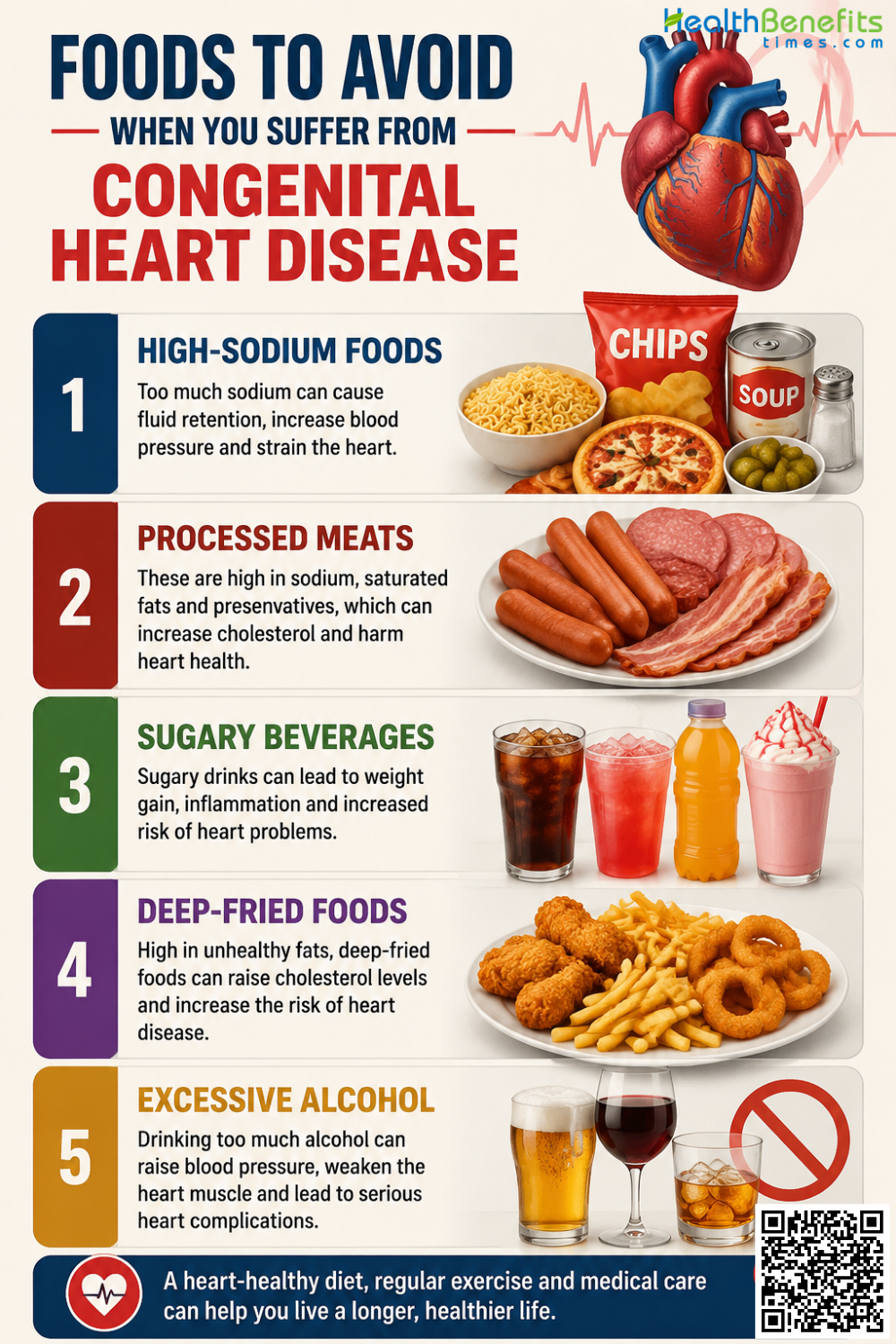
2. Processed Meats
Bacon and deli meats contain excessive sodium and saturated fats, which directly promote arterial plaque buildup and further restrict blood flow through abnormal heart vessels 12.
3. Sugary Beverages
Sodas and energy drinks trigger rapid weight gain and blood sugar spikes, placing immense metabolic and physical stress on a weakened cardiovascular system 17.
4. Deep-Fried Foods
Foods fried in unhealthy oils contain dangerous saturated fats that rapidly clog arteries, severely compounding the blood flow issues already present in congenital heart disease 18.
5. Excessive Alcohol
Heavy alcohol consumption acts as a direct cardiovascular toxin, dangerously spiking resting blood pressure and physically weakening the heart muscle surrounding structurally defective chambers 19.
When to see Doctor when you suffer from Congenital Heart Disease
For individuals living with congenital heart disease, monitoring for subtle changes in physical condition is essential because structural defects may cause delayed complications during adulthood. While routine screenings are necessary for long-term health, certain sudden symptoms signal that the heart is no longer able to maintain adequate blood circulation and requires urgent clinical evaluation. Identifying these warning signs early allows doctors to perform life-saving repairs and prevent irreversible damage to the heart muscle or lungs 5.
1. Persistent Shortness of Breath
Seek emergency care if you experience severe difficulty breathing during normal activities or while lying flat, as this indicates dangerous fluid accumulation within the lungs 5.
2. Unexplained Chest Pain
Contact a doctor immediately if you feel sudden chest pressure or squeezing, which may indicate that the heart muscle is failing to receive sufficient oxygenated blood 5.
3. Sudden Fainting or Dizziness
You must call for emergency help if you experience unexpected fainting, severe lightheadedness, or extreme dizziness, as these symptoms often signify a critical drop in brain blood flow 5.
4. Rapid Tissue Swelling
Consult your specialist if you notice sudden, significant swelling in your legs, ankles, or abdomen, as this shows the heart is failing to circulate fluid properly 5.
5. Heart Palpitations
Schedule an urgent evaluation if you feel your heart racing, fluttering, or skipping beats, as abnormal rhythms can cause blood clots or trigger sudden heart failure episodes 5.