

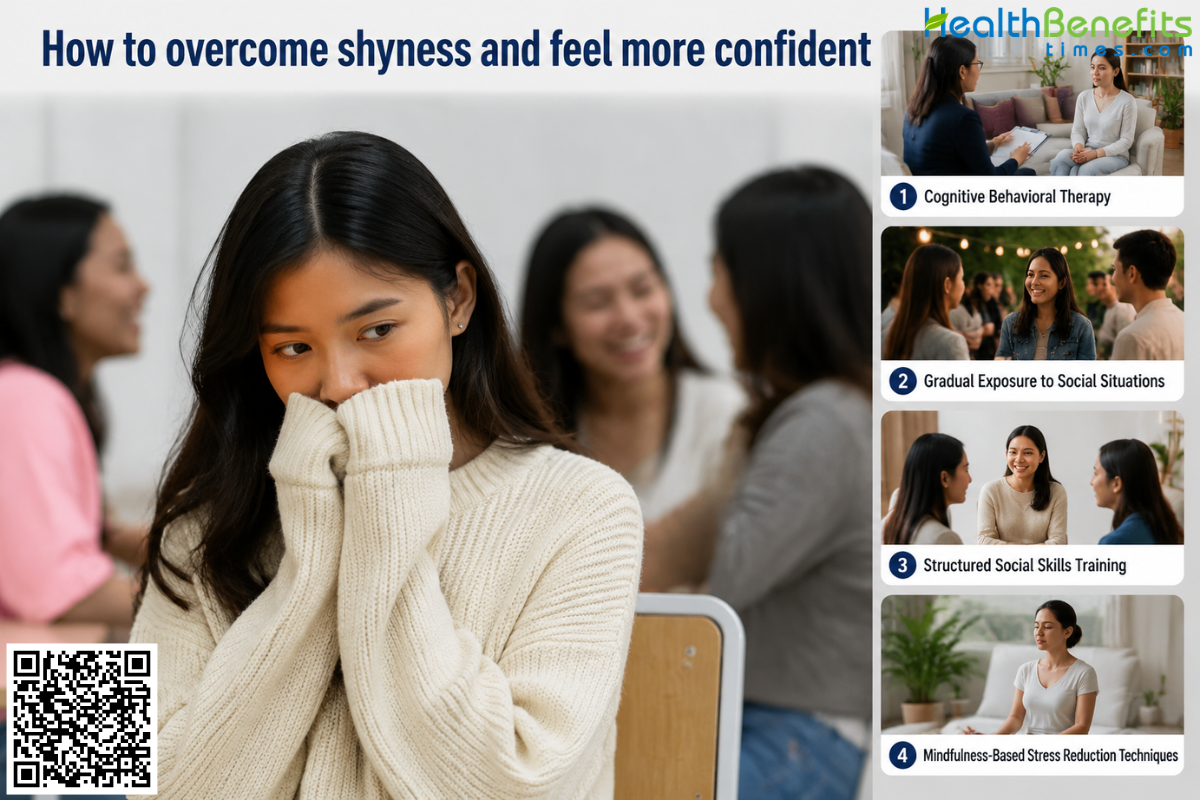
Shyness is a psychological state characterized by feelings of apprehension, discomfort, and self-consciousness in social situations, particularly when interacting with unfamiliar people. It is a common personality trait driven by a heightened fear of negative evaluation and excessive self-critical thinking, rather than a mental health disorder 1. Individuals experiencing shyness often exhibit physiological symptoms, such as an increased heart rate, blushing, or sweating, alongside behavioral responses like avoiding eye contact and withdrawing from social interactions 2. While shyness shares some traits with introversion, it is fundamentally distinct; introverts often choose solitude for comfort, whereas shy individuals typically desire social engagement but feel forcibly inhibited by their anxiety 3. Most people experience mild shyness at various life stages, but when these feelings become severe, persistent, and debilitating enough to impair daily functioning, it may indicate a clinical condition known as social anxiety disorder 4.
Causes of shyness
- Genetics and Temperament: A genetic predisposition plays a significant role in shyness, as approximately 20 percent of children are born with a specific temperamental trait known as behavioral inhibition, making them naturally more cautious, fearful, and easily distressed by unfamiliar people or new environments 5.
- Brain Biology: Structural and functional differences in the brain can make certain individuals more susceptible to shyness, particularly having a highly reactive amygdala, which is the region of the brain responsible for processing emotional responses, fear, and perceived social threats 6.
- Parenting Styles: The early home environment heavily influences social development; overprotective, highly critical, or authoritarian parenting styles can prevent children from developing necessary social confidence and independent coping skills, thereby increasing the likelihood of shyness 1.
- Negative Early Experiences: Adverse social encounters during childhood or adolescence, such as severe bullying, chronic peer rejection, or significant public embarrassment, can psychologically condition an individual to associate future social interactions with distress and humiliation 7.
- Lack of Social Exposure: Individuals who experience prolonged isolation or limited opportunities to interact with peers during critical early childhood development stages often fail to practice and acquire basic conversational skills, resulting in social hesitation and shyness later in life 8.
How to overcome shyness and feel more confident
1. Cognitive Behavioral Therapy
How it may help
Cognitive Behavioral Therapy (CBT) helps individuals overcome shyness by identifying and changing negative thought patterns regarding social interactions. It teaches people to recognize irrational fears of judgment and replace them with realistic thoughts. This process reduces emotional distress, allowing individuals to approach social situations with ease and confidence.
What research says
Clinical studies consistently show that Cognitive Behavioral Therapy is a highly effective treatment for severe shyness and social anxiety disorder. Research confirms that CBT significantly reduces social avoidance and fear of negative evaluation, providing long-lasting improvements in social confidence that are maintained years after therapy concludes 9.
How to use it safely
To use this therapy effectively, you should seek treatment from a licensed mental health professional. You must attend sessions regularly and actively participate in assigned practice exercises, such as gradual exposure to social settings, to achieve the best and safest results 10.
Potential precautions or side effects
The primary precaution is emotional discomfort. Confronting deep-seated fears during therapy sessions or exposure exercises can cause temporary increases in anxiety before long-term improvements are realized 11.
2. Gradual Exposure to Social Situations
How it may help
Gradual exposure therapy helps reduce shyness by slowly introducing individuals to feared social environments in a controlled, step-by-step manner. By facing low-stress situations first and gradually progressing to harder ones, the brain unlearns the fear response. This process builds emotional tolerance, reduces avoidance behaviors, and naturally increases social confidence.
What research says
Clinical research demonstrates that exposure therapy is highly effective for reducing severe shyness. Studies confirm that repeated, controlled exposure alters fear pathways in the brain, leading to a significant and lasting decrease in anxiety symptoms during real-world social interactions 12.
How to use it safely
You should create a hierarchy of social fears, starting with the least intimidating tasks, like greeting a cashier. Progress slowly and only advance once you feel comfortable. For severe shyness, always practice this technique under the guidance of a licensed professional therapist 13.
Potential precautions or side effects
Rushing into highly stressful situations too quickly can trigger panic and worsen your shyness. You may also experience temporary emotional exhaustion and physical tension during early practice stages.
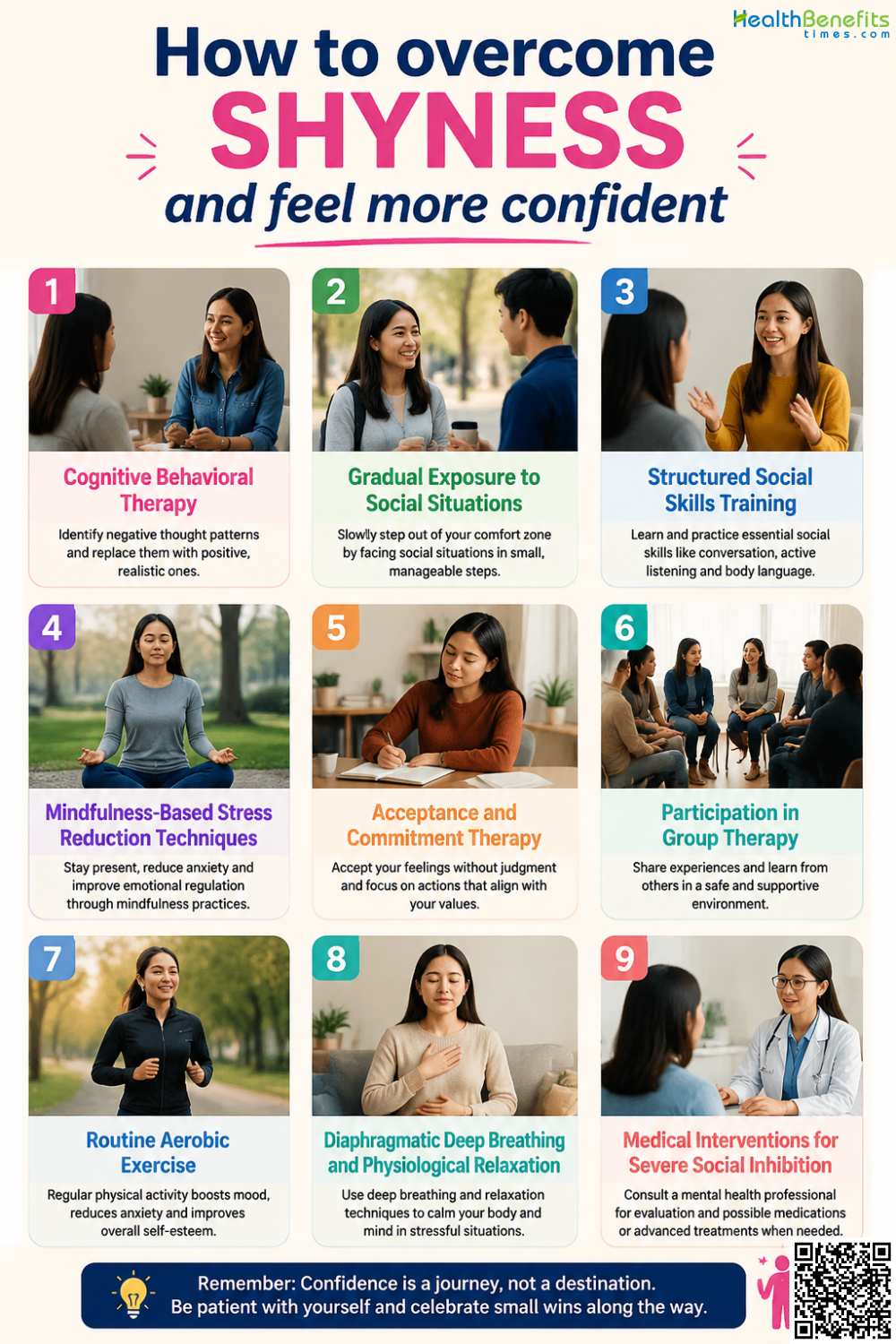
3. Structured Social Skills Training
How it may help
Structured Social Skills Training reduces shyness by directly teaching effective interpersonal communication techniques. Through role-playing, behavioral rehearsal, and corrective feedback, individuals learn specific behaviors like maintaining eye contact, initiating conversations, and reading social cues. This practical mastery replaces social uncertainty with concrete skills, building social confidence.
What research says
Clinical studies indicate that Social Skills Training significantly improves interpersonal functioning and reduces social anxiety symptoms. Research concludes that when individuals practice and acquire these behavioral competencies, they experience decreased fear of negative evaluation and increased rates of successful social interactions 14.
How to use it safely
You should participate in a formalized program led by a licensed psychological professional. Begin by practicing new conversational skills during safe, guided role-play sessions in a clinical setting before attempting to use them in unpredictable, real-world social environments 10.
Potential precautions or side effects
You may initially feel awkward or highly self-conscious during role-playing exercises. Additionally, experiencing a negative social reaction while practicing new skills can temporarily increase your social anxiety.
4. Mindfulness-Based Stress Reduction Techniques
How it may help
Mindfulness-Based Stress Reduction helps alleviate shyness by teaching individuals to focus on the present moment without judgment. This practice reduces excessive self-criticism and breaks the cycle of overthinking during social interactions. By calming the nervous system, mindfulness allows people to engage with others more comfortably and confidently.
What research says
Clinical studies show that Mindfulness-Based Stress Reduction significantly decreases symptoms of social anxiety and emotional reactivity. Research concludes that regular mindfulness practice rewires brain pathways related to fear and attention, leading to lasting improvements in self-esteem, emotional regulation, and social confidence 15.
How to use it safely
You should begin by practicing short, guided mindfulness exercises daily in a quiet, low-stress environment. For the most effective and safe results, enroll in an official eight-week program led by a certified instructor who can properly guide your practice 16
Potential precautions or side effects
In rare cases, intense meditation can temporarily increase anxiety or bring up distressing thoughts. You should stop the practice and consult a professional if you feel overwhelmed or panicked.
5. Acceptance and Commitment Therapy
How it may help
Acceptance and Commitment Therapy reduces the impact of shyness by encouraging individuals to accept their anxious thoughts rather than fighting them. It focuses on clarifying personal values, such as building meaningful relationships, and committing to behavioral actions that align with those values, even when social discomfort is present.
What research says
Clinical evidence demonstrates that Acceptance and Commitment Therapy is a highly effective intervention for social anxiety. Research concludes that this therapy significantly decreases social avoidance and improves overall quality of life by increasing psychological flexibility, allowing individuals to pursue social interactions despite experiencing feelings of shyness 17.
How to use it safely
You should engage in Acceptance and Commitment Therapy under the guidance of a trained mental health professional. To achieve the best results, you must actively apply the mindfulness techniques and behavioral exercises taught in therapy sessions to your daily social interactions 10.
Potential precautions or side effects
You may experience initial emotional distress when learning to accept, rather than avoid, your anxious feelings. This therapy requires significant mental effort to change long-standing emotional responses.
6. Participation in Group Therapy
How it may help
Group therapy provides a safe, structured environment for individuals to practice social interactions with peers facing similar challenges. By engaging in guided discussions and receiving constructive feedback, participants gradually reduce their fear of judgment. This shared experience fosters belonging and helps build practical communication skills.
What research says
Clinical evidence shows that group therapy is highly effective for treating severe shyness and social anxiety. Research concludes that group settings successfully reduce the fear of negative evaluation by providing real-time exposure to social interactions and peer support, leading to lasting improvements in confidence 18.
How to use it safely
You should join a therapy group led by a licensed mental health professional. To ensure a safe experience, start by listening, and gradually increase your participation as you feel more comfortable. Always respect and maintain the confidentiality of other group members 18.
Potential precautions or side effects
You may initially experience heightened anxiety when speaking in front of the group. Additionally, hearing about others’ emotional struggles can temporarily cause feelings of distress or overwhelm.
7. Routine Aerobic Exercise
How it may help
Routine aerobic exercise, such as running or swimming, helps manage shyness by altering brain chemistry. Physical activity releases endorphins and increases serotonin levels, which naturally lower overall stress and anxiety. This calming effect reduces the physical symptoms of nervousness, making it easier to approach social situations with increased confidence.
What research says
Clinical research consistently demonstrates that regular aerobic exercise significantly reduces symptoms of social and generalized anxiety. Studies conclude that consistent physical activity enhances emotional regulation and decreases physiological reactivity to stress, providing an effective, natural method to improve self-esteem and lower social inhibition 19.
How to use it safely
You should aim for at least 150 minutes of moderate-intensity aerobic activity, such as brisk walking, each week 20. Start slowly to build your endurance, and consult a healthcare provider before beginning any new fitness routine if you have existing medical conditions.
Potential precautions or side effects
You may experience muscle soreness or mild fatigue when starting. Avoid sudden overexertion, as pushing yourself too hard too quickly can lead to physical injuries or joint strain.
8. Diaphragmatic Deep Breathing and Physiological Relaxation
How it may help
Diaphragmatic deep breathing helps alleviate shyness by directly counteracting the physical symptoms of anxiety. By deliberately slowing the breath and engaging the stomach muscles, this technique activates the parasympathetic nervous system. This activation lowers heart rate and reduces muscle tension, allowing individuals to feel physically calmer and more self-assured in stressful social situations.
What research says
Clinical studies demonstrate that diaphragmatic breathing effectively reduces physiological and psychological stress. Research concludes that regular practice significantly lowers cortisol levels, a primary stress hormone, and decreases subjective anxiety. This physiological relaxation response mitigates the intense fear and emotional reactivity often associated with severe shyness and social apprehension 21.
How to use it safely
You should practice by inhaling slowly through your nose, ensuring your stomach expands, and exhaling gently through your mouth. Perform this for five to ten minutes daily in a quiet space before using it to manage acute anxiety in active social settings 22.
Potential precautions or side effects
You may experience mild dizziness or lightheadedness if you breathe too rapidly or deeply. If this occurs, return to your normal breathing pattern until the sensation passes.
9. Medical Interventions for Severe Social Inhibition
How it may help
Medical interventions, such as selective serotonin reuptake inhibitors (SSRIs) or beta-blockers, are prescribed when shyness escalates into debilitating social anxiety. These medications alter brain chemistry to regulate mood and reduce intense psychological fear, or they block physical anxiety symptoms, such as rapid heartbeat and tremors, enabling easier social interaction.
What research says
Clinical evidence establishes that SSRIs effectively reduce symptoms of severe social anxiety by balancing neurotransmitters 12. Research concludes that these medications significantly decrease social avoidance and distress, offering substantial relief for individuals with profound social inhibition, especially when combined with psychotherapy 4.
How to use it safely
You must consult a licensed psychiatrist or healthcare provider for a proper diagnosis and prescription. Always take the medication exactly as directed. You should never adjust your dosage or stop the medication abruptly without professional medical guidance to prevent withdrawal symptoms 23.
Potential precautions or side effects
You may experience side effects such as nausea, headaches, insomnia, or changes in appetite. Additionally, anxiety medications typically require several weeks of consistent use to produce noticeable emotional improvements 23.