

Lyme disease is a bacterial infection transmitted to humans through the bite of infected blacklegged ticks 1. As the most common vector-borne illness in the United States 1, it is caused by the bacterium Borrelia burgdorferi 1. Initial signs often include fever, headache, fatigue, and a characteristic expanding skin rash known as erythema migrans 1. If left untreated, the bacteria can spread through the bloodstream to the joints, heart, and nervous system 1, leading to more severe complications such as arthritis or cardiac issues 1. Fortunately, the infection is typically diagnosed based on clinical symptoms and exposure history 1, and most cases are successfully cured with a standard course of antibiotics 1.
Causes of Lyme Disease
- Bacterial Infection: Lyme disease is primarily caused by infection with corkscrew-shaped bacteria called Borrelia burgdorferi (and rarely Borrelia mayonii) 2.
- Blacklegged Tick Bites: The bacteria are transmitted to humans exclusively through the bites of infected blacklegged ticks, commonly referred to as deer ticks 2.
- Tick Feeding Process: Ticks acquire the bacteria by feeding on infected small animals like rodents or birds. When an infected tick attaches to a human host and feeds on blood, the bacteria can enter the person’s bloodstream 3. Transmission typically requires the tick to remain attached for an extended period, usually 24 hours or more 4.
- Environmental Exposure: Living, working, or spending leisure time in wooded, brushy, or grassy habitats where blacklegged ticks thrive significantly increases the likelihood of encountering an infected tick 3.
Symptoms of Lyme Disease
- Erythema Migrans (Bull’s-Eye) Rash: A red, expanding rash develops at the site of the tick bite in approximately 70 to 80 percent of infected individuals 5. It gradually grows over several days, sometimes clearing in the center to look like a target, and is usually warm to the touch but rarely painful or itchy 6.
- General Illness Signs: The body’s initial response to the bacteria often causes fever, chills, profound tiredness, headache, muscle and joint aches, and swollen lymph nodes 5. These symptoms can appear independently, even if no rash is present on the skin.
- Neurological Complications: As the bacteria spread, they can affect the nervous system, leading to facial palsy, which presents as a loss of muscle tone or drooping on one or both sides of the face 7. Other nervous system signs include severe headaches, neck stiffness, and inflammation of the protective membranes surrounding the brain and spinal cord 8.
- Cardiovascular Issues (Lyme Carditis): The infection can interfere with the electrical signals of the heart, causing an irregular heartbeat, heart palpitations, sudden dizziness, or shortness of breath 8.
- Secondary Rashes: Additional, often smaller, erythema migrans rashes may break out on other parts of the body as the infection travels away from the initial bite site through the bloodstream 5.
- Severe Arthritis: If left untreated, the disease commonly causes episodes of severe joint pain and massive swelling 6. This arthritis most frequently affects the knees and other large joints, typically developing months after the initial tick bite 8.
- Peripheral Nerve Damage: Long-term nerve involvement can cause intermittent episodes of shooting pain, ongoing numbness, or a tingling sensation in the hands and feet 7.
Natural Remedies for Lyme Disease
1. Japanese Knotweed Extract
How It May Help
Japanese knotweed contains active plant compounds, such as resveratrol, that offer anti-inflammatory and tissue-protective benefits 9. It helps neutralize harmful bacterial activity, protects blood vessels, and calms systemic inflammation affecting the joints and central nervous system caused by tick-borne pathogens 10.
What Research Says
Laboratory studies indicate that Japanese knotweed extract demonstrates powerful antimicrobial activity against Borrelia burgdorferi 9. Final research conclusions highlight that the extract successfully eradicates both actively dividing bacteria and stationary-phase persister cells that typically survive standard antibiotic therapies 9.
How to Use It Safely
You should consult a healthcare provider before starting Japanese knotweed extract, as natural remedies must complement, not replace, medical treatment 10. Always select high-quality, standardized oral capsules or liquid tinctures and strictly follow your doctor’s dosing instructions 10.
Potential Precautions or Side Effects
This extract may cause mild stomach upset or diarrhea 10. Avoid use if taking blood thinners or if you have estrogen-sensitive health conditions 10.
2. Cryptolepis Extract
How It May Help
Cryptolepis extract contains potent plant alkaloids, such as cryptolepine, that exhibit strong antimicrobial and anti-inflammatory properties 9. It helps target stubborn bacterial infections and reduces tissue inflammation linked to chronic tick-borne illnesses 11.
What Research Says
Laboratory studies indicate that Cryptolepis extract demonstrates exceptional effectiveness against both growing and dormant, hard-to-treat forms of the Lyme disease bacterium 9. Final research conclusions show that it outperforms standard antibiotics in completely eradicating persistent bacterial cells 9.
How to Use It Safely
You should consult a qualified healthcare professional before taking Cryptolepis extract to ensure it aligns safely with your overall medical treatment plan 11. Always use standardized commercial herbal preparations and follow the specific product or physician dosing guidelines 11.
Potential Precautions or Side Effects
Cryptolepis may occasionally cause mild stomach upset or dizziness 11. Avoid use if you take blood pressure-lowering medications or blood thinners 11.
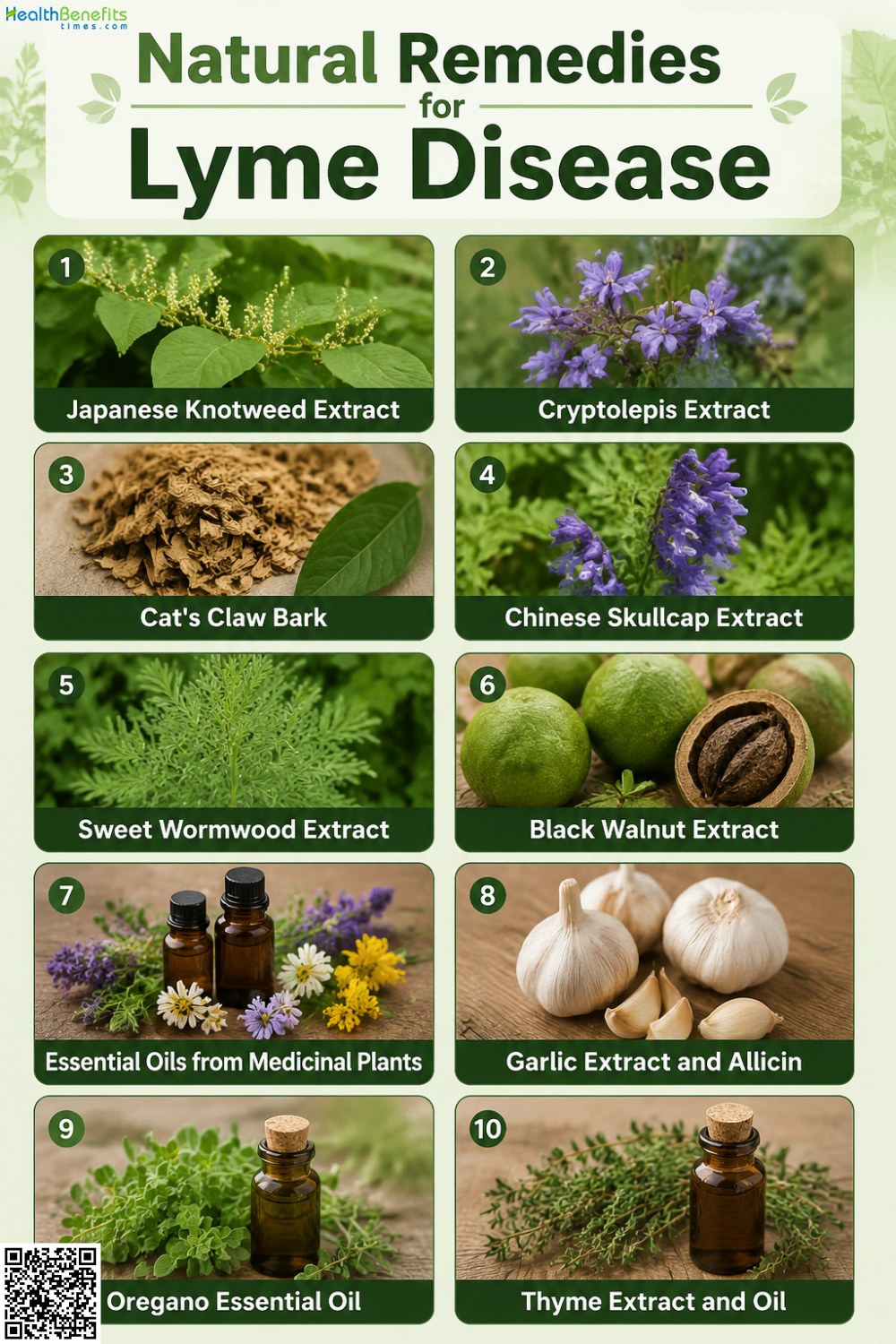
3. Cat’s Claw Bark
How It May Help
Cat’s claw bark contains active plant chemicals that provide strong anti-inflammatory and immune-boosting benefits 12. It helps reduce joint swelling and supports the body’s natural defenses in managing chronic symptoms linked to tick-borne infections 13.
What Research Says
Laboratory studies demonstrate that cat’s claw extracts possess significant activity against dormant, hard-to-treat forms of the Lyme disease bacterium 9. Final research conclusions indicate that while its effect on actively growing bacteria is limited 14, it effectively targets persistent stationary-phase cells 9.
How to Use It Safely
You should consult a qualified healthcare professional before taking cat’s claw to ensure it fits safely into your medical regimen 13. Always select standardized commercial supplements and follow the product label or physician dosing instructions carefully 13.
Potential Precautions or Side Effects
Cat’s claw may cause mild digestive upset or headache 12. Avoid use if you take blood thinners, immunosuppressants, or have autoimmune conditions 13.
4. Chinese Skullcap Extract
How It May Help
Chinese skullcap extract contains active plant compounds that provide powerful antioxidant and anti-inflammatory properties 15. It helps calm immune responses and targets lingering tissue inflammation associated with chronic tick-borne infections 15.
What Research Says
Laboratory studies indicate that Chinese skullcap extract demonstrates strong activity against the Lyme disease bacterium 16. Final research conclusions show that its active compounds effectively inhibit bacterial replication and disrupt protective biofilm structures 17.
How to Use It Safely
You should consult a qualified healthcare professional before taking Chinese skullcap to ensure it fits safely into your treatment plan 18. Always purchase standardized commercial preparations and follow the product label or physician dosing guidelines 18.
Potential Precautions or Side Effects
Chinese skullcap may cause mild digestive upset 18. Rare cases of liver stress have been reported 18; avoid use if you have liver conditions or take interacting medications 18.
5. Sweet Wormwood Extract
How It May Help
Sweet wormwood extract contains active plant compounds, including artemisinin, that provide strong antioxidant and anti-inflammatory properties 19. It helps modulate immune system responses and assists in reducing systemic tissue inflammation linked to persistent tick-borne illnesses 9.
What Research Says
Laboratory evaluations indicate that sweet wormwood extract exhibits potent activity against non-growing, stationary-phase forms of the Lyme disease bacterium 9. Final research conclusions demonstrate that it successfully targets dormant bacterial persister cells that typically survive conventional antibiotic treatments 9.
How to Use It Safely
You should consult a qualified healthcare professional before taking sweet wormwood to ensure it complements your medical care 13. Always select standardized commercial supplements and follow the product label instructions carefully 13.
Potential Precautions or Side Effects
Sweet wormwood may cause mild digestive discomfort. Avoid use during pregnancy or if you have seizure disorders and take interacting medications.
6. Black Walnut Extract
How it may help
Black walnut extract contains rich plant compounds that may target dormant bacterial cells responsible for persistent infection symptoms 20. These active components assist in managing stubborn pathogen structures when conventional approaches fail 9.
What research says
Laboratory evaluations show that botanical extracts derived from black walnut exhibit notable activity against non-growing bacterial phases 9. Researchers note that these plant preparations inhibit specific tick-borne microbes during controlled in vitro testing 21.
How to use it safely
Always follow product instructions carefully or consult a qualified physician to determine proper dosing. Take this supplement with food to minimize potential stomach upset.
Potential precautions or side effects
High amounts may cause digestive distress, mouth irritation, or allergic reactions in sensitive individuals.
7. Essential Oils from Medicinal Plants
How it may help
Specific plant extracts may target dormant, hard-to-reach bacteria responsible for ongoing infection symptoms 22.
What research says
Laboratory studies demonstrate that certain concentrated plant oils successfully eliminate stubborn, slow-growing bacterial forms that typically survive standard medical treatments 23.
How to use it safely
Always dilute concentrated plant extracts in a safe carrier oil before skin application. Never ingest them unless directed by a qualified physician.
Potential precautions or side effects
Undiluted application may cause severe skin irritation or allergic reactions.
8. Garlic Extract and Allicin
How it may help
Garlic extract contains bioactive sulfur compounds, particularly allicin, that exhibit powerful antimicrobial properties against various stubborn pathogens 24, 25. These active components help target dormant bacterial forms 26, offering potential support in reducing lingering symptoms when standard options are insufficient.
What research says
Laboratory studies indicate that garlic-derived extracts display strong activity against stationary-phase bacterial cultures responsible for persistent infections 26, 22. Research demonstrates that these plant compounds can disrupt microbial survival mechanisms 24; however, rigorous clinical trials involving human subjects remain essential to establish safety and effectiveness 22.
How to use it safely
If you choose to use garlic extract supplements, you should follow standard manufacturer dosages or consult a qualified healthcare provider. Always select standardized extracts to ensure consistent allicin potency, and take them with food to minimize potential digestive discomfort.
Potential precautions or side effects
High doses can cause heartburn, upset stomach, and gas. Garlic supplements may also increase bleeding risks for individuals taking blood-thinning medications.
9. Oregano Essential Oil
How it may help
Oregano essential oil contains active compounds that exhibit strong antimicrobial properties 27. These compounds target dormant bacterial forms and complex protective structures associated with persistent infections 28, potentially offering a complementary approach to managing lingering symptoms when standard therapies fall short.
What research says
Laboratory evaluations published by researchers at Johns Hopkins University demonstrated that oregano essential oil successfully eradicates stationary-phase bacterial cultures and complex microbial communities in vitro 28. Its primary active constituent, carvacrol, exhibits high potency against hard-to-treat bacterial persistence models 29; however, clinical trials involving human subjects remain necessary to confirm these findings 10.
How to use it safely
If you choose to use oregano essential oil, you must always dilute it heavily with a carrier oil, such as coconut or olive oil, before any topical application. Never ingest essential oils or apply them undiluted to the skin, as concentrated plant extracts can cause severe irritation or chemical burns.
Potential precautions or side effects
Undiluted application can cause severe skin irritation, chemical burns, and allergic reactions. Oral ingestion is toxic and discouraged.
10. Thyme Extract and Oil
How it may help
Thyme extract and essential oil contain active plant constituents, such as thymol, that exhibit strong antimicrobial and anti-inflammatory properties 30. These compounds target complex bacterial structures and dormant microbial forms 31, potentially helping to manage ongoing symptoms when standard treatments do not fully resolve them 32.
What research says
Laboratory studies indicate that thyme oil demonstrates significant bactericidal activity against stationary-phase cultures of the bacteria that cause Lyme disease 31. Research shows these botanical extracts can disrupt microbial survival mechanisms 33; however, clinical trials involving human participants are still needed to verify safety and effectiveness.
How to use it safely
If you choose to use thyme essential oil, you must always dilute it thoroughly with a safe carrier oil before applying it to the skin. Never ingest essential oils or use them in their concentrated, undiluted forms to prevent adverse toxic reactions.
Potential precautions or side effects
Undiluted application can cause skin irritation and allergic reactions. Oral consumption of essential oils is toxic and can lead to severe systemic harm.
Foods to Avoid When You Suffer from Lyme Disease
1. Refined Sugars and Sweets
Added sugars promote systemic inflammation and suppress immune function 34, 35, potentially feeding harmful microbial organisms and biofilms that hinder recovery 36, 37.
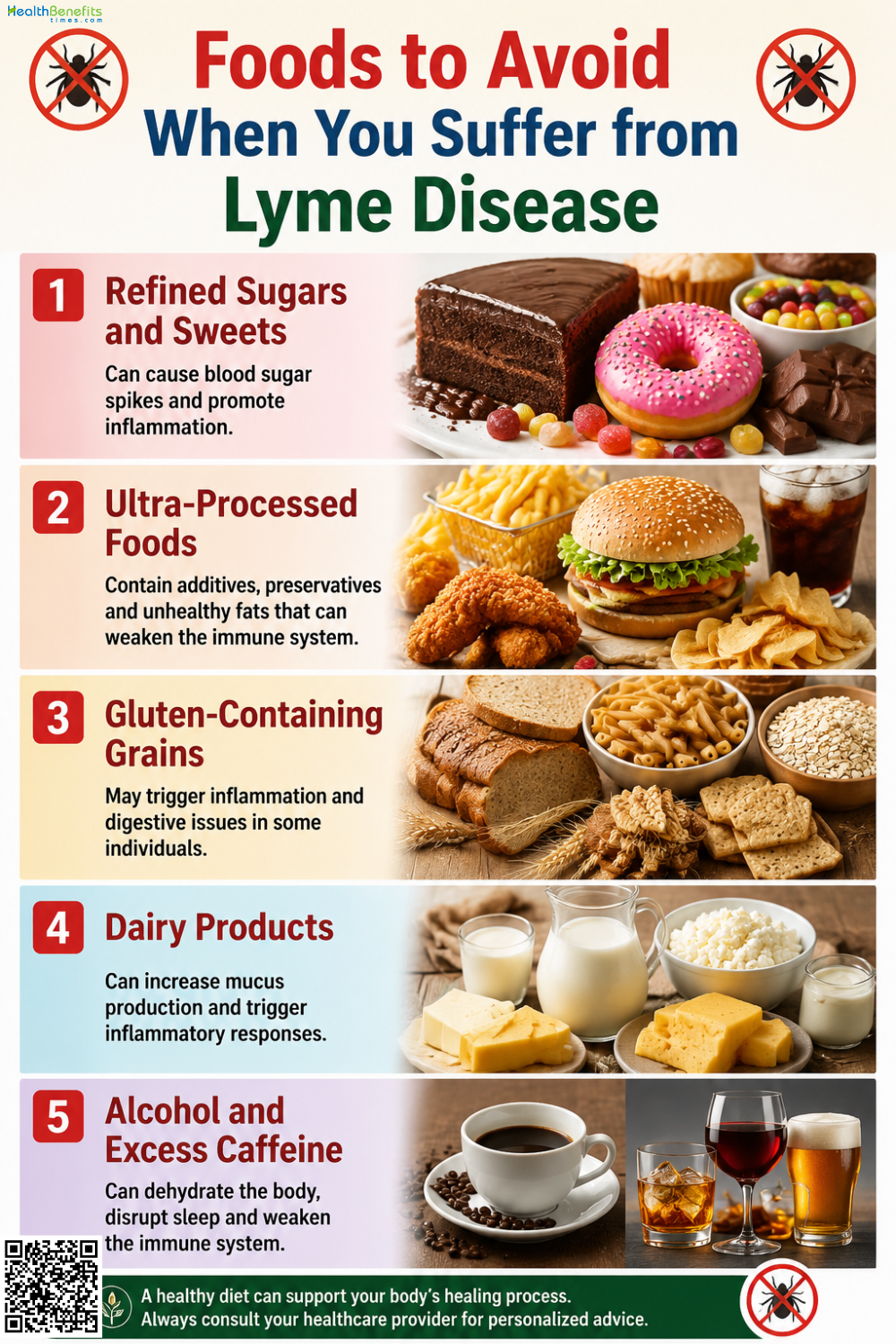
2. Ultra-Processed Foods
Commercial snacks, prepackaged meals, and fast food contain artificial additives and trans fats that trigger pro-inflammatory pathways 35, 38.
3. Gluten-Containing Grains
Wheat, barley, and rye can provoke intestinal irritation and immune reactivity in sensitive individuals 35, intensifying joint discomfort and fatigue 35.
4. Dairy Products
Milk, cheese, and butter can induce inflammatory responses similar to gluten proteins 35, aggravating existing systemic symptoms.
5. Alcohol and Excess Caffeine
Alcohol impairs immune defenses and delays healing 35, while excessive caffeine can disrupt healthy sleep patterns and strain adrenal function 34.
When to See a Doctor When You Struggle from Lyme Disease
1. Development of a Expanding Skin Rash
Consult a healthcare provider promptly if you notice an expanding circular rash, particularly one featuring a distinct center clearing, which frequently appears weeks following a tick encounter 5, 39.
2. Sudden Flu-Like Manifestations
Seek medical evaluation if you experience unexplained fever, chills, severe fatigue, headaches, or swollen lymph nodes after spending time in wooded or grassy environments 5, 39.
3. New Neurological Impairments
Promptly seek professional care if you develop sudden facial muscle weakness, severe neck stiffness, or sharp nerve pain and numbness radiating down the limbs 39.
4. Cardiac Irregularities and Palpitations
Immediate medical attention is required if you experience dizziness, shortness of breath, fainting spells, or irregular heart rhythms indicative of cardiac involvement 39.
5. Persistent Post-Treatment Symptoms
Schedule a follow-up consultation if widespread joint pain, severe fatigue, or cognitive difficulties persist long after you have completed your prescribed antibiotic treatment course 39.