

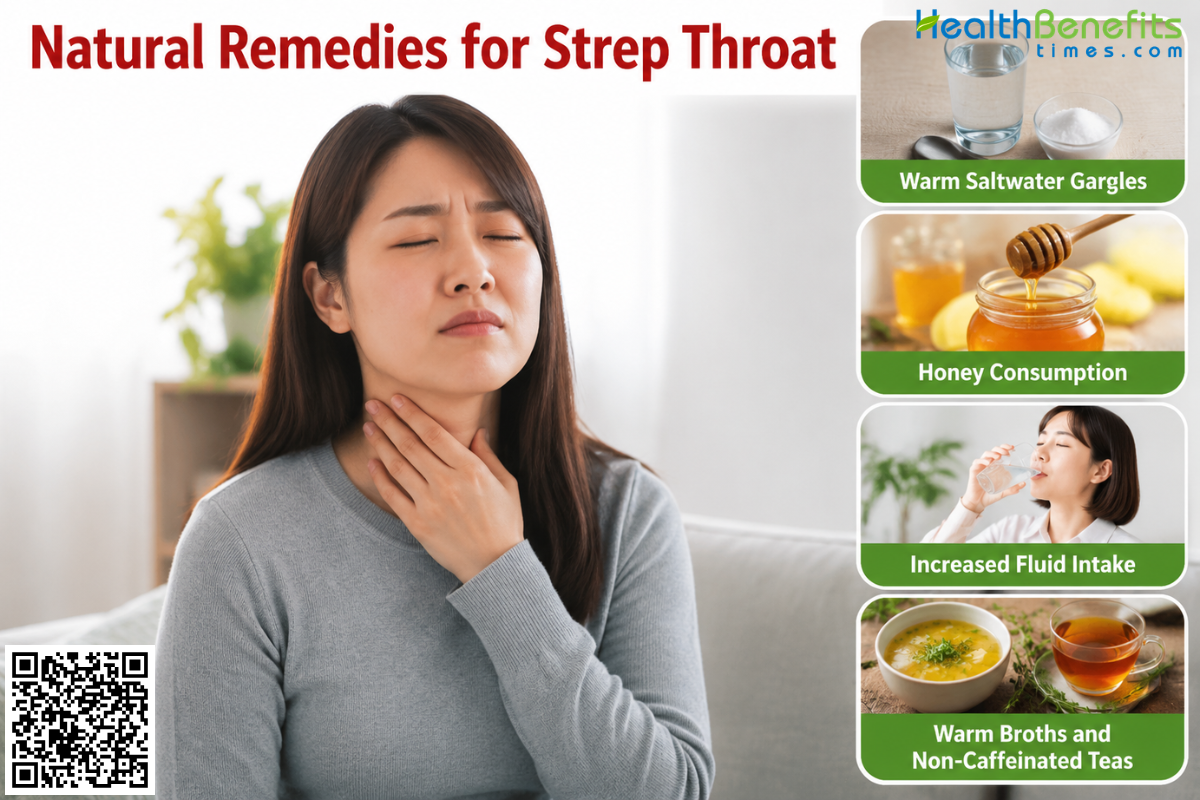
Strep throat, medically known as streptococcal pharyngitis, is a highly contagious bacterial infection affecting the throat and tonsils. It is caused by Streptococcus pyogenes, also referred to as group A streptococcus (GAS) 1. Unlike most sore throats, which are viral, strep throat requires specific antibiotic treatment to resolve symptoms, reduce transmission, and prevent serious complications such as rheumatic fever or post-streptococcal glomerulonephritis (kidney disease) 2. The infection typically presents with a sudden, severe sore throat, pain during swallowing, fever, red and swollen tonsils often with white patches of pus, and enlarged lymph nodes in the neck. It rarely involves a cough or runny nose, which are hallmarks of viral infections 3. A definitive diagnosis requires a rapid antigen detection test (RADT) or a throat culture performed by a healthcare provider 2.
Causes of Strep Throat
- Bacterial Pathogen: The direct and only biological cause of strep throat is an infection by the bacterium Streptococcus pyogenes, commonly referred to as group A streptococcus (GAS) 1.
- Airborne Respiratory Droplets: The bacteria are most commonly transmitted when an infected individual coughs, sneezes, or talks, releasing small, bacteria-filled moisture droplets into the air that are then inhaled by others 1.
- Direct Saliva Contact: The infection spreads easily through the exchange of oral secretions, meaning it can be contracted by kissing an infected person or by sharing personal items such as drinking glasses, water bottles, or eating utensils 4.
- Contaminated Surfaces: Group A strep bacteria can temporarily survive on environmental surfaces; a person can become infected by touching a contaminated object, such as a doorknob or toy, and then touching their own mouth, nose, or eyes 1.
- Infected Skin Lesions: Because group A strep also causes skin infections like impetigo, touching the fluid or sores of an infected person’s skin lesions can transfer the bacteria and subsequently cause strep throat 4.
- Improper Food Handling: Though considered rare, group A strep can be transmitted through foodborne outbreaks, which typically happen when an infected person handles food that is consumed by others without prior proper cooking 1.
Symptoms of Strep Throat
- Sudden Onset of Sore Throat: The throat pain typically develops very quickly and is unusually severe. Unlike a typical cold, this sore throat usually occurs without viral symptoms such as a cough, hoarseness, or a runny nose 1.
- Painful Swallowing: Individuals frequently experience sharp pain or significant discomfort when attempting to swallow food, liquids, or saliva 4.
- Fever: A sudden, elevated body temperature, generally reaching 101°F (38.3°C) or higher, is a hallmark of this bacterial infection 1.
- Red, Swollen Tonsils with Pus: The tonsils appear abnormally red and enlarged, frequently coated with visible white or yellow patches or streaks of pus, known clinically as exudate 1.
- Palatal Petechiae: Tiny, dark red spots may appear on the roof of the mouth (both the soft and hard palate). These are caused by minor bleeding from broken capillaries during the infection 4.
- Swollen Lymph Nodes: The lymph nodes located in the front of the neck (anterior cervical lymph nodes) become noticeably enlarged and tender to the touch as the immune system reacts to the bacteria 1.
- Systemic and Gastrointestinal Issues: Particularly in young children, the infection can cause secondary symptoms beyond the throat, including headaches, nausea, vomiting, and abdominal pain 4.
Natural Remedies for Strep Throat
1. Warm Saltwater Gargles
How it may help
Saltwater gargles assist in reducing throat swelling and relieving the severe pain associated with strep throat. The salt draws out excess fluid from the inflamed tonsils and throat tissues, temporarily easing discomfort and helping to wash away loose mucus 5.
What research says
Clinical guidelines support warm saltwater gargles as a standard, non-pharmacological method for temporary symptom relief in acute pharyngitis. However, health authorities emphasize that while gargling effectively soothes tissue irritation, it does not cure the underlying bacterial infection and must never replace prescribed antibiotics 1.
How to use it safely
To use this remedy, dissolve half a teaspoon of salt in eight ounces of warm water 6. Take a sip, tilt your head back, and gargle the solution in the back of your throat for several seconds before spitting it out. You can repeat this multiple times daily.
Potential precautions or side effects
Do not swallow the saltwater, as it can cause stomach upset. This remedy is not recommended for young children who lack the coordination to gargle without swallowing the liquid.
2. Honey Consumption
How it may help
Honey acts as a natural demulcent, meaning it coats the inflamed tissues of the throat to provide immediate, soothing relief from pain and irritation 7. This protective layer helps reduce the severe, scratchy sensation frequently experienced during swallowing when infected with strep throat.
What research says
Health authorities acknowledge that honey effectively manages sore throat symptoms, serving as a reliable non-prescription remedy for tissue discomfort 5. While clinical evidence supports its use for temporary pain relief, honey does not eliminate group A streptococcus bacteria and cannot cure the underlying infection 1.
How to use it safely
To soothe your throat, you can consume one to two teaspoons of plain honey directly. Alternatively, stir the honey into a cup of warm water or decaffeinated tea 5. Sip this mixture slowly as needed throughout the day to help minimize swallowing discomfort.
Potential precautions or side effects
Never give honey to infants under one year of age due to the severe risk of infant botulism, a rare but life-threatening neurological condition 8.
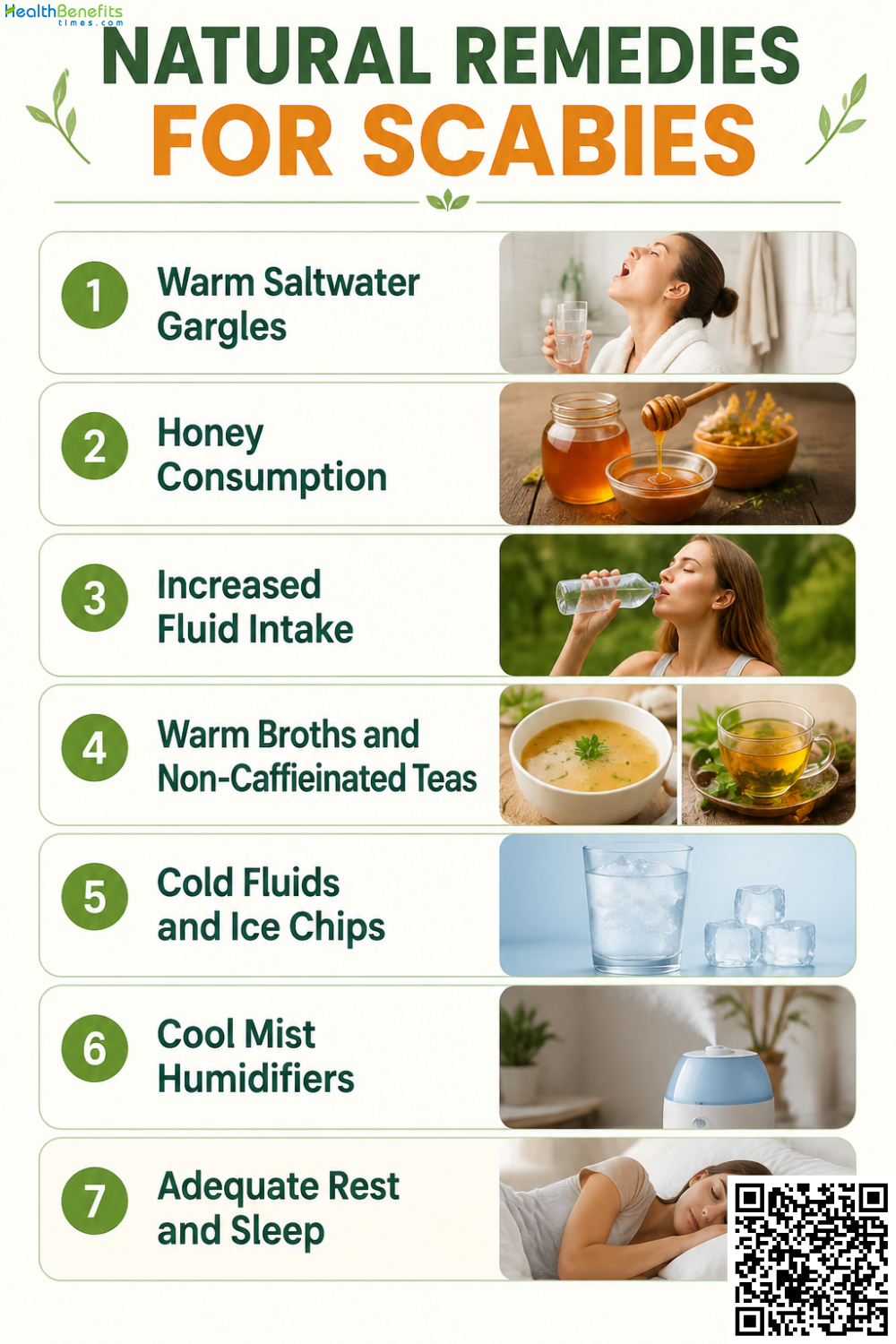
3. Increased Fluid Intake
How it may help
Increasing fluid intake helps keep the throat moist, which prevents painful tissues from drying out and becoming further irritated. Additionally, staying well-hydrated is crucial to replace the fluids lost due to the high fevers frequently associated with a bacterial strep throat infection 5.
What research says
Clinical guidelines from health organizations consistently recommend drinking plenty of liquids as a primary supportive care measure for throat infections 5. While adequate hydration supports overall immune function and eases symptom severity, it does not neutralize the bacteria and cannot replace necessary antibiotic treatments.
How to use it safely
You should drink water, clear broths, or decaffeinated teas throughout the day. To minimize pain while swallowing, choose liquids that are warm or cool rather than extremely hot. Avoid acidic beverages like orange or lemon juice, as they can sting your inflamed throat tissues.
Potential precautions or side effects
Avoid caffeinated and alcoholic beverages, as they can lead to further dehydration. Individuals with severe kidney or heart conditions should consult their doctor regarding specific daily fluid intake limits.
4. Warm Broths and Non-Caffeinated Teas
How it may help
Consuming warm broths and non-caffeinated teas provides soothing warmth that eases the sharp pain of swollen throat tissues. These warm liquids help thin out excess mucus, keep the throat comfortably moist, and deliver essential hydration needed to recover from fevers associated with strep throat 5.
What research says
Public health guidelines endorse warm liquids as an effective, non-prescription strategy to alleviate severe throat discomfort 5. However, medical experts emphasize that these comforting beverages only manage symptoms and do not possess the antibacterial properties required to cure a group A streptococcus infection 1.
How to use it safely
You should sip clear broths or herbal teas slowly to maximize the soothing effect. Ensure the liquid is comfortably warm, rather than boiling hot. Choose completely non-caffeinated options, such as chamomile or peppermint tea, to prevent dehydration and support restful sleep.
Potential precautions or side effects
Avoid extremely hot beverages, which can severely burn and further damage inflamed throat tissues. Additionally, monitor the sodium content in store-bought broths if you have high blood pressure.
5. Cold Fluids and Ice Chips
How it may help
Consuming cold fluids and ice chips acts as a mild local anesthetic to numb the throat, offering immediate relief from severe swallowing pain. The cold temperature also helps to constrict blood vessels, which reduces the intense redness and tissue swelling in the tonsils associated with the infection 5.
What research says
Health authorities recommend sucking on ice chips and drinking cold liquids as a safe, effective method to manage acute sore throat discomfort 5. However, medical experts emphasize that these cold therapies only mask the pain temporarily and cannot eliminate the underlying bacterial infection 1.
How to use it safely
You should suck on small ice chips or plain popsicles as needed to numb your throat pain. Allow the ice to melt slowly in your mouth rather than chewing it. Additionally, sip cold water consistently to maintain hydration and keep inflamed tissues moist.
Potential precautions or side effects
Never give ice chips or hard popsicles to infants or toddlers due to a severe choking hazard. Additionally, you must avoid chewing the ice to prevent damaging your tooth enamel.
6. Cool Mist Humidifiers
How it may help
Running a cool mist humidifier adds essential moisture to indoor air, preventing the throat tissues from drying out. This continuous hydration helps soothe the inflamed, scratchy lining of the throat and reduces severe discomfort, particularly during sleep when throat dryness tends to worsen 5.
What research says
Public health guidelines recommend the use of a cool mist humidifier as a supportive measure to manage severe throat pain 5. While clinical evidence supports environmental humidification for reducing tissue irritation, experts stress that it only manages symptoms and cannot cure the bacterial infection 1.
How to use it safely
You should place the cool mist humidifier in your bedroom while sleeping. To ensure safe operation, always fill the device with distilled or purified water rather than tap water. You must empty the tank and clean the humidifier daily to prevent harmful microbial growth.
Potential precautions or side effects
Failing to clean the device regularly allows mold and bacteria to grow, triggering respiratory issues. Avoid warm mist vaporizers entirely, as they pose a severe burn risk to young children.
7. Adequate Rest and Sleep
How it may help
Getting adequate sleep and physical rest allows the immune system to dedicate essential energy toward fighting the bacterial infection 9. Proper rest also minimizes the physical exhaustion caused by high fevers and systemic inflammation frequently associated with a severe strep throat infection 1.
What research says
Health authorities state that physical rest is a critical supportive measure for recovering from acute bacterial infections, as sleep deprivation severely impairs immune function 9. While resting aids recovery, experts stress it cannot eliminate the group A streptococcus bacteria and must not replace prescribed antibiotics 1.
How to use it safely
You should stay home from work or school to ensure complete physical rest and prevent spreading the highly contagious bacteria 1. Aim for at least eight to ten hours of uninterrupted sleep each night, and take short daytime naps to assist your body in healing.
Potential precautions or side effects
Prolonged immobility in bed may cause mild muscle stiffness. To prevent this, you should occasionally engage in light stretching or take short walks indoors without overexerting your energy.
Foods to Avoid When You suffer from Strep Throat
1. Acidic Foods and Beverages
Citrus fruits, juices, and tomatoes contain high acid levels that severely sting and further irritate the inflamed, infected tissues of the throat 10.
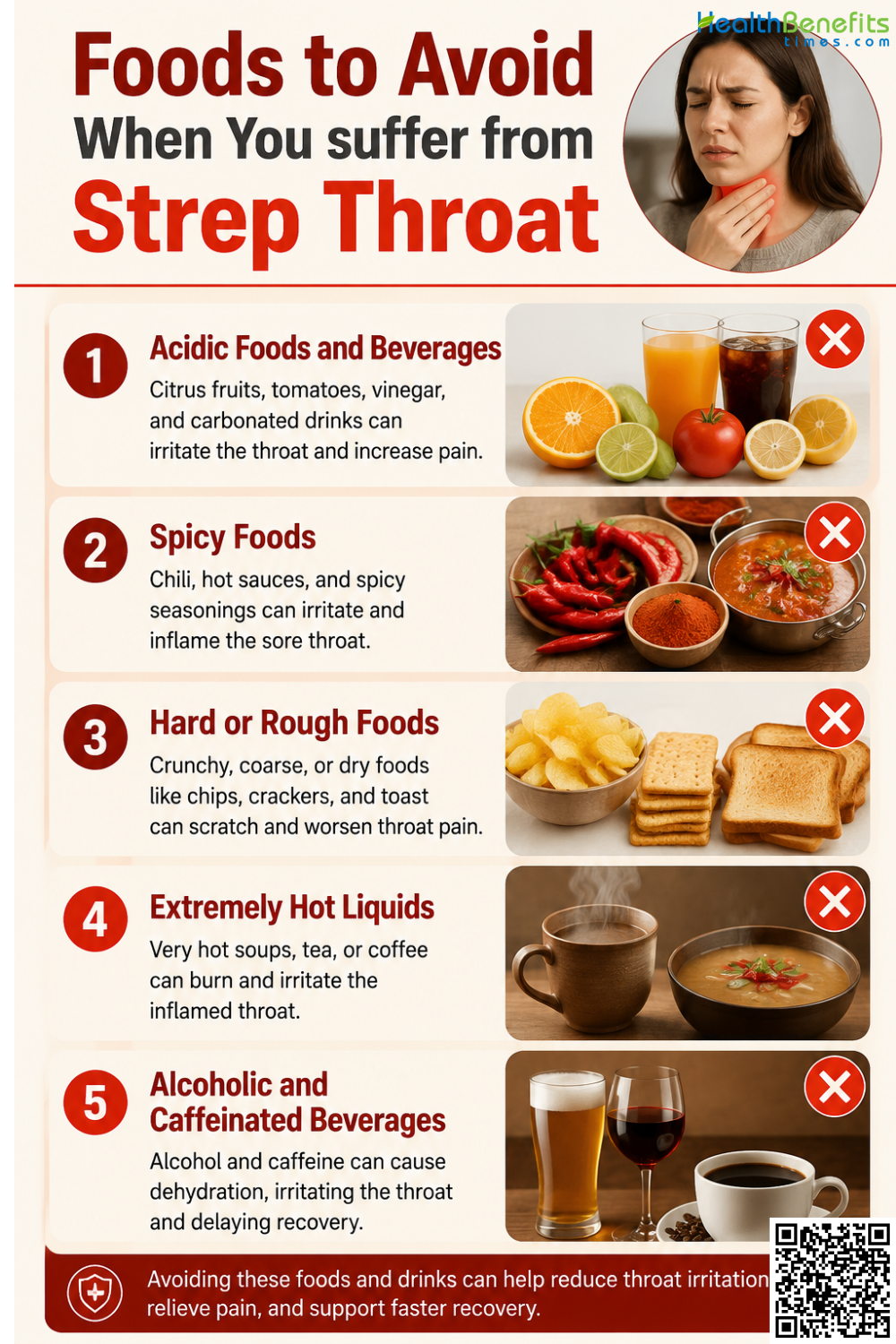
2. Spicy Foods
Spices and hot peppers can trigger intense burning sensations and exacerbate the severe pain associated with swollen tonsils and pharyngeal inflammation 10.
3. Hard or Rough Foods
Dry snacks like potato chips, crackers, and crusty bread can physically scratch the sensitive, swollen throat lining, causing sharp pain during swallowing 6.
4. Extremely Hot Liquids
While warm beverages soothe, boiling hot soups or teas can burn the already damaged mucous membranes of the throat, worsening tissue irritation 5.
5. Alcoholic and Caffeinated Beverages
Alcohol and caffeine act as diuretics, promoting dehydration and drying out the throat tissues, which increases scratchiness and delays recovery 5.
When to see Doctor when you struggle from Strep Throat
1. Persistent Sore Throat
Seek a clinical evaluation if your throat pain lasts longer than two days, as this duration strongly indicates a bacterial infection requiring targeted medical intervention 11.
2. Elevated Body Temperature
Contact a healthcare professional if you develop a sudden fever of 101°F (38°C) or higher, as this is a primary clinical indicator of a Group A strep infection 12.
3. Severe Swallowing and Breathing Issues
You should get emergency medical care immediately if you experience breathing difficulties or excessive drooling, as these are critical signs of severe throat swelling 11.
4. Sandpaper-Like Skin Rash
Consult a doctor if a rough, red rash spreads across the body, because this indicates scarlet fever, an infection that develops from untreated strep bacteria 13.
5. Swollen Neck Glands
Schedule a medical visit if you notice visibly swollen and tender lymph nodes in the neck, which represent the immune system fighting a localized bacterial invasion 6.